Google extends deadline for Hotel Ads commission bidding sunset

Google announced a grace period for its planned phase-out of commission-based bidding in Hotel Ads campaigns. The new deadline is Feb. 20, 2025

Why we care. This extension gives hotel advertisers more time to adapt and carefully plan and implement new bidding strategies to ensure uninterrupted campaign performance.

Key details:

  • Existing Hotel ads campaigns using commission-based strategies will continue until Feb. 20, 2025.
  • Reconciliation for commissions (per stay) available until Nov. 30, 2025.

How to prepare:

  • Shift existing campaigns to new bid strategies before the sunset date.
  • Consider creating new Performance Max campaigns for travel goals.
  • Plan for reconciliation of any outstanding commissions.

Get the newsletter search marketers rely on.


Original source: https://searchengineland.com/google-hotel-ads-commission-bidding-sunset-deadline-extended-445178

Make Money with Spicy Romance Books

Romance books have always been a popular genre – but ‘spicy’ books have a new and massive readership thanks to several high-profile books lately (Sarah J Maas, we’re looking at you). If you’ve always wanted to make money writing books, and you have a creative imagination, this could be a great way to make money. Here’s your total guide to writing erotica, PG romance, and everything in-between!


What is Romance as a Genre?

Romance writing spans a very broad spectrum of types of books. There is one obvious common theme: people fall in love. But other than that, almost anything goes!

A recent boom in ‘romantasy’ blends romance with fantasy books, and this has introduced a whole new generation to romance writing (and reading). But there are lots of different types. You can either self publish or traditionally publish, depending on how quickly you want to make money and how much control you want over the publishing process.

How Spicy Do I Need to Be?

‘Spicy’ is a term used for erotic writing that is graphic and/or explicit, while more ‘traditional’ romance is often called ‘closed door’. It means you get hints of what happens, but most is left up to the reader’s imagination as it happens ‘behind closed doors’. Spicy books are often very explicit, so you need to be comfortable with writing R-rated things!

The good news is there are audiences for all levels of ‘spice’. So, if you’re not comfortable writing explicit sex scenes, you can still make money writing romance books.

How Do I Write a Romance Book?

While it is now easier than ever to publish your writing thanks to eBooks and platforms like Amazon and Apple Books, you still need to put in the work if you want to make consistent money from your romance writing!

Here are a few important things to consider.

Read, Read, Read!

First of all, before you even set pen to paper or fingers to typewriter, make sure you know your genre. Get your hands on a library card, or sign up to a free trial of Kindle Unlimited, and read as much romance fiction you can get your hands on. This is the best masterclass you can take when you’re learning how to write romance novels.

Pay attention to common themes and tropes, what you like to read and what turns you off (pun intended), and this will help you shape an idea of what kind of romance writer you want to be. It will also show you what is a bit too commonly seen, the bad kinds of tropes you want to avoid, and hopefully spark ideas about how you can tackle them in a fresh new way.

Romance Book Length

Romance is usually between 50,000 words for commercial (‘chick lit’) up to 80,000 for historical romance. Romantasy books that blend romance and fantasy genres are generally longer, up to around 100,000 words, but it doesn’t have to be that long.

You can also try your hand at short reads. Amazon Kindle determines the length of a read by the page numbers – you can’t set this in your upload metadata, but generally if you stick within certain page limits you’ll come up in the right search filters.

The rough page count for short reads would be:

  • 15 minutes – 1 to 11 pages
  • 30 minutes – 12 to 21 pages
  • 45 minutes – 22 to 32 pages
  • One hour – 33 to 43 pages
  • 90 minutes – 44 to 64 pages
  • Two hours or more – 65 to 100 pages

This is book pages, rather than number of pages in word. A book page is around 280 words. So, a 30-minute read at 15 pages long would be around 4,200 words. These short stories do particularly well when enrolled in Kindle Unlimited, which is ideal for new writers to build their brand – the returns are smaller, but more people are likely to read your book.

You Need a Plot

Romance isn’t just about people falling in love and doing rude things to each other! Readers of romance love the story of why people fall in love, out of love, and even when they’re torn between loving two people. Plot is very important in romance books, but there are some key moments most will have, including:

  • A meet cute of the couple-to-be
  • A honeymoon phase
  • The problem turning point (do they have a spouse or partner already? Does someone else come into their lives? etc)
  • An argument between the lovers
  • Either an ending where they get back together for good (known as a happy ever after) or at least in the short-term (called ‘happy for now’)

Think about what it is that makes people fall in and out of love. Spicy books are great at focusing on the physical elements of relationships, but romance readers are a smart audience and they’ll want more than surface lust to keep them reading. Working out who your characters are, what their aim is and the obstacles they face to get to it, and why they end up in love are all important plot points you need to include.

Think About Your Audience

It helps to have a clear audience in mind before you start writing. This will impact the tone of your writing, how explicit you are with intimate scenes, and the type of plot you will write. For example, some older readers prefer classic Mills and Boon ‘gentle closed door romance’ while there is a growing trend for women in their 20s and 30s to enjoy particularly ‘spicy’ novels. Having a couple of ‘ideal readers’ in mind when you’re writing will help you stay on track and focus the ‘brand’ of your book.

Pick Your Protagonist Well

Your main character needs to be someone who is a go-getter, even if they are naturally timid. They need to have a reason to change across the book – this could be because they have moved from a village to a city (or vice versa), have a new job, go on holiday or similar. A change in circumstance and/or location is usually what makes characters seek out new things – and that’s what drives the plot of a romance book.

While your character can be anyone, generally your protagonist will be female, as the majority of romance readers are women. You can have male or non-binary perspectives, but there is a smaller niche for them. Many romance authors like to do ‘dual POV’ or dual point of view, which means you write one chapter in your protagonist’s voice and another in the antagonist (or second protagonist) voice and alternate through the book to give different perspectives. This is particularly useful for telling the story in a broader way, rather than sticking in one character’s head – but it can be tricky to do, so takes some practice.

If you decide on dual POV, be very careful not to ‘head hop’. This is when you change internal thoughts from one character to another in the same scene. It is confusing for the reader! So stick to one scene, one person’s inner thoughts – then you can always change the character in the next scene.

Find a Proofreader

Before you publish or send your book to an agent to get published, you need to have someone else read your book. There are different types of editors, costing different amounts. A developmental editor is very deep-dive and will work on the structure and story of your romance novel. A copy editor or line editor will improve how your sentences flow and fact-check things to make sure you don’t make any glaring mistakes. The cheapest option is a proofreader, who reads the book and highlights your spelling and grammar errors.

It might feel hard to pay before you get any income from your book, but if you’re the only person reading it you can easily miss errors because you’ve been staring at the same pages for weeks! A good proofreader will help you bring your book up to standard. It’s important for whether you are self publishing or sending to an agent.

First, with self publishing, it is important to avoid spelling and grammatical errors which can put off your readers – and with platforms like Kindle Unlimited, you’re paid by the number of pages that are read. So you want people to keep reading!

Secondly, if you want to be noticed by a publisher or agent, you need your manuscript to be in the best shape possible to get their attention. Mistakes can stop them reading and reject the book, which means you’ll have to start the long query process all over again.

Do I Need an Agent to Publish My Romance Novel?

Yes or no! There are two reasons both answers are true.

Self publishers don’t need an agent – they can publish whatever they want, whenever they want. But as we talked about earlier, they also have to do all the marketing and business side of selling romance novels, too.

Some traditional publishers, like Mills and Boon (read more below) will accept book submissions from someone who doesn’t have an agent. There aren’t many places that do this, and they’re very competitive, but it is a way in to the industry if you can get it.

Most traditional publishers will only take submissions from an agent. This means you need to get literary representation before you can think about publishing. This tends to be more for commercial women’s fiction or high-profile genres like romantasy.

Where Can I Publish My Romance Book?

You can choose to self publish your book on platforms like Amazon, or traditionally publish to get your book into shops. There are pros and cons to both.

Self publishing gives you total control over what you write, when it is published, and you receive a higher percentage of sale revenue. However, you also need to design your book cover, run your PR, and continue to market the book once it is published, all of which can cost money and take a lot of time to learn and carry out. You don’t get an advance payment with self publishing, so you need some funds to get started.

Traditional publishing is historically more ‘prestigious’, but that matters less these days. However, you will have an editor and marketing team behind the book if you manage to sell it to a publisher, so you don’t have to do everything as you do with self publishing. You will also be paid an advance if you sell the book, but make a smaller percentage on royalties.

Publishing on Amazon

It is very easy for anybody to self publish on Amazon and similar platforms. You need to have a finished book that is in a book format – software like Vellum can help you with this, or there are Word templates online you can use. Many authors enjoy using Scrivener, which has some helpful preset templates and can be exported into various formats. If you’re a member of the Society of Authors, you can get a 20% discount on the software – plus they do a free 30-day trial for everyone.

You need a few things before you can hit publish:

  • A book cover
  • A back blurb (the short description on the back of the book to entice readers)
  • The manuscript
  • An ISBN number (two if you plan to allow for physical copies to be purchased)
  • Social media art for promotion
  • Short descriptions for meta data
  • A list of keywords that relate to your book to help people find it in searches

Amazon Kindle Direct Publishing is the most common platform for new writers to start on. There is a helpful tutorial on the website, and lots of YouTube videos for more in-depth lessons about the nuances of promoting your romance book.

Publishing Mills and Boon Books

If self publishing sounds too complicated, or you want the prestige of being a traditionally published author, Mills and Boon are the most famous name in romance. The brilliant news is that you don’t need to have an agent to submit to them – which is very unusual in the world of traditional publishing!

There are some guidelines to follow before you submit. Read their submission guidelines on the website – and make sure you know which imprint you want to submit to, too. Different imprints are like different brands underneath the Mills and Boon umbrella, and they each have a distinctive voice, audience, and types of story.

Mills and Boon Modern – has a hero willing to take charge, but the heroine has a feisty side to her. Think international glitz and glamour for this series.

Mills and Boon True Love – this series is about relatable women and deeply desirable men, without graphic scenes but intense emotion and tension.

Mills and Boon Medical – the clue is in the name here, with medical settings taking the foreground, and dedicated medical professionals with hearts of gold who work together.

Mills and Boon Historical – every time period up to the 1950s and every level of spice is accepted, with dynamic characters who have relatable conflicts

Harlequin Books

Mills and Boon also have Harlequin books, which is another type of novel. They are more cross-genre than the above imprints. The Intrigue submission guidelines state that books with thriller storylines around 55,000 words are welcomed. The Suspense submission guidelines state that imprint is for more complex, sustained suspense romance stories around 70,000 words long.

Getting Started Resources

The internet is your friend! There are so many amazing YouTube channels and podcasts and Substacks, it’s too many to list, but these ones are great for beginner writers – some are romance-specific, while others help you learn more about the craft of writing and also self-publishing.

YouTube Channels

Podcasts, Websites, and Newsletters

Keep an eye out for the next in this series, which will be all about how to create an author brand to sell more books!

The post Make Money with Spicy Romance Books appeared first on MoneyMagpie.

Original source: https://www.moneymagpie.com/make-money/make-money-with-spicy-romance-books

Here Is Where to Stay & Go During Your Business Trip to Miami

Home Business Magazine Online

Are you traveling to Miami soon to seek out new opportunities for your company? Don’t just hang out in your hotel’s business center — spend time getting to know the city that is famous for its beaches, culture, and nightlife. With strategic planning, your business trip to Miami can be the perfect blend of professional productivity and much-needed relaxation and leisure. Below are some awesome establishments to put in your trip’s itinerary:

Where to Stay: Novotel Miami Brickell

Novotel Miami

Located in the heart of Miami’s financial district, Novotel Miami Brickell offers comfy and aesthetically pleasing rooms and a well-equipped business center. The hotel’s high-speed Wi-Fi, comfortable workspaces, and sleek, professional atmosphere make it easy for you to stay productive during your business trip. The rooftop pool and fitness center also provide relaxation and wellness options after a long day of meetings. With easy access to public transportation, restaurants, and the city’s vibrant nightlife, Novotel Miami Brickell combines convenience, comfort, and luxury, making it a top choice for business professionals.

Where to Bond with Your Team: Drag Brunch at R House

R House

A drag brunch offers a lively and entertaining environment that is perfect for bonding with your hardworking team! And this is without a doubt the best drag brunch you will ever go to. All of the drag queens are exceptionally talented, and the food and drinks are top notch. The brunch is served family style, featuring delectable options like cinnamon sweet French toast and cayenne fried chicken. The vibrant performances, mouthwatering food, tasty drinks, and riveting atmosphere will encourage camaraderie and foster team spirit.

Where to Wine & Dine VIP Clients: CVI.CHE 105

Ceviche

CVI.CHE 105 in Miami is a top choice for entertaining clients during a business trip. Renowned for its authentic Peruvian cuisine, the restaurant offers a unique dining experience that is both sophisticated and memorable. The vibrant, modern atmosphere creates an inviting setting for business discussions, while the diverse menu (featuring award-winning ceviches and fresh seafood) caters to a variety of tastes. Attentive service ensures that every detail is taken care of, allowing you to focus on your clients. Located in downtown Miami, CVI.CHE 105 is the perfect venue for impressing clients with both ambiance and culinary excellence.

Where to Grab Coffee Before Your Meetings: Suite Habana Cafe

This coffee shop is ideal for business travelers seeking a relaxed yet productive environment. Its cozy ambiance, strong Wi-Fi, and excellent, rich Cuban coffee make it perfect for catching up on work or meeting with clients. The local flair and friendly service will also add a touch of Miami’s vibrant culture to your day. Don’t forget to also pick up a bag of their specialty Cuban coffee beans to take home!

The post Here Is Where to Stay & Go During Your Business Trip to Miami appeared first on Home Business Magazine.

Original source: https://homebusinessmag.com/lifestyles/here-where-stay-during-business-trip-miami/

Make Money with Spicy Romance Books

Romance books have always been a popular genre – but ‘spicy’ books have a new and massive readership thanks to several high-profile books lately (Sarah J Maas, we’re looking at you). If you’ve always wanted to make money writing books, and you have a creative imagination, this could be a great way to make money. Here’s your total guide to writing erotica, PG romance, and everything in-between!


What is Romance as a Genre?

Romance writing spans a very broad spectrum of types of books. There is one obvious common theme: people fall in love. But other than that, almost anything goes!

A recent boom in ‘romantasy’ blends romance with fantasy books, and this has introduced a whole new generation to romance writing (and reading). But there are lots of different types. You can either self publish or traditionally publish, depending on how quickly you want to make money and how much control you want over the publishing process.

How Spicy Do I Need to Be?

‘Spicy’ is a term used for erotic writing that is graphic and/or explicit, while more ‘traditional’ romance is often called ‘closed door’. It means you get hints of what happens, but most is left up to the reader’s imagination as it happens ‘behind closed doors’. Spicy books are often very explicit, so you need to be comfortable with writing R-rated things!

The good news is there are audiences for all levels of ‘spice’. So, if you’re not comfortable writing explicit sex scenes, you can still make money writing romance books.

How Do I Write a Romance Book?

While it is now easier than ever to publish your writing thanks to eBooks and platforms like Amazon and Apple Books, you still need to put in the work if you want to make consistent money from your romance writing!

Here are a few important things to consider.

Read, Read, Read!

First of all, before you even set pen to paper or fingers to typewriter, make sure you know your genre. Get your hands on a library card, or sign up to a free trial of Kindle Unlimited, and read as much romance fiction you can get your hands on. This is the best masterclass you can take when you’re learning how to write romance novels.

Pay attention to common themes and tropes, what you like to read and what turns you off (pun intended), and this will help you shape an idea of what kind of romance writer you want to be. It will also show you what is a bit too commonly seen, the bad kinds of tropes you want to avoid, and hopefully spark ideas about how you can tackle them in a fresh new way.

Romance Book Length

Romance is usually between 50,000 words for commercial (‘chick lit’) up to 80,000 for historical romance. Romantasy books that blend romance and fantasy genres are generally longer, up to around 100,000 words, but it doesn’t have to be that long.

You can also try your hand at short reads. Amazon Kindle determines the length of a read by the page numbers – you can’t set this in your upload metadata, but generally if you stick within certain page limits you’ll come up in the right search filters.

The rough page count for short reads would be:

  • 15 minutes – 1 to 11 pages
  • 30 minutes – 12 to 21 pages
  • 45 minutes – 22 to 32 pages
  • One hour – 33 to 43 pages
  • 90 minutes – 44 to 64 pages
  • Two hours or more – 65 to 100 pages

This is book pages, rather than number of pages in word. A book page is around 280 words. So, a 30-minute read at 15 pages long would be around 4,200 words. These short stories do particularly well when enrolled in Kindle Unlimited, which is ideal for new writers to build their brand – the returns are smaller, but more people are likely to read your book.

You Need a Plot

Romance isn’t just about people falling in love and doing rude things to each other! Readers of romance love the story of why people fall in love, out of love, and even when they’re torn between loving two people. Plot is very important in romance books, but there are some key moments most will have, including:

  • A meet cute of the couple-to-be
  • A honeymoon phase
  • The problem turning point (do they have a spouse or partner already? Does someone else come into their lives? etc)
  • An argument between the lovers
  • Either an ending where they get back together for good (known as a happy ever after) or at least in the short-term (called ‘happy for now’)

Think about what it is that makes people fall in and out of love. Spicy books are great at focusing on the physical elements of relationships, but romance readers are a smart audience and they’ll want more than surface lust to keep them reading. Working out who your characters are, what their aim is and the obstacles they face to get to it, and why they end up in love are all important plot points you need to include.

Think About Your Audience

It helps to have a clear audience in mind before you start writing. This will impact the tone of your writing, how explicit you are with intimate scenes, and the type of plot you will write. For example, some older readers prefer classic Mills and Boon ‘gentle closed door romance’ while there is a growing trend for women in their 20s and 30s to enjoy particularly ‘spicy’ novels. Having a couple of ‘ideal readers’ in mind when you’re writing will help you stay on track and focus the ‘brand’ of your book.

Pick Your Protagonist Well

Your main character needs to be someone who is a go-getter, even if they are naturally timid. They need to have a reason to change across the book – this could be because they have moved from a village to a city (or vice versa), have a new job, go on holiday or similar. A change in circumstance and/or location is usually what makes characters seek out new things – and that’s what drives the plot of a romance book.

While your character can be anyone, generally your protagonist will be female, as the majority of romance readers are women. You can have male or non-binary perspectives, but there is a smaller niche for them. Many romance authors like to do ‘dual POV’ or dual point of view, which means you write one chapter in your protagonist’s voice and another in the antagonist (or second protagonist) voice and alternate through the book to give different perspectives. This is particularly useful for telling the story in a broader way, rather than sticking in one character’s head – but it can be tricky to do, so takes some practice.

If you decide on dual POV, be very careful not to ‘head hop’. This is when you change internal thoughts from one character to another in the same scene. It is confusing for the reader! So stick to one scene, one person’s inner thoughts – then you can always change the character in the next scene.

Find a Proofreader

Before you publish or send your book to an agent to get published, you need to have someone else read your book. There are different types of editors, costing different amounts. A developmental editor is very deep-dive and will work on the structure and story of your romance novel. A copy editor or line editor will improve how your sentences flow and fact-check things to make sure you don’t make any glaring mistakes. The cheapest option is a proofreader, who reads the book and highlights your spelling and grammar errors.

It might feel hard to pay before you get any income from your book, but if you’re the only person reading it you can easily miss errors because you’ve been staring at the same pages for weeks! A good proofreader will help you bring your book up to standard. It’s important for whether you are self publishing or sending to an agent.

First, with self publishing, it is important to avoid spelling and grammatical errors which can put off your readers – and with platforms like Kindle Unlimited, you’re paid by the number of pages that are read. So you want people to keep reading!

Secondly, if you want to be noticed by a publisher or agent, you need your manuscript to be in the best shape possible to get their attention. Mistakes can stop them reading and reject the book, which means you’ll have to start the long query process all over again.

Do I Need an Agent to Publish My Romance Novel?

Yes or no! There are two reasons both answers are true.

Self publishers don’t need an agent – they can publish whatever they want, whenever they want. But as we talked about earlier, they also have to do all the marketing and business side of selling romance novels, too.

Some traditional publishers, like Mills and Boon (read more below) will accept book submissions from someone who doesn’t have an agent. There aren’t many places that do this, and they’re very competitive, but it is a way in to the industry if you can get it.

Most traditional publishers will only take submissions from an agent. This means you need to get literary representation before you can think about publishing. This tends to be more for commercial women’s fiction or high-profile genres like romantasy.

Where Can I Publish My Romance Book?

You can choose to self publish your book on platforms like Amazon, or traditionally publish to get your book into shops. There are pros and cons to both.

Self publishing gives you total control over what you write, when it is published, and you receive a higher percentage of sale revenue. However, you also need to design your book cover, run your PR, and continue to market the book once it is published, all of which can cost money and take a lot of time to learn and carry out. You don’t get an advance payment with self publishing, so you need some funds to get started.

Traditional publishing is historically more ‘prestigious’, but that matters less these days. However, you will have an editor and marketing team behind the book if you manage to sell it to a publisher, so you don’t have to do everything as you do with self publishing. You will also be paid an advance if you sell the book, but make a smaller percentage on royalties.

Publishing on Amazon

It is very easy for anybody to self publish on Amazon and similar platforms. You need to have a finished book that is in a book format – software like Vellum can help you with this, or there are Word templates online you can use. Many authors enjoy using Scrivener, which has some helpful preset templates and can be exported into various formats. If you’re a member of the Society of Authors, you can get a 20% discount on the software – plus they do a free 30-day trial for everyone.

You need a few things before you can hit publish:

  • A book cover
  • A back blurb (the short description on the back of the book to entice readers)
  • The manuscript
  • An ISBN number (two if you plan to allow for physical copies to be purchased)
  • Social media art for promotion
  • Short descriptions for meta data
  • A list of keywords that relate to your book to help people find it in searches

Amazon Kindle Direct Publishing is the most common platform for new writers to start on. There is a helpful tutorial on the website, and lots of YouTube videos for more in-depth lessons about the nuances of promoting your romance book.

Publishing Mills and Boon Books

If self publishing sounds too complicated, or you want the prestige of being a traditionally published author, Mills and Boon are the most famous name in romance. The brilliant news is that you don’t need to have an agent to submit to them – which is very unusual in the world of traditional publishing!

There are some guidelines to follow before you submit. Read their submission guidelines on the website – and make sure you know which imprint you want to submit to, too. Different imprints are like different brands underneath the Mills and Boon umbrella, and they each have a distinctive voice, audience, and types of story.

Mills and Boon Modern – has a hero willing to take charge, but the heroine has a feisty side to her. Think international glitz and glamour for this series.

Mills and Boon True Love – this series is about relatable women and deeply desirable men, without graphic scenes but intense emotion and tension.

Mills and Boon Medical – the clue is in the name here, with medical settings taking the foreground, and dedicated medical professionals with hearts of gold who work together.

Mills and Boon Historical – every time period up to the 1950s and every level of spice is accepted, with dynamic characters who have relatable conflicts

Harlequin Books

Mills and Boon also have Harlequin books, which is another type of novel. They are more cross-genre than the above imprints. The Intrigue submission guidelines state that books with thriller storylines around 55,000 words are welcomed. The Suspense submission guidelines state that imprint is for more complex, sustained suspense romance stories around 70,000 words long.

Getting Started Resources

The internet is your friend! There are so many amazing YouTube channels and podcasts and Substacks, it’s too many to list, but these ones are great for beginner writers – some are romance-specific, while others help you learn more about the craft of writing and also self-publishing.

YouTube Channels

Podcasts, Websites, and Newsletters

Keep an eye out for the next in this series, which will be all about how to create an author brand to sell more books!

The post Make Money with Spicy Romance Books appeared first on MoneyMagpie.

Original source: https://www.moneymagpie.com/make-money/make-money-with-spicy-romance-books

Facebook Ads 2024 data: Clicks and conversions up, costs down

Facebook advertising continues to offer strong ROI for businesses in 2024, with some key metrics improving year-over-year according to a report released by Wordstream.

Why it matters. As Google faces antitrust scrutiny and rising ad costs, Facebook is maintaining relatively stable pricing and performance for advertisers.

By the numbers:

  • Average click-through rate for lead campaigns: 2.53% (up from 2.50% in 2023)
  • Average cost per click for lead campaigns: $1.88 (down from $1.92)
  • Average conversion rate for lead campaigns: 8.78% (up from 8.25%)
  • Average cost per lead: $21.98 (down from $23.10)

Why we care. Understanding these trends and benchmarks can help advertisers make informed decisions about their digital marketing strategies, budget allocations, and performance expectations. These industry averages provide valuable benchmarks for advertisers to gauge their own campaign performance and set realistic goals.

Between the lines. Facebook’s growing user base and high daily engagement time may be contributing to its advertising stability.

  • Facebook has 3 billion monthly active users
  • Average user spends 35 minutes per day on the platform

The big picture. Facebook ads remain an effective complement to search advertising, with generally lower costs and more stable year-over-year performance.

What they’re saying:

  • “Many consumers are searching for businesses on social media first in lieu of traditional search platforms,” says Tyler Mask, Senior Manager at LocaliQ.
  • “The in-platform lead form is more appealing for users for particular offers,” notes Brett McHale, Founder of Empiric Marketing.

What to watch. From the report there are four ways to watch how advertisers will integrate Facebook into their strategies:

  • Adoption of AI-driven tools like Advantage+ audiences could further impact ad performance metrics
  • Leveraging AI-powered creative tools to help create more visually appealing ads, potentially increasing click-through rates (CTR)
  • Utilizing the Facebook ads conversions API helping to track offline conversions potentially leading to increase in conversion rate
  • Having Facebook as part of a broader marketing strategy including other social platforms, SEO and search ads.

The bottom line. While individual results may vary, these benchmarks provide a useful gauge for advertisers to measure their Facebook campaign performance against industry averages.

Original source: https://searchengineland.com/facebook-ads-2024-data-clicks-and-conversions-up-costs-down-445162

Mesa Exploration: Ensuring Your Safety on Your Trip

Home Business Magazine Online

Exploring the beautiful landscapes and rich history of Mesa, Arizona, is an experience that many travelers cherish. Known for its stunning Sonoran Desert scenery, cultural attractions, and outdoor adventures, Mesa has a multitude of activities to offer. However, while traveling, safety should always be a primary concern.

Whether you’re hiking up the red rocks, enjoying a day at a local festival, or swimming in a natural oasis, understanding how to keep yourself safe will enhance your experience. In this article, we will discuss key safety tips to ensure your trip to Mesa remains enjoyable and accident-free.

Planning Ahead: Research and Preparation

Before setting out on your journey, thorough research is paramount. Familiarize yourself with the area by reviewing travel guides, blogs, and safety reports. Websites that focus on tourist safety in the Mesa region can provide insights into potential hazards and necessary precautions.

It is also wise to check the weather forecast. The Arizona desert can present unique weather challenges, from extreme heat in summer to sudden storms in monsoon season, both of which can impact outdoor activities. Proper planning can help you avoid unnecessary incidents. If you know you might encounter challenging weather, prepare accordingly with appropriate gear and hydration strategies.

In the event of an accident, knowing whom to contact is essential. Keeping the number of a personal injury lawyer in Mesa handy can be invaluable. Whether it’s a vehicular accident resulting from increased tourist traffic or a slip and fall incident due to an uneven trail, having access to someone who understands local laws and personal injury rights can be a significant relief in tough situations.

Stay Hydrated and Sun-Safe

In Mesa, staying hydrated is crucial, especially during the warmer months. The dry air and high temperatures can lead to dehydration quickly if you’re not careful. Carry water bottles with you whenever you venture out, and plan for regular breaks to rest and rehydrate. Dehydration can lead to headaches, fatigue, and even serious health complications if left unaddressed.

Additionally, sun safety should be a primary concern. The Arizona sun can be relentless, and protecting your skin is vital. Use a broad-spectrum sunscreen with an SPF of at least 30, reapplying every two hours, especially if you’re sweating or swimming. Wearing lightweight, long-sleeved clothing and a wide-brimmed hat can provide added protection, and seeking shade during peak sun hours helps reduce the risk of heat-related illnesses.

Be Aware of Your Surroundings

Awareness of your surroundings is a key safety practice during any travel. This is particularly true in busy tourist areas, where distractions can make you an easy target for petty theft or other accidents. Keep your valuables secured and your belongings close. Use anti-theft bags, and avoid displaying cash or expensive items when out in public.

When heading out for outdoor activities such as hiking or biking, always inform someone about your itinerary and expected return time. Explore trails within your skill level, and download maps or GPS apps to ensure you remain on course. In case of an emergency, having a fully charged phone can be lifesaving, and it’s wise to check for any signal issues in secluded areas.

Following Local Guidelines and Regulations

Every area has its guidelines and regulations, and understanding them is essential for your safety. Mesa is no exception, especially regarding outdoor activities like hiking in the nearby mountains. Follow all posted signs and markers, and familiarize yourself with the guidelines for wildlife interaction, fire safety, and the local flora and fauna.

In case of emergencies, know the local emergency contact numbers and the locations of the nearest hospitals or clinics. Planning routes that keep you close to populated areas can provide additional safety.

Connecting with the Local Community

Finally, engaging with the local community can enhance your travel experience while keeping you safe. Local residents are often knowledgeable about the area, providing helpful advice on must-see spots and the safest routes to take. Consider joining guided tours that can offer expertise and reduce the likelihood of getting lost or injured.

Whether you explore Mesa through its historical sites or outdoor adventures, keeping safety as your top priority will ensure a memorable trip. By staying informed, aware, and prepared, you can enjoy everything this vibrant community has to offer while protecting yourself and your fellow travelers. With these guidelines in mind, your time in Mesa can be both enjoyable and secure. Safe travels!

The post Mesa Exploration: Ensuring Your Safety on Your Trip appeared first on Home Business Magazine.

Original source: https://homebusinessmag.com/lifestyles/travel/mesa-exploration-ensuring-safety-trip/

Building Stronger Communities: Leadership Strategies for Disaster Preparedness

Home Business Magazine Online

Communities worldwide are frequently blindsided by natural and man-made disasters, ranging from hurricanes and earthquakes to industrial accidents and cyberattacks. When these events occur, the aftermath can be devastating, leading to loss of life, property damage, and long-term economic setbacks. Without proper leadership and preparedness, the recovery process can be prolonged and arduous.

In the face of such challenges, community leaders play a pivotal role in disaster preparedness and response. Their ability to plan, communicate, and coordinate can significantly influence how well a community withstands and recovers from disasters.

Let’s explore some practical leadership strategies to help build stronger, more resilient communities prepared to handle any disaster effectively.

1. The Impact of Effective Leadership on Disaster Preparedness

Effective leaders can inspire and mobilize their communities, ensuring everyone is on the same page when a disaster strikes. Leaders set the tone for preparedness, emphasizing its importance and encouraging proactive measures. They coordinate efforts, allocate resources, and make crucial decisions that can save lives and reduce damage.

Key traits of effective leaders in disaster preparedness include decisiveness, communication skills, empathy, and the ability to remain calm under pressure. These leaders are often seen as pillars of strength in their communities, providing direction and reassurance during uncertain times. Their ability to anticipate potential problems and develop strategic solutions is invaluable in disaster management.

2. Developing Comprehensive Disaster Plans

Creating a comprehensive disaster plan is a fundamental step in disaster preparedness. Such plans outline the actions to be taken before, during, and after a disaster, ensuring a coordinated and efficient response. A well-developed plan includes various components such as risk assessments, emergency response procedures, communication strategies, and resource management.

Professionals with an MPH in disaster management are uniquely qualified to develop these comprehensive plans. Their specialized training equips them with the knowledge and skills to assess risks accurately, design effective response strategies, and coordinate with multiple stakeholders. These professionals understand the intricacies of public health and safety, making them invaluable assets in disaster planning and response efforts.

3.     Conducting Thorough Risk Assessments and Management

Effective risk assessment requires a systematic approach. Communities should start by mapping out potential hazards, considering both natural and man-made threats. They should then analyze historical data, environmental conditions, and emerging trends to gauge the likelihood of these hazards occurring. Finally, they should assess the potential impact on people, property, and critical infrastructure.

Once risks have been identified and assessed, communities can develop mitigation strategies to reduce their impact. These strategies might include building stronger infrastructure, implementing early warning systems, and establishing emergency response protocols. By addressing risks proactively, communities can enhance their resilience and reduce the potential damage from disasters.

4. Building a Robust Communication Network for Emergencies

Effective communication ensures that everyone in the community is informed about potential threats, knows what actions to take, and can coordinate efforts during and after a disaster. A robust communication network includes various tools and channels to reach all community members quickly and efficiently.

Leaders should establish multiple communication channels, such as social media, text alerts, community websites, and local radio stations, to disseminate information. It is also essential to have a backup communication plan in case primary systems fail. Regular updates and clear, concise messages can help prevent misinformation and panic.

5. Training and Drills: Ensuring Readiness

Regular training and drills are essential for ensuring a community’s readiness for disasters. These exercises help familiarize everyone with emergency procedures, reduce panic, and improve the efficiency of responses. Training programs should cover various scenarios, from natural disasters like earthquakes and floods to man-made crises such as industrial accidents and terrorist attacks.

Simulation drills play a crucial role in preparedness. They allow community members and first responders to practice their roles in a controlled, realistic environment. These drills can reveal weaknesses in plans and procedures, providing valuable insights for improvement. For instance, evacuation drills can help identify bottlenecks in escape routes, while communication exercises can test the effectiveness of alert systems.

6. Strengthening Community Partnerships for Disaster Response

Building strong partnerships with local organizations, businesses, and government agencies is vital for effective disaster response. Collaborative efforts can enhance resource sharing, coordination, and support during emergencies. These partnerships can also provide additional expertise and resources that a single entity might lack.

Community leaders should actively seek out and cultivate these partnerships. Regular meetings, joint training exercises, and shared planning sessions can strengthen these relationships. Establishing clear roles and responsibilities before a disaster ensures a seamless response when one occurs. This collaborative approach maximizes the community’s resilience and ability to recover quickly.

7. Public Education and Awareness Campaigns

Public education and awareness are cornerstones of disaster preparedness. Educating community members about potential risks and the steps they can take to protect themselves increases overall resilience. Awareness campaigns should be ongoing, utilizing various platforms to reach a broad audience.

Educational programs can include workshops, seminars, and informational brochures. Schools can integrate disaster preparedness into their curricula, teaching children essential skills and knowledge. Social media and community websites can disseminate information quickly and effectively, keeping the public informed about potential threats and safety measures.

8. Leveraging Technology for Disaster Preparedness

Advances in technology have introduced new tools and systems that enhance prediction, communication, and response capabilities. Communities can leverage these technologies to improve their preparedness and resilience.

Early warning systems, such as weather alerts and earthquake detectors, provide critical lead time before a disaster strikes. Mobile apps and digital platforms enable real-time communication and coordination among community members and emergency responders. Geographic Information Systems (GIS) can map hazards and resources, aiding in planning and response efforts.

Investing in technology also means ensuring accessibility and usability for all community members. Training programs can teach people how to use these tools effectively. Regular updates and maintenance ensure that systems remain functional and reliable. By embracing technology, communities can stay ahead of potential disasters and respond more efficiently when they occur.

9. Continuous Evaluation and Improvement of Preparedness Plans

Disaster preparedness is an ongoing process that requires regular evaluation and improvement. Communities must periodically review their preparedness plans to identify gaps and areas for enhancement. This continuous improvement cycle ensures that plans remain relevant and effective.

Evaluation should involve feedback from all stakeholders, including community members, first responders, and partner organizations. After-action reviews following drills or real disasters can provide valuable insights into what worked well and what needs improvement. Surveys and community meetings can also gather input and suggestions.

Updating plans based on feedback and new information is crucial. As new risks emerge and technologies evolve, preparedness strategies must adapt. Leaders should establish a routine for reviewing and updating plans, ensuring they reflect current best practices and community needs. This commitment to continuous improvement strengthens the community’s resilience over time.

Conclusion

Disaster preparedness is a multifaceted effort requiring strong leadership, comprehensive planning, effective communication, and community collaboration. By understanding the importance of preparedness, leveraging technology, conducting regular training, and fostering partnerships, leaders can significantly enhance their community’s resilience. Public education and continuous evaluation further solidify these efforts, ensuring that communities are ready to face any disaster. With proactive leadership and a commitment to preparedness, communities can not only withstand disasters but also recover and thrive in their aftermath. Taking these steps today can make all the difference when the unexpected occurs.

The post Building Stronger Communities: Leadership Strategies for Disaster Preparedness appeared first on Home Business Magazine.

Original source: https://homebusinessmag.com/newsstand/news/building-stronger-communities-leadership-strategies-disaster-preparedness/

TikTok partners with Amazon for in-app shopping

TikTok

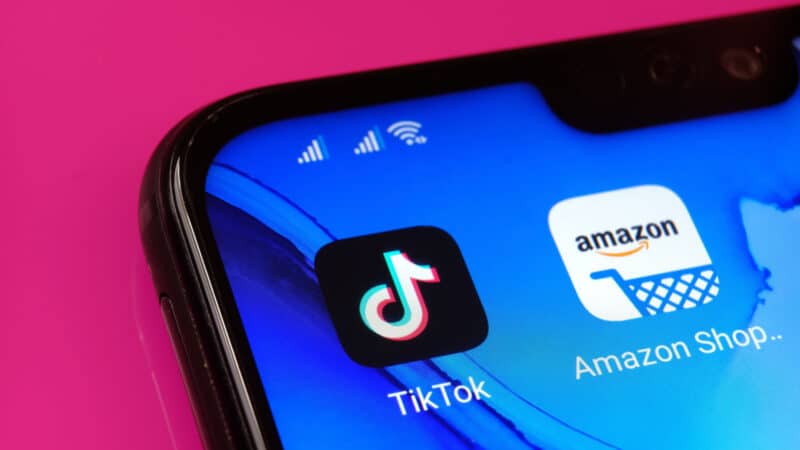
TikTok is now integrating Amazon shopping directly into its platform, allowing users to make purchases without leaving the app.

Why it matters. Advertisers having access to TikTok’s massive, highly engaged user base could be a game changer and reduced friction between discovery and purchase could boost conversion rates.

How it works:

  • Amazon product recommendations will appear in users’ “For You” feeds.
  • Users who link their TikTok and Amazon accounts can complete purchases within TikTok.
  • The integration will show real-time pricing, Prime eligibility, delivery estimates and product details.

The big picture. Amazon is expanding its reach across social media platforms, having signed a similar deal with Pinterest and existing partnerships with Instagram, Facebook and Snapchat.

Between the lines. This integration comes as TikTok Shop, launched about a year ago, seeks to gain traction in the e-commerce space.

Yes, but. TikTok users have expressed mixed feelings about ads and TikTok Shop videos in their feeds, raising questions about how this new feature will be received.

What they’re saying. “This shopping experience is powered by Amazon through ads placed on TikTok and allows users to complete product purchases with Amazon in TikTok’s native environment,” TikTok stated.

What to watch. How this integration affects user experience and engagement on TikTok, and whether it significantly boosts Amazon’s sales through social channels.

Original source: https://searchengineland.com/tiktok-partners-with-amazon-for-in-app-shopping-445115

Consumers share what they want from brands by Wunderkind

Home Business
internet marketing

If only marketers could explore inside the minds of consumers, we might know what they really want. In the rapidly evolving landscape of digital commerce, understanding consumer behavior is key to staying ahead. Our upcoming webinar, based on Wunderkind’s 2024 Consumer Insights Report for Digital Commerce, is designed to give you a comprehensive understanding of the latest trends and actionable insights. Here’s a preview of what you’ll learn and how it can transform your business strategies.

Setting the stage

Join Richard Jones, Chief Revenue Officer at Wunderkind and Tim Glomb, VP of Content, Digital, and AI at Wunderkind, as they unpack the findings of our extensive survey. We gathered responses from 1,500 consumers across the U.K. and the U.S., covering a broad range of demographics and behaviors. This session will explore many of the questions from our survey, focusing on digital purchase behavior, the impact of marketplaces, and the growing importance of brand websites.

Here’s what you can expect to take away from this webinar: 

1. Trends in digital purchase behavior

Rising online shopping frequency: We’ll dive into why nearly 33% of consumers shop online weekly and why 25% plan to increase their online shopping in the coming year. Younger consumers, especially those aged 25-34, are at the forefront of this trend.

Direct purchases and palue exchange: Learn how to incentivize consumers to buy directly from your website, thus maintaining higher margins and better customer engagement.

2. Power of personalization

Leveraging data for personalization: Discover how the depth and breadth of your data can enhance AI-driven marketing. The Wunderkind Identity Network’s extensive data pool allows for hyper-personalized messaging that outperforms competitors.

3. Adapting to consumer preferences

Preferred communication channels: Understand that email remains the top choice for personalized offers, especially among older demographics. However, SMS is gaining traction with younger consumers, indicating a shift that marketers need to embrace.

Effective advertisement yypes: Learn why ads tailored to consumer interests and behaviors are the most effective and how to create visually appealing, non-disruptive ads.

4. First-party data collection

Strategies for first-party data: As third-party cookies phase out, the importance of collecting first-party data grows. We’ll discuss strategies to gather this data and how to use it to create personalized offers that convert.

5. Navigating the digital marketplace 

Influential ad channels: YouTube and Facebook lead as the most influential ad channels. We’ll explore how to utilize these platforms to shape consumer impressions and drive purchases.

Balancing marketplaces and directsales: While consumers trust marketplaces, selling directly through your website is crucial for maintaining margins and gaining valuable data. We’ll share strategies to balance these channels effectively.

Want to interact with the data yourself?

It’s one thing to watch us reveal the trends, but what if you want to get in and dig into the data yourself? We’ve got an interactive tool that will allow you to engage with the data in real-time. You can parse the data and filter by age, country, household income, and gender. This tool will help you apply the insights from the webinar to your specific business needs. You can also ask specific questions to understand how to apply it to your use case. 

Watch the webinar now 

The 2024 Consumer Insights Report for Digital Commerce webinar is an invaluable resource for anyone looking to excel in the e-commerce space. You’ll walk away with a deeper understanding of consumer behavior, enhanced personalization strategies, and innovative methods for collecting and leveraging first-party data. Don’t miss this chance to gain insights that will drive your business forward.

Original source: https://searchengineland.com/consumers-share-what-they-want-from-brands-444619

20 strange ways to make money

Updated 7th August 2024

Would you like some strange ways to make money to liven up your weekend??

Are you a bit bonkers yourself?

A bit out of the ordinary?

Not your usual Joe?

Then these are just the money making ideas for you.

At MoneyMagpie we’ve got loads of articles on ways to make money, but these are the ones which are just plain weird…and frankly, we like ’em!

Oh, and if this tickles your fancy, check out 10 more strange ways you can make money!


1. Make Money Being a Friend

Young female friends hugging

The first of our list of strange ways to make money is a money making opportunity you probably haven’t heard of: being a friend.

Yes, there are people out there who will pay you a fee to be their ‘friend.’

What does it involve?

Whatever the person wants – whether it be someone to show them around the area, to go the cinema with, a workout buddy, an instructor or even a wingman!

If this sounds like an interesting way of making money you should sign yourself up to Rent a Friend.

It’s absolutely free to join and you keep 100% of everything you earn, only people looking for a friend pay.

People tend to charge anything from £5 – £30 an hour for their time, so there is good money to be made.

Click here to find out more about making money being a friend.


2. Make Money Taking Part in Clinical Trials

Docotor giving young woman medication

Did you know you can earn over £4,000 taking part in clinical trials?

It comes with risks, but it can help researchers break through with new medication that helps loads of people. You might participate in a short term trial, like ‘flu camp’, which is residential – or a longer term trial over a few years.

Most clinical trials are Phase One drug testing, meaning you’re one of the first humans to try a drug.

So if the idea of being a human guinea pig fills you with terror, then this isn’t the thing for you.

But if you understand the risk and are still happy to go ahead with it, there is certainly money to be made. You can earn anything from a few hundred pounds to a few thousand pounds for a few days’ testing. For example, Trials4Us do clinical trials, from £150 to attend a medical checkup for high blood pressure to £2850 for testing a drug to aid alcohol addiction. FluCamp runs trials in London for £4,400.

You might need to be an otherwise healthy person to volunteer, or you could be a subject if you have a particular condition.

Click here to find out more about making money taking part in clinical trials.


3. Make Money Playing Video Games

Happy family playing video games together

If you’re a big gamer then making money playing video games is probably the ultimate dream.

But it doesn’t have to be just a dream.

There are, in fact, several ways you can make money playing videos. Some of these ways will just supplement your income, but others can be full time money makers. One of the easiest and low-demand ways is to play games online for sites like Swagbucks.

If you just want to make a bit extra money from your hobby, why not set up a gaming blog? You’ll be able to put some adverts on it so once it begins to get a lot of visitors you’ll start to make money.

Or, if you prefer making videos to writing up articles, you can upload videos to YouTube or twitch.tv and see how much you can make there.

If you want to make serious money with video games, though, then why not become a video game tester with a starting salary of £18,000?

There’s also the chance to win BIG money in e-sports tournaments (the largest prize pool to win from is $40m) but you have to be incredibly good to win!

Click here to find out more about making money by playing video games.

4.. Make Money Selling Breast Milk

Breast pump and bottles with mother breast feeding in background

Admittedly this isn’t something that everyone can do – at least half the population (men) are already unqualified for it!

But when it comes to strange ways to make money…this is pretty high on the list!

Yes, amazingly, you really can make money selling your breast milk.

The World Health Organisation has said that the best food for a new born infant is breast milk from another healthy mother if the infant’s mother cannot breast feed herself, which has resulted in a demand for healthy breast milk.

You’re able to donate to UK milk banks but you won’t get paid for this, or you can sell your breast milk online.

Sites like Onlythebreast.com allow you to post an ad online and wait for a response from someone who requires breast milk.

You can make good money as well, at the moment four fluid ounces of milk are being sold for £15.

There are genuine concerns, however, about people who buy breast milk online. Buyers are rarely sure of the health of the mother they’re buying from and so risk getting milk contaminated by drugs or infections

Click here to find out more about making money selling breast milk.


6. Make money sleeping

Couple sleeping comfortably

Could you imagine getting paid to sleep?

How brilliant would that be?

Well some lucky so and so’s get to do just that, and they’re called bed testers.

Bed testers get to test out a whole range of beds, often luxury ones, and then give a verdict based on the night’s sleep they had.

We’re really including this one for a bit of fun because it’s really hard to become a full time bed tester – as you can imagine, it’s very competitive!

Most people were first introduced to the idea of being a bed tester after Hotel Chatter put out a call in 2006 for a professional to test their 25,000 beds.

Could you imagine? Well, we can always dream (although, unlike bed testers, we won’t get paid for it!)


7. Make money testing food…yes, even chocolate

Silly woman holding chocolate

Getting paid to test food sounds amazing, doesn’t it?

And, unlike getting paid to sleep, it’s something you have a good shot at actually being hired to do.

As a food tester, research companies are interested in getting your views on food products.

Once you’ve tasted the food you’ll be asked to give your feedback on the product – this might be as part of a focus group or you might simply just have to give it a score in a questionnaire.

In between each food sample you’ll be given a palette cleaner, such as a cracker and water, so you’re ready for the next taste.

Tests tend to last around an hour or two, but maybe slightly longer if you’re taking part in a focus group.

You’re not going to make a career out of it, it’s really just a nice way to supplement your income, but you can earn between £5-£55 depending on whether you’re just completing a questionnaire or if you’re taking part in a focus group.

Click here to find out more about getting paid to test food.


8. Make money donating sperm and eggs

Man holding sperm donation pot

Selling sperm or eggs might sound desperate, but it’s perfectly legal in the UK to do so.

If you’re a man, well, frankly it’s easy money! It could even be described as a leisure activity.

The only requirements are that you should not have any history of sexually-transmitted infection, or a personal or family history of inheritable disorders. You must also undergo medical screening, including a HIV test.

Be aware that you may also be turned away if your sperm quality isn’t high enough (don’t take it personally!)

According to the HFEA you can’t technically be paid for donating sperm, but you are given £35 per donation to cover expenses.

Egg donation, however, is a much more serious procedure…and not a lot of fun.

The egg donor must be between the ages of 18 and 36 and, before the donation takes place, a donor will have to undergo screening to limit the chance of genetic abnormalities and sexually-transmitted diseases.

If you’re found to be suitable to donate, you’ll be matched with a couple who have infertility issues. You’re then given fertility drugs to administer at home; these stimulate the ovaries into producing a number of eggs.

The HFEA has capped the amount you can make for egg donation at £750, hoping that this will only encourage people to give eggs out of altruistic intent and not because they need the extra money.

Click here to find out more about making money donating sperm and eggs.


9. Make money by queuing

People lined up in a queue

Have you ever been told you don’t get paid to stand around and do nothing?

Well, here’s a job that genuinely pays you to do just that – getting paid to queue (or line sitting).

How does it work, you ask?

Well, we’ve all seen the long queues as people wait in line to be the first to get their hands on the latest Apple product, sometimes even enduring a whole night of rain. Chances are at least one of those people would have paid you to take their place.

Equally there are many people who would love to get the latest iPhone or concert tickets but can’t because they have work or family commitments. They may well be willing to pay for your line sitting services.

Despite success in the US, it’s still a relatively unheard of practice in the UK so you’d be leading the way with this money making opportunity.

You’d be able to set your own price, either at a fixed rate or an agreed amount per hour/half hour. For example, you could charge a fixed rate of £100, or agree on £6 an hour.

Click here to find out more about making money queuing.


10. Make money watching TV

People watching tv

Ok, unlike the last point, this is a slightly misleading title.

You can’t make money JUST by watching TV, but there are certainly ways you can incorporate watching TV into your money making process, and that’s pretty cool right?

For example you could make money by giving your views on the latest television programmes by joining a focus group or taking part in relevant online surveys. You could even set up your own blog reviewing the latest TV programs.

There’s loads of other ideas of as well, so click here to find more ways to make money watching TV.


11. Make money selling your hair

Woman cutting her hair

This one isn’t really that bonkers, but it sounds strange at first – you can make money selling your hair.

Despite huge scientific progresses, we still haven’t found a cure for baldness so wigs, hair extensions and hair pieces are still in high demand.

You’ll need at least 6 inches of hair and it must be clean, healthy and shiny – any damaged hair will not be accepted.

If you’ve got an unusual natural hair colour then you can get more for it, although remember to speak to a wig seller to find out the price before cutting your hair. It’d be awful to lose all that hair only to find out you don’t like the price!

Prices vary, but some wig sellers will pay up to £200 for your hair, so there is potential money to be made.

Click here to find out more about making money by selling your hair.


12. Make money from misery

Unhappy woman sat at her desk

If you’ve had a real life horror story then you can make money selling it either to a magazine or newspaper.

We know that might sound callous at first but we all know the saying ‘When life gives you lemons…’

For a good, unpredictable story newspapers will pay between £200 – £2,000. In fact one of our readers managed to get £2,200 for their story.

You could go on to do more. If you can help others, why not write a self-help book?

Click here for more ways to make money from misery.


13. Make money beekeeping
Bee keeper

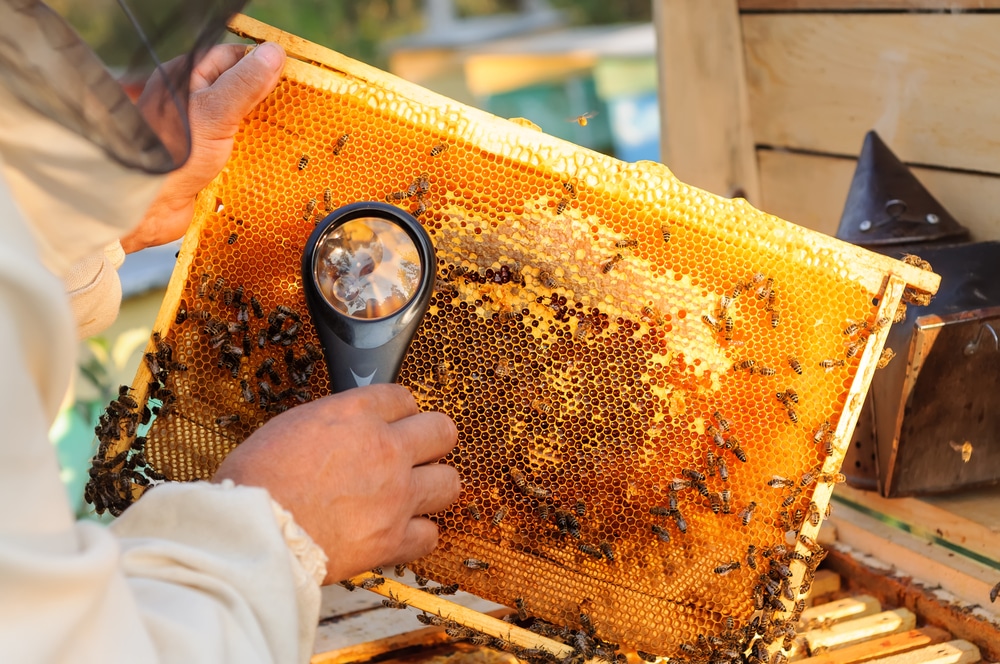
Why not become a beekeeper and make money selling the honey?

Maybe you can think of several reasons not to – the fear of getting stung or not having the first clue how to start.

But it’s a good money maker because it’s also vital to the environment. We need good bee keepers to help act against the number of bees dying all around the world.

You don’t need loads of room or time to be a beekeeper, in fact professional beekeepers can get away with inspecting their bees only once a month.

However, you’ll just need to put some initial time investment to learn everything you need to know about bee keeping. It’s important to know the very best way to keep bees as some amateur owners have harmed their bees by not knowing the ins and outs of caring for them properly.

It’s not a quick money maker either. It can take more than one season for your bees to start producing honey, but once they do you can begin to sell it.

You won’t just be making money, you’ll be helping the environment and, who knows, you might discover a new passion.

Click here to find out more about beekeeping for money.


14. Make money as a life model

Male life model

If you’re not sure what life modelling is, it’s modelling nude as artists paint or sculpture you.

So, first off you’ve got to decide whether you’re comfortable standing nude in front of a load of strangers…while you’re starkers…it’s not for everybody!

Don’t worry if you don’t think you’re in perfect shape though, this is about interesting and real body shapes so don’t be put off if you do want to give it a go – plus you’ll hopefully end up with a beautiful sculpture or picture of yourself.

You’re paid an hourly rate – the average rate is £10.63, although in London it’s £11.11.

Click here to find out how to make money as a life model.


15. Make money collecting

Barbie doll collection

There’s nothing particularly weird about making money collecting certain items and selling them on at a profit so you might wonder why this one is in our list of strange ways to make money.

Well, there are very strange and surprising things you can collect to make a profit.

For example, did you know you could make money collecting Disney DVD and blu-rays?

Or would you have thought you could make money collecting Barbie dolls?

Other weird collectibles include piggy banks, Lego, comics and action figures.

You’d be surprised just how many ways you can make money collecting.


16. Make money SELLING SELFIES

Women taking a selfie

Instaprints makes it easy for you to get paid for your Instagram selfies. Just link your Instagram profile with your Instaprints account and get paid for pictures you’ve taken… and of yourself! Be aware that anyone can buy them and you can’t say how they will be used – but mostly they are used for prints or photo-books.

With Instaprints you can set your own rate and they will handle all the shipping and printing to customers. You can earn anything from a few pounds up to £50 per image… definitely a bit weird but worth checking out!


17. Make money BUYING GOLD

Investing in gold

Want to avoid inflation-busting cash crashes? Put your money into gold via the smartphone app Glint. Not only can you buy gold which is stored in a real vault in Switzerland, you can also spend it too using a specially made debit card.

You’ll avoid any decreases caused by inflation and you can switch your gold into an actual currency at any time if you’re worried about its value.

It all works in the way of a normal bank, and your gold and money are protected. The Financial Conduct Authority audits Glint.

So, feel like you want to buy some gold? Get downloading the app on the Apple App Store or Android Store, and get your new debit card delivered in just a few days.

Find out more about investing in gold here. 


18. Make money TRADING IN EMPTY INK CARTRIDGES
Recycling ink cartridges

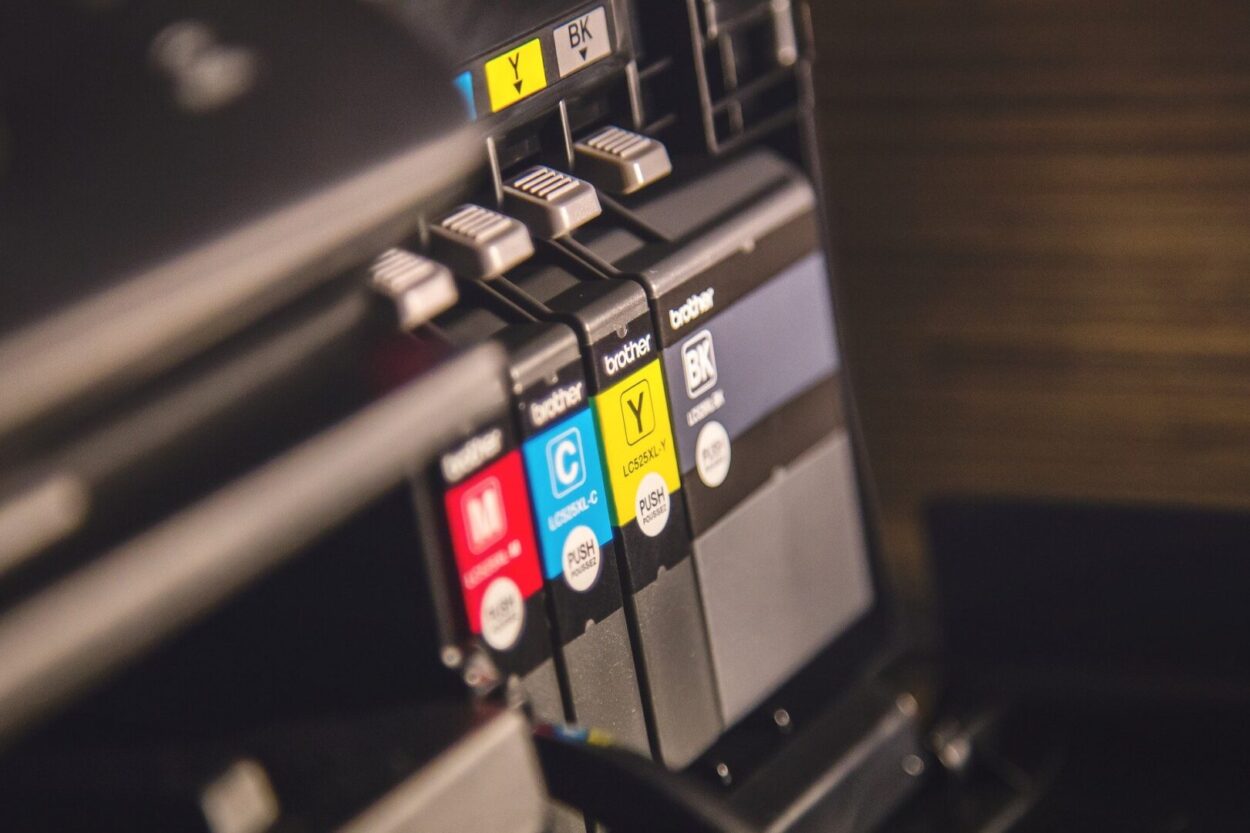
Everyone wants to help the environment, and everyone has empty ink cartridges lying around their home or workplace. But, instead of chucking your empty ink cartridges away, why not recycle them instead?

Printer Cartridge Recycling pays people for each one they receive. You’ll get cash depending on the ink cartridge you’ve sent. A minimum threshold of £5 must be reached in order to send the cartridges to them.

Alternatively, you can send them to the Recycling Factory. All you have to do is box up your cartridges and send them Free Post to the company. They’ll sort out the rest and pay you.


19. Make money SELLING YOUR PHOTOS

Selling your photos

Snapped a really cool shot? You can earn money easily through Adobe Stock.

Each time someone purchases your photo, you’ll get a 33% commission. If it’s a video, you’ll get a 35% commission. You have to reach at least $25 in royalties before you can request a payout through either Skrill or PayPal.

So, if you’re an avid photographer or think you’ve just snapped something pretty neat, this one might be worth checking out.

Find out more about selling your photos online here. 


20. Make money BY DOING PRETTY MUCH ANYTHING

Cute little pug

Fiverr is a unique website in that you can get paid to do just about anything. You might get $5 for posting a photograph of your dog. Or, they may want you to buy a fridge magnet from wherever you are.

The site does offer more traditional paying services too such as freelance writing or graphic design. Nonetheless, you can be paid for doing pretty much anything.

It’s worth checking out if you’re short of cash, planning a holiday or just want to earn some extra money on the side.


Bonus money-maker – Make money selling pictures of your feet

Yes, you read that right, you can make money selling pictures of your feet!

It’s a bit of a ‘fetish’ thing, so you’d need to feel comfortable before going ahead, but if you’re proud of your feet and want a bit of extra money, this might be one for you.

You can use a site like FeetFinder to sell pictures of your feet. FeetFinder has over 150,000 verified users, where all models are ID verified and all buyers must add a card to use the site in any way, and to beat the scammers: with FeetFinder you’ll also have to pay – as a foot model – a monthly subscription of $2.99, but for that, the site will do all the marketing for you. 

Find out more about making money from your feet here. 

Which of these money makers are you going to try? What’s the most bonkers way you’ve made money? Let us know in the comments below.

The post 20 strange ways to make money appeared first on MoneyMagpie.

Original source: https://www.moneymagpie.com/make-money/20-strange-ways-to-make-money