It now takes a decade to save for a mortgage deposit

Saving for mortgage deposit now takes a decade 

New research by Generation Rent has found that it takes approximately 10 years to save for a mortgage deposit in England. This is a figure that has significantly increased over the lst decade. 

In 2012, the average time it took to save a deposit for a mortgage was 6.8 years. It now stands at 9.6 years – nearly a whole decade. Higher rents and house prices have increased the time it takes to save, with the North East being least affected overall. 

The research shows that within the North East of England, the time it takes to save for a deposit has not changed much at all in the last decade – approximately 4.6 years. London is the worst affected, taking an extra 4.3 years to save a deposit than 10 year ago – meaning the average time to save in the capital is a staggering 18.3 years. It could be even more for those who don’t live in a shared home for this time! 

These increases are in part due to the rent on the median one-bed home across England rising from £495 in 2012 to £725 in 2021. This has partially offset the rise in the median post-tax salary from £16,823 in 2012 to £21,849 in 2021. Similarly, the increase in the price of the average first time buyer home rose by 72% between 2012 and 2023, to £253,202. 

With ordinary renters facing many more years in the rental market before being in a position to buy, Generation Rent is calling on MPs to back the Renters Reform Bill and make sure that renters are properly protected from unfair evictions and substandard housing. 

To reduce rents and therefore the length of time it takes to save, Generation Rent is calling on the government to build enough homes in the places people want to live, including social housing which will directly help those most in need. 

The higher rents and prices in London meant that in 2012 it already took 14 years to save the average first time buyer deposit of £26,037, and this was based on the median earner only being able to rent in a shared home at 40% of their salary.  A one-bed flat at £975 per month would cost 42% of their income so they would likely fail a letting agent’s affordability criteria. 

A decade on, the median rent on a one-bed in London is £1276, 48% of the median salary. A renter realistically could only live in a shared house, but even then it would take 18.3 years to raise the average deposit of £45,979. 

In regions like the West Midlands, the leap is especially stark with an increase in the average house price from £119,887 in 2012 to £204,338 in 2021. Even in areas that did not see as great an increase, like Yorkshire and Humber, the average house price increased from £109,599 in 2012 to £175,087 in 2021 meaning a deposit increase from £10,960 to £17,500. 

These increases mean that renters will on average have to rent for longer than ever before being able to accumulate a deposit; the near twenty years it takes to save for a deposit in London for a typical renter means that conditions for those earning less are even worse. 

Ben Twomey, Director, Generation Rent, said: 

“Most renters dream of owning their home one day, but the struggle to save has got even worse in the past decade. In much of the country, the typical worker faces at least a decade living and saving in the private rented sector before they have a mortgage deposit. That gets close to two decades for Londoners and even then that’s only possible by sharing with other people into their forties.  

“More people are renting from private landlords for longer stretches of their lives, and want a home that allows them to settle down. That’s why we need the measures in the Renters Reform Bill that will stop landlords evicting tenants without a valid reason, drive out criminal landlords and improve the quality of private rented homes.” 


The post It now takes a decade to save for a mortgage deposit appeared first on MoneyMagpie.

Original source: https://www.moneymagpie.com/make-money/it-now-takes-a-decade-to-save-for-a-mortgage-deposit

8 Twitter alternatives marketers need to know about

Marketers have been growing increasingly concerned about advertising on Twitter.

So much so, Twitter’s US ad revenue alone is down 59% year-on-year with huge brands such as Coca-Cola, Jeep and Unilever all pulling their campaigns, according to an internal presentation.

But where are marketers going if Twitter is no longer their go-to option for advertising? Below, we take a look at eight Twitter alternatives that advertisers should be paying close attention to…

1. Threads

Active users: 30 million

Meta’s Twitter alternative Threads launched yesterday, with 5 million people signing up in the first few hours. Companies to sign up within minutes of its launch include Netflix, HBO and Billboard.

Meta CEO Mark Zuckerberg said he believes Threads will be bigger than Twitter but it will take time.

  • “I think there should be a public conversations app with 1 billion+ people on it,” he said. “Twitter has had the opportunity to do this but hasn’t nailed it. Hopefully we will.”

Threads is available in 100 countries, including the U.S., UK, Australia and Canada, via the Apple and Google app stores. However, due to regulatory issues, it is not yet available in the EU.

Marketers can’t currently place ads on Threads, but it is expected Meta will be announcing ad space in the not-too-distant future. It’s worth noting that Meta’s other brands, such as Instagram, launched without ads. Now, advertising is one of Instagram’s biggest sources of revenue.

2. Bluesky

Active users: 200,000

Bluesky is an invite-only decentralized social networking platform that already has a string of high-profile users such as model Chrissy Teigen and US politician Alexandria Ocasio-Cortez.

However, the app, which started off as a Twitter project but is now an independent company, is still in its early testing period so has not yet been fully rolled out. Currently, people can join a waiting list to sign up when the app fully launches, but a date for this is yet to be confirmed.

Bluesky has said that it doesn’t want to make advertising its dominant business model and so had “been exploring other avenues of monetization”. However, as the app is so new, company bosses could still take any direction and so advertisers are paying close attention.

3. Substack Notes

Active users: 35 million

Substack Notes is a platform for independent writers to publish short-form posts and share ideas. Both writers and readers can use the site to share posts, links, images, quotes and more with their Substack network, and also join in conversations with other writers and fellow readers.

The app was rolled out to all writers and readers in April 2023. Its creators have described the site as a new platform designed to “inspire, enlighten, and entertain readers based on the writers you’re already reading.”

The company’s founder Chris Best has made clear his reluctance to rely on advertising for revenue since the beginning. However, active users are openly using subscriptions and sponsorships to earn more money from the website.

4. Post

Active users: 430,000

Post is a platform that allows its users to access news from premium publishers without subscriptions or adverts. The app which is still in beta, is “designed to give the voice back to the sidelined majority; there are enough platforms for extremists, and we cannot relinquish the town square to them,” according to its founder Noam Bardin, former CEO of Waze.

Unfortunately, Post’s zero-ads policy isn’t exactly the best news for marketers. Although advertisers will still play a role on the site, what they are able to post will be restricted. For example, instead of posting promotional campaigns, marketers will be limited to sharing relevant, informative and engaging content.

The app operates using a points-based currency, which can be exhanged to read full articles. Users can also tip people or publications. To get more points, users have to cough up real money.

5. Mastodon

Active users: 10 million

Rolled out in 2016, Mastodon is a popular Twitter alternative and received a surge in new sign-ups after Elon Musk took-over its rival. It operates in a similar fashion to Twitter in the sense that users can post opinions, join conversations in their news feeds, upload pictures and more. However, the key difference is that Matsodon has a decentralized network and is nonprofit.

Unfortunately for marketers, Mastodon has stated that it will never serve ads or use an algorithm to promote some profiles over others. But other options are available that may interest advertisers such as affiliate marketing, sponsorships and UGC campaigns.

6. Spill

Active users: 20,000

Spill is a new app, created by former Twitter employees, that aims to create a safe space for marginalized communities – especially for people of color and the LGBTQ+ community. The platform, which launched in January, is invite-only and is still a beta, currently only available on Apple’s OS.

The app already has a string of famous names on its books, including Lizzo, Amber Riley and Questlove, as well as its first bunch of advertisers confirmed. The platform is yet to reveal more information but promises “we’re only just getting started“.

More details are expected to be announced over the next few months.

7. Hive

Active users: 1 million

Hive is a mobile-only app which was praised as an excellent alternative to Twitter – especially when Musk came into play last year. However, although development of the platform is ongoing, the hype was short-lived and the app didn’t take off in the same way people had expected.

The platform functions in a similar way to Twitter but is different in that it claims to be free of algorithms. This means news feeds are displayed in chronological order as opposed to the order AI thinks you’ll prefer. The platform also rolled out a verification feature in June – however, unlike Twitter, Hive does not charge for this.

Hive doesn’t currently host adverts or business accounts, however, brands can still use it to promote their products and services by posting links that connect back to their brand’s site.

8. Spoutible

Active users: 240,000

Founded by Christopher Bouzy and Bot Sentinel, Spoutible is the only Black-owned social networking site. Launched in January, the app was created to provide a “safe, inclusive, and enjoyable online space” that has a “zero-tolerance policy for targeted harassment, hate speech, disinformation, and platform manipulation.”

Both solicited adverts and unsolicited content are prohibited on Spoutible. This means marketers cannot send direct messages to users about their products or services and they cannot host giveaways. Not adhering to Spoutible’s rules can result in your account being suspended. And if an account is suspended, there will not be an opportunity to get it reinstated in the future.

Why we care. Advertisers appear to be taking a step back from Twitter following Musk’s takeover last year. With that in mind, they’ll be looking for new platforms to advertise their campaigns on without sacrificing reach or quality. That may prove to be a tricky task as Twitter boasts 450 million active users globally.

Why advertisers are leaving Twitter. Marketers have been fleeing the social networking platform since Elon Musk acquired the platform for $44 billion in October and privatized the company. The billionaire put relationships with advertisers under strain by terminating key sales executives, promoting a conspiracy theory on the platform and reinstating previously banned Twitter users, such as Jordan Peterson, Andrew Tate and Rep. Marjorie Taylor Greene.

Advertisers have also been discouraged from using the platform following a sharp rise in hate speech and explicit content, coupled with an increase in ads for marijuana products and online gambling.

The post 8 Twitter alternatives marketers need to know about appeared first on Search Engine Land.

Original source: https://searchengineland.com/twitter-alternatives-marketers-need-know-429087

Google to explore alternatives to robots.txt in wake of generative AI and other emerging technologies

Google is exploring alternatives or supplemental ways of controlling crawling and indexing beyond the 30 year standard of the robots.txt protocol. “We believe it’s time for the web and AI communities to explore additional machine-readable means for web publisher choice and control for emerging AI and research use cases,” Google wrote.

Engaging with the community. Google said it is inviting members from the web and AI communities to discuss in a new protocol. Google said it is “kicking off a public discussion,” with a “broad range of voices from across web publishers, civil society, academia and more fields from around the world.

Timing. Google said these discussions are happening over ” to join the discussion, and we will be convening those interested in participating over the “the coming months.” So nothing is happening too soon and nothing is changing tomorrow.

Paywalled content issue. Recently, Open AI disabled the browse with Bing feature in ChatGPT after it was able to access paywalled content without publisher permission. This is one of the many reasons why maybe Google is looking for alternatives to the robots.txt protocol.

Why we care. We have all become accused to allowing bot access to our websites by using robots.txt and other forms of newer structured data. But we may be looking at new methods in the future. What those methods and protocols may look like is unknown right now but the discussion is happening.

The post Google to explore alternatives to robots.txt in wake of generative AI and other emerging technologies appeared first on Search Engine Land.

Original source: https://searchengineland.com/google-to-explore-alternatives-to-robots-txt-in-wake-of-generative-ai-and-other-emerging-technologies-429123

Demystifying Wine — Breaking Barriers and Embracing Accessibility

Home Business Magazine Online

By Heidi Moore, Agent — COUNTRY Financial

Although wine is often associated with the high class and elite, it has faced a common misconception in the United States. Unlike many other countries where wine is part of daily life and meals, Americans have traditionally held a different perspective. The portrayal of wine in Hollywood as a drink exclusively enjoyed by the wealthy and sophisticated has created a perception that wine is not for everyone. This misconception, however, can be countered through education, experiences with winemakers, exploring vineyards, and finding affordable yet enjoyable wines.

To counter the perception that wine is exclusively for the high class, the wine industry is focusing on education and experiences. By engaging with winemakers, exploring vineyards, and discovering regions in the US where great wines are made at affordable prices, consumers can gain a better understanding of the diversity and accessibility of wines. Wine podcasts are an example of an initiative that simplifies the discussion around wine, dispels myths, and encourages listeners to enjoy wine without feeling intimidated.

Improving inclusivity in the wine industry

The accessibility and affordability of wine have improved in recent years, particularly in regions such as the Pacific Northwest. With numerous wineries in Oregon alone, consumers have more options and opportunities to buy wine directly from wineries of all sizes. Popular wines may come with a higher price tag, but exploring smaller wineries and newer winemakers often yields delightful and affordable bottles. Additionally, climate change is leading to the growth of different grape varieties, offering consumers an even wider range of choices.

The diversity of wine production around the world contributes to its appeal among a broader audience. Each region has unique characteristics and produces wines with distinct styles. Whether someone prefers sweet, dry, tannic, oaky, or sparkling wines, there is a wine to suit every taste. The longevity and cultural significance of wine in many countries have made it more affordable and less of a luxury item. For instance, in Portugal and Spain, where wine is part of daily life, quality wines can be purchased at affordable prices.

Inclusivity and diversity are essential in the wine industry. Initiatives such as the documentary “Red, White & Black: The Oregon Winemakers Story”, AHI VOY, Queer Wine Fest, Women in Wine celebrations, and various symposiums highlight the contributions of underrepresented groups in winemaking. These efforts aim to create a more inclusive wine community and attract a diverse range of wine enthusiasts.

How education improves accessibility to the wine industry

For individuals new to wine or with limited exposure, finding a friend who knows about wine but isn’t overly knowledgeable can be helpful. Exploring different wineries and being open to trying new wines without preconceived notions is key. Approachable red wines include elegant, light, or fruity Pinot Noir and well-made Rosé. White wines — known for their versatility and fruitiness — are often recommended for beginners. Riesling and Sauvignon Blanc are excellent choices to start with.

Education plays a vital role in breaking down barriers and making wine more accessible. Understanding the process of growing and making wine provides a greater appreciation for the efforts behind each bottle. Wineries often offer educational experiences, and local bottle shops may host regional tastings and events. These resources help consumers develop their understanding and appreciation of wine.

When it comes to purchasing wine on a tight budget, there are several tips and strategies that can help you find affordable yet enjoyable wines. One of the best ways is to go directly to the winery. By eliminating the middleman, you can avoid additional markups and get the authentic experience of where all the magic happened. Many wineries offer specials or discounted bottles with slight label damage, which are sold at lower prices. Additionally, joining a wine club can provide long-term savings, as most clubs offer discounts of around 20% off regular bottle prices.

If visiting a winery is not feasible, don’t worry — there are still great options available at places like Trader Joe’s and other discount grocery stores. These stores often carry hidden gems and provide a range of affordable wines that can surprise you with their quality. Keep an eye out for holiday specials, as this is a popular time for wine retailers to offer discounts on certain wines.

Another valuable piece of advice is to explore boutiques and other small wineries. These hidden treasures may not have the same brand recognition or high price points as larger wineries, but they often produce exceptional wines at affordable prices. These wineries tend to focus on quality rather than quantity and can offer unique flavor profiles that you won’t find in mass-produced wines.

Lastly, it’s important to define your own budget and comfort level when it comes to purchasing wine. Everyone’s financial situation is different, and what may be affordable for one person may not be for another. By setting a price range that you are comfortable with, you can explore wines within that range without breaking the bank. Remember, the price of a specific wine does not always dictate its quality or enjoyment. There are many hidden gems available at various price points.

Discovering your own wine story

Indeed, wine is no longer exclusive to the high class or elite. The wine industry has come a long way in breaking down barriers and making wine more accessible to a wider range of consumers. With initiatives promoting inclusivity and diversity, educational resources, and the increasing availability of affordable wines, more people than ever before can enjoy the pleasures of wine.

Whether you are a beginner or a seasoned enthusiast, there is bound to be a particular wine out there for you. Don’t be afraid to explore, ask questions, and experiment with different varieties and styles.

Wine is a journey of discovery, and every bottle tells a unique story. So, raise your glass, toast to the diversity of wine, and savor the experience of making wine an integral part of our everyday lives, shared among friends and loved ones, and enjoyed by all.

The post Demystifying Wine — Breaking Barriers and Embracing Accessibility appeared first on Home Business Magazine.

Original source: https://homebusinessmag.com/businesses/business-spotlights/demystifying-wine-breaking-barriers-embracing-accessibility/

Mastering Metal: The Indispensable Role of CNC Press Brake Machines in Metal Fabrication

Home Business Magazine Online

Metal fabrication is a complex domain where precision, durability, and accuracy form the trinity of successful outcomes. Among the many innovations that have revolutionized this field, one invention stands out: the CNC Press Brake Machine. Acting as the backbone of modern fabrication, its role is pivotal, multifaceted, and indispensable. This article dives deep into the world of CNC press brake machines and their profound impact on the metal fabrication industry.

What Are CNC Press Brake Machines?

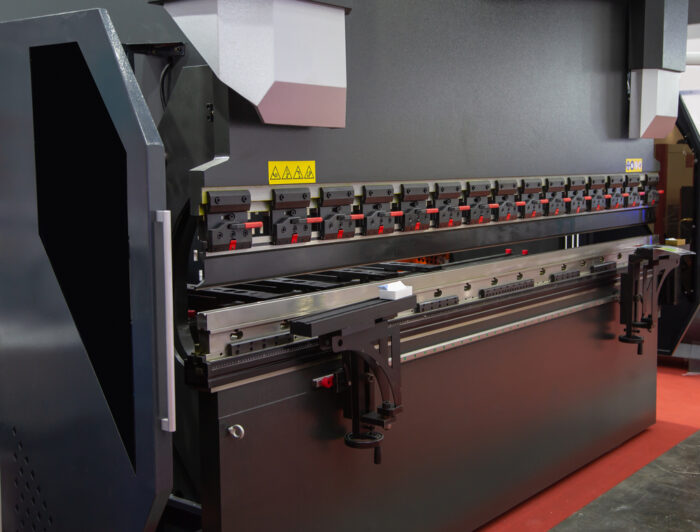
Computer Numerical Control (CNC) Press Brake Machines are an automated marvel in the field of machining tools. They are fundamentally automated control devices that maneuver other machining instruments like drills, lathes, mills, and grinders, all governed by a sophisticated computer system. The CNC aspect refers to the computer-derived directives that control, monitor, and adjust the operations. In short, a CNC press brake machine is a synergistic combination of mechanical prowess and computerized precision, effectively revolutionizing the way metal fabrication works.

The Role of CNC Press Brake Machines in Metal Fabrication

The application of CNC press brake machines in metal fabrication is extensive and multifaceted. Their functions range from simple bending tasks to complex, multi-step fabrication projects. To understand their contributions, let’s delve into the core areas where these machines make a significant impact.

Precision and Accuracy

Accuracy forms the cornerstone of any metal fabrication project. Any deviation can lead to significant losses in terms of both time and resources. CNC press brake machines offer unparalleled precision. They can follow intricate design specifications with a degree of accuracy that is virtually impossible to achieve manually. The computerized control eliminates human errors, resulting in flawless bends and folds, precise cuts, and a perfect finish every time.

Speed and Efficiency

In a high-demand industry like metal fabrication, time equals money. CNC press brake machines have significantly reduced the time taken to complete projects. They work at a relentless pace, consistently maintaining quality, unlike manual operations where fatigue can lead to reduced efficiency.

Versatility

Versatility is another key aspect where CNC press brake machines shine. They can handle a wide range of materials and thicknesses, bend angles, and complex shapes. This adaptability makes them an invaluable tool for varied fabrication projects.

Reduced Waste and Cost-Efficiency

With their precision and accuracy, CNC press brake machines significantly reduce waste generated from errors or rework. This efficiency results in material savings and ultimately, lower production costs.

Key Features of CNC Press Brake Machines

CNC machine
Depositphotos

Understanding the features of CNC press brake machines can provide further insight into their critical role in metal fabrication.

Programmability

One of the most distinguishing features of these machines is their programmability. Once programmed, they can replicate the same operations repeatedly with unerring precision, which is especially beneficial for mass production.

Advanced Safety Measures

Most CNC press brake machines come with advanced safety measures like light curtains and safety sensors. These safety features can prevent accidents, ensuring a safe working environment.

User-Friendly Interface

The user-friendly interface of these machines simplifies the process of setting up the operations. This feature also allows operators to learn and adapt quickly, ensuring efficient handling of the machine.

Durability

Built for heavy-duty use, these machines are known for their durability. Their robust construction enables them to withstand the rigors of the fabrication industry.

The Future of CNC Press Brake Machines in Metal Fabrication

The world of metalworking continues to evolve, and the role of CNC press brake machines is anticipated to grow more prominent. Their potential lies not only in improving the existing processes but also in exploring new frontiers in fabrication techniques.

Advanced Automation

Automation is the driving force of the future, and CNC press brake machines are no exception. With the integration of artificial intelligence and machine learning, these machines are expected to perform increasingly complex tasks independently, raising the bar for precision and efficiency.

Green Manufacturing

As industries worldwide strive for sustainable solutions, CNC press brake machines can play a crucial part in promoting green manufacturing. By optimizing material usage and minimizing waste, they can contribute significantly to eco-friendly fabrication practices.

Customization

The demand for personalized products is on the rise, and CNC press brake machines can cater to this trend by enabling greater flexibility in production. With their programmability, they can produce unique designs efficiently, meeting the growing need for customization.

Skills and Training

With the increasing reliance on CNC press brake machines, the need for skilled operators proficient in CNC programming will also rise. Hence, more comprehensive training programs and educational initiatives focused on CNC machinery are expected to emerge.

Realizing the Potential of CNC Press Brake Machines in Metal Fabrication

CNC machine
Depositphotos

Harnessing the full potential of CNC press brake machines involves understanding their capabilities and integrating them effectively into the fabrication process. Here are some key considerations:

Selecting the Right Machine

Choosing the right CNC press brake machine involves considering factors such as the type of work, material specifications, and production volume. A machine that aligns with these requirements can enhance productivity and result in better quality outcomes.

Regular Maintenance

Regular maintenance of the machine ensures optimal performance and longevity. Routine checks can prevent potential breakdowns, reducing downtime and maintaining a consistent output.

Skilled Workforce

Even with automation, the role of skilled operators cannot be undermined. Training the workforce to proficiently handle these machines can boost efficiency and productivity.

Embracing Technological Advancements

Staying abreast of the latest technological advancements and incorporating them into the CNC press brake machines can yield better results. This could involve upgrading the software or adding new features that enhance functionality.

Conclusion

In conclusion, CNC press brake machines have significantly influenced the metal fabrication industry’s trajectory, elevating it to new heights of precision, efficiency, and versatility. As we look towards the future, their role is likely to evolve, carving a path for advanced automation, sustainable practices, and personalized production. It is imperative for businesses to fully harness their potential and adapt to these changes to thrive in this dynamic industry. With the right selection, regular maintenance, skilled workforce, and an eye on the latest technology, CNC press brake machines can indeed prove to be the lynchpin of a successful metal fabrication venture.

The post Mastering Metal: The Indispensable Role of CNC Press Brake Machines in Metal Fabrication appeared first on Home Business Magazine.

Original source: https://homebusinessmag.com/management/technology-management/indispensable-role-cnc-press-brake-machines-metal-fabrication/

It now takes a decade to save for a mortgage deposit

Saving for mortgage deposit now takes a decade 

New research by Generation Rent has found that it takes approximately 10 years to save for a mortgage deposit in England. This is a figure that has significantly increased over the lst decade. 

In 2012, the average time it took to save a deposit for a mortgage was 6.8 years. It now stands at 9.6 years – nearly a whole decade. Higher rents and house prices have increased the time it takes to save, with the North East being least affected overall. 

The research shows that within the North East of England, the time it takes to save for a deposit has not changed much at all in the last decade – approximately 4.6 years. London is the worst affected, taking an extra 4.3 years to save a deposit than 10 year ago – meaning the average time to save in the capital is a staggering 18.3 years. It could be even more for those who don’t live in a shared home for this time! 

These increases are in part due to the rent on the median one-bed home across England rising from £495 in 2012 to £725 in 2021. This has partially offset the rise in the median post-tax salary from £16,823 in 2012 to £21,849 in 2021. Similarly, the increase in the price of the average first time buyer home rose by 72% between 2012 and 2023, to £253,202. 

With ordinary renters facing many more years in the rental market before being in a position to buy, Generation Rent is calling on MPs to back the Renters Reform Bill and make sure that renters are properly protected from unfair evictions and substandard housing. 

To reduce rents and therefore the length of time it takes to save, Generation Rent is calling on the government to build enough homes in the places people want to live, including social housing which will directly help those most in need. 

The higher rents and prices in London meant that in 2012 it already took 14 years to save the average first time buyer deposit of £26,037, and this was based on the median earner only being able to rent in a shared home at 40% of their salary.  A one-bed flat at £975 per month would cost 42% of their income so they would likely fail a letting agent’s affordability criteria. 

A decade on, the median rent on a one-bed in London is £1276, 48% of the median salary. A renter realistically could only live in a shared house, but even then it would take 18.3 years to raise the average deposit of £45,979. 

In regions like the West Midlands, the leap is especially stark with an increase in the average house price from £119,887 in 2012 to £204,338 in 2021. Even in areas that did not see as great an increase, like Yorkshire and Humber, the average house price increased from £109,599 in 2012 to £175,087 in 2021 meaning a deposit increase from £10,960 to £17,500. 

These increases mean that renters will on average have to rent for longer than ever before being able to accumulate a deposit; the near twenty years it takes to save for a deposit in London for a typical renter means that conditions for those earning less are even worse. 

Ben Twomey, Director, Generation Rent, said: 

“Most renters dream of owning their home one day, but the struggle to save has got even worse in the past decade. In much of the country, the typical worker faces at least a decade living and saving in the private rented sector before they have a mortgage deposit. That gets close to two decades for Londoners and even then that’s only possible by sharing with other people into their forties.  

“More people are renting from private landlords for longer stretches of their lives, and want a home that allows them to settle down. That’s why we need the measures in the Renters Reform Bill that will stop landlords evicting tenants without a valid reason, drive out criminal landlords and improve the quality of private rented homes.” 


The post It now takes a decade to save for a mortgage deposit appeared first on MoneyMagpie.

Original source: https://www.moneymagpie.com/make-money/it-now-takes-a-decade-to-save-for-a-mortgage-deposit