Mastering Next-Day Delivery: Strategies for SMBs to Compete with Big Brands

Home Business Magazine Online

Small businesses, representing 99.9% of all U.S. businesses according to the U.S. Small Business Administration, often face significant challenges in competing with major brands. One of the most formidable challenges is meeting consumer demand for next-day delivery, which e-commerce giants like Amazon have made the standard.

Consumers have grown accustomed to receiving their orders the very next day, and this expectation is no longer exclusive to large corporations. Small and medium-sized businesses (SMBs), especially home businesses, must adapt to this demand to stay competitive, but the good news is that they can do so by leveraging certain strategies and technologies that optimize their supply chain and warehouse operations.

A Responsive Supply Chain is a Good Supply Chain

Effective supplier management is the cornerstone of a responsive supply chain. We know that from the craft breweries’ aluminum can shortage and the ongoing Boeing 737 MAX crisis that poor supplier management can be catastrophic. Supplier management involves finding, choosing, and working with suppliers to ensure that materials are delivered on time and at a good price. For instance, imagine a home-based business that manufactures custom jewelry. Proper supplier management ensures that materials such as beads, metals, and stones are of consistent quality and delivered punctually, which in turn allows the business to maintain consistent product quality and meet delivery deadlines.

A robust supplier management system reduces costs by enabling better price negotiations and streamlining procurement processes, which helps avoid disruptions that could lead to unexpected costs. Additionally, strong supplier relationships improve supply chain agility, allowing businesses to adapt to market demands swiftly and mitigate risks such as supply shortages and quality issues.

Home-Based Operations Should Be as Effective as Large Warehouses

The physical layout of a home workspace plays a crucial role in the speed and efficiency of order fulfillment. An optimized workspace layout minimizes travel time and streamlines the flow of goods. This can be achieved by organizing the workspace based on the demand, size, and frequency of use of items. Utilizing vertical space effectively can increase storage capacity and eliminate the need for additional storage areas.

Keeping your inventory organized and easily accessible, with labeled shelves and bins, minimizes the time spent searching for products. Regular audits to reconcile physical stock with inventory records help identify discrepancies and prevent stockouts.

Embracing Technology and Automation is Critical for Competing

Investing in technology such as cloud-based inventory management software and automation tools like barcodes and RFID systems can significantly enhance home-based business efficiency. These tools provide real-time visibility into inventory levels, order statuses, and employee performance, allowing for accurate monitoring and analysis. Automation reduces human error and frees up the business owner to focus on more critical tasks, thereby increasing overall productivity. These software solutions help businesses keep track of their entire supply chain, providing insights into best-selling products, slow-moving items, and forecasting demand, so that they can make the most informed decisions that will be critical for mastering next-day delivery.

Additionally, to continuously improve efficiency, home-based SMBs should define and track relevant Key Performance Indicators (KPIs) such as delivery lead time, order fulfillment rate, inventory turnover, and labor productivity. Regularly reviewing these metrics that inventory platforms can track can help identify areas of improvement and measure the effectiveness of any changes implemented. According to a 2024 eCommerce Performance Report on Shopify merchants, 98% of respondents have difficulty aligning inventory and production with changing consumer demand and of those, 60% reported significant difficulty. These are important challenges to address headed into the fourth quarter (Q4) of the year when major shopping events and holidays will drive significant consumer spending.

Processing Shouldn’t Be a Grueling Process

Order fulfillment is a critical component of next-day delivery. The faster and more accurately you can process orders, the more likely you are to meet delivery deadlines. Automation tools can handle repetitive tasks such as order processing, packing, and labeling, reducing manual errors and speeding up the fulfillment process. Developing standard operating procedures for packing orders ensures consistency and efficiency, making it easier to train new employees and maintain quality control. Using durable and appropriate packaging materials to protect products during transit reduces the likelihood of returns and improves customer satisfaction. According to a study conducted by the National Retail Federation (NRF) and Appriss Retail, 30% of all online orders were returned with product damage during transit being a significant contributor to returns

Now, the Final Home Stretch (Pun Intended)

While big brands often have their own delivery fleets, home-based SMBs can benefit from partnering with local courier services. These services offer flexibility and personalized delivery options that can enhance your next-day delivery capabilities. Identifying local courier services in your area and comparing their rates, delivery times, and reliability is essential. Look for couriers with positive reviews and a track record of timely deliveries. Negotiating bulk shipping rates with couriers can reduce costs, and choosing couriers that offer same-day pickup services ensures that orders placed later in the day can still be dispatched quickly.

Additionally, by offering real-time tracking and proactive communication, you can keep customers informed and manage their expectations. Providing tracking numbers to customers as soon as their orders are dispatched allows them to monitor their delivery progress and reduces inquiries about order status. Using automated systems to send updates at key stages of the delivery process, such as order confirmation, dispatch, and out-for-delivery notifications, enhances transparency.

Mastering next-day delivery is a challenging but achievable goal for home-based SMBs. By optimizing supplier management, enhancing home workspace efficiency, leveraging technology, managing inventory effectively, and tracking performance, home-based SMBs can not only meet but exceed consumer expectations. In a fast-paced world where next-day delivery is becoming the norm, home-based SMBs must adapt and innovate to stay competitive. By embracing these strategies, they can turn the challenge of next-day delivery into an opportunity for growth and success. With the right tools and mindset, home-based SMBs can indeed master next-day delivery and compete with the giants of the industry.

The post Mastering Next-Day Delivery: Strategies for SMBs to Compete with Big Brands appeared first on Home Business Magazine.

Original source: https://homebusinessmag.com/management/mastering-next-day-delivery-strategies-smbs-compete-big-brands/

How to Generate Pest Control Leads For Your Home Service Business

Home Business Magazine Online

Generating leads is crucial for the growth and success of any pest control business. A well-executed lead generation strategy can significantly boost customer acquisition and revenue for pest control companies. Effective lead generation involves a combination of digital marketing techniques, community engagement, and leveraging technology to attract potential customers. For businesses looking to scale, securing pest control leads can make a significant impact by providing high-quality, targeted opportunities to grow your pest control business.

Pest control businesses can employ various methods to generate high-quality pest control leads; these include optimizing their online presence through search engine optimization (SEO), utilizing pay-per-click advertising, and engaging with potential customers on social media platforms. Additionally, building strong relationships within the local community and implementing referral programs can help create a steady stream of new leads.

By focusing on targeted marketing efforts and providing valuable content to potential customers, pest control companies can position themselves as industry experts and attract more qualified leads. This approach not only increases the quantity of leads but also improves their quality, resulting in higher conversion rates and long-term customer relationships.

Key Takeaways

  • Implement a mix of digital marketing strategies to attract potential customers
  • Engage with the local community and leverage referral programs for lead generation
  • Utilize technology and automation to streamline lead management processes

Developing a Robust Online Presence

A strong online presence is crucial for pest control businesses to attract and convert leads. It involves creating a user-friendly website, implementing effective SEO strategies, and engaging with potential customers through social media platforms.

Optimizing Your Website for Lead Conversion

A well-designed website serves as the digital storefront for pest control businesses. It should be visually appealing, easy to navigate, and mobile-responsive. Include clear calls-to-action (CTAs) throughout the site to guide visitors toward contacting your business.

Incorporate informative content about common pest issues and your services. Use high-quality images and videos to showcase your work. Ensure your contact information is prominently displayed on every page.

Implement a user-friendly contact form to capture lead information. Make it easy for potential customers to request quotes or schedule appointments directly from your website.

Leveraging Search Engine Optimization

SEO is essential for increasing organic traffic to your pest control website. Start by researching relevant keywords that potential customers use when searching for pest control services in your area.

Optimize your website content by incorporating these keywords naturally into your page titles, headers, and body text. Create informative blog posts addressing common pest problems and solutions to attract more visitors.

Focus on local SEO by claiming and optimizing your Google Business Profile. Include your business name, address, and phone number consistently across all online platforms. Encourage satisfied customers to leave reviews on your Google Business Profile and other relevant directories.

Working with Lead Generation Services

Partnering with companies that specialize in lead generation can be a powerful method to secure high-quality, exclusive leads tailored to your business needs. These services focus on delivering leads directly to your pest control business, ensuring that you receive potential customers who are actively seeking pest control solutions.

Through utilizing a lead generation service, you can benefit from their expertise in targeting specific geographic areas and demographics, allowing you to focus on servicing the clients while the service provider handles the lead acquisition process. This approach can lead to a consistent flow of qualified leads, helping your business scale efficiently without the need to manage complex marketing campaigns internally.

Utilizing Social Media to Engage and Attract

Social media platforms offer excellent opportunities to connect with potential customers and showcase your expertise. Create business profiles on Facebook, Instagram, and Twitter to reach a wider audience.

Share helpful pest prevention tips, before-and-after photos of your work, and customer testimonials. Respond promptly to comments and messages to build trust and credibility.

Consider joining local Facebook groups to engage with community members and offer expert advice. This can help establish your business as a trusted local resource for pest control services.

Explore social media advertising options to target specific demographics in your service area. Use eye-catching visuals and compelling ad copy to attract potential leads to your website or contact form.

Conclusion

Generating pest control leads requires a multi-faceted approach. Effective strategies include optimizing online presence, leveraging content marketing, and working with specialized lead generation services. Businesses should focus on providing value to potential customers through educational content and exceptional service. Continuous measurement and adaptation of lead generation efforts are crucial for long-term success in the competitive pest control industry.

The post How to Generate Pest Control Leads For Your Home Service Business appeared first on Home Business Magazine.

Original source: https://homebusinessmag.com/sales/prospecting/generate-pest-control-leads-home-service-business/

How to Generate Pest Control Leads For Your Home Service Business

Home Business Magazine Online

Generating leads is crucial for the growth and success of any pest control business. A well-executed lead generation strategy can significantly boost customer acquisition and revenue for pest control companies. Effective lead generation involves a combination of digital marketing techniques, community engagement, and leveraging technology to attract potential customers. For businesses looking to scale, securing pest control leads can make a significant impact by providing high-quality, targeted opportunities to grow your pest control business.

Pest control businesses can employ various methods to generate high-quality pest control leads; these include optimizing their online presence through search engine optimization (SEO), utilizing pay-per-click advertising, and engaging with potential customers on social media platforms. Additionally, building strong relationships within the local community and implementing referral programs can help create a steady stream of new leads.

By focusing on targeted marketing efforts and providing valuable content to potential customers, pest control companies can position themselves as industry experts and attract more qualified leads. This approach not only increases the quantity of leads but also improves their quality, resulting in higher conversion rates and long-term customer relationships.

Key Takeaways

  • Implement a mix of digital marketing strategies to attract potential customers
  • Engage with the local community and leverage referral programs for lead generation
  • Utilize technology and automation to streamline lead management processes

Developing a Robust Online Presence

A strong online presence is crucial for pest control businesses to attract and convert leads. It involves creating a user-friendly website, implementing effective SEO strategies, and engaging with potential customers through social media platforms.

Optimizing Your Website for Lead Conversion

A well-designed website serves as the digital storefront for pest control businesses. It should be visually appealing, easy to navigate, and mobile-responsive. Include clear calls-to-action (CTAs) throughout the site to guide visitors toward contacting your business.

Incorporate informative content about common pest issues and your services. Use high-quality images and videos to showcase your work. Ensure your contact information is prominently displayed on every page.

Implement a user-friendly contact form to capture lead information. Make it easy for potential customers to request quotes or schedule appointments directly from your website.

Leveraging Search Engine Optimization

SEO is essential for increasing organic traffic to your pest control website. Start by researching relevant keywords that potential customers use when searching for pest control services in your area.

Optimize your website content by incorporating these keywords naturally into your page titles, headers, and body text. Create informative blog posts addressing common pest problems and solutions to attract more visitors.

Focus on local SEO by claiming and optimizing your Google Business Profile. Include your business name, address, and phone number consistently across all online platforms. Encourage satisfied customers to leave reviews on your Google Business Profile and other relevant directories.

Working with Lead Generation Services

Partnering with companies that specialize in lead generation can be a powerful method to secure high-quality, exclusive leads tailored to your business needs. These services focus on delivering leads directly to your pest control business, ensuring that you receive potential customers who are actively seeking pest control solutions.

Through utilizing a lead generation service, you can benefit from their expertise in targeting specific geographic areas and demographics, allowing you to focus on servicing the clients while the service provider handles the lead acquisition process. This approach can lead to a consistent flow of qualified leads, helping your business scale efficiently without the need to manage complex marketing campaigns internally.

Utilizing Social Media to Engage and Attract

Social media platforms offer excellent opportunities to connect with potential customers and showcase your expertise. Create business profiles on Facebook, Instagram, and Twitter to reach a wider audience.

Share helpful pest prevention tips, before-and-after photos of your work, and customer testimonials. Respond promptly to comments and messages to build trust and credibility.

Consider joining local Facebook groups to engage with community members and offer expert advice. This can help establish your business as a trusted local resource for pest control services.

Explore social media advertising options to target specific demographics in your service area. Use eye-catching visuals and compelling ad copy to attract potential leads to your website or contact form.

Conclusion

Generating pest control leads requires a multi-faceted approach. Effective strategies include optimizing online presence, leveraging content marketing, and working with specialized lead generation services. Businesses should focus on providing value to potential customers through educational content and exceptional service. Continuous measurement and adaptation of lead generation efforts are crucial for long-term success in the competitive pest control industry.

The post How to Generate Pest Control Leads For Your Home Service Business appeared first on Home Business Magazine.

Original source: https://homebusinessmag.com/sales/prospecting/generate-pest-control-leads-home-service-business/

Meta to restrict data in Business Tools, impacting ad targeting

Meta is implementing new data restrictions in its Business Tools, which could potentially affect how businesses target ads and measure performance.

Why we care. This move reflects Meta’s ongoing commitment to privacy, but could complicate ad targeting and reporting for you.

Key changes.

  • Automatic restriction of certain URL parts and custom parameters.
  • Potential pausing of ads using highly targeted UTMs.
  • Altered monitoring in Events Manager.

Impact on businesses.

  • Custom audiences may need adjustments.
  • Some ad sets could be paused.
  • Reduced visibility in Events Manager.

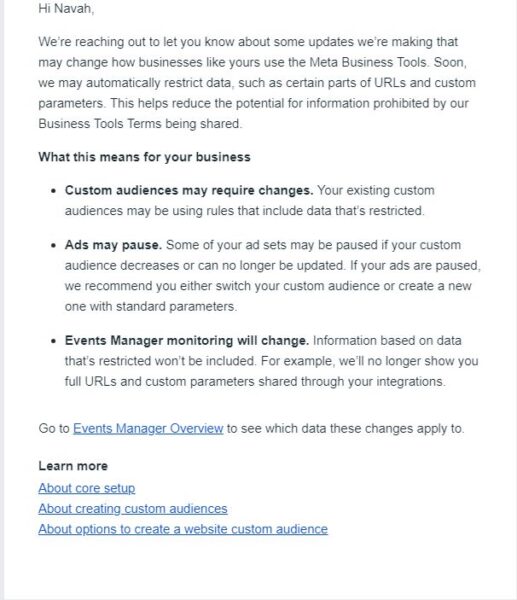
First seen. Meta communicated this update to advertisers this week. PPC expert Navah Hopkins of Optmyzr shared the email she received on LinkedIn:

Hopkins commented about the importance of this update:

  • “This is a critical reminder that Meta is taking privacy very seriously and our ability to report and target based on seeing/clicking ads is no longer a guaranteed state.”

Claude Sprenger Managing Partner @ Hutter Consult AG, is not surprised by this update and gave some advice on what the effect could be:

  • “Sounds worse than it is. Meta already started restricting this data 12 months ago. Concrete effects – Target groups based on specific URL paths grow more slowly and can no longer be created retroactively. Target groups that combine URL paths and another rule (example: device) are no longer functional and can no longer be used in campaigns.”

What’s next.

  • Businesses should review and potentially adjust custom audiences.
  • Prepare for possible compromises on UTM parameters.
  • Keep stakeholders informed about potential reporting changes.

Original source: https://searchengineland.com/meta-restrict-data-business-tools-446439

How to Generate Pest Control Leads For Your Home Service Business

Home Business Magazine Online

Generating leads is crucial for the growth and success of any pest control business. A well-executed lead generation strategy can significantly boost customer acquisition and revenue for pest control companies. Effective lead generation involves a combination of digital marketing techniques, community engagement, and leveraging technology to attract potential customers. For businesses looking to scale, securing pest control leads can make a significant impact by providing high-quality, targeted opportunities to grow your pest control business.

Pest control businesses can employ various methods to generate high-quality pest control leads; these include optimizing their online presence through search engine optimization (SEO), utilizing pay-per-click advertising, and engaging with potential customers on social media platforms. Additionally, building strong relationships within the local community and implementing referral programs can help create a steady stream of new leads.

By focusing on targeted marketing efforts and providing valuable content to potential customers, pest control companies can position themselves as industry experts and attract more qualified leads. This approach not only increases the quantity of leads but also improves their quality, resulting in higher conversion rates and long-term customer relationships.

Key Takeaways

  • Implement a mix of digital marketing strategies to attract potential customers
  • Engage with the local community and leverage referral programs for lead generation
  • Utilize technology and automation to streamline lead management processes

Developing a Robust Online Presence

A strong online presence is crucial for pest control businesses to attract and convert leads. It involves creating a user-friendly website, implementing effective SEO strategies, and engaging with potential customers through social media platforms.

Optimizing Your Website for Lead Conversion

A well-designed website serves as the digital storefront for pest control businesses. It should be visually appealing, easy to navigate, and mobile-responsive. Include clear calls-to-action (CTAs) throughout the site to guide visitors toward contacting your business.

Incorporate informative content about common pest issues and your services. Use high-quality images and videos to showcase your work. Ensure your contact information is prominently displayed on every page.

Implement a user-friendly contact form to capture lead information. Make it easy for potential customers to request quotes or schedule appointments directly from your website.

Leveraging Search Engine Optimization

SEO is essential for increasing organic traffic to your pest control website. Start by researching relevant keywords that potential customers use when searching for pest control services in your area.

Optimize your website content by incorporating these keywords naturally into your page titles, headers, and body text. Create informative blog posts addressing common pest problems and solutions to attract more visitors.

Focus on local SEO by claiming and optimizing your Google Business Profile. Include your business name, address, and phone number consistently across all online platforms. Encourage satisfied customers to leave reviews on your Google Business Profile and other relevant directories.

Working with Lead Generation Services

Partnering with companies that specialize in lead generation can be a powerful method to secure high-quality, exclusive leads tailored to your business needs. These services focus on delivering leads directly to your pest control business, ensuring that you receive potential customers who are actively seeking pest control solutions.

Through utilizing a lead generation service, you can benefit from their expertise in targeting specific geographic areas and demographics, allowing you to focus on servicing the clients while the service provider handles the lead acquisition process. This approach can lead to a consistent flow of qualified leads, helping your business scale efficiently without the need to manage complex marketing campaigns internally.

Utilizing Social Media to Engage and Attract

Social media platforms offer excellent opportunities to connect with potential customers and showcase your expertise. Create business profiles on Facebook, Instagram, and Twitter to reach a wider audience.

Share helpful pest prevention tips, before-and-after photos of your work, and customer testimonials. Respond promptly to comments and messages to build trust and credibility.

Consider joining local Facebook groups to engage with community members and offer expert advice. This can help establish your business as a trusted local resource for pest control services.

Explore social media advertising options to target specific demographics in your service area. Use eye-catching visuals and compelling ad copy to attract potential leads to your website or contact form.

Conclusion

Generating pest control leads requires a multi-faceted approach. Effective strategies include optimizing online presence, leveraging content marketing, and working with specialized lead generation services. Businesses should focus on providing value to potential customers through educational content and exceptional service. Continuous measurement and adaptation of lead generation efforts are crucial for long-term success in the competitive pest control industry.

The post How to Generate Pest Control Leads For Your Home Service Business appeared first on Home Business Magazine.

Original source: https://homebusinessmag.com/sales/prospecting/generate-pest-control-leads-home-service-business/

Meta to restrict data in Business Tools, impacting ad targeting

Meta is implementing new data restrictions in its Business Tools, which could potentially affect how businesses target ads and measure performance.

Why we care. This move reflects Meta’s ongoing commitment to privacy, but could complicate ad targeting and reporting for you.

Key changes.

  • Automatic restriction of certain URL parts and custom parameters.
  • Potential pausing of ads using highly targeted UTMs.
  • Altered monitoring in Events Manager.

Impact on businesses.

  • Custom audiences may need adjustments.
  • Some ad sets could be paused.
  • Reduced visibility in Events Manager.

First seen. Meta communicated this update to advertisers this week. PPC expert Navah Hopkins of Optmyzr shared the email she received on LinkedIn:

Hopkins commented about the importance of this update:

  • “This is a critical reminder that Meta is taking privacy very seriously and our ability to report and target based on seeing/clicking ads is no longer a guaranteed state.”

Claude Sprenger Managing Partner @ Hutter Consult AG, is not surprised by this update and gave some advice on what the effect could be:

  • “Sounds worse than it is. Meta already started restricting this data 12 months ago. Concrete effects – Target groups based on specific URL paths grow more slowly and can no longer be created retroactively. Target groups that combine URL paths and another rule (example: device) are no longer functional and can no longer be used in campaigns.”

What’s next.

  • Businesses should review and potentially adjust custom audiences.
  • Prepare for possible compromises on UTM parameters.
  • Keep stakeholders informed about potential reporting changes.

Original source: https://searchengineland.com/meta-restrict-data-business-tools-446439

Aldi Helping Parents With £100 Vouchers Throughout September

As part of its Community Support Fund, Aldi are offering £100 Aldi vouchers to parents throughout September to alleviate the costs of everyday essentials following the back-to-school season. Additionally, the supermarket is donating £20,000 to charitable causes focused on supporting children. This contribution, facilitated through their community giving platform Neighbourly, will aid schools and nurseries in providing essential resources to families in need.

Recent research from the UK’s fourth largest supermarket highlights that parents typically spend just over £100 per child during the back-to-school period on items such as new shoes, pencil cases, and lunchboxes. The financial strain continues throughout the school year, with parents spending approximately £23 per week on packed lunches and around £90 on after-school clubs and extra-curricular activities.

Liz Fox, National Sustainability Director at Aldi UK, said: “We know the back-to-school period can be a real pinch point for family finances, especially after having to contend with keeping the kids entertained during the summer school holidays.

“As the UK’s lowest-priced supermarket, we’re committed to doing whatever we can to support parents in making their money go further and that’s why we’re giving parents an extra helping hand via our Back-to-School Fund this September.

“We’re giving our customers the chance to apply for vouchers to help parents cover the cost of packed lunches and other essentials they’ll need to stock up on throughout the school year.”

Aldi has a long-standing partnership with Neighbourly as part of its commitment to make fresh, healthy food accessible for everyone.  Shoppers who wish to support local charities can do so through community donation points in Aldi stores.

Steve Butterworth, Neighbourly CEO, said: “We support many thousands of good causes across the UK that directly support families, and this additional funding from Aldi will provide a vital lifeline for them to cover the cost of essentials for the parents and children who need it most.”

Parents who want to apply for Aldi’s Back-to-School Fund should email AldiBTSFund@citypress.co.uk by 30/09/2024, with 100 people chosen throughout the month to receive a £100 voucher.

The post Aldi Helping Parents With £100 Vouchers Throughout September appeared first on MoneyMagpie.

Original source: https://www.moneymagpie.com/make-money/aldi-helping-parents-with-100-vouchers-throughout-september

Aldi Helping Parents With £100 Vouchers Throughout September

As part of its Community Support Fund, Aldi are offering £100 Aldi vouchers to parents throughout September to alleviate the costs of everyday essentials following the back-to-school season. Additionally, the supermarket is donating £20,000 to charitable causes focused on supporting children. This contribution, facilitated through their community giving platform Neighbourly, will aid schools and nurseries in providing essential resources to families in need.

Recent research from the UK’s fourth largest supermarket highlights that parents typically spend just over £100 per child during the back-to-school period on items such as new shoes, pencil cases, and lunchboxes. The financial strain continues throughout the school year, with parents spending approximately £23 per week on packed lunches and around £90 on after-school clubs and extra-curricular activities.

Liz Fox, National Sustainability Director at Aldi UK, said: “We know the back-to-school period can be a real pinch point for family finances, especially after having to contend with keeping the kids entertained during the summer school holidays.

“As the UK’s lowest-priced supermarket, we’re committed to doing whatever we can to support parents in making their money go further and that’s why we’re giving parents an extra helping hand via our Back-to-School Fund this September.

“We’re giving our customers the chance to apply for vouchers to help parents cover the cost of packed lunches and other essentials they’ll need to stock up on throughout the school year.”

Aldi has a long-standing partnership with Neighbourly as part of its commitment to make fresh, healthy food accessible for everyone.  Shoppers who wish to support local charities can do so through community donation points in Aldi stores.

Steve Butterworth, Neighbourly CEO, said: “We support many thousands of good causes across the UK that directly support families, and this additional funding from Aldi will provide a vital lifeline for them to cover the cost of essentials for the parents and children who need it most.”

Parents who want to apply for Aldi’s Back-to-School Fund should email AldiBTSFund@citypress.co.uk by 30/09/2024, with 100 people chosen throughout the month to receive a £100 voucher.

The post Aldi Helping Parents With £100 Vouchers Throughout September appeared first on MoneyMagpie.

Original source: https://www.moneymagpie.com/make-money/aldi-helping-parents-with-100-vouchers-throughout-september

Scaling local advertising with automation in the new media landscape by Fluency

Today’s advertisers face a daunting operational challenge: scaling customized, local advertising campaigns across a growing number of channels. Overall digital ad spend continues to grow, and new channels, financial media and retail media networks are emerging. 

As the space gets more complex, both in-house and agency ad teams are stretched thin, trying to do more with the same — or less — people and budget. We call this operational pinch point “the crisis of capacity” for ad ops teams.  

These problems compound exponentially for localized advertising campaigns. Unique custom data points, like colloquial phrases or nested geographies, increase the number of campaign variables. If you’re managing these with manual tasks, you’re also increasing your likelihood of branding and compliance errors.  

These challenges have made automation an essential operational solution. Automation has changed the paradigm for local advertising execution and management. The question is, how best can automation be applied? Which processes should we automate to scale up localized campaigns profitably? The following strategies offer a helpful starting place.

The new media mix

The marketing funnel now requires a locally targeted, multichannel and data-powered media mix. More brands are shifting their budgets towards programmatic and emerging media types (CTV, audio ads, etc.) to engage hyperlocal audiences more effectively.

At Fluency, we’re forecasting a 350% increase in spending on Amazon and other demand-side platforms (DSPs) by 2027. This significant shift highlights advertisers’ desire to get in front of key local audiences on media channels where people spend the majority of their time.

The challenge for ad teams lies in managing this complexity. Traditionally, advertisers have taken two paths when trying to scale their efforts. 

One approach is to hire more staff. If each team member maxes out at handling 20-30 different accounts, the only way to add capacity is by hiring more employees. This approach doesn’t improve your margins, though: even the most tenured and experienced employees have a workload threshold that they can’t overcome by sheer force alone. And when you push people over that threshold? You’ll combat high employee turnover and burnout. 

The other path that advertisers have taken to scale is what we like to refer to as “Frankentech.” Building custom tech to address siloed problems is resource-draining. Plus, in-house solutions rarely add the capacity you truly need, particularly if you look at your workflows comprehensively. Piling on non-interoperable third-party solutions makes your tech stack look like a house of cards instead of a strong foundation for workflow efficiency. 

Overcoming the ‘crisis of capacity’

If advertisers want to succeed, they must think about ad ops holistically. While automation has existed in the advertising space for years, many organizations deploy it in a limited fashion–such as using automation tools within each individual publisher. 

However, to achieve true scalability in advertising, a more comprehensive automation approach is necessary. This means systematically automating the most resource-intensive workstreams, including budgeting, launching campaigns, campaign management and reporting. 

Let’s take a closer look at how automation can alleviate the pains of these workflows.  

Automating budgeting and pacing for improved margins

Budgeting is a critical component of digital advertising — and shockingly labor-intensive. Automating budget allocation, pacing and adjustments can significantly reduce the manual effort required and ensure optimal spend. 

For example, teams can establish rules and workflows to dynamically (and automatically!) adjust bids and reallocate budgets based on real-time performance data. We’ve seen customers improve their spend from 95% to 98%, all while avoiding overspend. 

Expediting campaign launches for scale

Launching campaigns at scale is a daunting task, especially for multi-location advertisers. Ensuring you have the right local data funnel to the right ad sets using manual workflows is draining. 

Automation can expedite localized campaign building and launching through pre-set configurations. Manual adjustments and tweaks give way to scalable, automated workflows to launch large-scale campaigns.  

For example, when a real estate marketing agency started launching campaigns with automation, they decreased the time to build and launch campaigns from a couple of hours to 10 minutes or less. 

Efficient campaign management for optimal performance

Managing campaigns across multiple channels requires constant monitoring and optimization. If there’s one thing that tanks efficiency, it’s having to babysit every campaign.  

Automated management systems can provide real-time alerts and proactive notifications. This gives strategists the ability to actually strategize. You can stay on top of zero spend or serving alerts, budget reallocation recommendations, and disapproved ad extensions without constantly keeping a pulse on operations. 

Best of all, both you and your clients are confident that every campaign is on track and performing optimally.

Comprehensive, stress-free reporting

Generating insightful reports is essential for evaluating campaign performance, providing feedback to clients, and making data-informed decisions. But the work that goes into building reports (which is more like updating a multiple-page deck every month with new data) drains your time and energy. 

Reporting is one of the most fruitful places for automation. Automatically generate unified, customizable dashboards that provide a holistic view of performance across all channels. You can keep clients informed about the effectiveness of their campaigns and use data to make informed decisions.

Automate labor-intensive workstreams to activate data at scale

The four workflows mentioned above are excellent jumping-off points for automation. These processes are all data-heavy and labor-intensive. They also have a lot of repeatable steps that are practically begging to be rule-ified. 

A Digital Advertising Operating System (DAOS), like Fluency, can help you solve the challenges of both scale and performance while safely incorporating emerging technologies like automation and AI. With a DAOS, you can:

  • Optimize multichannel efforts: Efficiently manage complex marketing campaigns across channels for faster insights and better decision-making.
  • Activate real-time, dynamic updates: Automate changes across your portfolio to ensure your messaging is always informed and dynamically responsive.
  • Strategize proactively: Leverage AI-driven suggestions to optimize ad performance and boost conversions.

These benefits trickle up to the ultimate goal: you save tremendous amounts of time across a variety of workflows. This frees up your capacity to deliver outstanding performance results across the board.  

Both in-house ad teams and agencies have used a DAOS to holistically transform manual workflows into a well-oiled automation machine.  As just one example, Dealer.com, part of Cox Automotive and the largest advertising agency in the automotive sector, wanted to expand its successful multi-channel strategy to a new advertising unit: Amazon Sponsored Display. With Amazon’s audience data, there was potential to enhance their data-driven localized advertising services for thousands of individual automotive manufacturers, regional groups, and local franchise dealers. 

However, the company’s existing solutions lacked the flexibility and efficiency required to scale to Amazon Sponsored Display. Launching and optimizing every account required significant overhead that would be difficult to recoup under their manual-task-heavy workflows. Dealer.com wanted their teams to focus on strategy and client relationships, not task work.

The teams at Dealer.com leveraged Fluency’s direct API integration with Amazon Amazon Sponsored Display to automate the creation and management of over 1,100 locally targeted campaigns. This enables Dealer.com to make real-time, automated campaign adjustments and large-scale deployment directly from one central hub. 

These new automated workflows reduced Dealer.com’s campaign setup time from 60-90 minutes per account to just 5 minutes in total. The team saved 1,300 hours simply by automating campaign setup!  

Once launched, their Amazon Sponsored Display campaign delivered fantastic results. Dealer.com achieved a CPM (cost-per-thousand) impression on Amazon that was 65% cheaper than other channels.

Most importantly, utilizing a DAOS (like Fluency) enabled Dealer.com teams to seamlessly integrate localized Amazon campaigns into their broader media mix (including paid search, display channels, and YouTube) without compounding effort.

Fueling the hyperlocal future

The anticipated growth of new media channels offers forward-thinking advertisers a strategic edge. But if you’re going to ride these growing trends, you’ll need automation to scale effectively without burning out your valuable team members or your margins.  

Automating key ad ops workstreams will enable you to deliver highly targeted and relevant ads at pivotal moments in the customer journey. It’s the fastest, easiest, and most comprehensive way to achieve profitable scale.

Original source: https://searchengineland.com/scaling-local-advertising-with-automation-in-the-new-media-landscape-446323

Future of AI in content marketing: Key trends and 7 predictions

The future of AI in content marketing: Key trends and 7 expert predictions

Artificial intelligence (AI) is changing the game in many industries and content marketing is no different.

As we dive deeper into the digital age, AI’s influence on how we create, share and optimize content is only growing.

This article will examine some of the key trends shaping the future of AI in content marketing and expert predictions on how these technologies are set to transform the way brands connect with their audiences.

Marketing AI is already here

The future of content marketing is here, and it’s powered by AI.

Marketing AI is most prominent in a new technology known as content intelligence. 

Content intelligence platforms use machine learning algorithms to:

  • Analyze massive datasets of content.
  • Provide insights that can be used to improve all aspects of content marketing.

This data-driven approach to content marketing helps businesses create more effective campaigns.

Here are some more ways that AI is now used in content marketing:

Generative AI for content marketing

Creating engaging and informative content is essential for any successful marketing strategy.

However, producing high-quality content consistently can be time-consuming and resource-intensive.

This is where generative AI tools like ChatGPT are revolutionizing the content creation process.

Marketers can use AI to generate:

  • Blog posts.
  • Social media updates.
  • Website copy.
  • Email marketing campaigns.

This allows marketing teams to scale their content production efforts and free up time to focus on more strategic initiatives.

Hyper-personalized marketing

Consumers today expect personalized experiences. They are more likely to engage with brands that offer content and offers relevant to their interests and needs.

AI can analyze vast amounts of customer data to identify patterns and preferences. This data can then be used to create highly personalized marketing campaigns that deliver the right message to the right person at the right time.

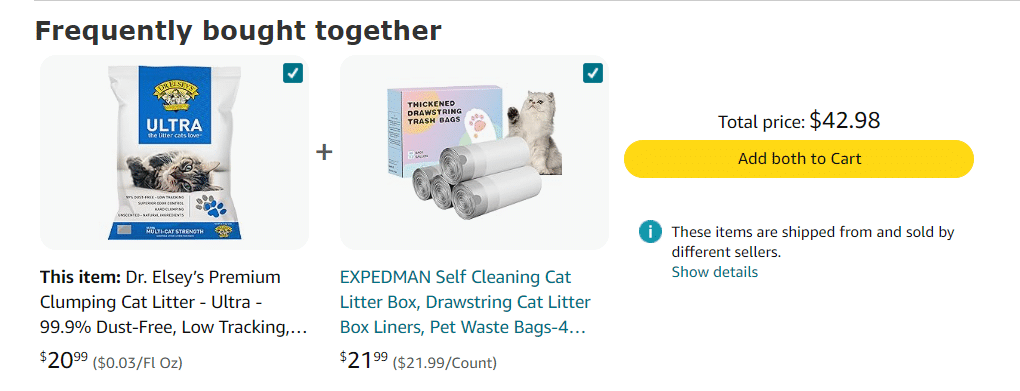
Amazon is a leading example of effective hyper-personalization. If you search for cat litter and click on a product, Amazon will automatically show a “Frequently Bought Together” section related to that search.

Amazon - Frequently bought together

Predictive analytics for data-driven decisions

AI-driven predictive analytics lets you move beyond past data (e.g., website activity, purchase history and engagement) to predict outcomes, which is valuable for making informed decisions on inventory, marketing budgets and product development.

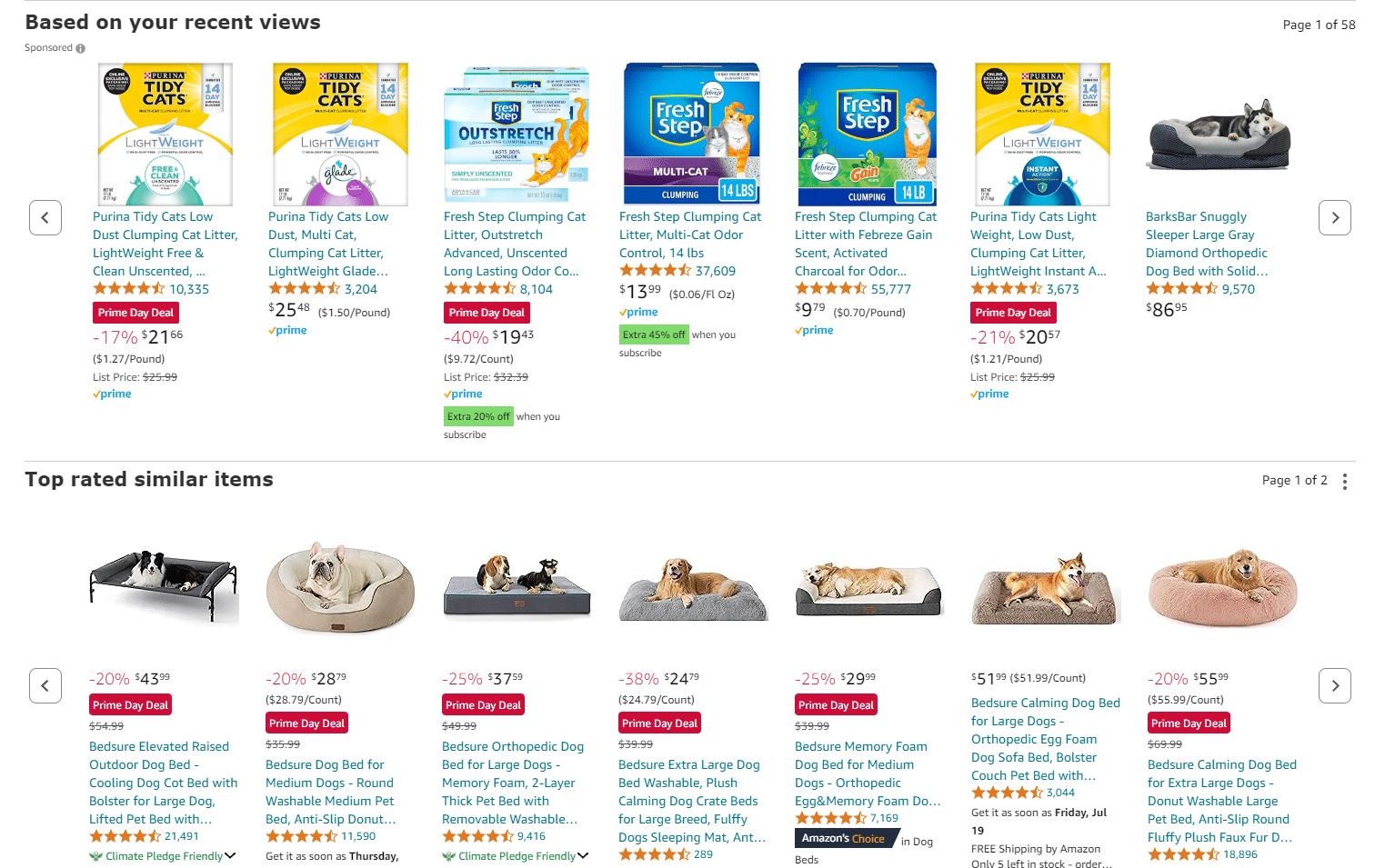
Again, Amazon is the perfect example of leveraging predictive analytics to help customers easily find what they’re looking for.

Amazon - Recommendations based on recent views

Enhanced customer experience

AI is allowing customers to experience brands in some cool ways. 

Take AI-powered chatbots, for example. These smart assistants offer personalized and efficient customer support 24/7.

Whether you have a question at midnight or need help early in the morning, chatbots provide real-time answers tailored just for you.

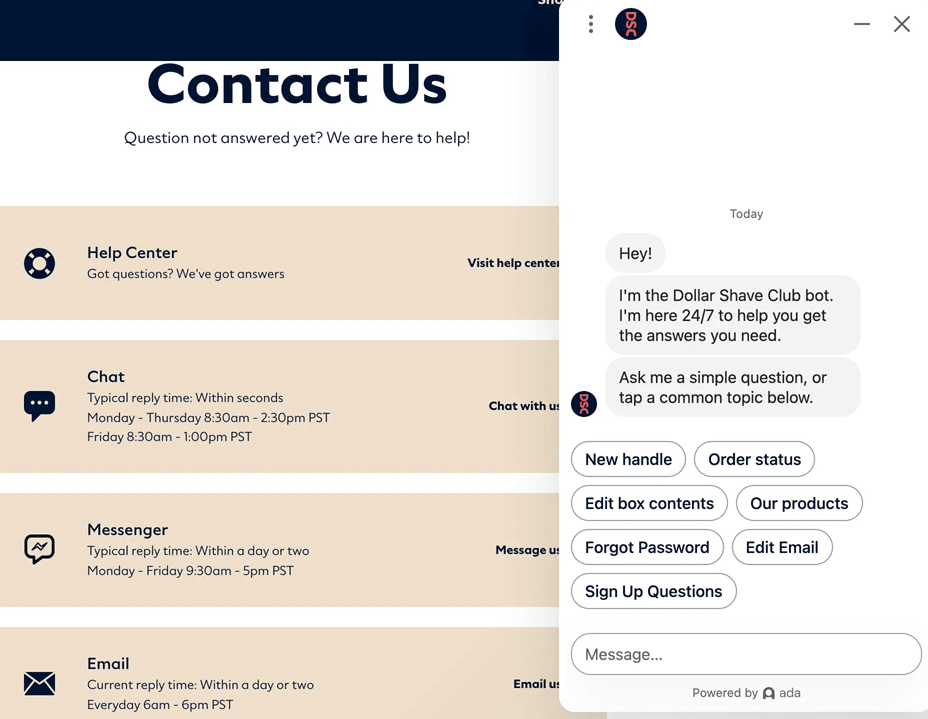
Here’s how Dollar Shave Club uses AI to handle customer queries:

Dollar Shave Club AI chatbot

But it doesn’t stop there. AI is also shaking things up with interactive content. Imagine getting content that feels like it was made just for you – because it was!

AI can create dynamic, personalized experiences that keep you engaged and connected with the brand.

Plus, AI is super helpful in gathering feedback and insights. It can spot trends and determine what people want by analyzing customer interactions.

This means companies can keep improving their products and services, making sure they’re always meeting your needs.

In short, AI is making customer experiences more personal, efficient and engaging, helping brands build stronger relationships with their audiences.

Voice search optimization

With the rise of virtual assistants like Siri, Alexa and Google Assistant, more and more people are using their voices to search for information. 

One of the main ways AI is helping is by analyzing voice search patterns. Unlike traditional text searches, voice searches are usually more conversational and natural-sounding. 

AI tools analyze these patterns to show what questions people ask and the language they use. This lets you adjust your content to fit natural speech, improving your chances of appearing in voice search results.

AI is also great at helping with SEO for voice search. It can suggest long-tail keywords and phrases commonly used in voice queries and even help optimize website structure and metadata to be more voice-search friendly.

By using AI to fine-tune your content and SEO strategies, you can ensure content is easily discoverable by voice search users.

Augmented reality

With augmented reality (AR), we can deliver immersive experiences.

For example, customers can see how furniture looks in their homes or try on clothes virtually, helping them make confident decisions and boosting sales and satisfaction.

For example, the “#TakeATaste Now” campaign allowed consumers to grab a bottle of Coca-Cola Zero Sugar straight from digital screens via AR and claim the real soda at a nearby Tesco store.

Coca-Cola #TakeATaste Now campaign

Another great thing about AR is how it enhances storytelling and brand engagement. You can use AR to bring your brands to life in unique and memorable ways.

For instance:

  • A cosmetics company might use AR to let customers try on different makeup looks virtually. 
  • Or a travel company might create an AR app that lets users explore destinations from their living rooms. 

These interactive experiences capture attention and create a deeper connection between the brand and its audience.

Get the newsletter search marketers rely on.


7 expert predictions in marketing AI

What’s in store for the future of content marketing? Let me share with you seven predictions from the experts.

1. Media democratization

The barriers to entry for content creation have been steadily eroding for years.

Blogs challenged traditional media, self-publishing platforms disrupted the book industry, podcasts offered an alternative to radio and YouTube gave everyone a shot at video stardom. 

This democratization of media empowers individuals and smaller organizations to compete with established players in the content marketing landscape.

This shift is driven by several factors, including:

  • Lower production costs: Powerful yet affordable software and equipment have made high-quality content creation accessible to almost anyone.
  • Direct audience access: Social media and other online platforms allow creators to reach their target audiences directly, bypassing traditional gatekeepers.
  • Increased demand for niche content: As consumers grow tired of generic, mass-produced content, there’s a growing appetite for specialized and authentic voices.

This means embracing the power of user-generated content and influencer marketing and creating a strong brand voice across various platforms.

It’s about building communities and fostering engagement rather than simply broadcasting messages.

2. Raising the bar in content generation

The rapid evolution of generative AI tools has injected the content marketing world with a potent mix of excitement and anxiety.

While many marketers are understandably wary of AI’s disruptive potential, its transformative impact on content creation is undeniable.

As AI-powered content generators become increasingly sophisticated, they are poised to establish a new benchmark for quality.

This means content marketers will need to adapt their strategies to stand out in a landscape saturated with AI-generated content.

Simply churning out “good enough” content will no longer suffice. Instead, marketers must strive for excellence in every piece of content they produce.

Here’s how AI-generated content is raising the bar:

  • Increased content volume: AI can generate vast amounts of content quickly and efficiently, flooding the digital landscape. This means marketers must produce exceptional content to capture their audience’s attention.
  • Improved content quality: AI content generators constantly learn and improve, producing increasingly high-quality content often indistinguishable from human-written content. To compete, marketers need to create original, insightful and engaging content that provides real value to their target audience.
  • More personalized content: AI-driven hyper-personalization will continue to become a game-changer, moving far beyond the generic “recommended for you” suggestions. Imagine receiving emails that address you by name, recommend products based on your past purchases, and even offer exclusive discounts tailored to your shopping habits. This level of personalization fosters a stronger emotional connection with customers, leading to increased engagement, brand loyalty and higher conversion rates.

3. Generative AI will take over some SEO traffic

One of the biggest impacts of generative AI on content marketing is its potential to reshape how people search for information online. 

Instead of turning to a traditional search engine like Google and clicking through the SERP listing, users can get answers directly from AI chatbots like ChatGPT and Gemini. 

This shift in user behavior could lead to a decline in organic search traffic, impacting the effectiveness of traditional SEO strategies.

This change necessitates adapting content strategies for brands that rely heavily on organic search to drive traffic and leads. 

Creating high-quality content optimized for specific keywords will have less impact if users don’t click through from search engine results pages. 

However, this doesn’t mean that SEO is dead. Instead, it highlights the importance of a multi-faceted content marketing strategy that goes beyond simply targeting keywords.

Dig deeper: How AI will affect the future of search

4. AR/VR support in marketing

Tech-savvy millennials are driving the adoption of augmented reality (AR) and virtual reality (VR) technologies, revolutionizing customer experiences with immersive engagement that captivates.

  • AR enhances the real world by layering digital elements onto it, often through smartphone cameras.
  • In contrast, VR creates fully immersive, interactive digital environments accessed through headsets, blocking out the physical world.

This technology offers unprecedented opportunities for marketers to connect with their audience in new and exciting ways.

5. The rise of chatbots and social bots

AI-powered chatbots and social bots are transforming how brands connect with their audiences.

Automating and enhancing customer interactions boost engagement and streamline marketing efforts.

Chatbots provide 24/7 customer service, handling high volumes of queries with instant responses, issue resolution and personalized recommendations. 

In social media marketing, social bots automate tasks like responding to comments, tracking brand mentions, and monitoring conversations.

This allows marketing teams to focus on strategy and creative content. These AI tools are essential for managing brand presence and improving customer interactions in the digital age.

6. Mobile content is king

As AI evolves, its ability to analyze user behavior on mobile devices will become even more sophisticated, allowing you to deliver hyper-personalized experiences in real time.

Imagine a world where a customer walking by a coffee shop receives a push notification for a discount on their favorite latte – all powered by AI analyzing their location data and past purchase behavior.

The future of marketing is mobile and AI is the key to unlocking its full potential. 

7. Changing job roles in marketing

AI is going to shake up marketing jobs in some pretty interesting ways.

As AI takes over routine tasks like crunching data, generating basic content and sorting customer segments, marketers will have more time to focus on the fun stuff – strategy, creativity and building relationships.

Marketers will work with AI, using its data-driven insights to brainstorm ideas, fine-tune campaigns and personalize customer experiences. This partnership between AI and human creativity is set to make our marketing efforts more innovative and effective.

While AI will do much of the heavy lifting, it will also open up new opportunities for us to think strategically, get creative and lead with ethics in the marketing world.

Dig deeper: Why AI can’t replace authentic client relationships

Embracing the future of marketing With AI

An O’Reilly survey revealed that 67% of marketing teams actively use AI, and 26% plan to incorporate it soon. This signifies a major shift in the marketing landscape, with AI tools poised to reshape job roles across the industry.

While some marketers fear AI might replace them, the reality is far more nuanced.

AI is not here to eliminate jobs but to augment them, freeing marketers from repetitive tasks and empowering them to focus on strategic initiatives.

This evolution will require marketers to adapt and acquire new skills to thrive in an AI-driven environment.

Original source: https://searchengineland.com/future-ai-content-marketing-trends-predictions-446331