8 Top Tips for Creating Eye-Catching Custom Box Designs

Home Business Magazine Online

Are your packaging needs changing as your business grows? Are you looking for ways to make your product stand out on the shelves?

Designing the perfect custom cardboard boxes can be the key to capturing consumer attention and differentiating your brand from others.

Custom boxes are not just about housing products; they are a critical marketing tool that can significantly impact customer perception and purchase decisions.

By investing time and creativity into custom cardboard box design, businesses can enhance the unboxing experience and organically promote their brand values.

This guide will take you through the top strategies for creating memorable custom box designs that captivate and engage your target audience.

1.     Understand Your Brand

Your custom box design should be an extension of your brand.

From color schemes and typography to imagery and messaging, every element should reflect your brand identity.

Start by identifying what your brand stands for and what message you want to convey.

Consider attributes such as modern, eco-friendly, luxurious, or adventurous.

Use these characteristics to guide your design choices.

Remember, consistency is crucial.

Your custom boxes should align with your overall branding strategy to create a cohesive brand experience across all touchpoints.

2.     Prioritize Functionality

While aesthetics are essential, functionality should never be compromised.

The custom cardboard boxes should be designed to securely hold, protect, and preserve your products.

Consider the type of products you’ll be packaging.

Fragile items require additional protective features such as dividers or cushioned materials.

Food products might need boxes that ensure temperature control or air-tight properties.

When designing, it is also important to consider box dimensions for transportation efficiency to minimize shipping costs.

3.     Select the Right Materials

Choosing the right materials for your custom boxes is vital for both functionality and aesthetics.

Cardboard is a popular choice due to its durability and versatility.

There are various types of cardboard materials, including corrugated, paperboard, and fiberboard, each with unique characteristics suited for different purposes.

Eco-friendly options such as recycled or sustainable materials can appeal to environmentally conscious consumers.

Ensure the chosen materials enhance the overall appearance and feel of the packaging, complementing your product inside.

4.     Design with the Customer in Mind

The design should not only represent your brand but also resonate with your target audience.

Understand who your customers are, their preferences, and what kind of packaging would appeal to them.

Consider utilizing elements like bright colors and playful graphics for a children’s product or choosing a minimalist design featuring neutral colors for high-end items.

The aim is to create a connection between the customer and the product before they even open the box.

Collecting insights through customer feedback can be useful in aligning the design to consumer expectations.

5.     Ensure Clear, Legible Text

Clear and legible text is crucial in custom box design as it communicates product-related information to the consumer.

Select fonts that are easy to read and avoid using too many different font styles, which can clutter the overall design.

Product name, brand name, and essential information such as ingredients or usage instructions should be prominently displayed and easily readable.

Consider the context in which your boxes will be seen; sometimes, larger fonts or more contrast might be needed to grab attention from a distance or under different lighting conditions.

6.     Use High-Quality Images and Graphics

Images and graphics can significantly enhance the visual appeal of your custom cardboard boxes.

Utilize high-quality imagery that directly relates to the product inside or conveys the lifestyle associated with using the product.

Artwork, illustrations, or photographs should be crisp, clear, and professionally designed.

Images can also serve strategic purposes, such as showing the application of the product, highlighting different features, or enhancing brand storytelling.

Opt for an understated design where the images do not overwhelm the text or other key elements on the packaging.

7.     Consider Interactive Elements

Interactive packaging can provide a unique experience, engaging consumers in ways traditional packaging does not.

For example, QR codes that lead to videos, augmented reality experiences, or personalized messages can make the unboxing experience more dynamic and memorable.

Creating custom boxes with interactive features helps to build customer relationships and increase brand loyalty.

Ensure that these interactive elements are seamlessly integrated into the design and are fully functional.

Interactive packages can serve as a talking point, encouraging customers to share their experiences on social media.

8.     Incorporate Finishing Touches

The final touches on your custom boxes can make a world of difference in differentiating your product from competitors.

Consider finishing options such as embossing, debossing, foil stamping, or spot UV coating to add a tactile dimension to your packaging.

These finishes can elevate the perceived value of your product and attract attention on the shelves.

While these options can be more costly, the investment can be worthwhile when targeting specific market segments that value premium packaging.

Select the finishes based on the material used and how they integrate with the overall design concept.

Conclusion: The Impact of Exceptional Design

Custom cardboard boxes are not just a necessity for shipping or housing products—they are a powerful marketing tool capable of elevating your brand.

By focusing on unique design aspects, aligning with brand values, and paying attention to consumer preferences, businesses can craft packaging solutions that not only protect but also promote products effectively.

High-quality custom boxes not only capture attention but also contribute to a memorable customer experience that sets your brand apart from the competition.

Integrating creativity, functionality, and strategy within your packaging design effort will ensure that your custom boxes become an essential part of your brand’s success story.

The post 8 Top Tips for Creating Eye-Catching Custom Box Designs appeared first on Home Business Magazine.

Original source: https://homebusinessmag.com/growing-a-business/8-top-tips-creating-eye-catching-custom-box-designs/

8 Top Tips for Creating Eye-Catching Custom Box Designs

Home Business Magazine Online

Are your packaging needs changing as your business grows? Are you looking for ways to make your product stand out on the shelves?

Designing the perfect custom cardboard boxes can be the key to capturing consumer attention and differentiating your brand from others.

Custom boxes are not just about housing products; they are a critical marketing tool that can significantly impact customer perception and purchase decisions.

By investing time and creativity into custom cardboard box design, businesses can enhance the unboxing experience and organically promote their brand values.

This guide will take you through the top strategies for creating memorable custom box designs that captivate and engage your target audience.

1.     Understand Your Brand

Your custom box design should be an extension of your brand.

From color schemes and typography to imagery and messaging, every element should reflect your brand identity.

Start by identifying what your brand stands for and what message you want to convey.

Consider attributes such as modern, eco-friendly, luxurious, or adventurous.

Use these characteristics to guide your design choices.

Remember, consistency is crucial.

Your custom boxes should align with your overall branding strategy to create a cohesive brand experience across all touchpoints.

2.     Prioritize Functionality

While aesthetics are essential, functionality should never be compromised.

The custom cardboard boxes should be designed to securely hold, protect, and preserve your products.

Consider the type of products you’ll be packaging.

Fragile items require additional protective features such as dividers or cushioned materials.

Food products might need boxes that ensure temperature control or air-tight properties.

When designing, it is also important to consider box dimensions for transportation efficiency to minimize shipping costs.

3.     Select the Right Materials

Choosing the right materials for your custom boxes is vital for both functionality and aesthetics.

Cardboard is a popular choice due to its durability and versatility.

There are various types of cardboard materials, including corrugated, paperboard, and fiberboard, each with unique characteristics suited for different purposes.

Eco-friendly options such as recycled or sustainable materials can appeal to environmentally conscious consumers.

Ensure the chosen materials enhance the overall appearance and feel of the packaging, complementing your product inside.

4.     Design with the Customer in Mind

The design should not only represent your brand but also resonate with your target audience.

Understand who your customers are, their preferences, and what kind of packaging would appeal to them.

Consider utilizing elements like bright colors and playful graphics for a children’s product or choosing a minimalist design featuring neutral colors for high-end items.

The aim is to create a connection between the customer and the product before they even open the box.

Collecting insights through customer feedback can be useful in aligning the design to consumer expectations.

5.     Ensure Clear, Legible Text

Clear and legible text is crucial in custom box design as it communicates product-related information to the consumer.

Select fonts that are easy to read and avoid using too many different font styles, which can clutter the overall design.

Product name, brand name, and essential information such as ingredients or usage instructions should be prominently displayed and easily readable.

Consider the context in which your boxes will be seen; sometimes, larger fonts or more contrast might be needed to grab attention from a distance or under different lighting conditions.

6.     Use High-Quality Images and Graphics

Images and graphics can significantly enhance the visual appeal of your custom cardboard boxes.

Utilize high-quality imagery that directly relates to the product inside or conveys the lifestyle associated with using the product.

Artwork, illustrations, or photographs should be crisp, clear, and professionally designed.

Images can also serve strategic purposes, such as showing the application of the product, highlighting different features, or enhancing brand storytelling.

Opt for an understated design where the images do not overwhelm the text or other key elements on the packaging.

7.     Consider Interactive Elements

Interactive packaging can provide a unique experience, engaging consumers in ways traditional packaging does not.

For example, QR codes that lead to videos, augmented reality experiences, or personalized messages can make the unboxing experience more dynamic and memorable.

Creating custom boxes with interactive features helps to build customer relationships and increase brand loyalty.

Ensure that these interactive elements are seamlessly integrated into the design and are fully functional.

Interactive packages can serve as a talking point, encouraging customers to share their experiences on social media.

8.     Incorporate Finishing Touches

The final touches on your custom boxes can make a world of difference in differentiating your product from competitors.

Consider finishing options such as embossing, debossing, foil stamping, or spot UV coating to add a tactile dimension to your packaging.

These finishes can elevate the perceived value of your product and attract attention on the shelves.

While these options can be more costly, the investment can be worthwhile when targeting specific market segments that value premium packaging.

Select the finishes based on the material used and how they integrate with the overall design concept.

Conclusion: The Impact of Exceptional Design

Custom cardboard boxes are not just a necessity for shipping or housing products—they are a powerful marketing tool capable of elevating your brand.

By focusing on unique design aspects, aligning with brand values, and paying attention to consumer preferences, businesses can craft packaging solutions that not only protect but also promote products effectively.

High-quality custom boxes not only capture attention but also contribute to a memorable customer experience that sets your brand apart from the competition.

Integrating creativity, functionality, and strategy within your packaging design effort will ensure that your custom boxes become an essential part of your brand’s success story.

The post 8 Top Tips for Creating Eye-Catching Custom Box Designs appeared first on Home Business Magazine.

Original source: https://homebusinessmag.com/growing-a-business/8-top-tips-creating-eye-catching-custom-box-designs/

How to make money from heavy snow

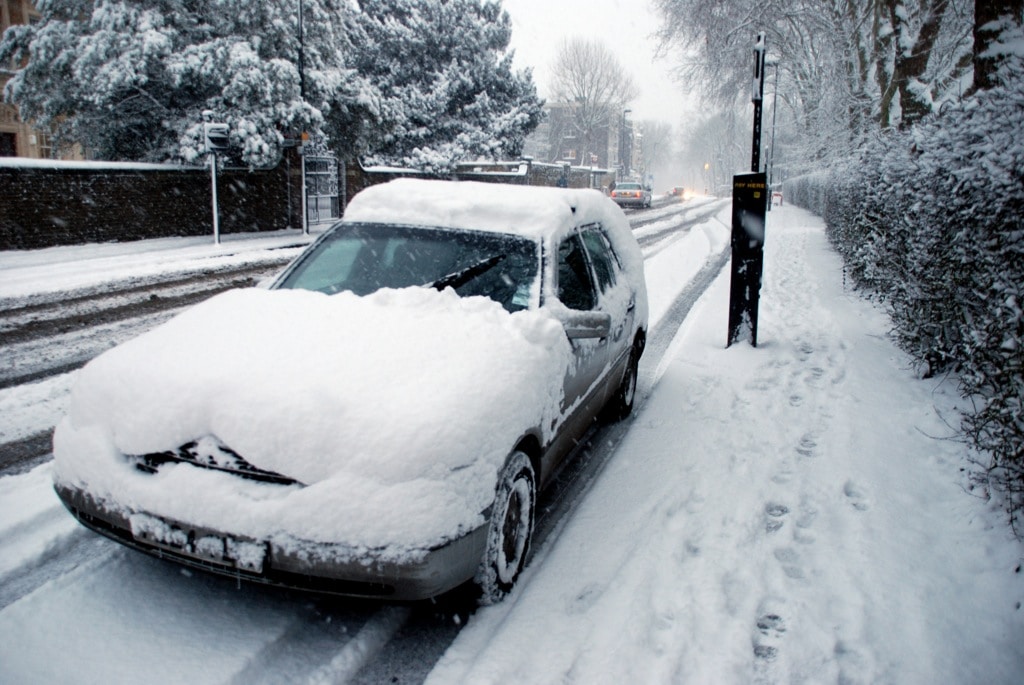
If you want to make money from bad weather, there are a huge number of ways to do so. Snow is the biggest money maker when it comes to earning extra income from atmospheric conditions, as it’s the hardest to manage when it comes down heavily.

If predictions are to be believed, and the UK is set for another intense period of cold and snowfall at some point this winter, this may be the most important article you read this year.


Clear Snow

snow clearing help

While shoveling pavements, driveways and digging out cars is physically taxing, it can also be lucrative.

Most people have no desire to spend hours shoveling their home out after a storm. Others, especially the elderly, may not be able to physically perform the task at all.

Consider offering a special deal (or free shoveling services) to low-income seniors or others who may be unable to clear their own snow. It’s a great way to get some buzz while doing a good deed.

Here is a video on Youtube which highlights the correct technique to use when shoveling snow – which is important to know, even if you’re simply clearing your own drive.


To go the extra mile — and maybe earn a tip or two — sprinkle ice melt on sidewalks and driveways. If you want to seem extra professional, leave a card with your contact details for next time.

Run errands for neighbours

winter driving


Just because most transportation has ground to a halt doesn’t mean people don’t still need to run errands. From medicine deliveries to stocking up on extra groceries, people still need essentials during heavy snowfall. 

If the roads are in decent shape, you have a four-wheel-drive vehicle and good winter driving skills, consider running errands for neighbours and other people you know who may not be able to get out and about.

Winter driving is a lot more difficult that you might think, so make sure to check out or dedicated article on travelling in the winter by following the link below.

Planes, Trains and Automobiles! – Critical Winter Travel Advice

You could either market yourself on your own or take advantage of a service like Task Rabbit that will match you up with people who need help running errands.


Sell Shovels, Snow Brushes and Ice Scrapers

Snow is never a guarantee in the UK, which is why the country struggles to deal with it when it comes down heavily. People don’t see the value in investing in equipment if they aren’t going to use it for years. However, when the snow does eventually arrive, millions scramble around to get hold of clearing goods.

By investing a small amount on Amazon, Gumtree or Ebay, you could build up a big collection of goods to sell on for a small profit if the snow does arrive. Even if it isn’t this year, the next ‘Best from the East’ won’t be far behind.

Buy snow cleaning products here.


Rent Out Snowblowers, Sleds and Other Winter Gear

While people might easily shell out some cash for a sturdy snow shovel, they may only want to rent a snowblower for a short length of time.

Consider renting out snowblowers, and other winter gear, even heavy winter clothing.

If you’re the type to go on skiing holiday, you can also rent out your gear to people looking to have some fun on hills as there aren’t exactly many opportunities to ski in the UK!

Find other ways you can make money by renting out your stuff. 


Sell Your Storm Photos

sell photos

Everybody loves seeing a photo or video which demonstrates the power of Mother Nature. So, if you manage to get a snap of a lightning bolt, a huge incoming storm or just your your dog enjoying the snow, call up your local news stations and publications (even national ones) and offer to send a watermarked version for their consideration.

If travel is difficult, news crews can’t be everywhere, and they may be willing to pay for your epic storm photos.

Also, look into stock photography options, where you can earn a few pounds or so per photo on the likes of Shutterstock or Unsplash.


Babysit for  Parents

winter babysitter

Just because there’s a giant storm doesn’t mean all parents can stay home from work.

Offer your babysitting services to neighbors and friends, watching their kids if they’re called off to work, and earn some money while doing so.

If you’re a student, this is the perfect way to earn money and get some study time in over the holiday season.

You can even promote the fun, snow-related activities that you’ll do with the kids, including sledding, making snow angels, building a snowman and baking if you have the skills to get it done.


Provide Pet Care and Pet Sitting

winter dog sittingSome pet owners have to head to work during a big storm, and others are physically unable to walk their dog through large snow drifts. 

A pair of snowshoes or skis can certainly come in handy for dog walking so if you have a pair, you could help a lot of people out.

If you have time off during the holidays student dog sitting, like babysitting, can be a great way to earn some money while you get some work done.

Find out more about dog walking here.


Offer Transportation

Once more, if you have a four wheel drive car, you could offer to take people on important journeys which they may not be able to make without a powerful vehicle.

As is the case in the UK, trains and buses are often stopped at the slightest hint of snow, so there will be a lot of people needing support if a big storm comes along.

Adding a set of snow chains to your car will help you justify charging a small fee.

You can get your hands on chains for wheels from Halfords here.


clear your clutter

If you’re stuck inside with not a lot to do, you might as well clear your clutter and discover how much your unused items will be worth.

Check out our dedicated guides and videos which are packed full of useful information on how to make the most of clearing your clutter here.

Declutter your life – Free Ebook download 


Help With Clean Up

Blizzards pack a punch and, with high winds, they can leave a trail of wreckage and damage. Helping with the clear up can earn you some extra income.

Walking around areas with a lot of trees may reveal damaged properties and blockages on driveways, which you can offer to clear for a fee.

From chopping and hauling away downed trees (which you may be able to keep for firewood), to repairing downed fences, and picking up wayward shingles that have blown off roofs, there is plenty of work to do after a storm.

For more help and advice on surviving and thriving this winter, click on any of the links below.

How to Survive the Winter Blues: Part 2

Broadband and TV Packages – Winter Deals 

Save Money by Preparing your Garden this Winter

Get your Home Ready for the Winter

Save Money on Car Maintenance this Winter

The post How to make money from heavy snow appeared first on MoneyMagpie.

Original source: https://www.moneymagpie.com/make-money/how-to-make-money-from-heavy-snow

How to make money from heavy snow

If you want to make money from bad weather, there are a huge number of ways to do so. Snow is the biggest money maker when it comes to earning extra income from atmospheric conditions, as it’s the hardest to manage when it comes down heavily.

If predictions are to be believed, and the UK is set for another intense period of cold and snowfall at some point this winter, this may be the most important article you read this year.


Clear Snow

snow clearing help

While shoveling pavements, driveways and digging out cars is physically taxing, it can also be lucrative.

Most people have no desire to spend hours shoveling their home out after a storm. Others, especially the elderly, may not be able to physically perform the task at all.

Consider offering a special deal (or free shoveling services) to low-income seniors or others who may be unable to clear their own snow. It’s a great way to get some buzz while doing a good deed.

Here is a video on Youtube which highlights the correct technique to use when shoveling snow – which is important to know, even if you’re simply clearing your own drive.


To go the extra mile — and maybe earn a tip or two — sprinkle ice melt on sidewalks and driveways. If you want to seem extra professional, leave a card with your contact details for next time.

Run errands for neighbours

winter driving


Just because most transportation has ground to a halt doesn’t mean people don’t still need to run errands. From medicine deliveries to stocking up on extra groceries, people still need essentials during heavy snowfall. 

If the roads are in decent shape, you have a four-wheel-drive vehicle and good winter driving skills, consider running errands for neighbours and other people you know who may not be able to get out and about.

Winter driving is a lot more difficult that you might think, so make sure to check out or dedicated article on travelling in the winter by following the link below.

Planes, Trains and Automobiles! – Critical Winter Travel Advice

You could either market yourself on your own or take advantage of a service like Task Rabbit that will match you up with people who need help running errands.


Sell Shovels, Snow Brushes and Ice Scrapers

Snow is never a guarantee in the UK, which is why the country struggles to deal with it when it comes down heavily. People don’t see the value in investing in equipment if they aren’t going to use it for years. However, when the snow does eventually arrive, millions scramble around to get hold of clearing goods.

By investing a small amount on Amazon, Gumtree or Ebay, you could build up a big collection of goods to sell on for a small profit if the snow does arrive. Even if it isn’t this year, the next ‘Best from the East’ won’t be far behind.

Buy snow cleaning products here.


Rent Out Snowblowers, Sleds and Other Winter Gear

While people might easily shell out some cash for a sturdy snow shovel, they may only want to rent a snowblower for a short length of time.

Consider renting out snowblowers, and other winter gear, even heavy winter clothing.

If you’re the type to go on skiing holiday, you can also rent out your gear to people looking to have some fun on hills as there aren’t exactly many opportunities to ski in the UK!

Find other ways you can make money by renting out your stuff. 


Sell Your Storm Photos

sell photos

Everybody loves seeing a photo or video which demonstrates the power of Mother Nature. So, if you manage to get a snap of a lightning bolt, a huge incoming storm or just your your dog enjoying the snow, call up your local news stations and publications (even national ones) and offer to send a watermarked version for their consideration.

If travel is difficult, news crews can’t be everywhere, and they may be willing to pay for your epic storm photos.

Also, look into stock photography options, where you can earn a few pounds or so per photo on the likes of Shutterstock or Unsplash.


Babysit for  Parents

winter babysitter

Just because there’s a giant storm doesn’t mean all parents can stay home from work.

Offer your babysitting services to neighbors and friends, watching their kids if they’re called off to work, and earn some money while doing so.

If you’re a student, this is the perfect way to earn money and get some study time in over the holiday season.

You can even promote the fun, snow-related activities that you’ll do with the kids, including sledding, making snow angels, building a snowman and baking if you have the skills to get it done.


Provide Pet Care and Pet Sitting

winter dog sittingSome pet owners have to head to work during a big storm, and others are physically unable to walk their dog through large snow drifts. 

A pair of snowshoes or skis can certainly come in handy for dog walking so if you have a pair, you could help a lot of people out.

If you have time off during the holidays student dog sitting, like babysitting, can be a great way to earn some money while you get some work done.

Find out more about dog walking here.


Offer Transportation

Once more, if you have a four wheel drive car, you could offer to take people on important journeys which they may not be able to make without a powerful vehicle.

As is the case in the UK, trains and buses are often stopped at the slightest hint of snow, so there will be a lot of people needing support if a big storm comes along.

Adding a set of snow chains to your car will help you justify charging a small fee.

You can get your hands on chains for wheels from Halfords here.


clear your clutter

If you’re stuck inside with not a lot to do, you might as well clear your clutter and discover how much your unused items will be worth.

Check out our dedicated guides and videos which are packed full of useful information on how to make the most of clearing your clutter here.

Declutter your life – Free Ebook download 


Help With Clean Up

Blizzards pack a punch and, with high winds, they can leave a trail of wreckage and damage. Helping with the clear up can earn you some extra income.

Walking around areas with a lot of trees may reveal damaged properties and blockages on driveways, which you can offer to clear for a fee.

From chopping and hauling away downed trees (which you may be able to keep for firewood), to repairing downed fences, and picking up wayward shingles that have blown off roofs, there is plenty of work to do after a storm.

For more help and advice on surviving and thriving this winter, click on any of the links below.

How to Survive the Winter Blues: Part 2

Broadband and TV Packages – Winter Deals 

Save Money by Preparing your Garden this Winter

Get your Home Ready for the Winter

Save Money on Car Maintenance this Winter

The post How to make money from heavy snow appeared first on MoneyMagpie.

Original source: https://www.moneymagpie.com/make-money/how-to-make-money-from-heavy-snow

8 Top Tips for Creating Eye-Catching Custom Box Designs

Home Business Magazine Online

Are your packaging needs changing as your business grows? Are you looking for ways to make your product stand out on the shelves?

Designing the perfect custom cardboard boxes can be the key to capturing consumer attention and differentiating your brand from others.

Custom boxes are not just about housing products; they are a critical marketing tool that can significantly impact customer perception and purchase decisions.

By investing time and creativity into custom cardboard box design, businesses can enhance the unboxing experience and organically promote their brand values.

This guide will take you through the top strategies for creating memorable custom box designs that captivate and engage your target audience.

1.     Understand Your Brand

Your custom box design should be an extension of your brand.

From color schemes and typography to imagery and messaging, every element should reflect your brand identity.

Start by identifying what your brand stands for and what message you want to convey.

Consider attributes such as modern, eco-friendly, luxurious, or adventurous.

Use these characteristics to guide your design choices.

Remember, consistency is crucial.

Your custom boxes should align with your overall branding strategy to create a cohesive brand experience across all touchpoints.

2.     Prioritize Functionality

While aesthetics are essential, functionality should never be compromised.

The custom cardboard boxes should be designed to securely hold, protect, and preserve your products.

Consider the type of products you’ll be packaging.

Fragile items require additional protective features such as dividers or cushioned materials.

Food products might need boxes that ensure temperature control or air-tight properties.

When designing, it is also important to consider box dimensions for transportation efficiency to minimize shipping costs.

3.     Select the Right Materials

Choosing the right materials for your custom boxes is vital for both functionality and aesthetics.

Cardboard is a popular choice due to its durability and versatility.

There are various types of cardboard materials, including corrugated, paperboard, and fiberboard, each with unique characteristics suited for different purposes.

Eco-friendly options such as recycled or sustainable materials can appeal to environmentally conscious consumers.

Ensure the chosen materials enhance the overall appearance and feel of the packaging, complementing your product inside.

4.     Design with the Customer in Mind

The design should not only represent your brand but also resonate with your target audience.

Understand who your customers are, their preferences, and what kind of packaging would appeal to them.

Consider utilizing elements like bright colors and playful graphics for a children’s product or choosing a minimalist design featuring neutral colors for high-end items.

The aim is to create a connection between the customer and the product before they even open the box.

Collecting insights through customer feedback can be useful in aligning the design to consumer expectations.

5.     Ensure Clear, Legible Text

Clear and legible text is crucial in custom box design as it communicates product-related information to the consumer.

Select fonts that are easy to read and avoid using too many different font styles, which can clutter the overall design.

Product name, brand name, and essential information such as ingredients or usage instructions should be prominently displayed and easily readable.

Consider the context in which your boxes will be seen; sometimes, larger fonts or more contrast might be needed to grab attention from a distance or under different lighting conditions.

6.     Use High-Quality Images and Graphics

Images and graphics can significantly enhance the visual appeal of your custom cardboard boxes.

Utilize high-quality imagery that directly relates to the product inside or conveys the lifestyle associated with using the product.

Artwork, illustrations, or photographs should be crisp, clear, and professionally designed.

Images can also serve strategic purposes, such as showing the application of the product, highlighting different features, or enhancing brand storytelling.

Opt for an understated design where the images do not overwhelm the text or other key elements on the packaging.

7.     Consider Interactive Elements

Interactive packaging can provide a unique experience, engaging consumers in ways traditional packaging does not.

For example, QR codes that lead to videos, augmented reality experiences, or personalized messages can make the unboxing experience more dynamic and memorable.

Creating custom boxes with interactive features helps to build customer relationships and increase brand loyalty.

Ensure that these interactive elements are seamlessly integrated into the design and are fully functional.

Interactive packages can serve as a talking point, encouraging customers to share their experiences on social media.

8.     Incorporate Finishing Touches

The final touches on your custom boxes can make a world of difference in differentiating your product from competitors.

Consider finishing options such as embossing, debossing, foil stamping, or spot UV coating to add a tactile dimension to your packaging.

These finishes can elevate the perceived value of your product and attract attention on the shelves.

While these options can be more costly, the investment can be worthwhile when targeting specific market segments that value premium packaging.

Select the finishes based on the material used and how they integrate with the overall design concept.

Conclusion: The Impact of Exceptional Design

Custom cardboard boxes are not just a necessity for shipping or housing products—they are a powerful marketing tool capable of elevating your brand.

By focusing on unique design aspects, aligning with brand values, and paying attention to consumer preferences, businesses can craft packaging solutions that not only protect but also promote products effectively.

High-quality custom boxes not only capture attention but also contribute to a memorable customer experience that sets your brand apart from the competition.

Integrating creativity, functionality, and strategy within your packaging design effort will ensure that your custom boxes become an essential part of your brand’s success story.

The post 8 Top Tips for Creating Eye-Catching Custom Box Designs appeared first on Home Business Magazine.

Original source: https://homebusinessmag.com/growing-a-business/8-top-tips-creating-eye-catching-custom-box-designs/

Top 10 Financial Mistakes Small Business Owners Make (and How to Avoid Them)

Home Business Magazine Online

Managing finances is one of the most challenging yet essential aspects of running a small business. Even small missteps can lead to cash flow problems, hinder growth, or jeopardize long-term stability. By understanding common financial mistakes and how to avoid them, small business owners can make smarter decisions and safeguard their success.

Here are the top 10 financial mistakes small business owners make and practical strategies to steer clear of them.

Mixing Personal and Business Finances

One of the common mistakes business owners make is failing to separate personal and business finances. This can lead to serious confusion, inaccurate financial records, and challenges during tax season.

Open a dedicated business account and use it exclusively for company transactions. This ensures clear financial tracking and protects personal assets from business liabilities.

Neglecting a Budget

Without a budget, it’s easy to overspend or misallocate resources. Many small business owners operate on guesswork rather than setting clear financial boundaries.

Create a fine-tuned budget that outlines projected income and expenses. Regularly review it to ensure you’re staying on track and adjust it as needed to reflect changes in your business.

Underestimating Tax Obligations

Taxes can be a major expense for small businesses, and failing to plan for them can result in penalties and cash flow issues.

Work with an accountant or tax professional to understand your obligations, including quarterly estimated taxes. Set aside funds throughout the year to cover tax payments and take advantage of any deductions or credits you qualify for.

Neglecting Business Loans

Some small business owners avoid taking out loans, fearing debt or assuming they won’t qualify. However, neglecting business loans can limit your ability to invest in growth opportunities, such as expanding operations or purchasing equipment.

When managed wisely, business loans can be a powerful tool. Research your options, including term loans, lines of credit, and SBA loans, and work with a lender to find the best fit for your needs. Ensure you have a clear repayment plan to avoid financial strain.

Failing to Monitor Cash Flow

Cash flow issues are a leading cause of small business failure. Many owners focus on profits without realizing that cash flow — the timing of inflows and outflows — is equally critical.

Track your cash flow regularly to identify potential shortfalls. Use cash flow forecasting tools to anticipate future needs and implement strategies like speeding up receivables or negotiating better payment terms with suppliers.

Overextending Resources

It’s tempting to invest in every opportunity that comes your way, but overextending resources can lead to financial strain. This includes hiring too quickly, overstocking inventory, or spending on non-essential upgrades.

Focus on sustainable growth by prioritizing investments that align with your long-term goals. Evaluate the ROI of every expenditure and avoid unnecessary risks.

Not Investing in Professional Advice

Many small business owners try to handle everything themselves, including complex financial tasks. This can lead to mistakes, inefficiencies, and missed opportunities.

Investing in professional advice from accountants, financial advisors, or outsourced CFOs ensures your finances are managed with expertise. These professionals can provide valuable insights, identify cost-saving opportunities, and help you plan for the future.

Ignoring Financial Metrics

Key financial metrics, such as profit margins, customer acquisition costs, and lifetime value, provide insights into your business’s performance. Ignoring these metrics can make it difficult to identify strengths and weaknesses.

Use accounting software or analytics tools to track these metrics and regularly review them. Understanding your numbers helps you make data-driven decisions that improve profitability.

Neglecting Insurance Needs

Skipping business insurance to save money is a risky move that can lead to catastrophic financial losses. From property damage to liability claims, unexpected events can derail your operations.

Research insurance options that align with your industry and needs, such as general liability, workers’ compensation, or property insurance. Regularly review your policies to ensure adequate coverage as your business grows.

Overlooking Emergency Funds

Many small businesses operate without a financial safety net, leaving them vulnerable to unexpected expenses or revenue dips.

Start building an emergency fund to cover three to six months of operating expenses. Contribute to it regularly, even during periods of growth, to ensure you’re prepared for challenges.

Avoid These Common Mistakes

Avoiding these common financial mistakes can make a significant difference in your small business’s stability and success. By separating finances, budgeting effectively, managing cash flow, and understanding the strategic value of business loans from trusted lenders like ForaFinancial.com, you can create a solid financial foundation.

Proactive financial management is not just about avoiding pitfalls — it’s about positioning your business for growth, resilience, and long-term profitability.

The post Top 10 Financial Mistakes Small Business Owners Make (and How to Avoid Them) appeared first on Home Business Magazine.

Original source: https://homebusinessmag.com/money/money-management/top-10-financial-mistakes-small-business-owners-make-how-avoid-them/

Top 10 Financial Mistakes Small Business Owners Make (and How to Avoid Them)

Home Business Magazine Online

Managing finances is one of the most challenging yet essential aspects of running a small business. Even small missteps can lead to cash flow problems, hinder growth, or jeopardize long-term stability. By understanding common financial mistakes and how to avoid them, small business owners can make smarter decisions and safeguard their success.

Here are the top 10 financial mistakes small business owners make and practical strategies to steer clear of them.

Mixing Personal and Business Finances

One of the common mistakes business owners make is failing to separate personal and business finances. This can lead to serious confusion, inaccurate financial records, and challenges during tax season.

Open a dedicated business account and use it exclusively for company transactions. This ensures clear financial tracking and protects personal assets from business liabilities.

Neglecting a Budget

Without a budget, it’s easy to overspend or misallocate resources. Many small business owners operate on guesswork rather than setting clear financial boundaries.

Create a fine-tuned budget that outlines projected income and expenses. Regularly review it to ensure you’re staying on track and adjust it as needed to reflect changes in your business.

Underestimating Tax Obligations

Taxes can be a major expense for small businesses, and failing to plan for them can result in penalties and cash flow issues.

Work with an accountant or tax professional to understand your obligations, including quarterly estimated taxes. Set aside funds throughout the year to cover tax payments and take advantage of any deductions or credits you qualify for.

Neglecting Business Loans

Some small business owners avoid taking out loans, fearing debt or assuming they won’t qualify. However, neglecting business loans can limit your ability to invest in growth opportunities, such as expanding operations or purchasing equipment.

When managed wisely, business loans can be a powerful tool. Research your options, including term loans, lines of credit, and SBA loans, and work with a lender to find the best fit for your needs. Ensure you have a clear repayment plan to avoid financial strain.

Failing to Monitor Cash Flow

Cash flow issues are a leading cause of small business failure. Many owners focus on profits without realizing that cash flow — the timing of inflows and outflows — is equally critical.

Track your cash flow regularly to identify potential shortfalls. Use cash flow forecasting tools to anticipate future needs and implement strategies like speeding up receivables or negotiating better payment terms with suppliers.

Overextending Resources

It’s tempting to invest in every opportunity that comes your way, but overextending resources can lead to financial strain. This includes hiring too quickly, overstocking inventory, or spending on non-essential upgrades.

Focus on sustainable growth by prioritizing investments that align with your long-term goals. Evaluate the ROI of every expenditure and avoid unnecessary risks.

Not Investing in Professional Advice

Many small business owners try to handle everything themselves, including complex financial tasks. This can lead to mistakes, inefficiencies, and missed opportunities.

Investing in professional advice from accountants, financial advisors, or outsourced CFOs ensures your finances are managed with expertise. These professionals can provide valuable insights, identify cost-saving opportunities, and help you plan for the future.

Ignoring Financial Metrics

Key financial metrics, such as profit margins, customer acquisition costs, and lifetime value, provide insights into your business’s performance. Ignoring these metrics can make it difficult to identify strengths and weaknesses.

Use accounting software or analytics tools to track these metrics and regularly review them. Understanding your numbers helps you make data-driven decisions that improve profitability.

Neglecting Insurance Needs

Skipping business insurance to save money is a risky move that can lead to catastrophic financial losses. From property damage to liability claims, unexpected events can derail your operations.

Research insurance options that align with your industry and needs, such as general liability, workers’ compensation, or property insurance. Regularly review your policies to ensure adequate coverage as your business grows.

Overlooking Emergency Funds

Many small businesses operate without a financial safety net, leaving them vulnerable to unexpected expenses or revenue dips.

Start building an emergency fund to cover three to six months of operating expenses. Contribute to it regularly, even during periods of growth, to ensure you’re prepared for challenges.

Avoid These Common Mistakes

Avoiding these common financial mistakes can make a significant difference in your small business’s stability and success. By separating finances, budgeting effectively, managing cash flow, and understanding the strategic value of business loans from trusted lenders like ForaFinancial.com, you can create a solid financial foundation.

Proactive financial management is not just about avoiding pitfalls — it’s about positioning your business for growth, resilience, and long-term profitability.

The post Top 10 Financial Mistakes Small Business Owners Make (and How to Avoid Them) appeared first on Home Business Magazine.

Original source: https://homebusinessmag.com/money/money-management/top-10-financial-mistakes-small-business-owners-make-how-avoid-them/

Expert Tells Us How to Make money as a professional gift wrapper

Are you a dab hand when it comes to wrapping gifts?

Do your friends and family come to you when they need a present wrapped well?

Then maybe you should consider becoming a professional gift wrapper.


What does a professional gift wrapper do?

scissors, gift bows, wrap

When it comes to birthdays, Christmas, Valentine’s Day, Weddings, and other special occasions, many people dread the thought of wrapping presents.

Maybe they’re just not very good at wrapping an are embarrassed at what the results might be. Others simply haven’t got the time to spend wrapping lots of gifts.

This is where professional gift wrappers come in. They charge to wrap people’s presents to a professional standard, taking the stress out of these special events.

On top of individuals who may choose to use their services, professional gift wrappers can also be great for businesses. If a company employs a lot of staff and wants to give them all Christmas presents, for example, someone’s going to need to wrap them, and they might just decide paying you to do it is the easiest option!


What skills do I need to be a professional gift wrapper?

Perfectly wrapped gift box

Well, no prizes for guessing you have to be good at wrapping…and when we say good, we mean really good.

If someone is paying for your service then they’re going to expect a professional result, so you need to make sure your wrapping is absolutely top-notch. It’s possible you’ll be wrapping presents in front of a client – not only will you have to wrap it well, but you’ll have to do-so under pressure!

On top of that, you’re going to need to have some idea of how to sell your services, so a strong marketing sense will go a long way.

You’ll most likely want a website, even if it’s just a simple one, so people in your area can find you via Google. To begin with, you’ll probably also want to get the word out in other ways. Start by posting in local Facebook groups or even printing out some flyers and putting them through letterboxes.

In many ways, wrapping is the easy bit – it’s making sure people know about your service that’s going to be the initial biggest challenge.


How do I begin setting up my service?

Questions you need to ask yourself

The great thing about setting yourself up as a professional gift wrapper is it’s a really flexible way to make money. In fact, you can do it all from the comfort of your own home if you want.

However, with flexibility comes some tough choices, and you’re going to need to decide what exactly works best for you.

Here are some questions you need to ask yourself:

  • Are you going to work from home or are you going to go to your customer’s house? Working from home might be less demanding but it will limit your reach. If you’re willing to travel then you have to factor in the cost of petrol or public transport.
  • Will you be providing your services just to individuals or will you be advertising to businesses as well?
  • How much are you going to charge? Will you be charging per item or will you be charging per hour?
  • Will you be providing the materials (e.g. will you be bringing the wrapping paper) or will you let your client decide?
  • Would you be interested in expanding your business? Will you help people actually source the gifts and get them delivered straight to you, or are you only interested in wrapping?
  • How far are you willing to take this business? Will you employ extra hands to help you during busy periods (and do you feel comfortable doing that?) or would you rather only take on what you can manage?

We ask these questions because there are so many ways you can approach this and you need to decide what’s right for you. Just make sure you’ve given everything consideration.


How much can I make as a professional wrapper?

Lots of presents

How much you can make is going to really vary depending on how you approach your pricing structure and how many customers you can draw in.

For example, if you’re only targeting individuals then you might want to charge per item. This means you may charge as little as £3 for a small item, £5 for a medium item, and £7 for a larger item. If you’re travelling to the client then you’ll most likely charge a little more to cover your fuel and time.

If you’re getting bulk orders, especially from businesses but possibly from customers with lots of presents needing wrapping, then you might find it easier to charge per hour. £10-£12 an hour to begin would be reasonable if you’re just getting started and wanting to establish your service. However, once you’ve made a name for yourself and demand increases, it wouldn’t be extreme to charge £25-£30 an hour.

Professional gift wrapping is still quite niche, so you may find the lack of competition in your area allows you to charge a little more than you might otherwise.

Basically, charge what you think you’re worth, making sure you’re covering expenses and able to attract customers.


Case Study: Alison Westwood

We spoke to Alison Westwood, who runs Eclipse Gift Wrapping with her husband, to get a little insight into running a gift wrapping business.


What inspired you to get into professional gift wrapping?

I started my working life as a physiotherapist, but contracted a severe form of viral meningitis in 2003. This left me very unwell for a long time. Some years later, as I was recovering, I started playing with the idea of getting back to work. I began selling jewellery and clothes via house parties and small events with a friend. I was asked on one occasion if I could gift wrap something and, although I could, I felt my efforts were a bit unprofessional. This lead to me attending a gift wrapping course and it went from there.

I have developed my skills over time by taking interest in origami, furoshiki and the properties of various materials. I am currently phasing out all non-recyclables so everything we use will be either recyclable or reusable.


Do you work from home or do you travel to your clients?

I do both. We have corporate clients in various locations such as London. We travel to them in order to teach their staff how to gift wrap or to deliver an on-site gift wrapping service – sometimes we take a whole team of gift wrappers! There’s also one-to-one training here in our workshop, group workshops, demonstrations and team building sessions.

I have trained people from countries such as Nigeria and Ghana in my workshop, and have trained people from other countries using Skype.


What are the most important skills needed in becoming a professional gift wrapper?

Being a perfectionist and paying attention to detail are important; also being a practical person, good with your hands. Of course, it’s also about delivering good customer service, so excellent communication skills are vital. Being able to work under pressure is also very useful, as gift wrapping a beautiful and potentially valuable item whilst being watched by the client is not something everyone can do!


What would be your best advice for people looking to make money as a gift wrapper?

Start small. Use a modest but good quality selection of materials and build up a strong client base underpinned by personal recommendation. I think one of the best ways to make money from gift wrapping is to offer it as a valuable adjunct in a small retail business such as a gift shop –  it highlights the business as providing added value for money.

The post Expert Tells Us How to Make money as a professional gift wrapper appeared first on MoneyMagpie.

Original source: https://www.moneymagpie.com/make-money/make-money-as-a-professional-gift-wrapper

Expert Tells Us How to Make money as a professional gift wrapper

Are you a dab hand when it comes to wrapping gifts?

Do your friends and family come to you when they need a present wrapped well?

Then maybe you should consider becoming a professional gift wrapper.


What does a professional gift wrapper do?

scissors, gift bows, wrap

When it comes to birthdays, Christmas, Valentine’s Day, Weddings, and other special occasions, many people dread the thought of wrapping presents.

Maybe they’re just not very good at wrapping an are embarrassed at what the results might be. Others simply haven’t got the time to spend wrapping lots of gifts.

This is where professional gift wrappers come in. They charge to wrap people’s presents to a professional standard, taking the stress out of these special events.

On top of individuals who may choose to use their services, professional gift wrappers can also be great for businesses. If a company employs a lot of staff and wants to give them all Christmas presents, for example, someone’s going to need to wrap them, and they might just decide paying you to do it is the easiest option!


What skills do I need to be a professional gift wrapper?

Perfectly wrapped gift box

Well, no prizes for guessing you have to be good at wrapping…and when we say good, we mean really good.

If someone is paying for your service then they’re going to expect a professional result, so you need to make sure your wrapping is absolutely top-notch. It’s possible you’ll be wrapping presents in front of a client – not only will you have to wrap it well, but you’ll have to do-so under pressure!

On top of that, you’re going to need to have some idea of how to sell your services, so a strong marketing sense will go a long way.

You’ll most likely want a website, even if it’s just a simple one, so people in your area can find you via Google. To begin with, you’ll probably also want to get the word out in other ways. Start by posting in local Facebook groups or even printing out some flyers and putting them through letterboxes.

In many ways, wrapping is the easy bit – it’s making sure people know about your service that’s going to be the initial biggest challenge.


How do I begin setting up my service?

Questions you need to ask yourself

The great thing about setting yourself up as a professional gift wrapper is it’s a really flexible way to make money. In fact, you can do it all from the comfort of your own home if you want.

However, with flexibility comes some tough choices, and you’re going to need to decide what exactly works best for you.

Here are some questions you need to ask yourself:

  • Are you going to work from home or are you going to go to your customer’s house? Working from home might be less demanding but it will limit your reach. If you’re willing to travel then you have to factor in the cost of petrol or public transport.
  • Will you be providing your services just to individuals or will you be advertising to businesses as well?
  • How much are you going to charge? Will you be charging per item or will you be charging per hour?
  • Will you be providing the materials (e.g. will you be bringing the wrapping paper) or will you let your client decide?
  • Would you be interested in expanding your business? Will you help people actually source the gifts and get them delivered straight to you, or are you only interested in wrapping?
  • How far are you willing to take this business? Will you employ extra hands to help you during busy periods (and do you feel comfortable doing that?) or would you rather only take on what you can manage?

We ask these questions because there are so many ways you can approach this and you need to decide what’s right for you. Just make sure you’ve given everything consideration.


How much can I make as a professional wrapper?

Lots of presents

How much you can make is going to really vary depending on how you approach your pricing structure and how many customers you can draw in.

For example, if you’re only targeting individuals then you might want to charge per item. This means you may charge as little as £3 for a small item, £5 for a medium item, and £7 for a larger item. If you’re travelling to the client then you’ll most likely charge a little more to cover your fuel and time.

If you’re getting bulk orders, especially from businesses but possibly from customers with lots of presents needing wrapping, then you might find it easier to charge per hour. £10-£12 an hour to begin would be reasonable if you’re just getting started and wanting to establish your service. However, once you’ve made a name for yourself and demand increases, it wouldn’t be extreme to charge £25-£30 an hour.

Professional gift wrapping is still quite niche, so you may find the lack of competition in your area allows you to charge a little more than you might otherwise.

Basically, charge what you think you’re worth, making sure you’re covering expenses and able to attract customers.


Case Study: Alison Westwood

We spoke to Alison Westwood, who runs Eclipse Gift Wrapping with her husband, to get a little insight into running a gift wrapping business.


What inspired you to get into professional gift wrapping?

I started my working life as a physiotherapist, but contracted a severe form of viral meningitis in 2003. This left me very unwell for a long time. Some years later, as I was recovering, I started playing with the idea of getting back to work. I began selling jewellery and clothes via house parties and small events with a friend. I was asked on one occasion if I could gift wrap something and, although I could, I felt my efforts were a bit unprofessional. This lead to me attending a gift wrapping course and it went from there.

I have developed my skills over time by taking interest in origami, furoshiki and the properties of various materials. I am currently phasing out all non-recyclables so everything we use will be either recyclable or reusable.


Do you work from home or do you travel to your clients?

I do both. We have corporate clients in various locations such as London. We travel to them in order to teach their staff how to gift wrap or to deliver an on-site gift wrapping service – sometimes we take a whole team of gift wrappers! There’s also one-to-one training here in our workshop, group workshops, demonstrations and team building sessions.

I have trained people from countries such as Nigeria and Ghana in my workshop, and have trained people from other countries using Skype.


What are the most important skills needed in becoming a professional gift wrapper?

Being a perfectionist and paying attention to detail are important; also being a practical person, good with your hands. Of course, it’s also about delivering good customer service, so excellent communication skills are vital. Being able to work under pressure is also very useful, as gift wrapping a beautiful and potentially valuable item whilst being watched by the client is not something everyone can do!


What would be your best advice for people looking to make money as a gift wrapper?

Start small. Use a modest but good quality selection of materials and build up a strong client base underpinned by personal recommendation. I think one of the best ways to make money from gift wrapping is to offer it as a valuable adjunct in a small retail business such as a gift shop –  it highlights the business as providing added value for money.

The post Expert Tells Us How to Make money as a professional gift wrapper appeared first on MoneyMagpie.

Original source: https://www.moneymagpie.com/make-money/make-money-as-a-professional-gift-wrapper

Expert Tells Us How to Make money as a professional gift wrapper

Are you a dab hand when it comes to wrapping gifts?

Do your friends and family come to you when they need a present wrapped well?

Then maybe you should consider becoming a professional gift wrapper.


What does a professional gift wrapper do?

scissors, gift bows, wrap

When it comes to birthdays, Christmas, Valentine’s Day, Weddings, and other special occasions, many people dread the thought of wrapping presents.

Maybe they’re just not very good at wrapping an are embarrassed at what the results might be. Others simply haven’t got the time to spend wrapping lots of gifts.

This is where professional gift wrappers come in. They charge to wrap people’s presents to a professional standard, taking the stress out of these special events.

On top of individuals who may choose to use their services, professional gift wrappers can also be great for businesses. If a company employs a lot of staff and wants to give them all Christmas presents, for example, someone’s going to need to wrap them, and they might just decide paying you to do it is the easiest option!


What skills do I need to be a professional gift wrapper?

Perfectly wrapped gift box

Well, no prizes for guessing you have to be good at wrapping…and when we say good, we mean really good.

If someone is paying for your service then they’re going to expect a professional result, so you need to make sure your wrapping is absolutely top-notch. It’s possible you’ll be wrapping presents in front of a client – not only will you have to wrap it well, but you’ll have to do-so under pressure!

On top of that, you’re going to need to have some idea of how to sell your services, so a strong marketing sense will go a long way.

You’ll most likely want a website, even if it’s just a simple one, so people in your area can find you via Google. To begin with, you’ll probably also want to get the word out in other ways. Start by posting in local Facebook groups or even printing out some flyers and putting them through letterboxes.

In many ways, wrapping is the easy bit – it’s making sure people know about your service that’s going to be the initial biggest challenge.


How do I begin setting up my service?

Questions you need to ask yourself

The great thing about setting yourself up as a professional gift wrapper is it’s a really flexible way to make money. In fact, you can do it all from the comfort of your own home if you want.

However, with flexibility comes some tough choices, and you’re going to need to decide what exactly works best for you.

Here are some questions you need to ask yourself:

  • Are you going to work from home or are you going to go to your customer’s house? Working from home might be less demanding but it will limit your reach. If you’re willing to travel then you have to factor in the cost of petrol or public transport.
  • Will you be providing your services just to individuals or will you be advertising to businesses as well?
  • How much are you going to charge? Will you be charging per item or will you be charging per hour?
  • Will you be providing the materials (e.g. will you be bringing the wrapping paper) or will you let your client decide?
  • Would you be interested in expanding your business? Will you help people actually source the gifts and get them delivered straight to you, or are you only interested in wrapping?
  • How far are you willing to take this business? Will you employ extra hands to help you during busy periods (and do you feel comfortable doing that?) or would you rather only take on what you can manage?

We ask these questions because there are so many ways you can approach this and you need to decide what’s right for you. Just make sure you’ve given everything consideration.


How much can I make as a professional wrapper?

Lots of presents

How much you can make is going to really vary depending on how you approach your pricing structure and how many customers you can draw in.

For example, if you’re only targeting individuals then you might want to charge per item. This means you may charge as little as £3 for a small item, £5 for a medium item, and £7 for a larger item. If you’re travelling to the client then you’ll most likely charge a little more to cover your fuel and time.

If you’re getting bulk orders, especially from businesses but possibly from customers with lots of presents needing wrapping, then you might find it easier to charge per hour. £10-£12 an hour to begin would be reasonable if you’re just getting started and wanting to establish your service. However, once you’ve made a name for yourself and demand increases, it wouldn’t be extreme to charge £25-£30 an hour.

Professional gift wrapping is still quite niche, so you may find the lack of competition in your area allows you to charge a little more than you might otherwise.

Basically, charge what you think you’re worth, making sure you’re covering expenses and able to attract customers.


Case Study: Alison Westwood

We spoke to Alison Westwood, who runs Eclipse Gift Wrapping with her husband, to get a little insight into running a gift wrapping business.


What inspired you to get into professional gift wrapping?

I started my working life as a physiotherapist, but contracted a severe form of viral meningitis in 2003. This left me very unwell for a long time. Some years later, as I was recovering, I started playing with the idea of getting back to work. I began selling jewellery and clothes via house parties and small events with a friend. I was asked on one occasion if I could gift wrap something and, although I could, I felt my efforts were a bit unprofessional. This lead to me attending a gift wrapping course and it went from there.

I have developed my skills over time by taking interest in origami, furoshiki and the properties of various materials. I am currently phasing out all non-recyclables so everything we use will be either recyclable or reusable.


Do you work from home or do you travel to your clients?

I do both. We have corporate clients in various locations such as London. We travel to them in order to teach their staff how to gift wrap or to deliver an on-site gift wrapping service – sometimes we take a whole team of gift wrappers! There’s also one-to-one training here in our workshop, group workshops, demonstrations and team building sessions.

I have trained people from countries such as Nigeria and Ghana in my workshop, and have trained people from other countries using Skype.


What are the most important skills needed in becoming a professional gift wrapper?

Being a perfectionist and paying attention to detail are important; also being a practical person, good with your hands. Of course, it’s also about delivering good customer service, so excellent communication skills are vital. Being able to work under pressure is also very useful, as gift wrapping a beautiful and potentially valuable item whilst being watched by the client is not something everyone can do!


What would be your best advice for people looking to make money as a gift wrapper?

Start small. Use a modest but good quality selection of materials and build up a strong client base underpinned by personal recommendation. I think one of the best ways to make money from gift wrapping is to offer it as a valuable adjunct in a small retail business such as a gift shop –  it highlights the business as providing added value for money.

The post Expert Tells Us How to Make money as a professional gift wrapper appeared first on MoneyMagpie.

Original source: https://www.moneymagpie.com/make-money/make-money-as-a-professional-gift-wrapper