Summer returned momentarily last weekend to tease the Twin Cities with a couple heat waves that made everyone think it was June again. The heat was also brought to The Armory in Minneapolis as Sound in Motion brought Sofi Tukker‘s “BREAD” Tour to the popular music venue. Sound in Motion is the Twin Cities’ premier production company that always brings to local EDM enthusiasts the best shows in the metro area. Home Business Magazine had the opportunity to attend the recent Sofi Tukker headlining stop in Minneapolis, and it was certainly one for the books.
Carola opens up the night and gets the crowd moving. Photo Credit: Brez Media
The night kicked off with Carola who started with a masterful blend of deep house and melodic techno, crafting a soundscape that instantly got people up and moving on their feet. Next up was Shermanology, a Dutch electronic music duo known for their energetic and uplifting sound. They instantly got to work showcasing their catchy house/pop melodies and vibrant hooks. They both turned up the energy of the crowd to the max and got them ready for the headliner.
Sofi Tukker performs against a beautifully unique stage setup. Photo credit: Brez Media
As Sofi Tukker took the stage, the crowd erupted with excitement, ready for an unforgettable performance. They launched into hits from their latest BREAD album, including “Bread” itself and “Guardian Angel” and the infectious energy of their music had everyone dancing and shaking their booties. They also played hits from previous albums like “Best Friend” and “Purple Hat”. Their album title stands for “Be Really Energetic And Dance” and the crowd certainly obligued. The energy was felt from the front of the venue all the way to the back as the crowd shaked and shimmied off all the stress of the week.
Sound in Motion ensured all the elements of the stage setup were perfectly synchronized to their music. Photo Credit: Brez Media
Sound in Motion played a crucial role in the production of the show, expertly managing the lighting and sound to enhance the overall experience. The lights danced in sync with the beats, which resonated clearly throughout the venue. Their meticulous planning and execution allowed everything to run smoothly, enabling Sofi Tukker to deliver an incredible performance and ensuring the crowd enjoyed every moment of the night.
The crowded venue sways along to Sofi Tukker’s infectious beats. Photo Credit: Brez Media
Debt can be a heavy burden, affecting not just your finances but your mental wellbeing too. Many people struggle with feelings of anxiety, stress, and shame when faced with mounting bills and credit card balances. Understanding the psychological impact of debt is crucial for taking control of your finances and improving your overall quality of life.
You’re not alone if you’ve ever felt overwhelmed by debt. It’s a common experience that can leave you feeling trapped and powerless. But there are ways to cope with these difficult emotions and take positive steps towards financial freedom.
Learning practical strategies to manage debt can help ease the psychological strain. From creating a budget to seeking professional advice, there are many tools at your disposal. By tackling debt head-on, you can regain a sense of control and work towards a more stable financial future.
Debt can weigh heavily on your mind, causing stress and anxiety. You might feel overwhelmed, ashamed, or even hopeless when facing financial obligations you struggle to meet.
These feelings are common and valid. Financial strain can impact your self-esteem, relationships, and overall well-being. You may experience:
Constant worry about money • Difficulty sleeping • Irritability or mood swings • Avoidance of financial matters
It’s crucial to recognise that debt is not a reflection of your worth as a person. Many factors contribute to financial difficulties, including unexpected life events, economic downturns, or lack of financial education.
Acknowledging the emotional impact of debt is an important step towards taking control. By understanding your feelings, you can begin to address both the financial and psychological aspects of your situation.
Remember, you’re not alone in this struggle. Millions of people worldwide face similar challenges. Seeking support from loved ones or professional counsellors can provide comfort and guidance.
Taking small steps to manage your debt can also improve your emotional state. Creating a budget, speaking with creditors, or seeking advice from financial experts can help you feel more in control and optimistic about your future.
Recognising the Signs of Debt-Related Stress
Debt-related stress can manifest in various ways, affecting your physical health, emotional well-being, and daily behaviours. Being aware of these signs can help you address the issue early and seek appropriate support.
Physical Symptoms and Health Risks
Chronic stress from debt can take a toll on your body. You might experience frequent headaches, muscle tension, or digestive issues. Sleep problems are common, ranging from insomnia to oversleeping. Your immune system may weaken, making you more susceptible to colds and infections.
High blood pressure and rapid heart rate are serious concerns linked to financial stress. These can increase your risk of heart disease and stroke. Some people may develop skin problems like acne or eczema flare-ups.
Weight changes are another sign to watch for. You might lose appetite or turn to comfort eating, leading to significant weight loss or gain.
Emotional and Psychological Effects
Debt-related stress often triggers intense emotions. You may feel overwhelming anxiety, especially when thinking about bills or financial obligations. Persistent worry can lead to panic attacks in some cases.
Depression is a common response to mounting debt. You might lose interest in activities you once enjoyed or feel hopeless about your financial situation. Mood swings, irritability, and angry outbursts can strain your relationships.
Feelings of shame or embarrassment about your debt may cause you to withdraw from social interactions. This isolation can worsen your emotional state and make it harder to seek help.
Behavioural Changes
Financial stress can significantly alter your daily habits and behaviours. You might find yourself constantly checking your bank balance or obsessing over expenses. Procrastination in dealing with financial matters is common, as is avoiding phone calls or letters from creditors.
Some people resort to unhealthy coping mechanisms like excessive drinking or gambling. These behaviours can create a vicious cycle, worsening both your financial situation and stress levels.
Changes in spending habits are often noticeable. You might become overly frugal, denying yourself basic necessities. Alternatively, some individuals engage in impulsive spending as a form of escape or self-soothing.
Work performance may suffer due to preoccupation with financial worries. You might struggle to concentrate or take more sick days than usual.
Strategies for Managing Debt Stress
Dealing with debt can be overwhelming, but there are effective ways to manage the associated stress and regain control of your finances.
Creating a Financial Plan
Start by assessing your current financial situation. List all your debts, including credit cards, loans, and bills. Prioritise these debts based on interest rates and urgency.
Create a realistic budget that covers essential expenses and debt repayments. Look for areas where you can cut back on spending to free up more money for debt repayment.
Consider using the ‘snowball’ or ‘avalanche’ method for tackling your debts. The snowball method involves paying off the smallest debts first, while the avalanche method focuses on debts with the highest interest rates.
Set achievable financial goals and track your progress regularly. This can help you stay motivated and see the positive impact of your efforts over time.
Building a Support System
Don’t hesitate to reach out to friends and family for emotional support. Talking about your financial concerns can help alleviate stress and provide new perspectives.
Consider joining a support group for people dealing with debt. These groups can offer valuable advice, encouragement, and a sense of community.
Seek professional help if needed. Financial advisors can provide expert guidance on managing your debts and creating a solid financial plan. Many charities and organisations also offer free debt advice services.
Be open with your partner or spouse about your financial situation. Working together can strengthen your relationship and make tackling debt a shared goal.
Stress Reduction Techniques
Practice mindfulness and meditation to help manage anxiety related to debt. Even a few minutes of deep breathing exercises each day can make a significant difference.
Engage in regular physical exercise. Activities like walking, jogging, or yoga can help reduce stress levels and improve your overall well-being.
Maintain a healthy sleep schedule. Adequate rest is crucial for managing stress and making sound financial decisions.
Find low-cost or free hobbies and activities that bring you joy. This can help take your mind off financial worries and provide a sense of fulfilment.
Limit your exposure to stressful financial news or social media content that might trigger anxiety about your debt situation.
Taking Control of Your Finances
Managing your money effectively can reduce financial stress and improve your overall well-being. By implementing smart strategies, you can gain better control over your finances and work towards a more secure future.
Budgeting and Saving
Creating a budget is a crucial first step in taking control of your finances. Start by tracking your income and expenses for a month. This will give you a clear picture of your spending habits.
Next, categorise your expenses into essentials (like rent and groceries) and non-essentials (such as entertainment). Look for areas where you can cut back on spending.
Set realistic savings goals and allocate a portion of your income towards them. Consider using the 50/30/20 rule: 50% for needs, 30% for wants, and 20% for savings and debt repayment.
Automate your savings by setting up regular transfers to a separate savings account. This ‘pay yourself first’ approach ensures you prioritise saving.
Debt Repayment Methods
Tackling debt is essential for financial health. Two popular methods are the snowball and avalanche approaches.
The snowball method involves paying off your smallest debts first, regardless of interest rates. This can provide quick wins and motivation to continue.
The avalanche method focuses on paying off debts with the highest interest rates first. This approach can save you more money in the long run.
Whichever method you choose, make sure to pay at least the minimum on all debts to avoid penalties. Consider consolidating high-interest debts into a lower-interest loan or balance transfer credit card.
Professional Financial Advice
Seeking professional help can provide valuable insights and strategies tailored to your situation. A financial adviser can help you create a comprehensive plan to manage your money and achieve your goals.
They can offer guidance on investments, retirement planning, and tax strategies. This expert advice can be particularly useful if you have complex financial needs or significant debt and can help you understand solutions such as debt management plans.
When choosing an adviser, look for qualifications such as Chartered Financial Planner status. Check their fees and ensure they’re registered with the Financial Conduct Authority.
Remember, good financial advice can pay for itself by helping you make better decisions and avoid costly mistakes.
Moving Forward: Life After Debt
Becoming debt-free opens up new opportunities for financial growth and stability. You can focus on rebuilding your credit and developing healthy money habits for a secure future.
Rebuilding Credit Rating
After paying off debt, you’ll want to improve your credit score. Start by checking your credit report for errors and disputing any inaccuracies. Pay all bills on time, as payment history significantly impacts your score. Keep credit card balances low, ideally below 30% of your limit.
Consider becoming an authorised user on a family member’s credit card with a good payment history. This can boost your score. Avoid closing old credit accounts, as the length of your credit history matters. Instead, use them occasionally for small purchases and pay off the balance each month.
Developing Healthy Financial Habits
Create a realistic budget to track income and expenses. Aim to save at least 10-20% of your earnings. Set up automatic transfers to a savings account on payday.
Build an emergency fund covering 3-6 months of expenses. This protects you from future debt if unexpected costs arise.
Educate yourself about personal finance through books, podcasts, or workshops. Learn about investing for long-term wealth building. Start small with low-risk options like index funds.
Review your insurance coverage to ensure you’re adequately protected. This includes health, life, and property insurance.
Disclaimer: MoneyMagpie is not a licensed financial advisor and therefore information found here including opinions, commentary, suggestions or strategies are for informational, entertainment or educational purposes only. This should not be considered as financial advice. Anyone thinking of investing should conduct their own due diligence.
Leading with humanity is one of my highest priorities. I want my staff to know I am a person just like they are, with similar dreams, fears, and practices. I want us to understand each other so we can work better together.
I also want to show them my humanity, so I’ve developed what might seem like an extreme open-door policy. It’s a tradition we have with our new hires in which I allow them to ask me any question they want about my professional or personal life.
The tradition is a little risky, although the questions I’m asked are rarely awkward or inappropriate. However, it is invaluable for setting a tone of trust and transparency in our organization, which I always want to do from day one of a new hire.
What does extreme transparency accomplish?
The overarching goal of our no-holds-barred Q&A tradition is to establish an open dialogue. If I can convince our new hires that our leadership — from the CEO on down — is approachable and interested in their questions, then I can open the door to an open dialogue that supports clarity, engagement, and innovation.
We conduct the Q&A session in a fun and festive way, which helps establish rapport with our new employees. Building a strong rapport allows us to build trust, which supports healthy communication and establishes a relationship in which everyone feels comfortable offering and receiving feedback.
By welcoming new hires into an environment of transparency, we also attempt to communicate to them how much they are valued and respected. Starting with their onboarding, we want them to know we trust them with whatever information they need to engage and thrive. The Q&A session breaks down the barriers that can often exist in traditional corporate structures, setting the stage for a culture driven by teamwork.
As a company that operates a remote work model, this tradition also helps us to address the isolation remote workers can sometimes feel by creating a sense of closeness and camaraderie as we pull back the curtain that typically separates a CEO from new hires. It also gives our new hires a shared experience that can help them to integrate more quickly into their new teams.
Craig Goodliffe, CEO & Founder – Cyberbacker
How do we make it happen?
As I mentioned above, we strive to make the Q&A session fun and festive. This is extremely important since new hires can feel anxious when settling into their new positions. By creating an event that allows us to laugh together, we strive to alleviate some of that anxiety.
We also orchestrate the Q&A so new hires can remain anonymous while asking their questions. This is why we make sure their questions are written down and read by another person during the event. Providing this anonymity makes it easier for new hires to ask whatever is on their minds.
What kind of questions are asked?
Offering to answer any question, professional or personal, in front of a group of relative strangers can involve a bit of a fear factor, but after doing it numerous times, I’ve found the questions are rarely uncomfortable. I’ve also found each group of new hires typically has the same (or at least very similar) questions.
For example, new hires will typically ask about my worst failures and embarrassments, which shows me that the people who work for us are more interested in our struggles than in our strengths. I enjoy this question because it allows me to communicate that our company is not led by a group of perfect people but by people who have achieved success through perseverance.
There is also usually a question about decisions I have made that I would go back and change if I could. Answering this question requires admitting you’ve made mistakes, which is a great thing to share if you are seeking transparency because it shows you are fallible and not afraid to admit it.
Another common question focuses on the moments in my life that have been most challenging. Sharing the challenges I’ve faced in my professional and personal life is a big part of leading with humanity. It shows that I understand we are all human and will all encounter things that reveal our weaknesses.
Our Q&A tradition is not only a great way to welcome new hires to the team but also an investment that pays dividends far into the future. By showing how much we value transparency, trust, and clear communication, we can better foster engagement, ownership, and teamwork among our new hires and team members.
We all know how hard entrepreneurs work around the clock and the holidays are the perfect time to show this dedication is not unnoticed. Recognizing these special individuals during the holidays is important because it celebrates their hard work, resilience, and contributions to the household’s economy throughout the year. This kind of appreciation encourages them to continue driving growth, create opportunities, and feel proud of themselves. Ultimately, your holiday gift should boost their confidence and make them feel loved.
Finding the perfect gift can be incredibly time-consuming, with endless searches through shopping malls and browsing the internet often feeling overwhelming and a drain on your time. So look no further! We’ve curated a selection of fantastic holiday gifts in our 2024 Holiday Gift Guide that entrepreneurs will love! Designed to simplify their lives and elevate their confidence, this list offers something special for everyone, whether for him or her.
RICOH Portable Monitor 150 (Wired) and Color Laser Printer C125 P
RICOH has been a leader in digital innovation for over 50 years, helping people and businesses both big and small improve through technology. Originally founded as PFU Limited in 1960, the company has a history of developing groundbreaking products, including the first document scanner in 1983. Today, RICOH is best known for its top-quality ScanSnap and fi Series scanners, trusted by users worldwide. Expanding its product lineup, RICOH now offers portable monitors, multi-function printers, and other devices that help businesses stay connected and efficient.
Photo credit: RICOH
A portable monitor is a great gift for entrepreneurs because it enables productivity by allowing them to easily expand their workspace, stay organized, and work efficiently from anywhere. RICOH’s Portable Monitor 150 (Wired) is a holiday gift for entrepreneurs that receivers will appreciate. This high-quality monitor features a slim, vibrant 15.6″ OLED touch display which means better contrast, higher brightness, and a rapid response time for increased productivity. The monitors are also equipped with a 10-point multi-touch capability and integrated speakers. Regarding connectivity, entrepreneurs have 2 USB connections for easy wired access to their Windows, MacOS, iOS, and Android devices.
RICOH Portable Monitor 150 (Wired) weighs just over a pound, making the RICOH portable monitors a versatile solution to expand screen space for both work and entertainment on the go as entrepreneurs often are. It is also very slim, just at .19″ at its slimmest section, meaning it takes up very little bag space. This monitor can be paired with the Stylus Pen, which is sold separately, for precise inputs and a seamless workspace. On sale for $575 at pfu-us.ricoh.com.
Photo credit: RICOH
Another must-have for every entrepreneur is a quality and reliable printer. RICOH’s Color Laser Printer C125 P is a great holiday gift offering entrepreneurs vibrant and secure color printing for all their business needs. Users will benefit from its sharp, clear text and graphics and its ability to print double-sided at up to 26 pages per minute. It handles paper excellently, with a multi-purpose tray that offers the ability to print on various paper types such (legal, letter, and envelope). RICOH’s Color Laser Printer features flexible connectivity options with USB, Wi-Fi, and Ethernet, so it’s easy to use whether they’re working solo or in a team. Importantly, the Locked Print feature ensures confidential documents stay secure, which is oftentimes critical for running a business.
Photo credit: RICOH
Setting up the printer and cartridge change system makes using this printer a breeze. The top cartridge system allows for quick and hassle-free toner changes, which saves entrepreneurs time and frustration when the time for new cartridges comes. They’ll easily know when its time to change the toner from the easy-to-read 4-line LCD panel display. Retails for $375 at pfu-us.ricoh.com.
Gladly Family Anthem2: 2-Seater All-Terrain Wagon Stroller, Infant Car Seat Adapter, and Anthem2 All-Terrain Stroller Wagon Accessories Set
Photo credit: Gladly Family
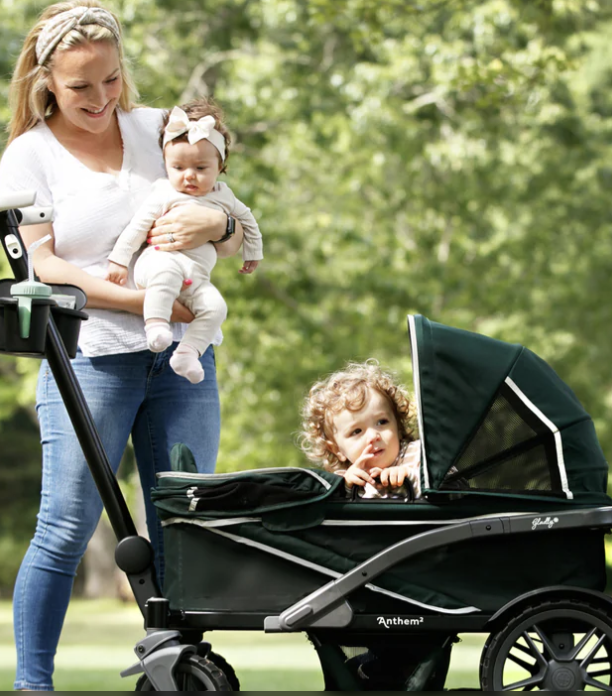
Gladly Family creates thoughtfully designed baby gear with smart features, crafted by parents for modern families, ensuring style, functionality, and seamless integration into daily life. A Gladly Family wagon is a great fit for busy entrepreneurs because it offers a convenient, versatile way to transport kids, gear, and supplies while juggling work and family life. All they need to do is throw the gear in, place the children in their seats, and off they go!
The Gladly Family Anthem2 2-Seater All-Terrain Wagon Stroller is designed for entrepreneurs with families on the move, offering easy maneuverability with both push or pull options. Its compact fold allows for convenient storage, and it can even stand when folded, making travel a breeze. Because entrepreneur’s work often includes travel and they may want to bring their family, you can include the Gladly Family Travel Bag so the wagon can be checked at the gate. Equipped with all-terrain tires, a sturdy suspension system, and a one-touch brake, this wagon ensures a smooth ride on any surface. It also features extra-large canopies with breathable mesh inserts that provide sun, wind, and rain protection.
Photo credit: Gladly Family
Ideal for two children, the Anthem2 comfortably holds up to 50 lbs per child and features a spacious interior, 3-point safety harnesses, a lounge pad for lie-flat mode, and ample storage. Overall, its durable aluminum frame supports up to 150 lbs. Parents will appreciate the included cup holder, snack trays, and removable storage basket. Whether exploring a national park or strolling to a neighborhood park, this wagon stroller is built to keep up with any family’s adventures. It’s so easy to maneuver around regardless of the weight. Retails for $499.99 at gladlyfamily.com.
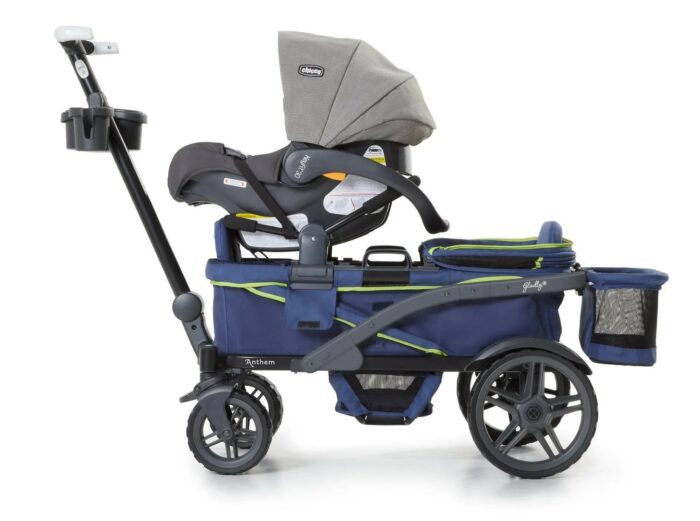
Additionally, if your entrepreneur has an infant in tow, you can include Glady Family’s Infant Car Seat Adapter for Anthem2 Wagon (shown above)! This adapter attaches easily and securely while accepting most infant car seats, so the baby can come along for the ride, adding to the convenience factor a busy entrepreneur appreciates.
Photo credit: Gladly Family
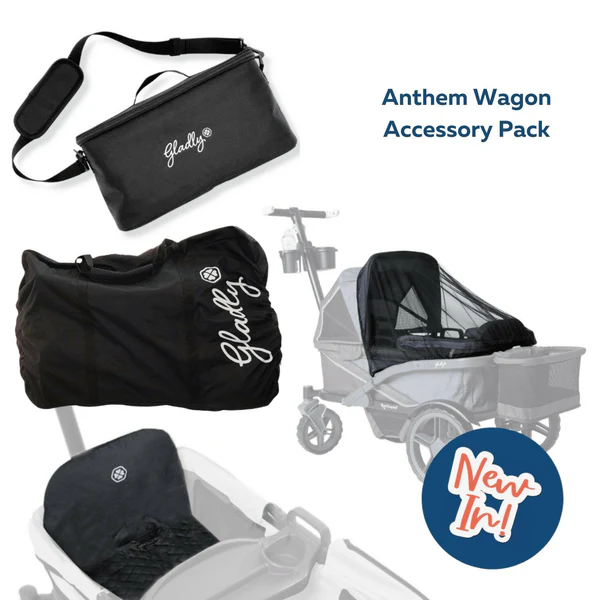
As if Gladly Family’s Anthem2 wasn’t already the ultimate gift, pair it with the Anthem2 All-Terrain Stroller Wagon Accessories Set, and you’re sure to win the holidays! This set comes with the universal bug net, wagon cooler bag, quilted comfort seats for both little passengers, and wagon travel bag for the ultimate adventure out. The bug net is light, easy to use, and tucks away when it isn’t needed. Your special entrepreneur will love the quilted seat covers because they will keep their little ones cozier on longer rides. Set retails for $130 at gladlyfamily.com.
Icebug Adak ReWool Women’s BUGrip
Photo credit: Icebug
Icebug was founded in Sweden to prevent slipping and encourage people to spend more time outdoors. As the world’s first climate-positive footwear brand, gifting a pair of Icebug shoes is more than just thoughtful—it’s a feel-good choice that supports both the planet and the recipient. Whether your recipient is into running or walking, their shoes are designed to handle all weather and seasons. Icebug’s shoes are known for their grip technologies and traction, which are offered to wearers to keep them safe and comfortable in icy conditions.
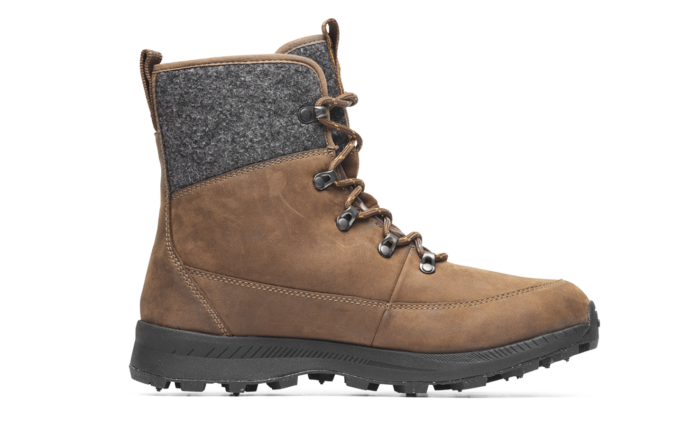
With the winter months ahead, gifting a pair of Icebug’s Adak ReWool Women’s Michelin boots is a practical and much-appreciated gift, especially if she is a snow enthusiast in the great outdoors. The Adak boot perfectly blends Scandinavian style and rugged functionality and is designed for winter walking and hiking. Crafted with a high shaft of felted wool and Oily Nubuck leather, it offers superior warmth thanks to Primaloft® Bio insulation and a cozy Terry fleece lining. She’ll appreciate that the BUGdri membrane ensures feet stay dry, while full lacing allows for an adjustable fit. The Adak provides exceptional comfort for long walks in harsh winter conditions because of its stable midsole and wide last. You can purchase this boot with or without the steel studs, which offer the best traction for icy conditions. Retails for $249.95 at icebug.com.
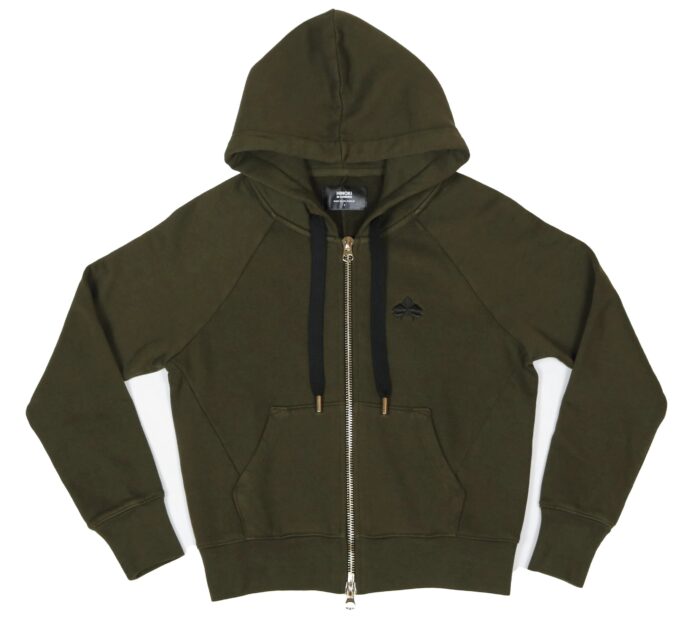
Hinoki In Common No. 1 OLIVE ZIP HOODIE
Photo credit: Hinoki In Common
At Hinoki In Common, they believe in creating clothing that combines effortless style with thoughtful design and sustainability. They made sure to shorten the distance that their materials travel by working with raw materials grown in the U.S. and manufacturing their garments in the U.S. Interestingly, their textile suppliers for their current products work with the Texas Organic Cotton Marketing Cooperative. By sourcing cotton close to where it’s spun and knit, Hinoki In Common reduces transportation distances and avoids pesticides used in preserving textiles traveling overseas. They then manufacture their garments locally in Vernon, California, near their Los Angeles office.
Hinoki In Common’s No. 1 Zip-Front Hoodie makes a great holiday gift for an entrepreneur, as it’s cozy, versatile, and practical for staying warm and stylish in the home office. This high-quality hoodie is crafted from certified organic cotton, grown and knit in the U.S., and offers a perfect balance of comfort and shape. Designed with flattering cuts, a unique gold zipper, and attention to detail like tagless labels and non-bubbling zippers, this hoodie is as practical as it is stylish. Additionally, it is pre-shrunk and individually garment dyed. This holiday season, you can order this hoodie in Black or Olive, depending on your special entrepreneur’s preferences. Retails for $220 at hinokiincommon.com.
Dune Jewelry Serenity Cuff Bracelet
Photo credit: Dune Jewelry
Dune Jewelry offers a truly unique and personal touch for gifting something memorable to your special entrepreneur. Each handcrafted piece is one-of-a-kind and can incorporate sand and natural elements from over 5,500 global locations, allowing wearers to carry cherished moments and vacations with them. You can search their sandbank to find the beach you two shared your memories on, or you have the option to add your own sand or elements for a custom creation. As a woman-owned small business, Dune Jewelry also gives back, having donated over $250,000 to charities worldwide.
Dune Jewelry’s Serenity Cuff Bracelet is a stunning piece that evokes sun-soaked memories from her favorite beach. Handmade in the USA, this modern cuff features one centerpiece earth element from a special location and two smaller surrounding elements for pretty accents. Crafted from .925 sterling silver, it offers a versatile fit for most wrists up to 7.5 inches. The main photo showcases Mother of Pearl, and sand from Glass Beach, Fort Bragg, California. With its simple yet elegant design, the Serenity Cuff will surely become a beloved staple in her wardrobe, keeping her grounded and reminding her of special times. Retails for $190 at dunejewelry.com.
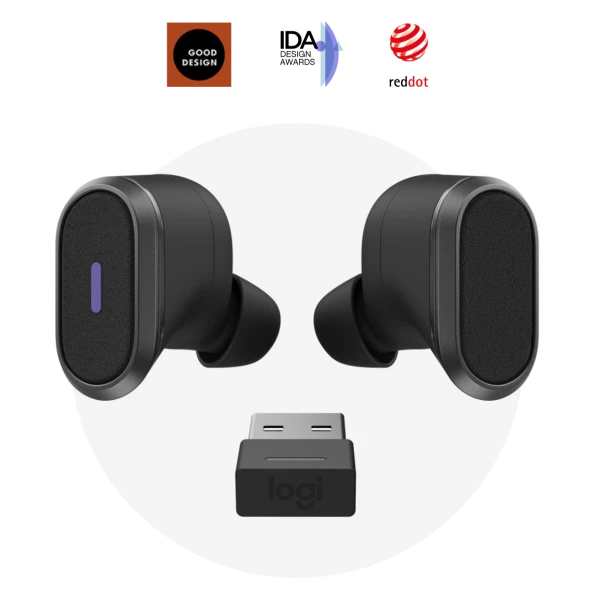
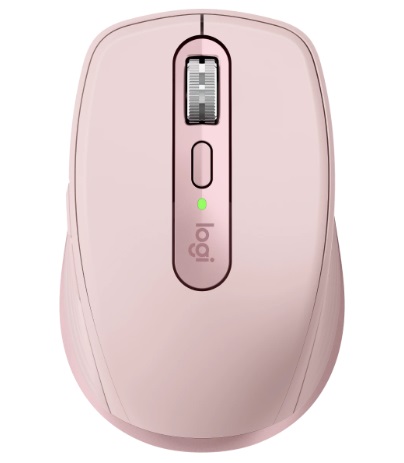
Logitech Zone True Wireless Bluetooth® Earbuds and MX Anywhere 3S Compact Wireless Performance Mouse
Photo credit: Logitech
Logitech, a Swiss company known for innovation and quality, designs products that enhance how people connect and interact with the digital world, from gaming and video streaming to computing. With a presence in nearly every country, its many brands are all focused on creating unique, meaningful experiences for entrepreneurs and beyond.
The Logitech Zone True Wireless Bluetooth® Earbuds are designed to deliver premium audio and communication quality for business professionals. Equipped with a noise-canceling mic and active noise cancellation (ANC), these earbuds provide crystal-clear sound, making them ideal for entrepreneurs who work in busy workspaces or during video meetings. They seamlessly connect to both the computer and smartphone, ensuring they never miss a call. The earbuds’ three-mic setup in each earbud uses advanced beamforming, noise reduction, and bone conduction to capture the voice clearly, while WindDefense fabric minimizes environmental noise. Additionally, the earbuds’ Hybrid ANC blocks out distractions, while Transparency Mode allows entrepreneurs to stay aware of their surroundings without removing the earbuds for added convenience.
Additionally, the Logitech Zone True Wireless Earbuds are engineered for comfort, with three sizes of removable ear gels to ensure a perfect fit for optimal sound isolation. They are available in contemporary colors, and look great on- or off-camera use. On sale for $129.99 at Logitech.com.
Photo credit: Logitech
Another great gifting option from Logitech is the MX Anywhere 3S Compact Wireless Performance Mouse, a mouse that lets an entrepreneur work effortlessly from anywhere. With 8K DPI tracking, it glides effortlessly across any surface, including glass, making it perfect for work on the go. Its compact design, comfortable silicone side grips, and quiet click buttons allow for distraction-free work enabling your special entrepreneur to get more done. Because it is equipped with the MagSpeed scroll wheel, one can scroll through 1,000 lines per second. The MX Anywhere 3S is compatible with all major operating systems and can be easily paired via Bluetooth® with up to three devices. If preferred, the Logi Bolt USB receiver (sold separately) can also be used. Additionally, its fast-charging USB-C battery provides up to 70 days of use on a full charge. Retails for $79.99 at logitech.com.
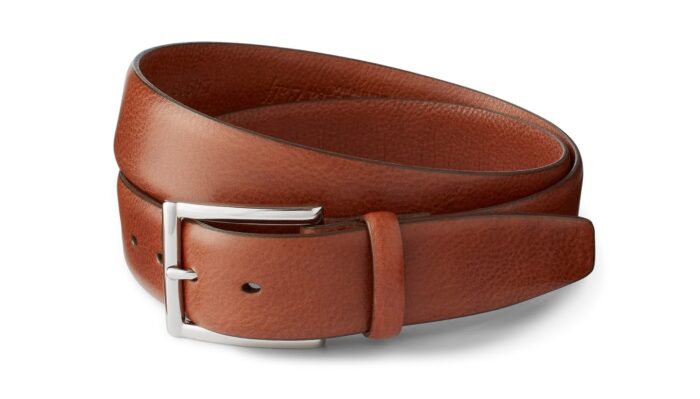
Samuel Hubbard Classic Leather Belt, Slim Bi-Fold Wallet, and
Samuel Hubbard makes shoes and accessories that make the ultimate holiday gifts for both male and female entrepreneurs. Inspired by the entrepreneurial spirit of their founder, Bruce Katz, Samuel Hubbard shoes and accessories help modern innovators stay comfortable while they chase their dreams, making them the perfect gift for those who never slow down. Each pair of shoes is meticulously handcrafted by artisans in Portugal and Brazil, ensuring quality with every stitch and design element.
Photo credit: Samuel Hubbard
With an entrepreneur’s long days and constant movement, a high-quality belt ensures they’re always comfortable and put together, making it an essential accessory for their busy lifestyle. Samuel Hubbard’s Classic Leather Belt is an Italian glazed, top-grain calfskin belt featuring a curved edge construction and solid brass buckle with a polished nickel finish. Its beautiful, high-quality appearance offers him a sophisticated, handcrafted accessory that keeps him both in style and comfortable as he moves in and out of the office. This handsome belt comes in three colors: black, whiskey tan, and brown leather. Retails for $155 at samuelhubbard.com.
Photo credit: Samuel Hubbard
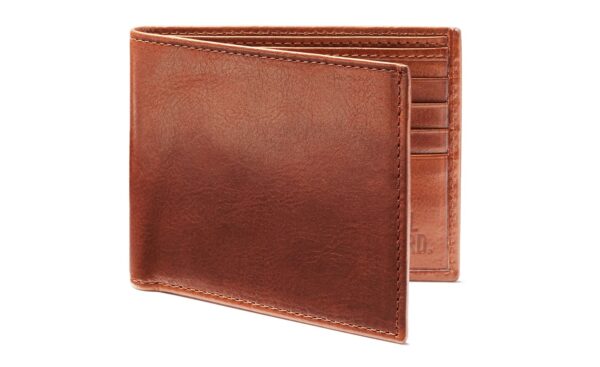
Samuel Hubbard’s Slim Bi-fold Wallet is another great accessory that will keep him feeling polished and professional as he moves throughout his hustle as an entrepreneur. This wallet is handcrafted in Italy with the highest-quality leather. It features eight card-slot pockets and two lengthwise pockets for bills as well as a design featuring a slim profile for a comfortable and ergonomic back pocket (closed dimensions: 4 1/2″ x 3 5/8″). You can gift him this beautiful wallet in Black, which is made from calf leather, or Tan, which is made from cow leather. On sale for $75 at samuelhubbard.com.
Photo credit: Samuel Hubbard
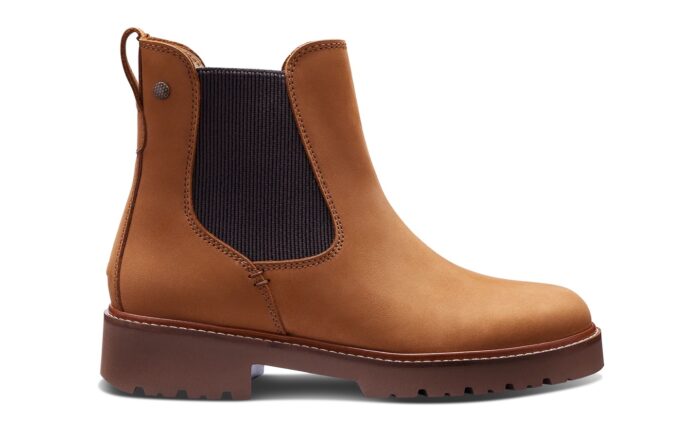
A pair of high-quality boots can seamlessly transition entrepreneurs from business meetings to casual outings, making such a much-appreciated holiday gift. Samuel Hubbard’s Van Ness Chelsea Boots combine timeless style with modern comfort, featuring soft leather and nubuck uppers that are comfortable the first time she wears them. This comfort is due to having a lightweight, shock-absorbing lug sole for durability and flexibility. With an almond-shaped toe, elasticated sides, and an inside zip, these boots are easy to slip on and off. The triple-density removable insoles provide excellent arch support, making them perfect for all-day wear. Designed in California and meticulously crafted by artisans in Portugal. Note: they run large, so it’s recommended to order a half-size smaller. On sale for $185 at samuelhubbard.com.
Surfside Supply Co. Eddie Knit Sweater – Oceana Blue
Photo credit: Surfside Supply Co.
Surfside Supply Company, founded in 2013 by Chris Manley, is dedicated to bringing the relaxed essence of coastal living into everyday style. Designed for male entrepreneurs who love the beach vibe, no matter where they work and reside, the brand offers a range of clothing that includes swimwear, printed wovens, outerwear, and signature knits. Each piece is crafted with comfort and simplicity in mind, using soft, cozy fabrics that are sure to become go-to items.
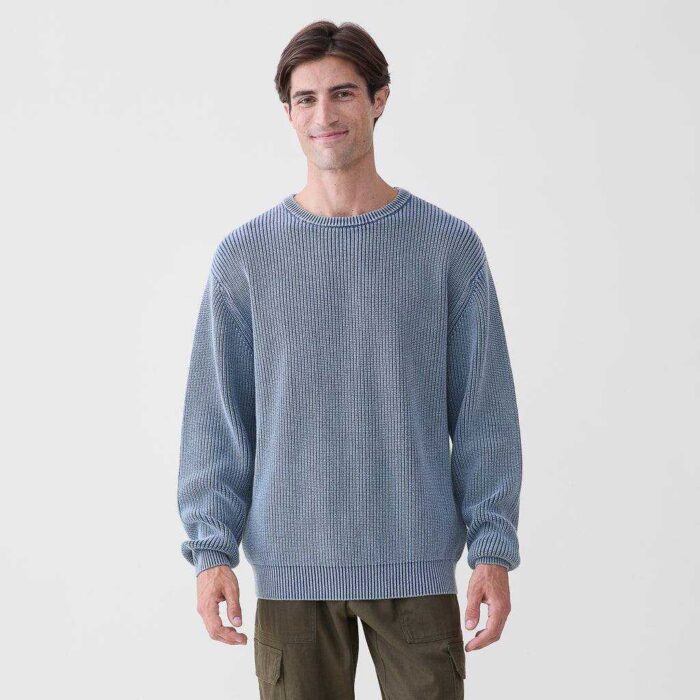
Surfside Supply Co.’s Eddie Knit Sweater – Oceana Blue is perfect to keep entrepreneurs relaxed as they move about their work day. Made from 100% cotton, this medium-weight sweater features a textured knit and a vintage-inspired wash for a relaxed, lived-in look. Its Oceana Blue color makes it easy to pair with jeans, chinos, or cargos, giving him a versatile option for any casual workday. It’s soft to the touch, incredibly comfortable, and conveniently easy to care for – he just needs to throw it in the machine wash on cold and tumble dry on low. Retails for $125 at surfsidesupply.com.
Omaha Steaks Fall Best Sellers Pack with FREE Shipping
Photo credit: Omaha Steaks
A steak box is a great gift for entrepreneurs because it offers a premium, time-saving dining experience, allowing them to enjoy high-quality meals without compromising their busy schedules. Omaha Steaks, founded in 1917, has grown into a renowned purveyor of premium beef and gourmet foods. Now led by fifth-generation family member Todd Simon, the company remains committed to its legacy of quality and innovation. Over the years, Omaha Steaks has expanded from serving Nebraska beef on cross-country trains to becoming a pioneer in mail-order steaks in the 1950s. Today, it operates nearly 50 retail stores and offers a seamless omnichannel experience, connecting customers through television, social media, and mobile apps.
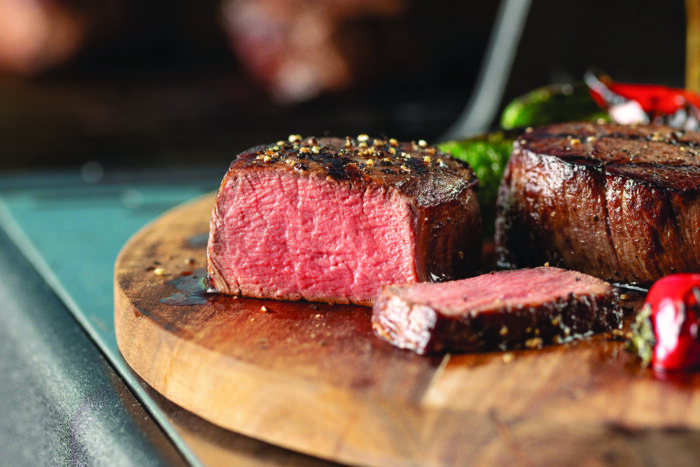
A wonderful holiday gift option to send to your special entrepreneur is Omaha Steak’s Fall Best Sellers Pack which comes with free shipping! This steak box is the ultimate collection of Omaha Steaks customer favorites, featuring premium Butcher’s Cut Filet Mignons (4 ct), Air-Chilled Boneless Chicken Breasts (4 ct), Polynesian Pork Chops (4 ct), and PureGround Filet Mignon Burgers (4 ct). Perfect for a variety of meals, it also includes Gourmet Jumbo Franks (4 ct), Caramel Apple Tartlets for dessert (4 ct), and Omaha Steaks Seasoning to elevate every dish. Each filet mignon is a USDA Certified Tender, hand-selected, aged for 30 days, and meticulously trimmed by master butchers, delivering a steakhouse-quality experience right at home. With nine total packaged items, this package offers a delicious and versatile dining experience your entrepreneur can enjoy anytime with family, friends, or business partners. Retails for $159.99 at omahasteaks.com.
With Omaha Steaks you can also choose to send a set of steaks instead of a curated package. You can send four juicy 10oz Ribeye Steaks right to your steak-loving entrepreneur’s doorstep. Hand-carved from grain-fed beef ribs, these ribeyes are aged for at least 28 days to enhance tenderness and maximize the natural marbling, which melts during cooking for a buttery, flavorful experience. Each ribeye is carefully trimmed to include only the heart of the ribeye and flash-frozen to lock in its quality. Your recipient will truly feel special with the Omaha Steak’s difference. Retails for $99.99 (with any other item) at omahasteaks.com.
RIEDEL Varietal Specific Wine Glasses
Photo credit: RIEDEL
Family-owned for over 11 generations, RIEDEL produces high-quality glasses and decanters, trusted by top wineries and restaurants globally, with collections designed for every lifestyle and occasion. Founded in 1756, RIEDEL became a world-renowned brand known for pioneering grape varietal-specific glassware, enhancing the taste and aroma of beverages based on the shape of the glass. Whether your entrepreneur is a seasoned wine enthusiast or just beginning to explore the world of wine, RIEDEL’s wine glasses make for an exceptional holiday gift.
RIEDEL’s Veloce Cabernet/Merlot two-pack set is a great gift designed for full-bodied, complex red wines with high tannins. The diamond-shaped design enhances aromas by providing ample space for development, while the generous size smooths tannins and balances the wine. Made from clear crystal glass, these premium machine-made glasses combine the precision of advanced technology with the feel of handmade craftsmanship. This two-piece set is dishwasher safe and inscribed with the recommended grape variety for added convenience. Retails for $89 at riedel.com.
Photo credit: RIEDEL
A great option for white wines is RIEDEL’s Veritas Oaked Chardonnay Glass Set which is perfect for enjoying full-bodied white wines, like Chardonnay. With its wide, open-mouthed bowl, these glasses allow rich, multi-layered aromas to fully develop, enhancing the wine’s complexity without overwhelming it. Made from clear crystal, this premium machine-made set offers the precision of advanced technology with a refined, lightweight feel. These glasses are also dishwasher safe. Retails for $89 at riedel.com.
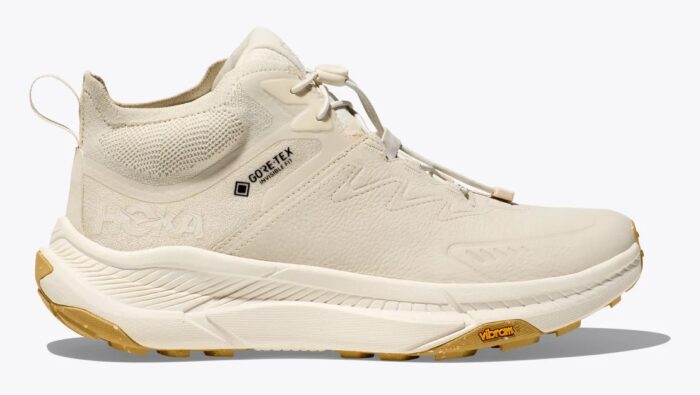
HOKA Transport Chukka GTX (Men’s)
Photo credit: HOKA
HOKA was founded on the belief that bold ideas can lead to groundbreaking innovation, creating shoes that help people feel like they can fly down mountains. They design gear for everyone, from professional runners to neighborhood walkers. As an active entrepreneur, gifting a pair of well-known HOKAs is a holiday gift that will fuel the passion for movement.
The HOKA Transport Chukka GTX (Men’s) is a versatile, weather-ready shoe designed for both city streets and rugged trails. Featuring a waterproof GORE-TEX membrane, durable nubuck leather, and a comfortable engineered knit collar, it easily transitions from daily commutes to weekend adventures. With sustainability in mind, it includes a Vibram EcoStep EVO rubber sole made from 30% recycled materials, a 30% sugarcane EVA midsole, and a 50% soy-based sockliner. He will also appreciate the 360 degrees of reflectivity for visibility and quick-toggle laces for convenience. With how practical and comfortable this shoe is, it’s ideal for hiking, walking, and everyday wear. Retails for $200 at hoka.com.
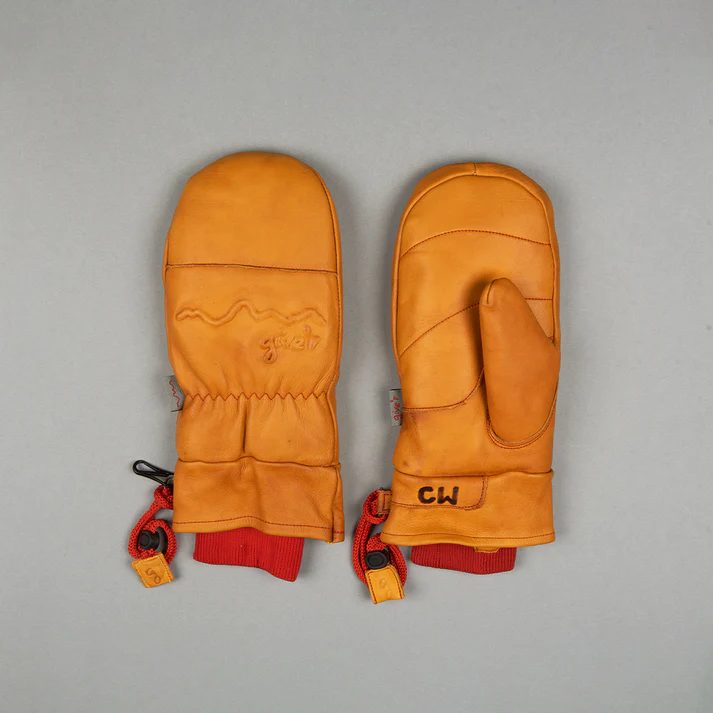
Give’r Frontier Mittens
Photo credit: Give’r
Give’r Gloves make a fantastic holiday gift for entrepreneurs because they blend rugged durability with excellent craftsmanship, perfect for handling the demands of any adventure or workday. Sourced from a master leatherworker and finished in Jackson, WY, each pair is built to last with high-quality materials and attention to detail. Entrepreneurs will appreciate the versatility of Give’r Gloves, whether they’re tackling outdoor projects or just staying warm.
Give’r Gloves’ The Frontier Mittens offer exceptional protection and durability, tested to handle the toughest conditions. Whether wearers are skiing, heading to a meeting in cold weather climates, or walking the dog, these mittens will keep hands warm and dry. These gloves feature 100% waterproof leather for complete protection from moisture, extra insulation to keep hands warm in cold conditions, and durable construction tested to withstand tough outdoor activities. You can also personalize them for an extra-special touch! Retails for $139 at give-r.com.
Dagsmejan Long Sleeve Top Rib (for Her), Pants Rib (for Her), and Sleep Boxers (for Him)
Photo credit: Dagsmejan
Dagsmejan was founded with a mission to revolutionize sleep comfort by creating innovative, scientifically-backed sleepwear, crafted from natural, sustainable materials. Co-founders Catarina and Andreas developed this unique sleepwear to help entrepreneurs achieve deeper, more restorative sleep by maintaining the ideal sleeping temperature. Dagsmejan sleepwear is proudly 100% made in Europe, with every step of production, from yarn spinning to garment creation, taking place in Austria, Germany, and Switzerland to ensure the highest quality and sustainability standards.
Dagsmejan’s Long Sleeve Top Rib and Pants Rib is an ever-so-soft and breathable pajama set your entrepreneur will look forward to changing into after a long day at the office. This set is designed to keep her in the ideal climatic comfort zone all night long, encouraging a restful sleep necessary to help her run her business. She’ll love that it’s made from sustainably sourced beechwood fibers, is twice as soft as cotton, and is 6x more breathable than cotton, providing lightweight temperature regulation and exceptional moisture management to keep her cool and dry. Crafted using eco-friendly practices, from the forests of Austria to the skilled hands of artisans in Portugal and Romania. Retails for $104.90 (Long Sleeve Top Rib) and $104.90 (Pants Rib).
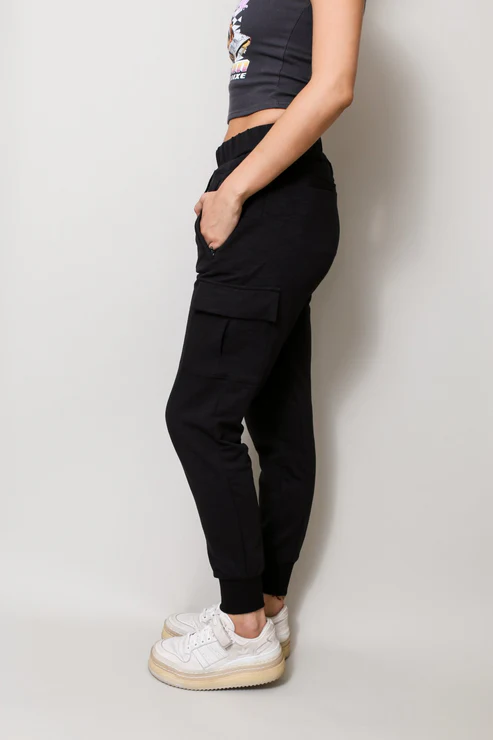
Thumb United The Franklin Hoodie and Women’s 6 Pocket Pant
Photo credit: Thumb United
Thumb United is a company dedicated to promoting mindfulness and reducing phone dependency through its functional apparel. By designing clothing for men and women with intentional pockets to store mobile devices, they encourage consumers to focus on human connection instead of being on their phones. Committed to creating positive change, THUMB donates 10% of net profits to nonprofits that inspire individuals and families to balance their tech usage, while offering high-quality, handcrafted products with a conscious social message.
Thumb United’s The Franklin Hoodie is perfect for helping entrepreneurs unplug, get cozy, and be present in the world around them. Made from a soft 80% cotton/20% polyester blend created for shape retention and comfort. With front kangaroo pockets, multiple interior phone-safe pockets, and a water-repellent sleeve pocket, it’s designed for the on-the-go lifestyle. It also features thoughtful details like a built-in earphone cord port, thumb slits for warmth, and subtle faux suede messages promoting mindfulness. Available in a range of colors, it’s the ideal layering piece for any occasion. You can also order an American Flag patch on it if that is something he might be interested in. Retails for $128 at thumbunited.com.
Photo credit: Thumb United
A great option for female entrepreneurs is Thumb United’s Women’s 6 Pocket Pant for the ultimate comfort she can enjoy during and after the work day is done. These pants are made from a soft French terry blend of polyester, cotton, viscose, and elastane, perfect for all-day wear whether working from the home office, heading to the gym, or running errands. With six pockets—including zippered front pockets, back pockets, and side cargo pockets, she’ll have plenty of room to store essentials. The embroidered red exclamation mark on the back serves as a gentle reminder to “be present,” especially when driving. Available in Navy, Heather Grey, and Black. Retails for $163 at thumbunited.com.
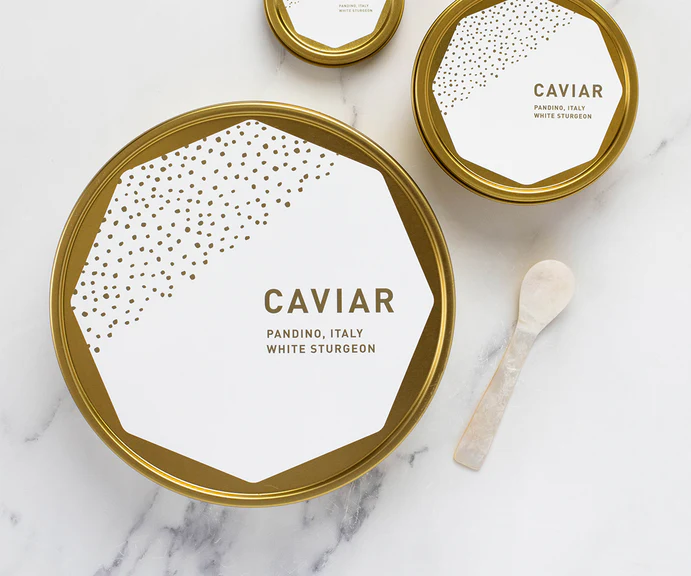
Island Creek Oysters – Caviar and Tinned Fish
Island Creek Oysters began with Skip Bennett’s passion for shellfish farming in Duxbury Bay, Massachusetts. Skip started growing quahogs in the 1990s but eventually turned to oysters after years of trial and error. His perseverance paid off, and today, Island Creek Oysters are renowned by top chefs and served at prestigious restaurants like The French Laundry and Per Se. The company now operates a shellfish hatchery, a distribution network, retail shops, and an international development NGO, all while staying rooted in their sustainable farming practices in Duxbury Bay.
Photo credit: Island Creek
Around the holidays, enjoying good caviar and tinned fish goes wonderfully with holiday celebrations. This season, gift your special entrepreneur Island Creek Oysters’ Adamas White Sturgeon Caviar from Pandino, Italy. This caviar features distinct, onyx-colored beads that have a satisfying pop, releasing a clean, pleasant fat that lingers on the palate like fresh olive oil, with a hint of Castelvetrano olives. Produced in Italy’s Lombardy region, known for its pure water sources from the Alps and natural aquifers, this Adamas White Sturgeon caviar is perfect on toasted bread rubbed with garlic—pure Italian decadence.
Photo credit: Island Creek
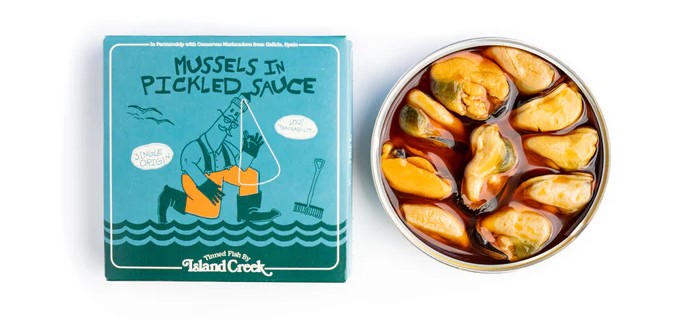
Another great option is the Island Creek x Mariscadora Mussels in Pickled Sauce tinned fish. These mussels are sourced from Galicia, Spain, by Costas y Miñan, and offer a fresh, ocean-like taste straight from the tin. The mussels are harvested using traditional rope culture on floating rafts, by shellfish harvesters called mariscadoras, in a region where shellfishing is strictly regulated. The process is deeply rooted in family traditions, with the highest quality shellfish chosen for this Mariscadora line. With a delicate texture and a light vinegar sauce, they’re a flavorful treat. Retail varies at shop.islandcreekoysters.com.
Sierra Madre The Unstoppable Jacket and All Square Skort
Photo credit: Sierra Madre
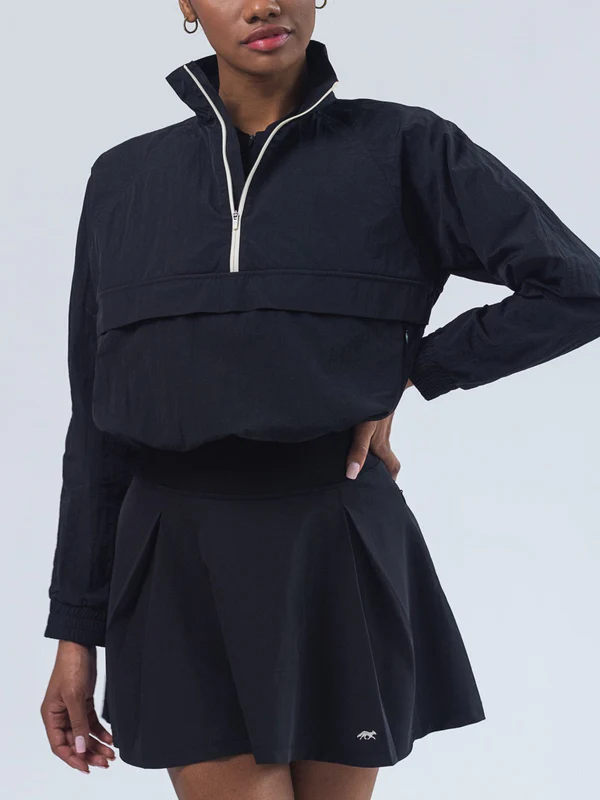
Sierra Madre is redefining women’s golf apparel with sleek, technical designs that empower women to feel confident on and off the course. Sierra Madre’s The Unstoppable Jacket is a perfect companion for your entrepreneur’s leisure activities – on and off the course. Made from windproof and water-resistant material, it features elastic cuffs, a zippered arm pocket, a large front kangaroo pocket, and a back tunnel pocket for easy access. With a bungee cinched hem and a slightly cropped length, it won’t interfere with her golf swing and will fit wonderfully with high-waisted looks. Best of all, it packs down into its own pocket for easy carrying on the go! Retails for $98 at sierramadregolf.com.
Photo credit: Sierra Madre
Another fantastic option from Sierra Madre is their All Square Skort, the ultimate go-to skort and a must-have for active entrepreneurs. She’ll love it is made from soft Peruvian cotton and is packed with functional features like hidden pockets and an elastic golf glove strap. Its perfectly weighted fabric stays in place during every swing and stride. Built-in TexFlex shorts offer sweat-wicking comfort, keeping her cool and dry, while the no-see-through construction ensures confidence on and off the course. Retails for $88 at sierramadregolf.com.
Two Roads Hat Co. Amarillo Bull Rider Crown Hat
Photo credit: Two Roads Hat Co.
Two Roads Hat Co. specializes in handsome brim hats, ballcaps, and more to give confidence and style to entrepreneurs in their everyday happenings. Entrepreneurs (especially those new to hats) will appreciate their website features a variety of insightful blogs on styling hats for men and expert tips on maintaining them for lasting wear.
Two Roads Hat Co.’s Amarillo Bull Rider Crown Hat is a stunning 100% Australian wool hat that comes with a removable grosgrain band adorned with a metal Two Roads pin. This is the perfect hat for men who appreciate quality and a touch of Western flair in their wardrobe. With a classic bull rider crown, this hat is not only functional but also tells a story inspired by George Strait’s iconic song “Amarillo by Morning,” reflecting a cowboy’s dedication to his craft. Available in Black and Ivory and in multiple sizes. It runs slightly large. Retails for $155 at tworoadshatco.com.
Gigi Pip Scottie Wide Brim Fedora
Photo credit: Gigi Pip
Gigi Pip is dedicated to creating high-quality, stylish hats for women at an affordable price. Designed in Salt Lake City and made from carefully sourced materials like Australian wool and European leather, each hat undergoes over 70 steps to ensure top-tier craftsmanship. Gigi Pip’s mission is to empower entrepreneurs by supporting the many “hats” they wear, both in business and life, through stylish, high-quality fashion that boosts confidence and showcases their unique personalities.
One of Gigi Pip’s many wonderful hats is their Scottie Wide Brim Fedora, a classic fedora shape with a bold, wide stiff a-line brim for a stylish statement in and out of the office. Made from 100% Australian wool, this hat offers excellent sun protection and features a crown height that’s perfect for both casual and elevated looks. She’ll love the adjustable inner sweatband that ensures a perfect, custom fit—especially since this is a gift, and she won’t have the chance to size it herself. Whether worn on its own or paired with accessories, it’s the perfect piece to add confidence to any outfit. Retails for $124 at gigipip.com.
Photo credit: Gigi Pip
Gigi Pip also offers trendy, cozy beanies which make great holiday gifts for entrepreneurs as well. The Gigi Pip Lou Knit Beanie gives your special entrepreneur just the pop of color she looks for to brighten up any fall or winter day. Made from 100% soft acrylic, this oversized, chunky beanie is perfect for the slopes and easy to care for with a gentle wash and air drying. It comes in four fun colors she is sure to love. Retails for $44 at gigipip.com.
Duluth Trading Company Men’s Wrinklefighter Standard Fit Shirt
Photo credit: Duluth Trading Company
Duluth Trading Company specializes in creating durable, comfortable shirts ideal for busy male entrepreneurs. With a focus on high-quality materials and practical designs, their shirts are perfect for any work environment, ensuring he looks sharp while staying comfortable all day long. Duluth Trading Company’s Men’s Wrinklefighter Standard Fit Shirt is designed for ultimate comfort and ease, whether he’s working from home or heading out to a business meeting. Made from breathable, 100% cotton with a wrinkle-resistant finish, it keeps him looking sharp without the hassle. He’ll also love that the wicking performance and Reach Gussets® ensure he stays dry and moves freely all day long. This shirt comes in a variety of size options to find him the perfect fit. Retails for $64.50 at duluthtrading.com.
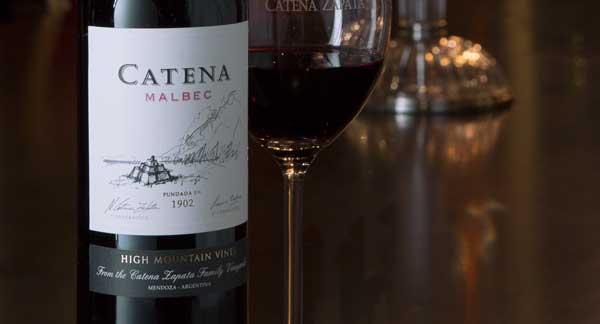
Coppo Pomorosso Barbera DOCG 2021
Photo credit: Coppo
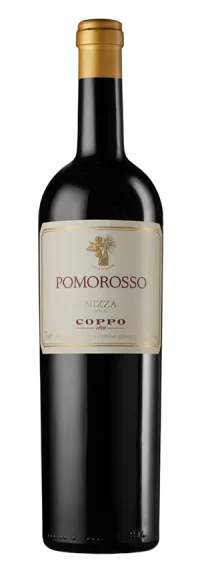
Coppo’s Pomorosso Barbera DOCG 2021 is another beautiful wine from Coppo that makes a perfect holiday gift. It gets its name from a red apple tree (pomo = apple; rosso = red) that grows on the hill where its vineyards in Agliano Terme, Castelnuovo Calcea, Nizza Monferrato, and Vinchio thrive. The grapes benefit from ideal south-southeast exposure and calcareous clay marl soils and the result is a wine that is rich, dense, and long-lasting on the palate, closing with a harmonious finish that mirrors its bouquet. Aged for 14 months in oak barrels, it boasts an intense ruby color with aromas of red fruit, cocoa bean, and eucalyptus. Retails for $69 at wine.com.
Coppo’s Gavi DOCG La Rocca is a bright straw-yellow white wine made from the Cortese grape, a historic Piedmontese variety. Grown in Monterotondo’s calcareous marl soils, it boasts mineral complexity and ripe fruity notes of white peach with hints of citrus and orange zest. The taste is well-balanced, offering an enveloping sensation complemented by good acidity and a persistent, saline finish. Retails for $20 at wine.com.
La Maison du Chocolat Holiday Glow Advent Calendar
Photo credit: La Maison du Chocolat
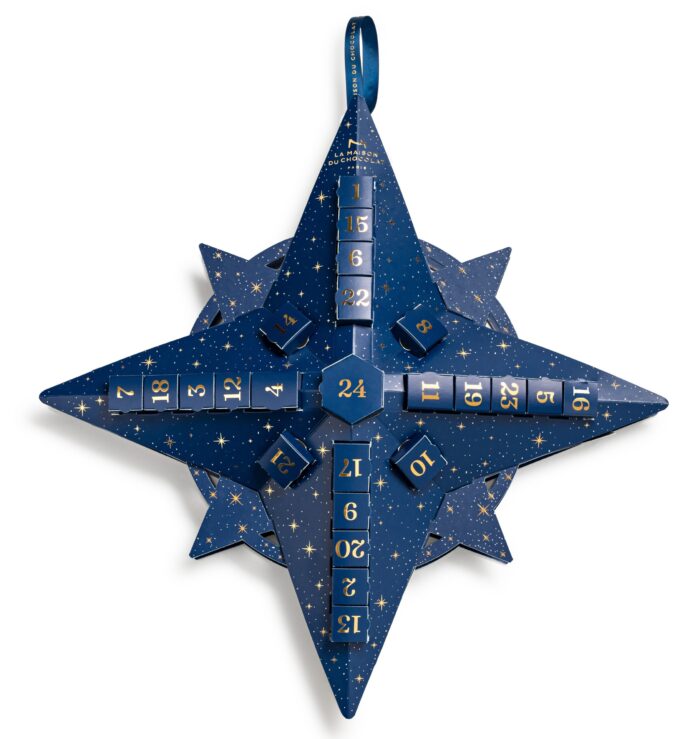
La Maison du Chocolat, founded over 40 years ago by master chocolatier Robert Linxe, is renowned for its exquisite, handcrafted creations. With locations across Europe, Asia, and the United States, the brand is celebrated for its Haute Couture chocolate sculptures and extravagant holiday collections. La Maison du Chocolat’s “Holiday Glow” collection is a flavorful journey across the globe, blending classic holiday chocolates with innovative new creations. Master Chef Chocolatier Nicolas Cloiseau introduces two new flavors featuring delicate walnuts and fine cocoa from Bali, adding a touch of festive magic to the season.
Gift your special entrepreneur something that gives a magical journey through December 24th – La Maison du Chocolat’s Holiday Glow Advent Calendar. Each day reveals a bite-sized cocoa creation, guiding enjoyers through a constellation of rich flavors. Available for pre-order, shipments begin the week of October 28th, 2024. Retails for $95 at lamaisonduchocolat.com.
beachBUB® All-In-One Beach Umbrella System
Photo credit: beachBUB®
Does your special entrepreneur love beach vacations or live near the beach? A stable tried-and-true beachBUB® umbrella makes the perfect holiday gift! beachBUB® umbrellas are known for their durability, withstanding winds up to 35 mph, and are used on beaches across the U.S. and 22 other countries. The company was founded in 2009 by Bill Schermerhorn after witnessing dangerous beach umbrellas flying away in the wind. Inspired by the stability of patio umbrellas, Bill developed a unique solution for beach umbrellas which features a base that uses sand for weight but is lightweight and easy to transport.
The beachBUB® All-In-One Beach Umbrella System offers beach lovers a comprehensive solution for safe and easy beach shade. It includes everything you need for a hassle-free setup: the umbrella, the beachBUB® ULTRA base, a carry bag, a towel hook, a sand scoop, and a sand gopher tool. Designed for maximum stability, the system can withstand winds up to 44.4 mph and meets ASTM F3681-24 safety standards. With a UV rating of 50+ UPF, it also provides superior sun protection, blocking 98% of UV rays.
beachBUB®‘s umbrella system features commercial-grade materials like a reinforced aluminum pole, fiberglass frame ribs, and a triple-layered canopy. The lightweight base uses sand for weight, ensuring it’s portable and easy to carry. When the base folds up small it weighs less than half a pound unfilled, and when filled with sand, it provides 125 pounds of stability. With a 3-year protection plan and a lifetime warranty on the base, the beachBUB® system ensures long-lasting quality and peace of mind, making it the ideal choice for beachgoers. Retails for $184.35 at beachbub.com.
Fore-té Clara Skort
Photo credit: Fore-té
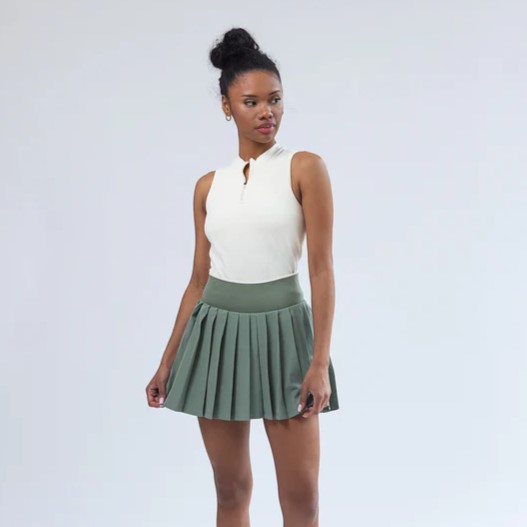
Fore-té is redefining club sports attire for the modern woman, offering performance-ready pieces designed to empower every entrepreneur to own her style. Their versatile clothing is everything active entrepreneurs seek, transitioning them from sports to everyday life. Fore-té’s Clara Skort is a stylish and functional piece perfect for both club sports and casual outings. Featuring a flattering pleated design with minimal flare, it combines a comfortable compression waistband with buttery soft liner shorts, complete with pockets. This skort is ideal for pairing with sports tops or everyday wardrobe staples and can take her anywhere from a round of golf to a relaxed brunch. Retails for $89 at shopforete.com.
Photo credit: Fore-té
Fore-té’s Margot Pullover is another great option for stylish layering. Made from lightweight technical performance fabric, it offers wind and water resistance, making it perfect for any weather she encounters. Its boxy fit can be customized with toggles to adjust and crop the length, while zipper side pockets and a hidden front pocket with golf tee holders add extra practicality. Whether she’s on the golf course or out for a casual day, this versatile pullover keeps her comfortable and chic. Retails for $145 at shopforete.com.
Cozy Earth Men’s All Day Tee & Bamboo Stretch-Knit Tee
Photo credit: Cozy Earth
Cozy Earth’s Men’s tee shirts make great holiday gifts for entrepreneurs because they are a comfortable, versatile wardrobe staple that easily transitions them from work to casual settings. Cozy Earth designs high-quality products of luxuriously soft, timeless designs, making them a great go-to for gifts. Their attire is crafted from responsibly sourced, high-quality materials, offering long-lasting comfort and style for your special entrepreneur.
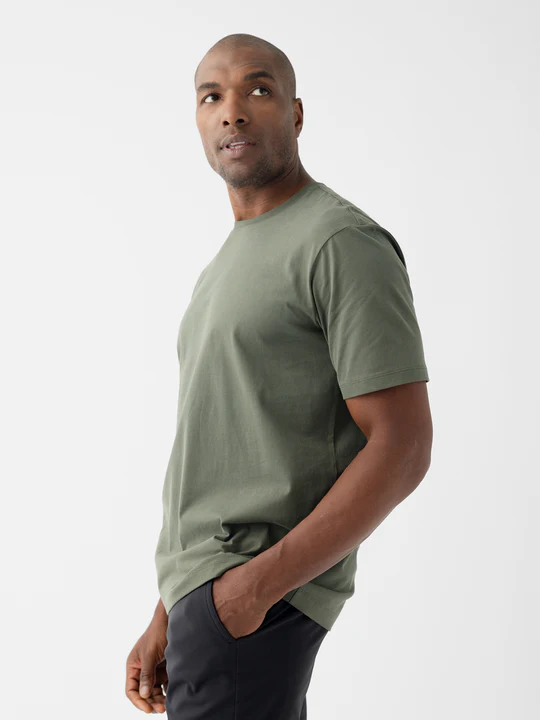
Cozy Earth’s Men’s All Day Tee is an essential he will love to wear over and over again. This tee is crafted with care from a Pima Cotton blend, which is a naturally breathable fabric, ensuring he stays cool and comfortable all day long. It’s fit is universal which makes it great for all occasions, from an ordinary workday to relaxed business lunches. The All Day Tee comes in numerous soft, versatile colors. He’ll wish he had this shirt in them all! Retails for $68 at cozyearth.com.
Photo credit: Cozy Earth
Another option for him is Cozy Earth’s Bamboo Stretch-Knit Tee, an incredibly soft and smooth t-shirt made from breathable bamboo viscose. This tee is perfect for all activities entrepreneurs endure, from running errands and attending online meetings to relaxing on the couch. He’ll appreciate how well this t-shirt washes for endless wear. It is even warrantied against pilling, abnormal rips, and tears! On sale for $72 at cozyearth.com.
WildBird Vaurie – Linen Sling and Footless Pajamas
Photo credit: WildBird
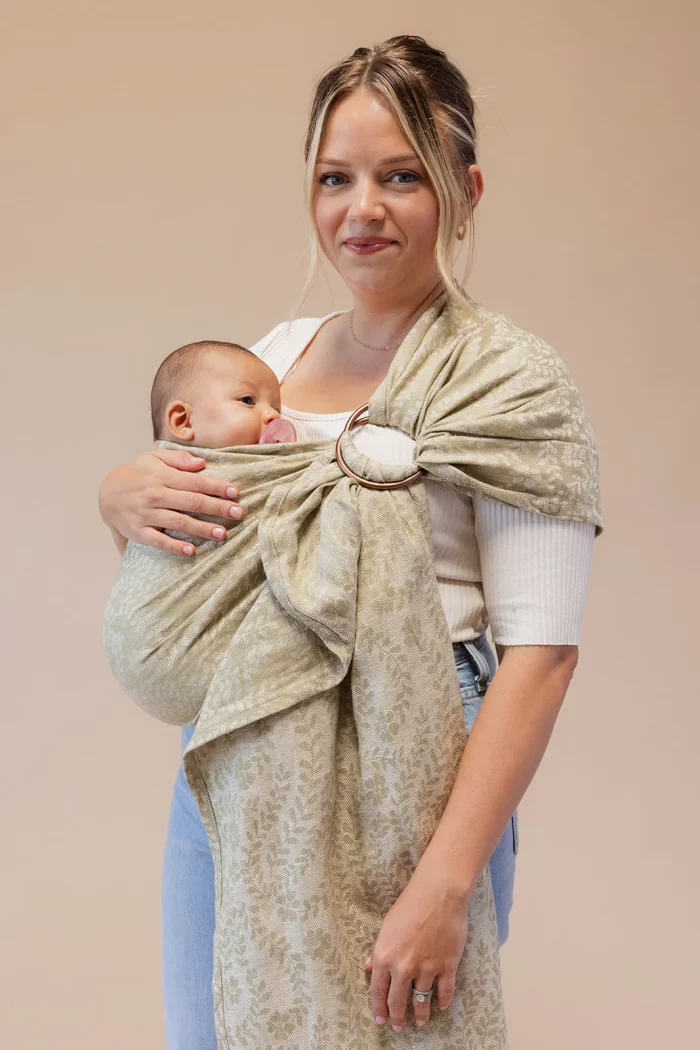
A baby sling is a great holiday gift for new parent entrepreneurs because it allows them to keep their baby close while staying hands-free, making it easier to balance work and parenting. The WildBird Vaurie – Linen Sling is made from 100% natural European linen, is softened and pre-washed for comfort and the fabric becomes even softer with each use and wash. Lightweight and breathable, the linen provides durability, strength, and sustainability a new parent looks for when babywearing. Designed with safety in mind, the sling is CPSIA-certified non-toxic, and acknowledged as “Hip-Healthy” by the International Hip Dysplasia Institute. Suitable for babies from newborn to 35 lbs, it allows for versatile carrying positions and can even double as a nursing cover, sunshade, or blanket. Retails for $72 at wildbird.co.
Photo credit: WildBird
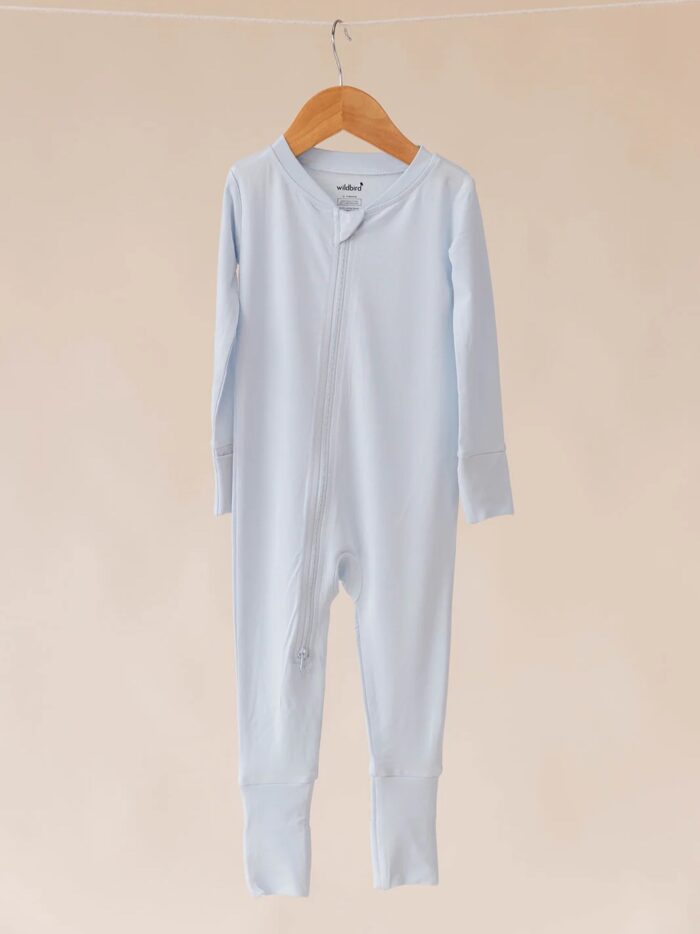
WildBird’s offerings go beyond than baby carriers. If fact, their line, WildBird Baby, offers the softest, coziest baby pajamas your new parents will love. In your gift, include one of their adorable Footless Onesies, crafted from their CloudBlend fabric (67.5% Lenzing Tencel, 27.5% Modal, and 5% Elastane), offering breathable, stretchy comfort for delicate baby skin. OEKO-TEX® certified and hypoallergenic, they are naturally non-toxic and designed to maintain softness and shape while being moisture-wicking and sustainable. Retails for $28 at wildbird.co.
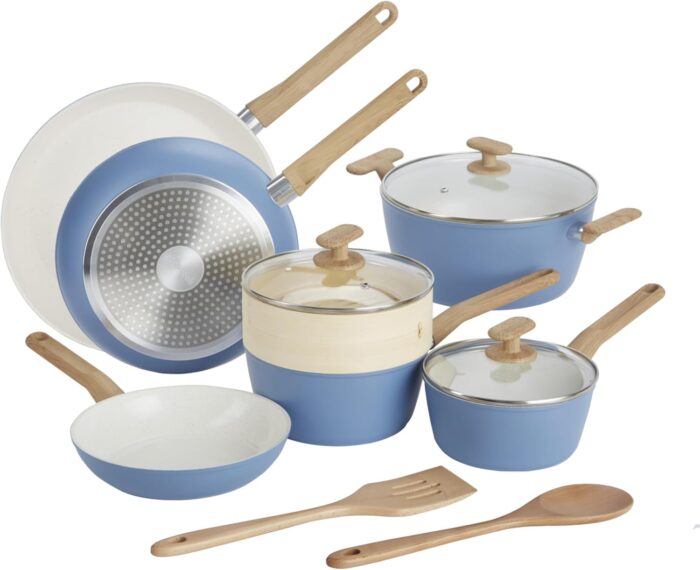
GoodCook 12-Piece Healthy Ceramic Titanium-Infused Cookware Set
Photo credit: GoodCook
A quality cooking set is a great gift for entrepreneurs because it helps them save time and energy in the kitchen, so they can focus more on their business and less on daily cooking tasks. The GoodCook 12-Piece Healthy Ceramic Titanium-Infused Cookware Set includes everything needed to create individual and family meals. This set includes fry pans (8″, 10″, and 12″), a sauce pan, an extra large 5-qt. Dutch oven with covers, a bamboo steamer basket (fits the 2qt.), and 2 wood tools. Best of all, the set is toxin-free, with a titanium-infused ceramic surface that allows for healthier cooking with less oil and ensures easy cleanup.
Crafted from durable forged aluminum, GoodCook’s 12-Piece Healthy Ceramic Titanium-Infused Cookware Set heats quickly and evenly, making it a go-to choice for everyday use. With stylish design elements like wood-look handles, a matte blue exterior, and a speckled cream interior, it’s induction-friendly and compatible with all stovetops, making it both functional and beautiful for any kitchen. Retails for $129.99 at The GoodCook Store.
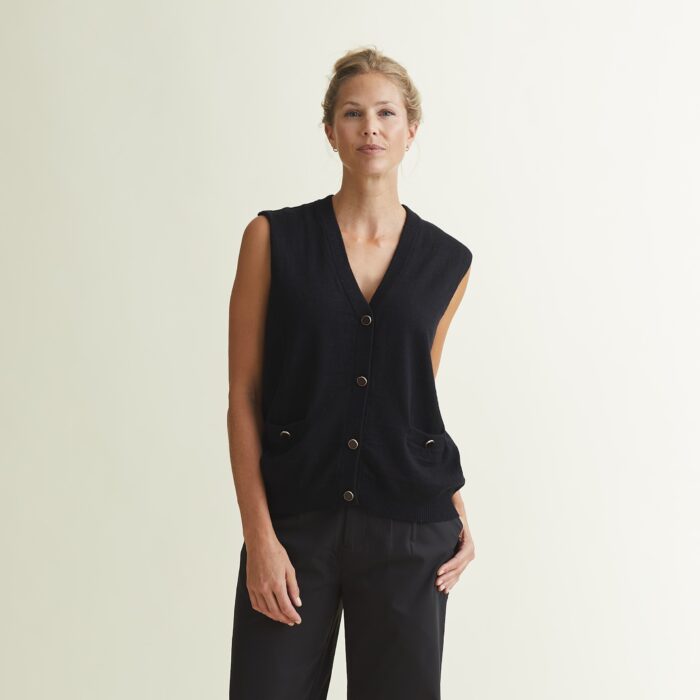
A. PUTNAM Enza Washable Cashmere Vest
Photo credit: A.PUTNAM
A. PUTNAM is a luxury resort-to-sport brand for women, founded by Allison Putnam, a busy mom of five and an entrepreneur at heart. Designed to offer comfort, elegance, and performance, the brand features versatile lifestyle pieces that flex with your special entrepreneur’s day, from the office to the golf course. A. PUTNAM’s collections incorporate subtle, modern details like moisture-wicking, water- and stain-resistant fabrics, and accommodating stretch while maintaining shape.
A. PUTNAM’s Enza Washable Cashmere Vest is a versatile washable cashmere vest that features a flattering V-neck and functional buttons, making it easy to style on its own or layered. It’s designed for year-round wear, with a lightweight feel that’s perfect for spring and beyond. Plus, it’s easy to care for, adding much-appreciated practicality to its timeless elegance. Entrepreneurs will love wearing this in and out of the home office, as it’s comfortable and elegant simultaneously. Retails for $215 at aputnam.com.
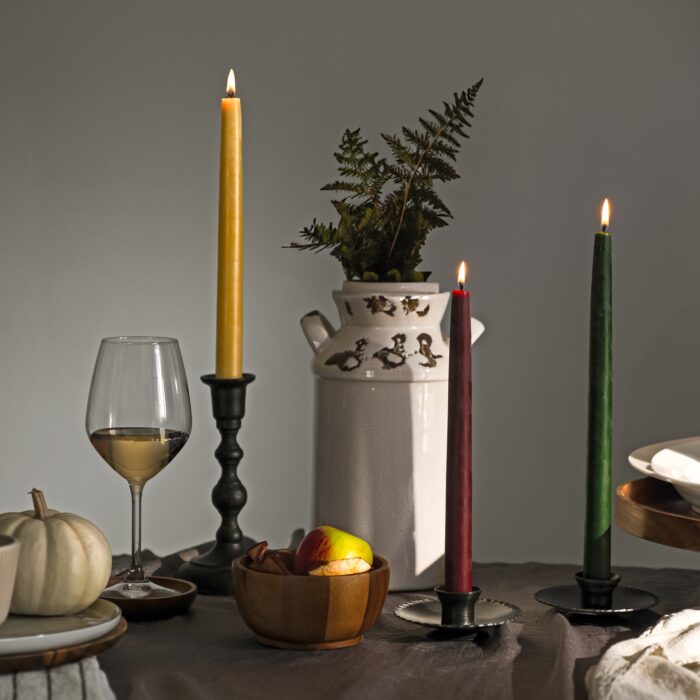
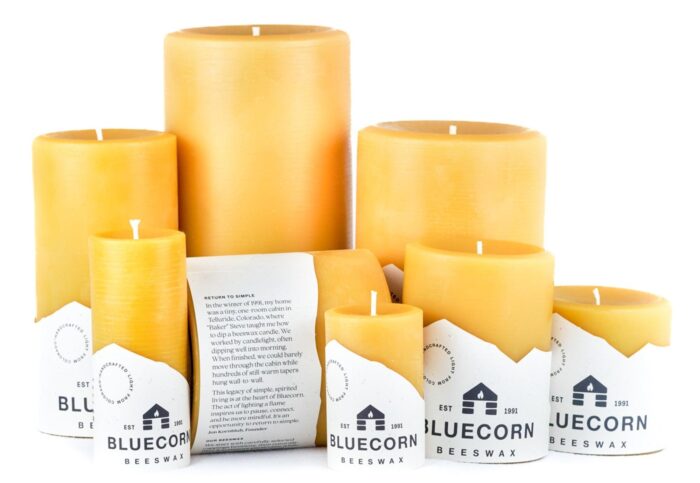
Bluecorn Candles
Photo credit: Bluecorn Candles
Gifting beeswax candles is a great holiday gift because they offer a natural, long-lasting burn with a warm, comforting glow, creating a cozy atmosphere perfect for the season. Bluecorn Candles are crafted with the finest beeswax, lightly filtered to preserve their natural scent and color. Inspired by the bees’ meticulous work, Bluecorn’s process involves careful attention to detail and craftsmanship, ensuring every candle burns beautifully. These beautiful candles are made in Colorado, making them a great option for shopping for quality products made in the USA.
A great gifting option from Bluecorn Candles is their Hand-Dipped Beeswax Taper Candles which offer a timeless, elegant touch for any cozy holiday occasion. This 4-pair bulk bundle provides eight 100% pure beeswax tapers, each handmade with care in Colorado. These paraffin-free, non-toxic, and hypoallergenic candles burn for about one hour per inch of length and emit a lovely honey scent. Retails for $46 at bluecorncandles.com.
Photo credit: Bluecorn Candles
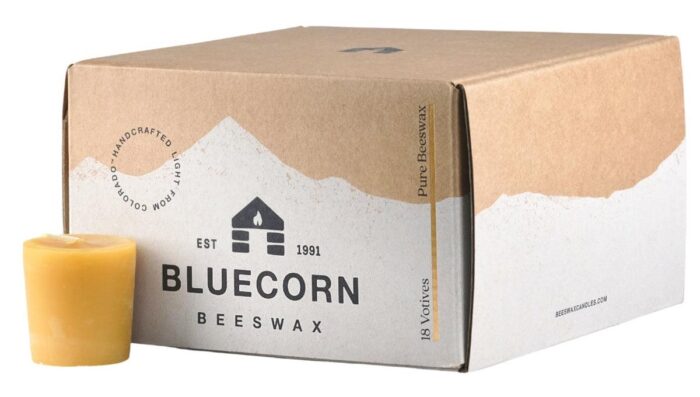
Bluecorn Candles’ Pure Beeswax Votive Candles are a perfect practical gift for creating a warm, ambient glow in your recipient’s home. Crafted from 100% pure, lightly filtered beeswax with a cotton wick, these non-toxic and hypoallergenic votives burn for over 12 hours when used in a snug-fitting holder. These candles have been handmade in Colorado since 1991 and emit a subtle, natural beeswax scent. Ideal for special occasions, their long burn time and clean performance make them a favorite among loyal customers. Retails for $63 at bluecorncandles.com.
Photo credit: Bluecorn Candles
Don’t forget to add to your gift a couple of Bluecorn Candles’ Pure Beeswax Pillar Candles, which will look just gorgeous around the home office or home this holiday season. They’re crafted to burn perfectly, thanks to the right cotton wick for an even burn without a weak flame. Their light filtration process removes just enough particulate without losing the sweet honey scent or natural color.
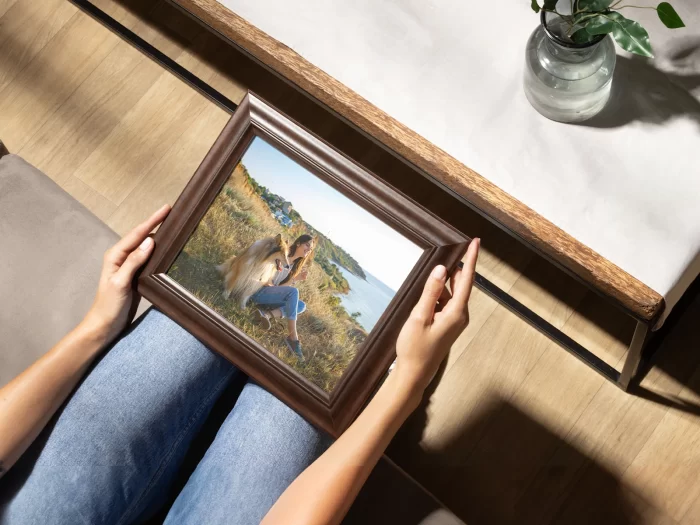
VistaPrint Gifts: Framed Prints
Photo credit: VistaPrint
VistaPrint is a customizable printing service that offers a wide range of marketing products, including business cards, banners, and promotional items, to help individuals and businesses create personalized, professional materials. Beyond business-related customized materials, VistaPrint also offers personalized gifts for cherishing memories and special individuals that make great holiday gifts. Some examples include VistaPrint’s Mugs, Calendars, and Wall Prints.
VistaPrint’s Framed Prints make great holiday gifts for entrepreneurs. A special memory hung on their wall provides them with the warmth and comfort of cherished moments during their busy days in the office. With VistaPrint, turning a memory into a high-quality framed photo is easy! All you do is choose the frame style, size, and border options, upload a high-resolution photo, and customize as necessary. Each piece arrives ready to hang, complete with built-in hardware, making it a hassle-free way to give holiday cheer this year. Retail varies at vistaprint.com.
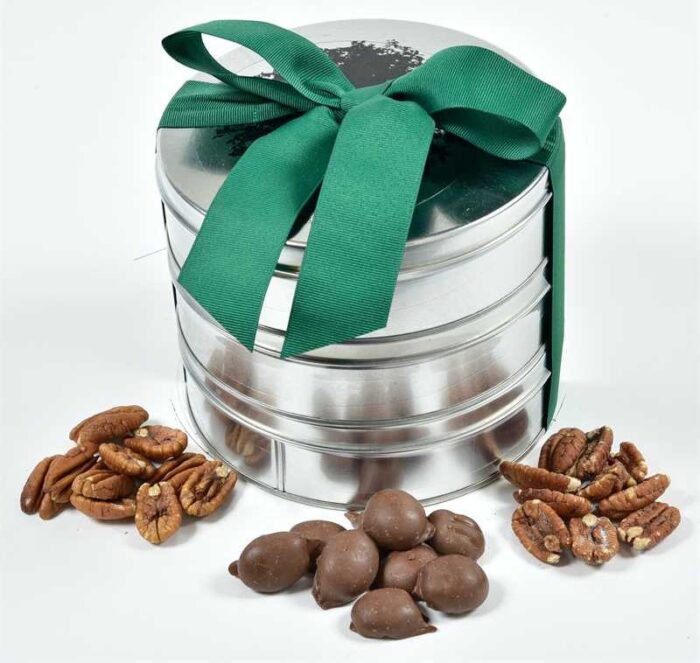
Sunnyand Farms Classic Pecan Trio
Photo credit: Sunnyland Farms
As busy professionals, entrepreneurs appreciate high-quality, healthy snacks that provide energy throughout the day. Gourmet pecan gifts from Sunnyland Farms are perfect for fueling productivity during meetings or enjoying a quick break. Sunnyland Farms is a 1,760-acre, family-owned pecan farm in Albany, Georgia, known as the pecan capital of the world. Since 1948, their top-quality pecans and other products have been loved by customers around the world. Offering free shipping with no minimums, their products are perfect for gifting to your entrepreneurs to enjoy. Sunnyland offers many corporate gifting options that are sure to make a statement this holiday season.
The Sunnyland Farms Classic Pecan Trio Tin is a delightful gift set featuring Sunnyland’s finest pecans. This trio includes a tin of Raw Mammoth Halves, a tin of Toasted and Salted Halves, and a tin of indulgent Chocolate Covered Pecans. Perfectly packaged in their signature gift tins and topped with a festive green grosgrain bow, this collection offers a little something any entrepreneur would enjoy. Retails for $75.25 at sunnylandfarms.com.
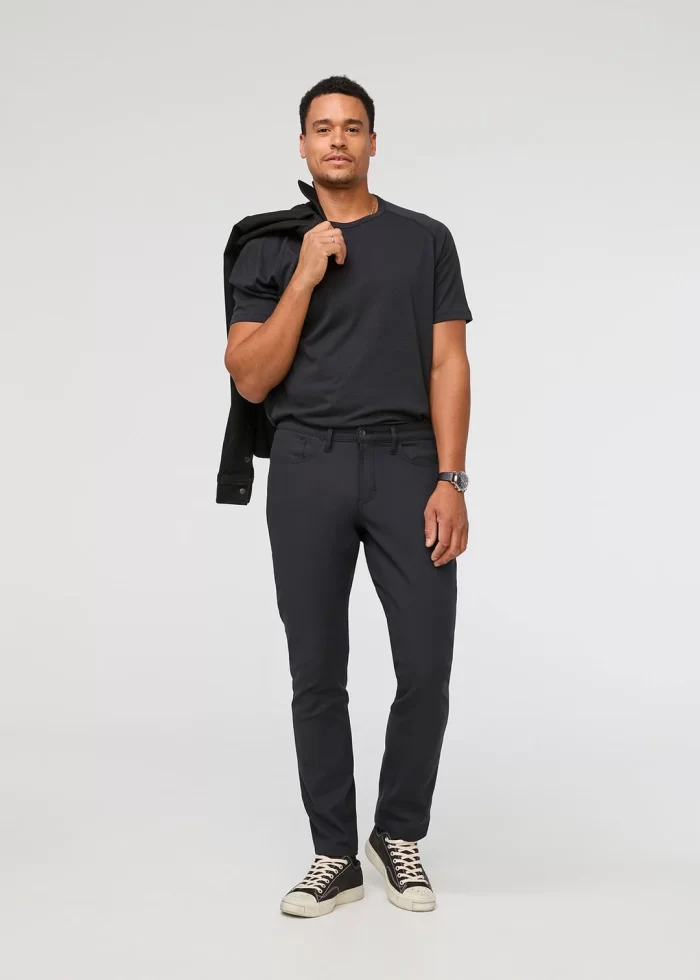
DUER NuStretch Relaxed Taper 5 Pocket Pants
Photo credit: DUER
DUER specializes in stretch performance denim and lifestyle clothing made from plants and recycled materials. Their clothing is designed for people who live active lives. DUER is committed to slow fashion, using 95% plant-based or recycled fibers. With their own factory, DUER ensures high-quality, ethical production and timeless, seasonless designs that help reduce waste. Specifically, their men’s pants are ideal for entrepreneurs who are on the move, from biking to meetings to working in the home office.
DUER’s NuStretch Relaxed Taper 5 Pocket Pants are designed for everyday style with the comfort entrepreneurs need as they are on the go. Crafted with a smooth surface for an elevated look, they offer moderate stretch for easy movement and a structured feel. The lightweight fabric combines soft, breathable natural fibers with nylon for shape retention and spandex for added flexibility, ensuring all-day comfort and performance. Retails for $129 at shopduer.com.
Cheekbone Beauty Makeup
Photo credit: Cheekbone Beauty
Cheekbone Beauty is an Indigenous-owned cosmetics brand dedicated to empowering Indigenous people and promoting sustainability in the beauty industry. With a mission to create environmentally friendly color cosmetics, the brand works with sustainability experts to innovate every aspect of their products, from raw ingredients to packaging. Cheekbone Beauty is available in 50 Sephora stores across Canada and 600 JCPenney stores in the U.S., recognized as a Sephora Clean and Planet Positive brand.
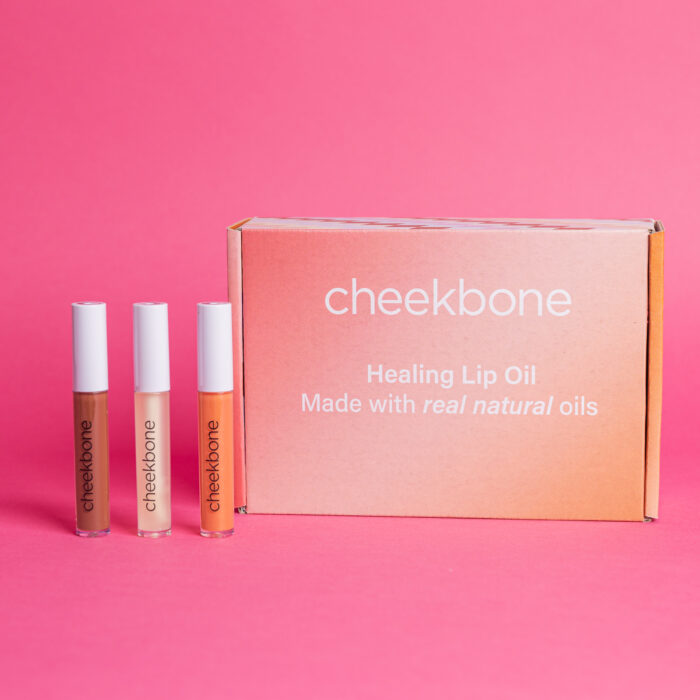
Cheekbone Beauty offers so many great holiday gift options for her lips and eyes, which will give her some pep in her step for her day as a busy entrepreneur. For one, Cheekbone Beauty’s Healing Lip Oils are new from the brand and are crafted from all-natural ingredients that nourish her lips while being kind to the planet. Infused with soothing peppermint oil and hydrating hyaluronic acid, these lip oils deliver the ultimate care and moisture her lips deserve. Available in universally flattering shades (Calm, Connect, Serenity), they enhance every skin tone and style. Retails for $29 at cheekbonebeauty.com.
Photo credit: Cheekbone Beauty
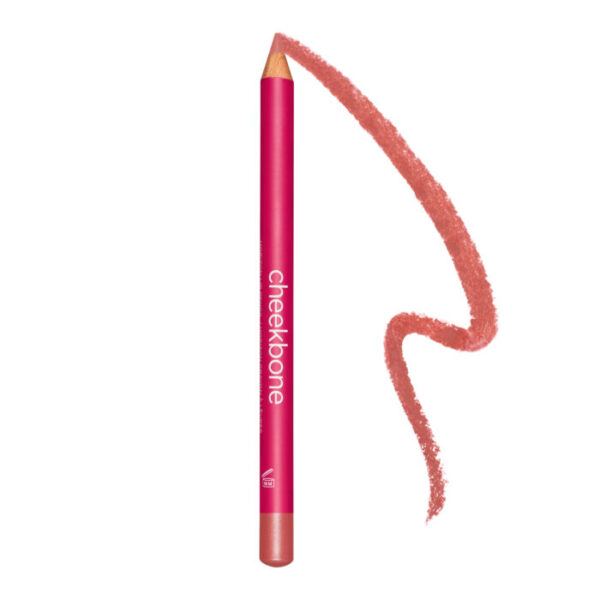
Another great option for lips is Cheekbone Beauty’s Sustain Lip Pencil, a highly pigmented, vegan matte lip pencil that offers a smooth, creamy texture that glides on easily. This pencil delivers precise application and blends to a soft, powder-like finish. Infused with natural, organic coconut oil, it can be worn alone for a subtle look or paired with lipstick for added depth and definition. Comes in three shades. Retails for $22 at cheekbonebeauty.com.
Photo credit: Cheekbone Beauty
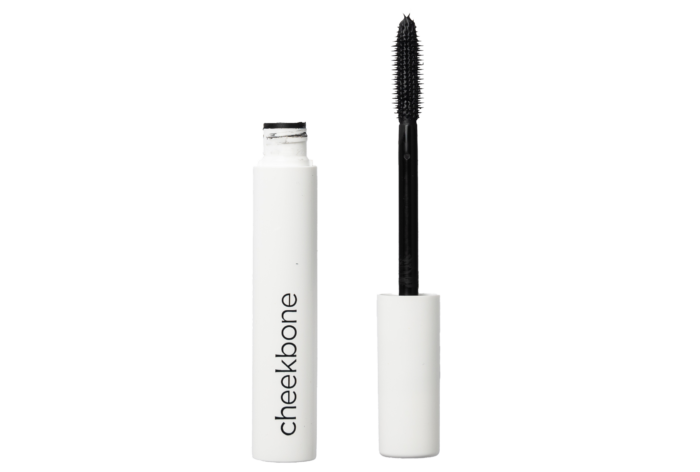
Include a staple for her eye makeup routine for a more complete and appreciated gift. Cheekbone Beauty’s new Uprise Mascara features a clean, vegan formula and creates a full, defined lash look without weighing them down, thanks to natural pumice stone from volcanic magma. Enriched with responsibly harvested waxes from sunflower, carnauba palm, and Japan wax trees, it delivers the long-lasting, bold lashes expected from Cheekbone Beauty. Plus, the improved formula dries faster, helping to prevent transfer and flaking for a flawless finish. Retails for $26 at cheekbonebeauty.com.
TRE Olive’s Calabrian Gift Box
Photo credit: TRE Olive
TRE Olive is a family-owned business with a deep-rooted tradition of producing high-quality, extra virgin olive oil in Calabria, Italy. Since 1934, their family has hand-picked olives and pressed them into exceptional oil, a practice passed down through generations. With a philosophy centered on hard work and treating customers like family, TRE Olive delivers a true taste of Italy, filled with love and tradition. They have a distribution center in Western Massachusetts, ready to send your special entrepreneur a gift box for the holidays.
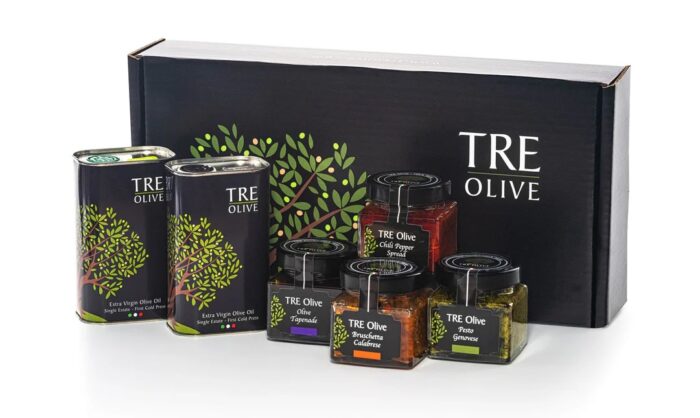
TRE Olive’s Calabrian Gift Box features the choice of two 500ml tins of TRE Olive’s premium olive oil, available in Signature Estate, Lemon, or Chili Pepper. Paired with all four delicious spreads—Olive Tapenade, Bruschetta Calabrese, Pesto Genovese, and Calabrian Chili Spread—this beautifully packaged set makes a perfect holiday gift for any entrepreneur. Retails for $89.99 at treolive.com.
Kyte Baby Women’s Lounge Robe in Cherry Blossom
Photo credit: Kyte Baby
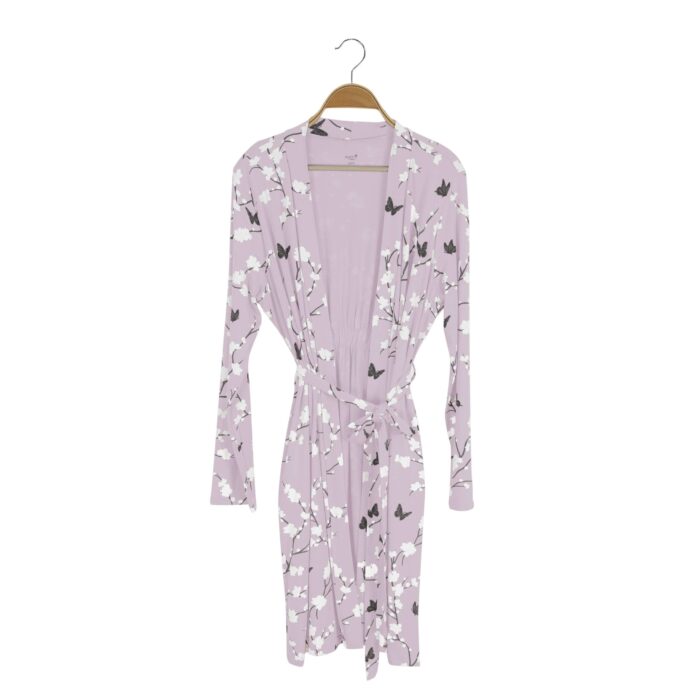
Kyte Baby is known for their buttery soft apparel and jammies for babies and toddlers, however, they offer the same softness for adults too! Kyte Baby’s Women’s Lounge Robe is a perfect companion for your special entrepreneur going through pregnancy, birth, and postpartum, offering her comfort as her baby transitions from the womb to her arms. Made from soft, breathable bamboo rayon with a touch of spandex, it feels light and buttery on the skin. It is thoughtfully designed with a ¾ length hem and side pockets keep essentials close, making it as functional as it is cozy. It comes in many core Kyte Baby colors, as well as limited edition and seasonal prints, such as the Cherry Blossom print noted in the picture. Retails for $65 at kytebaby.com.
Photo credit: Kyte Baby
You can also check out Kyte Baby’s other basics perfect for keeping male and female entrepreneurs comfortable during the workday. One example is Kyte Baby’s Women’s Relaxed Fit V-Neck, made from the same breathable rayon-bamboo material they’re known for. This V-neck is so versatile, it can be worn with short sleeves and dressed up or down. It comes in dozens of core, seasonal, and limited-edition colorways.
Blenders Eyewear – Millenia DX ‘ORBR I’
Photo credit: Blenders Eyewear
A true entrepreneurial success story, Blenders Eyewear started in San Diego with a bold vision to create fun, radical sunglasses that stand out. Founded by a surf coach with just $2,000, the brand has grown into a community-driven global sensation, built on passion and a love for adventure. Their popular, stylish and durable sunglasses make great gifts for entrepreneurs and their on-the-go lifestyle.
Suppose your entrepreneur loves Formula 1 or racing sports in general. In that case, he or she will surely appreciate Blenders Eyewear’s Millenia DX ‘ORBR I’ sunglasses, the first release from Blenders Eyewear’s exclusive collaboration with Oracle Red Bull Racing. These shades feature premium materials for an upgraded look and feel, inspired by the navy of the RB19 car with striking Red Bull branding on the temples. Complete with the durable and sleek PureBlend Lens in silver, this design brings high-performance flair to everyday wear in and out of the office. Retails for $89 at blenderseyewear.com.
Bloomers Intimates Tiara Lace Bralette
Photo credit: Bloomers Intimates
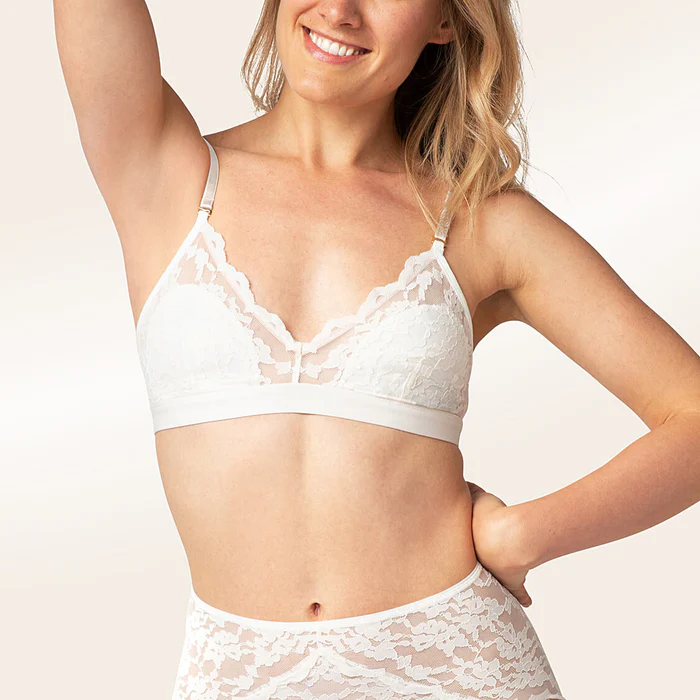
Bloomers Intimates creates lovely lingerie designed for every woman with a changing body, offering comfortable, ageless styles that celebrate all life stages. Give your hard-working entrepreneur a confidence boost this holiday season with Bloomers Intimates’ Tiara Lace Bralette, which comes in both Queen’s Lace and Cougar Lace. This bralette is a soft and boosting essential designed to make her feel like royalty as she moves throughout her day. She’ll love that this triangle bralette offers comfortable support with a soft modal lining and band. Its adjustable straps can be worn straight or racerback, while the convenient front strap J-hook closures make it easy to pull on and off. Featuring ample underarm coverage, it’s made to fit cup sizes A through D, ensuring a flattering and comfortable fit for every woman. Retails for $62 at bloomersintimates.com.
Etude Winery 2019 Grace Benoist Ranch Blanc de Noirs
Photo credit: Etude Winery
Founded in 1982 in the Carneros region, Etude Winery focuses on producing world-class Pinot Noir through superior grape growing with minimal intervention. Etude strives to portray the distinct characteristics of each vineyard, including their estate Grace Benoist Ranch.
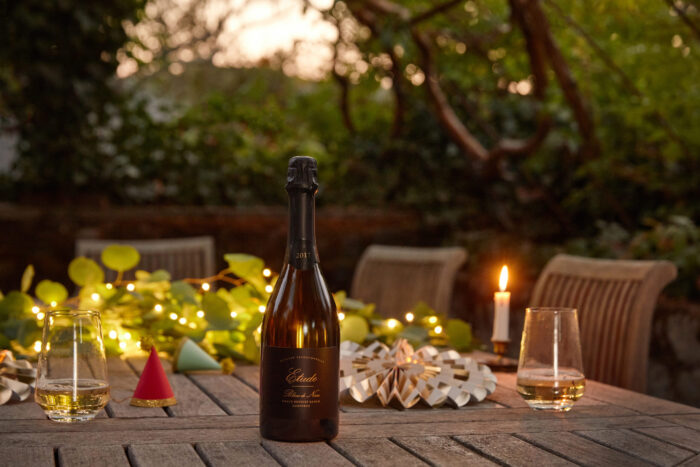
Etude’s 2019 Grace Benoist Ranch Blanc de Noirs Sparkling Wine from Etude is a limited-quantity, classically styled Brut Méthode Traditionnelle that embodies the finest expression of Pinot Noir and Chardonnay from the estate’s vineyard. This sparkling wine presents pale straw hues, a fine bead, and fragrant aromas of brioche, red currant, and strawberry, complemented by Meyer lemon zest. On the palate, its vibrant acidity balances rich fruit flavors with subtle elegance, finishing with persistent minerality and crispness. Pairs beautifully with pork chops. Retails for $60 at etudewines.com.
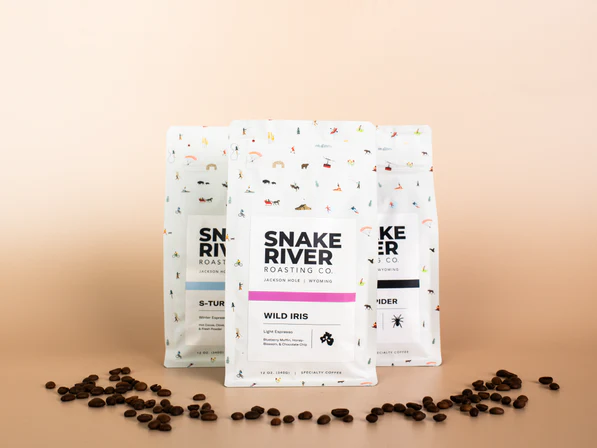
Kahawa 1893 Coffee: Shark Tank Sampler
Photo credit: Kahawa 1893
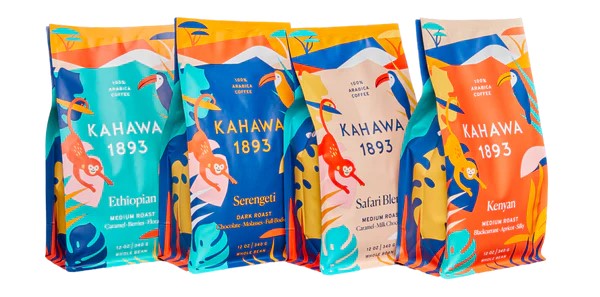
We all know how essential coffee is to an entrepreneur’s life; that’s why it makes a great holiday gift! Kahawa 1893 coffee brings Kenya’s rich, aromatic flavors—home to some of the most abundant and distinctive coffee on earth—right to your special entrepreneur’s cup. Grown and harvested in Kenya, these beans are roasted fresh in California by a third-generation female Kenyan coffee farmer. Kawaha 1983’s Shark Tank Sampler includes four 12oz bags of their top-selling blends: Safari, a versatile medium-dark roast; Serengeti, a bold dark roast that masterfully blends fruity Kenyan beans with full-bodied Rwandan coffee; Kenya, renowned for its bright, full-bodied, and sweet flavor profile; and Ethiopia, a 50/50 blend of beans from the celebrated Yirgacheffe and Guji regions. Crafted from 100% Arabica beans. Black woman-owned brand. Retails for $58.99 at kahawa1893.com.
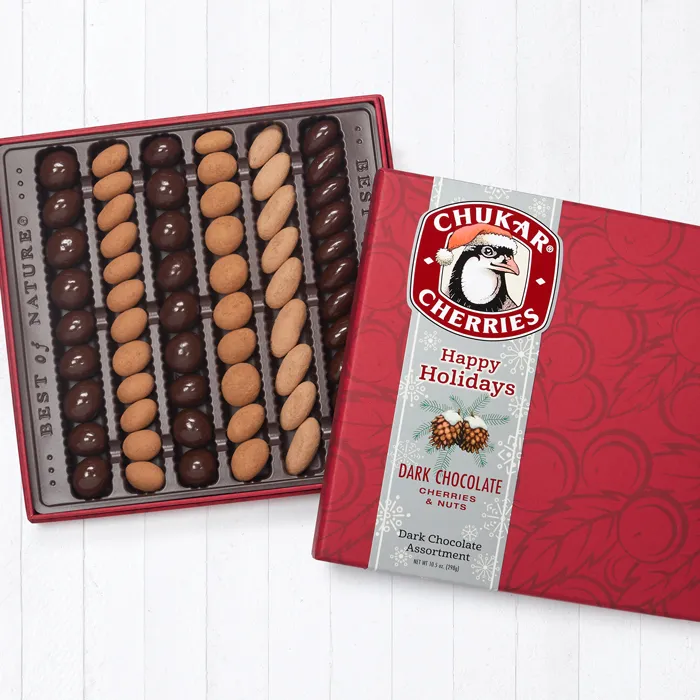
Chukar Cherries Holiday Dark Chocolate Original Assortment and Triple Cherry Nut Tin
Photo credit: Chukar Cherries
Chukar Cherries gifts are ideal holiday surprises for entrepreneurs, encouraging them to take breaks in their busy days with indulgent treats. Founded by Pam Montgomery in Washington’s cherry orchards, Chukar Cherries pioneered the process of naturally drying cherries without additives, a method that has gained popularity. These cherries are then paired with fine European-style chocolate, creating a treat that’s perfect for holiday gifting.
Chukar Cherries’ Holiday Dark Chocolate Original Assortment is a perfect gift for chocolate lovers, featuring six rows of premium dark and ultra-dark chocolate-coated cherries and nuts. Northwest-grown dried cherries and roasted nuts are dipped in premium chocolate using old-world copper kettles. Receivers will enjoy varieties like Black Forest Cherries and Amaretto Rainiers, Vanilla Almonds, and more. Shipped in a sophisticated, recyclable red gift box. Retails for $45.95 at chukar.com.
Another great option from Chukar Cherries is their Triple Cherry Nut Tin, a premium snack mix featuring three of Chukar’s Northwest dried cherries paired with roasted almonds and pistachios. Entrepreneurs will appreciate no sugar is added, so they can enjoy a delicious treat that will energize them without the guilt of overindulging.
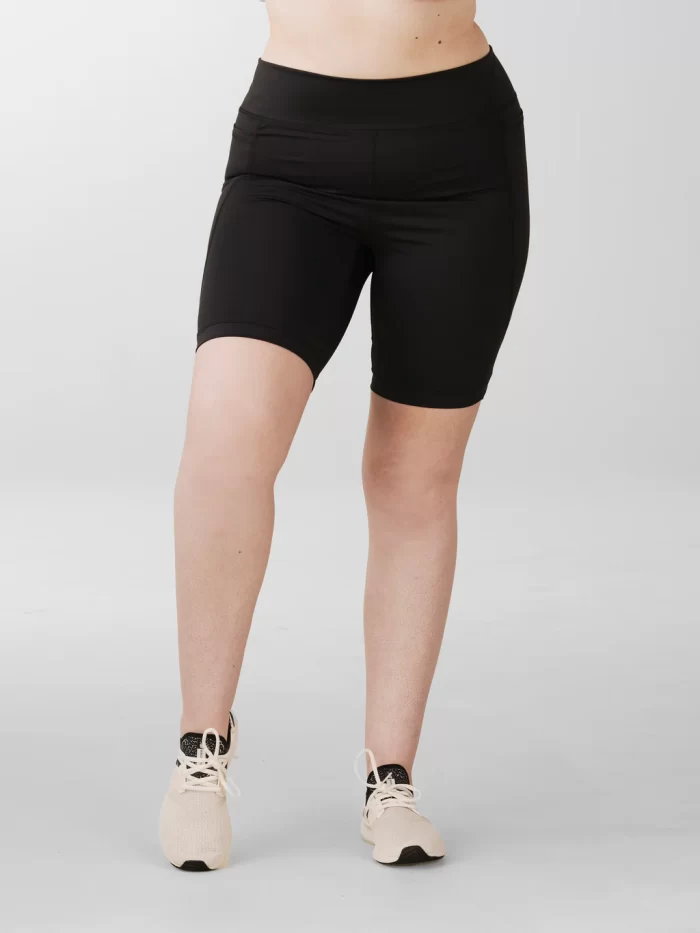
Losano Sculpt Biker Short
Photo credit: Losano
Losano creates stylish, sustainable products that are built to last, using BPA-free and 100% PFAS-free fabrics. With 97% of materials being eco-friendly and most manufacturing done in Los Angeles, they’re committed to reducing their carbon footprint while maintaining top-quality design and function. An entrepreneur would love Losano’s Sculpt Biker Short for their perfect blend of style and versatility. Whether she’s heading to a yoga class, working from home, or meeting friends for a casual brunch, the high-waisted, sculpting design offers both comfort and a confidence-boosting fit. One way to dress these flattering shorts is to wear an oversized sweater with them for a relaxed and polished look. She’ll love that these shorts lift and smooth, making them a chic and effortless option for any busy day. Retails for $68 at losano.com.
Snake River Roasting Co. Roaster’s Choice Coffee Subscription
Photo credit: Snake River Roasting Company
Good coffee is one of those much-needed holiday gifts any entrepreneur will love to receive and use daily. Bring the beauty and adventure of Wyoming right to your special entrepreneur’s desk with Snake River Roasting Co. This Jackson Hole-based coffee company was founded in 2008 and since then has been combing the region’s high-altitude advantage with a passion for the perfect roast, resulting in rich, flavorful coffee. With a commitment to quality and exceptional customer service, their SCA-certified roasters, brewers, and baristas bring Jackson Hole’s adventurous spirit to every cup. Each roast is crafted by their ultra-runner Head Roaster, blending the vigor of nature with the art of coffee.
Give your entrepreneur the gift of a coffee adventure with Snake River Coffee’s Roaster’s Choice Subscription, delivering world-class specialty roasts straight to their door. This can be ordered in a subscription of 3, 6, or 12 months. Each month, your gift will offer premium beans sourced from sustainable farms around the globe. You can choose to send a monthly 12oz or 2lb bag. With guaranteed freshness and no shipping fees, this subscription makes every cup an indulgent journey in exceptional coffee. Retails for $55 (3-month subscription) at snakeriverroastingco.com.
Bissinger’s Handmade Chocolates has a legacy dating back to 1668 in Paris, where they once crafted confections for European nobility, including the King of France. Today, the family-owned business continues to handcraft luxurious chocolates using the same old-world techniques, like copper kettles and small-batch preparation. With over 350 years of expertise, Bissinger’s remains dedicated to delivering a truly exquisite chocolate experience to those entrepreneurs you will honor this holiday season.
Bissinger offers two great 16 PC sets any entrepreneur would love to hide-a-way in their desk this holiday season. Bissinger’s Christmas At Bissinger’s 16-PC set is inspired by their Chief Chocolatiers’ seasonal confections, and each collection includes their Limited Edition holiday truffles, painted mint tree, caramel Santa, French crème, caramels and solid chocolate ‘B’. Retails for $36 at bissingers.com.
Another great option to send is Bissinger’s Holiday Cheer Truffles 16 PC, which has a beautiful illustration of the candy case from their flagship retail boutique at Plaza Frontenac. This beautiful box showcases amazing holiday flavors like Peppermint, Eggnog, Gingerbread, Boûche De Noël, Sugar Plum, Christmas Cookie, Chocolate, Raspberry, and more!
SPRHRA Wavy Stretchy Shorts — with Graphene
Photo credit: SPRHRA
SPRHRA is a performance-focused clothing brand designed to empower female athletes. Founded in 2023, the brand aims to address the specific needs of women in sports by providing athletic gear that offers both high performance and comfort.
SPRHRA’s Wavy Stretchy Shorts with Graphene are designed for female athletes, giving your special entrepreneur comfort for everything from intense workouts to relaxation. Featuring a 3-inch waistband and 6-inch inseam for a secure fit, these shorts stay put without chafing or riding up. Their 4-way stretch allows for adjustable wear—high or low waist—while the flattering cut highlights the legs and glutes. Made with a special graphene fabric blend, these shorts are lightweight, antibacterial, moisture-wicking, and durable, keeping athletes cool and fresh no matter the activity. Retails for $67 at sprhra.com.
Beringer Vineyards, with a legacy of 145 years, is renowned for pioneering industry firsts, from gravity-fed facilities to public tours, and remains the only winery with both a red and white wine named #1 by Wine Spectator. Their renowned name in the industry makes their wines a beloved gift by wine enthusiast entrepreneurs.
Beringer’s Private Reserve Chardonnay is the pinnacle of Beringer’s private reserve tier and is bursting with flavor. Your recipient will enjoy an impressive wine with lovely honeysuckle and citrus aromas layered with the “refined” flavors characteristic of Napa Valley. Its subtle oak adds touches of vanilla and ginger spice, while notes of golden apple and brioche toast enhance the richness. Retails for $50 at beringer.com.
Magic Hour is a woman-owned tea company that blends mindfulness, spirituality, and wellness, offering organic ceremonial teas made with love in Ojai, California. Their unique tea blends combine botanicals with self-care rituals to promote relaxation and overall wellness necessary for busy entrepreneurs. Their teas are created with and support fair trade and regenerative farming practices.
Magic Hour’s Lucid Dreams: Tulsi-Turmeric Herbal Tea for Sleep & Calm is a great holiday gift for hard-working entrepreneurs. This tea is a calming, caffeine-free tea blend featuring turmeric and tulsi, inspired by Magic Hour’s Coconut Chai recipe. With spicy, nutty, and citrusy flavor notes, it offers anti-inflammatory benefits, supports digestion and liver detoxification, and helps reduce stress by slowing cortisol production. Retails for $47 at clubmagichour.com.
CamelBak Chute® Mag 32 oz Insulated Stainless Steel Water Bottle
Photo credit: CamelBak
CamelBak is a brand known for its high-quality hydration solutions, specializing in durable and innovative water bottles and hydration packs. Their water bottles make a great gift for entrepreneurs, offering convenience and ease of use, helping them stay hydrated and focused during long workdays. The CamelBak Chute® Mag 32 oz Insulated Stainless Steel Water Bottle features a stylish and durable powder coat finishis and is designed for easy hydration with high flow and minimal mess. Its magnetic cap stays out of the way while drinking and is leak-proof when closed. The double-wall vacuum insulation keeps drinks cold for 32 hours and hot for 12 hours and the sweat-proof design prevents condensation. Made with recycled materials, it’s both eco-friendly and easy to clean, thanks to its dishwasher-safe construction. Retails for $35 at camelbak.com.
CamelBak also offers coffee mugs to keep your special entrepreneur fueled as he or she is on the go. A great option is CamelBak’s Horizon 12 oz Camp Mug, Insulated Stainless Steel is a durable, double-walled, vacuum-insulated stainless steel mug with a powder coat finish that keeps drinks hot and looking great. Its spill-resistant, tri-mode tumbler lid allows for flow control, and the non-slip silicone base prevents scratches and spills, all while being dishwasher-safe and free of BPA, BPS, and BPF.
Old World Christmas Elf Cottage
Photo credit: Old World Christmas
Bring the magic of the holidays right to your special entrepreneur’s doorstep with Old World Christmas, where you can choose from hundreds of festive ornaments and decorations to gift! Old World Christmas’ Ginger Cottages are beautifully hand-assembled wooden ornaments designed to create special holiday memories. Each cottage contains hidden surprises for your recipient to discover, and they look great on the tree or displayed on their own with the Ginger Cottage display bases.
Old World Christmas’s Elf Cottage ornament brings a sense of childlike wonder as one uncovers the magic and hidden details beautifully crafted within. It has a small hole on its underside for a standard bulb from the Christmas tree to light up the cottage. Retails for $19.99 at oldworldchristmas.com.
Another great option is the Old World Christmas Ginger Market, which also illuminates from one of the Christmas tree lights. This charming ornament captures the enchanting spirit of a German Christmas market, where sweet gingerbread and festive treats await.
Full Circle ‘Scrub Queen’ Toilet Brush, ‘Royal Plunge’ – Plunger, ‘Clean Team’ – Brush & Dustpan Set
Photo credit: Full Circle
Gifting cleaning supplies from Full Circle to entrepreneurs is a practical and thoughtful holiday gesture, helping them maintain a tidy, organized workspace in their productive year to come. Full Circle offers sustainable home care products that are both beautifully designed and highly functional. Since launching in 2009, they’ve expanded from a few cleaning tools to a wide range of eco-friendly items like dish and bathroom brushes, water bottles, and kitchen paper goods, all aimed at helping people make better, more responsible choices for their homes and the planet.
Cleaning and maintaining the bathroom doesn’t have to be a chore with Full Circle’s elegant and sustainable bathroom essentials. Entrepreneurs will value having high-quality tools in their bathrooms, especially when hosting meetings in their home office, where making a lasting impression is key. The Full Circle ‘Scrub Queen’ Toilet Brush’s tough, “mohawk” bristles get into hard-to-reach spots, and it neatly tucks into a sleek ceramic holder with a non-slip base. Importantly, the Dry Earth insert absorbs water, preventing mold and bacteria and the handle is made from recycled aluminum and bamboo. Receivers will love the brush head is replaceable, so they can keep things fresh. Retails for $34.99 at fullcirclehome.com.
Don’t forget to add Full Circle’s ‘Royal Plunge’ – Plunger into the mix for a complete bathroom dynamite duo! This innovative plunger tucks neatly away into a sleep ceramic holder and features the same Dry Earth in the base to absorbs water and prevent mold and bacteria. Retails for $39.99 at fullcirclehome.com.
Photo credit: Full Circle
A great option to gift this holiday season is Full Circle’s ‘Clean Team’ – Brush & Dustpan Set, designed to make cleaning easier and more efficient. Its soft edge captures more dust, and the built-in scraper and comb help keep the brush clean. The brush locks into the pan for easy storage, and the set can stand on its edge or hang when not in use. It is made from earth-friendly materials like bamboo and recycled plastic, so it’s non-toxic and safe for the home. Plus, the dustpan is dishwasher safe, making it simple to refresh. Retails for $19.99 at fullcirclehome.com.
Casabella Power Spin Scrubber
Photo credit: Casabella
The Casabella Power Spin Scrubber is the perfect holiday gift for entrepreneurs who need efficient solutions for their busy lives. With its powerful 420 RPM spinning action, cordless convenience, and four included versatile scrubbing attachments, this all-purpose tool makes tackling tough cleaning jobs in kitchens, bathrooms, and more a breeze. Its extendable handle and long-lasting battery reduce strain and save time, giving entrepreneurs the freedom to focus on their business while keeping their spaces spotless. Each charge holds up to 100 minutes of runtime, so entrepreneurs can cover many surfaces of laminate, tile, glass, porcelain, and more, both indoors and outdoors. Retails for $49.99 at target.com.
Tiny Treehouses Temple of Gratitude
Photo credit: Tiny Treehouses
At Tiny Treehouses, they aim to craft enchanting products that blend creativity with nature, sparking joy and imagination in the offices where their products are displayed. The Tiny Treehouses Temple of Gratitude wooden treehouse makes a thoughtful holiday gift for entrepreneurs who are also plant enthusiasts. This DIY model kit offers a creative escape, allowing them to focus on mindfulness and gratitude while assembling a beautiful treehouse. With its included LED lights and moisture-resistant acrylic stake, it can double as a decorative plant stake, adding a unique touch to any plant collection. The easy-to-follow instructions and moderate difficulty level make it an enjoyable project, perfect for winding down during the busy holiday season. Batteries sold separately. Retails for $39 at tiny-treehouses.com.
Catena Malbec 2021
Photo credit: Catena Zapata
For the entrepreneur who enjoys taking a break to savor life, the Catena Malbec 2021 is the ideal companion to a well-deserved meal. Catena Winery, also known as Bodega Catena Zapata, is a prestigious Argentine winery that is credited with elevating Argentina’s wine reputation, especially for Malbec. Founded in 1902 by Italian immigrant Nicola Catena, the winery has been passed down through four generations of the Catena family. This wine offers intense aromas of ripe fruits, delicate florals, and subtle hints of vanilla and mocha. Perfectly paired with a juicy steak or a comforting bowl of pasta, it’s a great bottle to help unwind after a packed day of meetings, deadlines, and strategy sessions. Retails for $19.99 at wine.com.
We all know how hard entrepreneurs work around the clock and the holidays are the perfect time to show this dedication is not unnoticed. Recognizing these special individuals during the holidays is important because it celebrates their hard work, resilience, and contributions to the household’s economy throughout the year. This kind of appreciation encourages them to continue driving growth, create opportunities, and feel proud of themselves. Ultimately, your holiday gift should boost their confidence and make them feel loved.
Finding the perfect gift can be incredibly time-consuming, with endless searches through shopping malls and browsing the internet often feeling overwhelming and a drain on your time. So look no further! We’ve curated a selection of fantastic holiday gifts in our 2024 Holiday Gift Guide that entrepreneurs will love! Designed to simplify their lives and elevate their confidence, this list offers something special for everyone, whether for him or her.
RICOH Portable Monitor 150 (Wired) and Color Laser Printer C125 P
RICOH has been a leader in digital innovation for over 50 years, helping people and businesses both big and small improve through technology. Originally founded as PFU Limited in 1960, the company has a history of developing groundbreaking products, including the first document scanner in 1983. Today, RICOH is best known for its top-quality ScanSnap and fi Series scanners, trusted by users worldwide. Expanding its product lineup, RICOH now offers portable monitors, multi-function printers, and other devices that help businesses stay connected and efficient.
Photo credit: RICOH
A portable monitor is a great gift for entrepreneurs because it enables productivity by allowing them to easily expand their workspace, stay organized, and work efficiently from anywhere. RICOH’s Portable Monitor 150 (Wired) is a holiday gift for entrepreneurs that receivers will appreciate. This high-quality monitor features a slim, vibrant 15.6″ OLED touch display which means better contrast, higher brightness, and a rapid response time for increased productivity. The monitors are also equipped with a 10-point multi-touch capability and integrated speakers. Regarding connectivity, entrepreneurs have 2 USB connections for easy wired access to their Windows, MacOS, iOS, and Android devices.
RICOH Portable Monitor 150 (Wired) weighs just over a pound, making the RICOH portable monitors a versatile solution to expand screen space for both work and entertainment on the go as entrepreneurs often are. It is also very slim, just at .19″ at its slimmest section, meaning it takes up very little bag space. This monitor can be paired with the Stylus Pen, which is sold separately, for precise inputs and a seamless workspace. On sale for $575 at pfu-us.ricoh.com.
Photo credit: RICOH
Another must-have for every entrepreneur is a quality and reliable printer. RICOH’s Color Laser Printer C125 P is a great holiday gift offering entrepreneurs vibrant and secure color printing for all their business needs. Users will benefit from its sharp, clear text and graphics and its ability to print double-sided at up to 26 pages per minute. It handles paper excellently, with a multi-purpose tray that offers the ability to print on various paper types such (legal, letter, and envelope). RICOH’s Color Laser Printer features flexible connectivity options with USB, Wi-Fi, and Ethernet, so it’s easy to use whether they’re working solo or in a team. Importantly, the Locked Print feature ensures confidential documents stay secure, which is oftentimes critical for running a business.
Photo credit: RICOH
Setting up the printer and cartridge change system makes using this printer a breeze. The top cartridge system allows for quick and hassle-free toner changes, which saves entrepreneurs time and frustration when the time for new cartridges comes. They’ll easily know when its time to change the toner from the easy-to-read 4-line LCD panel display. Retails for $375 at pfu-us.ricoh.com.
Gladly Family Anthem2: 2-Seater All-Terrain Wagon Stroller, Infant Car Seat Adapter, and Anthem2 All-Terrain Stroller Wagon Accessories Set
Photo credit: Gladly Family
Gladly Family creates thoughtfully designed baby gear with smart features, crafted by parents for modern families, ensuring style, functionality, and seamless integration into daily life. A Gladly Family wagon is a great fit for busy entrepreneurs because it offers a convenient, versatile way to transport kids, gear, and supplies while juggling work and family life. All they need to do is throw the gear in, place the children in their seats, and off they go!
The Gladly Family Anthem2 2-Seater All-Terrain Wagon Stroller is designed for entrepreneurs with families on the move, offering easy maneuverability with both push or pull options. Its compact fold allows for convenient storage, and it can even stand when folded, making travel a breeze. Because entrepreneur’s work often includes travel and they may want to bring their family, you can include the Gladly Family Travel Bag so the wagon can be checked at the gate. Equipped with all-terrain tires, a sturdy suspension system, and a one-touch brake, this wagon ensures a smooth ride on any surface. It also features extra-large canopies with breathable mesh inserts that provide sun, wind, and rain protection.
Photo credit: Gladly Family
Ideal for two children, the Anthem2 comfortably holds up to 50 lbs per child and features a spacious interior, 3-point safety harnesses, a lounge pad for lie-flat mode, and ample storage. Overall, its durable aluminum frame supports up to 150 lbs. Parents will appreciate the included cup holder, snack trays, and removable storage basket. Whether exploring a national park or strolling to a neighborhood park, this wagon stroller is built to keep up with any family’s adventures. It’s so easy to maneuver around regardless of the weight. Retails for $499.99 at gladlyfamily.com.
Additionally, if your entrepreneur has an infant in tow, you can include Glady Family’s Infant Car Seat Adapter for Anthem2 Wagon (shown above)! This adapter attaches easily and securely while accepting most infant car seats, so the baby can come along for the ride, adding to the convenience factor a busy entrepreneur appreciates.
Photo credit: Gladly Family
As if Gladly Family’s Anthem2 wasn’t already the ultimate gift, pair it with the Anthem2 All-Terrain Stroller Wagon Accessories Set, and you’re sure to win the holidays! This set comes with the universal bug net, wagon cooler bag, quilted comfort seats for both little passengers, and wagon travel bag for the ultimate adventure out. The bug net is light, easy to use, and tucks away when it isn’t needed. Your special entrepreneur will love the quilted seat covers because they will keep their little ones cozier on longer rides. Set retails for $130 at gladlyfamily.com.
Icebug Adak ReWool Women’s BUGrip
Photo credit: Icebug
Icebug was founded in Sweden to prevent slipping and encourage people to spend more time outdoors. As the world’s first climate-positive footwear brand, gifting a pair of Icebug shoes is more than just thoughtful—it’s a feel-good choice that supports both the planet and the recipient. Whether your recipient is into running or walking, their shoes are designed to handle all weather and seasons. Icebug’s shoes are known for their grip technologies and traction, which are offered to wearers to keep them safe and comfortable in icy conditions.
With the winter months ahead, gifting a pair of Icebug’s Adak ReWool Women’s Michelin boots is a practical and much-appreciated gift, especially if she is a snow enthusiast in the great outdoors. The Adak boot perfectly blends Scandinavian style and rugged functionality and is designed for winter walking and hiking. Crafted with a high shaft of felted wool and Oily Nubuck leather, it offers superior warmth thanks to Primaloft® Bio insulation and a cozy Terry fleece lining. She’ll appreciate that the BUGdri membrane ensures feet stay dry, while full lacing allows for an adjustable fit. The Adak provides exceptional comfort for long walks in harsh winter conditions because of its stable midsole and wide last. You can purchase this boot with or without the steel studs, which offer the best traction for icy conditions. Retails for $249.95 at icebug.com.
Hinoki In Common No. 1 OLIVE ZIP HOODIE
Photo credit: Hinoki In Common
At Hinoki In Common, they believe in creating clothing that combines effortless style with thoughtful design and sustainability. They made sure to shorten the distance that their materials travel by working with raw materials grown in the U.S. and manufacturing their garments in the U.S. Interestingly, their textile suppliers for their current products work with the Texas Organic Cotton Marketing Cooperative. By sourcing cotton close to where it’s spun and knit, Hinoki In Common reduces transportation distances and avoids pesticides used in preserving textiles traveling overseas. They then manufacture their garments locally in Vernon, California, near their Los Angeles office.
Hinoki In Common’s No. 1 Zip-Front Hoodie makes a great holiday gift for an entrepreneur, as it’s cozy, versatile, and practical for staying warm and stylish in the home office. This high-quality hoodie is crafted from certified organic cotton, grown and knit in the U.S., and offers a perfect balance of comfort and shape. Designed with flattering cuts, a unique gold zipper, and attention to detail like tagless labels and non-bubbling zippers, this hoodie is as practical as it is stylish. Additionally, it is pre-shrunk and individually garment dyed. This holiday season, you can order this hoodie in Black or Olive, depending on your special entrepreneur’s preferences. Retails for $220 at hinokiincommon.com.
Dune Jewelry Serenity Cuff Bracelet
Photo credit: Dune Jewelry
Dune Jewelry offers a truly unique and personal touch for gifting something memorable to your special entrepreneur. Each handcrafted piece is one-of-a-kind and can incorporate sand and natural elements from over 5,500 global locations, allowing wearers to carry cherished moments and vacations with them. You can search their sandbank to find the beach you two shared your memories on, or you have the option to add your own sand or elements for a custom creation. As a woman-owned small business, Dune Jewelry also gives back, having donated over $250,000 to charities worldwide.
Dune Jewelry’s Serenity Cuff Bracelet is a stunning piece that evokes sun-soaked memories from her favorite beach. Handmade in the USA, this modern cuff features one centerpiece earth element from a special location and two smaller surrounding elements for pretty accents. Crafted from .925 sterling silver, it offers a versatile fit for most wrists up to 7.5 inches. The main photo showcases Mother of Pearl, and sand from Glass Beach, Fort Bragg, California. With its simple yet elegant design, the Serenity Cuff will surely become a beloved staple in her wardrobe, keeping her grounded and reminding her of special times. Retails for $200 at dunejewelry.com.
Logitech Zone True Wireless Bluetooth® Earbuds and MX Anywhere 3S Compact Wireless Performance Mouse
Photo credit: Logitech
Logitech, a Swiss company known for innovation and quality, designs products that enhance how people connect and interact with the digital world, from gaming and video streaming to computing. With a presence in nearly every country, its many brands are all focused on creating unique, meaningful experiences for entrepreneurs and beyond.
The Logitech Zone True Wireless Bluetooth® Earbuds are designed to deliver premium audio and communication quality for business professionals. Equipped with a noise-canceling mic and active noise cancellation (ANC), these earbuds provide crystal-clear sound, making them ideal for entrepreneurs who work in busy workspaces or during video meetings. They seamlessly connect to both the computer and smartphone, ensuring they never miss a call. The earbuds’ three-mic setup in each earbud uses advanced beamforming, noise reduction, and bone conduction to capture the voice clearly, while WindDefense fabric minimizes environmental noise. Additionally, the earbuds’ Hybrid ANC blocks out distractions, while Transparency Mode allows entrepreneurs to stay aware of their surroundings without removing the earbuds for added convenience.
Additionally, the Logitech Zone True Wireless Earbuds are engineered for comfort, with three sizes of removable ear gels to ensure a perfect fit for optimal sound isolation. They are available in contemporary colors, and look great on- or off-camera use. On sale for $129.99 at Logitech.com.
Photo credit: Logitech
Another great gifting option from Logitech is the MX Anywhere 3S Compact Wireless Performance Mouse, a mouse that lets an entrepreneur work effortlessly from anywhere. With 8K DPI tracking, it glides effortlessly across any surface, including glass, making it perfect for work on the go. Its compact design, comfortable silicone side grips, and quiet click buttons allow for distraction-free work enabling your special entrepreneur to get more done. Because it is equipped with the MagSpeed scroll wheel, one can scroll through 1,000 lines per second. The MX Anywhere 3S is compatible with all major operating systems and can be easily paired via Bluetooth® with up to three devices. If preferred, the Logi Bolt USB receiver (sold separately) can also be used. Additionally, its fast-charging USB-C battery provides up to 70 days of use on a full charge. Retails for $79.99 at logitech.com.
Samuel Hubbard Classic Leather Belt, Slim Bi-Fold Wallet, and
Samuel Hubbard makes shoes and accessories that make the ultimate holiday gifts for both male and female entrepreneurs. Inspired by the entrepreneurial spirit of their founder, Bruce Katz, Samuel Hubbard shoes and accessories help modern innovators stay comfortable while they chase their dreams, making them the perfect gift for those who never slow down. Each pair of shoes is meticulously handcrafted by artisans in Portugal and Brazil, ensuring quality with every stitch and design element.
Photo credit: Samuel Hubbard
With an entrepreneur’s long days and constant movement, a high-quality belt ensures they’re always comfortable and put together, making it an essential accessory for their busy lifestyle. Samuel Hubbard’s Classic Leather Belt is an Italian glazed, top-grain calfskin belt featuring a curved edge construction and solid brass buckle with a polished nickel finish. Its beautiful, high-quality appearance offers him a sophisticated, handcrafted accessory that keeps him both in style and comfortable as he moves in and out of the office. This handsome belt comes in three colors: black, whiskey tan, and brown leather. Retails for $155 at samuelhubbard.com.
Photo credit: Samuel Hubbard
Samuel Hubbard’s Slim Bi-fold Wallet is another great accessory that will keep him feeling polished and professional as he moves throughout his hustle as an entrepreneur. This wallet is handcrafted in Italy with the highest-quality leather. It features eight card-slot pockets and two lengthwise pockets for bills as well as a design featuring a slim profile for a comfortable and ergonomic back pocket (closed dimensions: 4 1/2″ x 3 5/8″). You can gift him this beautiful wallet in Black, which is made from calf leather, or Tan, which is made from cow leather. On sale for $75 at samuelhubbard.com.
Photo credit: Samuel Hubbard
A pair of high-quality boots can seamlessly transition entrepreneurs from business meetings to casual outings, making such a much-appreciated holiday gift. Samuel Hubbard’s Van Ness Chelsea Boots combine timeless style with modern comfort, featuring soft leather and nubuck uppers that are comfortable the first time she wears them. This comfort is due to having a lightweight, shock-absorbing lug sole for durability and flexibility. With an almond-shaped toe, elasticated sides, and an inside zip, these boots are easy to slip on and off. The triple-density removable insoles provide excellent arch support, making them perfect for all-day wear. Designed in California and meticulously crafted by artisans in Portugal. Note: they run large, so it’s recommended to order a half-size smaller. On sale for $185 at samuelhubbard.com.
Surfside Supply Co. Eddie Knit Sweater – Oceana Blue
Photo credit: Surfside Supply Co.
Surfside Supply Company, founded in 2013 by Chris Manley, is dedicated to bringing the relaxed essence of coastal living into everyday style. Designed for male entrepreneurs who love the beach vibe, no matter where they work and reside, the brand offers a range of clothing that includes swimwear, printed wovens, outerwear, and signature knits. Each piece is crafted with comfort and simplicity in mind, using soft, cozy fabrics that are sure to become go-to items.
Surfside Supply Co.’s Eddie Knit Sweater – Oceana Blue is perfect to keep entrepreneurs relaxed as they move about their work day. Made from 100% cotton, this medium-weight sweater features a textured knit and a vintage-inspired wash for a relaxed, lived-in look. Its Oceana Blue color makes it easy to pair with jeans, chinos, or cargos, giving him a versatile option for any casual workday. It’s soft to the touch, incredibly comfortable, and conveniently easy to care for – he just needs to throw it in the machine wash on cold and tumble dry on low. Retails for $125 at surfsidesupply.com.
Omaha Steaks Fall Best Sellers Pack with FREE Shipping
Photo credit: Omaha Steaks
A steak box is a great gift for entrepreneurs because it offers a premium, time-saving dining experience, allowing them to enjoy high-quality meals without compromising their busy schedules. Omaha Steaks, founded in 1917, has grown into a renowned purveyor of premium beef and gourmet foods. Now led by fifth-generation family member Todd Simon, the company remains committed to its legacy of quality and innovation. Over the years, Omaha Steaks has expanded from serving Nebraska beef on cross-country trains to becoming a pioneer in mail-order steaks in the 1950s. Today, it operates nearly 50 retail stores and offers a seamless omnichannel experience, connecting customers through television, social media, and mobile apps.
A wonderful holiday gift option to send to your special entrepreneur is Omaha Steak’s Fall Best Sellers Pack which comes with free shipping! This steak box is the ultimate collection of Omaha Steaks customer favorites, featuring premium Butcher’s Cut Filet Mignons (4 ct), Air-Chilled Boneless Chicken Breasts (4 ct), Polynesian Pork Chops (4 ct), and PureGround Filet Mignon Burgers (4 ct). Perfect for a variety of meals, it also includes Gourmet Jumbo Franks (4 ct), Caramel Apple Tartlets for dessert (4 ct), and Omaha Steaks Seasoning to elevate every dish. Each filet mignon is a USDA Certified Tender, hand-selected, aged for 30 days, and meticulously trimmed by master butchers, delivering a steakhouse-quality experience right at home. With nine total packaged items, this package offers a delicious and versatile dining experience your entrepreneur can enjoy anytime with family, friends, or business partners. Retails for $159.99 at omahasteaks.com.
With Omaha Steaks you can also choose to send a set of steaks instead of a curated package. You can send four juicy 10oz Ribeye Steaks right to your steak-loving entrepreneur’s doorstep. Hand-carved from grain-fed beef ribs, these ribeyes are aged for at least 28 days to enhance tenderness and maximize the natural marbling, which melts during cooking for a buttery, flavorful experience. Each ribeye is carefully trimmed to include only the heart of the ribeye and flash-frozen to lock in its quality. Your recipient will truly feel special with the Omaha Steak’s difference. Retails for $99.99 (with any other item) at omahasteaks.com.
REIDEL Varietal Specific Wine Glasses
Photo credit: RIEDEL
Family-owned for over 11 generations, RIEDEL produces high-quality glasses and decanters, trusted by top wineries and restaurants globally, with collections designed for every lifestyle and occasion. Founded in 1756, RIEDEL became a world-renowned brand known for pioneering grape varietal-specific glassware, enhancing the taste and aroma of beverages based on the shape of the glass. Whether your entrepreneur is a seasoned wine enthusiast or just beginning to explore the world of wine, RIEDEL’s wine glasses make for an exceptional holiday gift.
RIEDEL’s Veloce Cabernet/Merlot two-pack set is a great gift designed for full-bodied, complex red wines with high tannins. The diamond-shaped design enhances aromas by providing ample space for development, while the generous size smooths tannins and balances the wine. Made from clear crystal glass, these premium machine-made glasses combine the precision of advanced technology with the feel of handmade craftsmanship. This two-piece set is dishwasher safe and inscribed with the recommended grape variety for added convenience. Retails for $89 at riedel.com.
Photo credit: RIEDEL
A great option for white wines is RIEDEL’s Veritas Oaked Chardonnay Glass Set which is perfect for enjoying full-bodied white wines, like Chardonnay. With its wide, open-mouthed bowl, these glasses allow rich, multi-layered aromas to fully develop, enhancing the wine’s complexity without overwhelming it. Made from clear crystal, this premium machine-made set offers the precision of advanced technology with a refined, lightweight feel. These glasses are also dishwasher safe. Retails for $89 at riedel.com.
HOKA Transport Chukka GTX (Men’s)
Photo credit: HOKA
HOKA was founded on the belief that bold ideas can lead to groundbreaking innovation, creating shoes that help people feel like they can fly down mountains. They design gear for everyone, from professional runners to neighborhood walkers. As an active entrepreneur, gifting a pair of well-known HOKAs is a holiday gift that will fuel the passion for movement.
The HOKA Transport Chukka GTX (Men’s) is a versatile, weather-ready shoe designed for both city streets and rugged trails. Featuring a waterproof GORE-TEX membrane, durable nubuck leather, and a comfortable engineered knit collar, it easily transitions from daily commutes to weekend adventures. With sustainability in mind, it includes a Vibram EcoStep EVO rubber sole made from 30% recycled materials, a 30% sugarcane EVA midsole, and a 50% soy-based sockliner. He will also appreciate the 360 degrees of reflectivity for visibility and quick-toggle laces for convenience. With how practical and comfortable this shoe is, it’s ideal for hiking, walking, and everyday wear. Retails for $200 at hoka.com.
Give’r Frontier Mittens
Photo credit: Give’r
Give’r Gloves make a fantastic holiday gift for entrepreneurs because they blend rugged durability with excellent craftsmanship, perfect for handling the demands of any adventure or workday. Sourced from a master leatherworker and finished in Jackson, WY, each pair is built to last with high-quality materials and attention to detail. Entrepreneurs will appreciate the versatility of Give’r Gloves, whether they’re tackling outdoor projects or just staying warm.
Give’r Gloves’ The Frontier Mittens offer exceptional protection and durability, tested to handle the toughest conditions. Whether wearers are skiing, heading to a meeting in cold weather climates, or walking the dog, these mittens will keep hands warm and dry. These gloves feature 100% waterproof leather for complete protection from moisture, extra insulation to keep hands warm in cold conditions, and durable construction tested to withstand tough outdoor activities. You can also personalize them for an extra-special touch! Retails for $139 at give-r.com.
Dagsmejan Long Sleeve Top Rib (for Her), Pants Rib (for Her), and Sleep Boxers (for Him)
Photo credit: Dagsmejan
Dagsmejan was founded with a mission to revolutionize sleep comfort by creating innovative, scientifically-backed sleepwear, crafted from natural, sustainable materials. Co-founders Catarina and Andreas developed this unique sleepwear to help entrepreneurs achieve deeper, more restorative sleep by maintaining the ideal sleeping temperature. Dagsmejan sleepwear is proudly 100% made in Europe, with every step of production, from yarn spinning to garment creation, taking place in Austria, Germany, and Switzerland to ensure the highest quality and sustainability standards.
Dagsmejan’s Long Sleeve Top Rib and Pants Rib is an ever-so-soft and breathable pajama set your entrepreneur will look forward to changing into after a long day at the office. This set is designed to keep her in the ideal climatic comfort zone all night long, encouraging a restful sleep necessary to help her run her business. She’ll love that it’s made from sustainably sourced beechwood fibers, is twice as soft as cotton, and is 6x more breathable than cotton, providing lightweight temperature regulation and exceptional moisture management to keep her cool and dry. Crafted using eco-friendly practices, from the forests of Austria to the skilled hands of artisans in Portugal and Romania. Retails for $104.90 (Long Sleeve Top Rib) and $104.90 (Pants Rib).
Thumb United The Franklin Hoodie and Women’s 6 Pocket Pant
Photo credit: Thumb United
Thumb United is a company dedicated to promoting mindfulness and reducing phone dependency through its functional apparel. By designing clothing for men and women with intentional pockets to store mobile devices, they encourage consumers to focus on human connection instead of being on their phones. Committed to creating positive change, THUMB donates 10% of net profits to nonprofits that inspire individuals and families to balance their tech usage, while offering high-quality, handcrafted products with a conscious social message.
Thumb United’s The Franklin Hoodie is perfect for helping entrepreneurs unplug, get cozy, and be present in the world around them. Made from a soft 80% cotton/20% polyester blend created for shape retention and comfort. With front kangaroo pockets, multiple interior phone-safe pockets, and a water-repellent sleeve pocket, it’s designed for the on-the-go lifestyle. It also features thoughtful details like a built-in earphone cord port, thumb slits for warmth, and subtle faux suede messages promoting mindfulness. Available in a range of colors, it’s the ideal layering piece for any occasion. You can also order an American Flag patch on it if that is something he might be interested in. Retails for $128 at thumbunited.com.
Photo credit: Thumb United
A great option for female entrepreneurs is Thumb United’s Women’s 6 Pocket Pant for the ultimate comfort she can enjoy during and after the work day is done. These pants are made from a soft French terry blend of polyester, cotton, viscose, and elastane, perfect for all-day wear whether working from the home office, heading to the gym, or running errands. With six pockets—including zippered front pockets, back pockets, and side cargo pockets, she’ll have plenty of room to store essentials. The embroidered red exclamation mark on the back serves as a gentle reminder to “be present,” especially when driving. Available in Navy, Heather Grey, and Black. Retails for $163 at thumbunited.com.
Island Creek Oysters – Caviar and Tinned Fish
Island Creek Oysters began with Skip Bennett’s passion for shellfish farming in Duxbury Bay, Massachusetts. Skip started growing quahogs in the 1990s but eventually turned to oysters after years of trial and error. His perseverance paid off, and today, Island Creek Oysters are renowned by top chefs and served at prestigious restaurants like The French Laundry and Per Se. The company now operates a shellfish hatchery, a distribution network, retail shops, and an international development NGO, all while staying rooted in their sustainable farming practices in Duxbury Bay.
Photo credit: Island Creek
Around the holidays, enjoying good caviar and tinned fish goes wonderfully with holiday celebrations. This season, gift your special entrepreneur Island Creek Oysters’ Adamas White Sturgeon Caviar from Pandino, Italy. This caviar features distinct, onyx-colored beads that have a satisfying pop, releasing a clean, pleasant fat that lingers on the palate like fresh olive oil, with a hint of Castelvetrano olives. Produced in Italy’s Lombardy region, known for its pure water sources from the Alps and natural aquifers, this Adamas White Sturgeon caviar is perfect on toasted bread rubbed with garlic—pure Italian decadence.
Photo credit: Island Creek
Another great option is the Island Creek x Mariscadora Mussels in Pickled Sauce tinned fish. These mussels are sourced from Galicia, Spain, by Costas y Miñan, and offer a fresh, ocean-like taste straight from the tin. The mussels are harvested using traditional rope culture on floating rafts, by shellfish harvesters called mariscadoras, in a region where shellfishing is strictly regulated. The process is deeply rooted in family traditions, with the highest quality shellfish chosen for this Mariscadora line. With a delicate texture and a light vinegar sauce, they’re a flavorful treat. Retail varies at shop.islandcreekoysters.com.
Sierra Madre The Unstoppable Jacket and All Square Skort
Photo credit: Sierra Madre
Sierra Madre is redefining women’s golf apparel with sleek, technical designs that empower women to feel confident on and off the course. Sierra Madre’s The Unstoppable Jacket is a perfect companion for your entrepreneur’s leisure activities – on and off the course. Made from windproof and water-resistant material, it features elastic cuffs, a zippered arm pocket, a large front kangaroo pocket, and a back tunnel pocket for easy access. With a bungee cinched hem and a slightly cropped length, it won’t interfere with her golf swing and will fit wonderfully with high-waisted looks. Best of all, it packs down into its own pocket for easy carrying on the go! Retails for $98 at sierramadregolf.com.
Photo credit: Sierra Madre
Another fantastic option from Sierra Madre is their All Square Skort, the ultimate go-to skort and a must-have for active entrepreneurs. She’ll love it is made from soft Peruvian cotton and is packed with functional features like hidden pockets and an elastic golf glove strap. Its perfectly weighted fabric stays in place during every swing and stride. Built-in TexFlex shorts offer sweat-wicking comfort, keeping her cool and dry, while the no-see-through construction ensures confidence on and off the course. Retails for $88 at sierramadregolf.com.
Two Roads Hat Co. Amarillo Bull Rider Crown Hat
Photo credit: Two Roads Hat Co.
Two Roads Hat Co. specializes in handsome brim hats, ballcaps, and more to give confidence and style to entrepreneurs in their everyday happenings. Entrepreneurs (especially those new to hats) will appreciate their website features a variety of insightful blogs on styling hats for men and expert tips on maintaining them for lasting wear.
Two Roads Hat Co.’s Amarillo Bull Rider Crown Hat is a stunning 100% Australian wool hat that comes with a removable grosgrain band adorned with a metal Two Roads pin. This is the perfect hat for men who appreciate quality and a touch of Western flair in their wardrobe. With a classic bull rider crown, this hat is not only functional but also tells a story inspired by George Strait’s iconic song “Amarillo by Morning,” reflecting a cowboy’s dedication to his craft. Available in Black and Ivory and in multiple sizes. It runs slightly large. Retails for $155 at tworoadshatco.com.
Gigi Pip Scottie Wide Brim Fedora
Photo credit: Gigi Pip
Gigi Pip is dedicated to creating high-quality, stylish hats for women at an affordable price. Designed in Salt Lake City and made from carefully sourced materials like Australian wool and European leather, each hat undergoes over 70 steps to ensure top-tier craftsmanship. Gigi Pip’s mission is to empower entrepreneurs by supporting the many “hats” they wear, both in business and life, through stylish, high-quality fashion that boosts confidence and showcases their unique personalities.
One of Gigi Pip’s many wonderful hats is their Scottie Wide Brim Fedora, a classic fedora shape with a bold, wide stiff a-line brim for a stylish statement in and out of the office. Made from 100% Australian wool, this hat offers excellent sun protection and features a crown height that’s perfect for both casual and elevated looks. She’ll love the adjustable inner sweatband that ensures a perfect, custom fit—especially since this is a gift, and she won’t have the chance to size it herself. Whether worn on its own or paired with accessories, it’s the perfect piece to add confidence to any outfit. Retails for $124 at gigipip.com.
Photo credit: Gigi Pip
Gigi Pip also offers trendy, cozy beanies which make great holiday gifts for entrepreneurs as well. The Gigi Pip Lou Knit Beanie gives your special entrepreneur just the pop of color she looks for to brighten up any fall or winter day. Made from 100% soft acrylic, this oversized, chunky beanie is perfect for the slopes and easy to care for with a gentle wash and air drying. It comes in four fun colors she is sure to love. Retails for $44 at gigipip.com.
Duluth Trading Company Men’s Wrinklefighter Standard Fit Shirt
Photo credit: Duluth Trading Company
Duluth Trading Company specializes in creating durable, comfortable shirts ideal for busy male entrepreneurs. With a focus on high-quality materials and practical designs, their shirts are perfect for any work environment, ensuring he looks sharp while staying comfortable all day long. Duluth Trading Company’s Men’s Wrinklefighter Standard Fit Shirt is designed for ultimate comfort and ease, whether he’s working from home or heading out to a business meeting. Made from breathable, 100% cotton with a wrinkle-resistant finish, it keeps him looking sharp without the hassle. He’ll also love that the wicking performance and Reach Gussets® ensure he stays dry and moves freely all day long. This shirt comes in a variety of size options to find him the perfect fit. Retails for $64.50 at duluthtrading.com.
Coppo Pomorosso Barbera DOCG 2021
Photo credit: Coppo
Coppo’s Pomorosso Barbera DOCG 2021 is another beautiful wine from Coppo that makes a perfect holiday gift. It gets its name from a red apple tree (pomo = apple; rosso = red) that grows on the hill where its vineyards in Agliano Terme, Castelnuovo Calcea, Nizza Monferrato, and Vinchio thrive. The grapes benefit from ideal south-southeast exposure and calcareous clay marl soils and the result is a wine that is rich, dense, and long-lasting on the palate, closing with a harmonious finish that mirrors its bouquet. Aged for 14 months in oak barrels, it boasts an intense ruby color with aromas of red fruit, cocoa bean, and eucalyptus. Retails for $69 at wine.com.
Coppo’s Gavi DOCG La Rocca is a bright straw-yellow white wine made from the Cortese grape, a historic Piedmontese variety. Grown in Monterotondo’s calcareous marl soils, it boasts mineral complexity and ripe fruity notes of white peach with hints of citrus and orange zest. The taste is well-balanced, offering an enveloping sensation complemented by good acidity and a persistent, saline finish. Retails for $20 at wine.com.
La Maison du Chocolat Holiday Glow Advent Calendar
Photo credit: La Maison du Chocolat
La Maison du Chocolat, founded over 40 years ago by master chocolatier Robert Linxe, is renowned for its exquisite, handcrafted creations. With locations across Europe, Asia, and the United States, the brand is celebrated for its Haute Couture chocolate sculptures and extravagant holiday collections. La Maison du Chocolat’s “Holiday Glow” collection is a flavorful journey across the globe, blending classic holiday chocolates with innovative new creations. Master Chef Chocolatier Nicolas Cloiseau introduces two new flavors featuring delicate walnuts and fine cocoa from Bali, adding a touch of festive magic to the season.
Gift your special entrepreneur something that gives a magical journey through December 24th – La Maison du Chocolat’s Holiday Glow Advent Calendar. Each day reveals a bite-sized cocoa creation, guiding enjoyers through a constellation of rich flavors. Available for pre-order, shipments begin the week of October 28th, 2024. Retails for $95 at lamaisonduchocolat.com.
beachBUB® All-In-One Beach Umbrella System
Photo credit: beachBUB®
Does your special entrepreneur love beach vacations or live near the beach? A stable tried-and-true beachBUB® umbrella makes the perfect holiday gift! beachBUB® umbrellas are known for their durability, withstanding winds up to 35 mph, and are used on beaches across the U.S. and 22 other countries. The company was founded in 2009 by Bill Schermerhorn after witnessing dangerous beach umbrellas flying away in the wind. Inspired by the stability of patio umbrellas, Bill developed a unique solution for beach umbrellas which features a base that uses sand for weight but is lightweight and easy to transport.
The beachBUB® All-In-One Beach Umbrella System offers beach lovers a comprehensive solution for safe and easy beach shade. It includes everything you need for a hassle-free setup: the umbrella, the beachBUB® ULTRA base, a carry bag, a towel hook, a sand scoop, and a sand gopher tool. Designed for maximum stability, the system can withstand winds up to 44.4 mph and meets ASTM F3681-24 safety standards. With a UV rating of 50+ UPF, it also provides superior sun protection, blocking 98% of UV rays.
beachBUB®‘s umbrella system features commercial-grade materials like a reinforced aluminum pole, fiberglass frame ribs, and a triple-layered canopy. The lightweight base uses sand for weight, ensuring it’s portable and easy to carry. When the base folds up small it weighs less than half a pound unfilled, and when filled with sand, it provides 125 pounds of stability. With a 3-year protection plan and a lifetime warranty on the base, the beachBUB® system ensures long-lasting quality and peace of mind, making it the ideal choice for beachgoers. Retails for $184.35 at beachbub.com.
Fore-té Clara Skort
Photo credit: Fore-té
Fore-té is redefining club sports attire for the modern woman, offering performance-ready pieces designed to empower every entrepreneur to own her style. Their versatile clothing is everything active entrepreneurs seek, transitioning them from sports to everyday life. Fore-té’s Clara Skort is a stylish and functional piece perfect for both club sports and casual outings. Featuring a flattering pleated design with minimal flare, it combines a comfortable compression waistband with buttery soft liner shorts, complete with pockets. This skort is ideal for pairing with sports tops or everyday wardrobe staples and can take her anywhere from a round of golf to a relaxed brunch. Retails for $89 at shopforete.com.
Photo credit: Fore-té
Fore-té’s Margot Pullover is another great option for stylish layering. Made from lightweight technical performance fabric, it offers wind and water resistance, making it perfect for any weather she encounters. Its boxy fit can be customized with toggles to adjust and crop the length, while zipper side pockets and a hidden front pocket with golf tee holders add extra practicality. Whether she’s on the golf course or out for a casual day, this versatile pullover keeps her comfortable and chic. Retails for $145 at shopforete.com.
Cozy Earth Men’s All Day Tee & Bamboo Stretch-Knit Tee
Photo credit: Cozy Earth
Cozy Earth’s Men’s tee shirts make great holiday gifts for entrepreneurs because they are a comfortable, versatile wardrobe staple that easily transitions them from work to casual settings. Cozy Earth designs high-quality products of luxuriously soft, timeless designs, making them a great go-to for gifts. Their attire is crafted from responsibly sourced, high-quality materials, offering long-lasting comfort and style for your special entrepreneur.
Cozy Earth’s Men’s All Day Tee is an essential he will love to wear over and over again. This tee is crafted with care from a Pima Cotton blend, which is a naturally breathable fabric, ensuring he stays cool and comfortable all day long. It’s fit is universal which makes it great for all occasions, from an ordinary workday to relaxed business lunches. The All Day Tee comes in numerous soft, versatile colors. He’ll wish he had this shirt in them all! Retails for $68 at cozyearth.com.
Photo credit: Cozy Earth
Another option for him is Cozy Earth’s Bamboo Stretch-Knit Tee, an incredibly soft and smooth t-shirt made from breathable bamboo viscose. This tee is perfect for all activities entrepreneurs endure, from running errands and attending online meetings to relaxing on the couch. He’ll appreciate how well this t-shirt washes for endless wear. It is even warrantied against pilling, abnormal rips, and tears! On sale for $72 at cozyearth.com.
WildBird Vaurie – Linen Sling and Footless Pajamas
Photo credit: WildBird
A baby sling is a great holiday gift for new parent entrepreneurs because it allows them to keep their baby close while staying hands-free, making it easier to balance work and parenting. The WildBird Vaurie – Linen Sling is made from 100% natural European linen, is softened and pre-washed for comfort and the fabric becomes even softer with each use and wash. Lightweight and breathable, the linen provides durability, strength, and sustainability a new parent looks for when babywearing. Designed with safety in mind, the sling is CPSIA-certified non-toxic, and acknowledged as “Hip-Healthy” by the International Hip Dysplasia Institute. Suitable for babies from newborn to 35 lbs, it allows for versatile carrying positions and can even double as a nursing cover, sunshade, or blanket. Retails for $72 at wildbird.co.
Photo credit: WildBird
WildBird’s offerings go beyond than baby carriers. If fact, their line, WildBird Baby, offers the softest, coziest baby pajamas your new parents will love. In your gift, include one of their adorable Footless Onesies, crafted from their CloudBlend fabric (67.5% Lenzing Tencel, 27.5% Modal, and 5% Elastane), offering breathable, stretchy comfort for delicate baby skin. OEKO-TEX® certified and hypoallergenic, they are naturally non-toxic and designed to maintain softness and shape while being moisture-wicking and sustainable. Retails for $28 at wildbird.co.
GoodCook 12-Piece Healthy Ceramic Titanium-Infused Cookware Set
Photo credit: GoodCook
A quality cooking set is a great gift for entrepreneurs because it helps them save time and energy in the kitchen, so they can focus more on their business and less on daily cooking tasks. The GoodCook 12-Piece Healthy Ceramic Titanium-Infused Cookware Set includes everything needed to create individual and family meals. This set includes fry pans (8″, 10″, and 12″), a sauce pan, an extra large 5-qt. Dutch oven with covers, a bamboo steamer basket (fits the 2qt.), and 2 wood tools. Best of all, the set is toxin-free, with a titanium-infused ceramic surface that allows for healthier cooking with less oil and ensures easy cleanup.
Crafted from durable forged aluminum, GoodCook’s 12-Piece Healthy Ceramic Titanium-Infused Cookware Set heats quickly and evenly, making it a go-to choice for everyday use. With stylish design elements like wood-look handles, a matte blue exterior, and a speckled cream interior, it’s induction-friendly and compatible with all stovetops, making it both functional and beautiful for any kitchen. Retails for $129.99 at The GoodCook Store.
A. PUTNAM Enza Washable Cashmere Vest
Photo credit: A.PUTNAM
A. PUTNAM is a luxury resort-to-sport brand for women, founded by Allison Putnam, a busy mom of five and an entrepreneur at heart. Designed to offer comfort, elegance, and performance, the brand features versatile lifestyle pieces that flex with your special entrepreneur’s day, from the office to the golf course. A. PUTNAM’s collections incorporate subtle, modern details like moisture-wicking, water- and stain-resistant fabrics, and accommodating stretch while maintaining shape.
A. PUTNAM’s Enza Washable Cashmere Vest is a versatile washable cashmere vest that features a flattering V-neck and functional buttons, making it easy to style on its own or layered. It’s designed for year-round wear, with a lightweight feel that’s perfect for spring and beyond. Plus, it’s easy to care for, adding much-appreciated practicality to its timeless elegance. Entrepreneurs will love wearing this in and out of the home office, as it’s comfortable and elegant simultaneously. Retails for $215 at aputnam.com.
Bluecorn Candles
Photo credit: Bluecorn Candles
Gifting beeswax candles is a great holiday gift because they offer a natural, long-lasting burn with a warm, comforting glow, creating a cozy atmosphere perfect for the season. Bluecorn Candles are crafted with the finest beeswax, lightly filtered to preserve their natural scent and color. Inspired by the bees’ meticulous work, Bluecorn’s process involves careful attention to detail and craftsmanship, ensuring every candle burns beautifully. These beautiful candles are made in Colorado, making them a great option for shopping for quality products made in the USA.
A great gifting option from Bluecorn Candles is their Hand-Dipped Beeswax Taper Candles which offer a timeless, elegant touch for any cozy holiday occasion. This 4-pair bulk bundle provides eight 100% pure beeswax tapers, each handmade with care in Colorado. These paraffin-free, non-toxic, and hypoallergenic candles burn for about one hour per inch of length and emit a lovely honey scent. Retails for $46 at bluecorncandles.com.
Photo credit: Bluecorn Candles
Bluecorn Candles’ Pure Beeswax Votive Candles are a perfect practical gift for creating a warm, ambient glow in your recipient’s home. Crafted from 100% pure, lightly filtered beeswax with a cotton wick, these non-toxic and hypoallergenic votives burn for over 12 hours when used in a snug-fitting holder. These candles have been handmade in Colorado since 1991 and emit a subtle, natural beeswax scent. Ideal for special occasions, their long burn time and clean performance make them a favorite among loyal customers. Retails for $63 at bluecorncandles.com.
Photo credit: Bluecorn Candles
Don’t forget to add to your gift a couple of Bluecorn Candles’ Pure Beeswax Pillar Candles, which will look just gorgeous around the home office or home this holiday season. They’re crafted to burn perfectly, thanks to the right cotton wick for an even burn without a weak flame. Their light filtration process removes just enough particulate without losing the sweet honey scent or natural color.
VistaPrint Gifts: Framed Prints
Photo credit: VistaPrint
VistaPrint is a customizable printing service that offers a wide range of marketing products, including business cards, banners, and promotional items, to help individuals and businesses create personalized, professional materials. Beyond business-related customized materials, VistaPrint also offers personalized gifts for cherishing memories and special individuals that make great holiday gifts. Some examples include VistaPrint’s Mugs, Calendars, and Wall Prints.
VistaPrint’s Framed Prints make great holiday gifts for entrepreneurs. A special memory hung on their wall provides them with the warmth and comfort of cherished moments during their busy days in the office. With VistaPrint, turning a memory into a high-quality framed photo is easy! All you do is choose the frame style, size, and border options, upload a high-resolution photo, and customize as necessary. Each piece arrives ready to hang, complete with built-in hardware, making it a hassle-free way to give holiday cheer this year. Retail varies at vistaprint.com.
Sunnyand Farms Classic Pecan Trio
Photo credit: Sunnyland Farms
As busy professionals, entrepreneurs appreciate high-quality, healthy snacks that provide energy throughout the day. Gourmet pecan gifts from Sunnyland Farms are perfect for fueling productivity during meetings or enjoying a quick break. Sunnyland Farms is a 1,760-acre, family-owned pecan farm in Albany, Georgia, known as the pecan capital of the world. Since 1948, their top-quality pecans and other products have been loved by customers around the world. Offering free shipping with no minimums, their products are perfect for gifting to your entrepreneurs to enjoy. Sunnyland offers many corporate gifting options that are sure to make a statement this holiday season.
The Sunnyland Farms Classic Pecan Trio Tin is a delightful gift set featuring Sunnyland’s finest pecans. This trio includes a tin of Raw Mammoth Halves, a tin of Toasted and Salted Halves, and a tin of indulgent Chocolate Covered Pecans. Perfectly packaged in their signature gift tins and topped with a festive green grosgrain bow, this collection offers a little something any entrepreneur would enjoy. Retails for $75.25 at sunnylandfarms.com.
DUER NuStretch Relaxed Taper 5 Pocket Pants
Photo credit: DUER
DUER specializes in stretch performance denim and lifestyle clothing made from plants and recycled materials. Their clothing is designed for people who live active lives. DUER is committed to slow fashion, using 95% plant-based or recycled fibers. With their own factory, DUER ensures high-quality, ethical production and timeless, seasonless designs that help reduce waste. Specifically, their men’s pants are ideal for entrepreneurs who are on the move, from biking to meetings to working in the home office.
DUER’s NuStretch Relaxed Taper 5 Pocket Pants are designed for everyday style with the comfort entrepreneurs need as they are on the go. Crafted with a smooth surface for an elevated look, they offer moderate stretch for easy movement and a structured feel. The lightweight fabric combines soft, breathable natural fibers with nylon for shape retention and spandex for added flexibility, ensuring all-day comfort and performance. Retails for $129 at shopduer.com.
Cheekbone Beauty Makeup
Photo credit: Cheekbone Beauty
Cheekbone Beauty is an Indigenous-owned cosmetics brand dedicated to empowering Indigenous people and promoting sustainability in the beauty industry. With a mission to create environmentally friendly color cosmetics, the brand works with sustainability experts to innovate every aspect of their products, from raw ingredients to packaging. Cheekbone Beauty is available in 50 Sephora stores across Canada and 600 JCPenney stores in the U.S., recognized as a Sephora Clean and Planet Positive brand.
Cheekbone Beauty offers so many great holiday gift options for her lips and eyes, which will give her some pep in her step for her day as a busy entrepreneur. For one, Cheekbone Beauty’s Healing Lip Oils are new from the brand and are crafted from all-natural ingredients that nourish her lips while being kind to the planet. Infused with soothing peppermint oil and hydrating hyaluronic acid, these lip oils deliver the ultimate care and moisture her lips deserve. Available in universally flattering shades (Calm, Connect, Serenity), they enhance every skin tone and style. Retails for $29 at cheekbonebeauty.com.
Photo credit: Cheekbone Beauty
Another great option for lips is Cheekbone Beauty’s Sustain Lip Pencil, a highly pigmented, vegan matte lip pencil that offers a smooth, creamy texture that glides on easily. This pencil delivers precise application and blends to a soft, powder-like finish. Infused with natural, organic coconut oil, it can be worn alone for a subtle look or paired with lipstick for added depth and definition. Comes in three shades. Retails for $22 at cheekbonebeauty.com.
Photo credit: Cheekbone Beauty
Include a staple for her eye makeup routine for a more complete and appreciated gift. Cheekbone Beauty’s new Uprise Mascara features a clean, vegan formula and creates a full, defined lash look without weighing them down, thanks to natural pumice stone from volcanic magma. Enriched with responsibly harvested waxes from sunflower, carnauba palm, and Japan wax trees, it delivers the long-lasting, bold lashes expected from Cheekbone Beauty. Plus, the improved formula dries faster, helping to prevent transfer and flaking for a flawless finish. Retails for $26 at cheekbonebeauty.com.
TRE Olive’s Calabrian Gift Box
Photo credit: TRE Olive
TRE Olive is a family-owned business with a deep-rooted tradition of producing high-quality, extra virgin olive oil in Calabria, Italy. Since 1934, their family has hand-picked olives and pressed them into exceptional oil, a practice passed down through generations. With a philosophy centered on hard work and treating customers like family, TRE Olive delivers a true taste of Italy, filled with love and tradition. They have a distribution center in Western Massachusetts, ready to send your special entrepreneur a gift box for the holidays.
TRE Olive’s Calabrian Gift Box features the choice of two 500ml tins of TRE Olive’s premium olive oil, available in Signature Estate, Lemon, or Chili Pepper. Paired with all four delicious spreads—Olive Tapenade, Bruschetta Calabrese, Pesto Genovese, and Calabrian Chili Spread—this beautifully packaged set makes a perfect holiday gift for any entrepreneur. Retails for $89.99 at treolive.com.
Kyte Baby Women’s Lounge Robe in Cherry Blossom
Photo credit: Kyte Baby
Kyte Baby is known for their buttery soft apparel and jammies for babies and toddlers, however, they offer the same softness for adults too! Kyte Baby’s Women’s Lounge Robe is a perfect companion for your special entrepreneur going through pregnancy, birth, and postpartum, offering her comfort as her baby transitions from the womb to her arms. Made from soft, breathable bamboo rayon with a touch of spandex, it feels light and buttery on the skin. It is thoughtfully designed with a ¾ length hem and side pockets keep essentials close, making it as functional as it is cozy. It comes in many core Kyte Baby colors, as well as limited edition and seasonal prints, such as the Cherry Blossom print noted in the picture. Retails for $65 at kytebaby.com.
Photo credit: Kyte Baby
You can also check out Kyte Baby’s other basics perfect for keeping male and female entrepreneurs comfortable during the workday. One example is Kyte Baby’s Women’s Relaxed Fit V-Neck, made from the same breathable rayon-bamboo material they’re known for. This V-neck is so versatile, it can be worn with short sleeves and dressed up or down. It comes in dozens of core, seasonal, and limited-edition colorways.
Blenders Eyewear – Millenia DX ‘ORBR I’
Photo credit: Blenders Eyewear
A true entrepreneurial success story, Blenders Eyewear started in San Diego with a bold vision to create fun, radical sunglasses that stand out. Founded by a surf coach with just $2,000, the brand has grown into a community-driven global sensation, built on passion and a love for adventure. Their popular, stylish and durable sunglasses make great gifts for entrepreneurs and their on-the-go lifestyle.
Suppose your entrepreneur loves Formula 1 or racing sports in general. In that case, he or she will surely appreciate Blenders Eyewear’s Millenia DX ‘ORBR I’ sunglasses, the first release from Blenders Eyewear’s exclusive collaboration with Oracle Red Bull Racing. These shades feature premium materials for an upgraded look and feel, inspired by the navy of the RB19 car with striking Red Bull branding on the temples. Complete with the durable and sleek PureBlend Lens in silver, this design brings high-performance flair to everyday wear in and out of the office. Retails for $89 at blenderseyewear.com.
Bloomers Intimates Tiara Lace Bralette
Photo credit: Bloomers Intimates
Bloomers Intimates creates lovely lingerie designed for every woman with a changing body, offering comfortable, ageless styles that celebrate all life stages. Give your hard-working entrepreneur a confidence boost this holiday season with Bloomers Intimates’ Tiara Lace Bralette, which comes in both Queen’s Lace and Cougar Lace. This bralette is a soft and boosting essential designed to make her feel like royalty as she moves throughout her day. She’ll love that this triangle bralette offers comfortable support with a soft modal lining and band. Its adjustable straps can be worn straight or racerback, while the convenient front strap J-hook closures make it easy to pull on and off. Featuring ample underarm coverage, it’s made to fit cup sizes A through D, ensuring a flattering and comfortable fit for every woman. Retails for $62 at bloomersintimates.com.
Etude Winery 2019 Grace Benoist Ranch Blanc de Noirs
Photo credit: Etude Winery
Founded in 1982 in the Carneros region, Etude Winery focuses on producing world-class Pinot Noir through superior grape growing with minimal intervention. Etude strives to portray the distinct characteristics of each vineyard, including their estate Grace Benoist Ranch.
Etude’s 2019 Grace Benoist Ranch Blanc de Noirs Sparkling Wine from Etude is a limited-quantity, classically styled Brut Méthode Traditionnelle that embodies the finest expression of Pinot Noir and Chardonnay from the estate’s vineyard. This sparkling wine presents pale straw hues, a fine bead, and fragrant aromas of brioche, red currant, and strawberry, complemented by Meyer lemon zest. On the palate, its vibrant acidity balances rich fruit flavors with subtle elegance, finishing with persistent minerality and crispness. Pairs beautifully with pork chops. Retails for $60 at etudewines.com.
Kahawa 1893 Coffee: Shark Tank Sampler
Photo credit: Kahawa 1893
We all know how essential coffee is to an entrepreneur’s life; that’s why it makes a great holiday gift! Kahawa 1893 coffee brings Kenya’s rich, aromatic flavors—home to some of the most abundant and distinctive coffee on earth—right to your special entrepreneur’s cup. Grown and harvested in Kenya, these beans are roasted fresh in California by a third-generation female Kenyan coffee farmer. Kawaha 1983’s Shark Tank Sampler includes four 12oz bags of their top-selling blends: Safari, a versatile medium-dark roast; Serengeti, a bold dark roast that masterfully blends fruity Kenyan beans with full-bodied Rwandan coffee; Kenya, renowned for its bright, full-bodied, and sweet flavor profile; and Ethiopia, a 50/50 blend of beans from the celebrated Yirgacheffe and Guji regions. Crafted from 100% Arabica beans. Black woman-owned brand. Retails for $58.99 at kahawa1893.com.
Chukar Cherries Holiday Dark Chocolate Original Assortment and Triple Cherry Nut Tin
Photo credit: Chukar Cherries
Chukar Cherries gifts are ideal holiday surprises for entrepreneurs, encouraging them to take breaks in their busy days with indulgent treats. Founded by Pam Montgomery in Washington’s cherry orchards, Chukar Cherries pioneered the process of naturally drying cherries without additives, a method that has gained popularity. These cherries are then paired with fine European-style chocolate, creating a treat that’s perfect for holiday gifting.
Chukar Cherries’ Holiday Dark Chocolate Original Assortment is a perfect gift for chocolate lovers, featuring six rows of premium dark and ultra-dark chocolate-coated cherries and nuts. Northwest-grown dried cherries and roasted nuts are dipped in premium chocolate using old-world copper kettles. Receivers will enjoy varieties like Black Forest Cherries and Amaretto Rainiers, Vanilla Almonds, and more. Shipped in a sophisticated, recyclable red gift box. Retails for $45.95 at chukar.com.
Another great option from Chukar Cherries is their Triple Cherry Nut Tin, a premium snack mix featuring three of Chukar’s Northwest dried cherries paired with roasted almonds and pistachios. Entrepreneurs will appreciate no sugar is added, so they can enjoy a delicious treat that will energize them without the guilt of overindulging.
Losano Sculpt Biker Short
Photo credit: Losano
Losano creates stylish, sustainable products that are built to last, using BPA-free and 100% PFAS-free fabrics. With 97% of materials being eco-friendly and most manufacturing done in Los Angeles, they’re committed to reducing their carbon footprint while maintaining top-quality design and function. An entrepreneur would love Losano’s Sculpt Biker Short for their perfect blend of style and versatility. Whether she’s heading to a yoga class, working from home, or meeting friends for a casual brunch, the high-waisted, sculpting design offers both comfort and a confidence-boosting fit. One way to dress these flattering shorts is to wear an oversized sweater with them for a relaxed and polished look. She’ll love that these shorts lift and smooth, making them a chic and effortless option for any busy day. Retails for $68 at losano.com.
Snake River Roasting Co. Roaster’s Choice Coffee Subscription
Photo credit: Snake River Roasting Company
Good coffee is one of those much-needed holiday gifts any entrepreneur will love to receive and use daily. Bring the beauty and adventure of Wyoming right to your special entrepreneur’s desk with Snake River Roasting Co. This Jackson Hole-based coffee company was founded in 2008 and since then has been combing the region’s high-altitude advantage with a passion for the perfect roast, resulting in rich, flavorful coffee. With a commitment to quality and exceptional customer service, their SCA-certified roasters, brewers, and baristas bring Jackson Hole’s adventurous spirit to every cup. Each roast is crafted by their ultra-runner Head Roaster, blending the vigor of nature with the art of coffee.
Give your entrepreneur the gift of a coffee adventure with Snake River Coffee’s Roaster’s Choice Subscription, delivering world-class specialty roasts straight to their door. This can be ordered in a subscription of 3, 6, or 12 months. Each month, your gift will offer premium beans sourced from sustainable farms around the globe. You can choose to send a monthly 12oz or 2lb bag. With guaranteed freshness and no shipping fees, this subscription makes every cup an indulgent journey in exceptional coffee. Retails for $55 (3-month subscription) at snakeriverroastingco.com.
Bissinger’s Handmade Chocolates has a legacy dating back to 1668 in Paris, where they once crafted confections for European nobility, including the King of France. Today, the family-owned business continues to handcraft luxurious chocolates using the same old-world techniques, like copper kettles and small-batch preparation. With over 350 years of expertise, Bissinger’s remains dedicated to delivering a truly exquisite chocolate experience to those entrepreneurs you will honor this holiday season.
Bissinger offers two great 16 PC sets any entrepreneur would love to hide-a-way in their desk this holiday season. Bissinger’s Christmas At Bissinger’s 16-PC set is inspired by their Chief Chocolatiers’ seasonal confections, and each collection includes their Limited Edition holiday truffles, painted mint tree, caramel Santa, French crème, caramels and solid chocolate ‘B’. Retails for $36 at bissingers.com.
Another great option to send is Bissinger’s Holiday Cheer Truffles 16 PC, which has a beautiful illustration of the candy case from their flagship retail boutique at Plaza Frontenac. This beautiful box showcases amazing holiday flavors like Peppermint, Eggnog, Gingerbread, Boûche De Noël, Sugar Plum, Christmas Cookie, Chocolate, Raspberry, and more!
Superhera Wavy Stretchy Shorts — with Graphene
Photo credit: Superhera
Superhera (SPRHRA) is a performance-focused clothing brand designed to empower female athletes. Founded in 2023, the brand aims to address the specific needs of women in sports by providing athletic gear that offers both high performance and comfort.
Superhera’s Wavy Stretchy Shorts with Graphene are designed for female athletes, giving your special entrepreneur comfort for everything from intense workouts to relaxation. Featuring a 3-inch waistband and 6-inch inseam for a secure fit, these shorts stay put without chafing or riding up. Their 4-way stretch allows for adjustable wear—high or low waist—while the flattering cut highlights the legs and glutes. Made with a special graphene fabric blend, these shorts are lightweight, antibacterial, moisture-wicking, and durable, keeping athletes cool and fresh no matter the activity. Retails for $67 at sprhra.com.
Beringer Vineyards, with a legacy of 145 years, is renowned for pioneering industry firsts, from gravity-fed facilities to public tours, and remains the only winery with both a red and white wine named #1 by Wine Spectator. Their renowned name in the industry makes their wines a beloved gift by wine enthusiast entrepreneurs.
Beringer’s Private Reserve Chardonnay is the pinnacle of Beringer’s private reserve tier and is bursting with flavor. Your recipient will enjoy an impressive wine with lovely honeysuckle and citrus aromas layered with the “refined” flavors characteristic of Napa Valley. Its subtle oak adds touches of vanilla and ginger spice, while notes of golden apple and brioche toast enhance the richness. Retails for $50 at beringer.com.
Magic Hour is a woman-owned tea company that blends mindfulness, spirituality, and wellness, offering organic ceremonial teas made with love in Ojai, California. Their unique tea blends combine botanicals with self-care rituals to promote relaxation and overall wellness necessary for busy entrepreneurs. Their teas are created with and support fair trade and regenerative farming practices.
Magic Hour’s Lucid Dreams: Tulsi-Turmeric Herbal Tea for Sleep & Calm is a great holiday gift for hard-working entrepreneurs. This tea is a calming, caffeine-free tea blend featuring turmeric and tulsi, inspired by Magic Hour’s Coconut Chai recipe. With spicy, nutty, and citrusy flavor notes, it offers anti-inflammatory benefits, supports digestion and liver detoxification, and helps reduce stress by slowing cortisol production. Retails for $47 at clubmagichour.com.
CamelBak Chute® Mag 32 oz Insulated Stainless Steel Water Bottle
Photo credit: CamelBak
CamelBak is a brand known for its high-quality hydration solutions, specializing in durable and innovative water bottles and hydration packs. Their water bottles make a great gift for entrepreneurs, offering convenience and ease of use, helping them stay hydrated and focused during long workdays. The CamelBak Chute® Mag 32 oz Insulated Stainless Steel Water Bottle features a stylish and durable powder coat finishis and is designed for easy hydration with high flow and minimal mess. Its magnetic cap stays out of the way while drinking and is leak-proof when closed. The double-wall vacuum insulation keeps drinks cold for 32 hours and hot for 12 hours and the sweat-proof design prevents condensation. Made with recycled materials, it’s both eco-friendly and easy to clean, thanks to its dishwasher-safe construction. Retails for $35 at camelbak.com.
CamelBak also offers coffee mugs to keep your special entrepreneur fueled as he or she is on the go. A great option is CamelBak’s Horizon 12 oz Camp Mug, Insulated Stainless Steel is a durable, double-walled, vacuum-insulated stainless steel mug with a powder coat finish that keeps drinks hot and looking great. Its spill-resistant, tri-mode tumbler lid allows for flow control, and the non-slip silicone base prevents scratches and spills, all while being dishwasher-safe and free of BPA, BPS, and BPF.
Old World Christmas Elf Cottage
Photo credit: Old World Christmas
Bring the magic of the holidays right to your special entrepreneur’s doorstep with Old World Christmas, where you can choose from hundreds of festive ornaments and decorations to gift! Old World Christmas’ Ginger Cottages are beautifully hand-assembled wooden ornaments designed to create special holiday memories. Each cottage contains hidden surprises for your recipient to discover, and they look great on the tree or displayed on their own with the Ginger Cottage display bases.
Old World Christmas’s Elf Cottage ornament brings a sense of childlike wonder as one uncovers the magic and hidden details beautifully crafted within. It has a small hole on its underside for a standard bulb from the Christmas tree to light up the cottage. Retails for $19.99 at oldworldchristmas.com.
Another great option is the Old World Christmas Ginger Market, which also illuminates from one of the Christmas tree lights. This charming ornament captures the enchanting spirit of a German Christmas market, where sweet gingerbread and festive treats await.
Full Circle ‘Scrub Queen’ Toilet Brush, ‘Royal Plunge’ – Plunger, ‘Clean Team’ – Brush & Dustpan Set
Photo credit: Full Circle
Gifting cleaning supplies from Full Circle to entrepreneurs is a practical and thoughtful holiday gesture, helping them maintain a tidy, organized workspace in their productive year to come. Full Circle offers sustainable home care products that are both beautifully designed and highly functional. Since launching in 2009, they’ve expanded from a few cleaning tools to a wide range of eco-friendly items like dish and bathroom brushes, water bottles, and kitchen paper goods, all aimed at helping people make better, more responsible choices for their homes and the planet.
Cleaning and maintaining the bathroom doesn’t have to be a chore with Full Circle’s elegant and sustainable bathroom essentials. Entrepreneurs will value having high-quality tools in their bathrooms, especially when hosting meetings in their home office, where making a lasting impression is key. The Full Circle ‘Scrub Queen’ Toilet Brush’s tough, “mohawk” bristles get into hard-to-reach spots, and it neatly tucks into a sleek ceramic holder with a non-slip base. Importantly, the Dry Earth insert absorbs water, preventing mold and bacteria and the handle is made from recycled aluminum and bamboo. Receivers will love the brush head is replaceable, so they can keep things fresh. Retails for $34.99 at fullcirclehome.com.
Don’t forget to add Full Circle’s ‘Royal Plunge’ – Plunger into the mix for a complete bathroom dynamite duo! This innovative plunger tucks neatly away into a sleep ceramic holder and features the same Dry Earth in the base to absorbs water and prevent mold and bacteria. Retails for $39.99 at fullcirclehome.com.
Photo credit: Full Circle
A great option to gift this holiday season is Full Circle’s ‘Clean Team’ – Brush & Dustpan Set, designed to make cleaning easier and more efficient. Its soft edge captures more dust, and the built-in scraper and comb help keep the brush clean. The brush locks into the pan for easy storage, and the set can stand on its edge or hang when not in use. It is made from earth-friendly materials like bamboo and recycled plastic, so it’s non-toxic and safe for the home. Plus, the dustpan is dishwasher safe, making it simple to refresh. Retails for $19.99 at fullcirclehome.com.
Casabella Power Spin Scrubber
Photo credit: Casabella
The Casabella Power Spin Scrubber is the perfect holiday gift for entrepreneurs who need efficient solutions for their busy lives. With its powerful 420 RPM spinning action, cordless convenience, and four included versatile scrubbing attachments, this all-purpose tool makes tackling tough cleaning jobs in kitchens, bathrooms, and more a breeze. Its extendable handle and long-lasting battery reduce strain and save time, giving entrepreneurs the freedom to focus on their business while keeping their spaces spotless. Each charge holds up to 100 minutes of runtime, so entrepreneurs can cover many surfaces of laminate, tile, glass, porcelain, and more, both indoors and outdoors. Retails for $49.99 at target.com.
Tiny Treehouses Temple of Gratitude
Photo credit: Tiny Treehouses
At Tiny Treehouses, they aim to craft enchanting products that blend creativity with nature, sparking joy and imagination in the offices where their products are displayed. The Tiny Treehouses Temple of Gratitude wooden treehouse makes a thoughtful holiday gift for entrepreneurs who are also plant enthusiasts. This DIY model kit offers a creative escape, allowing them to focus on mindfulness and gratitude while assembling a beautiful treehouse. With its included LED lights and moisture-resistant acrylic stake, it can double as a decorative plant stake, adding a unique touch to any plant collection. The easy-to-follow instructions and moderate difficulty level make it an enjoyable project, perfect for winding down during the busy holiday season. Batteries sold separately. Retails for $39 at tiny-treehouses.com.
Catena Malbec 2021
Photo credit: Catena Zapata
For the entrepreneur who enjoys taking a break to savor life, the Catena Malbec 2021 is the ideal companion to a well-deserved meal. Catena Winery, also known as Bodega Catena Zapata, is a prestigious Argentine winery that is credited with elevating Argentina’s wine reputation, especially for Malbec. Founded in 1902 by Italian immigrant Nicola Catena, the winery has been passed down through four generations of the Catena family. This wine offers intense aromas of ripe fruits, delicate florals, and subtle hints of vanilla and mocha. Perfectly paired with a juicy steak or a comforting bowl of pasta, it’s a great bottle to help unwind after a packed day of meetings, deadlines, and strategy sessions. Retails for $19.99 at wine.com.
We all know how hard entrepreneurs work around the clock and the holidays are the perfect time to show this dedication is not unnoticed. Recognizing these special individuals during the holidays is important because it celebrates their hard work, resilience, and contributions to the household’s economy throughout the year. This kind of appreciation encourages them to continue driving growth, create opportunities, and feel proud of themselves. Ultimately, your holiday gift should boost their confidence and make them feel loved.
Finding the perfect gift can be incredibly time-consuming, with endless searches through shopping malls and browsing the internet often feeling overwhelming and a drain on your time. So look no further! We’ve curated a selection of fantastic holiday gifts in our 2024 Holiday Gift Guide that entrepreneurs will love! Designed to simplify their lives and elevate their confidence, this list offers something special for everyone, whether for him or her.
RICOH Portable Monitor 150 (Wired) and Color Laser Printer C125 P
RICOH has been a leader in digital innovation for over 50 years, helping people and businesses both big and small improve through technology. Originally founded as PFU Limited in 1960, the company has a history of developing groundbreaking products, including the first document scanner in 1983. Today, RICOH is best known for its top-quality ScanSnap and fi Series scanners, trusted by users worldwide. Expanding its product lineup, RICOH now offers portable monitors, multi-function printers, and other devices that help businesses stay connected and efficient.
Photo credit: RICOH
A portable monitor is a great gift for entrepreneurs because it enables productivity by allowing them to easily expand their workspace, stay organized, and work efficiently from anywhere. RICOH’s Portable Monitor 150 (Wired) is a holiday gift for entrepreneurs that receivers will appreciate. This high-quality monitor features a slim, vibrant 15.6″ OLED touch display which means better contrast, higher brightness, and a rapid response time for increased productivity. The monitors are also equipped with a 10-point multi-touch capability and integrated speakers. Regarding connectivity, entrepreneurs have 2 USB connections for easy wired access to their Windows, MacOS, iOS, and Android devices.
RICOH Portable Monitor 150 (Wired) weighs just over a pound, making the RICOH portable monitors a versatile solution to expand screen space for both work and entertainment on the go as entrepreneurs often are. It is also very slim, just at .19″ at its slimmest section, meaning it takes up very little bag space. This monitor can be paired with the Stylus Pen, which is sold separately, for precise inputs and a seamless workspace. On sale for $575 at pfu-us.ricoh.com.
Photo credit: RICOH
Another must-have for every entrepreneur is a quality and reliable printer. RICOH’s Color Laser Printer C125 P is a great holiday gift offering entrepreneurs vibrant and secure color printing for all their business needs. Users will benefit from its sharp, clear text and graphics and its ability to print double-sided at up to 26 pages per minute. It handles paper excellently, with a multi-purpose tray that offers the ability to print on various paper types such (legal, letter, and envelope). RICOH’s Color Laser Printer features flexible connectivity options with USB, Wi-Fi, and Ethernet, so it’s easy to use whether they’re working solo or in a team. Importantly, the Locked Print feature ensures confidential documents stay secure, which is oftentimes critical for running a business.
Photo credit: RICOH
Setting up the printer and cartridge change system makes using this printer a breeze. The top cartridge system allows for quick and hassle-free toner changes, which saves entrepreneurs time and frustration when the time for new cartridges comes. They’ll easily know when its time to change the toner from the easy-to-read 4-line LCD panel display. Retails for $375 at pfu-us.ricoh.com.
Gladly Family Anthem2: 2-Seater All-Terrain Wagon Stroller, Infant Car Seat Adapter, and Anthem2 All-Terrain Stroller Wagon Accessories Set
Photo credit: Gladly Family
Gladly Family creates thoughtfully designed baby gear with smart features, crafted by parents for modern families, ensuring style, functionality, and seamless integration into daily life. A Gladly Family wagon is a great fit for busy entrepreneurs because it offers a convenient, versatile way to transport kids, gear, and supplies while juggling work and family life. All they need to do is throw the gear in, place the children in their seats, and off they go!
The Gladly Family Anthem2 2-Seater All-Terrain Wagon Stroller is designed for entrepreneurs with families on the move, offering easy maneuverability with both push or pull options. Its compact fold allows for convenient storage, and it can even stand when folded, making travel a breeze. Because entrepreneur’s work often includes travel and they may want to bring their family, you can include the Gladly Family Travel Bag so the wagon can be checked at the gate. Equipped with all-terrain tires, a sturdy suspension system, and a one-touch brake, this wagon ensures a smooth ride on any surface. It also features extra-large canopies with breathable mesh inserts that provide sun, wind, and rain protection.
Photo credit: Gladly Family
Ideal for two children, the Anthem2 comfortably holds up to 50 lbs per child and features a spacious interior, 3-point safety harnesses, a lounge pad for lie-flat mode, and ample storage. Overall, its durable aluminum frame supports up to 150 lbs. Parents will appreciate the included cup holder, snack trays, and removable storage basket. Whether exploring a national park or strolling to a neighborhood park, this wagon stroller is built to keep up with any family’s adventures. It’s so easy to maneuver around regardless of the weight. Retails for $499.99 at gladlyfamily.com.
Additionally, if your entrepreneur has an infant in tow, you can include Glady Family’s Infant Car Seat Adapter for Anthem2 Wagon (shown above)! This adapter attaches easily and securely while accepting most infant car seats, so the baby can come along for the ride, adding to the convenience factor a busy entrepreneur appreciates.
Photo credit: Gladly Family
As if Gladly Family’s Anthem2 wasn’t already the ultimate gift, pair it with the Anthem2 All-Terrain Stroller Wagon Accessories Set, and you’re sure to win the holidays! This set comes with the universal bug net, wagon cooler bag, quilted comfort seats for both little passengers, and wagon travel bag for the ultimate adventure out. The bug net is light, easy to use, and tucks away when it isn’t needed. Your special entrepreneur will love the quilted seat covers because they will keep their little ones cozier on longer rides. Set retails for $130 at gladlyfamily.com.
Icebug Adak ReWool Women’s BUGrip
Photo credit: Icebug
Icebug was founded in Sweden to prevent slipping and encourage people to spend more time outdoors. As the world’s first climate-positive footwear brand, gifting a pair of Icebug shoes is more than just thoughtful—it’s a feel-good choice that supports both the planet and the recipient. Whether your recipient is into running or walking, their shoes are designed to handle all weather and seasons. Icebug’s shoes are known for their grip technologies and traction, which are offered to wearers to keep them safe and comfortable in icy conditions.
With the winter months ahead, gifting a pair of Icebug’s Adak ReWool Women’s Michelin boots is a practical and much-appreciated gift, especially if she is a snow enthusiast in the great outdoors. The Adak boot perfectly blends Scandinavian style and rugged functionality and is designed for winter walking and hiking. Crafted with a high shaft of felted wool and Oily Nubuck leather, it offers superior warmth thanks to Primaloft® Bio insulation and a cozy Terry fleece lining. She’ll appreciate that the BUGdri membrane ensures feet stay dry, while full lacing allows for an adjustable fit. The Adak provides exceptional comfort for long walks in harsh winter conditions because of its stable midsole and wide last. You can purchase this boot with or without the steel studs, which offer the best traction for icy conditions. Retails for $249.95 at icebug.com.
Hinoki In Common No. 1 OLIVE ZIP HOODIE
Photo credit: Hinoki In Common
At Hinoki In Common, they believe in creating clothing that combines effortless style with thoughtful design and sustainability. They made sure to shorten the distance that their materials travel by working with raw materials grown in the U.S. and manufacturing their garments in the U.S. Interestingly, their textile suppliers for their current products work with the Texas Organic Cotton Marketing Cooperative. By sourcing cotton close to where it’s spun and knit, Hinoki In Common reduces transportation distances and avoids pesticides used in preserving textiles traveling overseas. They then manufacture their garments locally in Vernon, California, near their Los Angeles office.
Hinoki In Common’s No. 1 Zip-Front Hoodie makes a great holiday gift for an entrepreneur, as it’s cozy, versatile, and practical for staying warm and stylish in the home office. This high-quality hoodie is crafted from certified organic cotton, grown and knit in the U.S., and offers a perfect balance of comfort and shape. Designed with flattering cuts, a unique gold zipper, and attention to detail like tagless labels and non-bubbling zippers, this hoodie is as practical as it is stylish. Additionally, it is pre-shrunk and individually garment dyed. This holiday season, you can order this hoodie in Black or Olive, depending on your special entrepreneur’s preferences. Retails for $220 at hinokiincommon.com.
Dune Jewelry Serenity Cuff Bracelet
Photo credit: Dune Jewelry
Dune Jewelry offers a truly unique and personal touch for gifting something memorable to your special entrepreneur. Each handcrafted piece is one-of-a-kind and can incorporate sand and natural elements from over 5,500 global locations, allowing wearers to carry cherished moments and vacations with them. You can search their sandbank to find the beach you two shared your memories on, or you have the option to add your own sand or elements for a custom creation. As a woman-owned small business, Dune Jewelry also gives back, having donated over $250,000 to charities worldwide.
Dune Jewelry’s Serenity Cuff Bracelet is a stunning piece that evokes sun-soaked memories from her favorite beach. Handmade in the USA, this modern cuff features one centerpiece earth element from a special location and two smaller surrounding elements for pretty accents. Crafted from .925 sterling silver, it offers a versatile fit for most wrists up to 7.5 inches. The main photo showcases Mother of Pearl, and sand from Glass Beach, Fort Bragg, California. With its simple yet elegant design, the Serenity Cuff will surely become a beloved staple in her wardrobe, keeping her grounded and reminding her of special times. Retails for $200 at dunejewelry.com.
Logitech Zone True Wireless Bluetooth® Earbuds and MX Anywhere 3S Compact Wireless Performance Mouse
Photo credit: Logitech
Logitech, a Swiss company known for innovation and quality, designs products that enhance how people connect and interact with the digital world, from gaming and video streaming to computing. With a presence in nearly every country, its many brands are all focused on creating unique, meaningful experiences for entrepreneurs and beyond.
The Logitech Zone True Wireless Bluetooth® Earbuds are designed to deliver premium audio and communication quality for business professionals. Equipped with a noise-canceling mic and active noise cancellation (ANC), these earbuds provide crystal-clear sound, making them ideal for entrepreneurs who work in busy workspaces or during video meetings. They seamlessly connect to both the computer and smartphone, ensuring they never miss a call. The earbuds’ three-mic setup in each earbud uses advanced beamforming, noise reduction, and bone conduction to capture the voice clearly, while WindDefense fabric minimizes environmental noise. Additionally, the earbuds’ Hybrid ANC blocks out distractions, while Transparency Mode allows entrepreneurs to stay aware of their surroundings without removing the earbuds for added convenience.
Additionally, the Logitech Zone True Wireless Earbuds are engineered for comfort, with three sizes of removable ear gels to ensure a perfect fit for optimal sound isolation. They are available in contemporary colors, and look great on- or off-camera use. On sale for $129.99 at Logitech.com.
Photo credit: Logitech
Another great gifting option from Logitech is the MX Anywhere 3S Compact Wireless Performance Mouse, a mouse that lets an entrepreneur work effortlessly from anywhere. With 8K DPI tracking, it glides effortlessly across any surface, including glass, making it perfect for work on the go. Its compact design, comfortable silicone side grips, and quiet click buttons allow for distraction-free work enabling your special entrepreneur to get more done. Because it is equipped with the MagSpeed scroll wheel, one can scroll through 1,000 lines per second. The MX Anywhere 3S is compatible with all major operating systems and can be easily paired via Bluetooth® with up to three devices. If preferred, the Logi Bolt USB receiver (sold separately) can also be used. Additionally, its fast-charging USB-C battery provides up to 70 days of use on a full charge. Retails for $79.99 at logitech.com.
Samuel Hubbard Classic Leather Belt, Slim Bi-Fold Wallet, and
Samuel Hubbard makes shoes and accessories that make the ultimate holiday gifts for both male and female entrepreneurs. Inspired by the entrepreneurial spirit of their founder, Bruce Katz, Samuel Hubbard shoes and accessories help modern innovators stay comfortable while they chase their dreams, making them the perfect gift for those who never slow down. Each pair of shoes is meticulously handcrafted by artisans in Portugal and Brazil, ensuring quality with every stitch and design element.
Photo credit: Samuel Hubbard
With an entrepreneur’s long days and constant movement, a high-quality belt ensures they’re always comfortable and put together, making it an essential accessory for their busy lifestyle. Samuel Hubbard’s Classic Leather Belt is an Italian glazed, top-grain calfskin belt featuring a curved edge construction and solid brass buckle with a polished nickel finish. Its beautiful, high-quality appearance offers him a sophisticated, handcrafted accessory that keeps him both in style and comfortable as he moves in and out of the office. This handsome belt comes in three colors: black, whiskey tan, and brown leather. Retails for $155 at samuelhubbard.com.
Photo credit: Samuel Hubbard
Samuel Hubbard’s Slim Bi-fold Wallet is another great accessory that will keep him feeling polished and professional as he moves throughout his hustle as an entrepreneur. This wallet is handcrafted in Italy with the highest-quality leather. It features eight card-slot pockets and two lengthwise pockets for bills as well as a design featuring a slim profile for a comfortable and ergonomic back pocket (closed dimensions: 4 1/2″ x 3 5/8″). You can gift him this beautiful wallet in Black, which is made from calf leather, or Tan, which is made from cow leather. On sale for $75 at samuelhubbard.com.
Photo credit: Samuel Hubbard
A pair of high-quality boots can seamlessly transition entrepreneurs from business meetings to casual outings, making such a much-appreciated holiday gift. Samuel Hubbard’s Van Ness Chelsea Boots combine timeless style with modern comfort, featuring soft leather and nubuck uppers that are comfortable the first time she wears them. This comfort is due to having a lightweight, shock-absorbing lug sole for durability and flexibility. With an almond-shaped toe, elasticated sides, and an inside zip, these boots are easy to slip on and off. The triple-density removable insoles provide excellent arch support, making them perfect for all-day wear. Designed in California and meticulously crafted by artisans in Portugal. Note: they run large, so it’s recommended to order a half-size smaller. On sale for $185 at samuelhubbard.com.
Surfside Supply Co. Eddie Knit Sweater – Oceana Blue
Photo credit: Surfside Supply Co.
Surfside Supply Company, founded in 2013 by Chris Manley, is dedicated to bringing the relaxed essence of coastal living into everyday style. Designed for male entrepreneurs who love the beach vibe, no matter where they work and reside, the brand offers a range of clothing that includes swimwear, printed wovens, outerwear, and signature knits. Each piece is crafted with comfort and simplicity in mind, using soft, cozy fabrics that are sure to become go-to items.
Surfside Supply Co.’s Eddie Knit Sweater – Oceana Blue is perfect to keep entrepreneurs relaxed as they move about their work day. Made from 100% cotton, this medium-weight sweater features a textured knit and a vintage-inspired wash for a relaxed, lived-in look. Its Oceana Blue color makes it easy to pair with jeans, chinos, or cargos, giving him a versatile option for any casual workday. It’s soft to the touch, incredibly comfortable, and conveniently easy to care for – he just needs to throw it in the machine wash on cold and tumble dry on low. Retails for $125 at surfsidesupply.com.
Omaha Steaks Fall Best Sellers Pack with FREE Shipping
Photo credit: Omaha Steaks
A steak box is a great gift for entrepreneurs because it offers a premium, time-saving dining experience, allowing them to enjoy high-quality meals without compromising their busy schedules. Omaha Steaks, founded in 1917, has grown into a renowned purveyor of premium beef and gourmet foods. Now led by fifth-generation family member Todd Simon, the company remains committed to its legacy of quality and innovation. Over the years, Omaha Steaks has expanded from serving Nebraska beef on cross-country trains to becoming a pioneer in mail-order steaks in the 1950s. Today, it operates nearly 50 retail stores and offers a seamless omnichannel experience, connecting customers through television, social media, and mobile apps.
A wonderful holiday gift option to send to your special entrepreneur is Omaha Steak’s Fall Best Sellers Pack which comes with free shipping! This steak box is the ultimate collection of Omaha Steaks customer favorites, featuring premium Butcher’s Cut Filet Mignons (4 ct), Air-Chilled Boneless Chicken Breasts (4 ct), Polynesian Pork Chops (4 ct), and PureGround Filet Mignon Burgers (4 ct). Perfect for a variety of meals, it also includes Gourmet Jumbo Franks (4 ct), Caramel Apple Tartlets for dessert (4 ct), and Omaha Steaks Seasoning to elevate every dish. Each filet mignon is a USDA Certified Tender, hand-selected, aged for 30 days, and meticulously trimmed by master butchers, delivering a steakhouse-quality experience right at home. With nine total packaged items, this package offers a delicious and versatile dining experience your entrepreneur can enjoy anytime with family, friends, or business partners. Retails for $159.99 at omahasteaks.com.
With Omaha Steaks you can also choose to send a set of steaks instead of a curated package. You can send four juicy 10oz Ribeye Steaks right to your steak-loving entrepreneur’s doorstep. Hand-carved from grain-fed beef ribs, these ribeyes are aged for at least 28 days to enhance tenderness and maximize the natural marbling, which melts during cooking for a buttery, flavorful experience. Each ribeye is carefully trimmed to include only the heart of the ribeye and flash-frozen to lock in its quality. Your recipient will truly feel special with the Omaha Steak’s difference. Retails for $99.99 (with any other item) at omahasteaks.com.
REIDEL Varietal Specific Wine Glasses
Photo credit: RIEDEL
Family-owned for over 11 generations, RIEDEL produces high-quality glasses and decanters, trusted by top wineries and restaurants globally, with collections designed for every lifestyle and occasion. Founded in 1756, RIEDEL became a world-renowned brand known for pioneering grape varietal-specific glassware, enhancing the taste and aroma of beverages based on the shape of the glass. Whether your entrepreneur is a seasoned wine enthusiast or just beginning to explore the world of wine, RIEDEL’s wine glasses make for an exceptional holiday gift.
RIEDEL’s Veloce Cabernet/Merlot two-pack set is a great gift designed for full-bodied, complex red wines with high tannins. The diamond-shaped design enhances aromas by providing ample space for development, while the generous size smooths tannins and balances the wine. Made from clear crystal glass, these premium machine-made glasses combine the precision of advanced technology with the feel of handmade craftsmanship. This two-piece set is dishwasher safe and inscribed with the recommended grape variety for added convenience. Retails for $89 at riedel.com.
Photo credit: RIEDEL
A great option for white wines is RIEDEL’s Veritas Oaked Chardonnay Glass Set which is perfect for enjoying full-bodied white wines, like Chardonnay. With its wide, open-mouthed bowl, these glasses allow rich, multi-layered aromas to fully develop, enhancing the wine’s complexity without overwhelming it. Made from clear crystal, this premium machine-made set offers the precision of advanced technology with a refined, lightweight feel. These glasses are also dishwasher safe. Retails for $89 at riedel.com.
HOKA Transport Chukka GTX (Men’s)
Photo credit: HOKA
HOKA was founded on the belief that bold ideas can lead to groundbreaking innovation, creating shoes that help people feel like they can fly down mountains. They design gear for everyone, from professional runners to neighborhood walkers. As an active entrepreneur, gifting a pair of well-known HOKAs is a holiday gift that will fuel the passion for movement.
The HOKA Transport Chukka GTX (Men’s) is a versatile, weather-ready shoe designed for both city streets and rugged trails. Featuring a waterproof GORE-TEX membrane, durable nubuck leather, and a comfortable engineered knit collar, it easily transitions from daily commutes to weekend adventures. With sustainability in mind, it includes a Vibram EcoStep EVO rubber sole made from 30% recycled materials, a 30% sugarcane EVA midsole, and a 50% soy-based sockliner. He will also appreciate the 360 degrees of reflectivity for visibility and quick-toggle laces for convenience. With how practical and comfortable this shoe is, it’s ideal for hiking, walking, and everyday wear. Retails for $200 at hoka.com.
Give’r Frontier Mittens
Photo credit: Give’r
Give’r Gloves make a fantastic holiday gift for entrepreneurs because they blend rugged durability with excellent craftsmanship, perfect for handling the demands of any adventure or workday. Sourced from a master leatherworker and finished in Jackson, WY, each pair is built to last with high-quality materials and attention to detail. Entrepreneurs will appreciate the versatility of Give’r Gloves, whether they’re tackling outdoor projects or just staying warm.
Give’r Gloves’ The Frontier Mittens offer exceptional protection and durability, tested to handle the toughest conditions. Whether wearers are skiing, heading to a meeting in cold weather climates, or walking the dog, these mittens will keep hands warm and dry. These gloves feature 100% waterproof leather for complete protection from moisture, extra insulation to keep hands warm in cold conditions, and durable construction tested to withstand tough outdoor activities. You can also personalize them for an extra-special touch! Retails for $139 at give-r.com.
Dagsmejan Long Sleeve Top Rib (for Her), Pants Rib (for Her), and Sleep Boxers (for Him)
Photo credit: Dagsmejan
Dagsmejan was founded with a mission to revolutionize sleep comfort by creating innovative, scientifically-backed sleepwear, crafted from natural, sustainable materials. Co-founders Catarina and Andreas developed this unique sleepwear to help entrepreneurs achieve deeper, more restorative sleep by maintaining the ideal sleeping temperature. Dagsmejan sleepwear is proudly 100% made in Europe, with every step of production, from yarn spinning to garment creation, taking place in Austria, Germany, and Switzerland to ensure the highest quality and sustainability standards.
Dagsmejan’s Long Sleeve Top Rib and Pants Rib is an ever-so-soft and breathable pajama set your entrepreneur will look forward to changing into after a long day at the office. This set is designed to keep her in the ideal climatic comfort zone all night long, encouraging a restful sleep necessary to help her run her business. She’ll love that it’s made from sustainably sourced beechwood fibers, is twice as soft as cotton, and is 6x more breathable than cotton, providing lightweight temperature regulation and exceptional moisture management to keep her cool and dry. Crafted using eco-friendly practices, from the forests of Austria to the skilled hands of artisans in Portugal and Romania. Retails for $104.90 (Long Sleeve Top Rib) and $104.90 (Pants Rib).
Thumb United The Franklin Hoodie and Women’s 6 Pocket Pant
Photo credit: Thumb United
Thumb United is a company dedicated to promoting mindfulness and reducing phone dependency through its functional apparel. By designing clothing for men and women with intentional pockets to store mobile devices, they encourage consumers to focus on human connection instead of being on their phones. Committed to creating positive change, THUMB donates 10% of net profits to nonprofits that inspire individuals and families to balance their tech usage, while offering high-quality, handcrafted products with a conscious social message.
Thumb United’s The Franklin Hoodie is perfect for helping entrepreneurs unplug, get cozy, and be present in the world around them. Made from a soft 80% cotton/20% polyester blend created for shape retention and comfort. With front kangaroo pockets, multiple interior phone-safe pockets, and a water-repellent sleeve pocket, it’s designed for the on-the-go lifestyle. It also features thoughtful details like a built-in earphone cord port, thumb slits for warmth, and subtle faux suede messages promoting mindfulness. Available in a range of colors, it’s the ideal layering piece for any occasion. You can also order an American Flag patch on it if that is something he might be interested in. Retails for $128 at thumbunited.com.
Photo credit: Thumb United
A great option for female entrepreneurs is Thumb United’s Women’s 6 Pocket Pant for the ultimate comfort she can enjoy during and after the work day is done. These pants are made from a soft French terry blend of polyester, cotton, viscose, and elastane, perfect for all-day wear whether working from the home office, heading to the gym, or running errands. With six pockets—including zippered front pockets, back pockets, and side cargo pockets, she’ll have plenty of room to store essentials. The embroidered red exclamation mark on the back serves as a gentle reminder to “be present,” especially when driving. Available in Navy, Heather Grey, and Black. Retails for $163 at thumbunited.com.
Island Creek Oysters – Caviar and Tinned Fish
Island Creek Oysters began with Skip Bennett’s passion for shellfish farming in Duxbury Bay, Massachusetts. Skip started growing quahogs in the 1990s but eventually turned to oysters after years of trial and error. His perseverance paid off, and today, Island Creek Oysters are renowned by top chefs and served at prestigious restaurants like The French Laundry and Per Se. The company now operates a shellfish hatchery, a distribution network, retail shops, and an international development NGO, all while staying rooted in their sustainable farming practices in Duxbury Bay.
Photo credit: Island Creek
Around the holidays, enjoying good caviar and tinned fish goes wonderfully with holiday celebrations. This season, gift your special entrepreneur Island Creek Oysters’ Adamas White Sturgeon Caviar from Pandino, Italy. This caviar features distinct, onyx-colored beads that have a satisfying pop, releasing a clean, pleasant fat that lingers on the palate like fresh olive oil, with a hint of Castelvetrano olives. Produced in Italy’s Lombardy region, known for its pure water sources from the Alps and natural aquifers, this Adamas White Sturgeon caviar is perfect on toasted bread rubbed with garlic—pure Italian decadence.
Photo credit: Island Creek
Another great option is the Island Creek x Mariscadora Mussels in Pickled Sauce tinned fish. These mussels are sourced from Galicia, Spain, by Costas y Miñan, and offer a fresh, ocean-like taste straight from the tin. The mussels are harvested using traditional rope culture on floating rafts, by shellfish harvesters called mariscadoras, in a region where shellfishing is strictly regulated. The process is deeply rooted in family traditions, with the highest quality shellfish chosen for this Mariscadora line. With a delicate texture and a light vinegar sauce, they’re a flavorful treat. Retail varies at shop.islandcreekoysters.com.
Sierra Madre The Unstoppable Jacket and All Square Skort
Photo credit: Sierra Madre
Sierra Madre is redefining women’s golf apparel with sleek, technical designs that empower women to feel confident on and off the course. Sierra Madre’s The Unstoppable Jacket is a perfect companion for your entrepreneur’s leisure activities – on and off the course. Made from windproof and water-resistant material, it features elastic cuffs, a zippered arm pocket, a large front kangaroo pocket, and a back tunnel pocket for easy access. With a bungee cinched hem and a slightly cropped length, it won’t interfere with her golf swing and will fit wonderfully with high-waisted looks. Best of all, it packs down into its own pocket for easy carrying on the go! Retails for $98 at sierramadregolf.com.
Photo credit: Sierra Madre
Another fantastic option from Sierra Madre is their All Square Skort, the ultimate go-to skort and a must-have for active entrepreneurs. She’ll love it is made from soft Peruvian cotton and is packed with functional features like hidden pockets and an elastic golf glove strap. Its perfectly weighted fabric stays in place during every swing and stride. Built-in TexFlex shorts offer sweat-wicking comfort, keeping her cool and dry, while the no-see-through construction ensures confidence on and off the course. Retails for $88 at sierramadregolf.com.
Two Roads Hat Co. Amarillo Bull Rider Crown Hat
Photo credit: Two Roads Hat Co.
Two Roads Hat Co. specializes in handsome brim hats, ballcaps, and more to give confidence and style to entrepreneurs in their everyday happenings. Entrepreneurs (especially those new to hats) will appreciate their website features a variety of insightful blogs on styling hats for men and expert tips on maintaining them for lasting wear.
Two Roads Hat Co.’s Amarillo Bull Rider Crown Hat is a stunning 100% Australian wool hat that comes with a removable grosgrain band adorned with a metal Two Roads pin. This is the perfect hat for men who appreciate quality and a touch of Western flair in their wardrobe. With a classic bull rider crown, this hat is not only functional but also tells a story inspired by George Strait’s iconic song “Amarillo by Morning,” reflecting a cowboy’s dedication to his craft. Available in Black and Ivory and in multiple sizes. It runs slightly large. Retails for $155 at tworoadshatco.com.
Gigi Pip Scottie Wide Brim Fedora
Photo credit: Gigi Pip
Gigi Pip is dedicated to creating high-quality, stylish hats for women at an affordable price. Designed in Salt Lake City and made from carefully sourced materials like Australian wool and European leather, each hat undergoes over 70 steps to ensure top-tier craftsmanship. Gigi Pip’s mission is to empower entrepreneurs by supporting the many “hats” they wear, both in business and life, through stylish, high-quality fashion that boosts confidence and showcases their unique personalities.
One of Gigi Pip’s many wonderful hats is their Scottie Wide Brim Fedora, a classic fedora shape with a bold, wide stiff a-line brim for a stylish statement in and out of the office. Made from 100% Australian wool, this hat offers excellent sun protection and features a crown height that’s perfect for both casual and elevated looks. She’ll love the adjustable inner sweatband that ensures a perfect, custom fit—especially since this is a gift, and she won’t have the chance to size it herself. Whether worn on its own or paired with accessories, it’s the perfect piece to add confidence to any outfit. Retails for $124 at gigipip.com.
Photo credit: Gigi Pip
Gigi Pip also offers trendy, cozy beanies which make great holiday gifts for entrepreneurs as well. The Gigi Pip Lou Knit Beanie gives your special entrepreneur just the pop of color she looks for to brighten up any fall or winter day. Made from 100% soft acrylic, this oversized, chunky beanie is perfect for the slopes and easy to care for with a gentle wash and air drying. It comes in four fun colors she is sure to love. Retails for $44 at gigipip.com.
Duluth Trading Company Men’s Wrinklefighter Standard Fit Shirt
Photo credit: Duluth Trading Company
Duluth Trading Company specializes in creating durable, comfortable shirts ideal for busy male entrepreneurs. With a focus on high-quality materials and practical designs, their shirts are perfect for any work environment, ensuring he looks sharp while staying comfortable all day long. Duluth Trading Company’s Men’s Wrinklefighter Standard Fit Shirt is designed for ultimate comfort and ease, whether he’s working from home or heading out to a business meeting. Made from breathable, 100% cotton with a wrinkle-resistant finish, it keeps him looking sharp without the hassle. He’ll also love that the wicking performance and Reach Gussets® ensure he stays dry and moves freely all day long. This shirt comes in a variety of size options to find him the perfect fit. Retails for $64.50 at duluthtrading.com.
Coppo Pomorosso Barbera DOCG 2021
Photo credit: Coppo
Coppo’s Pomorosso Barbera DOCG 2021 is another beautiful wine from Coppo that makes a perfect holiday gift. It gets its name from a red apple tree (pomo = apple; rosso = red) that grows on the hill where its vineyards in Agliano Terme, Castelnuovo Calcea, Nizza Monferrato, and Vinchio thrive. The grapes benefit from ideal south-southeast exposure and calcareous clay marl soils and the result is a wine that is rich, dense, and long-lasting on the palate, closing with a harmonious finish that mirrors its bouquet. Aged for 14 months in oak barrels, it boasts an intense ruby color with aromas of red fruit, cocoa bean, and eucalyptus. Retails for $69 at wine.com.
Coppo’s Gavi DOCG La Rocca is a bright straw-yellow white wine made from the Cortese grape, a historic Piedmontese variety. Grown in Monterotondo’s calcareous marl soils, it boasts mineral complexity and ripe fruity notes of white peach with hints of citrus and orange zest. The taste is well-balanced, offering an enveloping sensation complemented by good acidity and a persistent, saline finish. Retails for $20 at wine.com.
La Maison du Chocolat Holiday Glow Advent Calendar
Photo credit: La Maison du Chocolat
La Maison du Chocolat, founded over 40 years ago by master chocolatier Robert Linxe, is renowned for its exquisite, handcrafted creations. With locations across Europe, Asia, and the United States, the brand is celebrated for its Haute Couture chocolate sculptures and extravagant holiday collections. La Maison du Chocolat’s “Holiday Glow” collection is a flavorful journey across the globe, blending classic holiday chocolates with innovative new creations. Master Chef Chocolatier Nicolas Cloiseau introduces two new flavors featuring delicate walnuts and fine cocoa from Bali, adding a touch of festive magic to the season.
Gift your special entrepreneur something that gives a magical journey through December 24th – La Maison du Chocolat’s Holiday Glow Advent Calendar. Each day reveals a bite-sized cocoa creation, guiding enjoyers through a constellation of rich flavors. Available for pre-order, shipments begin the week of October 28th, 2024. Retails for $95 at lamaisonduchocolat.com.
beachBUB® All-In-One Beach Umbrella System
Photo credit: beachBUB®
Does your special entrepreneur love beach vacations or live near the beach? A stable tried-and-true beachBUB® umbrella makes the perfect holiday gift! beachBUB® umbrellas are known for their durability, withstanding winds up to 35 mph, and are used on beaches across the U.S. and 22 other countries. The company was founded in 2009 by Bill Schermerhorn after witnessing dangerous beach umbrellas flying away in the wind. Inspired by the stability of patio umbrellas, Bill developed a unique solution for beach umbrellas which features a base that uses sand for weight but is lightweight and easy to transport.
The beachBUB® All-In-One Beach Umbrella System offers beach lovers a comprehensive solution for safe and easy beach shade. It includes everything you need for a hassle-free setup: the umbrella, the beachBUB® ULTRA base, a carry bag, a towel hook, a sand scoop, and a sand gopher tool. Designed for maximum stability, the system can withstand winds up to 44.4 mph and meets ASTM F3681-24 safety standards. With a UV rating of 50+ UPF, it also provides superior sun protection, blocking 98% of UV rays.
beachBUB®‘s umbrella system features commercial-grade materials like a reinforced aluminum pole, fiberglass frame ribs, and a triple-layered canopy. The lightweight base uses sand for weight, ensuring it’s portable and easy to carry. When the base folds up small it weighs less than half a pound unfilled, and when filled with sand, it provides 125 pounds of stability. With a 3-year protection plan and a lifetime warranty on the base, the beachBUB® system ensures long-lasting quality and peace of mind, making it the ideal choice for beachgoers. Retails for $184.35 at beachbub.com.
Fore-té Clara Skort
Photo credit: Fore-té
Fore-té is redefining club sports attire for the modern woman, offering performance-ready pieces designed to empower every entrepreneur to own her style. Their versatile clothing is everything active entrepreneurs seek, transitioning them from sports to everyday life. Fore-té’s Clara Skort is a stylish and functional piece perfect for both club sports and casual outings. Featuring a flattering pleated design with minimal flare, it combines a comfortable compression waistband with buttery soft liner shorts, complete with pockets. This skort is ideal for pairing with sports tops or everyday wardrobe staples and can take her anywhere from a round of golf to a relaxed brunch. Retails for $89 at shopforete.com.
Photo credit: Fore-té
Fore-té’s Margot Pullover is another great option for stylish layering. Made from lightweight technical performance fabric, it offers wind and water resistance, making it perfect for any weather she encounters. Its boxy fit can be customized with toggles to adjust and crop the length, while zipper side pockets and a hidden front pocket with golf tee holders add extra practicality. Whether she’s on the golf course or out for a casual day, this versatile pullover keeps her comfortable and chic. Retails for $145 at shopforete.com.
Cozy Earth Men’s All Day Tee & Bamboo Stretch-Knit Tee
Photo credit: Cozy Earth
Cozy Earth’s Men’s tee shirts make great holiday gifts for entrepreneurs because they are a comfortable, versatile wardrobe staple that easily transitions them from work to casual settings. Cozy Earth designs high-quality products of luxuriously soft, timeless designs, making them a great go-to for gifts. Their attire is crafted from responsibly sourced, high-quality materials, offering long-lasting comfort and style for your special entrepreneur.
Cozy Earth’s Men’s All Day Tee is an essential he will love to wear over and over again. This tee is crafted with care from a Pima Cotton blend, which is a naturally breathable fabric, ensuring he stays cool and comfortable all day long. It’s fit is universal which makes it great for all occasions, from an ordinary workday to relaxed business lunches. The All Day Tee comes in numerous soft, versatile colors. He’ll wish he had this shirt in them all! Retails for $68 at cozyearth.com.
Photo credit: Cozy Earth
Another option for him is Cozy Earth’s Bamboo Stretch-Knit Tee, an incredibly soft and smooth t-shirt made from breathable bamboo viscose. This tee is perfect for all activities entrepreneurs endure, from running errands and attending online meetings to relaxing on the couch. He’ll appreciate how well this t-shirt washes for endless wear. It is even warrantied against pilling, abnormal rips, and tears! On sale for $72 at cozyearth.com.
WildBird Vaurie – Linen Sling and Footless Pajamas
Photo credit: WildBird
A baby sling is a great holiday gift for new parent entrepreneurs because it allows them to keep their baby close while staying hands-free, making it easier to balance work and parenting. The WildBird Vaurie – Linen Sling is made from 100% natural European linen, is softened and pre-washed for comfort and the fabric becomes even softer with each use and wash. Lightweight and breathable, the linen provides durability, strength, and sustainability a new parent looks for when babywearing. Designed with safety in mind, the sling is CPSIA-certified non-toxic, and acknowledged as “Hip-Healthy” by the International Hip Dysplasia Institute. Suitable for babies from newborn to 35 lbs, it allows for versatile carrying positions and can even double as a nursing cover, sunshade, or blanket. Retails for $72 at wildbird.co.
Photo credit: WildBird
WildBird’s offerings go beyond than baby carriers. If fact, their line, WildBird Baby, offers the softest, coziest baby pajamas your new parents will love. In your gift, include one of their adorable Footless Onesies, crafted from their CloudBlend fabric (67.5% Lenzing Tencel, 27.5% Modal, and 5% Elastane), offering breathable, stretchy comfort for delicate baby skin. OEKO-TEX® certified and hypoallergenic, they are naturally non-toxic and designed to maintain softness and shape while being moisture-wicking and sustainable. Retails for $28 at wildbird.co.
GoodCook 12-Piece Healthy Ceramic Titanium-Infused Cookware Set
Photo credit: GoodCook
A quality cooking set is a great gift for entrepreneurs because it helps them save time and energy in the kitchen, so they can focus more on their business and less on daily cooking tasks. The GoodCook 12-Piece Healthy Ceramic Titanium-Infused Cookware Set includes everything needed to create individual and family meals. This set includes fry pans (8″, 10″, and 12″), a sauce pan, an extra large 5-qt. Dutch oven with covers, a bamboo steamer basket (fits the 2qt.), and 2 wood tools. Best of all, the set is toxin-free, with a titanium-infused ceramic surface that allows for healthier cooking with less oil and ensures easy cleanup.
Crafted from durable forged aluminum, GoodCook’s 12-Piece Healthy Ceramic Titanium-Infused Cookware Set heats quickly and evenly, making it a go-to choice for everyday use. With stylish design elements like wood-look handles, a matte blue exterior, and a speckled cream interior, it’s induction-friendly and compatible with all stovetops, making it both functional and beautiful for any kitchen. Retails for $129.99 at The GoodCook Store.
A. PUTNAM Enza Washable Cashmere Vest
Photo credit: A.PUTNAM
A. PUTNAM is a luxury resort-to-sport brand for women, founded by Allison Putnam, a busy mom of five and an entrepreneur at heart. Designed to offer comfort, elegance, and performance, the brand features versatile lifestyle pieces that flex with your special entrepreneur’s day, from the office to the golf course. A. PUTNAM’s collections incorporate subtle, modern details like moisture-wicking, water- and stain-resistant fabrics, and accommodating stretch while maintaining shape.
A. PUTNAM’s Enza Washable Cashmere Vest is a versatile washable cashmere vest that features a flattering V-neck and functional buttons, making it easy to style on its own or layered. It’s designed for year-round wear, with a lightweight feel that’s perfect for spring and beyond. Plus, it’s easy to care for, adding much-appreciated practicality to its timeless elegance. Entrepreneurs will love wearing this in and out of the home office, as it’s comfortable and elegant simultaneously. Retails for $215 at aputnam.com.
Bluecorn Candles
Photo credit: Bluecorn Candles
Gifting beeswax candles is a great holiday gift because they offer a natural, long-lasting burn with a warm, comforting glow, creating a cozy atmosphere perfect for the season. Bluecorn Candles are crafted with the finest beeswax, lightly filtered to preserve their natural scent and color. Inspired by the bees’ meticulous work, Bluecorn’s process involves careful attention to detail and craftsmanship, ensuring every candle burns beautifully. These beautiful candles are made in Colorado, making them a great option for shopping for quality products made in the USA.
A great gifting option from Bluecorn Candles is their Hand-Dipped Beeswax Taper Candles which offer a timeless, elegant touch for any cozy holiday occasion. This 4-pair bulk bundle provides eight 100% pure beeswax tapers, each handmade with care in Colorado. These paraffin-free, non-toxic, and hypoallergenic candles burn for about one hour per inch of length and emit a lovely honey scent. Retails for $46 at bluecorncandles.com.
Photo credit: Bluecorn Candles
Bluecorn Candles’ Pure Beeswax Votive Candles are a perfect practical gift for creating a warm, ambient glow in your recipient’s home. Crafted from 100% pure, lightly filtered beeswax with a cotton wick, these non-toxic and hypoallergenic votives burn for over 12 hours when used in a snug-fitting holder. These candles have been handmade in Colorado since 1991 and emit a subtle, natural beeswax scent. Ideal for special occasions, their long burn time and clean performance make them a favorite among loyal customers. Retails for $63 at bluecorncandles.com.
Photo credit: Bluecorn Candles
Don’t forget to add to your gift a couple of Bluecorn Candles’ Pure Beeswax Pillar Candles, which will look just gorgeous around the home office or home this holiday season. They’re crafted to burn perfectly, thanks to the right cotton wick for an even burn without a weak flame. Their light filtration process removes just enough particulate without losing the sweet honey scent or natural color.
VistaPrint Gifts: Framed Prints
Photo credit: VistaPrint
VistaPrint is a customizable printing service that offers a wide range of marketing products, including business cards, banners, and promotional items, to help individuals and businesses create personalized, professional materials. Beyond business-related customized materials, VistaPrint also offers personalized gifts for cherishing memories and special individuals that make great holiday gifts. Some examples include VistaPrint’s Mugs, Calendars, and Wall Prints.
VistaPrint’s Framed Prints make great holiday gifts for entrepreneurs. A special memory hung on their wall provides them with the warmth and comfort of cherished moments during their busy days in the office. With VistaPrint, turning a memory into a high-quality framed photo is easy! All you do is choose the frame style, size, and border options, upload a high-resolution photo, and customize as necessary. Each piece arrives ready to hang, complete with built-in hardware, making it a hassle-free way to give holiday cheer this year. Retail varies at vistaprint.com.
Sunnyand Farms Classic Pecan Trio
Photo credit: Sunnyland Farms
As busy professionals, entrepreneurs appreciate high-quality, healthy snacks that provide energy throughout the day. Gourmet pecan gifts from Sunnyland Farms are perfect for fueling productivity during meetings or enjoying a quick break. Sunnyland Farms is a 1,760-acre, family-owned pecan farm in Albany, Georgia, known as the pecan capital of the world. Since 1948, their top-quality pecans and other products have been loved by customers around the world. Offering free shipping with no minimums, their products are perfect for gifting to your entrepreneurs to enjoy. Sunnyland offers many corporate gifting options that are sure to make a statement this holiday season.
The Sunnyland Farms Classic Pecan Trio Tin is a delightful gift set featuring Sunnyland’s finest pecans. This trio includes a tin of Raw Mammoth Halves, a tin of Toasted and Salted Halves, and a tin of indulgent Chocolate Covered Pecans. Perfectly packaged in their signature gift tins and topped with a festive green grosgrain bow, this collection offers a little something any entrepreneur would enjoy. Retails for $75.25 at sunnylandfarms.com.
DUER NuStretch Relaxed Taper 5 Pocket Pants
Photo credit: DUER
DUER specializes in stretch performance denim and lifestyle clothing made from plants and recycled materials. Their clothing is designed for people who live active lives. DUER is committed to slow fashion, using 95% plant-based or recycled fibers. With their own factory, DUER ensures high-quality, ethical production and timeless, seasonless designs that help reduce waste. Specifically, their men’s pants are ideal for entrepreneurs who are on the move, from biking to meetings to working in the home office.
DUER’s NuStretch Relaxed Taper 5 Pocket Pants are designed for everyday style with the comfort entrepreneurs need as they are on the go. Crafted with a smooth surface for an elevated look, they offer moderate stretch for easy movement and a structured feel. The lightweight fabric combines soft, breathable natural fibers with nylon for shape retention and spandex for added flexibility, ensuring all-day comfort and performance. Retails for $129 at shopduer.com.
Cheekbone Beauty Makeup
Photo credit: Cheekbone Beauty
Cheekbone Beauty is an Indigenous-owned cosmetics brand dedicated to empowering Indigenous people and promoting sustainability in the beauty industry. With a mission to create environmentally friendly color cosmetics, the brand works with sustainability experts to innovate every aspect of their products, from raw ingredients to packaging. Cheekbone Beauty is available in 50 Sephora stores across Canada and 600 JCPenney stores in the U.S., recognized as a Sephora Clean and Planet Positive brand.
Cheekbone Beauty offers so many great holiday gift options for her lips and eyes, which will give her some pep in her step for her day as a busy entrepreneur. For one, Cheekbone Beauty’s Healing Lip Oils are new from the brand and are crafted from all-natural ingredients that nourish her lips while being kind to the planet. Infused with soothing peppermint oil and hydrating hyaluronic acid, these lip oils deliver the ultimate care and moisture her lips deserve. Available in universally flattering shades (Calm, Connect, Serenity), they enhance every skin tone and style. Retails for $29 at cheekbonebeauty.com.
Photo credit: Cheekbone Beauty
Another great option for lips is Cheekbone Beauty’s Sustain Lip Pencil, a highly pigmented, vegan matte lip pencil that offers a smooth, creamy texture that glides on easily. This pencil delivers precise application and blends to a soft, powder-like finish. Infused with natural, organic coconut oil, it can be worn alone for a subtle look or paired with lipstick for added depth and definition. Comes in three shades. Retails for $22 at cheekbonebeauty.com.
Photo credit: Cheekbone Beauty
Include a staple for her eye makeup routine for a more complete and appreciated gift. Cheekbone Beauty’s new Uprise Mascara features a clean, vegan formula and creates a full, defined lash look without weighing them down, thanks to natural pumice stone from volcanic magma. Enriched with responsibly harvested waxes from sunflower, carnauba palm, and Japan wax trees, it delivers the long-lasting, bold lashes expected from Cheekbone Beauty. Plus, the improved formula dries faster, helping to prevent transfer and flaking for a flawless finish. Retails for $26 at cheekbonebeauty.com.
TRE Olive’s Calabrian Gift Box
Photo credit: TRE Olive
TRE Olive is a family-owned business with a deep-rooted tradition of producing high-quality, extra virgin olive oil in Calabria, Italy. Since 1934, their family has hand-picked olives and pressed them into exceptional oil, a practice passed down through generations. With a philosophy centered on hard work and treating customers like family, TRE Olive delivers a true taste of Italy, filled with love and tradition. They have a distribution center in Western Massachusetts, ready to send your special entrepreneur a gift box for the holidays.
TRE Olive’s Calabrian Gift Box features the choice of two 500ml tins of TRE Olive’s premium olive oil, available in Signature Estate, Lemon, or Chili Pepper. Paired with all four delicious spreads—Olive Tapenade, Bruschetta Calabrese, Pesto Genovese, and Calabrian Chili Spread—this beautifully packaged set makes a perfect holiday gift for any entrepreneur. Retails for $89.99 at treolive.com.
Kyte Baby Women’s Lounge Robe in Cherry Blossom
Photo credit: Kyte Baby
Kyte Baby is known for their buttery soft apparel and jammies for babies and toddlers, however, they offer the same softness for adults too! Kyte Baby’s Women’s Lounge Robe is a perfect companion for your special entrepreneur going through pregnancy, birth, and postpartum, offering her comfort as her baby transitions from the womb to her arms. Made from soft, breathable bamboo rayon with a touch of spandex, it feels light and buttery on the skin. It is thoughtfully designed with a ¾ length hem and side pockets keep essentials close, making it as functional as it is cozy. It comes in many core Kyte Baby colors, as well as limited edition and seasonal prints, such as the Cherry Blossom print noted in the picture. Retails for $65 at kytebaby.com.
Photo credit: Kyte Baby
You can also check out Kyte Baby’s other basics perfect for keeping male and female entrepreneurs comfortable during the workday. One example is Kyte Baby’s Women’s Relaxed Fit V-Neck, made from the same breathable rayon-bamboo material they’re known for. This V-neck is so versatile, it can be worn with short sleeves and dressed up or down. It comes in dozens of core, seasonal, and limited-edition colorways.
Blenders Eyewear – Millenia DX ‘ORBR I’
Photo credit: Blenders Eyewear
A true entrepreneurial success story, Blenders Eyewear started in San Diego with a bold vision to create fun, radical sunglasses that stand out. Founded by a surf coach with just $2,000, the brand has grown into a community-driven global sensation, built on passion and a love for adventure. Their popular, stylish and durable sunglasses make great gifts for entrepreneurs and their on-the-go lifestyle.
Suppose your entrepreneur loves Formula 1 or racing sports in general. In that case, he or she will surely appreciate Blenders Eyewear’s Millenia DX ‘ORBR I’ sunglasses, the first release from Blenders Eyewear’s exclusive collaboration with Oracle Red Bull Racing. These shades feature premium materials for an upgraded look and feel, inspired by the navy of the RB19 car with striking Red Bull branding on the temples. Complete with the durable and sleek PureBlend Lens in silver, this design brings high-performance flair to everyday wear in and out of the office. Retails for $89 at blenderseyewear.com.
Bloomers Intimates Tiara Lace Bralette
Photo credit: Bloomers Intimates
Bloomers Intimates creates lovely lingerie designed for every woman with a changing body, offering comfortable, ageless styles that celebrate all life stages. Give your hard-working entrepreneur a confidence boost this holiday season with Bloomers Intimates’ Tiara Lace Bralette, which comes in both Queen’s Lace and Cougar Lace. This bralette is a soft and boosting essential designed to make her feel like royalty as she moves throughout her day. She’ll love that this triangle bralette offers comfortable support with a soft modal lining and band. Its adjustable straps can be worn straight or racerback, while the convenient front strap J-hook closures make it easy to pull on and off. Featuring ample underarm coverage, it’s made to fit cup sizes A through D, ensuring a flattering and comfortable fit for every woman. Retails for $62 at bloomersintimates.com.
Etude Winery 2019 Grace Benoist Ranch Blanc de Noirs
Photo credit: Etude Winery
Founded in 1982 in the Carneros region, Etude Winery focuses on producing world-class Pinot Noir through superior grape growing with minimal intervention. Etude strives to portray the distinct characteristics of each vineyard, including their estate Grace Benoist Ranch.
Etude’s 2019 Grace Benoist Ranch Blanc de Noirs Sparkling Wine from Etude is a limited-quantity, classically styled Brut Méthode Traditionnelle that embodies the finest expression of Pinot Noir and Chardonnay from the estate’s vineyard. This sparkling wine presents pale straw hues, a fine bead, and fragrant aromas of brioche, red currant, and strawberry, complemented by Meyer lemon zest. On the palate, its vibrant acidity balances rich fruit flavors with subtle elegance, finishing with persistent minerality and crispness. Pairs beautifully with pork chops. Retails for $60 at etudewines.com.
Kahawa 1893 Coffee: Shark Tank Sampler
Photo credit: Kahawa 1893
We all know how essential coffee is to an entrepreneur’s life; that’s why it makes a great holiday gift! Kahawa 1893 coffee brings Kenya’s rich, aromatic flavors—home to some of the most abundant and distinctive coffee on earth—right to your special entrepreneur’s cup. Grown and harvested in Kenya, these beans are roasted fresh in California by a third-generation female Kenyan coffee farmer. Kawaha 1983’s Shark Tank Sampler includes four 12oz bags of their top-selling blends: Safari, a versatile medium-dark roast; Serengeti, a bold dark roast that masterfully blends fruity Kenyan beans with full-bodied Rwandan coffee; Kenya, renowned for its bright, full-bodied, and sweet flavor profile; and Ethiopia, a 50/50 blend of beans from the celebrated Yirgacheffe and Guji regions. Crafted from 100% Arabica beans. Black woman-owned brand. Retails for $58.99 at kahawa1893.com.
Chukar Cherries Holiday Dark Chocolate Original Assortment and Triple Cherry Nut Tin
Photo credit: Chukar Cherries
Chukar Cherries gifts are ideal holiday surprises for entrepreneurs, encouraging them to take breaks in their busy days with indulgent treats. Founded by Pam Montgomery in Washington’s cherry orchards, Chukar Cherries pioneered the process of naturally drying cherries without additives, a method that has gained popularity. These cherries are then paired with fine European-style chocolate, creating a treat that’s perfect for holiday gifting.
Chukar Cherries’ Holiday Dark Chocolate Original Assortment is a perfect gift for chocolate lovers, featuring six rows of premium dark and ultra-dark chocolate-coated cherries and nuts. Northwest-grown dried cherries and roasted nuts are dipped in premium chocolate using old-world copper kettles. Receivers will enjoy varieties like Black Forest Cherries and Amaretto Rainiers, Vanilla Almonds, and more. Shipped in a sophisticated, recyclable red gift box. Retails for $45.95 at chukar.com.
Another great option from Chukar Cherries is their Triple Cherry Nut Tin, a premium snack mix featuring three of Chukar’s Northwest dried cherries paired with roasted almonds and pistachios. Entrepreneurs will appreciate no sugar is added, so they can enjoy a delicious treat that will energize them without the guilt of overindulging.
Losano Sculpt Biker Short
Photo credit: Losano
Losano creates stylish, sustainable products that are built to last, using BPA-free and 100% PFAS-free fabrics. With 97% of materials being eco-friendly and most manufacturing done in Los Angeles, they’re committed to reducing their carbon footprint while maintaining top-quality design and function. An entrepreneur would love Losano’s Sculpt Biker Short for their perfect blend of style and versatility. Whether she’s heading to a yoga class, working from home, or meeting friends for a casual brunch, the high-waisted, sculpting design offers both comfort and a confidence-boosting fit. One way to dress these flattering shorts is to wear an oversized sweater with them for a relaxed and polished look. She’ll love that these shorts lift and smooth, making them a chic and effortless option for any busy day. Retails for $68 at losano.com.
Snake River Roasting Co. Roaster’s Choice Coffee Subscription
Photo credit: Snake River Roasting Company
Good coffee is one of those much-needed holiday gifts any entrepreneur will love to receive and use daily. Bring the beauty and adventure of Wyoming right to your special entrepreneur’s desk with Snake River Roasting Co. This Jackson Hole-based coffee company was founded in 2008 and since then has been combing the region’s high-altitude advantage with a passion for the perfect roast, resulting in rich, flavorful coffee. With a commitment to quality and exceptional customer service, their SCA-certified roasters, brewers, and baristas bring Jackson Hole’s adventurous spirit to every cup. Each roast is crafted by their ultra-runner Head Roaster, blending the vigor of nature with the art of coffee.
Give your entrepreneur the gift of a coffee adventure with Snake River Coffee’s Roaster’s Choice Subscription, delivering world-class specialty roasts straight to their door. This can be ordered in a subscription of 3, 6, or 12 months. Each month, your gift will offer premium beans sourced from sustainable farms around the globe. You can choose to send a monthly 12oz or 2lb bag. With guaranteed freshness and no shipping fees, this subscription makes every cup an indulgent journey in exceptional coffee. Retails for $55 (3-month subscription) at snakeriverroastingco.com.
Bissinger’s Handmade Chocolates has a legacy dating back to 1668 in Paris, where they once crafted confections for European nobility, including the King of France. Today, the family-owned business continues to handcraft luxurious chocolates using the same old-world techniques, like copper kettles and small-batch preparation. With over 350 years of expertise, Bissinger’s remains dedicated to delivering a truly exquisite chocolate experience to those entrepreneurs you will honor this holiday season.
Bissinger offers two great 16 PC sets any entrepreneur would love to hide-a-way in their desk this holiday season. Bissinger’s Christmas At Bissinger’s 16-PC set is inspired by their Chief Chocolatiers’ seasonal confections, and each collection includes their Limited Edition holiday truffles, painted mint tree, caramel Santa, French crème, caramels and solid chocolate ‘B’. Retails for $36 at bissingers.com.
Another great option to send is Bissinger’s Holiday Cheer Truffles 16 PC, which has a beautiful illustration of the candy case from their flagship retail boutique at Plaza Frontenac. This beautiful box showcases amazing holiday flavors like Peppermint, Eggnog, Gingerbread, Boûche De Noël, Sugar Plum, Christmas Cookie, Chocolate, Raspberry, and more!
Superhera Wavy Stretchy Shorts — with Graphene
Photo credit: Superhera
Superhera (SPRHRA) is a performance-focused clothing brand designed to empower female athletes. Founded in 2023, the brand aims to address the specific needs of women in sports by providing athletic gear that offers both high performance and comfort.
Superhera’s Wavy Stretchy Shorts with Graphene are designed for female athletes, giving your special entrepreneur comfort for everything from intense workouts to relaxation. Featuring a 3-inch waistband and 6-inch inseam for a secure fit, these shorts stay put without chafing or riding up. Their 4-way stretch allows for adjustable wear—high or low waist—while the flattering cut highlights the legs and glutes. Made with a special graphene fabric blend, these shorts are lightweight, antibacterial, moisture-wicking, and durable, keeping athletes cool and fresh no matter the activity. Retails for $67 at sprhra.com.
Beringer Vineyards, with a legacy of 145 years, is renowned for pioneering industry firsts, from gravity-fed facilities to public tours, and remains the only winery with both a red and white wine named #1 by Wine Spectator. Their renowned name in the industry makes their wines a beloved gift by wine enthusiast entrepreneurs.
Beringer’s Private Reserve Chardonnay is the pinnacle of Beringer’s private reserve tier and is bursting with flavor. Your recipient will enjoy an impressive wine with lovely honeysuckle and citrus aromas layered with the “refined” flavors characteristic of Napa Valley. Its subtle oak adds touches of vanilla and ginger spice, while notes of golden apple and brioche toast enhance the richness. Retails for $50 at beringer.com.
Magic Hour is a woman-owned tea company that blends mindfulness, spirituality, and wellness, offering organic ceremonial teas made with love in Ojai, California. Their unique tea blends combine botanicals with self-care rituals to promote relaxation and overall wellness necessary for busy entrepreneurs. Their teas are created with and support fair trade and regenerative farming practices.
Magic Hour’s Lucid Dreams: Tulsi-Turmeric Herbal Tea for Sleep & Calm is a great holiday gift for hard-working entrepreneurs. This tea is a calming, caffeine-free tea blend featuring turmeric and tulsi, inspired by Magic Hour’s Coconut Chai recipe. With spicy, nutty, and citrusy flavor notes, it offers anti-inflammatory benefits, supports digestion and liver detoxification, and helps reduce stress by slowing cortisol production. Retails for $47 at clubmagichour.com.
CamelBak Chute® Mag 32 oz Insulated Stainless Steel Water Bottle
Photo credit: CamelBak
CamelBak is a brand known for its high-quality hydration solutions, specializing in durable and innovative water bottles and hydration packs. Their water bottles make a great gift for entrepreneurs, offering convenience and ease of use, helping them stay hydrated and focused during long workdays. The CamelBak Chute® Mag 32 oz Insulated Stainless Steel Water Bottle features a stylish and durable powder coat finishis and is designed for easy hydration with high flow and minimal mess. Its magnetic cap stays out of the way while drinking and is leak-proof when closed. The double-wall vacuum insulation keeps drinks cold for 32 hours and hot for 12 hours and the sweat-proof design prevents condensation. Made with recycled materials, it’s both eco-friendly and easy to clean, thanks to its dishwasher-safe construction. Retails for $35 at camelbak.com.
CamelBak also offers coffee mugs to keep your special entrepreneur fueled as he or she is on the go. A great option is CamelBak’s Horizon 12 oz Camp Mug, Insulated Stainless Steel is a durable, double-walled, vacuum-insulated stainless steel mug with a powder coat finish that keeps drinks hot and looking great. Its spill-resistant, tri-mode tumbler lid allows for flow control, and the non-slip silicone base prevents scratches and spills, all while being dishwasher-safe and free of BPA, BPS, and BPF.
Old World Christmas Elf Cottage
Photo credit: Old World Christmas
Bring the magic of the holidays right to your special entrepreneur’s doorstep with Old World Christmas, where you can choose from hundreds of festive ornaments and decorations to gift! Old World Christmas’ Ginger Cottages are beautifully hand-assembled wooden ornaments designed to create special holiday memories. Each cottage contains hidden surprises for your recipient to discover, and they look great on the tree or displayed on their own with the Ginger Cottage display bases.
Old World Christmas’s Elf Cottage ornament brings a sense of childlike wonder as one uncovers the magic and hidden details beautifully crafted within. It has a small hole on its underside for a standard bulb from the Christmas tree to light up the cottage. Retails for $19.99 at oldworldchristmas.com.
Another great option is the Old World Christmas Ginger Market, which also illuminates from one of the Christmas tree lights. This charming ornament captures the enchanting spirit of a German Christmas market, where sweet gingerbread and festive treats await.
Full Circle ‘Scrub Queen’ Toilet Brush, ‘Royal Plunge’ – Plunger, ‘Clean Team’ – Brush & Dustpan Set
Photo credit: Full Circle
Gifting cleaning supplies from Full Circle to entrepreneurs is a practical and thoughtful holiday gesture, helping them maintain a tidy, organized workspace in their productive year to come. Full Circle offers sustainable home care products that are both beautifully designed and highly functional. Since launching in 2009, they’ve expanded from a few cleaning tools to a wide range of eco-friendly items like dish and bathroom brushes, water bottles, and kitchen paper goods, all aimed at helping people make better, more responsible choices for their homes and the planet.
Cleaning and maintaining the bathroom doesn’t have to be a chore with Full Circle’s elegant and sustainable bathroom essentials. Entrepreneurs will value having high-quality tools in their bathrooms, especially when hosting meetings in their home office, where making a lasting impression is key. The Full Circle ‘Scrub Queen’ Toilet Brush’s tough, “mohawk” bristles get into hard-to-reach spots, and it neatly tucks into a sleek ceramic holder with a non-slip base. Importantly, the Dry Earth insert absorbs water, preventing mold and bacteria and the handle is made from recycled aluminum and bamboo. Receivers will love the brush head is replaceable, so they can keep things fresh. Retails for $34.99 at fullcirclehome.com.
Don’t forget to add Full Circle’s ‘Royal Plunge’ – Plunger into the mix for a complete bathroom dynamite duo! This innovative plunger tucks neatly away into a sleep ceramic holder and features the same Dry Earth in the base to absorbs water and prevent mold and bacteria. Retails for $39.99 at fullcirclehome.com.
Photo credit: Full Circle
A great option to gift this holiday season is Full Circle’s ‘Clean Team’ – Brush & Dustpan Set, designed to make cleaning easier and more efficient. Its soft edge captures more dust, and the built-in scraper and comb help keep the brush clean. The brush locks into the pan for easy storage, and the set can stand on its edge or hang when not in use. It is made from earth-friendly materials like bamboo and recycled plastic, so it’s non-toxic and safe for the home. Plus, the dustpan is dishwasher safe, making it simple to refresh. Retails for $19.99 at fullcirclehome.com.
Casabella Power Spin Scrubber
Photo credit: Casabella
The Casabella Power Spin Scrubber is the perfect holiday gift for entrepreneurs who need efficient solutions for their busy lives. With its powerful 420 RPM spinning action, cordless convenience, and four included versatile scrubbing attachments, this all-purpose tool makes tackling tough cleaning jobs in kitchens, bathrooms, and more a breeze. Its extendable handle and long-lasting battery reduce strain and save time, giving entrepreneurs the freedom to focus on their business while keeping their spaces spotless. Each charge holds up to 100 minutes of runtime, so entrepreneurs can cover many surfaces of laminate, tile, glass, porcelain, and more, both indoors and outdoors. Retails for $49.99 at target.com.
Tiny Treehouses Temple of Gratitude
Photo credit: Tiny Treehouses
At Tiny Treehouses, they aim to craft enchanting products that blend creativity with nature, sparking joy and imagination in the offices where their products are displayed. The Tiny Treehouses Temple of Gratitude wooden treehouse makes a thoughtful holiday gift for entrepreneurs who are also plant enthusiasts. This DIY model kit offers a creative escape, allowing them to focus on mindfulness and gratitude while assembling a beautiful treehouse. With its included LED lights and moisture-resistant acrylic stake, it can double as a decorative plant stake, adding a unique touch to any plant collection. The easy-to-follow instructions and moderate difficulty level make it an enjoyable project, perfect for winding down during the busy holiday season. Batteries sold separately. Retails for $39 at tiny-treehouses.com.
Catena Malbec 2021
Photo credit: Catena Zapata
For the entrepreneur who enjoys taking a break to savor life, the Catena Malbec 2021 is the ideal companion to a well-deserved meal. Catena Winery, also known as Bodega Catena Zapata, is a prestigious Argentine winery that is credited with elevating Argentina’s wine reputation, especially for Malbec. Founded in 1902 by Italian immigrant Nicola Catena, the winery has been passed down through four generations of the Catena family. This wine offers intense aromas of ripe fruits, delicate florals, and subtle hints of vanilla and mocha. Perfectly paired with a juicy steak or a comforting bowl of pasta, it’s a great bottle to help unwind after a packed day of meetings, deadlines, and strategy sessions. Retails for $19.99 at wine.com.
Debt can be a heavy burden, affecting not just your finances but your mental wellbeing too. Many people struggle with feelings of anxiety, stress, and shame when faced with mounting bills and credit card balances. Understanding the psychological impact of debt is crucial for taking control of your finances and improving your overall quality of life.
You’re not alone if you’ve ever felt overwhelmed by debt. It’s a common experience that can leave you feeling trapped and powerless. But there are ways to cope with these difficult emotions and take positive steps towards financial freedom.
Learning practical strategies to manage debt can help ease the psychological strain. From creating a budget to seeking professional advice, there are many tools at your disposal. By tackling debt head-on, you can regain a sense of control and work towards a more stable financial future.
Debt can weigh heavily on your mind, causing stress and anxiety. You might feel overwhelmed, ashamed, or even hopeless when facing financial obligations you struggle to meet.
These feelings are common and valid. Financial strain can impact your self-esteem, relationships, and overall well-being. You may experience:
Constant worry about money • Difficulty sleeping • Irritability or mood swings • Avoidance of financial matters
It’s crucial to recognise that debt is not a reflection of your worth as a person. Many factors contribute to financial difficulties, including unexpected life events, economic downturns, or lack of financial education.
Acknowledging the emotional impact of debt is an important step towards taking control. By understanding your feelings, you can begin to address both the financial and psychological aspects of your situation.
Remember, you’re not alone in this struggle. Millions of people worldwide face similar challenges. Seeking support from loved ones or professional counsellors can provide comfort and guidance.
Taking small steps to manage your debt can also improve your emotional state. Creating a budget, speaking with creditors, or seeking advice from financial experts can help you feel more in control and optimistic about your future.
Recognising the Signs of Debt-Related Stress
Debt-related stress can manifest in various ways, affecting your physical health, emotional well-being, and daily behaviours. Being aware of these signs can help you address the issue early and seek appropriate support.
Physical Symptoms and Health Risks
Chronic stress from debt can take a toll on your body. You might experience frequent headaches, muscle tension, or digestive issues. Sleep problems are common, ranging from insomnia to oversleeping. Your immune system may weaken, making you more susceptible to colds and infections.
High blood pressure and rapid heart rate are serious concerns linked to financial stress. These can increase your risk of heart disease and stroke. Some people may develop skin problems like acne or eczema flare-ups.
Weight changes are another sign to watch for. You might lose appetite or turn to comfort eating, leading to significant weight loss or gain.
Emotional and Psychological Effects
Debt-related stress often triggers intense emotions. You may feel overwhelming anxiety, especially when thinking about bills or financial obligations. Persistent worry can lead to panic attacks in some cases.
Depression is a common response to mounting debt. You might lose interest in activities you once enjoyed or feel hopeless about your financial situation. Mood swings, irritability, and angry outbursts can strain your relationships.
Feelings of shame or embarrassment about your debt may cause you to withdraw from social interactions. This isolation can worsen your emotional state and make it harder to seek help.
Behavioural Changes
Financial stress can significantly alter your daily habits and behaviours. You might find yourself constantly checking your bank balance or obsessing over expenses. Procrastination in dealing with financial matters is common, as is avoiding phone calls or letters from creditors.
Some people resort to unhealthy coping mechanisms like excessive drinking or gambling. These behaviours can create a vicious cycle, worsening both your financial situation and stress levels.
Changes in spending habits are often noticeable. You might become overly frugal, denying yourself basic necessities. Alternatively, some individuals engage in impulsive spending as a form of escape or self-soothing.
Work performance may suffer due to preoccupation with financial worries. You might struggle to concentrate or take more sick days than usual.
Strategies for Managing Debt Stress
Dealing with debt can be overwhelming, but there are effective ways to manage the associated stress and regain control of your finances.
Creating a Financial Plan
Start by assessing your current financial situation. List all your debts, including credit cards, loans, and bills. Prioritise these debts based on interest rates and urgency.
Create a realistic budget that covers essential expenses and debt repayments. Look for areas where you can cut back on spending to free up more money for debt repayment.
Consider using the ‘snowball’ or ‘avalanche’ method for tackling your debts. The snowball method involves paying off the smallest debts first, while the avalanche method focuses on debts with the highest interest rates.
Set achievable financial goals and track your progress regularly. This can help you stay motivated and see the positive impact of your efforts over time.
Building a Support System
Don’t hesitate to reach out to friends and family for emotional support. Talking about your financial concerns can help alleviate stress and provide new perspectives.
Consider joining a support group for people dealing with debt. These groups can offer valuable advice, encouragement, and a sense of community.
Seek professional help if needed. Financial advisors can provide expert guidance on managing your debts and creating a solid financial plan. Many charities and organisations also offer free debt advice services.
Be open with your partner or spouse about your financial situation. Working together can strengthen your relationship and make tackling debt a shared goal.
Stress Reduction Techniques
Practice mindfulness and meditation to help manage anxiety related to debt. Even a few minutes of deep breathing exercises each day can make a significant difference.
Engage in regular physical exercise. Activities like walking, jogging, or yoga can help reduce stress levels and improve your overall well-being.
Maintain a healthy sleep schedule. Adequate rest is crucial for managing stress and making sound financial decisions.
Find low-cost or free hobbies and activities that bring you joy. This can help take your mind off financial worries and provide a sense of fulfilment.
Limit your exposure to stressful financial news or social media content that might trigger anxiety about your debt situation.
Taking Control of Your Finances
Managing your money effectively can reduce financial stress and improve your overall well-being. By implementing smart strategies, you can gain better control over your finances and work towards a more secure future.
Budgeting and Saving
Creating a budget is a crucial first step in taking control of your finances. Start by tracking your income and expenses for a month. This will give you a clear picture of your spending habits.
Next, categorise your expenses into essentials (like rent and groceries) and non-essentials (such as entertainment). Look for areas where you can cut back on spending.
Set realistic savings goals and allocate a portion of your income towards them. Consider using the 50/30/20 rule: 50% for needs, 30% for wants, and 20% for savings and debt repayment.
Automate your savings by setting up regular transfers to a separate savings account. This ‘pay yourself first’ approach ensures you prioritise saving.
Debt Repayment Methods
Tackling debt is essential for financial health. Two popular methods are the snowball and avalanche approaches.
The snowball method involves paying off your smallest debts first, regardless of interest rates. This can provide quick wins and motivation to continue.
The avalanche method focuses on paying off debts with the highest interest rates first. This approach can save you more money in the long run.
Whichever method you choose, make sure to pay at least the minimum on all debts to avoid penalties. Consider consolidating high-interest debts into a lower-interest loan or balance transfer credit card.
Professional Financial Advice
Seeking professional help can provide valuable insights and strategies tailored to your situation. A financial adviser can help you create a comprehensive plan to manage your money and achieve your goals.
They can offer guidance on investments, retirement planning, and tax strategies. This expert advice can be particularly useful if you have complex financial needs or significant debt and can help you understand solutions such as debt management plans.
When choosing an adviser, look for qualifications such as Chartered Financial Planner status. Check their fees and ensure they’re registered with the Financial Conduct Authority.
Remember, good financial advice can pay for itself by helping you make better decisions and avoid costly mistakes.
Moving Forward: Life After Debt
Becoming debt-free opens up new opportunities for financial growth and stability. You can focus on rebuilding your credit and developing healthy money habits for a secure future.
Rebuilding Credit Rating
After paying off debt, you’ll want to improve your credit score. Start by checking your credit report for errors and disputing any inaccuracies. Pay all bills on time, as payment history significantly impacts your score. Keep credit card balances low, ideally below 30% of your limit.
Consider becoming an authorised user on a family member’s credit card with a good payment history. This can boost your score. Avoid closing old credit accounts, as the length of your credit history matters. Instead, use them occasionally for small purchases and pay off the balance each month.
Developing Healthy Financial Habits
Create a realistic budget to track income and expenses. Aim to save at least 10-20% of your earnings. Set up automatic transfers to a savings account on payday.
Build an emergency fund covering 3-6 months of expenses. This protects you from future debt if unexpected costs arise.
Educate yourself about personal finance through books, podcasts, or workshops. Learn about investing for long-term wealth building. Start small with low-risk options like index funds.
Review your insurance coverage to ensure you’re adequately protected. This includes health, life, and property insurance.
Disclaimer: MoneyMagpie is not a licensed financial advisor and therefore information found here including opinions, commentary, suggestions or strategies are for informational, entertainment or educational purposes only. This should not be considered as financial advice. Anyone thinking of investing should conduct their own due diligence.
We all know how hard entrepreneurs work around the clock and the holidays are the perfect time to show this dedication is not unnoticed. Recognizing these special individuals during the holidays is important because it celebrates their hard work, resilience, and contributions to the household’s economy throughout the year. This kind of appreciation encourages them to continue driving growth, create opportunities, and feel proud of themselves. Ultimately, your holiday gift should boost their confidence and make them feel loved.
Finding the perfect gift can be incredibly time-consuming, with endless searches through shopping malls and browsing the internet often feeling overwhelming and a drain on your time. So look no further! We’ve curated a selection of fantastic holiday gifts in our 2024 Holiday Gift Guide that entrepreneurs will love! Designed to simplify their lives and elevate their confidence, this list offers something special for everyone, whether for him or her.
RICOH Portable Monitor 150 (Wired) and Color Laser Printer C125 P
RICOH has been a leader in digital innovation for over 50 years, helping people and businesses both big and small improve through technology. Originally founded as PFU Limited in 1960, the company has a history of developing groundbreaking products, including the first document scanner in 1983. Today, RICOH is best known for its top-quality ScanSnap and fi Series scanners, trusted by users worldwide. Expanding its product lineup, RICOH now offers portable monitors, multi-function printers, and other devices that help businesses stay connected and efficient.
Photo credit: RICOH
A portable monitor is a great gift for entrepreneurs because it enables productivity by allowing them to easily expand their workspace, stay organized, and work efficiently from anywhere. RICOH’s Portable Monitor 150 (Wired) is a holiday gift for entrepreneurs that receivers will appreciate. This high-quality monitor features a slim, vibrant 15.6″ OLED touch display which means better contrast, higher brightness, and a rapid response time for increased productivity. The monitors are also equipped with a 10-point multi-touch capability and integrated speakers. Regarding connectivity, entrepreneurs have 2 USB connections for easy wired access to their Windows, MacOS, iOS, and Android devices.
RICOH Portable Monitor 150 (Wired) weighs just over a pound, making the RICOH portable monitors a versatile solution to expand screen space for both work and entertainment on the go as entrepreneurs often are. It is also very slim, just at .19″ at its slimmest section, meaning it takes up very little bag space. This monitor can be paired with the Stylus Pen, which is sold separately, for precise inputs and a seamless workspace. On sale for $575 at pfu-us.ricoh.com.
Photo credit: RICOH
Another must-have for every entrepreneur is a quality and reliable printer. RICOH’s Color Laser Printer C125 P is a great holiday gift offering entrepreneurs vibrant and secure color printing for all their business needs. Users will benefit from its sharp, clear text and graphics and its ability to print double-sided at up to 26 pages per minute. It handles paper excellently, with a multi-purpose tray that offers the ability to print on various paper types such (legal, letter, and envelope). RICOH’s Color Laser Printer features flexible connectivity options with USB, Wi-Fi, and Ethernet, so it’s easy to use whether they’re working solo or in a team. Importantly, the Locked Print feature ensures confidential documents stay secure, which is oftentimes critical for running a business.
Photo credit: RICOH
Setting up the printer and cartridge change system makes using this printer a breeze. The top cartridge system allows for quick and hassle-free toner changes, which saves entrepreneurs time and frustration when the time for new cartridges comes. They’ll easily know when its time to change the toner from the easy-to-read 4-line LCD panel display. Retails for $375 at pfu-us.ricoh.com.
Gladly Family Anthem2: 2-Seater All-Terrain Wagon Stroller, Infant Car Seat Adapter, and Anthem2 All-Terrain Stroller Wagon Accessories Set
Photo credit: Gladly Family
Gladly Family creates thoughtfully designed baby gear with smart features, crafted by parents for modern families, ensuring style, functionality, and seamless integration into daily life. A Gladly Family wagon is a great fit for busy entrepreneurs because it offers a convenient, versatile way to transport kids, gear, and supplies while juggling work and family life. All they need to do is throw the gear in, place the children in their seats, and off they go!
The Gladly Family Anthem2 2-Seater All-Terrain Wagon Stroller is designed for entrepreneurs with families on the move, offering easy maneuverability with both push or pull options. Its compact fold allows for convenient storage, and it can even stand when folded, making travel a breeze. Because entrepreneur’s work often includes travel and they may want to bring their family, you can include the Gladly Family Travel Bag so the wagon can be checked at the gate. Equipped with all-terrain tires, a sturdy suspension system, and a one-touch brake, this wagon ensures a smooth ride on any surface. It also features extra-large canopies with breathable mesh inserts that provide sun, wind, and rain protection.
Photo credit: Gladly Family
Ideal for two children, the Anthem2 comfortably holds up to 50 lbs per child and features a spacious interior, 3-point safety harnesses, a lounge pad for lie-flat mode, and ample storage. Overall, its durable aluminum frame supports up to 150 lbs. Parents will appreciate the included cup holder, snack trays, and removable storage basket. Whether exploring a national park or strolling to a neighborhood park, this wagon stroller is built to keep up with any family’s adventures. It’s so easy to maneuver around regardless of the weight. Retails for $499.99 at gladlyfamily.com.
Additionally, if your entrepreneur has an infant in tow, you can include Glady Family’s Infant Car Seat Adapter for Anthem2 Wagon (shown above)! This adapter attaches easily and securely while accepting most infant car seats, so the baby can come along for the ride, adding to the convenience factor a busy entrepreneur appreciates.
Photo credit: Gladly Family
As if Gladly Family’s Anthem2 wasn’t already the ultimate gift, pair it with the Anthem2 All-Terrain Stroller Wagon Accessories Set, and you’re sure to win the holidays! This set comes with the universal bug net, wagon cooler bag, quilted comfort seats for both little passengers, and wagon travel bag for the ultimate adventure out. The bug net is light, easy to use, and tucks away when it isn’t needed. Your special entrepreneur will love the quilted seat covers because they will keep their little ones cozier on longer rides. Set retails for $130 at gladlyfamily.com.
Icebug Adak ReWool Women’s BUGrip
Photo credit: Icebug
Icebug was founded in Sweden to prevent slipping and encourage people to spend more time outdoors. As the world’s first climate-positive footwear brand, gifting a pair of Icebug shoes is more than just thoughtful—it’s a feel-good choice that supports both the planet and the recipient. Whether your recipient is into running or walking, their shoes are designed to handle all weather and seasons. Icebug’s shoes are known for their grip technologies and traction, which are offered to wearers to keep them safe and comfortable in icy conditions.
With the winter months ahead, gifting a pair of Icebug’s Adak ReWool Women’s Michelin boots is a practical and much-appreciated gift, especially if she is a snow enthusiast in the great outdoors. The Adak boot perfectly blends Scandinavian style and rugged functionality and is designed for winter walking and hiking. Crafted with a high shaft of felted wool and Oily Nubuck leather, it offers superior warmth thanks to Primaloft® Bio insulation and a cozy Terry fleece lining. She’ll appreciate that the BUGdri membrane ensures feet stay dry, while full lacing allows for an adjustable fit. The Adak provides exceptional comfort for long walks in harsh winter conditions because of its stable midsole and wide last. You can purchase this boot with or without the steel studs, which offer the best traction for icy conditions. Retails for $249.95 at icebug.com.
Hinoki In Common No. 1 OLIVE ZIP HOODIE
Photo credit: Hinoki In Common
At Hinoki In Common, they believe in creating clothing that combines effortless style with thoughtful design and sustainability. They made sure to shorten the distance that their materials travel by working with raw materials grown in the U.S. and manufacturing their garments in the U.S. Interestingly, their textile suppliers for their current products work with the Texas Organic Cotton Marketing Cooperative. By sourcing cotton close to where it’s spun and knit, Hinoki In Common reduces transportation distances and avoids pesticides used in preserving textiles traveling overseas. They then manufacture their garments locally in Vernon, California, near their Los Angeles office.
Hinoki In Common’s No. 1 Zip-Front Hoodie makes a great holiday gift for an entrepreneur, as it’s cozy, versatile, and practical for staying warm and stylish in the home office. This high-quality hoodie is crafted from certified organic cotton, grown and knit in the U.S., and offers a perfect balance of comfort and shape. Designed with flattering cuts, a unique gold zipper, and attention to detail like tagless labels and non-bubbling zippers, this hoodie is as practical as it is stylish. Additionally, it is pre-shrunk and individually garment dyed. This holiday season, you can order this hoodie in Black or Olive, depending on your special entrepreneur’s preferences. Retails for $220 at hinokiincommon.com.
Dune Jewelry Serenity Cuff Bracelet
Photo credit: Dune Jewelry
Dune Jewelry offers a truly unique and personal touch for gifting something memorable to your special entrepreneur. Each handcrafted piece is one-of-a-kind and can incorporate sand and natural elements from over 5,500 global locations, allowing wearers to carry cherished moments and vacations with them. You can search their sandbank to find the beach you two shared your memories on, or you have the option to add your own sand or elements for a custom creation. As a woman-owned small business, Dune Jewelry also gives back, having donated over $250,000 to charities worldwide.
Dune Jewelry’s Serenity Cuff Bracelet is a stunning piece that evokes sun-soaked memories from her favorite beach. Handmade in the USA, this modern cuff features one centerpiece earth element from a special location and two smaller surrounding elements for pretty accents. Crafted from .925 sterling silver, it offers a versatile fit for most wrists up to 7.5 inches. The main photo showcases Mother of Pearl, and sand from Glass Beach, Fort Bragg, California. With its simple yet elegant design, the Serenity Cuff will surely become a beloved staple in her wardrobe, keeping her grounded and reminding her of special times. Retails for $200 at dunejewelry.com.
Logitech Zone True Wireless Bluetooth® Earbuds and MX Anywhere 3S Compact Wireless Performance Mouse
Photo credit: Logitech
Logitech, a Swiss company known for innovation and quality, designs products that enhance how people connect and interact with the digital world, from gaming and video streaming to computing. With a presence in nearly every country, its many brands are all focused on creating unique, meaningful experiences for entrepreneurs and beyond.
The Logitech Zone True Wireless Bluetooth® Earbuds are designed to deliver premium audio and communication quality for business professionals. Equipped with a noise-canceling mic and active noise cancellation (ANC), these earbuds provide crystal-clear sound, making them ideal for entrepreneurs who work in busy workspaces or during video meetings. They seamlessly connect to both the computer and smartphone, ensuring they never miss a call. The earbuds’ three-mic setup in each earbud uses advanced beamforming, noise reduction, and bone conduction to capture the voice clearly, while WindDefense fabric minimizes environmental noise. Additionally, the earbuds’ Hybrid ANC blocks out distractions, while Transparency Mode allows entrepreneurs to stay aware of their surroundings without removing the earbuds for added convenience.
Additionally, the Logitech Zone True Wireless Earbuds are engineered for comfort, with three sizes of removable ear gels to ensure a perfect fit for optimal sound isolation. They are available in contemporary colors, and look great on- or off-camera use. On sale for $129.99 at Logitech.com.
Photo credit: Logitech
Another great gifting option from Logitech is the MX Anywhere 3S Compact Wireless Performance Mouse, a mouse that lets an entrepreneur work effortlessly from anywhere. With 8K DPI tracking, it glides effortlessly across any surface, including glass, making it perfect for work on the go. Its compact design, comfortable silicone side grips, and quiet click buttons allow for distraction-free work enabling your special entrepreneur to get more done. Because it is equipped with the MagSpeed scroll wheel, one can scroll through 1,000 lines per second. The MX Anywhere 3S is compatible with all major operating systems and can be easily paired via Bluetooth® with up to three devices. If preferred, the Logi Bolt USB receiver (sold separately) can also be used. Additionally, its fast-charging USB-C battery provides up to 70 days of use on a full charge. Retails for $79.99 at logitech.com.
Samuel Hubbard Classic Leather Belt, Slim Bi-Fold Wallet, and
Samuel Hubbard makes shoes and accessories that make the ultimate holiday gifts for both male and female entrepreneurs. Inspired by the entrepreneurial spirit of their founder, Bruce Katz, Samuel Hubbard shoes and accessories help modern innovators stay comfortable while they chase their dreams, making them the perfect gift for those who never slow down. Each pair of shoes is meticulously handcrafted by artisans in Portugal and Brazil, ensuring quality with every stitch and design element.
Photo credit: Samuel Hubbard
With an entrepreneur’s long days and constant movement, a high-quality belt ensures they’re always comfortable and put together, making it an essential accessory for their busy lifestyle. Samuel Hubbard’s Classic Leather Belt is an Italian glazed, top-grain calfskin belt featuring a curved edge construction and solid brass buckle with a polished nickel finish. Its beautiful, high-quality appearance offers him a sophisticated, handcrafted accessory that keeps him both in style and comfortable as he moves in and out of the office. This handsome belt comes in three colors: black, whiskey tan, and brown leather. Retails for $155 at samuelhubbard.com.
Photo credit: Samuel Hubbard
Samuel Hubbard’s Slim Bi-fold Wallet is another great accessory that will keep him feeling polished and professional as he moves throughout his hustle as an entrepreneur. This wallet is handcrafted in Italy with the highest-quality leather. It features eight card-slot pockets and two lengthwise pockets for bills as well as a design featuring a slim profile for a comfortable and ergonomic back pocket (closed dimensions: 4 1/2″ x 3 5/8″). You can gift him this beautiful wallet in Black, which is made from calf leather, or Tan, which is made from cow leather. On sale for $75 at samuelhubbard.com.
Photo credit: Samuel Hubbard
A pair of high-quality boots can seamlessly transition entrepreneurs from business meetings to casual outings, making such a much-appreciated holiday gift. Samuel Hubbard’s Van Ness Chelsea Boots combine timeless style with modern comfort, featuring soft leather and nubuck uppers that are comfortable the first time she wears them. This comfort is due to having a lightweight, shock-absorbing lug sole for durability and flexibility. With an almond-shaped toe, elasticated sides, and an inside zip, these boots are easy to slip on and off. The triple-density removable insoles provide excellent arch support, making them perfect for all-day wear. Designed in California and meticulously crafted by artisans in Portugal. Note: they run large, so it’s recommended to order a half-size smaller. On sale for $185 at samuelhubbard.com.
Surfside Supply Co. Eddie Knit Sweater – Oceana Blue
Photo credit: Surfside Supply Co.
Surfside Supply Company, founded in 2013 by Chris Manley, is dedicated to bringing the relaxed essence of coastal living into everyday style. Designed for male entrepreneurs who love the beach vibe, no matter where they work and reside, the brand offers a range of clothing that includes swimwear, printed wovens, outerwear, and signature knits. Each piece is crafted with comfort and simplicity in mind, using soft, cozy fabrics that are sure to become go-to items.
Surfside Supply Co.’s Eddie Knit Sweater – Oceana Blue is perfect to keep entrepreneurs relaxed as they move about their work day. Made from 100% cotton, this medium-weight sweater features a textured knit and a vintage-inspired wash for a relaxed, lived-in look. Its Oceana Blue color makes it easy to pair with jeans, chinos, or cargos, giving him a versatile option for any casual workday. It’s soft to the touch, incredibly comfortable, and conveniently easy to care for – he just needs to throw it in the machine wash on cold and tumble dry on low. Retails for $125 at surfsidesupply.com.
Omaha Steaks Fall Best Sellers Pack with FREE Shipping
Photo credit: Omaha Steaks
A steak box is a great gift for entrepreneurs because it offers a premium, time-saving dining experience, allowing them to enjoy high-quality meals without compromising their busy schedules. Omaha Steaks, founded in 1917, has grown into a renowned purveyor of premium beef and gourmet foods. Now led by fifth-generation family member Todd Simon, the company remains committed to its legacy of quality and innovation. Over the years, Omaha Steaks has expanded from serving Nebraska beef on cross-country trains to becoming a pioneer in mail-order steaks in the 1950s. Today, it operates nearly 50 retail stores and offers a seamless omnichannel experience, connecting customers through television, social media, and mobile apps.
A wonderful holiday gift option to send to your special entrepreneur is Omaha Steak’s Fall Best Sellers Pack which comes with free shipping! This steak box is the ultimate collection of Omaha Steaks customer favorites, featuring premium Butcher’s Cut Filet Mignons (4 ct), Air-Chilled Boneless Chicken Breasts (4 ct), Polynesian Pork Chops (4 ct), and PureGround Filet Mignon Burgers (4 ct). Perfect for a variety of meals, it also includes Gourmet Jumbo Franks (4 ct), Caramel Apple Tartlets for dessert (4 ct), and Omaha Steaks Seasoning to elevate every dish. Each filet mignon is a USDA Certified Tender, hand-selected, aged for 30 days, and meticulously trimmed by master butchers, delivering a steakhouse-quality experience right at home. With nine total packaged items, this package offers a delicious and versatile dining experience your entrepreneur can enjoy anytime with family, friends, or business partners. Retails for $159.99 at omahasteaks.com.
With Omaha Steaks you can also choose to send a set of steaks instead of a curated package. You can send four juicy 10oz Ribeye Steaks right to your steak-loving entrepreneur’s doorstep. Hand-carved from grain-fed beef ribs, these ribeyes are aged for at least 28 days to enhance tenderness and maximize the natural marbling, which melts during cooking for a buttery, flavorful experience. Each ribeye is carefully trimmed to include only the heart of the ribeye and flash-frozen to lock in its quality. Your recipient will truly feel special with the Omaha Steak’s difference. Retails for $99.99 (with any other item) at omahasteaks.com.
REIDEL Varietal Specific Wine Glasses
Photo credit: RIEDEL
Family-owned for over 11 generations, RIEDEL produces high-quality glasses and decanters, trusted by top wineries and restaurants globally, with collections designed for every lifestyle and occasion. Founded in 1756, RIEDEL became a world-renowned brand known for pioneering grape varietal-specific glassware, enhancing the taste and aroma of beverages based on the shape of the glass. Whether your entrepreneur is a seasoned wine enthusiast or just beginning to explore the world of wine, RIEDEL’s wine glasses make for an exceptional holiday gift.
RIEDEL’s Veloce Cabernet/Merlot two-pack set is a great gift designed for full-bodied, complex red wines with high tannins. The diamond-shaped design enhances aromas by providing ample space for development, while the generous size smooths tannins and balances the wine. Made from clear crystal glass, these premium machine-made glasses combine the precision of advanced technology with the feel of handmade craftsmanship. This two-piece set is dishwasher safe and inscribed with the recommended grape variety for added convenience. Retails for $89 at riedel.com.
Photo credit: RIEDEL
A great option for white wines is RIEDEL’s Veritas Oaked Chardonnay Glass Set which is perfect for enjoying full-bodied white wines, like Chardonnay. With its wide, open-mouthed bowl, these glasses allow rich, multi-layered aromas to fully develop, enhancing the wine’s complexity without overwhelming it. Made from clear crystal, this premium machine-made set offers the precision of advanced technology with a refined, lightweight feel. These glasses are also dishwasher safe. Retails for $89 at riedel.com.
HOKA Transport Chukka GTX (Men’s)
Photo credit: HOKA
HOKA was founded on the belief that bold ideas can lead to groundbreaking innovation, creating shoes that help people feel like they can fly down mountains. They design gear for everyone, from professional runners to neighborhood walkers. As an active entrepreneur, gifting a pair of well-known HOKAs is a holiday gift that will fuel the passion for movement.
The HOKA Transport Chukka GTX (Men’s) is a versatile, weather-ready shoe designed for both city streets and rugged trails. Featuring a waterproof GORE-TEX membrane, durable nubuck leather, and a comfortable engineered knit collar, it easily transitions from daily commutes to weekend adventures. With sustainability in mind, it includes a Vibram EcoStep EVO rubber sole made from 30% recycled materials, a 30% sugarcane EVA midsole, and a 50% soy-based sockliner. He will also appreciate the 360 degrees of reflectivity for visibility and quick-toggle laces for convenience. With how practical and comfortable this shoe is, it’s ideal for hiking, walking, and everyday wear. Retails for $200 at hoka.com.
Give’r Frontier Mittens
Photo credit: Give’r
Give’r Gloves make a fantastic holiday gift for entrepreneurs because they blend rugged durability with excellent craftsmanship, perfect for handling the demands of any adventure or workday. Sourced from a master leatherworker and finished in Jackson, WY, each pair is built to last with high-quality materials and attention to detail. Entrepreneurs will appreciate the versatility of Give’r Gloves, whether they’re tackling outdoor projects or just staying warm.
Give’r Gloves’ The Frontier Mittens offer exceptional protection and durability, tested to handle the toughest conditions. Whether wearers are skiing, heading to a meeting in cold weather climates, or walking the dog, these mittens will keep hands warm and dry. These gloves feature 100% waterproof leather for complete protection from moisture, extra insulation to keep hands warm in cold conditions, and durable construction tested to withstand tough outdoor activities. You can also personalize them for an extra-special touch! Retails for $139 at give-r.com.
Dagsmejan Long Sleeve Top Rib (for Her), Pants Rib (for Her), and Sleep Boxers (for Him)
Photo credit: Dagsmejan
Dagsmejan was founded with a mission to revolutionize sleep comfort by creating innovative, scientifically-backed sleepwear, crafted from natural, sustainable materials. Co-founders Catarina and Andreas developed this unique sleepwear to help entrepreneurs achieve deeper, more restorative sleep by maintaining the ideal sleeping temperature. Dagsmejan sleepwear is proudly 100% made in Europe, with every step of production, from yarn spinning to garment creation, taking place in Austria, Germany, and Switzerland to ensure the highest quality and sustainability standards.
Dagsmejan’s Long Sleeve Top Rib and Pants Rib is an ever-so-soft and breathable pajama set your entrepreneur will look forward to changing into after a long day at the office. This set is designed to keep her in the ideal climatic comfort zone all night long, encouraging a restful sleep necessary to help her run her business. She’ll love that it’s made from sustainably sourced beechwood fibers, is twice as soft as cotton, and is 6x more breathable than cotton, providing lightweight temperature regulation and exceptional moisture management to keep her cool and dry. Crafted using eco-friendly practices, from the forests of Austria to the skilled hands of artisans in Portugal and Romania. Retails for $104.90 (Long Sleeve Top Rib) and $104.90 (Pants Rib).
Thumb United The Franklin Hoodie and Women’s 6 Pocket Pant
Photo credit: Thumb United
Thumb United is a company dedicated to promoting mindfulness and reducing phone dependency through its functional apparel. By designing clothing for men and women with intentional pockets to store mobile devices, they encourage consumers to focus on human connection instead of being on their phones. Committed to creating positive change, THUMB donates 10% of net profits to nonprofits that inspire individuals and families to balance their tech usage, while offering high-quality, handcrafted products with a conscious social message.
Thumb United’s The Franklin Hoodie is perfect for helping entrepreneurs unplug, get cozy, and be present in the world around them. Made from a soft 80% cotton/20% polyester blend created for shape retention and comfort. With front kangaroo pockets, multiple interior phone-safe pockets, and a water-repellent sleeve pocket, it’s designed for the on-the-go lifestyle. It also features thoughtful details like a built-in earphone cord port, thumb slits for warmth, and subtle faux suede messages promoting mindfulness. Available in a range of colors, it’s the ideal layering piece for any occasion. You can also order an American Flag patch on it if that is something he might be interested in. Retails for $128 at thumbunited.com.
Photo credit: Thumb United
A great option for female entrepreneurs is Thumb United’s Women’s 6 Pocket Pant for the ultimate comfort she can enjoy during and after the work day is done. These pants are made from a soft French terry blend of polyester, cotton, viscose, and elastane, perfect for all-day wear whether working from the home office, heading to the gym, or running errands. With six pockets—including zippered front pockets, back pockets, and side cargo pockets, she’ll have plenty of room to store essentials. The embroidered red exclamation mark on the back serves as a gentle reminder to “be present,” especially when driving. Available in Navy, Heather Grey, and Black. Retails for $163 at thumbunited.com.
Island Creek Oysters – Caviar and Tinned Fish
Island Creek Oysters began with Skip Bennett’s passion for shellfish farming in Duxbury Bay, Massachusetts. Skip started growing quahogs in the 1990s but eventually turned to oysters after years of trial and error. His perseverance paid off, and today, Island Creek Oysters are renowned by top chefs and served at prestigious restaurants like The French Laundry and Per Se. The company now operates a shellfish hatchery, a distribution network, retail shops, and an international development NGO, all while staying rooted in their sustainable farming practices in Duxbury Bay.
Photo credit: Island Creek
Around the holidays, enjoying good caviar and tinned fish goes wonderfully with holiday celebrations. This season, gift your special entrepreneur Island Creek Oysters’ Adamas White Sturgeon Caviar from Pandino, Italy. This caviar features distinct, onyx-colored beads that have a satisfying pop, releasing a clean, pleasant fat that lingers on the palate like fresh olive oil, with a hint of Castelvetrano olives. Produced in Italy’s Lombardy region, known for its pure water sources from the Alps and natural aquifers, this Adamas White Sturgeon caviar is perfect on toasted bread rubbed with garlic—pure Italian decadence.
Photo credit: Island Creek
Another great option is the Island Creek x Mariscadora Mussels in Pickled Sauce tinned fish. These mussels are sourced from Galicia, Spain, by Costas y Miñan, and offer a fresh, ocean-like taste straight from the tin. The mussels are harvested using traditional rope culture on floating rafts, by shellfish harvesters called mariscadoras, in a region where shellfishing is strictly regulated. The process is deeply rooted in family traditions, with the highest quality shellfish chosen for this Mariscadora line. With a delicate texture and a light vinegar sauce, they’re a flavorful treat. Retail varies at shop.islandcreekoysters.com.
Sierra Madre The Unstoppable Jacket and All Square Skort
Photo credit: Sierra Madre
Sierra Madre is redefining women’s golf apparel with sleek, technical designs that empower women to feel confident on and off the course. Sierra Madre’s The Unstoppable Jacket is a perfect companion for your entrepreneur’s leisure activities – on and off the course. Made from windproof and water-resistant material, it features elastic cuffs, a zippered arm pocket, a large front kangaroo pocket, and a back tunnel pocket for easy access. With a bungee cinched hem and a slightly cropped length, it won’t interfere with her golf swing and will fit wonderfully with high-waisted looks. Best of all, it packs down into its own pocket for easy carrying on the go! Retails for $98 at sierramadregolf.com.
Photo credit: Sierra Madre
Another fantastic option from Sierra Madre is their All Square Skort, the ultimate go-to skort and a must-have for active entrepreneurs. She’ll love it is made from soft Peruvian cotton and is packed with functional features like hidden pockets and an elastic golf glove strap. Its perfectly weighted fabric stays in place during every swing and stride. Built-in TexFlex shorts offer sweat-wicking comfort, keeping her cool and dry, while the no-see-through construction ensures confidence on and off the course. Retails for $88 at sierramadregolf.com.
Two Roads Hat Co. Amarillo Bull Rider Crown Hat
Photo credit: Two Roads Hat Co.
Two Roads Hat Co. specializes in handsome brim hats, ballcaps, and more to give confidence and style to entrepreneurs in their everyday happenings. Entrepreneurs (especially those new to hats) will appreciate their website features a variety of insightful blogs on styling hats for men and expert tips on maintaining them for lasting wear.
Two Roads Hat Co.’s Amarillo Bull Rider Crown Hat is a stunning 100% Australian wool hat that comes with a removable grosgrain band adorned with a metal Two Roads pin. This is the perfect hat for men who appreciate quality and a touch of Western flair in their wardrobe. With a classic bull rider crown, this hat is not only functional but also tells a story inspired by George Strait’s iconic song “Amarillo by Morning,” reflecting a cowboy’s dedication to his craft. Available in Black and Ivory and in multiple sizes. It runs slightly large. Retails for $155 at tworoadshatco.com.
Gigi Pip Scottie Wide Brim Fedora
Photo credit: Gigi Pip
Gigi Pip is dedicated to creating high-quality, stylish hats for women at an affordable price. Designed in Salt Lake City and made from carefully sourced materials like Australian wool and European leather, each hat undergoes over 70 steps to ensure top-tier craftsmanship. Gigi Pip’s mission is to empower entrepreneurs by supporting the many “hats” they wear, both in business and life, through stylish, high-quality fashion that boosts confidence and showcases their unique personalities.
One of Gigi Pip’s many wonderful hats is their Scottie Wide Brim Fedora, a classic fedora shape with a bold, wide stiff a-line brim for a stylish statement in and out of the office. Made from 100% Australian wool, this hat offers excellent sun protection and features a crown height that’s perfect for both casual and elevated looks. She’ll love the adjustable inner sweatband that ensures a perfect, custom fit—especially since this is a gift, and she won’t have the chance to size it herself. Whether worn on its own or paired with accessories, it’s the perfect piece to add confidence to any outfit. Retails for $124 at gigipip.com.
Photo credit: Gigi Pip
Gigi Pip also offers trendy, cozy beanies which make great holiday gifts for entrepreneurs as well. The Gigi Pip Lou Knit Beanie gives your special entrepreneur just the pop of color she looks for to brighten up any fall or winter day. Made from 100% soft acrylic, this oversized, chunky beanie is perfect for the slopes and easy to care for with a gentle wash and air drying. It comes in four fun colors she is sure to love. Retails for $44 at gigipip.com.
Duluth Trading Company Men’s Wrinklefighter Standard Fit Shirt
Photo credit: Duluth Trading Company
Duluth Trading Company specializes in creating durable, comfortable shirts ideal for busy male entrepreneurs. With a focus on high-quality materials and practical designs, their shirts are perfect for any work environment, ensuring he looks sharp while staying comfortable all day long. Duluth Trading Company’s Men’s Wrinklefighter Standard Fit Shirt is designed for ultimate comfort and ease, whether he’s working from home or heading out to a business meeting. Made from breathable, 100% cotton with a wrinkle-resistant finish, it keeps him looking sharp without the hassle. He’ll also love that the wicking performance and Reach Gussets® ensure he stays dry and moves freely all day long. This shirt comes in a variety of size options to find him the perfect fit. Retails for $64.50 at duluthtrading.com.
Coppo Pomorosso Barbera DOCG 2021
Photo credit: Coppo
Coppo’s Pomorosso Barbera DOCG 2021 is another beautiful wine from Coppo that makes a perfect holiday gift. It gets its name from a red apple tree (pomo = apple; rosso = red) that grows on the hill where its vineyards in Agliano Terme, Castelnuovo Calcea, Nizza Monferrato, and Vinchio thrive. The grapes benefit from ideal south-southeast exposure and calcareous clay marl soils and the result is a wine that is rich, dense, and long-lasting on the palate, closing with a harmonious finish that mirrors its bouquet. Aged for 14 months in oak barrels, it boasts an intense ruby color with aromas of red fruit, cocoa bean, and eucalyptus. Retails for $69 at wine.com.
Coppo’s Gavi DOCG La Rocca is a bright straw-yellow white wine made from the Cortese grape, a historic Piedmontese variety. Grown in Monterotondo’s calcareous marl soils, it boasts mineral complexity and ripe fruity notes of white peach with hints of citrus and orange zest. The taste is well-balanced, offering an enveloping sensation complemented by good acidity and a persistent, saline finish. Retails for $20 at wine.com.
La Maison du Chocolat Holiday Glow Advent Calendar
Photo credit: La Maison du Chocolat
La Maison du Chocolat, founded over 40 years ago by master chocolatier Robert Linxe, is renowned for its exquisite, handcrafted creations. With locations across Europe, Asia, and the United States, the brand is celebrated for its Haute Couture chocolate sculptures and extravagant holiday collections. La Maison du Chocolat’s “Holiday Glow” collection is a flavorful journey across the globe, blending classic holiday chocolates with innovative new creations. Master Chef Chocolatier Nicolas Cloiseau introduces two new flavors featuring delicate walnuts and fine cocoa from Bali, adding a touch of festive magic to the season.
Gift your special entrepreneur something that gives a magical journey through December 24th – La Maison du Chocolat’s Holiday Glow Advent Calendar. Each day reveals a bite-sized cocoa creation, guiding enjoyers through a constellation of rich flavors. Available for pre-order, shipments begin the week of October 28th, 2024. Retails for $95 at lamaisonduchocolat.com.
beachBUB® All-In-One Beach Umbrella System
Photo credit: beachBUB®
Does your special entrepreneur love beach vacations or live near the beach? A stable tried-and-true beachBUB® umbrella makes the perfect holiday gift! beachBUB® umbrellas are known for their durability, withstanding winds up to 35 mph, and are used on beaches across the U.S. and 22 other countries. The company was founded in 2009 by Bill Schermerhorn after witnessing dangerous beach umbrellas flying away in the wind. Inspired by the stability of patio umbrellas, Bill developed a unique solution for beach umbrellas which features a base that uses sand for weight but is lightweight and easy to transport.
The beachBUB® All-In-One Beach Umbrella System offers beach lovers a comprehensive solution for safe and easy beach shade. It includes everything you need for a hassle-free setup: the umbrella, the beachBUB® ULTRA base, a carry bag, a towel hook, a sand scoop, and a sand gopher tool. Designed for maximum stability, the system can withstand winds up to 44.4 mph and meets ASTM F3681-24 safety standards. With a UV rating of 50+ UPF, it also provides superior sun protection, blocking 98% of UV rays.
beachBUB®‘s umbrella system features commercial-grade materials like a reinforced aluminum pole, fiberglass frame ribs, and a triple-layered canopy. The lightweight base uses sand for weight, ensuring it’s portable and easy to carry. When the base folds up small it weighs less than half a pound unfilled, and when filled with sand, it provides 125 pounds of stability. With a 3-year protection plan and a lifetime warranty on the base, the beachBUB® system ensures long-lasting quality and peace of mind, making it the ideal choice for beachgoers. Retails for $184.35 at beachbub.com.
Fore-té Clara Skort
Photo credit: Fore-té
Fore-té is redefining club sports attire for the modern woman, offering performance-ready pieces designed to empower every entrepreneur to own her style. Their versatile clothing is everything active entrepreneurs seek, transitioning them from sports to everyday life. Fore-té’s Clara Skort is a stylish and functional piece perfect for both club sports and casual outings. Featuring a flattering pleated design with minimal flare, it combines a comfortable compression waistband with buttery soft liner shorts, complete with pockets. This skort is ideal for pairing with sports tops or everyday wardrobe staples and can take her anywhere from a round of golf to a relaxed brunch. Retails for $89 at shopforete.com.
Photo credit: Fore-té
Fore-té’s Margot Pullover is another great option for stylish layering. Made from lightweight technical performance fabric, it offers wind and water resistance, making it perfect for any weather she encounters. Its boxy fit can be customized with toggles to adjust and crop the length, while zipper side pockets and a hidden front pocket with golf tee holders add extra practicality. Whether she’s on the golf course or out for a casual day, this versatile pullover keeps her comfortable and chic. Retails for $145 at shopforete.com.
Cozy Earth Men’s All Day Tee & Bamboo Stretch-Knit Tee
Photo credit: Cozy Earth
Cozy Earth’s Men’s tee shirts make great holiday gifts for entrepreneurs because they are a comfortable, versatile wardrobe staple that easily transitions them from work to casual settings. Cozy Earth designs high-quality products of luxuriously soft, timeless designs, making them a great go-to for gifts. Their attire is crafted from responsibly sourced, high-quality materials, offering long-lasting comfort and style for your special entrepreneur.
Cozy Earth’s Men’s All Day Tee is an essential he will love to wear over and over again. This tee is crafted with care from a Pima Cotton blend, which is a naturally breathable fabric, ensuring he stays cool and comfortable all day long. It’s fit is universal which makes it great for all occasions, from an ordinary workday to relaxed business lunches. The All Day Tee comes in numerous soft, versatile colors. He’ll wish he had this shirt in them all! Retails for $68 at cozyearth.com.
Photo credit: Cozy Earth
Another option for him is Cozy Earth’s Bamboo Stretch-Knit Tee, an incredibly soft and smooth t-shirt made from breathable bamboo viscose. This tee is perfect for all activities entrepreneurs endure, from running errands and attending online meetings to relaxing on the couch. He’ll appreciate how well this t-shirt washes for endless wear. It is even warrantied against pilling, abnormal rips, and tears! On sale for $72 at cozyearth.com.
WildBird Vaurie – Linen Sling and Footless Pajamas
Photo credit: WildBird
A baby sling is a great holiday gift for new parent entrepreneurs because it allows them to keep their baby close while staying hands-free, making it easier to balance work and parenting. The WildBird Vaurie – Linen Sling is made from 100% natural European linen, is softened and pre-washed for comfort and the fabric becomes even softer with each use and wash. Lightweight and breathable, the linen provides durability, strength, and sustainability a new parent looks for when babywearing. Designed with safety in mind, the sling is CPSIA-certified non-toxic, and acknowledged as “Hip-Healthy” by the International Hip Dysplasia Institute. Suitable for babies from newborn to 35 lbs, it allows for versatile carrying positions and can even double as a nursing cover, sunshade, or blanket. Retails for $72 at wildbird.co.
Photo credit: WildBird
WildBird’s offerings go beyond than baby carriers. If fact, their line, WildBird Baby, offers the softest, coziest baby pajamas your new parents will love. In your gift, include one of their adorable Footless Onesies, crafted from their CloudBlend fabric (67.5% Lenzing Tencel, 27.5% Modal, and 5% Elastane), offering breathable, stretchy comfort for delicate baby skin. OEKO-TEX® certified and hypoallergenic, they are naturally non-toxic and designed to maintain softness and shape while being moisture-wicking and sustainable. Retails for $28 at wildbird.co.
GoodCook 12-Piece Healthy Ceramic Titanium-Infused Cookware Set
Photo credit: GoodCook
A quality cooking set is a great gift for entrepreneurs because it helps them save time and energy in the kitchen, so they can focus more on their business and less on daily cooking tasks. The GoodCook 12-Piece Healthy Ceramic Titanium-Infused Cookware Set includes everything needed to create individual and family meals. This set includes fry pans (8″, 10″, and 12″), a sauce pan, an extra large 5-qt. Dutch oven with covers, a bamboo steamer basket (fits the 2qt.), and 2 wood tools. Best of all, the set is toxin-free, with a titanium-infused ceramic surface that allows for healthier cooking with less oil and ensures easy cleanup.
Crafted from durable forged aluminum, GoodCook’s 12-Piece Healthy Ceramic Titanium-Infused Cookware Set heats quickly and evenly, making it a go-to choice for everyday use. With stylish design elements like wood-look handles, a matte blue exterior, and a speckled cream interior, it’s induction-friendly and compatible with all stovetops, making it both functional and beautiful for any kitchen. Retails for $129.99 at The GoodCook Store.
A. PUTNAM Enza Washable Cashmere Vest
Photo credit: A.PUTNAM
A. PUTNAM is a luxury resort-to-sport brand for women, founded by Allison Putnam, a busy mom of five and an entrepreneur at heart. Designed to offer comfort, elegance, and performance, the brand features versatile lifestyle pieces that flex with your special entrepreneur’s day, from the office to the golf course. A. PUTNAM’s collections incorporate subtle, modern details like moisture-wicking, water- and stain-resistant fabrics, and accommodating stretch while maintaining shape.
A. PUTNAM’s Enza Washable Cashmere Vest is a versatile washable cashmere vest that features a flattering V-neck and functional buttons, making it easy to style on its own or layered. It’s designed for year-round wear, with a lightweight feel that’s perfect for spring and beyond. Plus, it’s easy to care for, adding much-appreciated practicality to its timeless elegance. Entrepreneurs will love wearing this in and out of the home office, as it’s comfortable and elegant simultaneously. Retails for $215 at aputnam.com.
Bluecorn Candles
Photo credit: Bluecorn Candles
Gifting beeswax candles is a great holiday gift because they offer a natural, long-lasting burn with a warm, comforting glow, creating a cozy atmosphere perfect for the season. Bluecorn Candles are crafted with the finest beeswax, lightly filtered to preserve their natural scent and color. Inspired by the bees’ meticulous work, Bluecorn’s process involves careful attention to detail and craftsmanship, ensuring every candle burns beautifully. These beautiful candles are made in Colorado, making them a great option for shopping for quality products made in the USA.
A great gifting option from Bluecorn Candles is their Hand-Dipped Beeswax Taper Candles which offer a timeless, elegant touch for any cozy holiday occasion. This 4-pair bulk bundle provides eight 100% pure beeswax tapers, each handmade with care in Colorado. These paraffin-free, non-toxic, and hypoallergenic candles burn for about one hour per inch of length and emit a lovely honey scent. Retails for $46 at bluecorncandles.com.
Photo credit: Bluecorn Candles
Bluecorn Candles’ Pure Beeswax Votive Candles are a perfect practical gift for creating a warm, ambient glow in your recipient’s home. Crafted from 100% pure, lightly filtered beeswax with a cotton wick, these non-toxic and hypoallergenic votives burn for over 12 hours when used in a snug-fitting holder. These candles have been handmade in Colorado since 1991 and emit a subtle, natural beeswax scent. Ideal for special occasions, their long burn time and clean performance make them a favorite among loyal customers. Retails for $63 at bluecorncandles.com.
Photo credit: Bluecorn Candles
Don’t forget to add to your gift a couple of Bluecorn Candles’ Pure Beeswax Pillar Candles, which will look just gorgeous around the home office or home this holiday season. They’re crafted to burn perfectly, thanks to the right cotton wick for an even burn without a weak flame. Their light filtration process removes just enough particulate without losing the sweet honey scent or natural color.
VistaPrint Gifts: Framed Prints
Photo credit: VistaPrint
VistaPrint is a customizable printing service that offers a wide range of marketing products, including business cards, banners, and promotional items, to help individuals and businesses create personalized, professional materials. Beyond business-related customized materials, VistaPrint also offers personalized gifts for cherishing memories and special individuals that make great holiday gifts. Some examples include VistaPrint’s Mugs, Calendars, and Wall Prints.
VistaPrint’s Framed Prints make great holiday gifts for entrepreneurs. A special memory hung on their wall provides them with the warmth and comfort of cherished moments during their busy days in the office. With VistaPrint, turning a memory into a high-quality framed photo is easy! All you do is choose the frame style, size, and border options, upload a high-resolution photo, and customize as necessary. Each piece arrives ready to hang, complete with built-in hardware, making it a hassle-free way to give holiday cheer this year. Retail varies at vistaprint.com.
Sunnyand Farms Classic Pecan Trio
Photo credit: Sunnyland Farms
As busy professionals, entrepreneurs appreciate high-quality, healthy snacks that provide energy throughout the day. Gourmet pecan gifts from Sunnyland Farms are perfect for fueling productivity during meetings or enjoying a quick break. Sunnyland Farms is a 1,760-acre, family-owned pecan farm in Albany, Georgia, known as the pecan capital of the world. Since 1948, their top-quality pecans and other products have been loved by customers around the world. Offering free shipping with no minimums, their products are perfect for gifting to your entrepreneurs to enjoy. Sunnyland offers many corporate gifting options that are sure to make a statement this holiday season.
The Sunnyland Farms Classic Pecan Trio Tin is a delightful gift set featuring Sunnyland’s finest pecans. This trio includes a tin of Raw Mammoth Halves, a tin of Toasted and Salted Halves, and a tin of indulgent Chocolate Covered Pecans. Perfectly packaged in their signature gift tins and topped with a festive green grosgrain bow, this collection offers a little something any entrepreneur would enjoy. Retails for $75.25 at sunnylandfarms.com.
DUER NuStretch Relaxed Taper 5 Pocket Pants
Photo credit: DUER
DUER specializes in stretch performance denim and lifestyle clothing made from plants and recycled materials. Their clothing is designed for people who live active lives. DUER is committed to slow fashion, using 95% plant-based or recycled fibers. With their own factory, DUER ensures high-quality, ethical production and timeless, seasonless designs that help reduce waste. Specifically, their men’s pants are ideal for entrepreneurs who are on the move, from biking to meetings to working in the home office.
DUER’s NuStretch Relaxed Taper 5 Pocket Pants are designed for everyday style with the comfort entrepreneurs need as they are on the go. Crafted with a smooth surface for an elevated look, they offer moderate stretch for easy movement and a structured feel. The lightweight fabric combines soft, breathable natural fibers with nylon for shape retention and spandex for added flexibility, ensuring all-day comfort and performance. Retails for $129 at shopduer.com.
Cheekbone Beauty Makeup
Photo credit: Cheekbone Beauty
Cheekbone Beauty is an Indigenous-owned cosmetics brand dedicated to empowering Indigenous people and promoting sustainability in the beauty industry. With a mission to create environmentally friendly color cosmetics, the brand works with sustainability experts to innovate every aspect of their products, from raw ingredients to packaging. Cheekbone Beauty is available in 50 Sephora stores across Canada and 600 JCPenney stores in the U.S., recognized as a Sephora Clean and Planet Positive brand.
Cheekbone Beauty offers so many great holiday gift options for her lips and eyes, which will give her some pep in her step for her day as a busy entrepreneur. For one, Cheekbone Beauty’s Healing Lip Oils are new from the brand and are crafted from all-natural ingredients that nourish her lips while being kind to the planet. Infused with soothing peppermint oil and hydrating hyaluronic acid, these lip oils deliver the ultimate care and moisture her lips deserve. Available in universally flattering shades (Calm, Connect, Serenity), they enhance every skin tone and style. Retails for $29 at cheekbonebeauty.com.
Photo credit: Cheekbone Beauty
Another great option for lips is Cheekbone Beauty’s Sustain Lip Pencil, a highly pigmented, vegan matte lip pencil that offers a smooth, creamy texture that glides on easily. This pencil delivers precise application and blends to a soft, powder-like finish. Infused with natural, organic coconut oil, it can be worn alone for a subtle look or paired with lipstick for added depth and definition. Comes in three shades. Retails for $22 at cheekbonebeauty.com.
Photo credit: Cheekbone Beauty
Include a staple for her eye makeup routine for a more complete and appreciated gift. Cheekbone Beauty’s new Uprise Mascara features a clean, vegan formula and creates a full, defined lash look without weighing them down, thanks to natural pumice stone from volcanic magma. Enriched with responsibly harvested waxes from sunflower, carnauba palm, and Japan wax trees, it delivers the long-lasting, bold lashes expected from Cheekbone Beauty. Plus, the improved formula dries faster, helping to prevent transfer and flaking for a flawless finish. Retails for $26 at cheekbonebeauty.com.
TRE Olive’s Calabrian Gift Box
Photo credit: TRE Olive
TRE Olive is a family-owned business with a deep-rooted tradition of producing high-quality, extra virgin olive oil in Calabria, Italy. Since 1934, their family has hand-picked olives and pressed them into exceptional oil, a practice passed down through generations. With a philosophy centered on hard work and treating customers like family, TRE Olive delivers a true taste of Italy, filled with love and tradition. They have a distribution center in Western Massachusetts, ready to send your special entrepreneur a gift box for the holidays.
TRE Olive’s Calabrian Gift Box features the choice of two 500ml tins of TRE Olive’s premium olive oil, available in Signature Estate, Lemon, or Chili Pepper. Paired with all four delicious spreads—Olive Tapenade, Bruschetta Calabrese, Pesto Genovese, and Calabrian Chili Spread—this beautifully packaged set makes a perfect holiday gift for any entrepreneur. Retails for $89.99 at treolive.com.
Kyte Baby Women’s Lounge Robe in Cherry Blossom
Photo credit: Kyte Baby
Kyte Baby is known for their buttery soft apparel and jammies for babies and toddlers, however, they offer the same softness for adults too! Kyte Baby’s Women’s Lounge Robe is a perfect companion for your special entrepreneur going through pregnancy, birth, and postpartum, offering her comfort as her baby transitions from the womb to her arms. Made from soft, breathable bamboo rayon with a touch of spandex, it feels light and buttery on the skin. It is thoughtfully designed with a ¾ length hem and side pockets keep essentials close, making it as functional as it is cozy. It comes in many core Kyte Baby colors, as well as limited edition and seasonal prints, such as the Cherry Blossom print noted in the picture. Retails for $65 at kytebaby.com.
Photo credit: Kyte Baby
You can also check out Kyte Baby’s other basics perfect for keeping male and female entrepreneurs comfortable during the workday. One example is Kyte Baby’s Women’s Relaxed Fit V-Neck, made from the same breathable rayon-bamboo material they’re known for. This V-neck is so versatile, it can be worn with short sleeves and dressed up or down. It comes in dozens of core, seasonal, and limited-edition colorways.
Blenders Eyewear – Millenia DX ‘ORBR I’
Photo credit: Blenders Eyewear
A true entrepreneurial success story, Blenders Eyewear started in San Diego with a bold vision to create fun, radical sunglasses that stand out. Founded by a surf coach with just $2,000, the brand has grown into a community-driven global sensation, built on passion and a love for adventure. Their popular, stylish and durable sunglasses make great gifts for entrepreneurs and their on-the-go lifestyle.
Suppose your entrepreneur loves Formula 1 or racing sports in general. In that case, he or she will surely appreciate Blenders Eyewear’s Millenia DX ‘ORBR I’ sunglasses, the first release from Blenders Eyewear’s exclusive collaboration with Oracle Red Bull Racing. These shades feature premium materials for an upgraded look and feel, inspired by the navy of the RB19 car with striking Red Bull branding on the temples. Complete with the durable and sleek PureBlend Lens in silver, this design brings high-performance flair to everyday wear in and out of the office. Retails for $89 at blenderseyewear.com.
Bloomers Intimates Tiara Lace Bralette
Photo credit: Bloomers Intimates
Bloomers Intimates creates lovely lingerie designed for every woman with a changing body, offering comfortable, ageless styles that celebrate all life stages. Give your hard-working entrepreneur a confidence boost this holiday season with Bloomers Intimates’ Tiara Lace Bralette, which comes in both Queen’s Lace and Cougar Lace. This bralette is a soft and boosting essential designed to make her feel like royalty as she moves throughout her day. She’ll love that this triangle bralette offers comfortable support with a soft modal lining and band. Its adjustable straps can be worn straight or racerback, while the convenient front strap J-hook closures make it easy to pull on and off. Featuring ample underarm coverage, it’s made to fit cup sizes A through D, ensuring a flattering and comfortable fit for every woman. Retails for $62 at bloomersintimates.com.
Etude Winery 2019 Grace Benoist Ranch Blanc de Noirs
Photo credit: Etude Winery
Founded in 1982 in the Carneros region, Etude Winery focuses on producing world-class Pinot Noir through superior grape growing with minimal intervention. Etude strives to portray the distinct characteristics of each vineyard, including their estate Grace Benoist Ranch.
Etude’s 2019 Grace Benoist Ranch Blanc de Noirs Sparkling Wine from Etude is a limited-quantity, classically styled Brut Méthode Traditionnelle that embodies the finest expression of Pinot Noir and Chardonnay from the estate’s vineyard. This sparkling wine presents pale straw hues, a fine bead, and fragrant aromas of brioche, red currant, and strawberry, complemented by Meyer lemon zest. On the palate, its vibrant acidity balances rich fruit flavors with subtle elegance, finishing with persistent minerality and crispness. Pairs beautifully with pork chops. Retails for $60 at etudewines.com.
Kahawa 1893 Coffee: Shark Tank Sampler
Photo credit: Kahawa 1893
We all know how essential coffee is to an entrepreneur’s life; that’s why it makes a great holiday gift! Kahawa 1893 coffee brings Kenya’s rich, aromatic flavors—home to some of the most abundant and distinctive coffee on earth—right to your special entrepreneur’s cup. Grown and harvested in Kenya, these beans are roasted fresh in California by a third-generation female Kenyan coffee farmer. Kawaha 1983’s Shark Tank Sampler includes four 12oz bags of their top-selling blends: Safari, a versatile medium-dark roast; Serengeti, a bold dark roast that masterfully blends fruity Kenyan beans with full-bodied Rwandan coffee; Kenya, renowned for its bright, full-bodied, and sweet flavor profile; and Ethiopia, a 50/50 blend of beans from the celebrated Yirgacheffe and Guji regions. Crafted from 100% Arabica beans. Black woman-owned brand. Retails for $58.99 at kahawa1893.com.
Chukar Cherries Holiday Dark Chocolate Original Assortment and Triple Cherry Nut Tin
Photo credit: Chukar Cherries
Chukar Cherries gifts are ideal holiday surprises for entrepreneurs, encouraging them to take breaks in their busy days with indulgent treats. Founded by Pam Montgomery in Washington’s cherry orchards, Chukar Cherries pioneered the process of naturally drying cherries without additives, a method that has gained popularity. These cherries are then paired with fine European-style chocolate, creating a treat that’s perfect for holiday gifting.
Chukar Cherries’ Holiday Dark Chocolate Original Assortment is a perfect gift for chocolate lovers, featuring six rows of premium dark and ultra-dark chocolate-coated cherries and nuts. Northwest-grown dried cherries and roasted nuts are dipped in premium chocolate using old-world copper kettles. Receivers will enjoy varieties like Black Forest Cherries and Amaretto Rainiers, Vanilla Almonds, and more. Shipped in a sophisticated, recyclable red gift box. Retails for $45.95 at chukar.com.
Another great option from Chukar Cherries is their Triple Cherry Nut Tin, a premium snack mix featuring three of Chukar’s Northwest dried cherries paired with roasted almonds and pistachios. Entrepreneurs will appreciate no sugar is added, so they can enjoy a delicious treat that will energize them without the guilt of overindulging.
Losano Sculpt Biker Short
Photo credit: Losano
Losano creates stylish, sustainable products that are built to last, using BPA-free and 100% PFAS-free fabrics. With 97% of materials being eco-friendly and most manufacturing done in Los Angeles, they’re committed to reducing their carbon footprint while maintaining top-quality design and function. An entrepreneur would love Losano’s Sculpt Biker Short for their perfect blend of style and versatility. Whether she’s heading to a yoga class, working from home, or meeting friends for a casual brunch, the high-waisted, sculpting design offers both comfort and a confidence-boosting fit. One way to dress these flattering shorts is to wear an oversized sweater with them for a relaxed and polished look. She’ll love that these shorts lift and smooth, making them a chic and effortless option for any busy day. Retails for $68 at losano.com.
Snake River Roasting Co. Roaster’s Choice Coffee Subscription
Photo credit: Snake River Roasting Company
Good coffee is one of those much-needed holiday gifts any entrepreneur will love to receive and use daily. Bring the beauty and adventure of Wyoming right to your special entrepreneur’s desk with Snake River Roasting Co. This Jackson Hole-based coffee company was founded in 2008 and since then has been combing the region’s high-altitude advantage with a passion for the perfect roast, resulting in rich, flavorful coffee. With a commitment to quality and exceptional customer service, their SCA-certified roasters, brewers, and baristas bring Jackson Hole’s adventurous spirit to every cup. Each roast is crafted by their ultra-runner Head Roaster, blending the vigor of nature with the art of coffee.
Give your entrepreneur the gift of a coffee adventure with Snake River Coffee’s Roaster’s Choice Subscription, delivering world-class specialty roasts straight to their door. This can be ordered in a subscription of 3, 6, or 12 months. Each month, your gift will offer premium beans sourced from sustainable farms around the globe. You can choose to send a monthly 12oz or 2lb bag. With guaranteed freshness and no shipping fees, this subscription makes every cup an indulgent journey in exceptional coffee. Retails for $55 (3-month subscription) at snakeriverroastingco.com.
Bissinger’s Handmade Chocolates has a legacy dating back to 1668 in Paris, where they once crafted confections for European nobility, including the King of France. Today, the family-owned business continues to handcraft luxurious chocolates using the same old-world techniques, like copper kettles and small-batch preparation. With over 350 years of expertise, Bissinger’s remains dedicated to delivering a truly exquisite chocolate experience to those entrepreneurs you will honor this holiday season.
Bissinger offers two great 16 PC sets any entrepreneur would love to hide-a-way in their desk this holiday season. Bissinger’s Christmas At Bissinger’s 16-PC set is inspired by their Chief Chocolatiers’ seasonal confections, and each collection includes their Limited Edition holiday truffles, painted mint tree, caramel Santa, French crème, caramels and solid chocolate ‘B’. Retails for $36 at bissingers.com.
Another great option to send is Bissinger’s Holiday Cheer Truffles 16 PC, which has a beautiful illustration of the candy case from their flagship retail boutique at Plaza Frontenac. This beautiful box showcases amazing holiday flavors like Peppermint, Eggnog, Gingerbread, Boûche De Noël, Sugar Plum, Christmas Cookie, Chocolate, Raspberry, and more!
Superhera Wavy Stretchy Shorts — with Graphene
Photo credit: Superhera
Superhera (SPRHRA) is a performance-focused clothing brand designed to empower female athletes. Founded in 2023, the brand aims to address the specific needs of women in sports by providing athletic gear that offers both high performance and comfort.
Superhera’s Wavy Stretchy Shorts with Graphene are designed for female athletes, giving your special entrepreneur comfort for everything from intense workouts to relaxation. Featuring a 3-inch waistband and 6-inch inseam for a secure fit, these shorts stay put without chafing or riding up. Their 4-way stretch allows for adjustable wear—high or low waist—while the flattering cut highlights the legs and glutes. Made with a special graphene fabric blend, these shorts are lightweight, antibacterial, moisture-wicking, and durable, keeping athletes cool and fresh no matter the activity. Retails for $67 at sprhra.com.
Beringer Vineyards, with a legacy of 145 years, is renowned for pioneering industry firsts, from gravity-fed facilities to public tours, and remains the only winery with both a red and white wine named #1 by Wine Spectator. Their renowned name in the industry makes their wines a beloved gift by wine enthusiast entrepreneurs.
Beringer’s Private Reserve Chardonnay is the pinnacle of Beringer’s private reserve tier and is bursting with flavor. Your recipient will enjoy an impressive wine with lovely honeysuckle and citrus aromas layered with the “refined” flavors characteristic of Napa Valley. Its subtle oak adds touches of vanilla and ginger spice, while notes of golden apple and brioche toast enhance the richness. Retails for $50 at beringer.com.
Magic Hour is a woman-owned tea company that blends mindfulness, spirituality, and wellness, offering organic ceremonial teas made with love in Ojai, California. Their unique tea blends combine botanicals with self-care rituals to promote relaxation and overall wellness necessary for busy entrepreneurs. Their teas are created with and support fair trade and regenerative farming practices.
Magic Hour’s Lucid Dreams: Tulsi-Turmeric Herbal Tea for Sleep & Calm is a great holiday gift for hard-working entrepreneurs. This tea is a calming, caffeine-free tea blend featuring turmeric and tulsi, inspired by Magic Hour’s Coconut Chai recipe. With spicy, nutty, and citrusy flavor notes, it offers anti-inflammatory benefits, supports digestion and liver detoxification, and helps reduce stress by slowing cortisol production. Retails for $47 at clubmagichour.com.
CamelBak Chute® Mag 32 oz Insulated Stainless Steel Water Bottle
Photo credit: CamelBak
CamelBak is a brand known for its high-quality hydration solutions, specializing in durable and innovative water bottles and hydration packs. Their water bottles make a great gift for entrepreneurs, offering convenience and ease of use, helping them stay hydrated and focused during long workdays. The CamelBak Chute® Mag 32 oz Insulated Stainless Steel Water Bottle features a stylish and durable powder coat finishis and is designed for easy hydration with high flow and minimal mess. Its magnetic cap stays out of the way while drinking and is leak-proof when closed. The double-wall vacuum insulation keeps drinks cold for 32 hours and hot for 12 hours and the sweat-proof design prevents condensation. Made with recycled materials, it’s both eco-friendly and easy to clean, thanks to its dishwasher-safe construction. Retails for $35 at camelbak.com.
CamelBak also offers coffee mugs to keep your special entrepreneur fueled as he or she is on the go. A great option is CamelBak’s Horizon 12 oz Camp Mug, Insulated Stainless Steel is a durable, double-walled, vacuum-insulated stainless steel mug with a powder coat finish that keeps drinks hot and looking great. Its spill-resistant, tri-mode tumbler lid allows for flow control, and the non-slip silicone base prevents scratches and spills, all while being dishwasher-safe and free of BPA, BPS, and BPF.
Old World Christmas Elf Cottage
Photo credit: Old World Christmas
Bring the magic of the holidays right to your special entrepreneur’s doorstep with Old World Christmas, where you can choose from hundreds of festive ornaments and decorations to gift! Old World Christmas’ Ginger Cottages are beautifully hand-assembled wooden ornaments designed to create special holiday memories. Each cottage contains hidden surprises for your recipient to discover, and they look great on the tree or displayed on their own with the Ginger Cottage display bases.
Old World Christmas’s Elf Cottage ornament brings a sense of childlike wonder as one uncovers the magic and hidden details beautifully crafted within. It has a small hole on its underside for a standard bulb from the Christmas tree to light up the cottage. Retails for $19.99 at oldworldchristmas.com.
Another great option is the Old World Christmas Ginger Market, which also illuminates from one of the Christmas tree lights. This charming ornament captures the enchanting spirit of a German Christmas market, where sweet gingerbread and festive treats await.
Full Circle ‘Scrub Queen’ Toilet Brush, ‘Royal Plunge’ – Plunger, ‘Clean Team’ – Brush & Dustpan Set
Photo credit: Full Circle
Gifting cleaning supplies from Full Circle to entrepreneurs is a practical and thoughtful holiday gesture, helping them maintain a tidy, organized workspace in their productive year to come. Full Circle offers sustainable home care products that are both beautifully designed and highly functional. Since launching in 2009, they’ve expanded from a few cleaning tools to a wide range of eco-friendly items like dish and bathroom brushes, water bottles, and kitchen paper goods, all aimed at helping people make better, more responsible choices for their homes and the planet.
Cleaning and maintaining the bathroom doesn’t have to be a chore with Full Circle’s elegant and sustainable bathroom essentials. Entrepreneurs will value having high-quality tools in their bathrooms, especially when hosting meetings in their home office, where making a lasting impression is key. The Full Circle ‘Scrub Queen’ Toilet Brush’s tough, “mohawk” bristles get into hard-to-reach spots, and it neatly tucks into a sleek ceramic holder with a non-slip base. Importantly, the Dry Earth insert absorbs water, preventing mold and bacteria and the handle is made from recycled aluminum and bamboo. Receivers will love the brush head is replaceable, so they can keep things fresh. Retails for $34.99 at fullcirclehome.com.
Don’t forget to add Full Circle’s ‘Royal Plunge’ – Plunger into the mix for a complete bathroom dynamite duo! This innovative plunger tucks neatly away into a sleep ceramic holder and features the same Dry Earth in the base to absorbs water and prevent mold and bacteria. Retails for $39.99 at fullcirclehome.com.
Photo credit: Full Circle
A great option to gift this holiday season is Full Circle’s ‘Clean Team’ – Brush & Dustpan Set, designed to make cleaning easier and more efficient. Its soft edge captures more dust, and the built-in scraper and comb help keep the brush clean. The brush locks into the pan for easy storage, and the set can stand on its edge or hang when not in use. It is made from earth-friendly materials like bamboo and recycled plastic, so it’s non-toxic and safe for the home. Plus, the dustpan is dishwasher safe, making it simple to refresh. Retails for $19.99 at fullcirclehome.com.
Casabella Power Spin Scrubber
Photo credit: Casabella
The Casabella Power Spin Scrubber is the perfect holiday gift for entrepreneurs who need efficient solutions for their busy lives. With its powerful 420 RPM spinning action, cordless convenience, and four included versatile scrubbing attachments, this all-purpose tool makes tackling tough cleaning jobs in kitchens, bathrooms, and more a breeze. Its extendable handle and long-lasting battery reduce strain and save time, giving entrepreneurs the freedom to focus on their business while keeping their spaces spotless. Each charge holds up to 100 minutes of runtime, so entrepreneurs can cover many surfaces of laminate, tile, glass, porcelain, and more, both indoors and outdoors. Retails for $49.99 at target.com.
Tiny Treehouses Temple of Gratitude
Photo credit: Tiny Treehouses
At Tiny Treehouses, they aim to craft enchanting products that blend creativity with nature, sparking joy and imagination in the offices where their products are displayed. The Tiny Treehouses Temple of Gratitude wooden treehouse makes a thoughtful holiday gift for entrepreneurs who are also plant enthusiasts. This DIY model kit offers a creative escape, allowing them to focus on mindfulness and gratitude while assembling a beautiful treehouse. With its included LED lights and moisture-resistant acrylic stake, it can double as a decorative plant stake, adding a unique touch to any plant collection. The easy-to-follow instructions and moderate difficulty level make it an enjoyable project, perfect for winding down during the busy holiday season. Batteries sold separately. Retails for $39 at tiny-treehouses.com.
Catena Malbec 2021
Photo credit: Catena Zapata
For the entrepreneur who enjoys taking a break to savor life, the Catena Malbec 2021 is the ideal companion to a well-deserved meal. Catena Winery, also known as Bodega Catena Zapata, is a prestigious Argentine winery that is credited with elevating Argentina’s wine reputation, especially for Malbec. Founded in 1902 by Italian immigrant Nicola Catena, the winery has been passed down through four generations of the Catena family. This wine offers intense aromas of ripe fruits, delicate florals, and subtle hints of vanilla and mocha. Perfectly paired with a juicy steak or a comforting bowl of pasta, it’s a great bottle to help unwind after a packed day of meetings, deadlines, and strategy sessions. Retails for $19.99 at wine.com.
Debt can be a heavy burden, affecting not just your finances but your mental wellbeing too. Many people struggle with feelings of anxiety, stress, and shame when faced with mounting bills and credit card balances. Understanding the psychological impact of debt is crucial for taking control of your finances and improving your overall quality of life.
You’re not alone if you’ve ever felt overwhelmed by debt. It’s a common experience that can leave you feeling trapped and powerless. But there are ways to cope with these difficult emotions and take positive steps towards financial freedom.
Learning practical strategies to manage debt can help ease the psychological strain. From creating a budget to seeking professional advice, there are many tools at your disposal. By tackling debt head-on, you can regain a sense of control and work towards a more stable financial future.
Debt can weigh heavily on your mind, causing stress and anxiety. You might feel overwhelmed, ashamed, or even hopeless when facing financial obligations you struggle to meet.
These feelings are common and valid. Financial strain can impact your self-esteem, relationships, and overall well-being. You may experience:
Constant worry about money • Difficulty sleeping • Irritability or mood swings • Avoidance of financial matters
It’s crucial to recognise that debt is not a reflection of your worth as a person. Many factors contribute to financial difficulties, including unexpected life events, economic downturns, or lack of financial education.
Acknowledging the emotional impact of debt is an important step towards taking control. By understanding your feelings, you can begin to address both the financial and psychological aspects of your situation.
Remember, you’re not alone in this struggle. Millions of people worldwide face similar challenges. Seeking support from loved ones or professional counsellors can provide comfort and guidance.
Taking small steps to manage your debt can also improve your emotional state. Creating a budget, speaking with creditors, or seeking advice from financial experts can help you feel more in control and optimistic about your future.
Recognising the Signs of Debt-Related Stress
Debt-related stress can manifest in various ways, affecting your physical health, emotional well-being, and daily behaviours. Being aware of these signs can help you address the issue early and seek appropriate support.
Physical Symptoms and Health Risks
Chronic stress from debt can take a toll on your body. You might experience frequent headaches, muscle tension, or digestive issues. Sleep problems are common, ranging from insomnia to oversleeping. Your immune system may weaken, making you more susceptible to colds and infections.
High blood pressure and rapid heart rate are serious concerns linked to financial stress. These can increase your risk of heart disease and stroke. Some people may develop skin problems like acne or eczema flare-ups.
Weight changes are another sign to watch for. You might lose appetite or turn to comfort eating, leading to significant weight loss or gain.
Emotional and Psychological Effects
Debt-related stress often triggers intense emotions. You may feel overwhelming anxiety, especially when thinking about bills or financial obligations. Persistent worry can lead to panic attacks in some cases.
Depression is a common response to mounting debt. You might lose interest in activities you once enjoyed or feel hopeless about your financial situation. Mood swings, irritability, and angry outbursts can strain your relationships.
Feelings of shame or embarrassment about your debt may cause you to withdraw from social interactions. This isolation can worsen your emotional state and make it harder to seek help.
Behavioural Changes
Financial stress can significantly alter your daily habits and behaviours. You might find yourself constantly checking your bank balance or obsessing over expenses. Procrastination in dealing with financial matters is common, as is avoiding phone calls or letters from creditors.
Some people resort to unhealthy coping mechanisms like excessive drinking or gambling. These behaviours can create a vicious cycle, worsening both your financial situation and stress levels.
Changes in spending habits are often noticeable. You might become overly frugal, denying yourself basic necessities. Alternatively, some individuals engage in impulsive spending as a form of escape or self-soothing.
Work performance may suffer due to preoccupation with financial worries. You might struggle to concentrate or take more sick days than usual.
Strategies for Managing Debt Stress
Dealing with debt can be overwhelming, but there are effective ways to manage the associated stress and regain control of your finances.
Creating a Financial Plan
Start by assessing your current financial situation. List all your debts, including credit cards, loans, and bills. Prioritise these debts based on interest rates and urgency.
Create a realistic budget that covers essential expenses and debt repayments. Look for areas where you can cut back on spending to free up more money for debt repayment.
Consider using the ‘snowball’ or ‘avalanche’ method for tackling your debts. The snowball method involves paying off the smallest debts first, while the avalanche method focuses on debts with the highest interest rates.
Set achievable financial goals and track your progress regularly. This can help you stay motivated and see the positive impact of your efforts over time.
Building a Support System
Don’t hesitate to reach out to friends and family for emotional support. Talking about your financial concerns can help alleviate stress and provide new perspectives.
Consider joining a support group for people dealing with debt. These groups can offer valuable advice, encouragement, and a sense of community.
Seek professional help if needed. Financial advisors can provide expert guidance on managing your debts and creating a solid financial plan. Many charities and organisations also offer free debt advice services.
Be open with your partner or spouse about your financial situation. Working together can strengthen your relationship and make tackling debt a shared goal.
Stress Reduction Techniques
Practice mindfulness and meditation to help manage anxiety related to debt. Even a few minutes of deep breathing exercises each day can make a significant difference.
Engage in regular physical exercise. Activities like walking, jogging, or yoga can help reduce stress levels and improve your overall well-being.
Maintain a healthy sleep schedule. Adequate rest is crucial for managing stress and making sound financial decisions.
Find low-cost or free hobbies and activities that bring you joy. This can help take your mind off financial worries and provide a sense of fulfilment.
Limit your exposure to stressful financial news or social media content that might trigger anxiety about your debt situation.
Taking Control of Your Finances
Managing your money effectively can reduce financial stress and improve your overall well-being. By implementing smart strategies, you can gain better control over your finances and work towards a more secure future.
Budgeting and Saving
Creating a budget is a crucial first step in taking control of your finances. Start by tracking your income and expenses for a month. This will give you a clear picture of your spending habits.
Next, categorise your expenses into essentials (like rent and groceries) and non-essentials (such as entertainment). Look for areas where you can cut back on spending.
Set realistic savings goals and allocate a portion of your income towards them. Consider using the 50/30/20 rule: 50% for needs, 30% for wants, and 20% for savings and debt repayment.
Automate your savings by setting up regular transfers to a separate savings account. This ‘pay yourself first’ approach ensures you prioritise saving.
Debt Repayment Methods
Tackling debt is essential for financial health. Two popular methods are the snowball and avalanche approaches.
The snowball method involves paying off your smallest debts first, regardless of interest rates. This can provide quick wins and motivation to continue.
The avalanche method focuses on paying off debts with the highest interest rates first. This approach can save you more money in the long run.
Whichever method you choose, make sure to pay at least the minimum on all debts to avoid penalties. Consider consolidating high-interest debts into a lower-interest loan or balance transfer credit card.
Professional Financial Advice
Seeking professional help can provide valuable insights and strategies tailored to your situation. A financial adviser can help you create a comprehensive plan to manage your money and achieve your goals.
They can offer guidance on investments, retirement planning, and tax strategies. This expert advice can be particularly useful if you have complex financial needs or significant debt and can help you understand solutions such as debt management plans.
When choosing an adviser, look for qualifications such as Chartered Financial Planner status. Check their fees and ensure they’re registered with the Financial Conduct Authority.
Remember, good financial advice can pay for itself by helping you make better decisions and avoid costly mistakes.
Moving Forward: Life After Debt
Becoming debt-free opens up new opportunities for financial growth and stability. You can focus on rebuilding your credit and developing healthy money habits for a secure future.
Rebuilding Credit Rating
After paying off debt, you’ll want to improve your credit score. Start by checking your credit report for errors and disputing any inaccuracies. Pay all bills on time, as payment history significantly impacts your score. Keep credit card balances low, ideally below 30% of your limit.
Consider becoming an authorised user on a family member’s credit card with a good payment history. This can boost your score. Avoid closing old credit accounts, as the length of your credit history matters. Instead, use them occasionally for small purchases and pay off the balance each month.
Developing Healthy Financial Habits
Create a realistic budget to track income and expenses. Aim to save at least 10-20% of your earnings. Set up automatic transfers to a savings account on payday.
Build an emergency fund covering 3-6 months of expenses. This protects you from future debt if unexpected costs arise.
Educate yourself about personal finance through books, podcasts, or workshops. Learn about investing for long-term wealth building. Start small with low-risk options like index funds.
Review your insurance coverage to ensure you’re adequately protected. This includes health, life, and property insurance.
Disclaimer: MoneyMagpie is not a licensed financial advisor and therefore information found here including opinions, commentary, suggestions or strategies are for informational, entertainment or educational purposes only. This should not be considered as financial advice. Anyone thinking of investing should conduct their own due diligence.
Leading with humanity is one of my highest priorities. I want my staff to know I am a person just like they are, with similar dreams, fears, and practices. I want us to understand each other so we can work better together.
I also want to show them my humanity, so I’ve developed what might seem like an extreme open-door policy. It’s a tradition we have with our new hires in which I allow them to ask me any question they want about my professional or personal life.
The tradition is a little risky, although the questions I’m asked are rarely awkward or inappropriate. However, it is invaluable for setting a tone of trust and transparency in our organization, which I always want to do from day one of a new hire.
What does extreme transparency accomplish?
The overarching goal of our no-holds-barred Q&A tradition is to establish an open dialogue. If I can convince our new hires that our leadership — from the CEO on down — is approachable and interested in their questions, then I can open the door to an open dialogue that supports clarity, engagement, and innovation.
We conduct the Q&A session in a fun and festive way, which helps establish rapport with our new employees. Building a strong rapport allows us to build trust, which supports healthy communication and establishes a relationship in which everyone feels comfortable offering and receiving feedback.
By welcoming new hires into an environment of transparency, we also attempt to communicate to them how much they are valued and respected. Starting with their onboarding, we want them to know we trust them with whatever information they need to engage and thrive. The Q&A session breaks down the barriers that can often exist in traditional corporate structures, setting the stage for a culture driven by teamwork.
As a company that operates a remote work model, this tradition also helps us to address the isolation remote workers can sometimes feel by creating a sense of closeness and camaraderie as we pull back the curtain that typically separates a CEO from new hires. It also gives our new hires a shared experience that can help them to integrate more quickly into their new teams.
Craig Goodliffe, CEO & Founder – Cyberbacker
How do we make it happen?
As I mentioned above, we strive to make the Q&A session fun and festive. This is extremely important since new hires can feel anxious when settling into their new positions. By creating an event that allows us to laugh together, we strive to alleviate some of that anxiety.
We also orchestrate the Q&A so new hires can remain anonymous while asking their questions. This is why we make sure their questions are written down and read by another person during the event. Providing this anonymity makes it easier for new hires to ask whatever is on their minds.
What kind of questions are asked?
Offering to answer any question, professional or personal, in front of a group of relative strangers can involve a bit of a fear factor, but after doing it numerous times, I’ve found the questions are rarely uncomfortable. I’ve also found each group of new hires typically has the same (or at least very similar) questions.
For example, new hires will typically ask about my worst failures and embarrassments, which shows me that the people who work for us are more interested in our struggles than in our strengths. I enjoy this question because it allows me to communicate that our company is not led by a group of perfect people but by people who have achieved success through perseverance.
There is also usually a question about decisions I have made that I would go back and change if I could. Answering this question requires admitting you’ve made mistakes, which is a great thing to share if you are seeking transparency because it shows you are fallible and not afraid to admit it.
Another common question focuses on the moments in my life that have been most challenging. Sharing the challenges I’ve faced in my professional and personal life is a big part of leading with humanity. It shows that I understand we are all human and will all encounter things that reveal our weaknesses.
Our Q&A tradition is not only a great way to welcome new hires to the team but also an investment that pays dividends far into the future. By showing how much we value transparency, trust, and clear communication, we can better foster engagement, ownership, and teamwork among our new hires and team members.









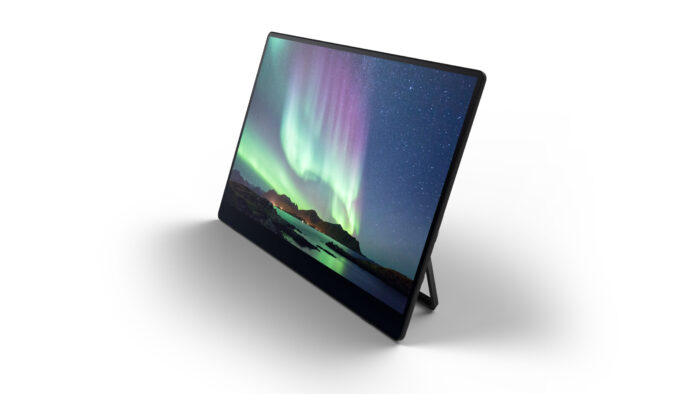

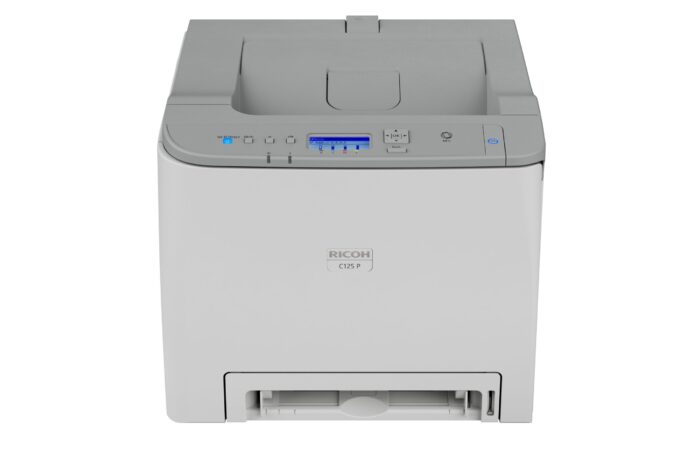
 : 2-Seater All-Terrain Wagon Stroller, Infant Car Seat Adapter, and Anthem2 All-Terrain Stroller Wagon Accessories Set