Are you facing debt with a long-term illness and wondering how you’ll manage your money? Ongoing health issues often mean you end up dealing with unpredictable expenses like travelling to appointments, hospital parking, and prescription charges.
It can be challenging both mentally and physically, and can lead to more stress when you’re already feeling the pressure. These financial extras, as well as time off work and a reduced income, can make falling into debt more likely.
If you’re dealing with a long-term illness and are worried about debt, read our advice on what you can do to deal with your financial situation.
Create a simple budget to make sure your essential living expenses and care costs are taken into account. You can use our free budget template to get started.
Your budget will help you manage your incomings against your outgoings, so you can concentrate on your health instead of worrying about money. It’s also a good way to discover where you could benefit from saving cash.
You’re in work, but can’t attend because you’re ill
You were earning an average of at least £123 per week or more in the two months before you couldn’t work
That means you’ll still get paid a specified amount while you’re off work, paid into your bank account the same way you would usually get your wages.
The current entitlement is £116.75 per week for up to 28 weeks. If you’re struggling to keep up with bills or repayments while off work, this kind of entitlement could ease some of the pressure.
Some employers have their own sick pay schemes, so double check with your HR department what you’re entitled to. If you don’t have an HR department, ask your manager, or check your contract.
Use smart ways to reduce your spending
Even if you’re already on a tight budget, there are loads of ways you can cut back and save smartly. Use an Ofgem approved switching service to find better deals on your utility bills, look out for free evening and weekend call offers from your phone provider, and find out how to save money on your TV packages.
When it comes to your food shop, you could switch to own brand products or start shopping at a better value supermarket. Cheaper food doesn’t mean losing out on taste!
Claim an income tax refund
If you’ve had to stop working due to long-term illness, or have reduced hours because of it, you might be able to get a refund of some of the income tax you’ve paid.
It’s worth contacting HMRC to check if you’re entitled to some money back.
Consider ways to increase your income
We’re not talking about getting another job or going back to work when you’re not ready, because your health must come first. If you’re off work long-term because of your illness, or have a low income as a result, there may be some benefits you’re entitled to.
Use the StepChange benefits calculator to check what you could be missing, and look into any pensions, savings or investments you might have. This’ll help to make sure you’ve got as much money coming in as possible.
Try reducing your rent or mortgage payments
If you’re on a low income and renting, you can apply for a council tax discount. If you’ve got a mortgage, contact your lender or insurance provider to see if you have insurance in place that covers your payments while you’re ill.
You might have mortgage payment protection, critical illness cover, or income protection insurance to help you cover payments. However, bear in mind that any insurance pay-out could affect state benefit claims you make.
Get free advice to deal with debt
If you’re struggling to pay your bills, use the Stepchange online Debt Remedy tool here for advice and practical solutions to deal with your debt, or give their advisors a call.
They will talk through your finances and give you free and impartial debt advice, as well as recommend a debt solution tailored to your situation.
Also, sign up to our free debt help emails here. They will support you as you work to pay off your debts and get better.
Are you facing debt with a long-term illness and wondering how you’ll manage your money? Ongoing health issues often mean you end up dealing with unpredictable expenses like travelling to appointments, hospital parking, and prescription charges.
It can be challenging both mentally and physically, and can lead to more stress when you’re already feeling the pressure. These financial extras, as well as time off work and a reduced income, can make falling into debt more likely.
If you’re dealing with a long-term illness and are worried about debt, read our advice on what you can do to deal with your financial situation.
Create a simple budget to make sure your essential living expenses and care costs are taken into account. You can use our free budget template to get started.
Your budget will help you manage your incomings against your outgoings, so you can concentrate on your health instead of worrying about money. It’s also a good way to discover where you could benefit from saving cash.
You’re in work, but can’t attend because you’re ill
You were earning an average of at least £123 per week or more in the two months before you couldn’t work
That means you’ll still get paid a specified amount while you’re off work, paid into your bank account the same way you would usually get your wages.
The current entitlement is £116.75 per week for up to 28 weeks. If you’re struggling to keep up with bills or repayments while off work, this kind of entitlement could ease some of the pressure.
Some employers have their own sick pay schemes, so double check with your HR department what you’re entitled to. If you don’t have an HR department, ask your manager, or check your contract.
Use smart ways to reduce your spending
Even if you’re already on a tight budget, there are loads of ways you can cut back and save smartly. Use an Ofgem approved switching service to find better deals on your utility bills, look out for free evening and weekend call offers from your phone provider, and find out how to save money on your TV packages.
When it comes to your food shop, you could switch to own brand products or start shopping at a better value supermarket. Cheaper food doesn’t mean losing out on taste!
Claim an income tax refund
If you’ve had to stop working due to long-term illness, or have reduced hours because of it, you might be able to get a refund of some of the income tax you’ve paid.
It’s worth contacting HMRC to check if you’re entitled to some money back.
Consider ways to increase your income
We’re not talking about getting another job or going back to work when you’re not ready, because your health must come first. If you’re off work long-term because of your illness, or have a low income as a result, there may be some benefits you’re entitled to.
Use the StepChange benefits calculator to check what you could be missing, and look into any pensions, savings or investments you might have. This’ll help to make sure you’ve got as much money coming in as possible.
Try reducing your rent or mortgage payments
If you’re on a low income and renting, you can apply for a council tax discount. If you’ve got a mortgage, contact your lender or insurance provider to see if you have insurance in place that covers your payments while you’re ill.
You might have mortgage payment protection, critical illness cover, or income protection insurance to help you cover payments. However, bear in mind that any insurance pay-out could affect state benefit claims you make.
Get free advice to deal with debt
If you’re struggling to pay your bills, use the Stepchange online Debt Remedy tool here for advice and practical solutions to deal with your debt, or give their advisors a call.
They will talk through your finances and give you free and impartial debt advice, as well as recommend a debt solution tailored to your situation.
Also, sign up to our free debt help emails here. They will support you as you work to pay off your debts and get better.
Are you facing debt with a long-term illness and wondering how you’ll manage your money? Ongoing health issues often mean you end up dealing with unpredictable expenses like travelling to appointments, hospital parking, and prescription charges.
It can be challenging both mentally and physically, and can lead to more stress when you’re already feeling the pressure. These financial extras, as well as time off work and a reduced income, can make falling into debt more likely.
If you’re dealing with a long-term illness and are worried about debt, read our advice on what you can do to deal with your financial situation.
Create a simple budget to make sure your essential living expenses and care costs are taken into account. You can use our free budget template to get started.
Your budget will help you manage your incomings against your outgoings, so you can concentrate on your health instead of worrying about money. It’s also a good way to discover where you could benefit from saving cash.
You’re in work, but can’t attend because you’re ill
You were earning an average of at least £123 per week or more in the two months before you couldn’t work
That means you’ll still get paid a specified amount while you’re off work, paid into your bank account the same way you would usually get your wages.
The current entitlement is £116.75 per week for up to 28 weeks. If you’re struggling to keep up with bills or repayments while off work, this kind of entitlement could ease some of the pressure.
Some employers have their own sick pay schemes, so double check with your HR department what you’re entitled to. If you don’t have an HR department, ask your manager, or check your contract.
Use smart ways to reduce your spending
Even if you’re already on a tight budget, there are loads of ways you can cut back and save smartly. Use an Ofgem approved switching service to find better deals on your utility bills, look out for free evening and weekend call offers from your phone provider, and find out how to save money on your TV packages.
When it comes to your food shop, you could switch to own brand products or start shopping at a better value supermarket. Cheaper food doesn’t mean losing out on taste!
Claim an income tax refund
If you’ve had to stop working due to long-term illness, or have reduced hours because of it, you might be able to get a refund of some of the income tax you’ve paid.
It’s worth contacting HMRC to check if you’re entitled to some money back.
Consider ways to increase your income
We’re not talking about getting another job or going back to work when you’re not ready, because your health must come first. If you’re off work long-term because of your illness, or have a low income as a result, there may be some benefits you’re entitled to.
Use the StepChange benefits calculator to check what you could be missing, and look into any pensions, savings or investments you might have. This’ll help to make sure you’ve got as much money coming in as possible.
Try reducing your rent or mortgage payments
If you’re on a low income and renting, you can apply for a council tax discount. If you’ve got a mortgage, contact your lender or insurance provider to see if you have insurance in place that covers your payments while you’re ill.
You might have mortgage payment protection, critical illness cover, or income protection insurance to help you cover payments. However, bear in mind that any insurance pay-out could affect state benefit claims you make.
Get free advice to deal with debt
If you’re struggling to pay your bills, use the Stepchange online Debt Remedy tool here for advice and practical solutions to deal with your debt, or give their advisors a call.
They will talk through your finances and give you free and impartial debt advice, as well as recommend a debt solution tailored to your situation.
Also, sign up to our free debt help emails here. They will support you as you work to pay off your debts and get better.
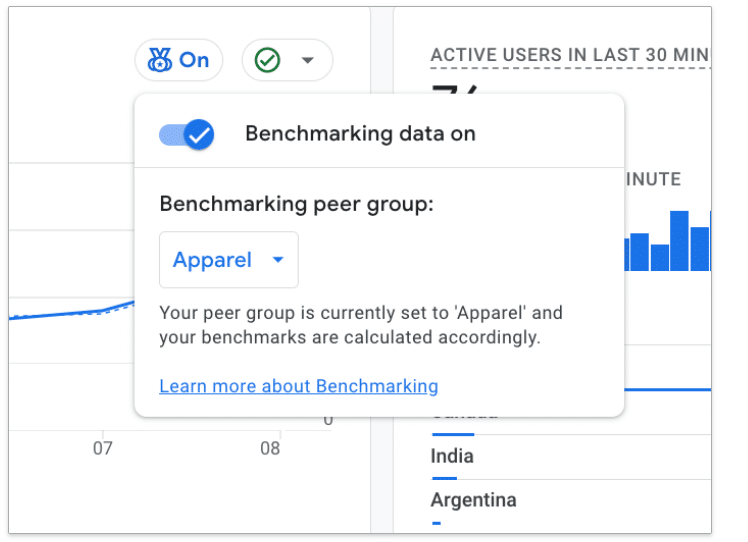
Google rolled out a significant update to Google Analytics 4 (GA4), allowing users to compare their performance with other businesses in their industry.
Why we care: This new feature will provide valuable context for advertisers trying to understand their performance relative to their peers, potentially informing strategic decisions and goal-setting.
How it works.
Users can access benchmarking data if their property has the “Modeling contributions & business insights” setting enabled in Admin > Account Settings.
Benchmarks are refreshed every 24 hours.
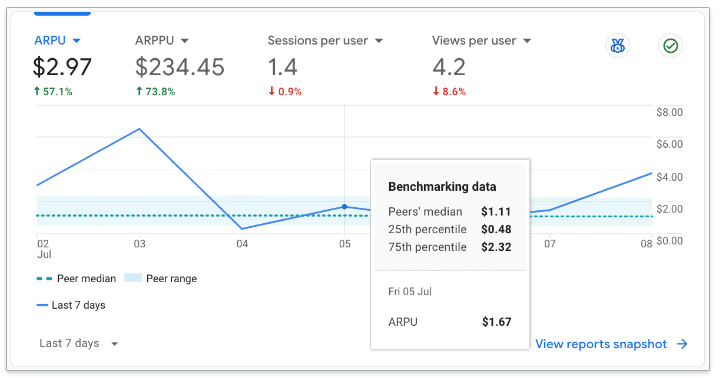
The summary displays:
Your trendline.
Median in your peer group.
Range in your peer group (25th to 75th percentile).
Key features.
Customizable peer groups: Users can select from various categories to find the most relevant comparison group.
Data privacy: Google assures that benchmarking data is encrypted, protected and aggregated to maintain privacy.
Wide range of metrics: Covers acquisition, engagement, retention and monetization.
The big picture. This update addresses a long-standing need in the analytics community for comparative data, allowing businesses to gauge their performance more accurately within their industry context.
What’s next. Users are encouraged to check their GA4 accounts for this new feature and explore how it can enhance their analytics insights.
Investing in your short-term rental business with updated, high-quality products is key to boosting its success. Guests are more likely to leave positive reviews, become repeat customers, and recommend your business when they experience a comfortable, well-equipped stay. Quality furnishings, comfortable bedding, modern amenities, and thoughtful touches not only enhance the overall guest experience but also set your property apart from the competition. Where markets are saturated with short-term rentals, this effort is especially important. Additionally, attention to detail can lead to higher occupancy rates, increased bookings, and the ability to charge premium rates, ultimately driving greater profitability and long-term success for your rental business.
Whether or not you have a knack for interior design, the right products can seamlessly elevate your space. Besides the necessities, what more does your short-term rental business need? We curated a list of wonderful products to enhance the stay of your guests, encouraging that five-star rating your business thrives on! Explore the list below to discover the must-haves that will take your rental to the next level.
DOWNLITE® Hotel & Resort Bedding
Having a one-stop shop you can go to get all your essential bedding for your rental business is so important because it streamlines your purchasing, ensuring consistent quality and convenience while saving time. For short-term rental owners aiming to provide guests with a top-tier experience, DOWNLITE® offers a solution rooted in nearly two decades of expertise in the hospitality industry. Known for supplying bedding to hotels and resorts worldwide, DOWNLITE® understands the importance of a comfortable bed and a restful night’s sleep for your guests. Their Hotel & Resort Bedding line brings modern luxury and long-lasting comfort into your rental property, ensuring your guests feel like they’re enjoying a true home-away-from-home experience.
Photo credit: DOWNLITE®
DOWNLITE®’s World’s Biggest Comforter – 10′ x 10′ Colossal All Season Down Alternative Comforter (Hypoallergenic) keeps your guests cozy all night long on any mattress. Down alternatives like polyester and microfibers offer a comfortable, breathable, and hypoallergenic option for your guests. These materials are allergy-friendly and easy to clean between stays.
DOWNLITE®’s World’s Biggest Comforter is a 10′ x 10′ oversized comforter that ensures there’s always enough to share, preventing nightly cover battles on vacation. Crafted with super soft, 300-thread count cotton and filled with a luxurious hypoallergenic down alternative, it’s perfect for year-round use. Available in White or Gray, with a Blue option coming in October 2024, this all-season comforter features LockShift Construction to keep the fill in place and duvet tabs for added convenience. Ideal for super thick mattresses, it’s made exclusively for DOWNLITE and can be commercially washed—just remember to take it to a dry cleaner for laundering. Retails for $225 at downlitebedding.com.
Photo credit: DOWNLITE®
Outfit your rental property’s bedrooms with ease using DOWNLITE® Down Alternative Soft/Medium Bulk Pillow 10 Pack for Back & Stomach Sleepers. These hypoallergenic polyester-filled pillows, wrapped in crisp 230-thread count cambric cotton, are ideal for stomach and back sleepers, and feature a soft to medium density. They make perfect sham stuffers and are convenient to clean. Designed for convenience, they arrive rolled for eco-friendly shipping—just fluff them up or toss them in the dryer for five minutes. Wonderful for vacation rental properties, this pack ensures comfort for all your guests. Retails for $175 at downlitebedding.com.
Photo credit: DOWNLITE®
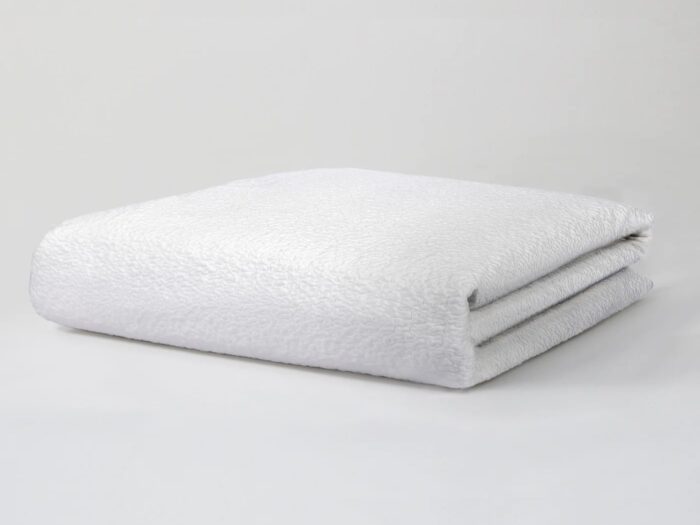
Another fantastic option for your short-term rental home’s bedding is the SilverTemp Clean Sleep Waterproof Cooling Mattress Protector by SleepCare® (Hypoallergenic), offering top-tier protection and comfort for your mattress. Its WaterLock waterproof barrier lasts 2-3 times longer than standard protectors, while the cool touch fabric enhances comfort and wicking. Clean-X-Tech odor treatment keeps your mattress fresh between washes, and the SureGrip® side panels ensure a secure fit on mattresses up to 18” thick. Hypoallergenic and Oeko-Tex® Standard 100 certified, this protector is both safe and easy to care for. Retails starts at $75 at downlitebedding.com.
Oakywood Desk Shelf and Large Modular Drawer
A well-designed office space in your short-term rental business enhances the guest experience by offering a comfortable and productive environment, making it easy to balance work and relaxation during their stay. With Oakywood, the workspace you offer your guests will be comfortable and uplifting due to the blend of wood and technology found in their beautiful products.
Oakywood is a Polish brand founded in the foothills of the Tatra mountains. What started with a wooden smartphone docking station has since grown into a global brand. Despite its expansion, the company remains rooted in the small town of Ciche, where skilled craftsmen handcraft each piece using sustainably sourced materials. Oakywood is committed to quality, durability, and environmental care.
Photo credit: Oakywood
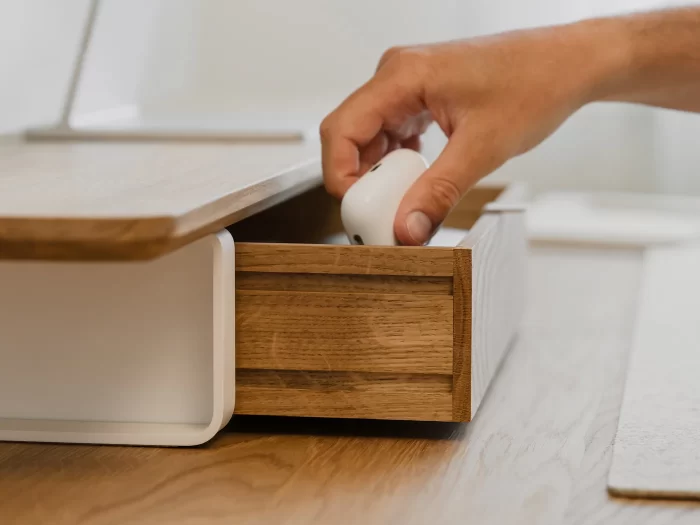
Oakywood’s Desk Shelf offers a smart way to optimize and organize your short-term rental workspace. With enough width to support two monitors or an ultrawide screen, its elevated design frees up space underneath for storing essentials like a keyboard or headphones. Built to hold up to 220 lbs, this shelf is stable and durable. Your space will benefit from its minimalist design as well. You can choose from five different wood colors and two leg styles. Coated with eco-wax oil, the wood remains smooth without closing its pores. On sale for $160 at oakywood.shop.
Photo credit: Oakywood
Oakywood’s Large Modular Drawers are a perfect match for their Desk Shelf, ideal for adding that extra functionality to your short-term rental’s workspace. Designed with identical depth and a stable metal base, these drawers fit right under the desk shelf, providing extra storage for your guests. Made from sturdy solid oak wood and featuring a simple, elegant design, the drawers offer a touch of Japanese-inspired aesthetics while keeping the workspace organized and stylish. Retails for $104 at oakywood.shop.
Antipodean Home Organic Sheet Set
Photo credit: Antipodean Home
Antipodean Home is a regenerative organic bedding brand from New Zealand, inspired by the concept of Kaitiakitanga—living in harmony with nature. Their bedding is crafted from pure, natural materials sourced from New Zealand farms that practice regenerative farming, enhancing the soil’s vitality without the use of harsh chemicals or synthetics. By prioritizing simplicity and comfort, their products are not only better for your guests but also contribute to a healthier planet by combating climate change through natural carbon storage.
Antipodean Home’s Regenerative Organic Cotton Sheets are made from ultra-fine, long-staple organic cotton, crafted using sustainable, regenerative farming methods. With these sheets, your guests will sleep like a dream, as they’re free from harsh chemicals and synthetics and are gentle on sensitive skin. They feature a slightly heavier sateen weave, offering a smooth feel that gets even softer with each wash. These quality sheets will last many stays at your short-term rental business. Eco-conscious guests will love the blend of sustainability and luxury that Antipodean Home brings to their stay. Retails for $189 (Queen) / $199 (King) at antipodeanhome.com.
Vornado ARA Oscillating Tower Fan with Ambient Light and VHEAT Vintage Metal Heater
Having a heater and an air-circulating fan from Vornado in your short-term rental business ensures guests’ comfort in any season, creating a welcoming and versatile environment year-round. Vornado stands apart by redefining comfort for your guests with innovative, attractive designs that go beyond the ordinary. From its headquarters in Andover, Kansas, Vornado continues to lead the industry with a diverse range of products designed for efficiency and year-round comfort, all backed by a commitment to exceptional customer service.
Photo credit: Vornado
Vornado’s ARA Oscillating Tower Fan with Ambient Light is the ultimate blend of power, style, and innovation, offering whole-room circulation with a sleek design. It features Vornado’s most powerful airflow, pushing air at an impressive 1650 FPM, while maintaining quiet operation. The fan’s 90-180º Panoramic Oscillation ensures even distribution throughout the room, keeping guests cool day or night. Its ambient lighting adds a unique, comforting atmosphere to any space, encouraging a relaxing feeling for your guests. With touch-sensitive controls, a 5-speed setting, and a 5-year satisfaction guarantee, the ARA Tower Fan stands out as a luxurious, high-performance addition to your short-term rental. Retails for at $249.99 at vornado.com or Vornado’s Amazon Store.
Photo credit: Vornado
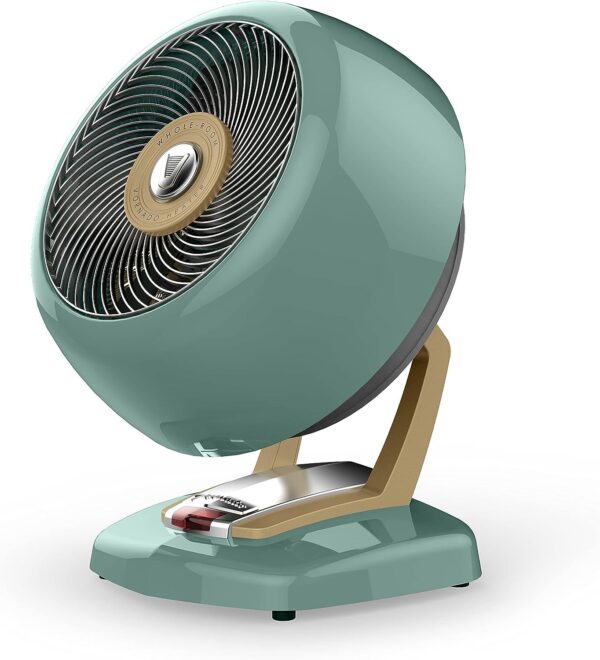
For colder climates and cooler nights, the Vornado VHEAT Space Heater offers your guests the timeless elegance of the iconic 1945 Vornadofan with modern technology. Crafted from durable, all-metal materials, this is a standout piece for any bedroom or living space. The retro-inspired heater offers customizable comfort with two heat settings and a precision mechanical thermostat, allowing guests to fine-tune the warmth to their exact needs. Despite its vintage design, the VHEAT prioritizes safety with advanced features like tip-over protection, a 2-stage auto-shutoff, and a secure grille. Backed by a 5-year warranty and superior support, the VHEAT is a perfect blend of style, functionality, and peace of mind. Retails for $159.95 at Vornado’s Amazon Store.
Fishers Finery 100% Certified Egyptian Cotton 4pc Sheet Set with Gift Box
Photo credit: Fishers Finery
Fishers Finery creates home goods, clothing, and accessories made from silk, cashmere, organic cotton, and bamboo viscose. Known for their award-winning silk pillowcases, Fishers Finery offers products that embody understated elegance and tranquility, inspired by the peaceful simplicity of Fishers Island, off the coast of New London, Connecticut. The Fishers Finery Signature 100% Certified Egyptian Cotton 4pc Sheet Set is just the luxurious touch your guests crave when on vacation. With a 400 thread count, these sheets offer a perfect balance of substance and lightness, ensuring a soft, smooth feel that improves with every wash. The long-staple cotton and sateen weave provide a subtle sheen, adding a touch of elegance to your short-term rental business.
Each Fishers Finery Signature 100% Certified Egyptian Cotton 4pc Sheet Set includes a flat sheet, a fitted sheet, and two pillowcases. The fitted sheet features elastic banding along the entire edge and deep 16” pockets for a secure fit, while convenient side labels make bed dressing a breeze. The pillowcases are designed with an envelope side entry and an 8″ inner flap for a secure hold, adorned with triple needle merrow stitch embroidery for a refined finish. Comes in ‘Brilliant White’, ‘Ivory’, or ‘Paloma Grey’. Retails for $199.99 (California King) at fishersfinery.com.
WS Game Company – Candyland and Monopoly
Photo credit: WS Game Company
Having board games at your short-term rental business enhances guest satisfaction by providing fun, interactive entertainment for the whole family to create memorable experiences during their stay. WS Game Company was established in 2000 by two former employees of Parker Brothers, Milton Bradley, and Hasbro Games. They are the only premium board game manufacturer with a Hasbro license, creating games that double as décor and fit a variety of vacation home aesthetics.
WS Game Company’s Candy Land Vintage Bookshelf Edition offers your guests a full-sized vintage gameboard with graphics adopted from the 1978 edition, a deck of vintage cards, 4 “Frosted” plastic Gingerbread Men playing pieces, and instructions. Kids and adults alike will love playing this edition of Candy Land together on their vacation. The game is all packed in a stylish fabric-wrapped book that displays wonderfully on your rental’s bookshelf. Retails for $42 at wsgamecompany.com.
Photo credit: WS Game Company
Another must-have game for families to enjoy on their vacation is WS Game Company’s Monopoly Heritage Edition, which would look beautiful on your rental’s coffee table or book shelf. This set features a full-size game board, 6 Tokens, Chance, Community Chest, and Title Deed cards, 1 pack of MONOPOLY money, 2 dice, and instructions. Whether or not your guests play the game on their trip, they’ll appreciate the special potential your rental offers their stay. It’s going that little extra mile that gets you those five star ratings your business depends on! Retails for $50 at wsgamecompany.com.
over&back Stackable Stoneware Serving Platter and Stackable Serving Bowl
Photo credit: over&back
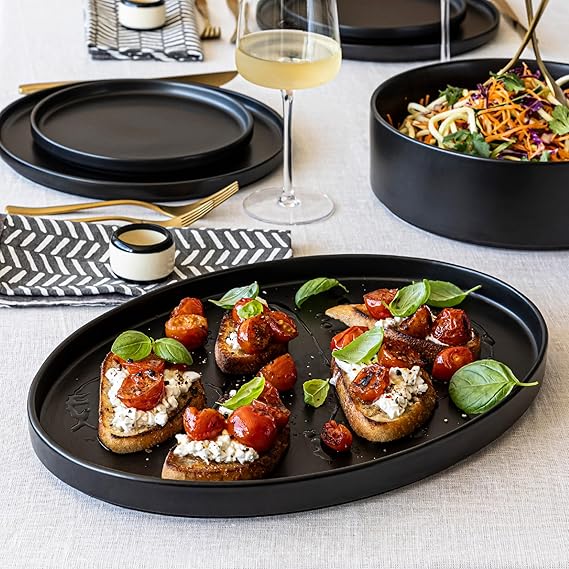
over&back offers your guests all they need to set a beautiful table encouraging a feeling of luxury and vacation vibes. Elevate their dining experience with over&back’s Stackable Stoneware Serving Platter. Made from 100% high-quality stoneware, it’s hand-finished with a natural glaze and is both dishwasher- and microwave-safe. The sleek, stackable design pairs perfectly with other dinnerware pieces, making it a versatile addition to any table. This platter adds a touch of elegance to every guest’s stay, helping you get those five-star ratings your short-term rental business thrives on. Retails for $62.49 at the over&back Amazon Store.
Photo credit: over&back
Don’t forget over&back’s Stackable Serving Bowl, featuring a versatile design that allows it to be used as a serving dish for guests or as a decorative accent piece when not in use. Made from high-quality, hand-finished stoneware, this bowl is durable, dishwasher- and microwave-safe, and easy to mix and match with other tableware. Its stackable design makes it a space-saving addition to any kitchen, and its modern profile ensures it blends seamlessly with any decor. Retails for $49.99 at over&back’s Amazon Store.
The tableware from over&back doesn’t end here. They offer great Stoneware Multicolored Ramekins that offer your guests versatile ways to serve their tapas and snacks enjoyed on your rental’s beautiful outdoor setting.
Mulberry Park Silks – 22 Momme White Silk Pillowcase & Plum Silk Sleep Mask Gift Sets
Photo credit: Mulberry Park Silks
Located in the seaside town of Branford, Connecticut, Mulberry Park Silks carries on the state’s rich textile legacy by offering the finest silk pillowcases, bedding, and accessories, all crafted with the same dedication to quality and value that has been passed down through generations. Mulberry Park Silks’ Silk Pillowcases are a great option for short-term rentals because they add that touch of luxury and comfort your guests are looking for while on a memorable vacation. You can even take it a step further and add a sleep mask on the guest’s pillow for an added luxurious touch. Both a silk pillowcase and a sleep mask are offered in the Mulberry Park Silk 22 Momme White Silk Pillowcase & Plum Silk Sleep Mask Gift Set.
This dreamy duo, crafted from 100% Grade 6A Mulberry silk, offers your guests a vacation-worthy slumber while protecting their hair and skin. The double-sided pillowcase with a hidden zipper closure minimizes friction to prevent bedhead, tangles, and wrinkles, while the silk sleep mask’s generous size and light-blocking design ensure deep, uninterrupted rest. Your guests will love that both items are hypoallergenic, regulate sleep temperature, and are OEKO-TEX® STANDARD 100 certified for safety and eco-friendliness. On sale now for $123.25 (Standard) / $135 (King) at mulberryparksilks.com.
CUCKOO 6-Cup Micom Rice Cooker (CR-0631F)
Photo credit: CUCKOO
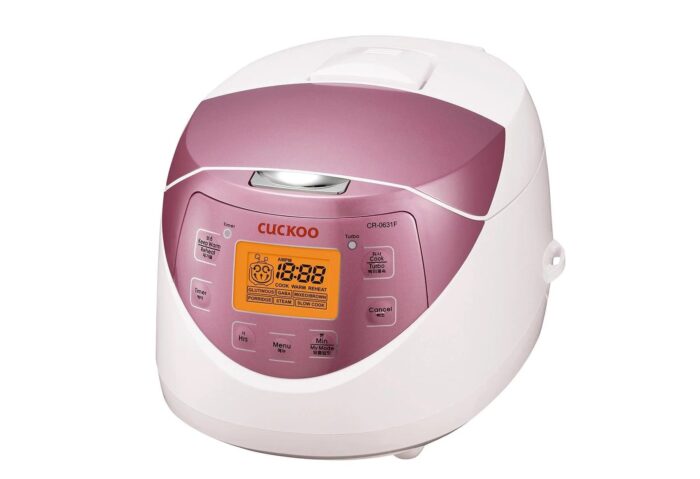
CUCKOO’s 6-Cup Micom Rice Cooker (CR-0631F) is an exceptional mid-priced kitchen staple your culinary guests will appreciate. This versatile appliance comes equipped with preset functions that allow users to effortlessly cook their favorite rice and grains to perfection, while also preparing soups, stews, and seared meats. With features like a reheat function for leftovers, a keep-warm mode to maintain ideal serving temperatures, and a preset timer for convenience, this rice cooker ensures that mealtime is always easy and delicious. Its turbo mode can deliver perfectly cooked white rice in under 35 minutes, making it ideal for quick meals.
Beyond its cooking capabilities, the CUCKOO’s CR-0631F offers customizable options with My Mode, enabling guests to tailor the texture and flavor of the rice to exact preferences. The user-friendly digital controls, modern LCD display, and Fuzzy Logic Technology guarantee consistently flawless results. With a nonstick inner pot, detachable inner lid, and excess water drainage tray, cleanup is as simple as cooking. Backed by CUCKOO’s 40 years of experience and trusted quality, this rice cooker is designed for reliability and performance, making it a must-have for any short-term rental business. On sale for $87.99 at cuckooamerica.com.
Uncommon Goods – Rainbow Ceramic Chime Duo
Photo credit: Uncommon Goods
Does your short-term rental business have a lovely garden or comfortable patio space your guests can enjoy? Outfit the space with Uncommon Goods’ garden decor and give that extra-special touch to your guests. Uncommon Goods is an online marketplace that offers your rental unique, handcrafted, and creatively designed products from independent makers and small businesses across the globe.
Uncommon Goods’ Rainbow Ceramic Chime by Lindsey Bricker brings the soothing sounds of a gentle breeze to life. Crafted by hand from stoneware discs, each chime is tinted with special pigments and fired at over 200 degrees Fahrenheit, creating a beautiful, rainbow-inspired piece of art. Whether hung indoors or outdoors, these chimes sway in the wind, inspiring your guests with a serene melody that adds a touch of comfort and calm. Made in Colorado, they are a perfect blend of art and nature. Retails for $84 at uncommongoods.com.
Full Circle Clean Sweep and Stash
Full Circle is a company dedicated to creating sustainable home care products for your short-term rental that are both beautifully designed and functionally innovative. Since its launch in 2009, the brand has expanded from 10 cleaning tools to a wide range of products across categories like cleaning, composting, storage, and hydration. Committed to conserving resources and minimizing waste, Full Circle crafts durable items from earth-friendly materials, inspiring better choices for a healthier, more balanced lifestyle.
Photo credit: Full Circle
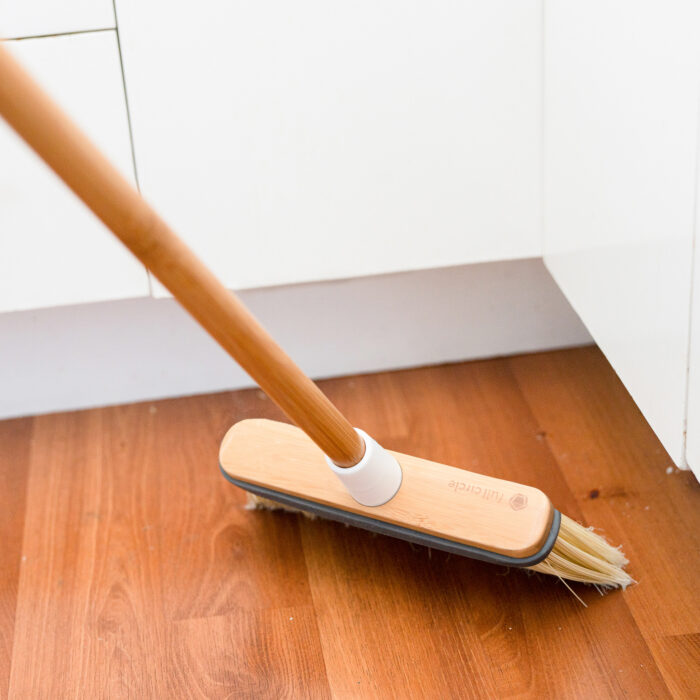
Full Circle’s Clean Sweep is a great and stylish broom for your guests to pick up dust and dirt efficiently. Of course, guests are on vacation and aren’t expected to be completely tidy. However, providing a stylish broom allows your guests to easily maintain cleanliness during their stay, enhancing their comfort and overall experience. This broom features a sustainable bamboo handle and efficient recycled plastic bristles and its slim design hangs for easy storage. Because it’s so stylish, it might not feel like a vacation chore! Retails for $34.99 at fullcirclehome.com.
Photo credit: Full Circle
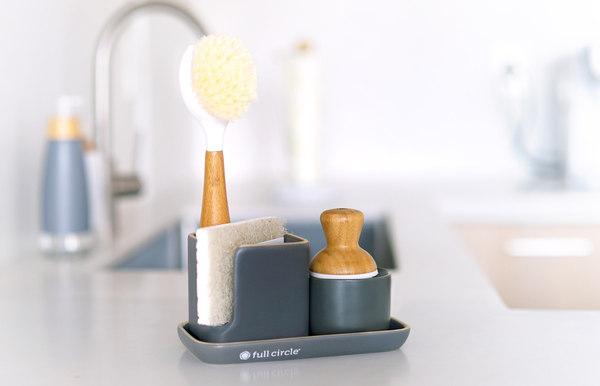
Enhance your short-term rental with Full Circle’s The Stash, a modular ceramic sink-side organizer designed for functional and flexible storage. Its streamlined, low-profile tray and caddy design make it perfect for saving space on your sink and countertops. The easy-to-clean ceramic composition ensures durability, while the built-in sponge drying nook adds convenience for your guests. Available in three stylish color combinations—White/Gray, Gray/White, and White/Green—this compact organizer (7.87″ x 4.24″ x 4.25″) seamlessly blends into any kitchen, helping maintain a tidy and inviting space. Retails for $19.99 at fullcirclehome.com.
Sijo Eucalyptus Mattress Protector and 100% Organic SATEEN Cotton Sheet Set
Photo credit: SIJO
SIJO was born after the founders experienced the exhausting demands of daily life, realizing the importance of a good night’s sleep. SIJO understands that wellness starts with intentional choices you must make for your guests’ stays. Named after a form of poetry, SIJO aims to deliver sensorial superior bedding that promotes quality rest and better tomorrows, leaving your guests well-rested and satisfied.
SIJO’s Eucalyptus Mattress Protector offers your short-term rental business the perfect blend of sustainability and comfort. Made from TENCEL lyocell fiber, derived from FSC & PEFC-certified eucalyptus wood, this protector is naturally cool, soft, and moisture-wicking, ensuring a comfortable sleep. Its waterproof design features a recycled polyester backing and skirts, providing effective protection for your mattress. On sale for $48 at sijohome.com.
Photo credit: SIJO
SIJO’s 100% Organic SATEEN Cotton Sheet Set is GOTS-Certified and made from premium long-staple cotton. This sheet set features a silky smooth texture and a subtle sheen, adding a touch of elegance to your vacation rental’s bedroom. With a 400 thread count and a sateen weave, these sheets are supremely soft, durable, and breathable, making them perfect for year-round comfort. Crafted from 100% organic cotton and sourced from India, these sheets meet global standards for eco-friendliness and safety. On sale for $68 at sijohome.com.
Bamboozle Mega Baking Bundle
Photo credit: Bamboozle
Transform your short-term rental kitchen into a sustainable, stylish space with Bamboozle’s Mega Baking Bundle. This complete set includes 7-Piece Mixing Bowls, Measuring Cups, Measuring Spoons, and their innovative silicone Mixing Bowl Lids. All pieces are made from biodegradable bamboo, which is durable, antibacterial, lightweight, easy to grow and harvest without damaging the soil, and helps prevent soil erosion. You and your guests will appreciate that these bamboo baking tools are dishwasher safe, ensuring easy cleanup. However, to maintain their quality, please avoid microwaving the mixing bowls, measuring cups, and measuring spoons.
With perfectly matched measuring tools, Bamboozle’s Mega Baking Bundle not only adds convenience but also aesthetic appeal with fun color combinations. The fitted silicone lids allow guests to store prepared ingredients or meals with ease, making their stay even more functional and enjoyable. On sale for $70 at bamboozlehome.com.
Fortessa Tableware Solutions Jupiter Clear Pitcher (35.5oz) + Double Old Fashioned (10oz) Set
Photo credit: Fortessa Tableware Solutions
Offering your guests stunning drinkware from Fortessa Tableware Solutions during their stay adds that special touch they’re seeking, making their vacation experience even more memorable. Inspired by Parisian flea market finds, their Juniper collection from Fortessa showcases a stunning array of drinkware adorned with delicate beaded detailing, brightening any table setting.
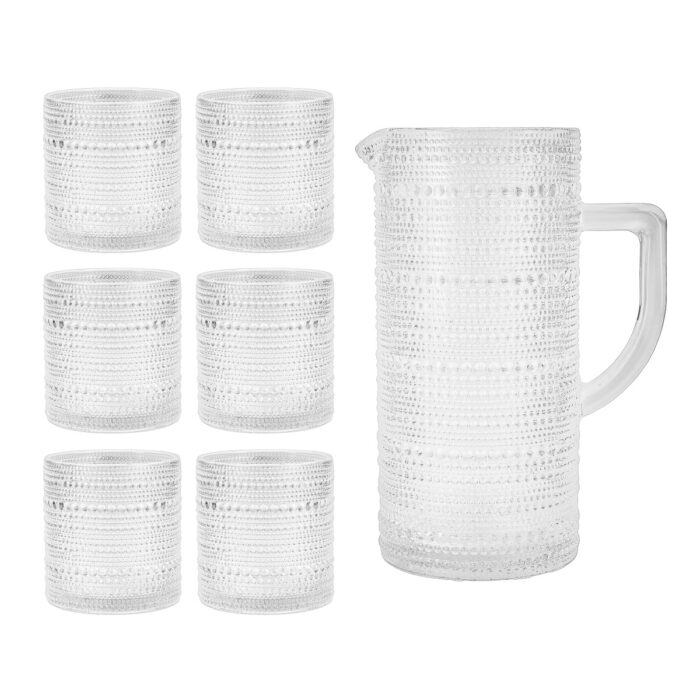
Fortessa Tableware Solutions’s Jupiter Clear Pitcher (35.5oz) + Double Old Fashioned (10oz) Set enables your guests to serve a wide range of beverages, from refreshing mojitos to juice and water. In this set, your guests will enjoy a 35.5ox Pitcher and 6 10oz Double Old Fashioned Glasses to serve their favorite beverages in. Each piece from this set is so durable and makes a delightful statement in your rental kitchen. Retails for $60 at fortessa.com.
Google rolled out a significant update to Google Analytics 4 (GA4), allowing users to compare their performance with other businesses in their industry.
Why we care: This new feature will provide valuable context for advertisers trying to understand their performance relative to their peers, potentially informing strategic decisions and goal-setting.
How it works.
Users can access benchmarking data if their property has the “Modeling contributions & business insights” setting enabled in Admin > Account Settings.
Benchmarks are refreshed every 24 hours.
The summary displays:
Your trendline.
Median in your peer group.
Range in your peer group (25th to 75th percentile).
Key features.
Customizable peer groups: Users can select from various categories to find the most relevant comparison group.
Data privacy: Google assures that benchmarking data is encrypted, protected and aggregated to maintain privacy.
Wide range of metrics: Covers acquisition, engagement, retention and monetization.
The big picture. This update addresses a long-standing need in the analytics community for comparative data, allowing businesses to gauge their performance more accurately within their industry context.
What’s next. Users are encouraged to check their GA4 accounts for this new feature and explore how it can enhance their analytics insights.
Are you facing debt with a long-term illness and wondering how you’ll manage your money? Ongoing health issues often mean you end up dealing with unpredictable expenses like travelling to appointments, hospital parking, and prescription charges.
It can be challenging both mentally and physically, and can lead to more stress when you’re already feeling the pressure. These financial extras, as well as time off work and a reduced income, can make falling into debt more likely.
If you’re dealing with a long-term illness and are worried about debt, read our advice on what you can do to deal with your financial situation.
Create a simple budget to make sure your essential living expenses and care costs are taken into account. You can use our free budget template to get started.
Your budget will help you manage your incomings against your outgoings, so you can concentrate on your health instead of worrying about money. It’s also a good way to discover where you could benefit from saving cash.
You’re in work, but can’t attend because you’re ill
You were earning an average of at least £123 per week or more in the two months before you couldn’t work
That means you’ll still get paid a specified amount while you’re off work, paid into your bank account the same way you would usually get your wages.
The current entitlement is £116.75 per week for up to 28 weeks. If you’re struggling to keep up with bills or repayments while off work, this kind of entitlement could ease some of the pressure.
Some employers have their own sick pay schemes, so double check with your HR department what you’re entitled to. If you don’t have an HR department, ask your manager, or check your contract.
Use smart ways to reduce your spending
Even if you’re already on a tight budget, there are loads of ways you can cut back and save smartly. Use an Ofgem approved switching service to find better deals on your utility bills, look out for free evening and weekend call offers from your phone provider, and find out how to save money on your TV packages.
When it comes to your food shop, you could switch to own brand products or start shopping at a better value supermarket. Cheaper food doesn’t mean losing out on taste!
Claim an income tax refund
If you’ve had to stop working due to long-term illness, or have reduced hours because of it, you might be able to get a refund of some of the income tax you’ve paid.
It’s worth contacting HMRC to check if you’re entitled to some money back.
Consider ways to increase your income
We’re not talking about getting another job or going back to work when you’re not ready, because your health must come first. If you’re off work long-term because of your illness, or have a low income as a result, there may be some benefits you’re entitled to.
Use the StepChange benefits calculator to check what you could be missing, and look into any pensions, savings or investments you might have. This’ll help to make sure you’ve got as much money coming in as possible.
Try reducing your rent or mortgage payments
If you’re on a low income and renting, you can apply for a council tax discount. If you’ve got a mortgage, contact your lender or insurance provider to see if you have insurance in place that covers your payments while you’re ill.
You might have mortgage payment protection, critical illness cover, or income protection insurance to help you cover payments. However, bear in mind that any insurance pay-out could affect state benefit claims you make.
Get free advice to deal with debt
If you’re struggling to pay your bills, use the Stepchange online Debt Remedy tool here for advice and practical solutions to deal with your debt, or give their advisors a call.
They will talk through your finances and give you free and impartial debt advice, as well as recommend a debt solution tailored to your situation.
Also, sign up to our free debt help emails here. They will support you as you work to pay off your debts and get better.
Are you facing debt with a long-term illness and wondering how you’ll manage your money? Ongoing health issues often mean you end up dealing with unpredictable expenses like travelling to appointments, hospital parking, and prescription charges.
It can be challenging both mentally and physically, and can lead to more stress when you’re already feeling the pressure. These financial extras, as well as time off work and a reduced income, can make falling into debt more likely.
If you’re dealing with a long-term illness and are worried about debt, read our advice on what you can do to deal with your financial situation.
Create a simple budget to make sure your essential living expenses and care costs are taken into account. You can use our free budget template to get started.
Your budget will help you manage your incomings against your outgoings, so you can concentrate on your health instead of worrying about money. It’s also a good way to discover where you could benefit from saving cash.
You’re in work, but can’t attend because you’re ill
You were earning an average of at least £123 per week or more in the two months before you couldn’t work
That means you’ll still get paid a specified amount while you’re off work, paid into your bank account the same way you would usually get your wages.
The current entitlement is £116.75 per week for up to 28 weeks. If you’re struggling to keep up with bills or repayments while off work, this kind of entitlement could ease some of the pressure.
Some employers have their own sick pay schemes, so double check with your HR department what you’re entitled to. If you don’t have an HR department, ask your manager, or check your contract.
Use smart ways to reduce your spending
Even if you’re already on a tight budget, there are loads of ways you can cut back and save smartly. Use an Ofgem approved switching service to find better deals on your utility bills, look out for free evening and weekend call offers from your phone provider, and find out how to save money on your TV packages.
When it comes to your food shop, you could switch to own brand products or start shopping at a better value supermarket. Cheaper food doesn’t mean losing out on taste!
Claim an income tax refund
If you’ve had to stop working due to long-term illness, or have reduced hours because of it, you might be able to get a refund of some of the income tax you’ve paid.
It’s worth contacting HMRC to check if you’re entitled to some money back.
Consider ways to increase your income
We’re not talking about getting another job or going back to work when you’re not ready, because your health must come first. If you’re off work long-term because of your illness, or have a low income as a result, there may be some benefits you’re entitled to.
Use the StepChange benefits calculator to check what you could be missing, and look into any pensions, savings or investments you might have. This’ll help to make sure you’ve got as much money coming in as possible.
Try reducing your rent or mortgage payments
If you’re on a low income and renting, you can apply for a council tax discount. If you’ve got a mortgage, contact your lender or insurance provider to see if you have insurance in place that covers your payments while you’re ill.
You might have mortgage payment protection, critical illness cover, or income protection insurance to help you cover payments. However, bear in mind that any insurance pay-out could affect state benefit claims you make.
Get free advice to deal with debt
If you’re struggling to pay your bills, use the Stepchange online Debt Remedy tool here for advice and practical solutions to deal with your debt, or give their advisors a call.
They will talk through your finances and give you free and impartial debt advice, as well as recommend a debt solution tailored to your situation.
Also, sign up to our free debt help emails here. They will support you as you work to pay off your debts and get better.
Are you facing debt with a long-term illness and wondering how you’ll manage your money? Ongoing health issues often mean you end up dealing with unpredictable expenses like travelling to appointments, hospital parking, and prescription charges.
It can be challenging both mentally and physically, and can lead to more stress when you’re already feeling the pressure. These financial extras, as well as time off work and a reduced income, can make falling into debt more likely.
If you’re dealing with a long-term illness and are worried about debt, read our advice on what you can do to deal with your financial situation.
Create a simple budget to make sure your essential living expenses and care costs are taken into account. You can use our free budget template to get started.
Your budget will help you manage your incomings against your outgoings, so you can concentrate on your health instead of worrying about money. It’s also a good way to discover where you could benefit from saving cash.
You’re in work, but can’t attend because you’re ill
You were earning an average of at least £123 per week or more in the two months before you couldn’t work
That means you’ll still get paid a specified amount while you’re off work, paid into your bank account the same way you would usually get your wages.
The current entitlement is £116.75 per week for up to 28 weeks. If you’re struggling to keep up with bills or repayments while off work, this kind of entitlement could ease some of the pressure.
Some employers have their own sick pay schemes, so double check with your HR department what you’re entitled to. If you don’t have an HR department, ask your manager, or check your contract.
Use smart ways to reduce your spending
Even if you’re already on a tight budget, there are loads of ways you can cut back and save smartly. Use an Ofgem approved switching service to find better deals on your utility bills, look out for free evening and weekend call offers from your phone provider, and find out how to save money on your TV packages.
When it comes to your food shop, you could switch to own brand products or start shopping at a better value supermarket. Cheaper food doesn’t mean losing out on taste!
Claim an income tax refund
If you’ve had to stop working due to long-term illness, or have reduced hours because of it, you might be able to get a refund of some of the income tax you’ve paid.
It’s worth contacting HMRC to check if you’re entitled to some money back.
Consider ways to increase your income
We’re not talking about getting another job or going back to work when you’re not ready, because your health must come first. If you’re off work long-term because of your illness, or have a low income as a result, there may be some benefits you’re entitled to.
Use the StepChange benefits calculator to check what you could be missing, and look into any pensions, savings or investments you might have. This’ll help to make sure you’ve got as much money coming in as possible.
Try reducing your rent or mortgage payments
If you’re on a low income and renting, you can apply for a council tax discount. If you’ve got a mortgage, contact your lender or insurance provider to see if you have insurance in place that covers your payments while you’re ill.
You might have mortgage payment protection, critical illness cover, or income protection insurance to help you cover payments. However, bear in mind that any insurance pay-out could affect state benefit claims you make.
Get free advice to deal with debt
If you’re struggling to pay your bills, use the Stepchange online Debt Remedy tool here for advice and practical solutions to deal with your debt, or give their advisors a call.
They will talk through your finances and give you free and impartial debt advice, as well as recommend a debt solution tailored to your situation.
Also, sign up to our free debt help emails here. They will support you as you work to pay off your debts and get better.
Are you facing debt with a long-term illness and wondering how you’ll manage your money? Ongoing health issues often mean you end up dealing with unpredictable expenses like travelling to appointments, hospital parking, and prescription charges.
It can be challenging both mentally and physically, and can lead to more stress when you’re already feeling the pressure. These financial extras, as well as time off work and a reduced income, can make falling into debt more likely.
If you’re dealing with a long-term illness and are worried about debt, read our advice on what you can do to deal with your financial situation.
Create a simple budget to make sure your essential living expenses and care costs are taken into account. You can use our free budget template to get started.
Your budget will help you manage your incomings against your outgoings, so you can concentrate on your health instead of worrying about money. It’s also a good way to discover where you could benefit from saving cash.
You’re in work, but can’t attend because you’re ill
You were earning an average of at least £123 per week or more in the two months before you couldn’t work
That means you’ll still get paid a specified amount while you’re off work, paid into your bank account the same way you would usually get your wages.
The current entitlement is £116.75 per week for up to 28 weeks. If you’re struggling to keep up with bills or repayments while off work, this kind of entitlement could ease some of the pressure.
Some employers have their own sick pay schemes, so double check with your HR department what you’re entitled to. If you don’t have an HR department, ask your manager, or check your contract.
Use smart ways to reduce your spending
Even if you’re already on a tight budget, there are loads of ways you can cut back and save smartly. Use an Ofgem approved switching service to find better deals on your utility bills, look out for free evening and weekend call offers from your phone provider, and find out how to save money on your TV packages.
When it comes to your food shop, you could switch to own brand products or start shopping at a better value supermarket. Cheaper food doesn’t mean losing out on taste!
Claim an income tax refund
If you’ve had to stop working due to long-term illness, or have reduced hours because of it, you might be able to get a refund of some of the income tax you’ve paid.
It’s worth contacting HMRC to check if you’re entitled to some money back.
Consider ways to increase your income
We’re not talking about getting another job or going back to work when you’re not ready, because your health must come first. If you’re off work long-term because of your illness, or have a low income as a result, there may be some benefits you’re entitled to.
Use the StepChange benefits calculator to check what you could be missing, and look into any pensions, savings or investments you might have. This’ll help to make sure you’ve got as much money coming in as possible.
Try reducing your rent or mortgage payments
If you’re on a low income and renting, you can apply for a council tax discount. If you’ve got a mortgage, contact your lender or insurance provider to see if you have insurance in place that covers your payments while you’re ill.
You might have mortgage payment protection, critical illness cover, or income protection insurance to help you cover payments. However, bear in mind that any insurance pay-out could affect state benefit claims you make.
Get free advice to deal with debt
If you’re struggling to pay your bills, use the Stepchange online Debt Remedy tool here for advice and practical solutions to deal with your debt, or give their advisors a call.
They will talk through your finances and give you free and impartial debt advice, as well as recommend a debt solution tailored to your situation.
Also, sign up to our free debt help emails here. They will support you as you work to pay off your debts and get better.









 All Season Down Alternative Comforter (Hypoallergenic) keeps your guests cozy all night long on any mattress. Down alternatives like polyester and microfibers offer a comfortable, breathable, and hypoallergenic option for your guests. These materials are allergy-friendly and easy to clean between stays.