Home Business Magazine Online
With the holidays approaching, you’re probably thinking about what to gift the special people in your life for the celebrations. Perhaps there is a special dadpreneur on your list. Dadpreneurs are hard-working individuals. Every day they juggle running their businesses, spending time with their families, taking care of their kids, and maybe traveling here and there. The holidays are the perfect time to show appreciation with a special gift he will love. Men can be difficult to shop for and it is often even more confusing to navigate the shopping malls filtering through the endless items. So, we’ve compiled a list of wonderful holiday gifts dadpreneurs will love. From delicious foods he’ll enjoy to clothing he will love to wear, below are 22 products that make fantastic gifts.
Canon FORMULA DR-S250N
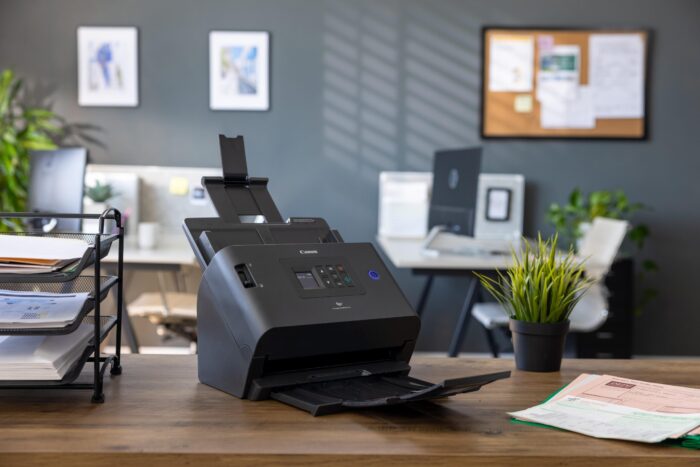
Business owners deal with a lot of paperwork, much of which should be properly stored and secured for future reference. Therefore, a quality Canon scanner that handles the endless paperwork coming across your dadpreneur’s desk is a must-have. Canon’s new powerhouse imageFORMULA DR-S250N can handle the job. Made for office scanning, this scanner scans large batches of documents quickly and easily. The new office document scanner is compact, easy to use, and flexible and can scan up to 50 pages per minute! Business owners will appreciate that the scanner scans both sides of a document at the same time and produces corresponding high-quality images. This means he can say goodbye to those stacks of paper cluttering up his home office – and he can deal with them swiftly!
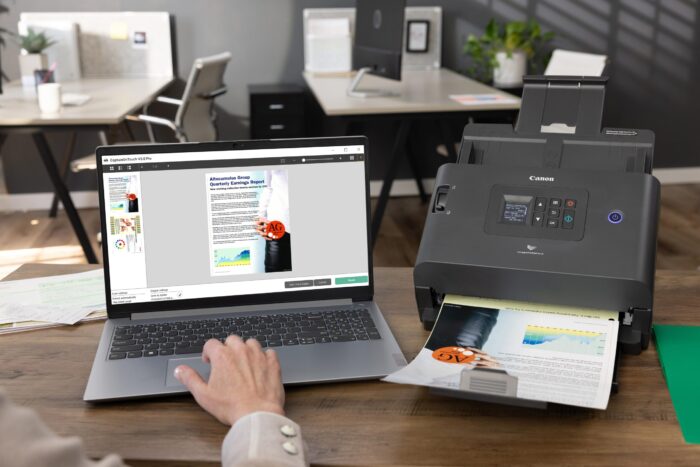
The imageFORMULA DR-S250N has built-in software giving entrepreneurs the ability to operate the scanner with any browser-enabled compatible smart device. This is accomplished through QR code scanning which enables users to scan without the time-consuming need to install an app. Dad just needs to plug it in and start scanning. imageFORMULA DR-S250N works with any browser-enabled Windows, Mac, and Chrome computers through Canon’s scanning software and can connect through Ethernet, USB, or Wi-Fi connection to desktops, laptops, and tablets. The DR-S250 handles a wide range of file formats and can handle a variety of different media, including documents, business cards, plastic or embossed cards, passports, and more.
Entrepreneurs will appreciate that imageFORMULA DR-S250N is mindfully designed for readability and usability that includes a superb viewing angle, high brightness and contrast, and fast response time. Additionally, it displays messages and network information, and Dad can input text with the buttons on the body of the scanner. For such a powerful scanner, he will appreciate its compact design fits easily on his desktop, giving space and organization to his desk. He will appreciate the scanner comes with a three-year limited warranty, giving the peace of mind that the scanner is protected. Retails for $895 at usa.canon.com.
Oliver Charles All-Season Crew Neck

Oliver Charles makes a single sweater for all of life – an ideal combination of cozy comfort, professional style, and durability, perfect for busy dads and dadpreneurs. Whether he is juggling big decisions, crushing back-to-back meetings, going out to dinner, or taking the kids to school, an Oliver Charles sweater will carry him effortlessly through his journey.
Oliver Charles’s All-Season Crew Neck is made from soft down wool of high-elevation Tibetan yak which is called khullu. This material is easy to care for and is soft like cashmere. Khullu is temperature-regulating and odor-resistant, making it ideal for all of Dad’s outdoor adventures. Its ultra-fine natural fibers are soft for sensitive skin, yet the fabric is durable. Busy entrepreneurs will love that they can wash their Oliver Charles sweaters in the washing machine without worry of ruining them. He’ll also love that it naturally forms to his figure, has roomy armpits (no riding up or pinching), and an accommodating length for longer arms and taller torsos. Your special dadpreneur will love that his Oliver Charles sweater can last a lifetime. And if it ever gets holes or snagged threads, he can send it back to Oliver Charles and they will restore it as best they can. This handsome sweater comes in multiple classic shades. Retails for $250 at oliver-charles.com.
GRAMS28 159 Folio Pro

GRAMS28 was born out of a desire to unite quality, fashion, and function and has been revolutionizing the luxury market since its inception. A holiday gift any dadpreneur will love and utilize is a folio from GRAMS28. A top-quality folio gives Dad the confidence and functionality to move throughout his days of business travel, appointments, and meetings where he needs to make an impression. GRAMS28 products feature thoughtful and timeless designs with great functionality, practicality, and style that entrepreneurs prioritize. All creations are made from high-quality Italian leather sourced reliably and ethically.
GRAMS28’s 159 Folio Pro has a timeless and stylish appearance any dadpreneur will love to carry. But exceptional style isn’t where it ends with this folio. Its thoughtful design holds everything Dad needs for work and offers just the right amount of pockets for organizing all of his belongings. It has a front zip pocket, a back slot, an interior padded sleeve, and internal organizing smaller pockets and is designed so he can reach all of his belongings even without looking. The interior padded sleeve protects and keeps his laptop and other tech items safe when he is commuting and traveling. This sleeve can hold up to a 16″ laptop. He can attach an included adjustable strap when he wants to carry his bag hands-free.
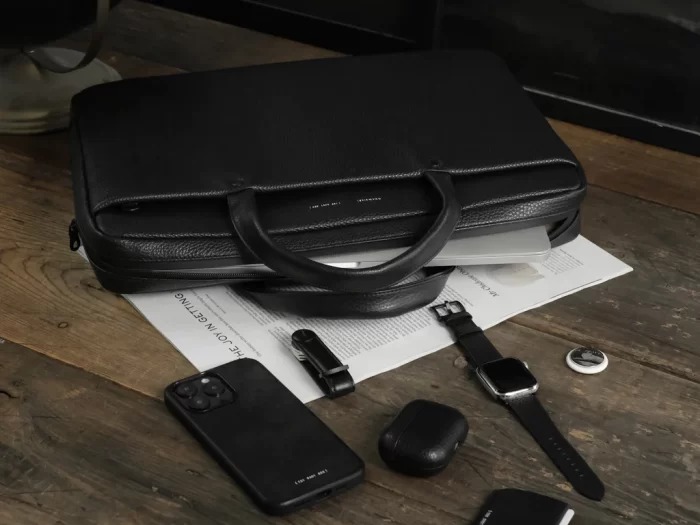
The handsome appearance of the GRAMS28 159 Folio Pro is also due to the finest Italian leather it is made of. Its leather is tanned by the Gruppo Mastrotto tannery in Italy and is handcrafted with pride by its artisans. Entrepreneurs will appreciate the leather has a sustainable origin as it is certified by the Leather Working Group (LWG). Its dimensions are 42 W x 28 H x 5 D cm ( 16.5” W x 11” H x 1.9″ D ) and is backed by a lifetime guarantee. Each folio has its unique code that is embossed in white and modestly placed on the front. This code corresponds to the folio’s style number, material provider, material type, and the craftsmen who made it. All this information informs Dad of the origins and cost breakdown behind his folio, giving him transparency and confidence in what he owns. The truly handsome and mindful GRAMS28’s 159 Folio Pro is a gift your dadpreneur will love for years. Retails for $449 at grams28.com.
Samuel Hubbard Uptown Maverick
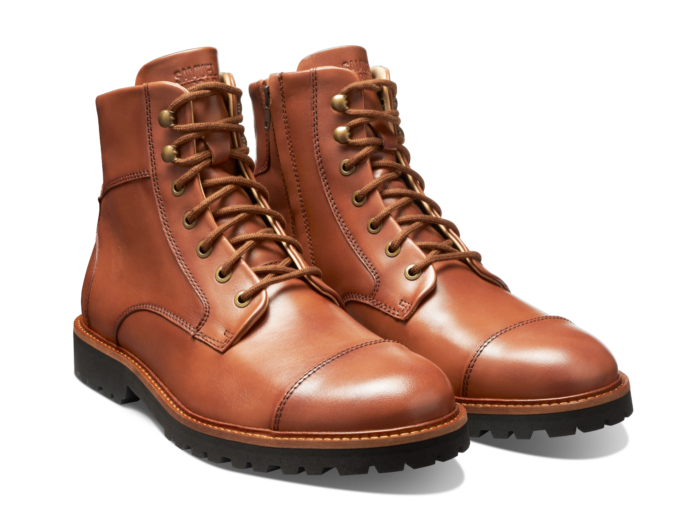
Samuel Hubbard creates shoes that make feet smile. They’re ever so comfortable and supportive, are made from high-quality materials, and most of their shoes can be resoled making them last. Samuel Hubbard is headquartered in the beautiful San Francisco Bay Area and their quality shoes are handcrafted in Portugal. Samuel Hubbard shoes feature soft, luxurious leathers, German-made 100% Merino wool, and premium shearling.
Samuel Hubbard’s Uptown Maverick are detailed leather side-zipper boots that are perfect to gift any dadpreneur this holiday. These boots are perfect for creative meetings with his team or walking through downtown to grab a coffee or bite to eat. They feature luxurious, buttery-soft leather and nubuck uppers, lightweight shanks providing sturdy arch support, custom Vibram® soles putting a spring in his stride and providing all-day support, as well as the possibility to be re-soled. Entrepreneurs will appreciate the versatility the Uptown Maverick brings to his wardrobe in that they can be dressed up or down as needed. They come in the colors ‘Pebbled Brown Nubuck’, ‘Black’, and ‘Whiskey Tan Leather’. Retails for $295 at samuelhubbard.com.
MossPure Minis – Live Moss Air Filter

Moss Pure products offer one’s space a contemporary style with the added benefit of being good for one’s health and the environment. Most most-based companies use preserved moss or dried moss, which is not living or long-lasting and gives off a chemical odor. Moss Pure uses live moss and is the world’s only live-moss air filter and stress relief device. Only with live moss can one enjoy its benefits of air purification. Moss Pure products improve the air’s quality of carbon dioxide, particulate matter (dust, allergens), volatile organic compounds, metals, bacteria, and viruses.
A perfect holiday gift dadpreneurs will enjoy is the MossPure Minis. These are low maintenance which is necessary for the busy entrepreneur who may not have time to prioritize watering plants. No watering, sunlight, or maintenance is needed with MossPure Minis. This also means Dad can put his Minis anywhere he needs regardless of light for that aesthetic boost – perfect for his home office. The MossPure Minis come in a set of three glass Mini Moss Decor. Everything included in the set is natural, including the glass, live moss, succulents, and cacti. Retails for $225 at mosspure.com.
Benjamin Steakhouse Raw Meat Package
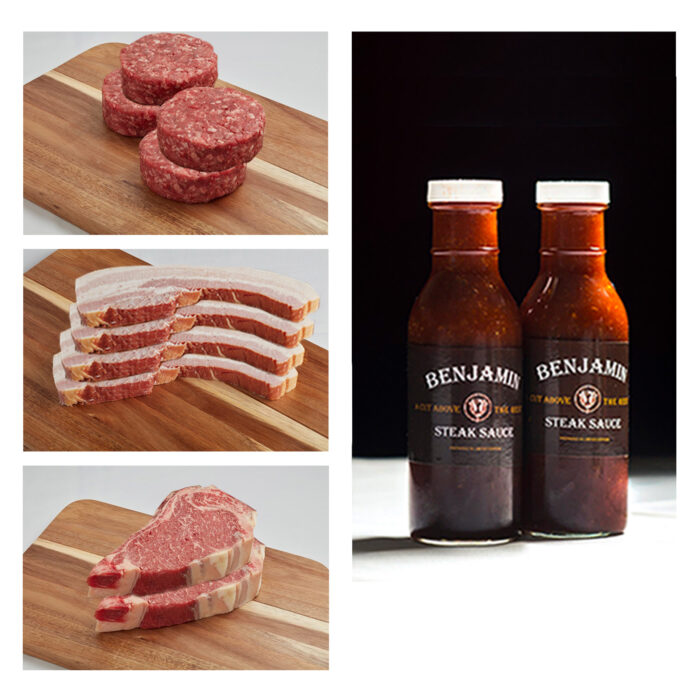
Benjamin Steakhouse opened in 2006 and since then has become one of New York City’s most prestigious steakhouses. Benjamin Restaurant Group evolved to house three premier restaurants in New York City and two in Japan – all loved by business executives, locals, and celebrities. Benjamin Steakhouse offers raw meat packages you can send your special dadpreneur right to his door. He will love this gift, especially if he loves to grill and cook in the kitchen.
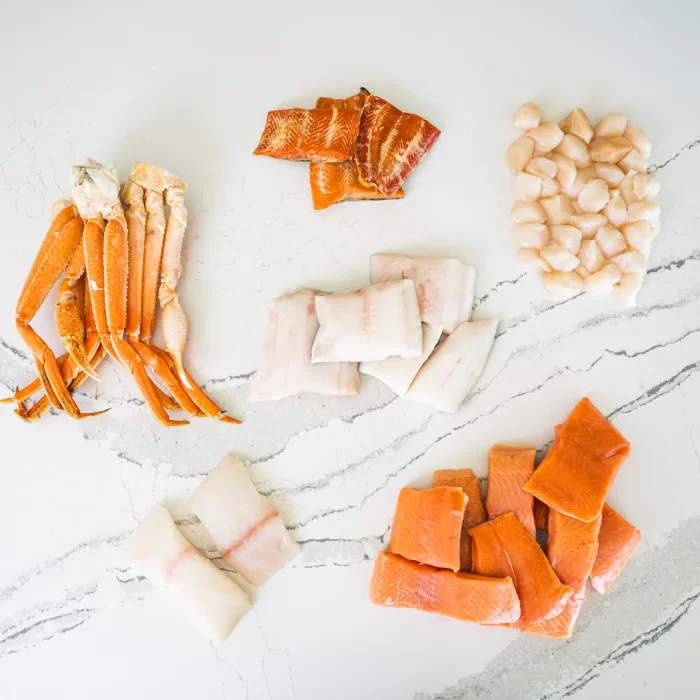
Benjamin Steakhouse’s Raw Meat Packages offer three different options, each featuring a different assortment of premium meats. The options for their packages can include their Porterhouse, Rib Eyes, NY Sirloins, Burger Patties, Bacons, and Steak Sauce bottles for the finishing touch. Dad’s meat will be dry-aged, which means the meat is both tender and flavorful. Benjamin Steakhouse’s dry-aging room has a temperature below 35°F, a humidity of below 90%, and just the right amount of airflow. Your dadpreneur will appreciate that this dry-aging process causes the beef to shrink and the flavors to become more concentrated. Benjamin Steakhouse is proud to serve only the best USDA Prime cuts and they ship them fresh (never frozen) right to Dad’s door. His meat is shipped vacuumed packed with Next Day Air and he should immediately freeze or refrigerate them upon arrival. Retail starts at $199 at benjaminsteakhouse.com.
One Golden Thread The Henley
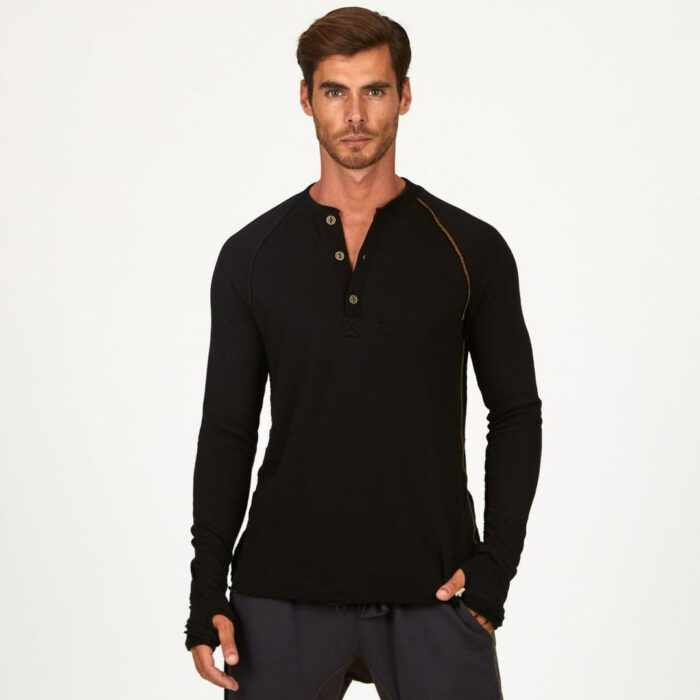
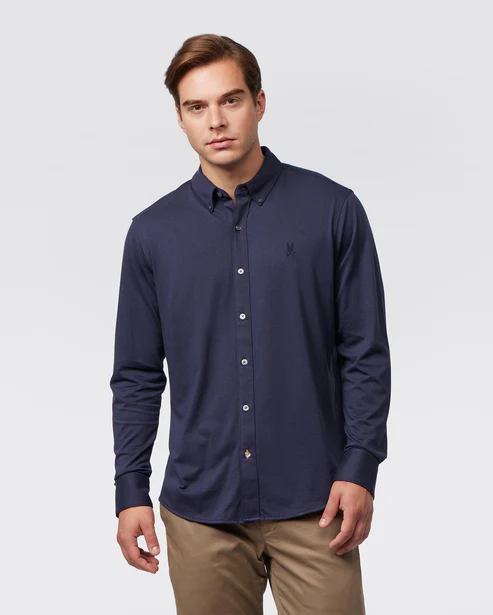
One Golden Thread is a masculine-focused eco-style brand that offers sustainable, regenerative apparel for the conscious collective. Their clothes are effortlessly stylish and feel so relaxed and comfortable on the skin. Dad can feel good about wearing One Golden Thread’s clothing, as they plant a tree for every item purchased and most of these trees contribute to the Amazon reforestation project. The good doing One Golden Thread clothing gives is meant to remind wearers and their communities that it is up to society to make positive change.
One Golden Tread’s The Henley is an ultra-comfortable 3-button Henley made from ethically soft regenerative Beech Tree fibers from Austria. It has been expertly tailored to be body-hugging and form-flattering. The high quality allows it to be dressed up or down depending on the occasion. Dad can go from board room to a classy dinner in this versatile piece. One Golden Thread’s The Henley features three antique brass button neckline vented stitching accents at the inner arms and left side, fingerless glove options at the wrists, and more. This limited-edition Henley is handcrafted in downtown LA and is engineered for life. Retails for $208 at onegoldenthread.com.
JOBY Wavo Streaming Kit

Dadpreneurs wear a lot of hats in running a home-based business. Some opportunities arise that require him to do podcasts or online interviews. This means he should have a professional and reliable setup available to him so such events run smoothly. JOBY’s Wavo Streaming Kit is just that duo he needs. At an affordable price point, your special dadpreneur will have all he needs to look and sound his best on screen.
JOBY’s Wavo Streaming Kit includes their Wavo POD broadcasting mic and their sturdy and solid Wavo Boom Arm. The Wavo Boom Arm is ideal for entrepreneurs who need a microphone near their face to achieve the best sound quality. This boom arm offers Dad the ideal position and proximity to get the rich, warm voice he hopes for. Its modern design also appears professional and tidy on screen. JOBY’s Wavo POD broadcasting mic is a USB plug-and-play microphone that instantly works with laptops and consoles. Wavo POD has a multifunction knob for full control of all audio levels. It offers high-quality 24bit/48kHz audio for laptops and most USB-C devices and can switch between an interview and a solo episode. Wavo POD is very user-friendly making it a convenient tool for Dad to achieve the clean, crisp sound he desires for his interviews and stream. The JOBY Wavo Streaming Kit retails for $199.90 at joby.com.
mahabis verbier Slippers

mahabis‘ purpose has always been to elevate and enhance the slipper into footwear that effortlessly finds itself in modern life. mahabis slippers are innovative, high-quality, supportive, and comfortable. Because dadpreneurs spend so much time in and around their home office, they’ll appreciate a slipper that can do it all. mahabis slippers can be worn at his desk as well as when he is running an errand, picking up a child, having a casual coffee meeting, and more.
mahabis’s verbier slipper is a holiday gift your special dadpreneur will love for its versatility, practicality, and style. Thanks to the flexible suede upper, these slippers provide effortless style while wrapping Dad’s feet in the amazing softness and comfort of shearling. The incredibly soft shearling lining and cushioned texture provide natural insulation and absolute warmth even during the coldest days. mahabis’ verbier slipper features a high-performance TPU sole that takes Dad indoors and out, making them a convenient choice for his home office days. They have removable insoles so he can easily clean and replace them. He’ll appreciate that one tree is planted for every pair bought. Made in Portugal. Retails for $189 at mahabis.com.
Vontélle Ankara Aviators

Vontélle was founded in 2019 to offer better-fitting vibrant, fashion-forward eyewear. Their products and accessories are designed to pay homage to African ancestry with traditional colors and patterns that channel African, Caribbean, and Latin heritages. Their commitment to ethnic eyewear fashion came from the need to create designs that are better fitting, durable, bold, and beautiful as eyewear is a medical necessity and worn daily. Their products are meant to empower your special dadpreneur as he moves through his days as a business owner. Vontélle fulfills prescriptions and offers custom lenses that can include blue light blockers and/or polarized lenses in any pair of their stylish frames.
Everyone needs a stylish pair of aviators that make a bold impression and Vontélle’s Ankara Aviators are exactly those! These unisex frames are mahogany brown and feature an ornate print on the temple as an emblem of cultural heritage. Ankara’s can be worn as sunglasses or as traditional glasses. They can be dressed up for his business meetings and dressed down for his coffee runs and trips to the post office. Depending on what Dad needs, you can order these frames with prescription types of single-vision, progressives, readers, or non-prescription. The lenses can be classic, blue-light-filtering, or polarized. These are high-quality frames that will uplift his wardrobe while fitting right in. They come in a handsome leather Vontélle sunglasses case your special dadpreneur will love. Retails for $349 at vontelle.com.
The Modern Dane Organic European Linen Duvet Cover Sets
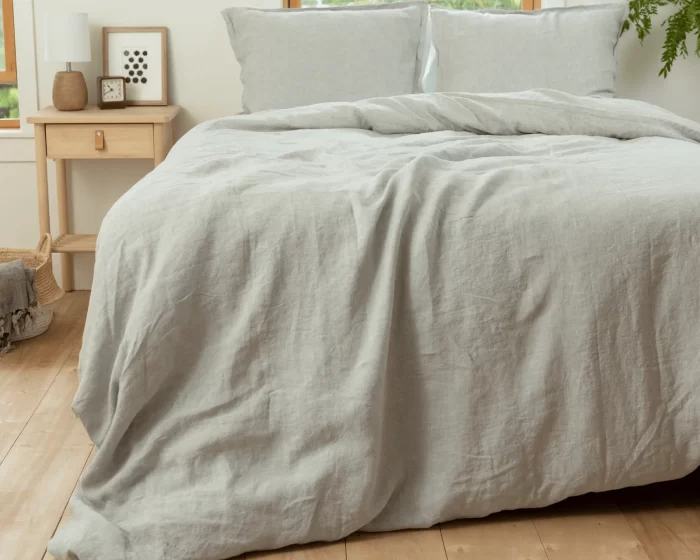
A holiday gift promoting a good night’s rest is one every dadpreneur will appreciate. The Modern Dane offers beautiful and comfortable bedding that will set the stage for Dad to have the best sleep every night. The Modern Dane is a small business committed to manufacturing the highest quality eco-friendly materials. They produce bed linens that are in line with the traditions and values of the Danish heritage. Their products exhibit Scandinavian design in that they’re beautiful, elegant, and minimalist and bring a touch of the outdoors to the home.
The Modern Dane’s Organic European Linen Duvet Cover Sets in solid colors are the minimalistic touch Dad is looking for when he settles down to sleep. Their soft, yet high-quality appearance enables them to compliment any style or color scheme in any bedroom. Made from only the finest organic French, Dutch, and Belgian flax, The Modern Dane’s duvet set gets softer with every wash. The linens are naturally thermo-regulating and wicking, meaning they will keep Dad cozy as the colder months approach. If Dad has sensitive skin, these are perfect for him as they are naturally hypoallergenic and antibacterial. He will appreciate they are certified organic and OEKO-TEX certified to be free from harmful chemicals. Additionally, he will appreciate their absorbent properties, as flax linen absorbs 20% of its own weight without feeling damp. So, his skin stays dry and comfortable throughout the night.
With your gift, he will enjoy the exquisite softness right out of the box as these are garment-washed. When he needs to, these duvet sets are easy to wash which is important for busy entrepreneurs. All he needs to do is throw the linens in the washing machine and dry them on low heat. The Modern Dane Duvet Sets come in Twin, Full/Queen, and King/Cal King and come with either Stanard or King pillowcases (choice depending). You can choose from the colors grey, blue, green, or white to meet your special dadpreneurs tastes. Retails for $356 (king/standard pillowcases) at moderndane.com.
Cozy Earth Bamboo Pullover Crew
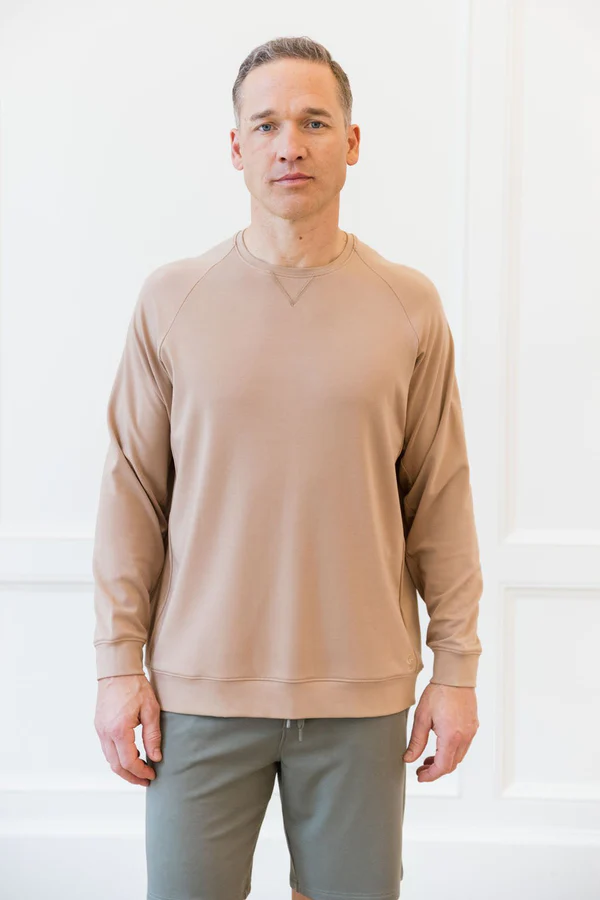
Gifting the gift of comfortable and stylish clothing from Cozy Earth is appreciated by all hard-working business owners. Cozy Earth provides high-quality, stylish, and ultra-soft clothing and home essentials that are built for practicality and longevity. Their beautiful, minimalist products are backed by a lengthy warranty showing that their superior quality and performance can be trusted by all. They use only the best fabrics of premium quality, responsible production, cutting-edge technology, and natural materials.
Cozy Earth’s Bamboo Pullover Crew can be worn any season and it gives Dad the best of both worlds: comfort and style. Designed for versatility and convenience, it’s made from soft and breathable viscose from bamboo and has a luxuriously smooth finish. Its polished yet relaxed look is perfect for taking it easy at his home office or elevating his look when he has relaxed business meetings over coffee. This pullover fits true to size and is available in many attractive shades to find that perfect fit. You can complete the set by adding Cozy Earth’s Bamboo Joggers to your gift. Retails for $150 (Bamboo Pullover) at cozyearth.com.
Lume Cube Edge Light

Give the gift of light this holiday season, as concentration, appearance, and mood can be negatively affected by the wrong lighting. Lume Cube’s Edge Light 2.0 – With Base provides a uniformed, defused, and flicker-free LED lighting experience and elevates a Dadpreneurs desk into a professional workspace. Its type of lighting will enable Dad to work comfortably longer and work productively.
The Lume Edge Light’s flexible design allows the user to effortlessly transition from top-down lighting on a keyboard to professional lighting for video conferencing. Endless color settings allow for a custom lighting experience at the touch of a button and built-in USB A + USB C charging ports give convenient charging ports for all of Dad’s devices. He will appreciate its slim, minimalist design in that it seamlessly integrates with his workspace’s aesthetic, allowing him to position Lume’s multi-functional desk lamp wherever his workflow demands. The easy controls of the light live on the weighted flat base. Retails for $149.99 at lumecube.com.
Surfside Supply Company Dockside Fleece Chore Coat – Black
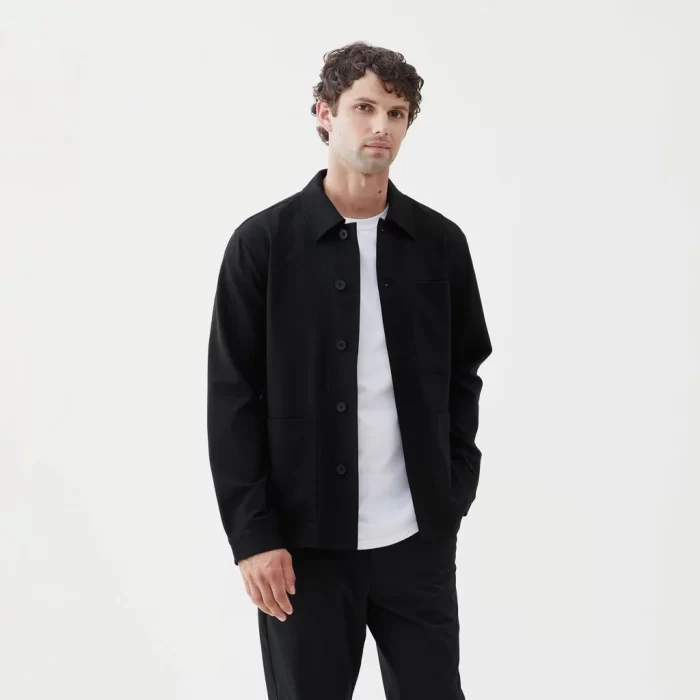
Surfside Supply Company was founded in 2012 and is a lifestyle brand offering premium comfortable and casual apparel. Their clothing gives your special dadpreneur the versatility and comfort he seeks when working from his home office. Entrepreneurs will appreciate that the clothing is also polished enough for casual virtual and in-person meetings where maintaining an impression is important.
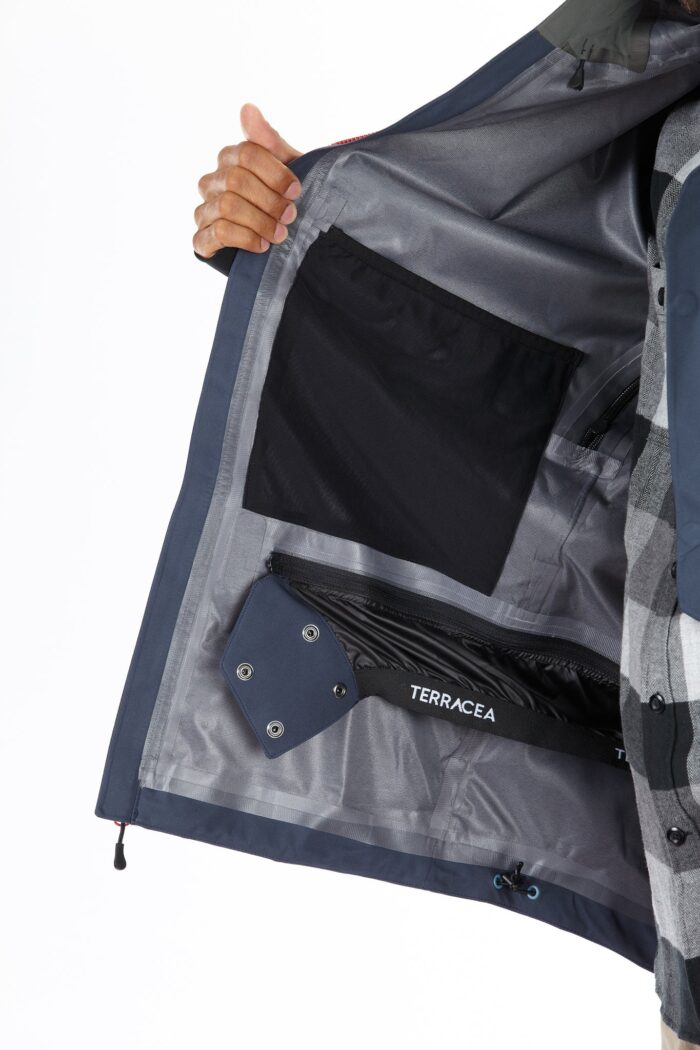
Surfside Supply Company’s Dockside Fleece Chore Coat is a perfect workwear jacket Dad can enjoy wearing around his home office, in casual meetings, and on relaxed nights out. This is a classic workwear jacket with a timeless style that is cut in a relaxed, boxy fit, complete with a button-up design, front patch pockets, and tech panel contrast detailing on the sleeves. The Chore Coat comes in black and is Dad’s layering essential that will last for years to come. Best of all – it’s easy to care for in that it is machine washable and he can tumble dry it on low heat. Retails for $178 at sursidesupply.com.
Groove Washer Mondo Record & Stylus Care System

GrooveWasher vinyl record cleaning products and accessories make for the best gifts for dadpreneurs who are music lovers and appreciate brands made in the USA. GrooveWasher’s Mondo Record & Stylus Care System is a comprehensive and state-of-the-art vinyl care system including cleaning tools and a handsome Walnut storage display. This system includes their Walnut Handle & Replaceable Microfiber Cleaning Pad, SC1 Stylus Cleaning Kit (SC1 Brush and SC1 Fluid), G2 High Tech Record Cleaning Fluid Mist Spray (2 oz), G2 High Tech Record Cleaning Fluid Refill Bottle (8 oz), a ‘Big G’ Record Cleaning Mat, and a Record Label Protector Mask. The included cleaning fluid is backed by years of research and testing and it is formulated for maximum cleaning effectiveness on delicate vinyl surfaces and microgrooves, without the need for rinsing. There’s a reason this is GrooveWasher’s top-selling product and it will be an indispensable part of Dad’s record collection setup. Retails for $99.95 at groovewasher.com.
Monsoon Chocolate Catalina Collection Bon Bon Box (8pc)
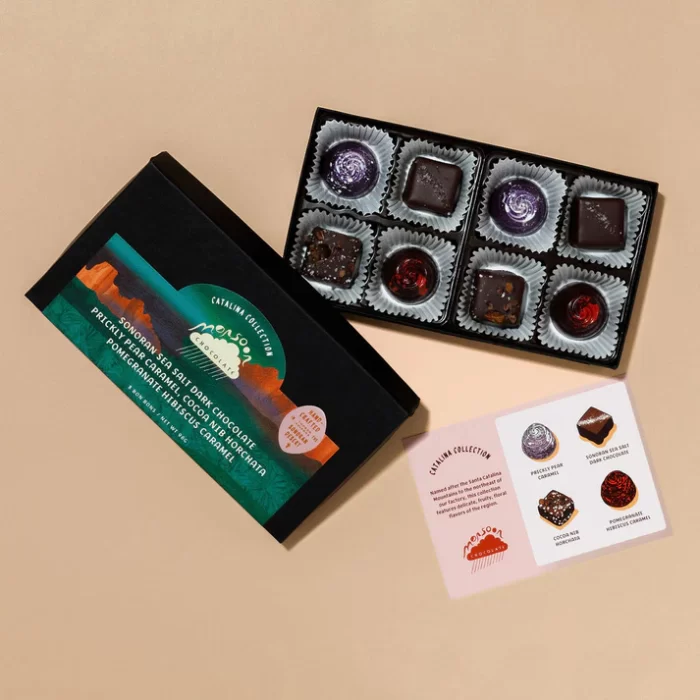
Give Dad the gift of a special chocolate experience he does not get to have every day. Monsoon Chocolate is handcrafted in the Sonoran Desert of Arizona and they source the cacao from farmers worldwide. In sourcing, their focus is on transparency and ethical practices. Monsoon Chocolate handcrafts a variety of mouth-watering treats that make great gifts dadpreneurs will love. Monsoon Chocolate Catalina Collection Bon Bon Box is an 8-piece set featuring the flavors of the Santa Catalina Mountains to the northeast of the Arizona factory. Dad will experience the delicate, fruity, floral flavors of the region including ‘Prickly Pear Caramel’, ‘Sonoran Sea Salt Dark Chocolate’, and more. It comes boxed beautifully ready to gift to Dad. Retails for $28.88 at monsoonchocolate.com.
San Felice Bolgheri (Bell’Aja) 2021
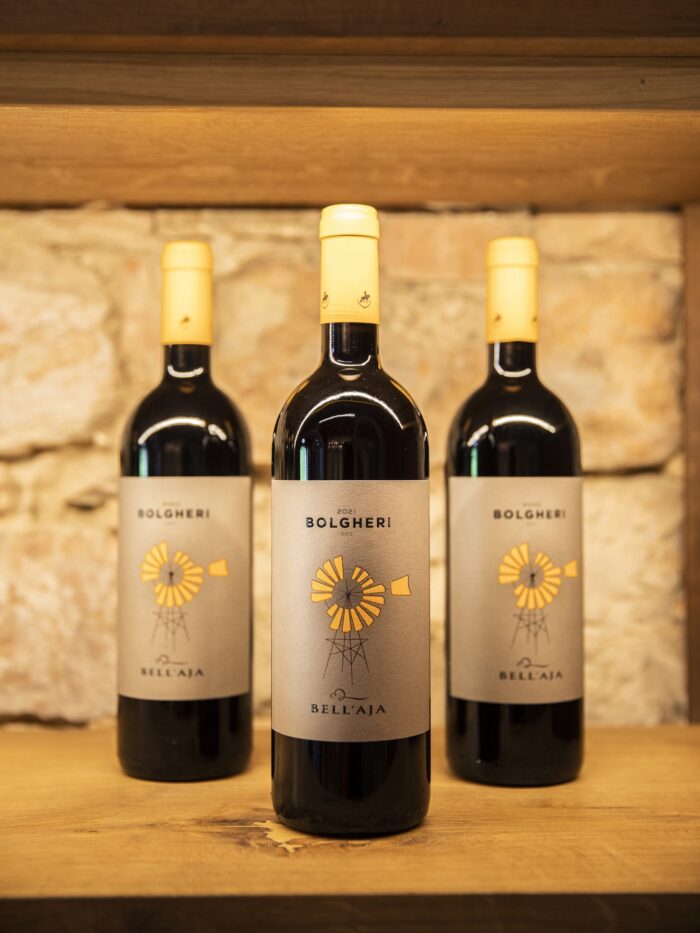
San Felice’s Bolgheri Bell’Aja, an Italian Bordeaux-style red wine, is a great gift for any wine-enthusiast dadpreneur. With the cooler holiday months ahead, Dad will likely enjoy hearty meats and Bell’Aja will compliment these holiday flavors harmonously. San Felice’s Bolgheri estate covers six hectares that include a natural amphitheater that overlooks the sea. The sea breeze air the vineyard experiences is ideal for wine growing. Bolgheri’s Bell’Aja demonstrates the character of its origin, the terroir of Bolgheri. Purple in appearance, Bell’Aja offers a bouquet redolent of wild berry preserves, lifted by smooth notes of spice. On the palate, it is beautifully balanced and delicious, with supple, velvety tannins. Dad can pair Bell’Aja wonderfully with ravioli, grilled lamb chops, and roasted pork. Retails for $35.99 at wine.com.
Earlybird Full Spectrum CBD Gummies

Dadpreneurs often experience long and busy days, so this holiday, give Dad something to help him relax and unwind. Earlybird’s Full Spectrum Gummies are mild, yet euphoric, and formulated to make him feel good. They compare them to a glass of wine – without the hangover. This means Earlybird is the must-have product to get Dad through the stresses of his business travels.
Earlybird’s THC content (~2.5mg) falls within the legal limits in all 50 states, so he can enjoy their products without worry. They’re also travel-friendly, so he can take them wherever he travels! Earlybird’s gummies are being recognized as a multifaceted supplement that caters not only to recreational users seeking a delightful buzz but also to parents who are discovering newfound relaxation and presence with their children. You can get these gummies in the flavors of strawberry, watermelon, and lemon. He’ll appreciate they are GMO-Free and do not contain pesticides. Each gummy contains 12.5mg of CBD and 2.5 mg of naturally derived delta 9 THC from hemp. Retails for $59.99 at earlybirdcbd.com.
Yonder Organic Mushroom Coffee – Lion’s Mane & Chaga
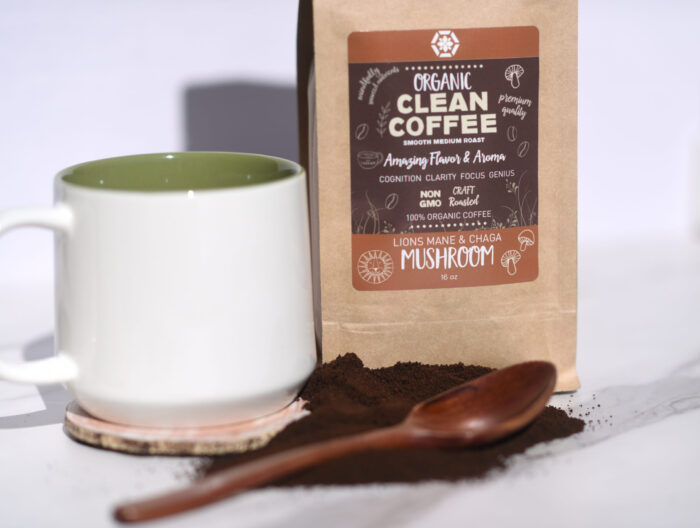
Chances are the dadpreneur in your life enjoys and relies on coffee, making it a much-appreciated gift he will use. Yonder’s Organic Mushroom Coffee – Lion’s Mane & Chaga helps to improve Dad’s focus and stimulates his creativity and productivity in his daily grind. This is 100% organic ground coffee that is infused with a blend of full-spectrum Organic Lion’s Made and Chaga mushrooms. Lion’s Mane supports healthy brain function, concentration, creativity, productivity, and more. Chaga supports the reduction of inflammation and is extremely high in antioxidants. Dad will appreciate there is no mushroom taste in Yonder’s Mushroom Coffee – just that smooth, rich coffee taste he loves and looks forward to every morning. Retails for $34.95 at yonderfood.com.
BÆRSkin Tactical Supply Hoodie and Sweatpants

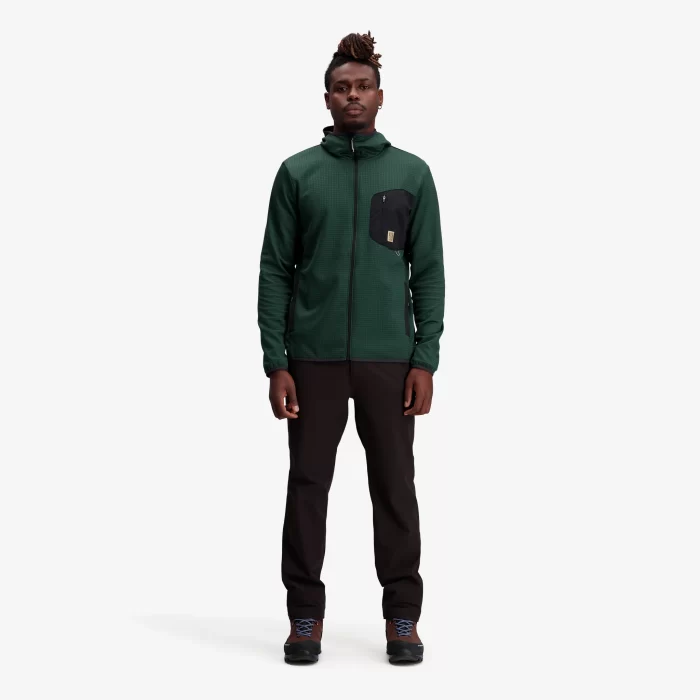
BÆRSkin Tactical Supply offers outdoor hoodies and jackets that are meant to be worn on a day-to-day basis whether Dad is in his home office or hiking in the great outdoors. BÆRSkin developed BÆRSkin Fleece in collaboration with outdoor gear experts around the world to offer gear that is designed to survive any weather while offering comfort wherever one goes.
BÆRSkin Tactical Supply’s Hoodie features 330gsm of Original BÆRSkin Fleece for the ultimate weight-for-comfort ratio. The hoodie’s fabric is double-napped and brushed for a robust finish that never “pills” or wears away. It also features pleated cuffs and hem and waistline for a great fit. Your special dadpreneur will appreciate this hoodie has 12 secure pockets to carry anything he might need, from diapers and binkies to sunglasses and snacks. It’s also wind-insulated and retains heat to keep him comfortable in the harsher weather he nativates. Retails for $119.95 at baerskintactical.com.
BÆRSkin Tactical Supply’s Sweatpants feature the same 330gsm Original BÆRSkin Fleece giving Dad unbeatable durability while working from home, camping, or lounging. They’re thermo-regulating so they block wind and regulate heat to keep him warm but not sweaty. He will appreciate the padded knees and two front-zip pockets. He’ll especially love that they’re unbelievably soft. Retails for $119.95 at baerskintactical.com.
Solmate Crew Performance Wool Socks

Solmate Socks offers whimsical mismatched socks designed to bring out style and natural beauty. Each product made by Solmate Socks is hand-designed by their team from recycled yarn and is made in America. Their socks are sold in many small businesses around the US. Solmate’s Crew Performance Wool Socks make great gifts for your special dadrepreneur and are ready for all his outdoor adventures. They’re crafted from recycled RECOVERTEX Merino Wool performance fibers and feature arch compression and a cushioned footbed for the best support of his feet. This means they’re great for all activities from yoga to hiking. He’ll love all the whimsical colors and patterns these socks bring to his wardrobe. Best of all – they’re so comfortable and he’ll love to wear them around his home office during the cozier fall and winter months. Retails for $25.50 at solematesocks.com.
ONYX Coffee Lab Southern Weather
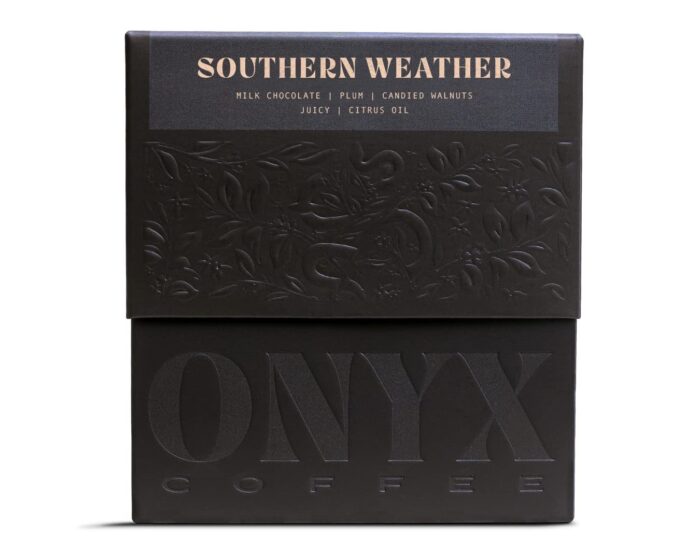
Give Dad the gift of great coffee with ONYX Coffee Lab’s delectable blends. ONYX Coffee Labs is headquartered in Arkansas and they ship their beautiful blends all across the states. They pride themselves on their high standards for their coffee, transparency in their coffee’s pricing and trade data, and the customer experience offered. ONYX Coffee’s Southern Weather blend was ONYX’s first blend. It is sweet, comfortable, and approachable in regards to Specialty Coffee. Dad can enjoy sweet caramelized sugars, a round full body, and a bright, citrusy finish that gives him a clean, refreshing aftertaste. He can enjoy Southern Weather with any meal and it goes well with both dairy and non-dairy milk. ONYX Coffee Labs considers this their ‘House Blend’ and Dad sure can too. Retails for $17.95 (10 oz) at onyxcoffeelabs.com.
The post Holiday Gifts Dadpreneurs Will Love appeared first on Home Business Magazine.
Original source: https://homebusinessmag.com/lifestyles/holiday-gifts-dadpreneurs-love/