Home Business Magazine Online
Back-To-School is a busy time for parentpreneurs. As a business owner, your inbox and work duties continue as per usual, but as a parent, you now have to focus on getting your children ready for the upcoming school year. No matter the age of the student, preparations and back-to-school shopping are required. You may be curious about the current trends and technologies a student can benefit from at school, so we compiled a list of back-to-school essentials you’ll want to know about. Below is a list of fantastic items that students of all ages would love. Starting with essentials for your young students, the list progresses to essentials your pre-teens and teenage students will love. From adorable lunch bags and fashions to parent-approved and monitored cell phones, below is a list of back-to-school essentials you want to know about.
Note: The list starts with essentials for young students, moving to essentials for older students.
PackIt Freezable Playtime Lunch Box
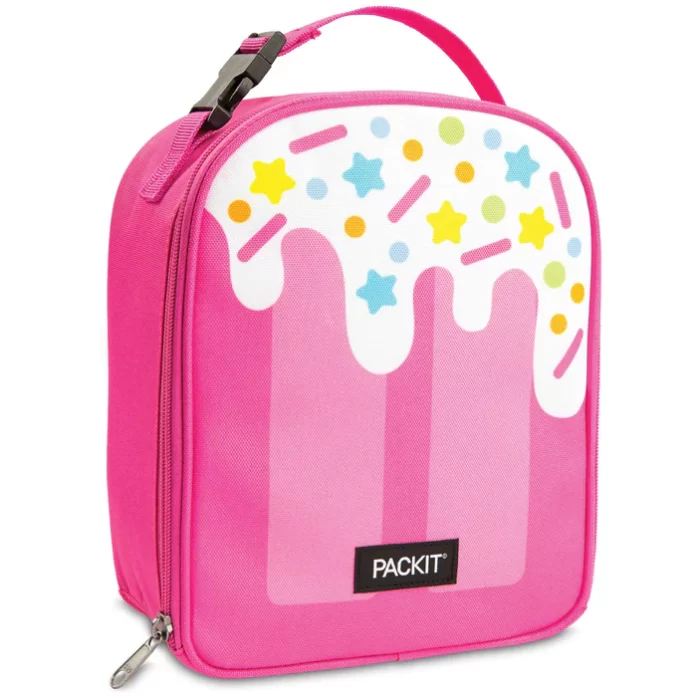
The COOLEST Lunch Box just got a lot cooler! Meet the NEW PackIt Freezable Playtime Lunch Box. This lunch box is ideal for kids to eat anywhere, at any time. Its buckle handle clip is convenient for travel to and from school, and daycare. The Freezable Playtime Lunch Box is their newest horizontal lunch box with PackIt’s patented EcoFreeze® technology: freezable gel built into the walls of the lunch box. The smart design eliminates the need for separate ice packs or gel packs. It’s freezable, it’s reusable, and it actually cools. This lunch box collapses flat and freezes overnight and has a buckle handle that conveniently attaches to messenger bags, backpacks and sports bags. It’s made from nontoxic poly canvas, has a food-safe lining and is PVC-, BPA-, phthalate- and lead-free. The PackIt Playtime Lunch Box comes in three awesome styles (popsicle, rainbow, and spaceship). Retails for $29.99 at packit.com.
fun & function ABC Touch and Feel Letters
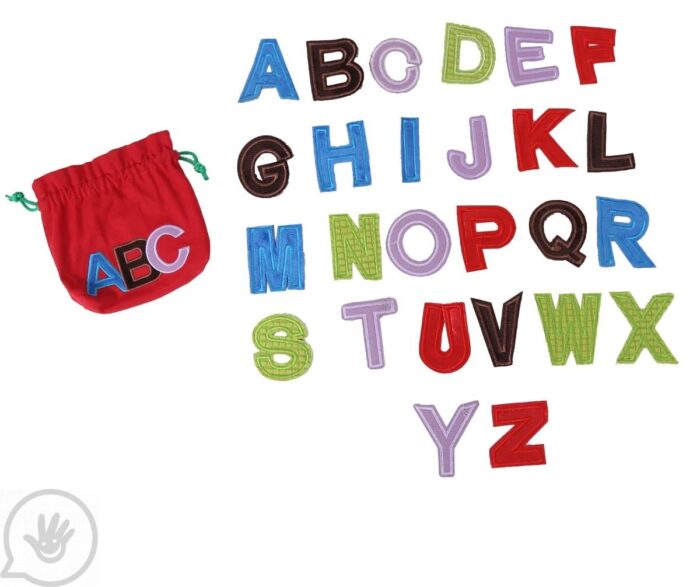
Help your little ones learn their ABC letters through touch! With fun & functions’s ABC Touch and Feel Letters, learning the alphabet is a multisensory experience with 26 letters he/she can touch and feel. Kids are engaged and motivated by the varied colors and textures, plus its small size makes it easy to hold. It includes a storage bag with a drawstring, making it convenient to practice the ABCs anywhere! With these touch-and-feel letters, kids can trace each letter with their fingers and say the name of the letter and the color it is. They can also sound out the letter as they trace it, helping teach reading readiness skills. Retails for $25.99 at funandfunction.com.
The Girl Nation Under the Sea Bracelet and Nail Sticker Girly Gift Pack
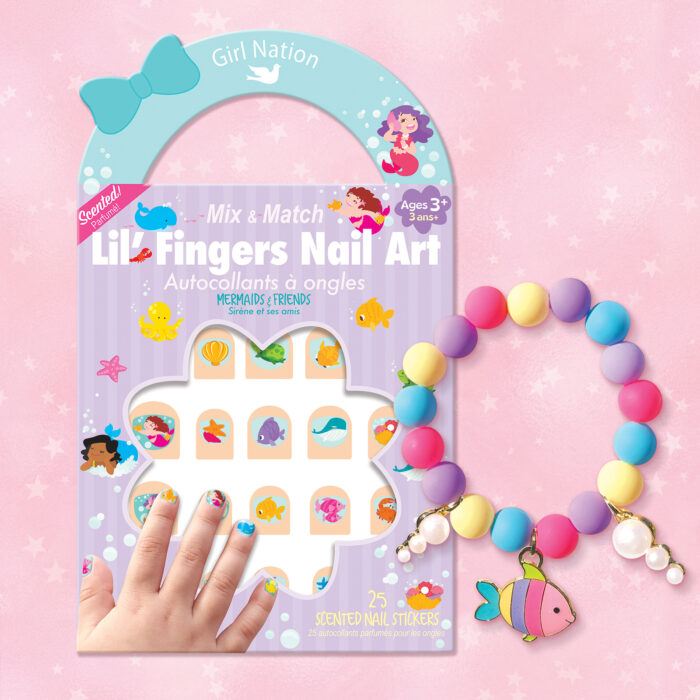
Give the back-to-school gift any little girl will love. The Girl Nation’s Under the Sea Bracelet and Nail Sticker Girly Gift Pack is a perfect gift to send her on her way to her first day of the school year. This gift pack includes the adorable Glitter Rainbow Fish bracelet and nail stickers in the Magical Mermaids design. The bracelet features colorful beads, a pink tassel and a whimsical, fixed charm. Also, the bracelet is hypoallergenic, as well as nickel, lead and cadmium free. The nail Art includes 25 fun and unique stickers. They are scented too! She’ll love showing off her fun nails on her first day back. Retails for $25 at thegirlnation.com.
Mightly Girls Organic Cotton Twirl Dress
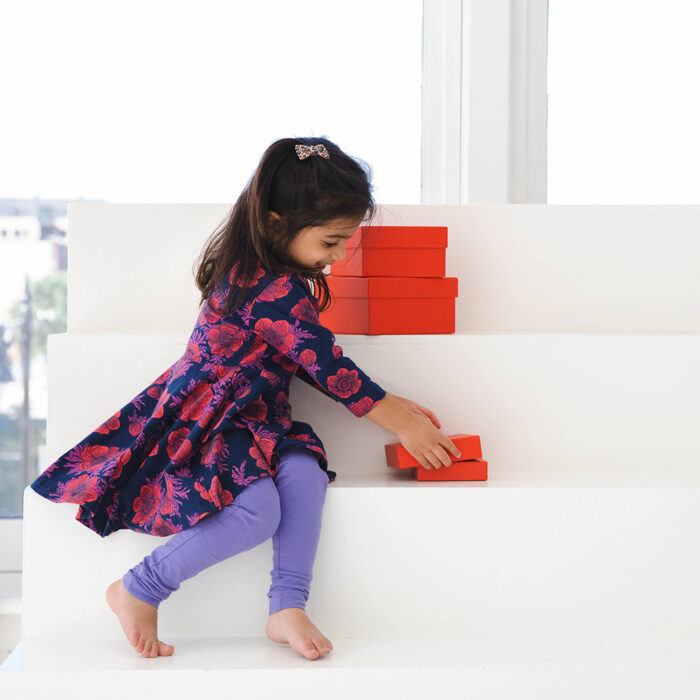
Mightly was founded to make the kind of clothes parents want for their own kids: clothes that can handle any kind of adventure, are ethically made, and don’t cost a fortune. And they’re loved by kids too! Mightly’s Organic Cotton Twirl Dresses come in a variety of colors, prints and styles. Like all Mightly dresses, their twirl dress has side pockets, because everybody needs pockets! These twirl dresses are Global Organic Textile Standard (GOTS) Certified and are made in Fair Trade Certified Factories. They come in sizes 2T to 14 and are offered in short sleeve, sleeveless, 3/4 sleeve or long sleeve. Retails for $32 (varies) at mightly.com.
The Piggy Story Glitter Doodle Gel Crayons- Unicorn Magic
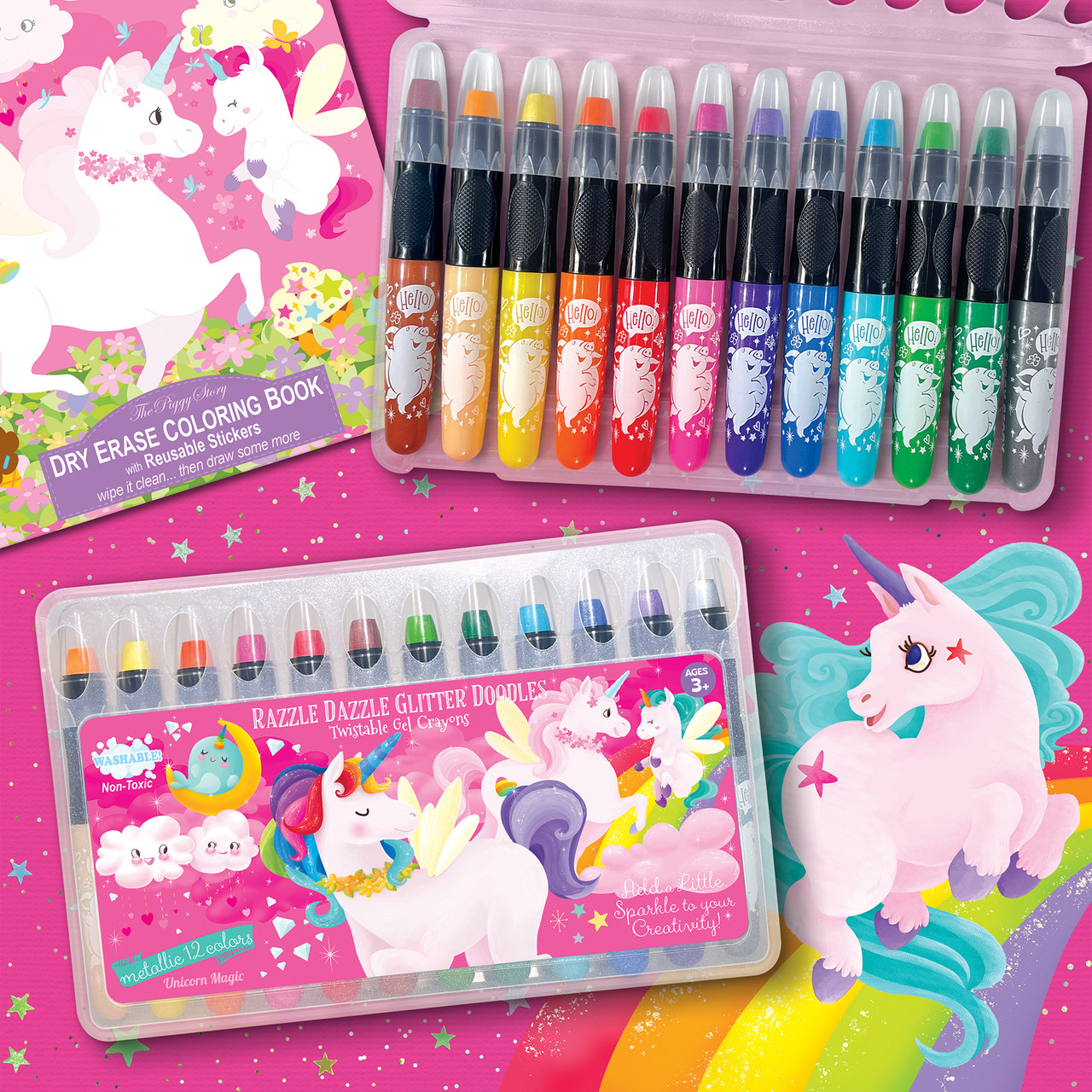
Little creators can add sparkle to their creativity with The Piggy Story’s Glitter Doodle Gel Crayons in the Unicorn Magic Design! Made for small hands and big imaginations, these versatile glitter gel crayons will inspire crayon, pastel and watercolor creations! The 3-in-1 design allows young artists to choose how they want to create. Your littles can color with the ultra-soft crayons, smudge to create a pastel effect or use a wet brush to have a watercolor effect! The crayons are non-toxic, odorless and washable! The adorable themed kit makes these gel crayons great back-to-school gifts as well. The case can easily fit into a backpack or purse to have on hand whenever inspiration strikes. Young creators will also easily do their own clean-up as each crayon conveniently fits in its own slot. These pair well with The Piggy Story’s Dry Erase Coloring Books! Not intended for children under the age of 3. Retails for $16 at thepiggystory.com.
Funkins Insulated Lunch Bag, Placemats and Napkins
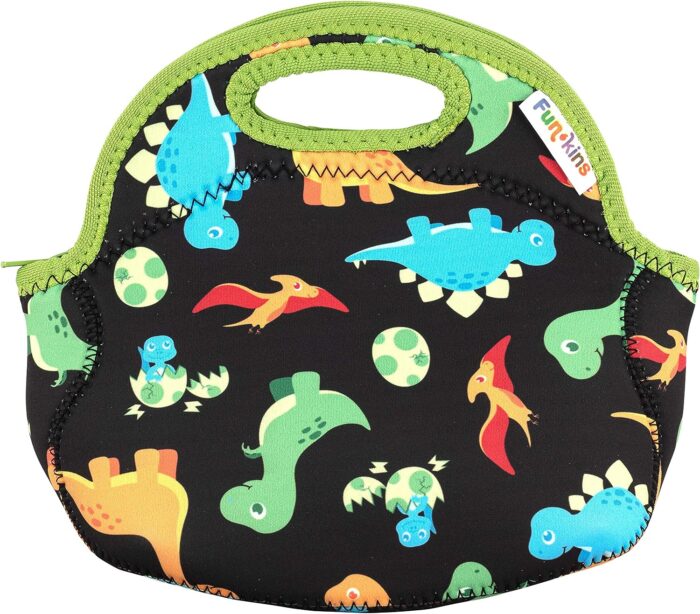
Funkins offers parents adorable reusable lunch bags, placements, and napkins for young students to be excited about. The Funkins Insulated Lunch Bags for kids are perfect for back to school! Designed by moms and tested by kids and teachers, they feature reinforced seams and sturdy, easy-to-use zippers, are stain, tear, and weather resistant, and are insulated to keep food fresh and at the right temperature. You’ll love that they are machine washable and are safe, non-toxic, lead, phthalate and PVC free. Additionally, they come in many different designs and in sizes large and small. On sale for $14.95 at the Funkins Amazon Store.
Complete their school lunch kit with award-winning Funkins Reusable Cloth Placemats and make school lunchtime cleaner and greener! Their 15″x13″ placemats are sized perfectly for kids’ lunch bags and school lunch tables and desks. Give your child their own clean space to enjoy mealtime at school, home, travel, and on-the-go with these cheerful, soft 100% cotton placemats. Retails for $9.99 (2-pack) at the Funkins Amazon Store.
Kazoom Kids Stargaze – Kids Star Shoes
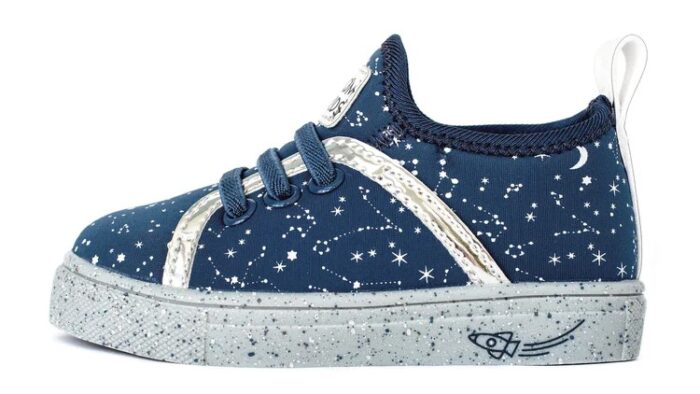
A new pair of shoes from Kazoom Kids always excite little ones for back-to-school. Budding astronomers and adventurers alike can look down at the navy Kazoom Kids Stargazer Shoes on their little feet, then up at the sky as they learn to spot the Big Dipper, the Little Dipper, and other constellations. Set against a dark night sky, white star formations and the moon shine brightly on these adorable kids shoes. They feature an easy slip-on design with stylish no-tie flex-laces, easy pull tabs, and elastic fabrics that will fit your little one’s feet perfectly. This means they will be easy for him/her to pull on as they’re at daycare, preschool or school. Their eye-catching colored soles hide dirt, look new longer, and clean up effortlessly. The specialized materials are durable, lightweight, water-resistant, and breathable. They also dry quickly. They’ll also appreciate that every shoe box is a fold-out gameboard and has a custom deck of science-themed playing cards for hours of additional fun. Retails for $39 at kazoomkids.com.
Quinn Snacks – Quinn Pretzels
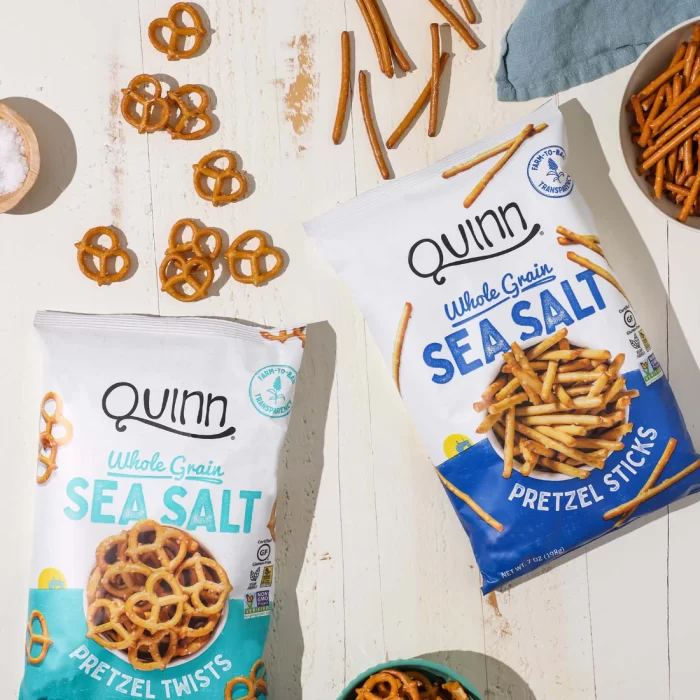
Since 2010 Quinn has been reinventing the snack industry by bringing you and your children the world’s FIRST gluten-free, corn-free, soy-free, dairy-free, and non-GMO project-certified pretzels to ever hit the market. The secret ingredient? Sorghum–an ancient, naturally gluten-free whole grain that is environmentally sustainable due to its drought tolerance. Quinn Snacks is celebrating the start of the back-to-school season with pretzel nuggets, sticks, twists, and variety packs! Quinn’s pretzels are not only wildly-delicious but are also made with ingredients that are intentionally sourced and traceable. Your children will love them, but more importantly, you can feel good about putting these ethical, allergen-friendly snacks in their lunchboxes. It’s a win-win! Quinn’s pretzels can be found at Thrive Market, Amazon, Whole Foods, Walmart, and Quinn’s website. You can also stock up on Quinn’s Pretzel Bundles so you never run out, available exclusively on Amazon. Retails for $44.99 at quinnsnacks.com.
Original Buddha Board
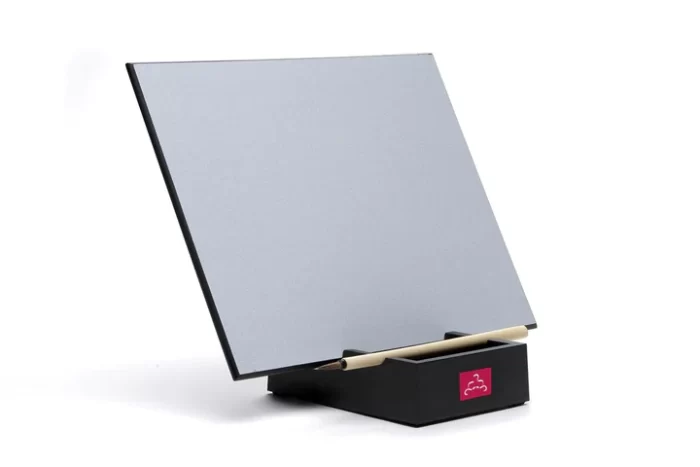
Give your student a way to unwind from the stressors of studying, homework, and after school obligations with Buddha Board. The Original Buddha Board is a screen-free mindfulness tool to help your student get in a relaxed state of mind. All that is needed is water to simply dip a brush in water and paint. This means there are no ink, paint, or chemicals necessary – its mess free! As the water slowly evaporates the art will magically disappear… leaving your student with a clean slate and a clear mind. The Original Buddha Board is fun for all ages and calms the mind and relieves tension by redirecting focus to the art of creating. It comes in two sizes of Mini and Original. Additionally, it comes with a Premium bamboo paintbrush with thick, ultra-soft bristles. Retails for $37.95 at buddhaboard.com.
Mermaid Bottle and Mermaid Straw Zipper Pouch Pack
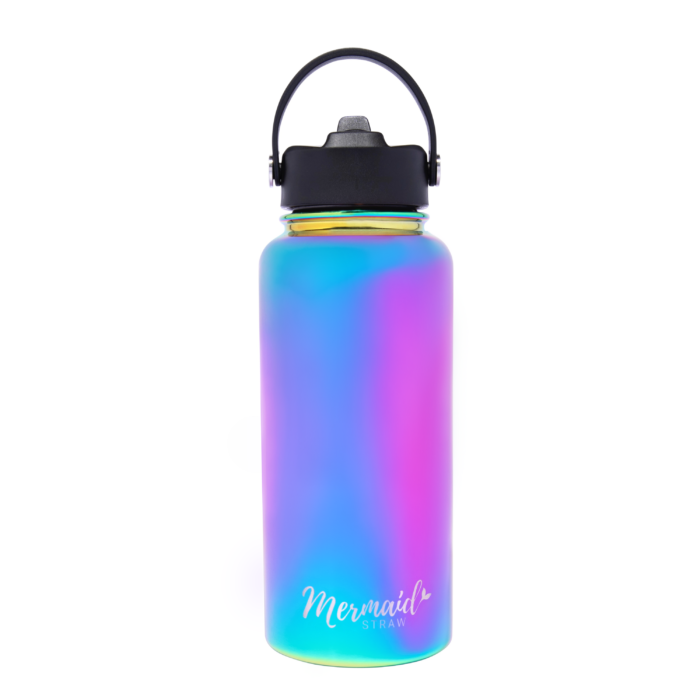
Encourage your pre-teen and teenage students to stay hydrated with a beautiful, fun water bottle from Mermaid Straw. Mermaid Straw’s 32oz Mermaid Bottle will be your student’s new emotional support water bottle, keeping him or her hydrated. It is made from the highest food-grade stainless steel and features double wall insulation to keep drinks cold for up to 24 hours and hot for up to 12 hours. Plus, its soft, flexible handle makes this bottle a perfect sidekick. Its durable, chip-free PVD coloring guarantees to stay beautiful use after use. It is BPA-free, lead-free, and comes with a straw cleaning brush. Retails for $40 at mermaidstraw.com.
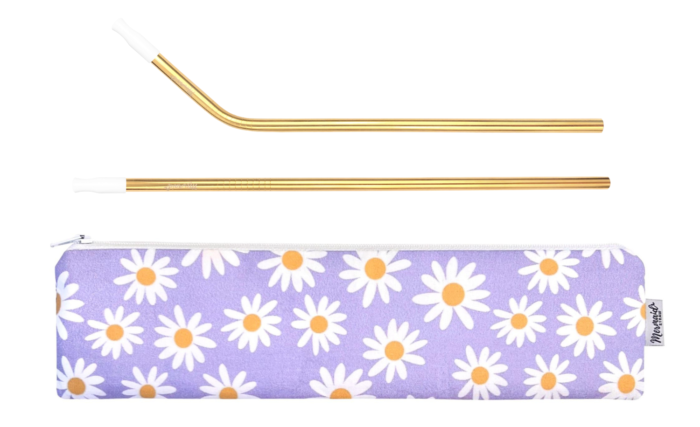
Mermaid Straw also offers stainless steel straws your student will appreciate using in his or her cafeteria. They make a great back-to-school gift for your pre-teen or teenager. Mermaid Straw’s Lavender Daisies Zipper Pouch Pack has been curated with their handmade Lavender Daisies Zipper Pouch, one long curved & long straight Gold Stainless Steel Straw, two 6mm White Silicone Tips, and two Cleaning Brushes. The adorable pouch can double as a reusable snack bag as well! Zipper Pouch Packs are available in Glass and Stainless Steel. Retails for $25 at mermaidstraw.com.
Yumbox Tapas Greenwich Green 5 Compartment Bento
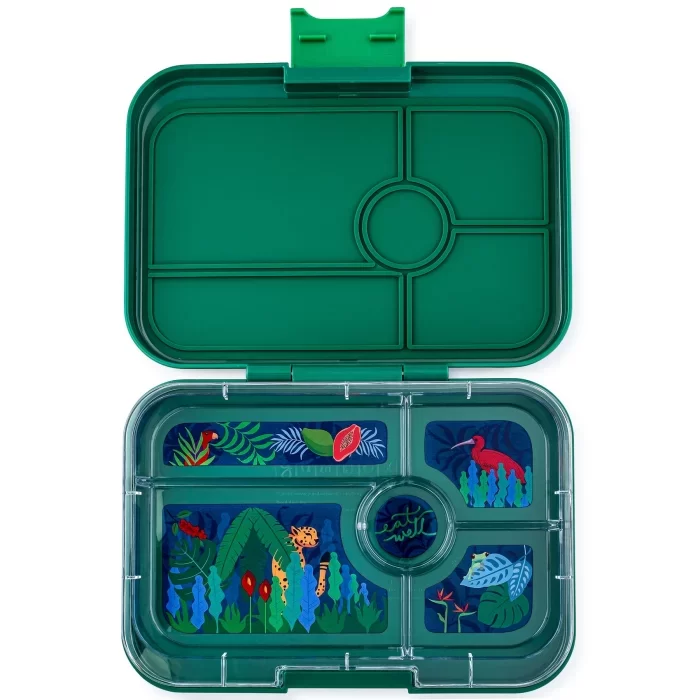
Yumbox offers a variety of bentos in different sizes, colors, materials, and compartment variations. The Yumbox Tapas 5 Compartment Bento features a removable tray, making it easy to pack a variety of healthy foods for your child. This Yumbox features a practical leakproof design means you can pack dips next to crackers with no worries. The removable compartmentalized tray is divided into 5 food wells, each sealed individually by one silicone lid! One easy-to-open and close latch means Yumbox can be used by pre-schoolers too. Yumbox makes it so easy to make your packed lunches look appetizing, colorful and organized. You can even keep contents cool by packing Yumbox with an ice pack (sold separately) in an insulated bag. You’ll appreciate that Yumbox is easy to clean and dishwasher-safe on the top rack. It’s made with high-quality safety-tested materials. Your child’s lunch never looked so good! Retails for $35 at yumboxlunch.com.
Laifen Swift SE
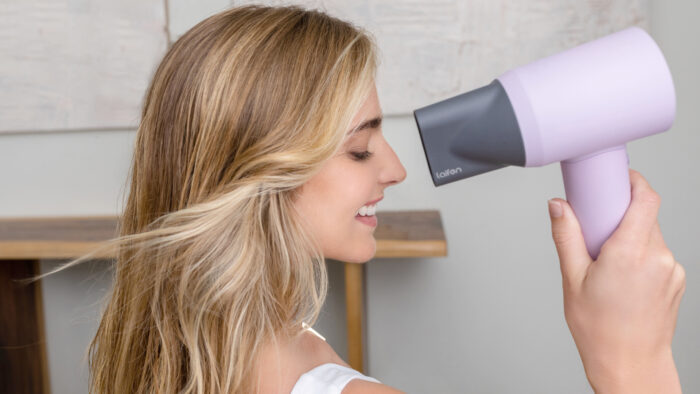
Your teenage students will love doing their hair with the Laifen Swift SE High Speed Hair Dryer. This hair dryer offers fast and efficient drying, is lightweight and easy to use, fights frizz and enhances shine and is ultra-quiet for anytime drying. The Laifen SE is equipped with a 3-color LED ring light that tells your student the temperature, has 200 million negative ions, a brushless motor capable of 105,000 RPM, and a 50-times-per-second smart thermo sensor. Needless to say, this hair dryer packs a punch.
With the Laifen Swift SE, your student will cut time in drying her or his hair, saving time in the morning and encouraging an on-time arrival to school. For shorter hair, she/he can reach fully dry in as little as 2-3 minutes. If she/he has longer hair (shoulders & down), it typically takes around 5-12 minutes for a complete dry. If she/he decides to dry hair using Laifen’s diffuser attachment it can take 10-15 minutes. The Laifen SE even comes with a 2-year warranty! It comes in four attractive colors and makes a great back-to-school gift your teenage student will be excited about. On sale now through August 31st for $126.99 laifentech.com.
Edifier Wireless Bluetooth Stereo Headphones
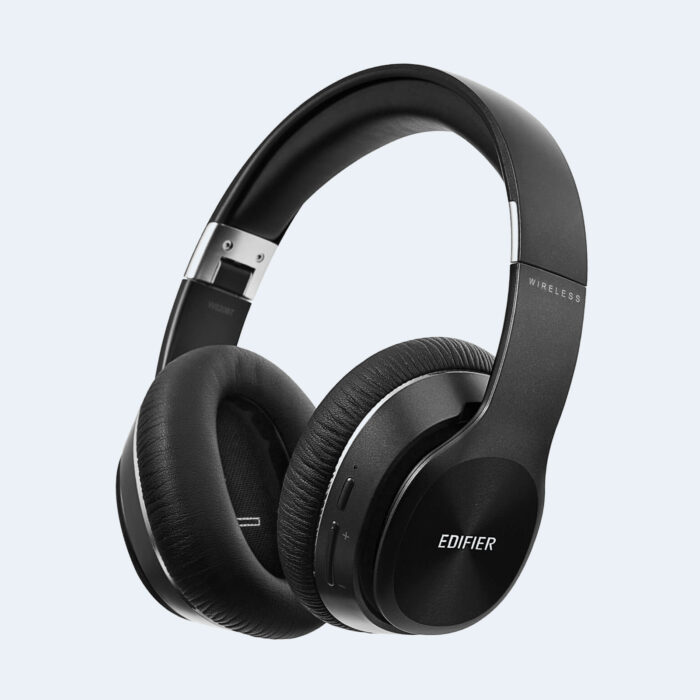
The Edifier Wireless Bluetooth Stereo Headphones are perfect for your high-school teenager or young adult going off to college. They feature unprecedented comfort and battery life for all his or her studying needs. Their compact fold-up design offers easy carrying in bags, travel cases and more. Your student can take them anywhere! With 80 hours of battery life and over one month of standby, music, podcasts, and recorded learnings can be played without the worry of losing power. Edifier’s adjustable headband offers the ability to control the clamping force for optimal comfort. Additionally, these around-the-ear closed-back headphones are known for their comfort as well as their sound quality. Your student will experience high-quality lossless audio and a strong Bluetooth connection with Bluetooth v4.1 with added CSR technology. The Edifier Wireless Bluetooth Stereo Headphones come with a 1-year warranty and are available in four different colors. Retails for $59.99 at edifier-online.com.
Margo Paige Semi-Circle Crossbody
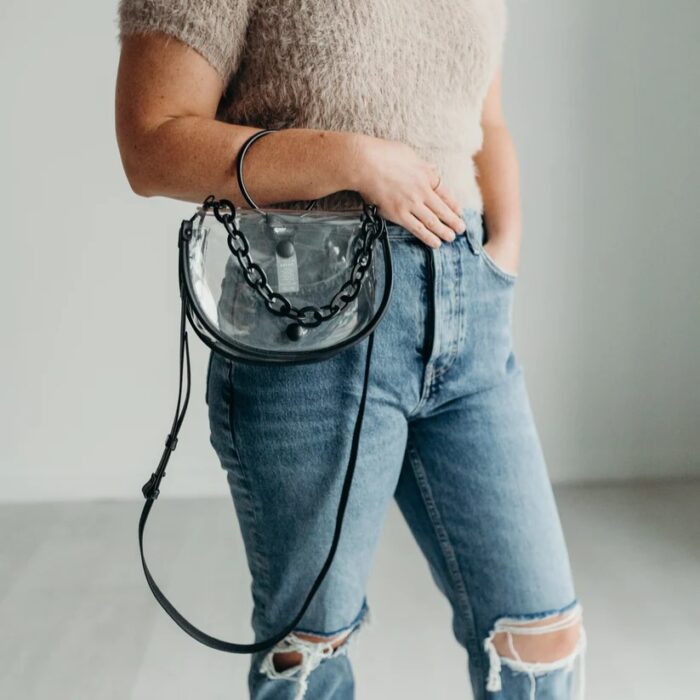
Clear handbags are a must for back-to-school! With increased bag regulations at events and venues across the country, school sporting events are now turning to clear handbags for entrance into events. Margo Paige clear handbags are perfect for attending Fall football games and other sporting events. The Margo Paige Semi-Circle Crossbody bag is sustainable, stylish and durable. It’s designed with eco-friendly materials like recycled PVC that is long-lasting and durable which keeps this handbag in use longer. Using recycled PVC also reduces the demand for virgin fossil-fuel based materials and consumption, but does not sacrifice the performance benefits of the material. She’ll love the ability to wear this beautiful bag as a wristlet, shoulder or crossbody bag at all her events. The dimensions of the bag is 9″ x 2.7″ x 6.6″. Retails for $74.99 at margopaige.com.
Pinwheel Plus 3

Your pre-teen and teenagers will be exposed to smartphone use early in life at school and will likely want a cell phone as those of their peers. This may be of worry to you, as adult cell phones connect kids to the open internet with confusing and thin parental controls. Pinwheel offers parents a mindful solution to meet both your and those of your teens and pre-teens’ needs. The Pinwheel Plus provides kids with the features and functions they want, like texting and fun apps, but with age-appropriate guardrails (no browser or social media) and parental monitoring tools that encourage healthy technology habits from the start. Unlike adult phones, Pinwheel allows parents to customize the settings to meet their child’s current needs, then unlock features as their child grows into an independent young adult who manages technology well.
Pinwheel offers four high-quality phone models, including a Samsung and Google Pixel. Unlike other kids’ phones which require using a specific carrier’s cell service, Pinwheel allows parents to choose any cellular provider, as long as that provider is compatible with the model itself. More information on specific models and pricing can be found HERE.
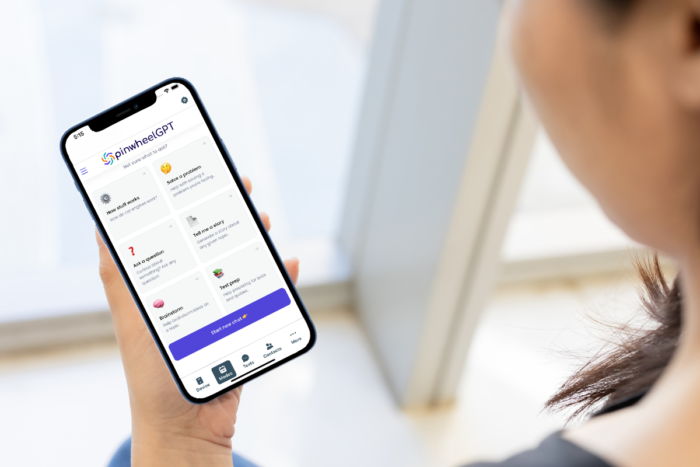
Specifically, each of Pinwheel’s four smartphone models (for which parents can choose any cellular carrier) comes with a built-in parent management system to help guide their child to healthy habits. Through the Pinwheel Caregiver Portal, parents have access to a Kid-safe App Library, where more than 900 popular apps reviewed by Pinwheel experts reside for parents to download to their child’s phone. This app library contains information for parents to make confident choices, such as whether apps allow communication with strangers, have explicit content, etc. The App Library does not include any social media apps or web browsers. No other kid phones offer as wide a selection of vetted and therapist-approved apps. The Pinwheel Caregiver Portal also contains ‘Text and Call History Monitoring’ and the ‘Contact Safelist’, where only contacts on the Safelist can call or text the device. As children grow, they can manage their own safelist. The portal also houses the ‘Schedules for Apps and Contacts’, where parents can set up schedules for when apps and contacts are available and when they are not, such as during school and overnight. The Pinwheel Plus retails for $329 + a monthly subscription fee of $14.99 for the parental controls + portal at pinwheel.com.
Heart Blaster Matching Sets
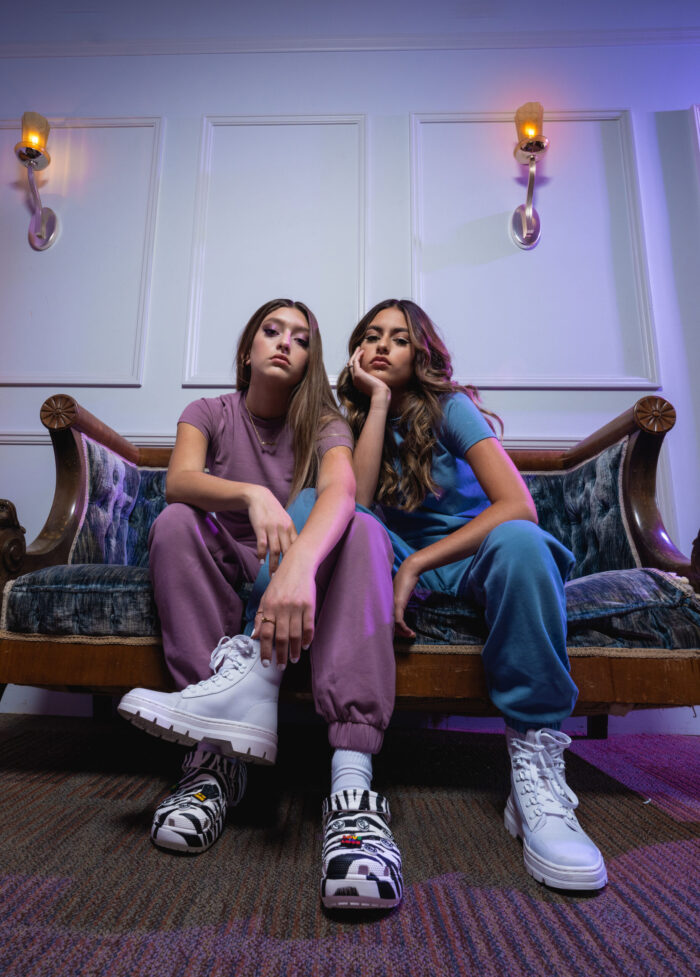
Heart Blaster is an amazing youth apparel and accessory brand, offering stylish comfortable matching sets teenagers and pre-teens can be excited about. Because what teen wouldn’t love a color-coordinated outfit to wear to school this upcoming year? As matching sets are all the trend among Gen Z’ers this year, you can’t go wrong with Heart Blaster’s. Heart Blaster Matching Sets are ever-so comfortable, stylish, and perfect for wearing on a casual day to school while still being able to feel put together.
You can mix and match Heart Blaster Baby Tees with their High Standard Shorts and their Relax Pants. Their tees are fitted, lightweight, crewneck, and 100% cotton. Their High Standards Shorts are also 100% cotton, high-waisted, medium-length and have a fitted waist and pockets. The pants feature a relaxed fit, have an elastic waistband and have pockets. Heart Blaster ‘Basics’ offer the colors ‘Hazy Purple’, ‘Dreamy Blue’, ‘Blushed Brown’, ‘Subtle Sage’, ‘Lucent White’, ‘Lovely Black’, and ‘Ink Splat Black and Sage’. Retails for $28 (Baby Tee), $35 (High Standard Shorts), and $48 (Relax Pants) at heartblaster.com. Heart Blaster also offers fantastic water bottles you can gift students to stay hydrated at school. They’ll appreciate that it matches their clothing too!
Ayla & Co. Fanny Pack
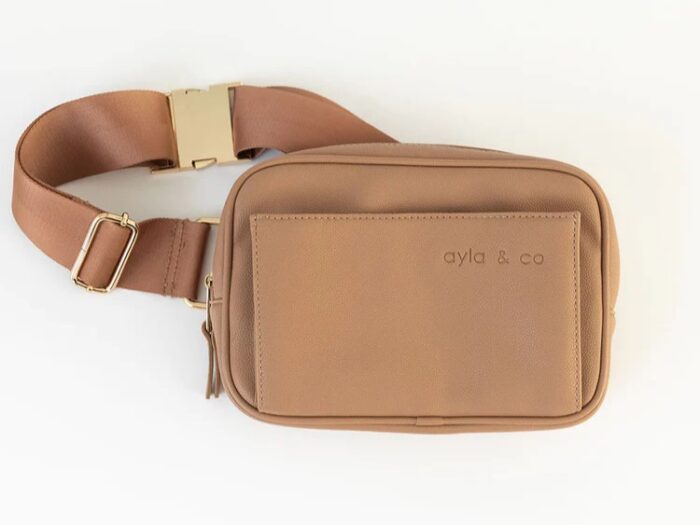
Meet Ayla & Co., the designers of chic and versatile vegan leather bags, suited for everyone and their different needs! Fanny Packs are making a huge comeback, especially for Gen Z, and for good reason- they just simply make life easier! The Ayla Fanny Pack is a great option for students looking for convenience and style. Whether they’re headed back to school, off to college, taking a study break at the gym, or a commuting professional, the options this fanny pack brings are endless. This belt bag comes with all the organizational features expected from an Ayla product, such as a removable credit card wallet, a key leash, and a pass-through pocket designed specifically for a power bank battery to connect to a phone so your student stays connected and fully charged wherever life takes her. The dimensions of the Ayla Fanny Pack are 9 in x 6.5 in x 2 in. Its strap can be adjusted from 30″ to 42″. Additionally, it comes in five attractive colors. Retails for $79 at aylabag.com.
Kitten D’Amour Knightsbridge Umbrella
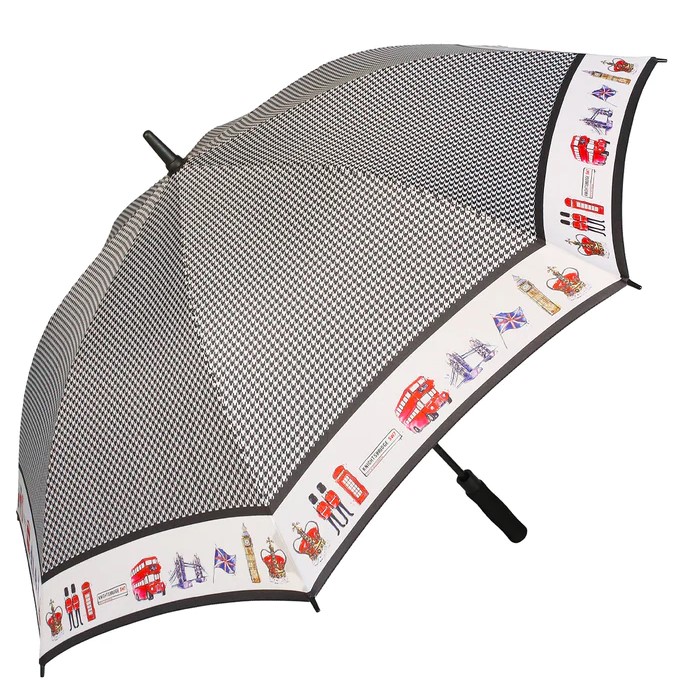
There’s nothing worse than a long walk across a school campus in the pouring rain. Umbrellas are essential, so your teenage and young-adult student might as well have one that’s stylish like these retro-inspired ones from Kitten D’Amour. The Kitten D’Amour Knightsbridge Umbrella features an impressive extra-large canopy (spanning over 125cm), so both your student and their backpack and important school technologies will be covered! Designed in their limited-edition houndstooth fabric, this umbrella features a border of iconic London graphics from Red Telephone Boxes and Double Decker Buses to Big Ben and the Union Jack. It includes a high-quality, cushioned handle that is durable and can withstand any wild weather as well as a matching umbrella sleeve! This is suitable for rain or shine. Retails for $53 at kittendamour.com.
Out Of The Woods Reusable Paper Lunch Bag
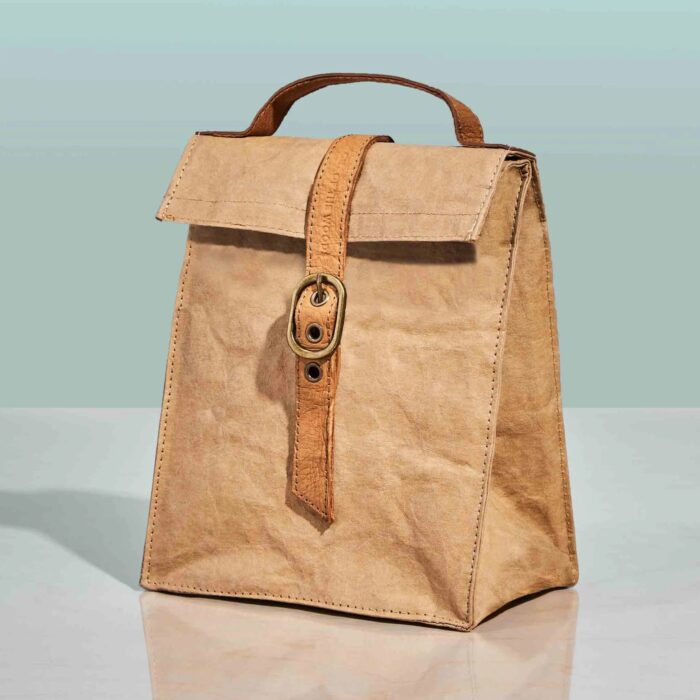
Starting the year off right with a new lunch bag is a must for your student, and Out of the Woods’ sustainable, reusable, paper-made bags are happy to oblige! The Out Of The Woods Reusable Paper Lunch Bag offers a touch of nostalgia with a contemporary update that is refined, yet functional. This spacious reusable Paper Lunch Bag features an extra-thick insulated lining that keeps your student’s snacks and lunch fresh. The exterior features Supernatural Paper®, making it water-resistant and easy to clean. They’re designed to replace paper lunch bags while inspiring students to pack a lunch, saving you money at the cafeteria. Your teen or preteen will love this lunch bag as its trendy and stylish too. Retails for $26 at outofthewoods.com.
Vitality Cozy Zip and Jogger Set
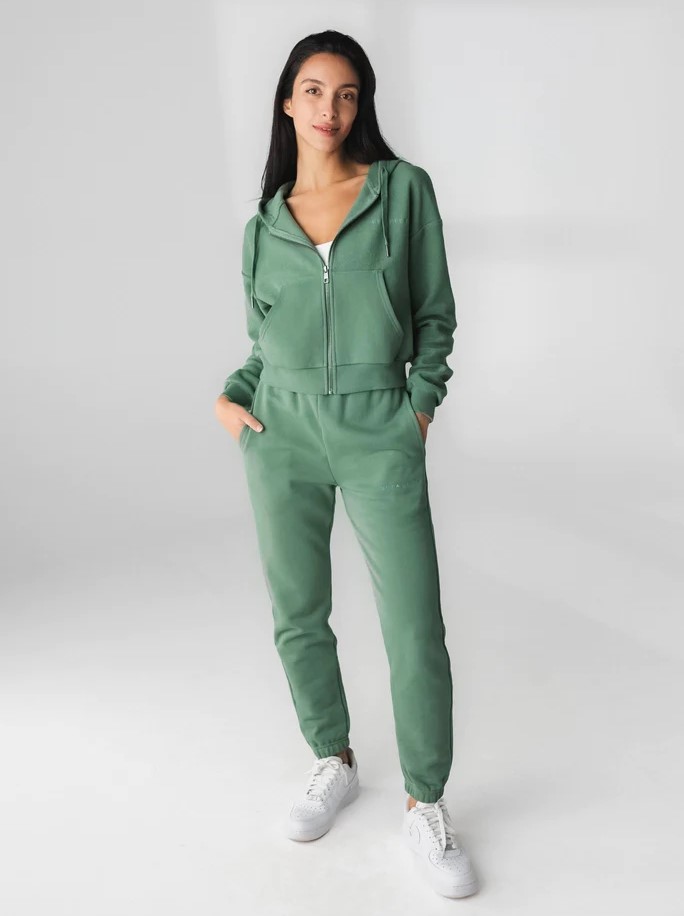
Teenage and young-adult students alike appreciate comfort as they are learning and studying in and out of the classroom. Vitality offers students comfortable stylish clothing both male and female students can feel good in as they go to and from their classrooms. The Vitality Cozy Zip is the ultimate zip-front hoodie perfect for lounging or on the move to class. It features a cinchable drawcord on the hood, a full-zip front, a wide, ribbed waistband and sleeve cuffs to seal in warmth. This zip-up offers a slouchy fit for women, designed to hit right at the hip. It is made of durable yet cozy cotton French terry engineered for the ultimate comfort and ease and has an added stone wash to create a vintage, “lived-in” feel. This 100% French terry material is naturally breathable and your student will love it! On sale now for $42 at shopvitality.com.
Complete her look with the Vitality Cozy Jogger which is a unisex cozy jogger perfect for lounging or learning. They feature a slightly oversized fit for women and a standard fit for men. With a cincable drawcord at the interior waistband, your student can customize the fit for her body. They have roomy side pockets, an elastic waistband and cuffs to seal in warmth. They have the same French terry material as the Vitality Cozy Zip. On sale now for $42 at shopvitality.com.
Arbor Day Foundation – Snake Plant
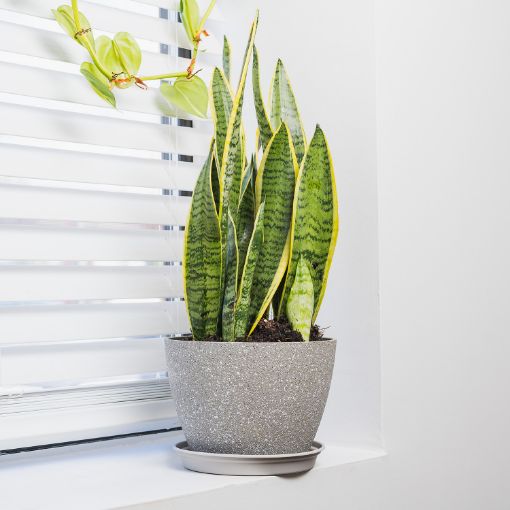 If your student is off to college, gifting an easy-to-care-for plant from Arbor Day Foundation is a great housewarming gift. Founded in 1972, the Arbor Day Foundation is the world’s largest member nonprofit dedicated to planting trees. Not only will your student love the aesthetic a plant from their nursery brings to his or her room, but he/she will think of you in its presence.
Arbor Day’s Snake Plant ‘Laurentii’ is a stunning and low-maintenance house plant that livens any room. The Snake Plant is exceptionally eye-catching and lends a sense of refinement to any space with its upright sword-like leaves with a deep green color highlighted by vivid yellow edges. It not only looks fantastic, but it also offers air-purifying characteristics that facilitate the removal of toxins and impurities from the air. The Snake Plant is hardy and thrives in low-light settings. It requires little watering, making it an excellent choice for those who have busy lives as students do or are new to plant care. It comes with a decorative pot ready to gift to your student. Retails for $59.99 at shop.arborday.org.
VAHDAM India Lemon Ginger Green Tea
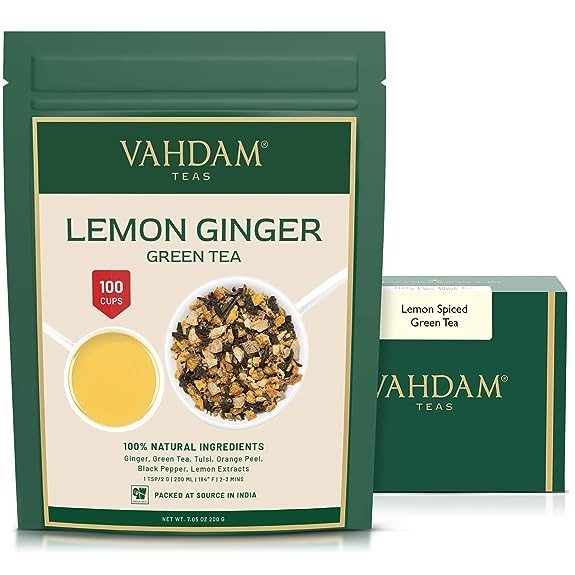
For yourself and young adult students, keep yourself energized in the mornings with VAHDAM India Tea. VAHDAM India Tea sources their teas from over 150 renowned plantations and small individual farms in India. They have green tea, black tea and other varieties with caffeine to help parents and students get energized in the morning for school prep and drop-off. Additionally, their herbal teas help parents unwind after a long day of kids and work.
VAHDAM India Lemon Ginger Green Tea is an all-time favorite combination of zesty lemon and zingy ginger, with the goodness of pure green tea. This green tea has lower caffeine content, which you can enjoy throughout the day for smooth energizing. This beautiful tea contains green tea, tulsi (basil), ginger, orange peel, and black pepper. Its appearance is jade green, its aroma is refreshing sweet-citrus, and its taste is light and smooth. This delicious tea can be enjoyed on its own or with honey or sugar as desired. Retails for $14.99 (7.06 oz bag) at vahdam.com.
The post Back-To-School Essentials for the Busy Parentpreneuer appeared first on Home Business Magazine.
Original source: https://homebusinessmag.com/lifestyles/back-to-school-essentials-busy-parentpreneuer/