10 Sectors Which Require Trade Liability Insurance

Home Business Magazine Online

Given the speed of business today and competitive pressures, protecting your organization from human risks is an even more critical perspective than it was. General liability insurance is a critical safeguard that covers businesses from numerous claims such as bodily injuries, property damage, personal injuries, and many others. The most required form of insurance covers the following ten industries:

1. Construction

Any time you build something there is risk. Whether it is vehicular incidents, heavy machine use, or dealing with hazardous materials accidents can happen in any facet of manufacturing. A worker may be injured, and debris could simply fall on an unfortunate passerby. For example, general liability insurance protects construction firms from lawsuits when people suffer injuries near job sites or builders break someone’s property.

2. Retail

In retail, there is daily foot traffic and a higher probability of slips or trips because of it. These incidents can sometimes result in lawsuits, such as a customer tripping over an object incorrectly placed or employees accidentally breaking a shopper’s belongings. Retailers must also be prepared to handle financial liabilities. This is where general liability insurance comes in.

3. Healthcare

Physicians, dentists, and clinics are faced with several different risks as healthcare providers. It invited patients to sue, charging that the treatment wrought harm and the facility was unsafe Malpractice insurance covers professional errors, general liability does not and is therefore necessary for the medical field.

4. Hospitality

Hotels, restaurants, and bars can have numerous visitors coming in daily which makes them susceptible to several claims. Perhaps the floor is wet and a guest slips, or food triggers an allergic response. Such incidents are covered by general liability insurance, which means that hospitality businesses can be fined for what they were prepared to pay out (in the form of cash settlements).

5. Real Estate

Real estate agents and property managers are in contact with clients or potential buyers. Property viewing accidents or open house injuries can result in costly litigation. General liability insurance can help to cover these unexpected costs and provide peace of mind for real estate professionals.

6. Manufacturing

Due to the nature of manufacturing facilities with dangerous machinery, automation equipment, or chemical exposure, these structures could place workers at risk. Accidents can result in injuries and property damage. Manufacturers liability insurance safeguards manufacturers by paying for all medical and legal expenses, and settlements due to bodily harm or property damage.

7. Education

Every educational institution, from daycares to universities, is responsible for protecting the people who go there – students/staff/visitors. Playgrounds, playground equipment, and sports activities in school are some of the common dangerous areas within teaching environments. General liability insurance can minimize the impact of these incidents by helping to pay for damage so that schools and universities can continue providing educational opportunities.

8. Professional Services

Even if they are not at risk of physical injury, professionals like consultants/accountants/lawyers, etc. could be on the sharp and receiving end of a lawsuit for any number of reasons… As an example, a client could say that your suggestion loses money. It pays for legal fees and court settlements, protecting consultants from claims like the ones noted above.

9. Transportation

High-risk industry, transportation companies like trucking and delivery In any case road accidents do take place at times, and goods may sometimes get damaged in transit. Transportation businesses are uninsured against these types of risks and all potential threats, due to general liability insurance a trucking company with its exposure is protected from losing everything they have because it can’t pay its obligations.

10. Information Technology

At first glance IT companies do not seem likely candidates for general liability insurance, however, they are exposed to significant risks. Whether it is a client for breach of contract, or a third party reporting damages from the tech equipment you use, since these situations are covered under general liability insurance, it is an insurance that IT businesses cannot afford to be without.

Every small business owner needs general liability insurance regardless of the industry. It serves as a financial shield to protect companies against various claims thereby helping them in the smooth run of their businesses without any hassle even if unexpected difficulties arise. By having this type of coverage, the owner protects not only his or her financial property but will also gain assurance understanding they are simply ready for that uncertainty on earth being a business proprietor.

The post 10 Sectors Which Require Trade Liability Insurance appeared first on Home Business Magazine.

Original source: https://homebusinessmag.com/management/insurance/10-sectors-require-trade-liability-insurance/

10 Sectors Which Require Trade Liability Insurance

Home Business Magazine Online

Given the speed of business today and competitive pressures, protecting your organization from human risks is an even more critical perspective than it was. General liability insurance is a critical safeguard that covers businesses from numerous claims such as bodily injuries, property damage, personal injuries, and many others. The most required form of insurance covers the following ten industries:

1. Construction

Any time you build something there is risk. Whether it is vehicular incidents, heavy machine use, or dealing with hazardous materials accidents can happen in any facet of manufacturing. A worker may be injured, and debris could simply fall on an unfortunate passerby. For example, general liability insurance protects construction firms from lawsuits when people suffer injuries near job sites or builders break someone’s property.

2. Retail

In retail, there is daily foot traffic and a higher probability of slips or trips because of it. These incidents can sometimes result in lawsuits, such as a customer tripping over an object incorrectly placed or employees accidentally breaking a shopper’s belongings. Retailers must also be prepared to handle financial liabilities. This is where general liability insurance comes in.

3. Healthcare

Physicians, dentists, and clinics are faced with several different risks as healthcare providers. It invited patients to sue, charging that the treatment wrought harm and the facility was unsafe Malpractice insurance covers professional errors, general liability does not and is therefore necessary for the medical field.

4. Hospitality

Hotels, restaurants, and bars can have numerous visitors coming in daily which makes them susceptible to several claims. Perhaps the floor is wet and a guest slips, or food triggers an allergic response. Such incidents are covered by general liability insurance, which means that hospitality businesses can be fined for what they were prepared to pay out (in the form of cash settlements).

5. Real Estate

Real estate agents and property managers are in contact with clients or potential buyers. Property viewing accidents or open house injuries can result in costly litigation. General liability insurance can help to cover these unexpected costs and provide peace of mind for real estate professionals.

6. Manufacturing

Due to the nature of manufacturing facilities with dangerous machinery, automation equipment, or chemical exposure, these structures could place workers at risk. Accidents can result in injuries and property damage. Manufacturers liability insurance safeguards manufacturers by paying for all medical and legal expenses, and settlements due to bodily harm or property damage.

7. Education

Every educational institution, from daycares to universities, is responsible for protecting the people who go there – students/staff/visitors. Playgrounds, playground equipment, and sports activities in school are some of the common dangerous areas within teaching environments. General liability insurance can minimize the impact of these incidents by helping to pay for damage so that schools and universities can continue providing educational opportunities.

8. Professional Services

Even if they are not at risk of physical injury, professionals like consultants/accountants/lawyers, etc. could be on the sharp and receiving end of a lawsuit for any number of reasons… As an example, a client could say that your suggestion loses money. It pays for legal fees and court settlements, protecting consultants from claims like the ones noted above.

9. Transportation

High-risk industry, transportation companies like trucking and delivery In any case road accidents do take place at times, and goods may sometimes get damaged in transit. Transportation businesses are uninsured against these types of risks and all potential threats, due to general liability insurance a trucking company with its exposure is protected from losing everything they have because it can’t pay its obligations.

10. Information Technology

At first glance IT companies do not seem likely candidates for general liability insurance, however, they are exposed to significant risks. Whether it is a client for breach of contract, or a third party reporting damages from the tech equipment you use, since these situations are covered under general liability insurance, it is an insurance that IT businesses cannot afford to be without.

Every small business owner needs general liability insurance regardless of the industry. It serves as a financial shield to protect companies against various claims thereby helping them in the smooth run of their businesses without any hassle even if unexpected difficulties arise. By having this type of coverage, the owner protects not only his or her financial property but will also gain assurance understanding they are simply ready for that uncertainty on earth being a business proprietor.

The post 10 Sectors Which Require Trade Liability Insurance appeared first on Home Business Magazine.

Original source: https://homebusinessmag.com/management/insurance/10-sectors-require-trade-liability-insurance/

How to prioritize technical SEO tasks

How to prioritize technical SEO tasks

Great content is essential, but technical SEO is the foundation that supports it.

Even the best content will struggle to succeed if your website can’t be crawled, has rendering issues or suffers from poor indexing.

Without a solid technical base, getting to Page 1, earning a link in an AI Overview or driving organic traffic will be nearly impossible.

The problem?

Technical SEO often feels like no man’s land. Marketing teams don’t understand it due to jargon like server codes and meta tags, while engineering teams don’t prioritize it because the website functions fine and their QA tests pass.

As the SEO, you’re stuck in the middle, the bearer of bad news, responsible for creating a technical SEO roadmap. But without clear prioritization, your plan can quickly fall apart and you risk losing support.

Define your goals and set a benchmark

Many SEOs make the big mistake of jumping directly to the technical audit and the fixing part.

  • They fail to understand the business’s goals and define SEO KPIs that are aligned with them.
  • They also miss setting a benchmark for both the current state and the desired outcome in 6 or 12 months. 

Without clear goals and a benchmark, other teams and the leadership might easily deprioritize your SEO efforts. The reasons are simple:

  • If your KPIs aren’t tied to business objectives, you miss the chance to translate technical issues into a business language that earns support. 
  • Without a current-state benchmark, progress becomes difficult to prove, making your work seem like a never-ending task. 
  • And without a future benchmark, engineering teams may resist prioritizing your requests, unsure of when they’ve done “enough.”

Setting clear goals and benchmarks should always be the first step in your SEO prioritization process. Once these are in place, you can take that huge list of technical fixes from your audit and start assigning them the right priority.

Dig deeper: How to get faster SEO results

Create your prioritization matrix 

There are many different approaches to setting a priority for your tasks. Some of the famous ones are:

  • Eisenhower matrix: A simple two-by-two grid with “importance” on the X-axis and “urgency” on the Y-axis. This approach categorizes tasks into four priorities, ranging from low urgency/low importance to high urgency/high importance.
  • ICE scoring model: This one assigns scores from 1 to 10 for three key factors: impact, confidence and ease. Higher scores indicate higher priority tasks.
  • PIF framework: Similar to ICE, but evaluates tasks based on potential, importance and ease, offering a slight variation in prioritization criteria.
  • RICE scoring model: This is another, more detailed approach. RICE stands for reach, impact, confidence and effort, providing a more granular analysis of task value.
  • Cost-benefit analysis matrix: This one weighs the cost (in terms of time, resources and effort) against the potential benefits, ensuring that the most efficient tasks are prioritized.

The specific method you start with doesn’t matter as much. Ultimately, you’ll likely blend elements from different frameworks, creating a customized approach tailored to your unique needs and circumstances.

In my day-to-day work, I use the following template – created with Google Sheets or Excel – which includes the following columns:

Not a system issue

If the answer is no, brace yourself for a long battle. System issues typically need to be addressed at the product or business leadership level, which means securing prioritization from higher-ups.

Example: One website I worked on used a CMS that served images from a CDN. While this seemed fine, the CDN also delivered other elements the provider’s team didn’t want bots to find. So, they restricted all bots via robots.txt. As a result, search engine bots could see the content but not the images.

Unfortunately, this means either the CMS provider must prioritize fixing this, or we should migrate to another CMS. For me, as an SEO, this can be considered a lost battle.

Can I do it by myself?

Having the ability to fix things on your own is invaluable. Many times, technical SEO tasks aren’t prioritized by other teams, or even if they are, there might not be enough resources to address them on time.

Examples: These tasks might include fixing redirects or broken links, updating meta titles and descriptions or optimizing image alt tags. While some of these can be automated with scripts, it’s sometimes faster to manually address them rather than waiting on an automated solution that may take much longer to implement.

Or you can think of a mixed approach. For example, my team has updated 9,000 alt tags, writing first manually everything in English, translating them with AI and implementing them in bulk with a script.

Is it a site-wide issue?

Fixing one element that resolves multiple issues is a dream scenario. Often, this can serve as a powerful filter to help you prioritize which tasks to tackle first.

Example: This category includes issues like a broken link in the footer, unnecessary heavy JavaScript loading on every page or programmatic meta tag templates that apply to hundreds of pages. Essentially, anything that affects the website or page template level falls here.

Get the newsletter search marketers rely on.


Is it on revenue-generating pages or will the fix drive revenue? 

Technical SEO fixes don’t always directly and immediately impact revenue, making it harder to connect the fix with a tangible result in the short term.

Example: Consider a broken “Contact Us” or demo page versus a broken blog post. Similarly, optimizing meta tags for product pages typically has a more direct link to revenue than optimizing the meta tags for an ebook page.

The key here is to clearly understand your website’s segments – know which pages drive conversions and which focus on awareness. At least in the beginning, it is always a good practice to consult with Google Search Console, Google Analytics or your company’s analytics tool before deciding on whether a fix has revenue potential.

Will it have a high impact?

This one and the next two are self-explanatory. You will often rely on your best knowledge and gut feeling.

But usually, if you fix a side-wide issue or an issue related to revenue, you can say with greater confidence that the impact will also be high.

Is the effort low?

I usually break this one down by time:

  • Anything up to two hours can be considered low effort.
  • Between three and five hours is a medium one.
  • Everything above will require more effort and resources.

The logic behind this is that we work on a weekly sprint basis, meaning 40 working hours.

In reality, after spending some time in meetings, answering emails or messages, you can consider yourself lucky if you have 25-30 working hours. A 7-hour project is – more than 20% of your time in the week. Usually, these projects are prolonged in a couple of weeks.

The hours should be adjusted based on your situation. If, for example, you are a contractor and have limited time for communication, you can increase the limits.

If the task will require external help from other teams, try to understand the amount of effort they will need to invest and consider. 

For example, detecting the issue and collecting all related information may take three hours, but for the engineering team, it could easily mean five working days, especially during the QA phase. 

Is it urgent? 

I love this one, as it is so tricky to evaluate correctly. People often mix it with impact, but not everything that will have a big impact is urgent.

Example: If you notice a sudden spike in 404 errors, it’s likely an urgent issue. However, if your site has had the same 500 broken pages for months without new developments, urgency might not apply.

Multi-column prioritization matrix: Template

As a result, my multi-column prioritization matrix is structured with drop-down options for each column.

A custom multi-column prioritization matrix for technical SEO tasks

Each drop-down includes three options:

  • Yes
  • No
  • Don’t know (for cases where the answer is unclear or not strictly yes/no).

In all cells with a drop-down, there is also conditional formatting, which, in my case, adjusts the cell color based on the selected value.

This step is needed as, thanks to the cell color, I can automatically count the cells with concrete value. Unfortunately, the “Countif” formula doesn’t work with dropdowns.

To count the cells with concrete color, you will need to use the following script:

function countByColor(range, color) {
  var sheet = SpreadsheetApp.getActiveSpreadsheet();
  var range = sheet.getRange(range);
  var values = range.getBackgrounds();
  var count = 0;


  for (var i = 0; i < values.length; i++) {
    for (var j = 0; j < values[i].length; j++) {
      if (values[i][j] == color) {
        count++;
      }
    }
  }
 return count;
}

Just place it in Extensions > Apps Script. And the newly created formula, =countByColor("A:A", "#ff0000"), where you just need to adjust the color code.

To calculate the priority, I assign one point to every Yes and 0.5 for every Don’t know.

This custom prioritization matrix may initially feel complex, but it becomes second nature with practice. Eventually, you might not even need Google Sheets to manage it.

If you’re working with a smaller site or don’t have the time for a thorough evaluation, focus on these three key areas:

  • Site-wide issues you can resolve independently.
  • High-impact, low-effort tasks.
  • Revenue-related tasks.

But remember, assigning priority to your tasks is just the first step of the process. 

Put your project management hat on

Technical issues are often not simple to resolve, and fixing them requires a lot of effort and resources from other teams. However, there are three simple techniques you can use if you want to succeed.

Break down large technical tasks into manageable smaller ones

The first step is to embrace an agile approach by breaking large technical tasks into smaller, manageable pieces.

For instance, if you’re dealing with a rendering issue across multiple website widgets, sending the entire project to the engineering team simultaneously may lead to a lengthy timeline – potentially months – since each widget will require individual attention.

Chances are, this project won’t be prioritized anytime soon because it demands too many resources at once.

Instead, present the project as a whole (especially if the issue is consistent across all widgets), but propose a phased approach.

For example, out of the 10 widgets, start with the highest-priority widget, “X,” allowing the team to address the most critical issue first while easing the overall workload.

Get everyone on board

Let me share a real-life example to illustrate this. Before my maternity leave, I was leading a project to migrate our website from HTTP to HTTPS.

Unfortunately, the project wasn’t completed before I left, and shortly afterward, the entire SEO team exited the company. When I came back from a long maternity leave, the project was still unfinished.

The mistake was that only our team knew all the details and why this was so important. It will hurt our organic rankings and if we stayed on HTTP, users would see the “This website is unsafe” message, negatively impacting our organic traffic and conventions.

The lesson?

Get everyone on board from the start.

Share all relevant information, provide clear examples and link to external resources that explain the issue.

The better informed other teams are, the more support you’ll gain to drive the project forward.

Balance with other SEO tasks

Prioritizing technical SEO gives you a solid foundation, but without direction, it’s pointless – like having an airplane without a pilot. It may be well-built, but it won’t take you anywhere.

Don’t neglect the other critical aspects of SEO to make a real impact.

On-page optimization, competitive analysis, topic research and more must work together.

Your SEO strategy requires attention to all these areas to truly succeed.

Dig deeper: Agile for SEOs: How in-house teams get projects prioritized

Monitor and adapt

Prioritizing technical SEO tasks is just the beginning of your journey.

To maintain and grow your SEO success, you must continuously monitor your efforts and be ready to adapt.

Review your KPIs regularly and evaluate the impact of your technical changes. This will help you identify what’s working and where further adjustments are needed.

SEO is an ongoing process – algorithms change, your company and the competition evolve, and new technical challenges arise. Keep monitoring and adapting because SEO success is not a one-time achievement but a never-ending journey.

Original source: https://searchengineland.com/prioritize-technical-seo-tasks-445412

10 Sectors Which Require Trade Liability Insurance

Home Business Magazine Online

Given the speed of business today and competitive pressures, protecting your organization from human risks is an even more critical perspective than it was. General liability insurance is a critical safeguard that covers businesses from numerous claims such as bodily injuries, property damage, personal injuries, and many others. The most required form of insurance covers the following ten industries:

1. Construction

Any time you build something there is risk. Whether it is vehicular incidents, heavy machine use, or dealing with hazardous materials accidents can happen in any facet of manufacturing. A worker may be injured, and debris could simply fall on an unfortunate passerby. For example, general liability insurance protects construction firms from lawsuits when people suffer injuries near job sites or builders break someone’s property.

2. Retail

In retail, there is daily foot traffic and a higher probability of slips or trips because of it. These incidents can sometimes result in lawsuits, such as a customer tripping over an object incorrectly placed or employees accidentally breaking a shopper’s belongings. Retailers must also be prepared to handle financial liabilities. This is where general liability insurance comes in.

3. Healthcare

Physicians, dentists, and clinics are faced with several different risks as healthcare providers. It invited patients to sue, charging that the treatment wrought harm and the facility was unsafe Malpractice insurance covers professional errors, general liability does not and is therefore necessary for the medical field.

4. Hospitality

Hotels, restaurants, and bars can have numerous visitors coming in daily which makes them susceptible to several claims. Perhaps the floor is wet and a guest slips, or food triggers an allergic response. Such incidents are covered by general liability insurance, which means that hospitality businesses can be fined for what they were prepared to pay out (in the form of cash settlements).

5. Real Estate

Real estate agents and property managers are in contact with clients or potential buyers. Property viewing accidents or open house injuries can result in costly litigation. General liability insurance can help to cover these unexpected costs and provide peace of mind for real estate professionals.

6. Manufacturing

Due to the nature of manufacturing facilities with dangerous machinery, automation equipment, or chemical exposure, these structures could place workers at risk. Accidents can result in injuries and property damage. Manufacturers liability insurance safeguards manufacturers by paying for all medical and legal expenses, and settlements due to bodily harm or property damage.

7. Education

Every educational institution, from daycares to universities, is responsible for protecting the people who go there – students/staff/visitors. Playgrounds, playground equipment, and sports activities in school are some of the common dangerous areas within teaching environments. General liability insurance can minimize the impact of these incidents by helping to pay for damage so that schools and universities can continue providing educational opportunities.

8. Professional Services

Even if they are not at risk of physical injury, professionals like consultants/accountants/lawyers, etc. could be on the sharp and receiving end of a lawsuit for any number of reasons… As an example, a client could say that your suggestion loses money. It pays for legal fees and court settlements, protecting consultants from claims like the ones noted above.

9. Transportation

High-risk industry, transportation companies like trucking and delivery In any case road accidents do take place at times, and goods may sometimes get damaged in transit. Transportation businesses are uninsured against these types of risks and all potential threats, due to general liability insurance a trucking company with its exposure is protected from losing everything they have because it can’t pay its obligations.

10. Information Technology

At first glance IT companies do not seem likely candidates for general liability insurance, however, they are exposed to significant risks. Whether it is a client for breach of contract, or a third party reporting damages from the tech equipment you use, since these situations are covered under general liability insurance, it is an insurance that IT businesses cannot afford to be without.

Every small business owner needs general liability insurance regardless of the industry. It serves as a financial shield to protect companies against various claims thereby helping them in the smooth run of their businesses without any hassle even if unexpected difficulties arise. By having this type of coverage, the owner protects not only his or her financial property but will also gain assurance understanding they are simply ready for that uncertainty on earth being a business proprietor.

The post 10 Sectors Which Require Trade Liability Insurance appeared first on Home Business Magazine.

Original source: https://homebusinessmag.com/management/insurance/10-sectors-require-trade-liability-insurance/

How to prioritize technical SEO tasks

How to prioritize technical SEO tasks

Great content is essential, but technical SEO is the foundation that supports it.

Even the best content will struggle to succeed if your website can’t be crawled, has rendering issues or suffers from poor indexing.

Without a solid technical base, getting to Page 1, earning a link in an AI Overview or driving organic traffic will be nearly impossible.

The problem?

Technical SEO often feels like no man’s land. Marketing teams don’t understand it due to jargon like server codes and meta tags, while engineering teams don’t prioritize it because the website functions fine and their QA tests pass.

As the SEO, you’re stuck in the middle, the bearer of bad news, responsible for creating a technical SEO roadmap. But without clear prioritization, your plan can quickly fall apart and you risk losing support.

Define your goals and set a benchmark

Many SEOs make the big mistake of jumping directly to the technical audit and the fixing part.

  • They fail to understand the business’s goals and define SEO KPIs that are aligned with them.
  • They also miss setting a benchmark for both the current state and the desired outcome in 6 or 12 months. 

Without clear goals and a benchmark, other teams and the leadership might easily deprioritize your SEO efforts. The reasons are simple:

  • If your KPIs aren’t tied to business objectives, you miss the chance to translate technical issues into a business language that earns support. 
  • Without a current-state benchmark, progress becomes difficult to prove, making your work seem like a never-ending task. 
  • And without a future benchmark, engineering teams may resist prioritizing your requests, unsure of when they’ve done “enough.”

Setting clear goals and benchmarks should always be the first step in your SEO prioritization process. Once these are in place, you can take that huge list of technical fixes from your audit and start assigning them the right priority.

Dig deeper: How to get faster SEO results

Create your prioritization matrix 

There are many different approaches to setting a priority for your tasks. Some of the famous ones are:

  • Eisenhower matrix: A simple two-by-two grid with “importance” on the X-axis and “urgency” on the Y-axis. This approach categorizes tasks into four priorities, ranging from low urgency/low importance to high urgency/high importance.
  • ICE scoring model: This one assigns scores from 1 to 10 for three key factors: impact, confidence and ease. Higher scores indicate higher priority tasks.
  • PIF framework: Similar to ICE, but evaluates tasks based on potential, importance and ease, offering a slight variation in prioritization criteria.
  • RICE scoring model: This is another, more detailed approach. RICE stands for reach, impact, confidence and effort, providing a more granular analysis of task value.
  • Cost-benefit analysis matrix: This one weighs the cost (in terms of time, resources and effort) against the potential benefits, ensuring that the most efficient tasks are prioritized.

The specific method you start with doesn’t matter as much. Ultimately, you’ll likely blend elements from different frameworks, creating a customized approach tailored to your unique needs and circumstances.

In my day-to-day work, I use the following template – created with Google Sheets or Excel – which includes the following columns:

Not a system issue

If the answer is no, brace yourself for a long battle. System issues typically need to be addressed at the product or business leadership level, which means securing prioritization from higher-ups.

Example: One website I worked on used a CMS that served images from a CDN. While this seemed fine, the CDN also delivered other elements the provider’s team didn’t want bots to find. So, they restricted all bots via robots.txt. As a result, search engine bots could see the content but not the images.

Unfortunately, this means either the CMS provider must prioritize fixing this, or we should migrate to another CMS. For me, as an SEO, this can be considered a lost battle.

Can I do it by myself?

Having the ability to fix things on your own is invaluable. Many times, technical SEO tasks aren’t prioritized by other teams, or even if they are, there might not be enough resources to address them on time.

Examples: These tasks might include fixing redirects or broken links, updating meta titles and descriptions or optimizing image alt tags. While some of these can be automated with scripts, it’s sometimes faster to manually address them rather than waiting on an automated solution that may take much longer to implement.

Or you can think of a mixed approach. For example, my team has updated 9,000 alt tags, writing first manually everything in English, translating them with AI and implementing them in bulk with a script.

Is it a site-wide issue?

Fixing one element that resolves multiple issues is a dream scenario. Often, this can serve as a powerful filter to help you prioritize which tasks to tackle first.

Example: This category includes issues like a broken link in the footer, unnecessary heavy JavaScript loading on every page or programmatic meta tag templates that apply to hundreds of pages. Essentially, anything that affects the website or page template level falls here.

Get the newsletter search marketers rely on.


Is it on revenue-generating pages or will the fix drive revenue? 

Technical SEO fixes don’t always directly and immediately impact revenue, making it harder to connect the fix with a tangible result in the short term.

Example: Consider a broken “Contact Us” or demo page versus a broken blog post. Similarly, optimizing meta tags for product pages typically has a more direct link to revenue than optimizing the meta tags for an ebook page.

The key here is to clearly understand your website’s segments – know which pages drive conversions and which focus on awareness. At least in the beginning, it is always a good practice to consult with Google Search Console, Google Analytics or your company’s analytics tool before deciding on whether a fix has revenue potential.

Will it have a high impact?

This one and the next two are self-explanatory. You will often rely on your best knowledge and gut feeling.

But usually, if you fix a side-wide issue or an issue related to revenue, you can say with greater confidence that the impact will also be high.

Is the effort low?

I usually break this one down by time:

  • Anything up to two hours can be considered low effort.
  • Between three and five hours is a medium one.
  • Everything above will require more effort and resources.

The logic behind this is that we work on a weekly sprint basis, meaning 40 working hours.

In reality, after spending some time in meetings, answering emails or messages, you can consider yourself lucky if you have 25-30 working hours. A 7-hour project is – more than 20% of your time in the week. Usually, these projects are prolonged in a couple of weeks.

The hours should be adjusted based on your situation. If, for example, you are a contractor and have limited time for communication, you can increase the limits.

If the task will require external help from other teams, try to understand the amount of effort they will need to invest and consider. 

For example, detecting the issue and collecting all related information may take three hours, but for the engineering team, it could easily mean five working days, especially during the QA phase. 

Is it urgent? 

I love this one, as it is so tricky to evaluate correctly. People often mix it with impact, but not everything that will have a big impact is urgent.

Example: If you notice a sudden spike in 404 errors, it’s likely an urgent issue. However, if your site has had the same 500 broken pages for months without new developments, urgency might not apply.

Multi-column prioritization matrix: Template

As a result, my multi-column prioritization matrix is structured with drop-down options for each column.

A custom multi-column prioritization matrix for technical SEO tasks

Each drop-down includes three options:

  • Yes
  • No
  • Don’t know (for cases where the answer is unclear or not strictly yes/no).

In all cells with a drop-down, there is also conditional formatting, which, in my case, adjusts the cell color based on the selected value.

This step is needed as, thanks to the cell color, I can automatically count the cells with concrete value. Unfortunately, the “Countif” formula doesn’t work with dropdowns.

To count the cells with concrete color, you will need to use the following script:

function countByColor(range, color) {
 var sheet = SpreadsheetApp.getActiveSpreadsheet();
 var range = sheet.getRange(range);
 var values = range.getBackgrounds();
 var count = 0;


 for (var i = 0; i < values.length; i++) {
  for (var j = 0; j < values[i].length; j++) {
   if (values[i][j] == color) {
    count++;
   }
  }
 }
 return count;
}

Just place it in Extensions > Apps Script. And the newly created formula, =countByColor("A:A", "#ff0000"), where you just need to adjust the color code.

To calculate the priority, I assign one point to every Yes and 0.5 for every Don’t know.

This custom prioritization matrix may initially feel complex, but it becomes second nature with practice. Eventually, you might not even need Google Sheets to manage it.

If you’re working with a smaller site or don’t have the time for a thorough evaluation, focus on these three key areas:

  • Site-wide issues you can resolve independently.
  • High-impact, low-effort tasks.
  • Revenue-related tasks.

But remember, assigning priority to your tasks is just the first step of the process. 

Put your project management hat on

Technical issues are often not simple to resolve, and fixing them requires a lot of effort and resources from other teams. However, there are three simple techniques you can use if you want to succeed.

Break down large technical tasks into manageable smaller ones

The first step is to embrace an agile approach by breaking large technical tasks into smaller, manageable pieces.

For instance, if you’re dealing with a rendering issue across multiple website widgets, sending the entire project to the engineering team simultaneously may lead to a lengthy timeline – potentially months – since each widget will require individual attention.

Chances are, this project won’t be prioritized anytime soon because it demands too many resources at once.

Instead, present the project as a whole (especially if the issue is consistent across all widgets), but propose a phased approach.

For example, out of the 10 widgets, start with the highest-priority widget, “X,” allowing the team to address the most critical issue first while easing the overall workload.

Get everyone on board

Let me share a real-life example to illustrate this. Before my maternity leave, I was leading a project to migrate our website from HTTP to HTTPS.

Unfortunately, the project wasn’t completed before I left, and shortly afterward, the entire SEO team exited the company. When I came back from a long maternity leave, the project was still unfinished.

The mistake was that only our team knew all the details and why this was so important. It will hurt our organic rankings and if we stayed on HTTP, users would see the “This website is unsafe” message, negatively impacting our organic traffic and conventions.

The lesson?

Get everyone on board from the start.

Share all relevant information, provide clear examples and link to external resources that explain the issue.

The better informed other teams are, the more support you’ll gain to drive the project forward.

Balance with other SEO tasks

Prioritizing technical SEO gives you a solid foundation, but without direction, it’s pointless – like having an airplane without a pilot. It may be well-built, but it won’t take you anywhere.

Don’t neglect the other critical aspects of SEO to make a real impact.

On-page optimization, competitive analysis, topic research and more must work together.

Your SEO strategy requires attention to all these areas to truly succeed.

Dig deeper: Agile for SEOs: How in-house teams get projects prioritized

Monitor and adapt

Prioritizing technical SEO tasks is just the beginning of your journey.

To maintain and grow your SEO success, you must continuously monitor your efforts and be ready to adapt.

Review your KPIs regularly and evaluate the impact of your technical changes. This will help you identify what’s working and where further adjustments are needed.

SEO is an ongoing process – algorithms change, your company and the competition evolve, and new technical challenges arise. Keep monitoring and adapting because SEO success is not a one-time achievement but a never-ending journey.

Original source: https://searchengineland.com/prioritize-technical-seo-tasks-445412

Reports: Perplexity ads to launch in Q4

Perplexity AI: Exploring AI-powered search beyond Google

AI search engine Perplexity is expected to launch ads in Q4 in “15 key categories.”

Ad categories. Here are some categories where Perplexity ads will appear:

  • Arts and entertainment.
  • Finance.
  • Food and beverage
  • Health.
  • Technology.

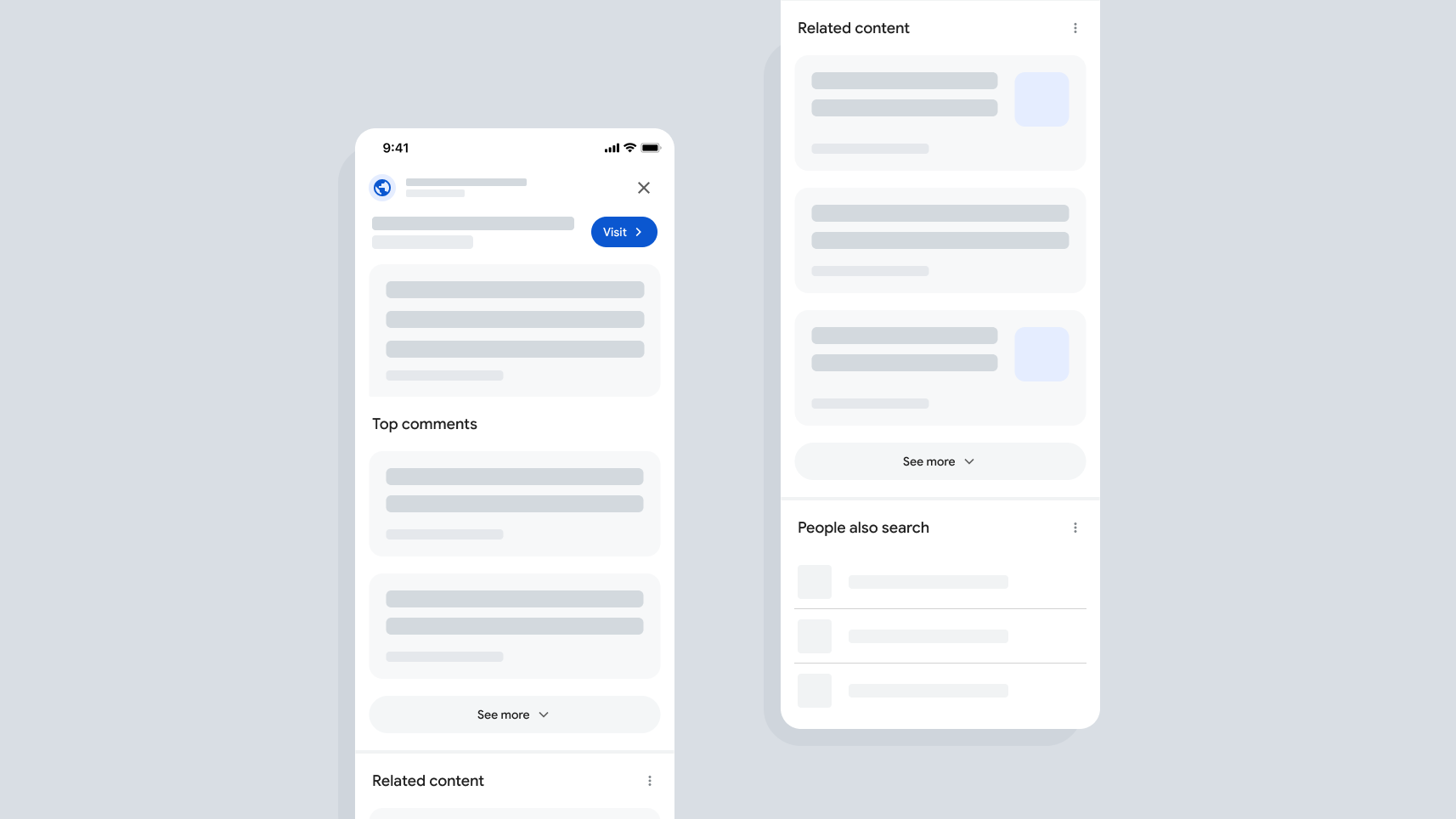
Video ads. Advertisers will be able to run video ads on mobile (at the top of related questions) or desktop (on the side screen).

  • “These ads will be accompanied by text that highlights their products,” Adweek reported.

Sponsored questions. The pitch deck confirmed Perplexity’s plans to let advertisers pay to appear on related questions. We reported on Perplexity’s plans to sell ads for related questions in April. When a user clicks on a sponsored question, it will trigger an answer like an organic question, according to the reports.

  • Perplexity processes more than 230 million queries globally per month, according to the pitch deck.

The reports. CNBC and Adweek (registration required) both reported on details from a pitch deck for the upcoming ad product.

Original source: https://searchengineland.com/reports-perplexity-ads-to-launch-in-q4-445475

The Essential Guide to Accepting Payments in Your Home Business

Home Business Magazine Online

Starting a home-based business is an exciting venture, filled with opportunities to turn your passions into profit. However, one critical aspect of running a successful home business is the ability to seamlessly accept payments from your customers. Whether you’re selling products online, offering services, or running a subscription-based business, setting up an efficient payment processing system is essential to your success.

In this guide, we’ll explore the importance of choosing the right payment processing solution for your home business, discuss the various options available, and highlight some best practices to ensure smooth transactions for you and your customers.

Why Payment Processing Matters for Home Businesses

In the fast-paced world of online commerce, customers expect a smooth and secure payment experience. Any friction in the payment process can lead to abandoned carts, lost sales, and even damage to your business’s reputation. For home businesses, where every sale counts, it’s important to have a reliable system in place to accept payments.

Efficient payment processing not only ensures that you receive payments quickly but also enhances the customer experience, making it more likely that satisfied customers will return and recommend your business to others. Plus, a well-chosen payment processing solution can help you manage your cash flow more effectively, giving you the financial flexibility to grow your business.

Choosing the Right Payment Processing Solution

When it comes to selecting a payment processing solution for your home business, you’ll need to consider several factors:

Payment Methods Accepted

Some customers may prefer credit cards, others may opt for digital wallets like PayPal, and some might even use newer methods like cryptocurrency. It’s important to choose a payment processing solution that supports a variety of payment methods to cater to a broader audience.

Fees and Costs

Different payment processors have varying fee structures, including transaction fees, monthly fees, and setup fees. For a small home business, these costs can add up quickly. Look for a solution that offers competitive pricing without compromising on features and security.

Security Features

With cyber threats on the rise, security is paramount. Ensure that the payment processor you choose complies with PCI DSS (Payment Card Industry Data Security Standard) and offers robust fraud prevention tools. Customers must be able to trust that their private information is protected.

Ease of Integration

Depending on how you sell your products or services—whether through a website, social media, or in-person—you’ll want a payment processing solution that integrates easily with your sales platforms. The less time you spend on technical setup, the more time you can devote to growing your business.

One solution for home businesses is the 2accept payment processing platform. Designed with small businesses and entrepreneurs in mind, 2accept offers a comprehensive and user-friendly payment processing service that ticks all the boxes for home-based entrepreneurs.

Best Practices for Smooth Payment Processing

To maximize the efficiency of your payment processing system, consider the following best practices:

Keep Your Payment Process Simple

The more straightforward the payment process, the better the customer experience. Avoid requiring unnecessary steps or information that could lead to cart abandonment.

Regularly Review Your Payment Solutions

Technology and customer preferences evolve, so it’s a good idea to periodically review your payment processing setup. Ensure that it continues to meet your business’s needs and remains competitive in terms of fees and features.

Monitor for Fraud

Stay vigilant against fraud by using the tools provided by your payment processor. Set up alerts for suspicious activity and regularly review your transactions to catch any issues early.

Provide Clear Payment Instructions

Ensure that your customers know exactly how to complete their purchase. This includes providing clear instructions on your website and being transparent about any fees, such as shipping or handling charges.

Conclusion

In today’s competitive marketplace, having a reliable and versatile payment processing solution is essential for the success of your home business. You can provide your customers with a seamless and secure payment experience, which in turn helps build trust and encourages repeat business.

Remember, the right payment processing setup not only facilitates transactions but also plays a major role in the overall customer experience. By taking the time to choose and implement the best solution for your needs, you’ll be setting your home business up for long-term success.

The post The Essential Guide to Accepting Payments in Your Home Business appeared first on Home Business Magazine.

Original source: https://homebusinessmag.com/money/how-to-guides-money/guide-payment-processing-home-business/

Dog Boarding Business Safety: Preventing and Addressing Bite Claims

Home Business Magazine Online

The pet industry is booming, and pet startups are jumping on that demand. In fact, the market is now worth a whopping USD$ 320 billion, showing just how much people love their pets and are willing to splurge on them. Among the services people patronize is dog boarding.

Now, despite how lucrative this business may seem, running one is no piece of cake. As an owner, you know that keeping your furry guests safe and happy is job number one. Unfortunately, things can go sideways, and bite incidents occur. This can be upsetting for everyone involved, especially for dog owners. This also carries significant legal and financial risks for your business.

That’s why you must have an action plan for preventing and effectively addressing bite claims at your facility. Here’s how you can do that:

Preventing Bites

Ensuring the safety and well-being of the canine guests entrusted to your dog boarding business is a top priority. You can implement that by doing the following:

Thorough Screening

It’s really important to screen all dogs carefully before they come to our boarding facility. You need to assess their personality, review their behavior history, and look for any signs of aggression. This will help you determine if they’re a good fit for your facility.

Staff Training   

Want a team that can handle any furry situation? Make sure everyone knows the ins and outs of dog behavior. From recognizing aggression to calming things down, training your staff is like having insurance against trouble. Not only does it keep your dogs safe, but it also gives your customers peace of mind.

Secure Facilities

A strong fence and a locked gate are like fortresses for your furry friends. They keep your dogs from wandering off or getting into trouble with others. A safe space is a happy space, and it shows your customers you mean business when it comes to safety.

Supervision and Monitoring

Keep a close eye on the dogs at all times! Your staff should be on the lookout for any signs of trouble and step in before things get out of hand. It’s like having a personal guardian for your furry guests, and it shows your customers that you really care about their pets.

Separate Accommodations

It’s also important to keep dogs in separate areas based on their size, age, temperament, and any aggression issues. This can really help prevent fights. Keep the troublemakers away from the others. By separating dogs that might not get along, you’re creating a safer environment for everyone.

Addressing Bite Claims

Despite all the prevention measures in place, in the worst-case scenario, you may be facing dog bite liability. Now, this may involve some legal proceedings with the help of dog bite lawyers, but it doesn’t mean they’ll do all the work for you. Here’s what you can do:

Incident Documentation     

When a bite incident occurs at your dog boarding facility, thoroughly documenting the details is an essential step. Carefully record the circumstances surrounding the event, the identities of the dogs involved, any resulting injuries, and the actions taken by your staff, you create a comprehensive record that can prove invaluable should legal actions arise.

Veterinary Assessment

After any bite incident, you must act urgently and bring all the dogs involved to the vet for examination. This serves two purposes. First, it ensures that any injuries are properly treated. Second, it provides a professional assessment of whether the dog poses an ongoing risk.

The vet’s report becomes part of your incident documentation and can guide your decisions about the dog’s future stays at your facility.

Bite Claims

Owner Communication      

It’s important to provide a full detail of the bite incident, this includes:

  • what happened
  • what your team did
  • what needs to be done for future boarding

Nobody likes to deliver bad news. But when you’re upfront with pet owners, it shows you genuinely care about their furry family members. If they’ve got questions or worries, don’t dodge them—tackle them head-on. This approach can work wonders in calming frazzled nerves and proving that you’re all in when it comes to keeping their four-legged friends safe and sound.

Review and Update Policies

Every incident, no matter how small, is an opportunity to improve. After addressing the immediate concerns, take some time to review what happened. Ask yourself and your team:

  • Could this incident have been prevented?
  • Were there any warning signs we missed?
  • Do our current policies and procedures need updating?

Use these insights to strengthen your safety measures. This might involve additional staff training, changes to your facility layout, or updates to your screening process.

Legal Compliance     

It’s important to understand and follow all local laws about dog bites. This means:

  • Know your reporting requirements. Some areas require you to report all bite incidents, even minor ones.
  • Understand your liability. Laws vary, but you could be held responsible for bites that happen in your facility.
  • Stay up-to-date on any changes in local pet care regulations.
  • Consider consulting a lawyer who specializes in animal-related businesses to review your policies and procedures.

By following the rules, you’re not just covering your back legally. You’re also showing clients that you take their pets’ safety seriously.

Insurance Coverage    

Finally, make sure your business has appropriate liability insurance. This can provide crucial financial protection if a bite claim leads to a lawsuit.

Review your policy regularly to ensure it provides adequate coverage for your specific needs. As your business grows or changes, your insurance needs might change too.

Final Thoughts     

Handling a dog boarding business necessitates the safety and well-being of your furry guests and is a profound responsibility that requires a comprehensive approach. With prevention measures in place and being prepared for claims, you can protect your dogs, your business, and your reputation. This will help you attract and keep loyal customers.

The post Dog Boarding Business Safety: Preventing and Addressing Bite Claims appeared first on Home Business Magazine.

Original source: https://homebusinessmag.com/business-start-up/legal-structure/dog-boarding-business-safety-bite-claims/

Reports: Perplexity ads to launch in Q4

Perplexity AI: Exploring AI-powered search beyond Google

AI search engine Perplexity is expected to launch ads in Q4 in “15 key categories.”

Ad categories. Here are some categories where Perplexity ads will appear:

  • Arts and entertainment.
  • Finance.
  • Food and beverage
  • Health.
  • Technology.

Video ads. Advertisers will be able to run video ads on mobile (at the top of related questions) or desktop (on the side screen).

  • “These ads will be accompanied by text that highlights their products,” Adweek reported.

Sponsored questions. The pitch deck confirmed Perplexity’s plans to let advertisers pay to appear on related questions. We reported on Perplexity’s plans to sell ads for related questions in April. When a user clicks on a sponsored question, it will trigger an answer like an organic question, according to the reports.

  • Perplexity processes more than 230 million queries globally per month, according to the pitch deck.

The reports. CNBC and Adweek (registration required) both reported on details from a pitch deck for the upcoming ad product.

Original source: https://searchengineland.com/reports-perplexity-ads-to-launch-in-q4-445475

Reports: Perplexity ads to launch in Q4

Perplexity AI: Exploring AI-powered search beyond Google

AI search engine Perplexity is expected to launch ads in Q4 in “15 key categories.”

Ad categories. Here are some categories where Perplexity ads will appear:

  • Arts and entertainment.
  • Finance.
  • Food and beverage
  • Health.
  • Technology.

Video ads. Advertisers will be able to run video ads on mobile (at the top of related questions) or desktop (on the side screen).

  • “These ads will be accompanied by text that highlights their products,” Adweek reported.

Sponsored questions. The pitch deck confirmed Perplexity’s plans to let advertisers pay to appear on related questions. We reported on Perplexity’s plans to sell ads for related questions in April. When a user clicks on a sponsored question, it will trigger an answer like an organic question, according to the reports.

  • Perplexity processes more than 230 million queries globally per month, according to the pitch deck.

The reports. CNBC and Adweek (registration required) both reported on details from a pitch deck for the upcoming ad product.

Original source: https://searchengineland.com/reports-perplexity-ads-to-launch-in-q4-445475