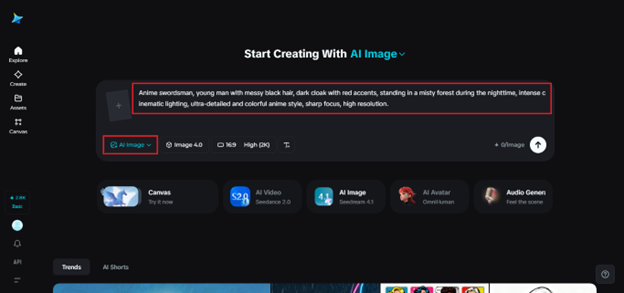
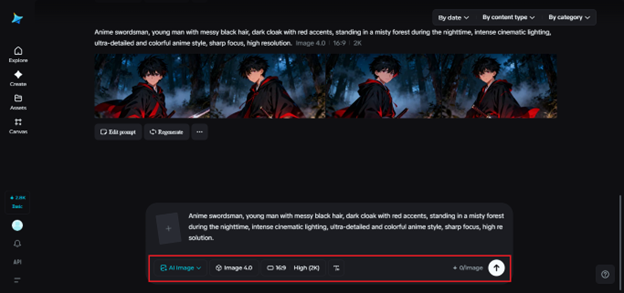
10 Proven Ways to Boost Your Qwen Image Creations

Home Business Magazine Online

Dive into practical strategies that elevate Qwen Image outputs from basic to professional.

For the latest in-depth techniques, explore the comprehensive QWEN Image 2.0 Guide early in your journey to master advanced prompting and editing.

Master Prompt Basics

Every prompt should include a subject‚ what the subject is doing‚ the environment‚ the lighting‚ and any additional details to create a vivid image for the model to interpret․

It is best to ensure that prompts contain the most relevant information at the start of the prompt‚ presented as short phrases rather than long sentences‚ to avoid confusion․

Adding dramatic shadows or calm twilight helps with mood‚ as well as adding depth and making images more engaging․ This is needed to turn basic input into successful images․

Optimize Text Rendering

Qwen Image also excels at generating and modifying text in images‚ including quote signs‚ titles‚ labels‚ and other text as is‚ resulting in clear‚ distortion-free text․

For a poster design‚ a stylish cursive font or a strong sans-serif font can be used along with a texture in the background for a refined look․

Overlay text on top of primary imagery with precise sizing‚ color‚ and placement to create promotional materials or invitations that appear smoothly integrated․

Perfect Aspect Ratios

Use correct ratios‚ e․g․‚ square for avatars or wide for banners․ To keep quality‚ use native image resolutions to avoid detail loss․

Use portrait orientation on mobile devices; landscape on a desktop․ A larger pixel count is desirable for texture in an expanse or a close-up portrait․

Using a batchvariants are created at multiple ratios to streamline decisions on the best fit and easily create consistent‚ platform-ready output․

Refine with Negative Prompts

Negative prompts are used to remove unwanted artifacts such as blurriness or warped proportions․ Including terms that describe these artifacts can reduce their frequency

It is advisable not to distort the human body‚ nor to make odd poses․ This is best for portraiture․

Keep negative lists short and focused to avoid excessive negative learning․ Use specific descriptors for outputs that are close to the desired outcome․

Essential Editing Tricks

Changes made to objects‚ as well as any context such as lighting or the scale of a scene‚ should be described․

By outlining what needs to be replacedperspective and flow in the composition can be preserved as well as unwanted elements corrected in a final image․

Use style shifting algorithms to transform plain images into artistic styles and mix the original and stylized image using blending strength․

Parameter Tuning Secrets

For most scenes‚ the optimal value is between 25 and 35‚ but you may want a higher value for scenes with detail or images with transparency or reflection․

Use a guidance scale of 5-7 for simple and accurate text and a higher value for precise text or technical illustrations․

Lock your seeds‚ and vary your settings with small changes to your prompt‚ to help speed up iterations․

Text-to-Image Workflows

This approach incorporates a base‚ exploring the surrounding details and effects․ Low-step drafts ease experimentation before the final form․

For multi-part stories‚ the description of the character should remain the same while their stance‚ clothing‚ and surroundings change․

Process batches of ideas in relation to each other and adjust parameters to create images more quickly without losing quality

Advanced Style Techniques

By combining references to different art styles in the prompt‚ it is possible to create distinct combinations․

Again‚ it all comes down to lighting․ Backlit silhouettes․ Soft diffused glows․ Take it up to pro level on the big screen․

Subtle emphasis weights should be assigned to important elements only‚ so as not to overpower the rest of the design․

Common Pitfalls to Avoid

Avoid vague adjectives with no distinguishable intent when there are specific adjectives available․ Use front-loading to help the model understand the most relevant information

Don’t combine contradictory styles in a single prompt․ You should test which styles are helpful in isolation

It is best to write in short sentences and note combinations that accomplish these aims for future use․

Pro Workflow Integration

Use a step approach: sketches or thumbnails at lower steps‚ and polished finals at higher ones․ Templates should be created for common themes/brands․

It might be helpful to put your examples in a dedicated area‚ like Pixel Dojo․

Chain multiple edits from a strong base image to create complex narrative structures that can scale for campaigns and storytelling․

Portrait Perfection Tips

The woman‚ who is of Arab descent and smiling‚ is wearing a black hoodie and jeans․

He used simple backgrounds and controlled lighting to highlight the subject․ Negatives preserved accurate skin tones without excessive retouching․

Examples of warm setups include sunlight‚ which can produce a more realistic feel and can be used for headshots․

Landscape Mastery

Rendering foreground elements as well as structures and horizons in the mid and background‚ including fog‚ golden rays‚ etc․

In the high step counts‚ details are often rendered in sharp relief‚ such as leaves‚ water‚ or rocks‚ with the wide aspect ratio lending a sense of scale

Negatives block synthetic colors‚ retain natural colors‚ and can be used for beautiful wallpapers‚ prints or posters․

Logo and Graphic Design

Focus on clean geometrygradients‚ and minimalism for scalability‚ and quote text to precise layout․

Quickly test various color options and preview in branding and other mockup applications․

This vector-like precision is perfect for icons‚ badges‚ and advertising․

Speed Up Iterations

When generating images‚ use low resolution previews until a good direction is found‚ and then use full resolution․

Use fixed seeds‚ only varying one prompt variable at a time to view iterations․ Keep a journal of hit patterns

Batching similar concepts reduces switching costs in the creation process and helps novice creators․

With Qwen image creations‚ there are no limits! These techniques‚ when integrated into your routine‚ will result in an impressive improvement to your images․

The post 10 Proven Ways to Boost Your Qwen Image Creations appeared first on Home Business Magazine.

Original source: https://homebusinessmag.com/businesses/ecommerce/internet-marketing-ecommerce/10-proven-ways-boost-qwen-image-creations/

Fresh Air, Better Focus: Improving Air Quality in Office Spaces for Healthier Workdays

Home Business Magazine Online

Aesthetic design means nothing if the air is stagnant. Smart owners focus on workspace physics because trapped $CO_2$ and pollutants create a productivity-killing mental fog. Fixing these dead zones is about more than the thermostat; it requires professional air movement solutions for offices, gyms, and stores to maintain an active, clean airflow. Whether managing a massive retail floor or a dense tech suite, a deliberate circulation plan ensures the environment stays as sharp and energized as the people within it.

Why Dynamic Airflow is Non-Negotiable

Static air is the enemy of a healthy indoor environment. When air stays still in a workspace, $CO_2$ and pollutants start to pool, which is exactly why people end up with headaches or that afternoon brain fog. Smart managers consult EPA guidelines to stay on top of these health risks, but the fix is usually better circulation. Real air movement doesn’t just swirl dust around; it actually breaks up heat pockets and dilutes the junk in the air. When the air quality in office space feels clean and moves right, customers stay longer in a shop, and athletes can actually push through a harder workout without feeling suffocated.

Strategic Implementation Across Industries

Every workspace has its own specific airflow challenges. In an open office, the air circulation needs to be just right. It should move enough air to keep things fresh, but not be so noisy that it bothers people, or so powerful that it sends papers flying off desks. Big industrial fans on the ceiling work great in this spot. They push a lot of air around slowly and comfortably. This means you can actually turn the thermostat up a bit, and people won’t even feel hot. To get the best results, many pros stick to ASHRAE standards to ensure the environment stays safe and consistent.

Maximizing Efficiency and Performance

Picking the right equipment is only the first step, because the true value lies in how well those tools integrate with the rest of the building. High-performance air movement solutions for offices, gyms, and stores shouldn’t be fighting against the central HVAC; instead, they should be perfectly in sync to achieve the best results. Most modern fans and blowers now come with smart sensors and variable-speed drives that can actually “read” the room, adjusting themselves based on how many people are inside or the current $CO_2$ levels. Smart systems only ramp up when needed, which cuts down on monthly utility bills. Being strategic about where you install equipment finally kills off those dead zones where moisture, odors, and stale air usually hide. Directing air this way makes central filtration much more effective, making sure clean air actually reaches the people inside.

Sustaining a Breathable Environment

A ventilation plan only works as long as someone actually looks after it, because even the most expensive system is basically useless if it’s choked with dust. Keeping things running smoothly means making filter swaps and fan blade cleaning a non-negotiable part of the weekly or monthly routine. But maintenance isn’t just about the hardware; it’s also about the room’s layout. Rearranging furniture or adding walls can trap air quality in offices, turning once-fresh spots into stale dead zones. Smart managers use commercial ceiling fans and specialized ventilation to keep these areas breathable and clear. The real win is a setup so quiet and effective that people don’t even notice it—they just feel better while they’re working, shopping, or hitting the gym.

Conclusion

Investing in sophisticated air movement is a practical commitment to the well-being of everyone who walks through your doors. When you pair clever sensors with heavy-duty hardware, you can take a stuffy, stagnant room and turn it into a place that actually feels alive and breathable. Taking this all-in approach to air quality in offices does more than just keep people healthy; it also makes financial sense by reducing wasted energy and keeping everyone’s mood high. Moving air isn’t just a luxury for gyms or retail shops; it’s a direct investment in the energy of the people standing inside them.

The post Fresh Air, Better Focus: Improving Air Quality in Office Spaces for Healthier Workdays appeared first on Home Business Magazine.

Original source: https://homebusinessmag.com/businesses/go-green/fresh-air-better-focus-improving-air-quality-office-spaces-healthier-workdays/

Step-by-Step Guide to Building a List of Stocks to Watch This Week

Home Business Magazine Online

Stock selection that truly aligns with proven strategies demands a range of skills. Although it takes time to develop these skills, but it builds a long-term trading advantage. An effective list of stocks to watch begins with a clear understanding of current market conditions, the influence of market capitalization on price behavior, and the way sectors respond to catalysts.

Traders must also consider seasonality patterns, shifts in investor sentiment, and broader economic cycles. These elements help refine which stocks deserve attention on a daily, weekly, or monthly timeframe. This article outlines a step-by-step guide to create a list of stocks to watch this week.

Initial Step is to Screen for the Right Stocks

An effective list of stocks begins with a reliable screening process. Most trading platforms offer built-in screeners that allow filtering by market capitalization, average volume, price range, and sector. Narrowing the list to equities with average daily volume above one million shares ensures sufficient liquidity for entry and exit. Filtering by percentage price change over the prior week helps identify stocks with meaningful momentum.

The following criteria represent the four key filtering methods to apply during initial screening:

  • Volume Filter: Select stocks with consistent daily volume above one million shares to ensure liquid markets for execution.
  • Price Range Filter: Set a minimum price threshold, commonly above five dollars per share, to exclude low-float and speculative equities.
  • Sector Filter: Focus on two or three sectors per week to build contextual awareness and avoid spreading attention too thin.
  • Momentum Filter: Prioritize stocks that gained or held strong price levels during the prior week as evidence of active buyer interest.

Key Elements of a Strong List of Stocks

The screen itself depends on several components working together. Below are the four core elements that make a stock screen effective.

  • Price Action Clarity: Stocks that trade in clean, readable patterns provide more reliable signals for entry and exit decisions.
  • Volume Confirmation: Elevated volume relative to the 20-day average confirms institutional participation and adds weight to price movement.
  • Sector Strength Alignment: Stocks that operate within sectors showing broad strength tend to carry higher probabilities of continued momentum.
  • Chart Structure Quality: A stock forming a clear base, channel, or breakout pattern offers a well-defined setup with measurable reference points.
  • Earnings Timing Awareness: Stocks approaching scheduled earnings dates carry additional volatility, which affects position sizing and timing calculations.

Technical Analysis in List of Stocks Creation

Technical analysis forms the backbone of any effective trading strategy for beginners and experienced investors. Charts communicate price behavior, support levels, resistance zones, and trend direction without requiring access to insider information.

The 50-day and 200-day moving averages serve as reliable references for evaluating trend health for your list of stocks. Stocks trading above both moving averages demonstrate sustained buyer control over a meaningful period. Identifying these setups visually on a chart before adding a stock to the list strengthens the quality of each entry.

Prioritize Stocks on the Final Watchlist

After initial screening, ranking each candidate by setup quality improves weekly focus. Assigning each stock a tier based on chart clarity, volume strength, and sector position helps align selections with a defined trading strategy.

A stock with a clean breakout pattern, strong sector support, and above-average volume earns a top-tier placement in your list of stocks. Stocks that meet only two of three criteria move to a secondary tier for monitoring without immediate action. This tiered structure prevents overtrading and keeps investment decisions anchored to the strongest available setups.

Align the Watchlist with Weekly Market Context

Broader market conditions influence how aggressively to act on individual stock setups. When major indices trade above key moving averages with strong breadth, individual setups carry higher probability. A market showing distribution signals or declining breadth warrants a more selective approach to adding new positions. Reviewing the weekly chart of a broad market index before finalizing the watchlist adds essential context to trading strategies. This step ensures that individual stock decisions align with the prevailing directional bias of the overall market environment.

Maintain and Refresh the Watchlist Weekly

A list of stocks requires consistent updates to remain relevant and useful. Every weekend, removing stocks that broke down, triggered stops, or lost sector support keeps the list clean. Adding new candidates based on fresh screener results ensures the list reflects current market leadership. Keeping the final watchlist between 10 and 15 stocks prevents analysis paralysis and maintains focus. A disciplined weekly review process turns the watchlist into a reliable operational tool rather than a passive document.

Building a focused watchlist each week is one of the most practical steps an investor can take to improve consistency. Combining a structured screen, technical chart analysis, tier-based prioritization, and market context review produces a high-quality selection. Investors who refine their stocks to watch this week every weekend develop sharper pattern recognition over time. As an additional tip, keep a short written note on each stock explaining the specific reason for its inclusion. That practice accelerates analytical growth.

The post Step-by-Step Guide to Building a List of Stocks to Watch This Week appeared first on Home Business Magazine.

Original source: https://homebusinessmag.com/money/stocks/step-step-guide-building-list-stocks-watch/

Future-Proofing Your Projects as a Construction Company

Home Business Magazine Online

The construction industry is facing a convergence of stricter building codes, volatile energy costs, and a sophisticated client base that demands more than just aesthetic appeal. Today’s project’s success is measured by its longevity and its ability to withstand the regulatory and environmental pressures of the next thirty years.

For construction firms, the goal is clear: build structures that remain functional and compliant long after the initial handover.

The Business Case for Future-Proofing

Future-proofing is, at its core, a risk management strategy that yields high dividends. By anticipating future standards, such as the tightening of the International Energy Conservation Code (IECC), construction companies protect their clients from the high costs of mid-cycle retrofits. This forward-thinking approach creates a powerful competitive advantage in the U.S. market, where “green” and “resilient” are now synonymous with premium value.

Investing in durable, sustainable solutions is also about the bottom line. Construction projects designed with future-proof adaptability in mind experience higher appraisal values and lower insurance premiums. As Environmental, Social, and Governance (ESG) reporting becomes standard for American corporations, contractors who can provide data-backed sustainable builds become the preferred partners for high-value commercial and industrial contracts.

Integrating Sustainable Materials from the Start

True future-proofing for your construction projects begins at the pre-construction phase. Waiting until the midpoint of a project to consider sustainability often leads to “value engineering” that compromises long-term performance. Leading firms are now prioritizing materials such as cross-laminated timber (CLT), recycled steel, and low-carbon concrete from the outset of design-build conversations.

When evaluating suppliers, project managers should look for Environmental Product Declarations (EPDs) and certifications such as LEED or the Living Building Challenge. These benchmarks ensure that materials aren’t just sustainable in name, but have a verified low-impact lifecycle. Selecting these materials early enables better supply chain integration, reducing the risk of delays as demand for eco-friendly stock grows.

The Impact of Quality Insulation on Project Longevity

One of the most effective ways to ensure a building’s thermal and structural integrity is through a fabric-first approach. Central to this strategy is selecting high-quality insulation. Superior insulation protects the building envelope from moisture ingress, mold, and thermal bridging, issues that can lead to costly structural maintenance over time.

For project managers, choosing the right product, whether it’s mineral wool for fire resistance or rigid board for continuous exterior barriers, is a foundational decision. Quality insulation acts as a permanent hedge against rising energy prices and ensures the building remains habitable and efficient even as local climates become more extreme.

The post Future-Proofing Your Projects as a Construction Company appeared first on Home Business Magazine.

Original source: https://homebusinessmag.com/businesses/contractor/future-proofing-projects-construction-company/

Professional Access Control Installation Services – Complete Security Solutions for Your Property

Home Business Magazine Online

In today’s security landscape, controlling who enters your property is no longer a luxury—it’s a necessity. Whether you manage a residential building, commercial office, or retail facility, access control installation services provide the foundation for comprehensive security strategies that protect people, assets, and sensitive areas. Unlike simple intercoms or traditional locks, professional access control system installation delivers sophisticated authentication methods, detailed audit trails, and seamless integration with other security systems. The difference lies not just in the hardware, but in proper design, installation, and configuration that ensures your system performs reliably while supporting future expansion.

What Is an Access Control System?

An access control system determines who can enter specific areas of your property, when they can enter, and maintains comprehensive records of all access events. These systems consist of several integrated components: controllers that make access decisions, readers that verify credentials, electronic door access control solutions including electric locks and strikes, credentials such as cards or mobile devices, and software that manages users and permissions. Modern access control serves diverse environments—from apartment buildings controlling lobby and elevator access, to office complexes with multiple security zones, warehouses protecting inventory, medical facilities safeguarding patient privacy, and retail stores securing cash handling areas.

Types of Access Control Systems

Standalone vs. Networked Access Control

Standalone systems control individual doors independently, ideal for small businesses or single entry points requiring basic security. Networked systems connect multiple access points through a central platform, enabling building access control system design and setup that manages dozens or hundreds of doors simultaneously. Networked solutions provide real-time monitoring, centralized user management, and coordinated responses across all entry points—essential for larger facilities requiring consistent security policies throughout the property.

Keypad, Card, Fob, and Mobile Access

Access credentials come in multiple forms to suit different security requirements and user preferences. Card and fob access control systems use proximity cards or key fobs for quick, contactless entry. Keypad and keyless entry installation allows PIN code access without physical credentials. Modern systems increasingly support smartphone-based access via Bluetooth, NFC, or mobile apps, providing the ultimate convenience—your phone becomes your key. Many installations combine multiple credential types, offering flexibility for different user groups while maintaining consistent security standards.

Cloud-Based and On-Premises Access Control

Access control systems operate through two primary architectures. Cloud based access control for businesses stores data and management interfaces online, enabling remote administration from anywhere, automatic software updates, and easy scalability without on-site servers. On-premises systems keep all data local, providing greater control over sensitive information and functioning independently of internet connectivity. Many organizations choose hybrid solutions that combine cloud management convenience with local operation reliability.

Key Benefits of Professional Access Control Installation Services

Enhanced Security and Audit Trails

Professional access control systems provide multi-layered security through role-based permissions, time-based restrictions, and zone control that limits movement within your facility. Comprehensive audit trails record every entry and exit attempt, creating detailed histories that support investigations, compliance requirements, and operational insights. Advanced systems detect tailgating, trigger alerts for forced entry, and integrate with alarm systems for coordinated security responses.

Convenience for Residents, Staff, and Visitors

Modern access control eliminates traditional key management headaches. Users enjoy convenient keyless entry, managers can remotely unlock doors for deliveries or emergencies, and temporary credentials allow controlled access for guests, contractors, or cleaning services without compromising permanent security. Integration with video doorbells and intercoms enables visual verification before granting access, while mobile credentials mean users never worry about lost keys or forgotten access cards.

Scalability and Integration with Other Systems

Professional installations ensure your system grows with your needs. Adding new doors, zones, or users requires minimal effort with properly designed infrastructure. Integrated access control and CCTV systems automatically trigger camera recording when doors open, linking video evidence to access events. Systems integrate with alarm panels, door entry and intercom installation services, lighting controls, and building automation for comprehensive security and operational efficiency.

The Access Control Installation Process

Site Survey and Security Assessment

Professional installation begins with thorough site evaluation. Technicians assess all entry points—doors, gates, turnstiles, elevators—identifying critical security zones and existing infrastructure. This survey determines optimal reader and controller locations, evaluates power and network connectivity requirements, and identifies potential vulnerabilities. The assessment considers traffic patterns, user volumes, and integration points with current security systems.

System Design and Hardware Selection

Based on the assessment, technicians design systems tailored to your specific needs. This includes selecting appropriate readers (card, keypad, biometric, or mobile), choosing locks and strikes suited to each door type, specifying controllers with adequate capacity, and determining credential types. For access control security systems for offices, design may include visitor management integration and employee time tracking, while residential systems focus on resident convenience and guest access.

Professional Installation and Wiring

Certified technicians install all hardware components following manufacturer specifications and local building codes. This includes mounting readers and controllers, installing electric locks and door position sensors, running low-voltage wiring through walls and ceilings, establishing network connections, and providing reliable backup power. Professional installation ensures clean, concealed wiring, proper weatherproofing for exterior installations, and compliance with fire safety requirements that maintain proper egress.

Configuration, Testing, and User Training

After physical installation, technicians configure system software, creating user groups, defining access schedules, setting up security zones, and establishing notification rules. Comprehensive testing validates all entry points, verifies audit trail accuracy, and confirms integration with other security systems. Administrators receive thorough training on user management, report generation, and routine maintenance, while end users learn credential management and system operation.

Common Use Cases for Access Control Systems

Residential Buildings and Gated Communities

Multi-family residential properties use access control to secure building entrances, restrict elevator access to specific floors, manage parking garage entry, and control community gates. Residents enjoy convenient building access while property managers maintain detailed records of entry activity. Systems provide temporary credentials for guests, delivery services, and maintenance contractors, eliminating key distribution headaches while maintaining security.

Offices and Commercial Properties

Commercial facilities require sophisticated access control to protect confidential information, restrict visitor movement, and secure valuable equipment. Commercial access control installers near me design multi-zone systems where executives access all areas, general staff reach common zones and their departments, and visitors remain restricted to reception areas. Integration with time and attendance systems tracks employee hours while maintaining security, and after-hours access restrictions prevent unauthorized entry outside business hours.

Retail, Warehouses, and Small Businesses

Retail stores protect inventory, cash handling areas, and back-office spaces through controlled access that separates public shopping areas from restricted zones. Warehouses secure loading docks, prevent unauthorized inventory access, and track personnel movement through high-value storage areas. Small businesses appreciate scalable systems that start with essential entry points and expand as operations grow, with the flexibility to add remote sites or additional facilities to the same management platform.

How to Choose the Right Access Control Installation Provider

Experience and Certifications

Select installers with proven experience across multiple property types and security systems. Manufacturer certifications demonstrate technical competency and ensure access to proper support, warranty coverage, and software updates. Ask about previous installations similar to your facility, request references from current clients, and verify that technicians hold relevant security system certifications. Experienced providers understand integration challenges, local building codes, and ADA compliance requirements.

Support, Maintenance, and Upgrades

Access control requires ongoing support beyond initial installation. Choose providers offering 24/7 technical support, regular maintenance contracts that include firmware updates and hardware inspections, and clear upgrade paths as your needs evolve. Systems should support adding new features—biometric readers, mobile credentials, advanced integrations—without replacing entire infrastructure. Reliable support ensures minimal downtime when issues arise and keeps your system current with evolving security technologies.

Transparent Pricing and Custom Solutions

Avoid providers offering one-size-fits-all packages that don’t address your specific security requirements. Professional access control system installation requires customized solutions based on your facility layout, user count, security priorities, and budget. Request detailed proposals breaking down hardware costs, installation labor, software licensing, and ongoing fees. Transparent pricing enables accurate budget planning and prevents surprise costs during installation or operation.

Why Work with Lock and Tech for Access Control Installation Services

Lock and Tech USA brings extensive experience in electronic door access control installation services to residential and commercial properties throughout the New York metropolitan area. Our certified technicians specialize in comprehensive security installations that integrate access control with CCTV surveillance, intrusion alarms, video intercoms, and home automation systems, creating cohesive security ecosystems that protect your property from every angle.

We provide complete project lifecycle management—from initial security assessments and building access control system design and setup through professional installation, system configuration, user training, and ongoing support. Our expertise spans standalone door solutions for small businesses, networked multi-site systems for commercial properties, and integrated access control and CCTV systems that provide comprehensive security monitoring and management.

What distinguishes Lock and Tech is our commitment to tailored solutions rather than generic packages. We understand that access control security systems for offices require different capabilities than residential buildings or retail stores. Our team evaluates your specific needs, recommends appropriate technologies including card and fob access control systems, keypad and keyless entry installation, or cloud based access control for businesses, and ensures seamless integration with existing security infrastructure.

The post Professional Access Control Installation Services – Complete Security Solutions for Your Property appeared first on Home Business Magazine.

Original source: https://homebusinessmag.com/businesses/security/professional-access-control-installation-services-complete-security-solutions/

How Research-Backed Literacy Tools Can Help Kids Build Entrepreneurial Skills

Home Business Magazine Online

When people think about entrepreneurship, they often picture teenagers launching startups or adults building companies. But the foundation of entrepreneurial thinking begins much earlier (often in elementary school). Skills such as problem solving, communication, creativity, and persistence are essential for entrepreneurship, and many of these abilities grow out of strong literacy skills.

Programs like ReadBright, a structured literacy system that recently earned the Bronze Efficacy Certification from EduEvidence, demonstrate how evidence-based reading tools can do more than help children learn to read. By strengthening confidence, independence, and critical thinking, these tools can also help children develop the mindset and abilities associated with future entrepreneurs.

Literacy as the Foundation for Entrepreneurial Thinking

Entrepreneurship relies heavily on communication, idea development, and the ability to process information. Reading fluency allows children to absorb knowledge, explore new concepts, and express their ideas clearly. When children struggle with reading, they often become hesitant learners, which can limit their willingness to take risks or explore new opportunities.

Research-based literacy programs help remove these barriers. By providing systematic instruction aligned with the science of reading, programs like ReadBright help young learners build strong decoding skills and reading confidence. Once reading becomes easier and more enjoyable, children gain the freedom to explore topics that interest them—from inventing products to imagining business ideas.

In other words, literacy is not just an academic skill; it is a gateway to creativity and innovation.

Encouraging Independent Problem Solving

Entrepreneurs are natural problem solvers. They learn to identify challenges and figure out solutions independently. Early reading tools can nurture this skill by helping children work through challenges in manageable steps.

ReadBright’s decodable readers, for example, follow a structured progression that allows children to practice specific phonics patterns and build mastery over time. As students decode new words and understand how sounds work together, they experience the satisfaction of solving small “puzzles” on their own.

This step-by-step approach mirrors the entrepreneurial process. Just as entrepreneurs experiment with ideas, test solutions, and refine strategies, young readers practice decoding, learn from mistakes, and improve through repetition. Each small success reinforces the idea that challenges can be overcome with persistence and practice.

Building Confidence and a Growth Mindset

Confidence is one of the most important traits entrepreneurs possess. Children who believe in their abilities are more likely to share ideas, take initiative, and pursue creative projects.

Literacy tools that provide clear progress tracking can play a significant role in developing this mindset. ReadBright’s take-home reading backpacks, for example, include interactive progress charts that allow children to track milestones as they move through reading activities. Celebrating these achievements reinforces the idea that effort leads to improvement.

This sense of progress helps children develop a growth mindset–the belief that abilities can be developed through dedication and hard work. For young learners, realizing they can tackle a challenging reading passage after consistent practice builds resilience. That resilience carries over into other areas of learning and creativity, including entrepreneurial thinking.

Encouraging Creativity Through Language

Entrepreneurs rely heavily on imagination. Many successful ventures begin with creative ideas sparked by stories, observations, or curiosity about the world.

Reading is one of the most powerful tools for expanding a child’s imagination. Decodable books that gradually build reading ability help children access stories independently, opening the door to creative thinking. As children read more fluently, they begin to visualize characters, imagine alternative endings, and invent their own narratives.

These storytelling skills translate naturally into entrepreneurial creativity. Children who feel comfortable expressing ideas through language are more likely to brainstorm inventions, write mini business plans, or create imaginative projects. Literacy provides the vocabulary and confidence needed to transform ideas into something tangible.

Hands-On Learning That Mirrors Real-World Innovation

Entrepreneurial learning often involves experimentation and hands-on exploration. Tools that incorporate tactile learning can strengthen this process for young readers.

Interactive tools like magnetic word-building kits encourage children to manipulate letters and sounds to create new words. This type of hands-on learning engages multiple senses and allows children to experiment with language. They can rearrange letters, test different combinations, and immediately see the results.

This trial-and-error approach mirrors the innovation process entrepreneurs use when developing new ideas. Just as entrepreneurs iterate prototypes and refine concepts, children using hands-on literacy tools experiment with words and sounds until they achieve the desired outcome.

Supporting Communication Skills

Communication is essential for entrepreneurs, whether they are pitching ideas, collaborating with teams, or marketing products. Strong reading skills help children develop vocabulary, comprehension, and expressive language (all critical components of effective communication).

A structured literacy program will ensure that students learn these skills systematically. As children expand their vocabulary and comprehension, they become better equipped to articulate thoughts, share ideas, and engage in discussions.

For young entrepreneurs in the making, this ability to communicate clearly can make a significant difference. It allows them to explain ideas confidently and collaborate with others (two abilities that are crucial in business and leadership).

Preparing Kids for a Future of Possibilities

The connection between literacy and entrepreneurship may not always be obvious at first glance. However, when children gain strong reading skills, they unlock opportunities for exploration, creativity, and innovation.

Programs grounded in research, such as ReadBright, play an important role in this process by helping children build foundational literacy skills through structured and engaging learning tools. By developing confidence, problem-solving abilities, creativity, and communication skills, these programs support the same qualities that help entrepreneurs succeed later in life.

Ultimately, teaching children to read is about much more than academic achievement. It is about empowering them to think independently, explore ideas, and believe in their ability to shape the future. When kids develop these abilities early, they are better prepared not only to succeed in school, but also to imagine new possibilities and turn their ideas into reality.

The post How Research-Backed Literacy Tools Can Help Kids Build Entrepreneurial Skills appeared first on Home Business Magazine.

Original source: https://homebusinessmag.com/lifestyles/how-research-backed-literacy-tools-help-kids-build-entrepreneurial-skills/

How to Choose the Perfect CBD Treats for Dogs That Actually Work

Home Business Magazine Online

Every pet deserves comfort, calmness, and steady wellness. CBD treats have gained recognition for supporting dogs’ balance through plant-based compounds that interact gently with the body’s natural systems. Pet owners value how simple and effective this approach can be. Each selection made with care ensures consistent comfort and visible well-being.

When exploring the best CBD treats for dogs, attention to quality, formulation, and ingredient sourcing ensures meaningful care and lasting benefits. Each selection plays a vital role in the pet’s well-being and peace of mind.

The Importance of CBD in Canine Health

CBD works harmoniously with a dog’s endocannabinoid system, which helps regulate comfort, mood, and relaxation. This system responds to phytocannabinoid compounds found in hemp, promoting equilibrium within the body.

A consistent serving schedule supports stability and gentle wellness benefits. Over time, pets can experience smoother energy levels, calmer behavior, and improved ease. The plant’s natural compounds offer a safe, science-backed way to enhance a dog’s overall balance.

Look for Quality Ingredients and Safety Testing

High-quality perfect CBD treats are crafted through precise extraction and testing methods that preserve purity and bioavailability. Organic hemp grown in controlled environments ensures that essential cannabinoids remain active and effective. Independent lab testing verifies potency, safety, and ingredient integrity.

When reviewing product details, focus on:

  • Hemp Source: Select naturally cultivated hemp with verified purity.
  • Lab Certification: Confirm transparent third-party testing results.
  • Ingredient List: Choose treats free from artificial preservatives or fillers.
  • Dosage Information: Ensure clear serving guidance for every weight category.

A clean formulation supported by verified test results assures quality. Each carefully measured treat contributes to dependable and safe supplementation.

Match the Treat Type to the Dog’s Needs

Each dog has distinct needs depending on energy level, size, and temperament. Soft chews may be suitable for small or older dogs, while firm bites can suit those with stronger jaws. Some formulas feature full-spectrum extracts that include beneficial terpenes and natural flavonoids for enhanced support.

The perfect CBD treat type that suits the dog’s preferences ensures satisfaction and ease during use. Thoughtful selection keeps the process stress-free while reinforcing wellness through a consistent, enjoyable experience. Each well-matched treat strengthens daily routines and supports lasting balance in every stage of life.

Consider Flavor, Texture, and Consistency

A pleasant flavor and smooth texture encourage enthusiasm during treat time. Natural bacon, chicken, or peanut butter profiles can transform a wellness step into a moment of joy. Uniform texture supports digestion and comfort, creating positive anticipation each day.

Reliable manufacturing consistency guarantees identical cannabinoid content in every batch. Familiar taste and structure help build trust and make the pet eager for their routine while maintaining the same beneficial outcome each time.

A beloved dog deserves thoughtful care that promotes comfort and vitality. Select thoughtfully, knowing that one’s attention to detail nurtures lasting wellness and happiness. Take the next step toward better care by exploring trusted CBD formulations made with transparency and science in mind. When choosing the best CBD treats for dogs, focus on verified quality, effective extraction, and palatable flavor profiles. A balanced approach to selection encourages confidence, health, and a joyful bond between pet and owner.

The post How to Choose the Perfect CBD Treats for Dogs That Actually Work appeared first on Home Business Magazine.

Original source: https://homebusinessmag.com/businesses/cbd/choose-perfect-cbd-treats-dogs-actually-work/

How to Choose the Right Illinois Dispensary for Confident Cannabis Shopping

Home Business Magazine Online

A successful cannabis experience depends on more than just deciding to purchase. It begins with understanding your personal goals, preferences, and comfort level. Every consumer has a distinct reason for exploring cannabis, which is relaxation, pain relief, focus, or better sleep. The key lies in matching those needs with the right product and the right place.

Finding the right Illinois dispensary that aligns with your lifestyle adds a sense of trust and ease to every visit.

Across the state, Illinois dispensaries provide diverse menus and personalized support for adult-use and medical cannabis users. Whether new or experienced, knowing how to select a reliable store and the right strains creates a more informed and confident approach to each purchase.

Define Your Desired Cannabis Experience

The first step is identifying what you want from your cannabis experience. Some people seek clarity and creativity, while others look for relief or rest. Pinpointing these goals will narrow the strain types suited to your needs. For instance, a strain known for its energizing effects may suit daytime use, while one recognized for calmness could work better at night.

Knowing your desired outcome helps dispensary staff guide you toward the right flower, vape, or edible product. Clear communication allows them to suggest products that match your comfort level, helping you leave satisfied and more confident about your choices.

Evaluate Strain Variety and Product Knowledge

A well-curated right Illinois dispensary carries an assortment of strains across different categories, from energizing sativas to balanced hybrids and relaxing indicas. This variety reveals the dispensary’s commitment to serving a broad range of preferences. Pay attention to how products are labeled, stored, and described. Accuracy and transparency reflect professionalism and care.

Knowledgeable staff offer detailed insights into strain origins, dominant terpenes, and expected effects. Their ability to explain distinctions between calming, euphoric, or focus-enhancing strains speaks volumes about their training and dedication. A reliable right Illinois dispensary values education as much as it values sales.

Observe the Atmosphere and Approach

The environment of the right Illinois dispensary plays a bigger role than many realize. Warm lighting, clear displays, and respectful staff interactions can make you feel welcome. Friendly guidance encourages questions, removing hesitation for newcomers. The right atmosphere helps you relax and engage comfortably while learning about various products.

An inviting space reflects professionalism and attention to experience. Every element, from the store layout to how staff greet you, reveals how much the business cares about its customers’ sense of comfort and trust.

Check for Transparency and Testing Standards

Trust forms the foundation of any cannabis purchase. Reputable locations provide easy access to test results and ingredient breakdowns. Labels should specify THC and CBD ratios, terpene content, and any third-party certifications. This openness confirms the purity and reliability of products.

Responsible dispensaries also prioritize quality through regular testing and compliance with state rules. Ensuring that products meet safety benchmarks demonstrates the business’s commitment to customer well-being and long-term relationships built on trust.

Ask About Staff Guidance and Education

An excellent team in Illinois helps you navigate decisions with confidence. Well‑trained staff members understand not only product details but also how different strains interact with body chemistry. They should explain how dosage, format, and timing influence results. Conversations with knowledgeable advisors make your shopping experience smoother and more enjoyable.

Staff who listen and respond thoughtfully to your preferences show genuine concern for your satisfaction. Their purpose extends beyond completing a transaction as they guide you toward making informed, comfortable decisions about your cannabis journey.

Consider Accessibility and Convenience

Ease of access contributes to an enjoyable cannabis experience in Illinois. Locations in safe, approachable neighborhoods add comfort for every visit. For medical patients, convenient parking, accessible entrances, and clear check‑in procedures create a smoother experience.

Recreational consumers benefit from nearby shops that respect privacy while promoting a professional tone. Convenience also includes online menus or pre‑order options. Browsing strain selections or availability ahead of time saves effort and helps plan your visit with more clarity.

Match the Dispensary to Your Goals

Every customer in Illinois prioritizes something unique, such as educational support, boutique strains, sustainable sourcing, or personal service. Aligning these values with your dispensary ensures long‑term satisfaction. When you discover a store that understands what matters to you, your shopping sessions evolve into meaningful, relaxed experiences instead of routine errands.

Consistency in service builds a foundation of trust that can last for years. Once you feel aligned with your chosen dispensary, you gain the freedom to explore new strains and formats with confidence. This trust allows you to experiment without hesitation, knowing expert support stands behind every recommendation.

The best cannabis experience begins with an informed decision. By understanding your goals, evaluating staff knowledge, and paying attention to transparency and comfort, you set the stage for satisfying results. For those ready to explore responsibly, choosing carefully among Illinois dispensaries ensures that every session is guided by confidence, comfort, and understanding. Well‑chosen strains enhance balance and enjoyment in daily life. A trusted team helps translate your preferences into the perfect match, ensuring peace of mind in every purchase.

The post How to Choose the Right Illinois Dispensary for Confident Cannabis Shopping appeared first on Home Business Magazine.

Original source: https://homebusinessmag.com/blog/locations/illinois/choose-right-illinois-dispensary-confident-cannabis-shopping/

3D Product Animation vs. Photo Shoots: What Makes Sense for a Small Business

Home Business Magazine Online

Last spring I talked to someone running a candle brand out of her garage — about 40 SKUs, three seasonal drops a year. Her photo shoot budget had crept up to around $8,000 annually. She wasn’t unhappy with the photos. She was unhappy with the fact that she had to redo everything every time she tweaked a label or added a scent.

That’s the conversation a lot of small product businesses are having right now. Not whether photography is good — it is — but whether it still makes sense as the primary way to show products when CGI has gotten cheap enough to compete. This piece is a practical look at 3D product animation from a business owner’s perspective, not a technical one.

The Actual Cost Problem

Photography costs are easy to underestimate because they’re spread across the year. You pay for the shoot, then retouching, then reshoots when a product changes, then more content when you need video for a platform that didn’t exist two years ago. None of it is catastrophic on its own. Together it adds up.

A mid-range product shoot — studio rental, photographer, basic retouching — runs $500 to $2,000 per product depending on complexity and your market. If you’re doing ten to fifteen new SKUs a year plus seasonal refreshes, you’re looking at a real line item. And that’s before you account for the time: coordinating samples, scheduling, shipping fragile things back and forth.

CGI doesn’t eliminate cost. The first build of a 3D product animation model for small businesses that runs more than a single photo session. What changes is what happens after. That model doesn’t age. You want it in walnut instead of oak? Change the material. New packaging? Swap the texture. Do you need a video for TikTok six months after the original project closed? Render new frames from the existing scene. The initial investment in 3D product animation for small businesses spreads across multiple uses in a way that traditional photography physically can’t.

What You Can Actually Do With It

The most basic output is a 360-degree rotation — useful for product pages, gives customers a full view without needing multiple static angles. But that’s the floor, not the ceiling.

  • Close-Up Detail Shots:

Zoom into stitching, glaze finish, hardware. Things that photograph badly because of lighting or depth of field constraints are often easier to show in CGI.

  • Lifestyle Scenes:

Your product placed in a styled room or setting, without renting that room or sourcing all the props. You pick the aesthetic, the studio builds the environment.

  • Mechanism Demos:

A lid that opens, a drawer that slides, a product assembling itself. Useful for anything with a functional story that stills can’t tell.

  • Variant Libraries:

Generate imagery for every colorway from one model. Consistent lighting, consistent angle, consistent quality across the whole range.

From one project you can pull a product page video, a social clip, a trade show loop, and a wholesale catalog image. Different crops and formats, same underlying asset.

Picking a Studio That Actually Knows Products

This part matters more than most people realize going in. CGI is a broad field. A studio that does great VFX work for film, or builds environments for video games, may not be the right fit for product e-commerce. The output requirements are different — aspect ratios, compression, motion pacing for short-form video, the way light should be read on a matte surface versus a gloss one.

Studios that have built a practice around specific product categories tend to move faster and with fewer surprises. A 3d product animation studio for small businesses that works primarily in interior and lifestyle products will have pre-built material libraries for common finishes — wood grain, upholstery fabrics, painted metal — rather than building those from scratch on your project budget.

Before you sign anything, ask to see motion work specifically. Still renders from a portfolio are not a reliable indicator of animation quality. Ask who builds the materials and whether you can see examples for your product category. Ask about file ownership — you want the model files, not just the final video. And get revision terms in writing.

How a Project Actually Runs

If you’ve never worked with a CGI studio before, the process can look mysterious from the outside. It’s actually fairly structured. The full 3d animation process typically runs through modeling, texturing, scene setup, animation, rendering, and post — but from a client’s perspective, your job is mostly front-loaded.

You send the studio what they need to build accurately: product dimensions, technical drawings if you have them, physical samples or detailed photos of finishes and materials. The more specific you are here, the fewer surprises at the feedback stage. If your product has a particular fabric texture or an unusual surface treatment, call it out up front.

After that, you’re reviewing and approving in rounds. First the model geometry, then materials and lighting, then motion and camera work. Revisions get progressively more expensive as the project advances — changing the shape of a product after it’s been rendered costs more than catching it in the modeling stage. So front-load your attention.

Delivery is whatever files your channels need. Product page MP4, social 9:16 cut, high-res stills pulled from rendered frames. A good studio will ask about formats at the brief stage rather than handing you one file and calling it done.

Before you sign anything, ask to see motion work specifically. Still renders from a portfolio are not a reliable indicator of animation quality. Ask who builds the materials and whether you can see examples for your product category. Ask about file ownership — you want the model files, not just the final video. And get revision terms in writing.

When It Makes Sense, and When It Doesn’t

Small catalog, stable products, infrequent launches: photography probably still wins on cost. If you have six SKUs that haven’t changed in three years, the CGI investment won’t pay back fast enough to justify switching.

Growing catalog, regular launches, multiple sales channels: the math starts tilting. Every new platform that needs a different video format, every colorway that needs its own image set, every seasonal refresh — those are costs that compound with photography and flatten out with CGI.

Pre-production use cases are where CGI has no real competition at all. If you’re launching a crowdfunding campaign, presenting to wholesale buyers, or running pre-order sales before manufacturing is done, you can create accurate product imagery from technical drawings. No sample required. That’s genuinely not possible with a camera.

For home-based businesses specifically, there’s a workflow benefit worth naming: no logistics. You’re not shipping prototypes to a studio, rescheduling when samples get delayed, or blocking off days to be present for a shoot. You brief remotely, review remotely, and receive files. If your business runs lean on time, that matters.

Worth Knowing Before You Start

CGI animation is not automatically better than photography. For some products — food, anything where organic imperfection is part of the appeal, things that need to look handmade — real photography often reads better. Know your product category before defaulting to either.

What CGI does well is scale, consistency, and flexibility after the fact. If those are problems you actually have, it’s worth getting a quote from a specialist studio and comparing the total cost over two or three years, not just the first project. The number usually looks different than people expect.

The post 3D Product Animation vs. Photo Shoots: What Makes Sense for a Small Business appeared first on Home Business Magazine.

Original source: https://homebusinessmag.com/marketing/branding/3d-product-animation-vs-photo-shoots-makes-sense-small-business/