HouseFresh, a small, independent product review website that called out Google after being consistently outranked by larger publishers – has lost 91% of its Google traffic following the March 2024 core update.
Why we care. There has been a lot of anger about Google killing websites and industries in the wake of the March 2024 core update – and more is on the way in the form of Google’s new reputation abuse policy, which goes into effect after May 5.
Keyword swarming. Big media brands (e.g., Dotdash Meredith, Forbes) are using a tactic called “keyword swarming” and flooding the web with subpar content, yet dominating Google’s search results.
Meanwhile, hollowed-out carcasses of legacy brands (e.g., DeadSpin and Money) pump out commercial (sometimes AI-generated) content, all designed to drive affiliate revenue while squeezing out every ounce of brand value that remains.
Traffic loss. HouseFresh also revealed how much traffic it has lost since October:
“Since October 2023, we’ve gone from welcoming 4,000 people from Google Search each day to just receiving 200. And of those 200, most are adding ‘HouseFresh’ to their searches to find us specifically.”
Google doesn’t owe HouseFresh traffic. Navarro acknowledged that “Google doesn’t owe us anything. We don’t simply deserve to get search traffic because we exist or because we say we should.”
She also hit back at people for “gaslighting us into thinking that our content is not helpful enough for readers.” (However, from what I saw, this was an honest critique, not gaslighting).
History repeats itself (again). SEO pioneer Mike Grehan discussed a similar experience that occurred at a search conference right after Google’s huge Florida update in 2003:
“So many attendees … felt that Google was putting them out of business.
One guy … explained loudly to the packed room that he had been the number one result at Google in his niche for two years, and his business was booming. Then, after the update, there was no sign of him in the SERP.
I suggested that he, perhaps, should not have ‘bet the farm’ on this one source of revenue to sustain his business. I also suggested that, yes, we should go to Mountain View and visit Google. And when we see either [Larry] Page or Sergey Brin come through the reception, he should walk right up to whichever one it was, kneel down and kiss his ass ‘because he’s been sending you free customers for two years!’”
None of this is new. People have complained about Google driving them out of business for 20+ years. That won’t make HouseFresh feel better – but the reality is Google doesn’t owe you traffic, rankings or a living.
What’s next for HouseFresh. Navarro promises to be “relentless” on every platform where it makes sense for them to be. Sounds a bit like diversification, doesn’t it?
Google and the Department of Justice are presenting their closing arguments today and tomorrow in the government’s landmark antitrust case against the company that owns a global search monopoly.
Rewind. The 10-week, high-stakes legal battle probed the business practices of Googe Search last fall.
Why we care: The outcome of this case could forever change how Google operates, which would have downstream impacts on search marketers. The ruling could lead to a leveling of the advertising market, meaning lower costs and more choice.
What to watch: The DOJ will summarise its significant allegations against Google on Thursday and Friday. Allegations come down to these three main points:
Google used lucrative deals with partners like Apple to cement itself as the default search engine across devices and platforms.
Google paid billions annually to secure those default positions – $26 billion in 2021 alone. (This includes $20 billion alone to be the default on Apple’s Safari browser, according to newly unsealed court records.)
Google failing to justify why it pays so much beyond stifling competition
The other side: Google rejected accusations of anticompetitive conduct, asserting that users prefer its best-in-class search engine and that its dominance is not due to any alleged monopolistic tactics.
“We are working very, very hard; for any given query we provide the best experience,” CEO Sundar Pichai testified. “That’s always been our true north.”
Bottom line: This landmark case carries existential implications for Google’s core search business if the DOJ prevails.
What’s next: After closing arguments, Judge Amit Mehta will weigh the liability case before him. One potential (though unlikely) outcome could be a breakup of Google, which will be determined later if he rules against the company.
Maximizing deductions is a crucial factor for high-income earners to lower their tax bill and keep more of their hard-earned money. As the saying goes, “A penny saved is a penny earned,” and when it comes to taxes, every penny counts.
With the changing tax laws, it can be overwhelming to determine which deductions are most beneficial. But fear not, we have done the research for you and uncovered the best tax deductions for high-income earners that can reduce your tax bill.
So, if you’re a high-income earner looking to maximize your deductions and save money on taxes, read on to discover the valuable insights that await you.
1. Charitable Donations
For high-income earners, charitable donations are among the best tax deductions to lower their tax bill. It allows them to support causes they are passionate about. Plus, it also provides a significant tax benefit.
By donating to qualified charitable organizations, high-income earners can deduct the amount from their taxable income. In turn, this reduces the amount of taxes owed. This deduction can be particularly helpful for those in higher tax brackets.
It can potentially lower their tax bill by thousands of dollars. Additionally, charitable contributions can also provide a sense of fulfillment and satisfaction. They know that their contributions are making a positive impact on society.
2. Retirement Contributions
Retirement contributions have become one of the best tax deductions for high-income earners to lower their tax bills. By contributing to a retirement account, such as a 401(k) or Individual Retirement Account (IRA), individuals can reduce their taxable income for the year. This means that they can potentially move into a lower tax bracket, resulting in a lower tax bill.
Additionally, these contributions grow tax-free until retirement, allowing individuals to save more money for their future while also taking advantage of tax benefits. For high-income earners, this is an excellent way to not only reduce their tax burden but also save for retirement. It’s a win-win situation that can greatly benefit individuals in the long run.
3. Mortgage Interest
One of the most effective ways for high-income earners to lower their tax bill is by taking advantage of the mortgage interest tax deduction. This deduction allows taxpayers to deduct the interest paid on their mortgage, resulting in a significant reduction in their taxable income. For those in the highest tax brackets, this deduction can equate to thousands of dollars in tax savings each year.
With the complexities of the tax code, high-income earners must seek expert income tax services to ensure they are maximizing their deductions and minimizing their tax liability. By doing so, they can fully take advantage of the mortgage interest tax deduction and save money on their taxes.
Discover the Best Tax Deductions for High-Income Earners to Lower Your Tax Bill
It is helpful to maximize the opportunity to significantly lower tax bills and use the benefits of these best tax deductions for high-income earners. Make sure to consult with a financial advisor or tax professional to take advantage of these deductions and save money on your taxes.
Don’t miss out on potential tax savings. Start planning and strategizing now! Don’t wait until tax season, take action and start implementing these deductions today!
Looking for more tips and advice? You’re in the right place! Make sure to bookmark our page and come back to check out more interesting articles.
For the B2B sales, every lead counts. However, with increasing competition and evolving buyer behaviors, traditional lead generation and nurturing strategies are no longer enough. Enter Automated SMS – a powerful tool that can revolutionize how you generate and nurture leads, driving greater efficiency and effectiveness in your B2B sales efforts.
Did you know that SMS messages have an open rate of over 98%? In comparison, email open rates typically hover around 20%. This staggering statistic highlights the immense potential of Automated SMS in reaching and engaging your B2B audience. In this article, we’ll explore how you can leverage Automated SMS to not only generate leads but also nurture them through every stage of the sales funnel, ultimately boosting your B2B sales performance.
What is SMS Lead Generation?
SMS lead generation is the process of using text messages (SMS) to attract potential customers and capture their interest in a product or service. It involves sending targeted messages to individuals who have opted in to receive communication from a business.
Main Goal of SMS Lead Generation
Capture the interest of potential customers through targeted messaging
Encourage recipients to take specific actions, such as visiting a website, filling out a form, or making a purchase
Build a relationship with customers and prospects through direct and personalized communication
Drive engagement and interaction with the brand
Generate quality leads that have a high likelihood of converting into paying customers
Nurture leads efficiently and moves them through the sales funnel
Achieve marketing objectives related to sales, revenue, and customer acquisition
Why SMS Automation is necessary?
Imagine instantly reaching your B2B leads with personalized messages that grab their attention and drive engagement. Automated SMS makes this possible, delivering your message right into their hands with incredibly high open rates. Here are some key points that highlight why it’s necessary:
Personalization:Engage your audience on a personal level by tailoring messages to their preferences and behaviors, fostering stronger, more meaningful connections.
Automation: Free up your time and resources by automating SMS campaigns, letting you focus on creating compelling content and refining your marketing strategy.
Lead Nurturing: Guide leads through the buyer’s journey with targeted content and timely follow-ups, helping them make informed decisions and boosting your conversion rates.
CRM Integration: Seamlessly track and manage your customer interactions by integrating automated SMS with your CRM system, providing valuable insights for more effective communication.
Cost-Effectiveness: Stretch your marketing budget further with SMS, which offers a high ROI compared to other channels, making it an ideal choice for businesses of all sizes.
How to Use Automated SMS for Generating Leads
To use Automated SMS effectively for generating and nurturing leads in B2B sales, follow these steps:
1. Build a Targeted List
Building a targeted list is the cornerstone of a successful Automated SMS campaign. Start by defining your target audience based on demographics, interests, and behavior. Segment your list to ensure that your messages are highly relevant and engaging to each group.
Pro Tip: Use data from past interactions and purchase history to create hyper-targeted segments. This will help you send personalized messages that resonate with each subscriber.
SMS Example:“Hi [Name], based on your recent purchase of [Product], we thought you might be interested in our upcoming promotion. Text ‘YES’ to join our VIP list and receive exclusive offers tailored just for you!”
2. Create Compelling Opt-in Messages
Your opt-in message is the first touchpoint with potential subscribers, so it needs to be compelling and informative. Clearly explain the benefits of subscribing, such as access to exclusive discounts, updates, or content.
Pro Tip: Use language that creates a sense of urgency or exclusivity to encourage people to opt in. Consider offering a special incentive, such as a discount or free gift, for new subscribers.
SMS Example:“Be the first to know about our flash sales and new arrivals! Text ‘JOIN’ to subscribe and get 15% off your next purchase.”
3. Craft Engaging Welcome Messages
Once someone has opted into your SMS list, it’s essential to make them feel welcome and valued. Use their name in the message to create a personalized touch, and thank them for joining your list.
Pro Tip: Use this opportunity to set expectations for future messages. Let subscribers know what type of content they can expect to receive and how often they will hear from you.
SMS Example: “Welcome to our exclusive club, [Name]! Get ready for VIP treatment with early access to sales and special offers. Stay tuned for exciting updates!”
4. Send Relevant and Timely Promotions
To keep your subscribers engaged, send them promotions that are relevant to their interests and needs. Use SMS automation to schedule messages at the optimal time for each subscriber, based on their past interactions with your brand.
Pro Tip:In generating and nurturing leads, use dynamic content to personalize your promotions further. Include the subscriber’s name and reference their past purchases or browsing history to make the offer more compelling.
SMS Example:“Hi [Name], we’ve got a special offer just for you! Enjoy 20% off your next purchase when you use code ‘VIP20’ at checkout. Shop now!”
5. Implement SMS Surveys and Feedback Requests
Gathering feedback from your subscribers is key to improving your products or services and tailoring your marketing campaigns. Use SMS surveys and feedback requests to collect valuable insights from your audience.
Pro Tip: Keep your surveys short and focused on specific questions to increase the response rate. Consider offering an incentive, such as a discount or entry into a giveaway, for completing the survey.
SMS Example: “Help us serve you better! Reply with your feedback on our recent promotion and receive a special thank you gift in return.”
6. Use SMS for Event Invitations and Reminders
If you’re hosting an event, Automated SMS can be a powerful tool for inviting guests and sending reminders. Include important details such as the date, time, and location of the event, and encourage people to RSVP.
Pro Tip: Send a reminder message a day before the event to ensure that people don’t forget. Include a link to an RSVP form to make it easy for them to confirm their attendance.
SMS Example: “Don’t miss out on our exclusive event tomorrow at [Venue] at [Time]. Click here to RSVP and secure your spot!”
How to Use Automated SMS for Nurturing Leads
Using Automated SMS fornurturing leadscan be an effective strategy to engage potential customers and move them through the sales funnel. Here’s a guide on how to do it:
1. Segment Your Leads
Segmentation is the cornerstone of effective lead nurturing. By dividing your leads into groups based on their characteristics and behavior, you can send them more targeted and relevant messages. For example, you might segment leads based on their industry, company size, or the products or services they’re interested in. This allows you to tailor your messages to each segment’s specific needs and interests, making them more likely to engage with your content.
Pro Tip: In generating and nurturing leads, use data from your CRM software to segment your leads effectively. Look for patterns and trends in your leads’ behavior to identify the most relevant segments. Additionally, regularly review and update your segmentation criteria to ensure that your messages remain relevant and effective.
SMS Example:“Hi [First Name], since you’re in the [Industry] industry, we thought you might be interested in our latest case study. It shows how companies like yours have benefited from our solutions. Click [Link] to read more and see how we can help you achieve similar results!”
2. Provide Relevant Content
Providing valuable content is essential for keeping your leads engaged. Share content that addresses their pain points and challenges, and offers solutions. This could include blog posts, articles, whitepapers, or videos that showcase your expertise and provide insights that are relevant to your leads’ needs. By providing valuable content, you can establish yourself as a trusted source of information and build credibility with your leads.
Pro Tip: Use a mix of content types to keep your leads engaged. For example, you could send a blog post one week, followed by a case study the next, and then a video the week after that. This helps to keep your content fresh and interesting, and ensures that you’re providing value to your leads at every stage of the buyer’s journey.
SMS Example: “Hi [First Name], we know that [Specific Pain Point] is a challenge for companies like yours. Check out our latest blog post for tips on how to overcome it. Click [Link] to read and learn how we can help you tackle this challenge head-on!”
3. Use Automated Drip Campaign
Automated drip campaigns allow you to send a series of messages to your leads over time. This keeps your brand top-of-mind and helps to nurture leads through the sales funnel. Drip campaigns can be used to educate leads about your products or services, showcase customer testimonials, or offer exclusive deals or promotions. Providing valuable content and staying in touch with your leads, you can keep them engaged and move them closer to a purchase decision.
Pro Tip: In generating and nurturing leads, use a CRM system to automate your drip campaigns. This will allow you to schedule messages in advance and track the effectiveness of your campaigns. Additionally, use A/B testing to test different messages and strategies to see what resonates best with your audience.
SMS Example:“Hi [First Name], thanks for signing up! Over the next few weeks, we’ll be sending you tips and insights to help you grow your business. Stay tuned for valuable content that can help you achieve your goals!”
4. Offer Exclusive Insights
Offering exclusive insights or content can help to differentiate your brand and provide value to your leads. This could include industry reports, market trends, or expert opinions that are not readily available elsewhere. By providing exclusive insights, you can position your brand as a thought leader in your industry and build credibility with your leads.
Pro Tip: Use data and analytics to identify trends and topics that are of interest to your leads. This will help you to create content that is relevant and valuable to them. Additionally, consider offering exclusive discounts or promotions to incentivize leads to engage with your content.
SMS Example: “Hi [First Name], want to stay ahead of the competition? Reply ‘INSIGHTS’ to receive our latest industry report, packed with exclusive insights and trends that can help you make informed decisions for your business!”
5. Engage with Personalized Messages
Engaging with your leads on a personal level can help to build rapport and strengthen your relationship with them. Use their name, company name, or other personal details in your messages to show that you understand their needs and are genuinely interested in helping them.
Pro Tip: Use dynamic content to personalize your messages based on the recipient’s behavior or preferences. For example, you could send them a personalized offer based on their past interactions with your brand. Additionally, use emojis and informal language to make your messages more engaging and human-like.
SMS Example:“Hi [First Name], we noticed you attended our webinar on [Topic]. What did you think? We’d love to hear your feedback and learn how we can better serve you in the future!”
6. Encourage Interaction
Encouraging your leads to interact with your messages can help to keep them engaged and interested in your brand. In generating and nurturing leads, ask questions, seek feedback, or offer opportunities for discussion to encourage interaction. By creating a dialogue with your leads, you can learn more about their needs and preferences and tailor your messages accordingly.
Pro Tip: Use SMS polls or surveys to gather feedback from your leads and tailor your messaging accordingly. This can help you to better understand their needs and preferences, and provide them with content that is relevant and valuable to them.
SMS Example:“Hi [First Name], we’re always looking for ways to improve. Please take a moment to complete a short survey and let us know how we’re doing. Your feedback is valuable to us!”
Conclusion:
In conclusion, the future of Automated SMS in B2B sales is not just about technology, but about the human connection. It’s about understanding your audience, speaking to them in a way that resonates, and building relationships that last a lifetime. So, seize the future, leverage Automated SMS, and watch your B2B sales leads soar to new heights!
Is your social media strategy keeping pace with the latest industry trends and innovations?
Deloitte’s comprehensive “State of Social Media” report reveals that social-first brands are achieving remarkable outcomes – including an average 10.2% revenue increase – by repositioning social at the core of their entire brand and customer experience.
In this can’t miss MarTech webinar, attendees will learn directly from two of Deloitte’s top social media and innovation experts who will share eye-opening insights from the “State of Social Media” report, including:
The new “Share of Culture” approach driving vibrant social communities
How leading brands are unleashing the power of creator partnerships through “Co-Creation”
Why the future of search – and commerce – is inherently social
Statcounter has updated its search engine market share stats for April – and the results are shocking. If they’re true. I’m doubtful – but hoping Statcounter will confirm whether these numbers are indeed accurate.
By the numbers. Google’s U.S. search market share in the U.S. fell to 77.52% in April, down from 86.94% in March and down from 88.8% in April 2023. Meanwhile:
Microsoft Bing grew to 13.05% in April, up from 8.04% in March.
Yahoo (!) grew to 7.3%, up from 2.48% in March.
See why I’m skeptical yet? How are Microsoft Bing and Yahoo growing that much in one month?
But wait, there’s more.
Google’s global search engine market share dropped from 91.38% in March to 86.99% in April. Meanwhile:
Microsoft Bing grew to 5.8% in April, up from 3.35% in March.
Yahoo grew to 3.06% in April, up from 1.1% in March.
There are other unexplainable swings – some bigger than others – found in other regions as well, based on Statcounter’s data.
But. Before you start cheering, the data seems suspect. Some are expecting Statcounter to “correct” these figures because these sorts of big swings seem impossible and unprecedented.
About the data. How does Statcounter get this data? According to its About page:
Stats are based on aggregate data collected by Statcounter on a sample exceeding 5 billion pageviews per month collected from across the Statcounter network of more than 1.5 million websites. Stats are updated and made available every day, however are subject to quality assurance testing and revision for 45 days from publication.
Based on this explanation, it’s entirely possible that at some point in the next 45 days Statcounter’s search market share data could change.
Why we care. My first thought after seeing these numbers was: they seem wrong. User behavior doesn’t change this rapidly. While SEOs and others have been heavily critical of Google over the past few years, often with good reason, I’ve never seen market share figures swing like this in one month unless there was a change to how the data was collected or there is some sort of issue with the data.
What Statcounter is saying. I’ve emailed the company to get some insight into whether these numbers are accurate. I’m told their staff is “checking things out.”
Hunger causes one’s glucose level to drop. When this happens, focusing can be challenging. Additionally, a study reveals that employees who consistently choose unhealthy foods are 66% more likely to experience decreased productivity than those who prioritize healthy options.
These facts only suggest two things — you should avoid getting hungry and develop better eating habits. If you’re on board with this idea, read on. In this post, discover tips on how to stash healthy food in your home office snack drawer.
Why Stash Food in Your Home Office Drawer
A well-stocked snack drawer can be a lifesaver when hunger hits between meals. Hectic, busy jobs often make it challenging to find time for lunch. Leaving your desk for a meal may be challenging when you’re swamped.
On the other hand, when you’re not as busy, you might not want to extend your time at the office by taking a long lunch break, especially if scheduling a social lunch with colleagues is difficult due to your demanding work schedule. So, how can busy professionals ensure they eat well during the workday?
The best strategy has always been to keep a supply of food at the office. Store an entire banker’s box full of snacks in your office, blending in with the other documents.
Choosing the Right Food To Fill Your Drawer
Building the perfect home office snack drawer requires careful consideration and planning. Here are the essential components you should include:
Protein: Incorporating protein-rich snacks, such as nuts, beef sticks, or yogurt, can help keep hunger at bay. They can also keep your energy at optimum levels throughout the day. Protein can tide you over until lunch if consumed as a morning snack.
Quick energy boost: Including something sweet, like chocolate, can offer a quick energy boost when you need it most. This is especially helpful in the afternoon when energy levels dip.
Salty snacks: Adding salty options, such as crackers, pretzels, or popcorn, can serve as the perfect side dish for a sad desk lunch or provide a satisfying crunch when you need it.
Breakfast substitutes: Keeping oatmeal, granola bars, or other breakfast alternatives on hand can be a lifesaver when you’re running late and don’t have time for a proper breakfast.
Emergency lunches: Storing canned soup, mac and cheese cups or other easy-to-prepare meals can be a game-changer when you’re rushing out the door and don’t have time for breakfast, let alone lunch.
Caffeine: Remember to include caffeinated options, such as coffee or tea, for those mornings when you need a boost to get going.
Fruits and greens: They are rich in fiber and essential vitamins, providing you with the energy you need to excel. Additionally, fresh produce’s vibrant colors can be visually appealing and enticing.
Healthy drinks: Numerous delicious beverages are not only tasty but also packed with health benefits, such as creamy non-dairy cold brew, coconut water, herbal elixirs, and sparkling flavored waters. Often, when we reach for a snack or coffee as an afternoon pick-me-up, we may be experiencing dehydration.
By including these essential components, you can create a well-stocked snack drawer that will keep you fueled and energized throughout the day, no matter what life throws.
Pick a Location
Selecting the right location for your home office snack drawer is crucial for its survival. You don’t want to reach for your favorite snack only to find that your entire stash has been raided. Here are some tips for choosing the perfect spot:
Comfort: Choose a drawer that is comfortable to reach into. Sit at your desk, turn your chair slightly towards your cabinet, and practice leaning into each drawer. Pick the one that feels the most comfortable.
Inconspicuousness: Opt for a drawer that is not immediately visible to others. This will help ensure that your snack stash remains your own.
Size: Make sure the drawer is large enough to accommodate your snack stash. You want to stay in space quickly.
Security: Consider drawers with a lock. This will help prevent others from accessing your snacks.
You may also want to keep your snack drawer a secret, primarily if other family members also work or study at home.
Alternatively, you can use the creation of a snack drawer a family affair. The next time you go on a grocery run, encourage your partner or kids to come up with their own snack list. You can also promote healthy snacking when you approach the snack drawer this way.
Keep Your Drawer Clean
To ensure that your snack drawer remains a positive addition to your workspace, it’s essential to keep it tidy and organized. Here are some tips for maintaining your snack drawer:
Regular cleaning
Make sure to tidy up your home office snack drawer at least once a month. This will keep unwanted pests from being attracted to your snack stash.
Sharing is caring
If you have snacks you bought with good intentions but no longer want or need, consider sharing them with the rest of the household. This is a great way to share the wealth and prevent waste.
Grocery list
Use this time to add items to your grocery list. This will ensure you’re always prepared when you need to remember your lunch or find yourself extra hungry due to late-night working hours.
Portion control
Consider portioning out your snacks into smaller containers or bags. This will keep you from overeating and ensure that your snacks last longer.
Rotate stock
Make sure to rotate your snacks regularly. This will help prevent any items from going stale or expiring before you can eat them.
Adhering to these suggestions can uphold a tidy, orderly, and fully stocked snack drawer, ensuring you stay fueled and energized during your workday.
Pick a Suitable Container
Investing in easy-grab containers is one of the most impactful steps in optimizing your snack storage. While it may seem counterintuitive after a shopping trip, this game-changing strategy can streamline your snack organization process. Here’s how to make the most of this approach:
Assess your snacks
After unpacking your snacks, take stock of what you have and where you plan to store them. Consider the types of containers that would best suit your snack collection.
Identify container needs
Determine the features that would enhance your snacking experience. Do you prefer transparent bins for easy visibility? Would you benefit from containers with a slanted side for effortless access? Are stackable bins ideal for maximizing vertical space in your pantry or on a counter? Do you require larger containers for storing backup snacks under cabinets?
Create a bin list
List the types and sizes of bins you need based on your snack and storage requirements.
Measure your space
Before purchasing containers, measure the storage area to ensure a perfect fit for your chosen bins.
Buy your containers
Armed with your bin list and space measurements, acquire the containers that meet your specific needs. This proactive approach will help you create an organized and accessible snack storage system that caters to your preferences and space constraints.
By implementing these steps, you can revolutionize your home office snack drawer storage setup, making it easier to grab your favorite treats whenever hunger strikes.
Label Your Containers
Labeling each bin is essential in creating an efficient and user-friendly snack storage system. Here’s why:
Ease of use
Labeling each bin ensures you can quickly locate snacks, saving time and frustration.
Clear identification
Labels provide a clear and concise identification of the contents of each bin, making it easy to find what you’re looking for without having to search through multiple bins.
Visual appeal
Adding labels to your snack storage space can infuse it with personality and style, enhancing its visual appeal and making it more enjoyable.
To make the most of your labeling efforts, follow these steps:
Fully stock your snack area
Make sure your snack area is fully stocked before labeling. This will allow you to see what fits well and where to restock your bins quickly.
Choose the right labels
Select labels that are easy to read and durable, ensuring they will withstand frequent handling and remain legible over time.
Place labels strategically
In your home office snack drawer, position labels in a visible location on each bin, making it easy to identify the contents.
Labeling your snack bins allows you to create a streamlined and user-friendly snack storage system that makes it easy to find and enjoy your favorite treats. This small investment of time and effort can significantly improve your snack storage area’s ease of use and functionality.
Group Snacks Accordingly
Grouping similar snacks can streamline the selection process and make finding what you’re looking for easier.
By grouping similar snacks and organizing them in a logical and accessible way, you can simplify the snack selection process and make it easier to find what you’re looking for. This can reduce waste and maximize your snack storage area.
Image by Pablo Merchán Montes on Unsplash
Keep Hunger at Bay With a Snack Drawer
Take care of your needs even if you’re busy. Stack snacks that will keep the hunger pangs away while also giving you a boost of energy to get things done. Follow the tips on how to build your home office snack drawer and improve your mood, focus, and productivity.
Google shared that searches for “flip phone” have surged by over 140% in the last five years.
Fun fact: even young celebrities like 25-year-old Camila Cabello, originally from Cuba, have joined the trend. With 13 million followers on Twitter, she shared her support for the “flip phone revolution,” suggesting she might even compose a theme song for the movement.
But there’s more to flip phones than mere fads — you can use them to manage your home business. If this interests you, read on. This post will discuss the evolution of flip phones, how they are making a huge comeback, and how you can use them for your home business.
Understanding the Evolution of Flip Phones
A flip phone, also popularly known as a clamshell phone, is a mobile device with a hinge mechanism allowing it to be folded in half. This design safeguards the screen and keyboard when the phone is not in use, making it more portable and convenient.
In 1996, Motorola introduced the StarTAC, a groundbreaking flip phone that revolutionized mobile communication. Before the arrival of the iPhone, flip phones were a common sight among college-aged individuals and older.
Despite having capabilities similar to those of other phones of its time, the StarTAC’s compact size and sleek design made it stand out. Its convenience and mobility contributed to its popularity, making it a staple in mobile phones.
The arrival of the flip phone marked a remarkable turning point in the evolution of mobile phones. Before the flip phone, mobile phones were large, cumbersome, and frequently equipped with external antennas. The flip phone design, however, not only made the phone more compact but also facilitated the addition of new features.
During the early 2000s, flip phones gained significant popularity. Manufacturers started integrating color screens, cameras, and music players into their designs, enhancing their functionality and appeal.
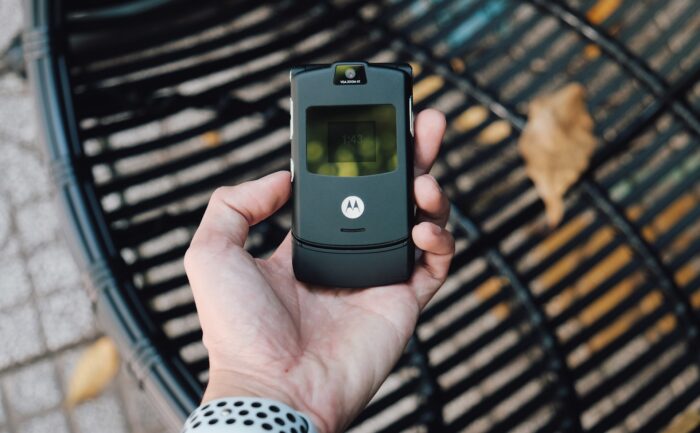
The Motorola Razr, in particular, emerged as one of this period’s most iconic flip phone models. Its stylish design and slim profile made it a practical device and a fashion statement, reflecting the evolving trends of the time.
Flip Phones Are Making a Huge Comeback
Although flip phones enjoyed immense popularity in the early 2000s, their appeal started to wane with the rise of smartphones dominating the market. By the mid-2010s, most prominent cell phone manufacturers had entirely ceased production of flip phones.
Fortunately, despite the previous decline in demand, flip phones have recently experienced a revival of interest. Some companies have introduced “smart flip phones” with modern features such as touch screens and 5G connectivity. Furthermore, flip phones remain popular in specific markets, such as Japan and South Korea, where they remain a staple in mobile communication.
Looking at the Profitability of Home Businesses
The recent surge in home-based businesses may only have occurred with the pandemic’s impact. Sixty percent of new entrepreneurs utilized the COVID lockdown period to learn about starting and managing a business. This time of enforced isolation gave individuals a unique opportunity to explore new ventures and develop entrepreneurial skills.
According to Fundera, approximately half of all small businesses in the United States are classified as home-based. This percentage rises to 60.1% when focusing on non-employer firms or businesses without employees.
Therefore, if you operate a small business from your residence and are its sole employee, you are part of a substantial group of individuals pursuing a similar path in the U.S. This trend remained surprisingly stable over the past decade.
The initial investment required to start a home-based business is relatively low, with 44% of business owners reporting that they launched their ventures with $5,000 or less. While this amount is significantly lower than the substantial capital some businesses need to get off the ground, it’s still possible that you may require more funds than you currently have available.
In such cases, you can explore various financing options for your home-based business, such as credit lines, SBA microloans, and business credit cards.
Additionally, location-based marketing is expected to expand at a booming compound annual growth rate (CAGR) of approximately 17.2% from 2022 to 2028, indicating a growing demand for marketing strategies that target specific locations.
These facts and numbers suggest that a home business is a lucrative undertaking.
Can you use flip phones to manage your home business?
Yes, you can use flip phones to handle your home business. They allow you to do basic tasks like calling, texting, and emailing customers and suppliers. Some flip phones even support apps like Gmail, Spotify, and WhatsApp, which can help with specific business tasks.
You can also use flip phones to manage your home business by leveraging their simplicity, cost-effectiveness, and security features.
Additionally, the low cost of flip phones can help you save on expenses, especially if you are a sole proprietor or have a small business budget. Their limited connectivity also enhances security by reducing the risk of cyber threats.
Overall, flip phones can be valuable assets for managing essential communication needs in a home business setting.
Specific Tasks That Can Be Managed Using a Flip Phone
When it comes to running a home business with a flip phone, there are several tasks you can efficiently handle. Here are some specific home business tasks you can do on your flip phone:
Communicating with clients
You can quickly shoot off a message to give an update on a project, find time for a meeting, or answer any questions your clients may have on the spot. It’s a great way to provide that personal touch even when you can’t meet in person.
A quick phone call or a short text goes a long way in making clients happy and feeling informed. Plus, it’s much easier than always scheduling formal meetings. Sometimes, clients just need a five-minute update, and phone and text make that simple.
Email management
Even with those tiny number pads and basic screens, you can still find ways to check your inboxes and reply quickly.
You can make it work by using the basic email functions built into the phone or logging into one of those old text-based email services. Composing anything longer than a sentence or two may be a chore.
But it’s better than nothing, right? At least you could stay on top of important messages and not feel disconnected when you’re out and about. Things are more convenient now with new flip phone models. You can answer emails and even add documents easily.
Social media updates
A flip phone can be handy for running your home business. They might not always have a smartphone’s fancy apps and features, but they allow you to do critical marketing tasks.
You’d be surprised how easy it is to post on social media from a simple flip phone. Whether it’s sharing updates on Facebook, tweets on Twitter, or photos on Instagram, you can engage your audience without all the distractions of a touchscreen.
Many major platforms allow you to update directly from text messages these days. So, even with a basic phone, you can craft posts and schedule them to go out to all your followers. It’s a low-tech option, but it gets the job done.
You can build your brand presence and promote your products or services without breaking your bank account on a costly data plan. For many solopreneurs and small home businesses, a flip phone may be all you need to boost your online visibility.
Taking notes
Even though they don’t have all the apps and features of a smartphone, there are still some things a basic flip phone can do to help you stay organized.
For one, those flip phones usually have a little notepad feature where you can jot things down. Whenever you think of a significant phone number, the task you need to do, or an idea you get while away from your computer, you can quickly write it in the notepad. That way, it’s all in one place, and you will remember later.
You can also use the messaging features. Send yourself quick texts to remind you of something or to write down notes. As long as you have cell service, you can access those notes whenever needed.
So remember how a simple flip phone can help out a home business. Those notepad and messaging options give you a portable way to jot things down and stay organized on the go.
Research
Your trusty flip phone’s mobile browser is an excellent primary research tool. Need to gather information for a new product you’re considering launching? Don’t sweat; whip out your flip phone and conduct a swift search.
Are you interested in exploring the website of a potential vendor or supplier? It is a piece of cake. Just navigate to their site.
You’d be amazed by the knowledge you can uncover with a basic internet connection. Every nugget of data gathered throughout the day contributes significantly. Before you realize it, you’ve amassed a massive knowledge base to support your business decisions.
Furthermore, your flip phone isn’t as prone to distractions as a smartphone. No constant social media notifications or app alerts interrupting your focus. It’s just you and the web efficiently accomplishing tasks.
So, take into account the power of your dependable flip phone. Despite its simplicity, it remains an invaluable tool for conducting business research on the fly.
Task management
Staying organized is crucial these days with everything you have going on. Setting reminders and maintaining a to-do list helps you prioritize your tasks and schedules. Otherwise, it’s so easy to forget things.
You can use your phone’s reminder app to set alerts for important deadlines, appointments, or daily tasks you need to remember. That way, when the time comes, your phone will ping and remind you what’s next on your list. You set them for things like taking your medication at the exact times each day, weekly meetings, or due bills.
That way, you aren’t just keeping things in your head and hoping you remember everything. You can write everything you need to accomplish that day or week on your list and check them off as you go. Seeing the progress motivates you to keep chipping away at your list.
Having a system for how you like to get work done and tackle projects makes a big difference, too. Whether you want to knock out easy tasks first and work up to the harder ones or do things in a particular order each day, figuring out your workflow style keeps you efficient.
Staying on top of reminders, to-do lists, and how you like to get things done is incredibly helpful. It helps you feel less stressed and more in control of your schedules and tasks.
While a flip phone may have limitations compared to smartphones or computers, it can still be a valuable tool for managing different aspects of your home business. With some creativity and resourcefulness, you can effectively handle essential tasks and stay productive while on the go.
Limitations and Challenges
When utilizing a flip phone for running a home business, there are some limitations and challenges to consider:
Limited internet access
Flip phones typically have basic web browsing capabilities, making it challenging to access online tools, resources, and platforms essential for certain businesses.
Restricted app support
Business-related apps and software may need to be compatible with flip phones, limiting your ability to use specialized tools for tasks like accounting, project management, or graphic design.
Small screen size
The smaller screen sizes of flip phones can make it difficult to view and respond to emails, work on documents, or engage with detailed content efficiently.
Text input challenge
Typing long messages or documents on a flip phone’s physical keypad may be slower and less convenient than on touchscreen devices, impacting your communication speed.
Multitasking limitations
Due to the basic functionality of flip phones, multitasking and switching between different apps or tasks seamlessly can be more cumbersome.
Limited multimedia capabilities
Creating and sharing content such as videos, high-quality images, or presentations may be restricted on flip phones, affecting your marketing and communication strategies.
Image by Thai Nguyen on Unsplash
Leverage the Flip Phone’s Functionalities and Boost Your Home Business
Running a home business with just a flip phone can initially seem limiting. But you’d be surprised at what’s possible with some planning, creativity, and making the most of what you’ve got.
The first thing is prioritizing your tasks. Figure out what’s most important each day and week. Then, you’ll need to get creative with how you communicate.
And don’t forget to optimize your workflow. How can you organize your tasks to work with your phone instead of against it? Maybe schedule client calls when you’re at home instead of on the go. Or block out times to return messages in batches.
If you focus on the priorities, find alternate ways to connect with customers, and streamline how you get things done, you’ll be amazed at how productive a home business can be, even with a simple flip phone. It takes some adjusting, but it’s possible to succeed with proper planning.
Google Ads will automatically pause low-activity keywords, starting in June, according to an email sent to advertisers by the Google Ads team.
What is low activity? Campaigns that were created more than 13 months ago and that have had zero impressions in the past 13 months.
Why we care. Navah Hopkins explained it well on LinkedIn: “Keywords with no impressions in your account are dragging down your account performance. We’ve seen documentation from the DOJ trial highlighting an account Quality Score – what do you think having hundreds/thousands of zero impression keywords does to the account?”
Unpausing paused keywords. If you unpause a paused keyword in Google Ads, Google will automatically pause it again if it receives no impressions over the next three months.
Why the change. So advertisers “focus on keywords that drive results,” Google said.
Google’s new Search spam policy around reputation abuse – or what SEOs have referred to as “parasite SEO” – will take effect “after May 5,” according to Google. May 5 is this Sunday.
What is site reputation abuse? When third-party sites host low-quality content provided by third parties to piggyback on the ranking power of those third-party websites. As Google told us in March:
“A third party might publish payday loan reviews on a trusted educational website to gain ranking benefit from the site.”
“Such content ranking highly in Search can confuse or mislead visitors who may have vastly different expectations for the content on a given website.”
Under Google’s new policy, site reputation abuse is defined as “third-party content produced primarily for ranking purposes and without close oversight of a website owner” and “intended to manipulate Search rankings” will be considered spam.
But. Not all third-party content will be considered spam, as Google explained:
“Many publications host advertising content that is intended for their regular readers, rather than to primarily manipulate Search rankings. Sometimes called ‘native advertising’ or ‘advertorial,’ this kind of content typically wouldn’t confuse regular readers of the publication when they find it on the publisher’s site directly or when arriving at it from Google’s search results.”
Google said in March that it would start to take both automated and manual actions on this abuse starting May 5. Now that time is just a few days away.
Why we care. Many SEO have been complaining about the harm and unfairness that comes from parasite SEO. With so many complaints about the quality of Search results lately, we’ll see whether this helps deal with the problem.