Optimizing for Amazon branded search: Best practices to boost visibility

Understanding branded search for Amazon

Amazon and Google have several similarities regarding SEO and advertising. However, they behave very differently in some areas. One crucial area where Amazon stands apart is branded search. 

Branded search refers to the specific terms and keywords closely associated with your brand. This includes:

  • Your brand name.
  • Product names. 
  • Any other trademarked phrases or slogans your customers associate tightly with your brand and use to identify and find your products on Amazon and different channels.

On Amazon, how you handle and optimize your branded search significantly impacts the visibility and performance of your products. 

If you don’t optimize and protect your branded keywords in organic and paid search, your products might lose visibility. Competitors and copycats might outrank you for your primary branded keywords.

Indexing for branded search terms organically on Amazon

Indexing your branded keyword terms on Amazon will naturally occur as you include your brand and product names in the title and other structured data of the product detail pages. 

You don’t need to repeat your brand name many times in Amazon listings for SEO. Only do it to give customers a consistent brand experience or to show authority and build brand affinity on the detail page.

Make sure you index for branded terms

To ensure that your Amazon listings index for important branded search terms, incorporate your brand name, trademarks and product names into the structured data, including titles, descriptions and backend keywords.

Dig deeper: 50% of product searches start on Amazon

Ranking for branded search terms on Amazon

Getting indexed is only the first step. To rank organically, you need to make sure your listing consistently converts for your branded search terms so your specific products rank for them. 

Remember, there is not built-in authority at a brand level on the Amazon marketplace. This means you need to monitor the ranking of all your products for branded terms individually. 

The role of branded search defense

While there are a lot of factors that go into the organic ranking of products on Amazon, we can oversimplify it to say that conversions for a specific keyword phrase over time is what has the greatest impact on organic ranking. 

Protecting branded keywords

Maintaining a branded search presence is vital even for brands that don’t consider Amazon as their primary sales channel. Failure to do so could lead to your brand awareness efforts on other platforms inadvertently driving traffic to competing products on Amazon, further eroding your market share. 

Even if you are an established brand, defensive use of advertising keeps other brands from drafting on the branded affinity you have built and even possibly outranking you. 

“We took the foot off the gas for branded Sponsored Product ads on Amazon while I was at LEGO. A copycat brand ended up with the No. 1-clicked product when people searched for LEGO because they won the top of search so often.”

Josh Justice, Division Portfolio Manager, Infinite Commerce

If a competitor drives more conversions for your branded keywords, they might outrank you in the search results, even if they sell an inferior or unrelated product. If they aren’t using branded search defensive ads, it can be a highly effective customer acquisition strategy.

“Anyone that actually shops on Amazon would realize that if someone searches for a brand and the entire page of banners and listings are OTHER brands, that some amount of sales will bleed away before people ever scroll down to the first organic listing. 

I work with brands that are the No. 1 ORGANIC listing for some of their competitor brand terms. 

Those competitors WISH they had invested in brand defense for the last two years.”

Abe C. Chomali, Founder, XP Strategy

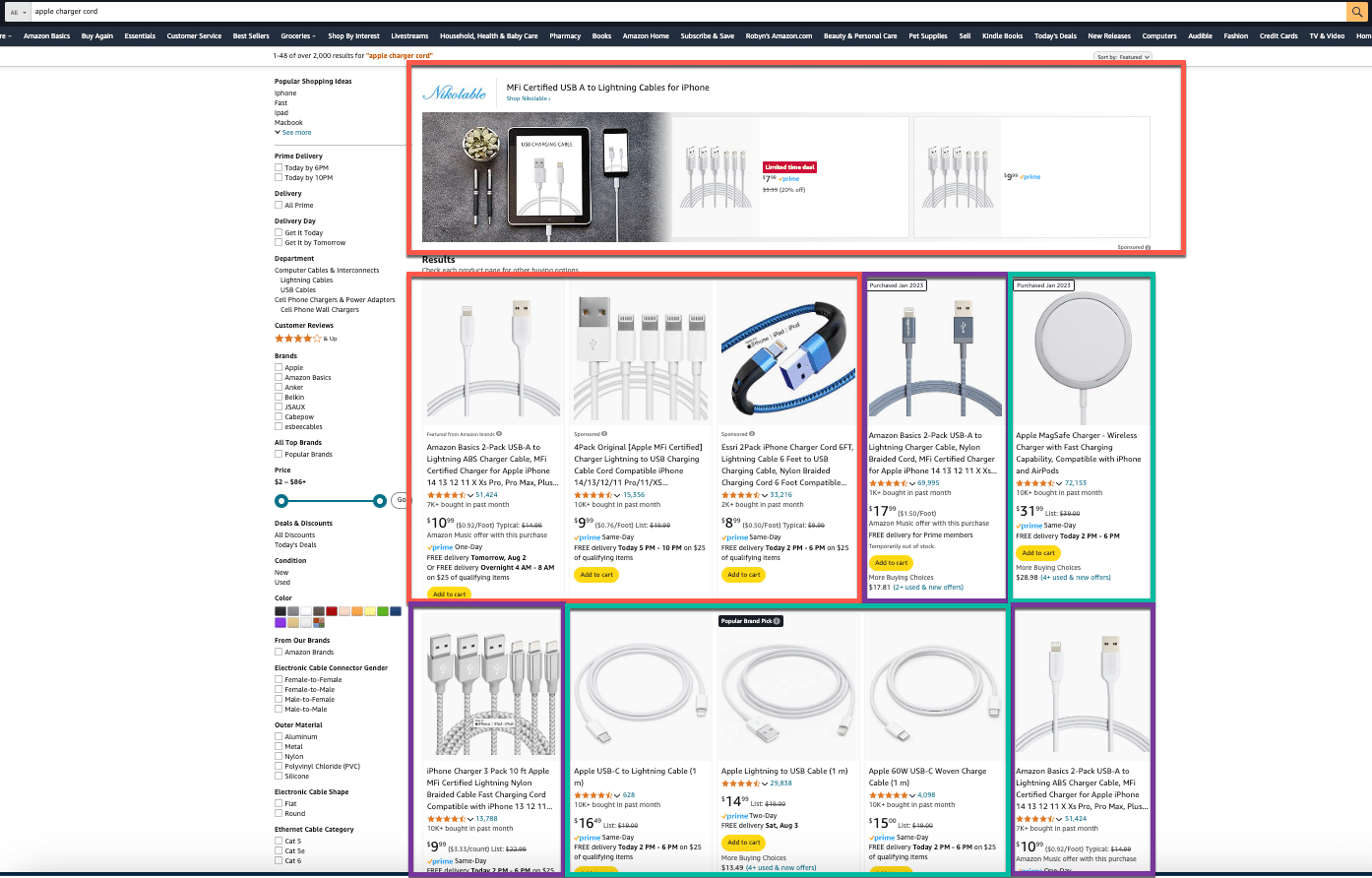
Apple charger cord - Amazon search
Even a brand like Apple, when not protecting branded keyword terms, competitors can end up dominating both the first sponsored spots as well as organic. Here you can see that out of the top seven organic positions (green and purple), Apple is only holding 4 positions. The red outline items are sponsored spots going to competitors. Out of the 12 products above the fold on this branded search, Apple only holds 4 spots (in green).
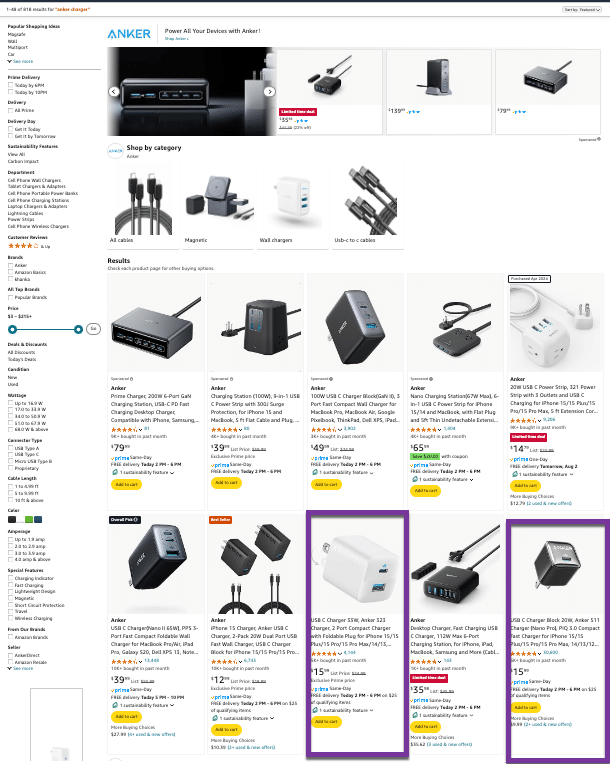
Anker charger - Amazon search
Anker does a great job protecting its branded search, which allows them to dominate the branded SERP for both paid and organic. 

Dig deeper: Amazon Ads in 2024: Maximizing Sponsored Brands campaigns

Concerns over wasted spend

We’ve seen how often sellers and agencies want to remove the branded search from their ad campaigns.

For those used to Google Ads, advertising to people already searching for your brand might seem like a waste of money, as they already know your company and products. This creates the concern that branded search ads are simply cannibalizing organic sales. 

However, over time, we find that once you remove those branded search terms, you lose those essential keyword searches within several weeks to a few months, and then you start to see a more significant dip in overall performance. 

Even if you have a branded search and are ranking well for non-branded terms, keeping at least some branded campaigns in your advertising strategy helps increase overall performance. 

While it is essential to periodically test how your ads impact organic sales and whether you’re at a place where you can reduce branded search campaigns, we rarely recommend eliminating them.

“For brands with high consumer awareness and search demand, we’ve tested turning off branded search. Our thought was that if a customer shows high intent to purchase, there was low risk of them clicking on a competitor.

However, we immediately saw sales impacted and competitors’ organic ranks jumped to the top of the page. This validated that branded spend is necessary on Amazon. To limit sales cannibalization, we try to introduce customers to new products or cross-sell rather than leading with hero products.

We also found that investing in top-of-funnel tactics to increase brand awareness on Amazon has paid high dividends. By using DSP, we engaged with in-market customers and used our brand store to inform them of our product benefits. With these tactics, brands should consider measuring branded traffic growth as their KPI rather than RoAS. We also highly recommend using AMC to see full media attribution.”

Matt Snyder, Founder, Brands Excel 

Get the newsletter search marketers rely on.


When not actively marketing on Amazon

Even for brands that don’t want to make Amazon their primary distribution channel, a brand defense strategy on Amazon is a must. 

Many customers will look on Amazon for reviews and additional product information even if they first see your ad or content elsewhere. 

Maintaining a presence on Amazon allows you to ensure customers who only like to purchase on Amazon don’t end up purchasing a competitor’s product. 

Remember, Amazon can target branded terms on Google and send traffic to a curated list of competing products. 

Putting your products on Amazon and setting up a low-cost brand campaign protects your branded search terms. This ensures you don’t lose traffic to competitors while you build brand awareness elsewhere.

Keeping branded search term campaigns separate 

Separate your branded and non-branded search campaigns on Amazon. This helps you:

  • See how well each is doing.
  • Make better budget decisions.
  • Understand how many new customers are buying your products without knowing your brand.

If you group your branded and non-branded search terms, poor-performing ads can hide behind the higher-return branded campaigns. 

Let’s say Nike runs ads for “Nike” and “running shoes” together in the same campaign:

  • The term “Nike” would probably convert well and have a great return on investment and advertising cost of sales (ACOS).
  • However, it could be masking underperforming terms that might be too broad and not be performing well (i.e., “running shoes”). 

This separation lets you make better forecasting decisions and allocate your ad spend as you scale.

Launching products on Amazon with existing branded search volume

To see if a brand has enough recognition to use branded search for boosting initial sales, use tools like Helium 10, DataDive or MerchantWords to check if people are already searching for the brand.

If you don’t want to use one of those tools, type your brand name into Amazon search and see if it auto-completes. This gives you a rough idea of whether people are already searching for your brand but not finding your products via branded search.

If people are already searching for your brand on Amazon, advertise on your branded terms at launch. This boosts initial sales, helps Amazon’s algorithms understand your product, increases impressions and improves ad relevance for future non-branded keyword ads.

As you navigate Amazon’s dynamic landscape, remember the unique role of branded search, a critical component of your overall ad strategy. Taking a proactive approach and leveraging your brand’s power ensures your products remain visible, competitive and at the forefront of the search results page. 

Dig deeper: 6 Amazon marketing strategies to implement

Original source: https://searchengineland.com/amazon-branded-search-444768

Survey: 92% of SEOs suspect their competitors buy links by Admix Global

A surprising 92% of SEOs and link builders believe their competitors are buying backlinks, according to a recent Editorial.Link survey of 113 industry experts.

This stat highlights the ongoing debate in our community around the power and value of links.

Are bought backlinks a shortcut to SEO success? Or are they a huge risk? 

Let’s dive into this topic and see if buying backlinks is a viable strategy in 2024.

Buying backlinks is a risky move.

Why?

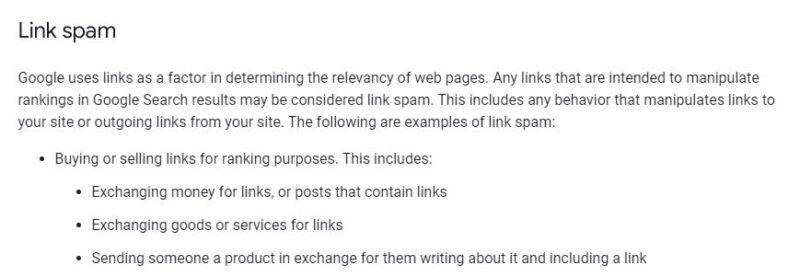
Google’s guidelines are clear: paid links can lead to penalties and a significant drop in search rankings. 

Some industries might find paid backlinks tempting, but the risks outweigh the benefits. Sticking to organic link building practices is crucial for maintaining your site’s credibility and long-term success.

Ahrefs’ research highlights a common trend: buying backlinks is still popular because organic link building is tough and takes time. Many SEOs take the shortcut despite the risks because naturally earning links is hard.

Only 12.6% of the sites they reached out to were open to selling a link, Ahrefs discovered. Most site owners didn’t even respond. 

Of those who did, about half wanted a fee for guest posts.

Websites often sell links in competitive niches like finance, insurance and gambling. While this might yield short-term success, the long-term consequences can be severe. Penalties and wasted investments are common outcomes.

Buying links is often seen as an essential tactic for ranking well. Many website operators have realized the financial benefits of selling links, with some earning significant revenue.

This monetization trend makes it challenging to secure high-quality links without paying for them.

Sites with lower domain ratings (DR) are more likely to sell links, viewing it as a way to make money. Ahrefs’ study found that niche edits average $361.44, while guest posts cost around $77.80.

This reflects the ongoing market demand for backlinks.

Editorial.Link extensively explored the impact of buying backlinks. This research, especially after Google’s huge March updates, paints a grim picture:

  • 40,000+ websites selling links and saw substantial traffic drops.
  • Paid sites (June 2023): 44,276
  • Paid sites with 200 server response (April 2024): 31,388
  • Paid sites with 3XX, 4XX, 5XX server responses: 12,888
  • Dead paid sites: 29%

Among the remaining 31,388 sites, 11,000 have less than 100 pages in the Google index.

  • Traffic 1000+ (June 2023) – there were 7,560 sites
  • Traffic 1000+ (April 2024) – there were 6,361 sites

Only 2,021 sites (6.6%) had a positive traffic trend.

Many of these sites, charging hefty fees for links, appear to have been severely penalized.

Google’s algorithms are able to detect and ignore low-quality links. Worse, there’s a risk of manual actions, leading to plummeting traffic and tough recovery.

If you’ve bought such links, the best you can do next is disavow them. Otherwise, you’ll waste money on tactics that can hurt your site’s performance in the long run.

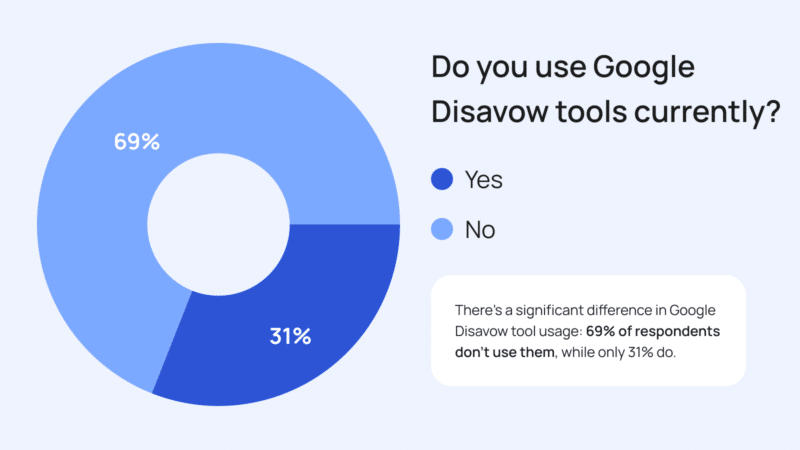
Surprisingly, 69% of SEOs don’t use Google’s Disavow tool – only 31% use it.

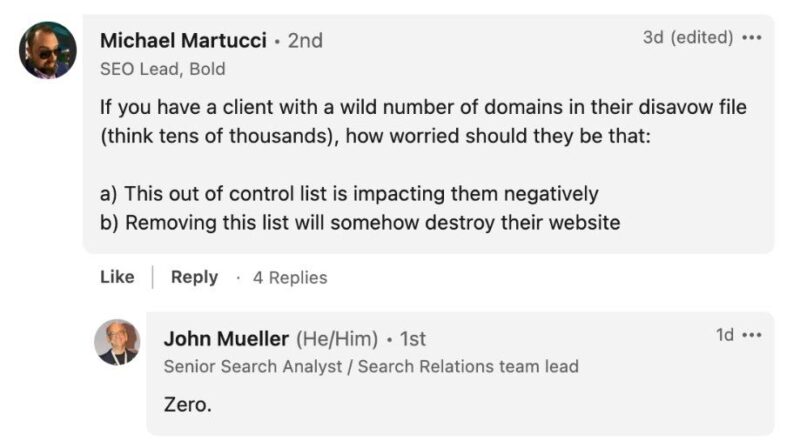
However, if you’re worried about massive link disavow lists, don’t be. At least, Google’s John Mueller says you shouldn’t be. When asked how concerned you should be about an extensive disavow file, he briefly replied, “Zero.”

Even if you remove the list, it won’t hurt your site. SEO expert Michael Martucci posed these questions, and Mueller’s concise response clarified the issue. 

So, relax and focus on more impactful SEO strategies. You’ve got this!

Paid links might seem like a shortcut, but they’re extremely risky. Investing in ethical, organic link building strategies is the smarter, more sustainable choice.

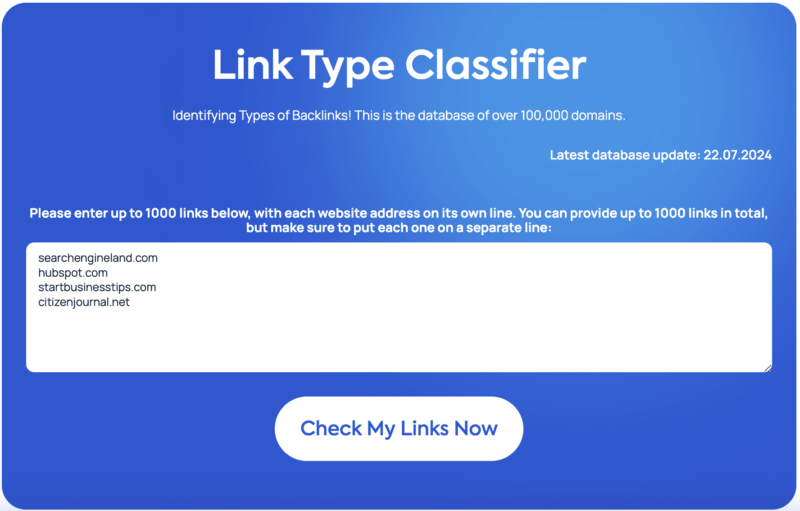
The complexities of paid backlinks inspired Editorial.Link to develop its Link Type Classifier

Why do you need this tool?

Well, it helps you verify if your link building services are acquiring links naturally, like Editorial.Link does, or if they are buying them. This ensures your strategies align with best practices and protects your site from potential penalties.

Additional tips

To find the right agency: 

  • Discuss their backlink strategies, review case studies and read testimonials. Verify if they build quality links through organic methods like outreach or PR.
  • Avoid link farms and agencies that promise guaranteed results, offer suspiciously low prices or use PBN (Private Blog Network) links. These are red flags.
  • For a robust link profile, always prioritize high-quality, transparent sites with original content and engaged audiences. 

Use the Link Type Classifier tool to safeguard your site’s integrity and effectiveness in SEO efforts.

Buying backlinks can provide a quick ranking boost, but it comes with significant risks, such as Google penalties and poor ROI. While tempting, especially in competitive industries, the long-term consequences often outweigh the short-term benefits. 

Focus on organic link building for sustainable success. Use tools like the Link Type Classifier to ensure your backlinks are natural and protect your site from penalties.

The link building statistics report is packed with crucial data on today’s top strategies. You’ll see which methods deliver the best results and which ones to skip.

The report also examines the cost of backlinks and the financial incentives behind selling links. This information can help you make smart decisions about your link building investments.

You can build a strong link profile using ethical link building methods.

Stay ahead and make smarter link building choices easier!

Original source: https://searchengineland.com/survey-92-of-seos-suspect-their-competitors-buy-links-444562

The Role of IT Consulting in Decision-Making 

Home Business Magazine Online

Making smart decisions in companies isn’t as simple as it seems, considering the numerous options and potential consequences. One wrong move or poorly thought-out choice can lead to setbacks like financial loss, reputational damage, and decreased employee morale.

As a leader, it’s important to leverage all available resources to make informed and strategic decisions. One solution that has been gaining momentum in almost all industries is information technology consulting.

This article will first discuss what IT consulting is and how it can specifically aid your organization.

A Brief Overview of IT Consulting

You’ve probably noticed that technology is a major player in the business industry. But have you ever wondered how companies keep up with evolving tech and use it to their advantage? That’s where IT consulting services step in. These professionals help you navigate the tech jungle and achieve your goals with confidence.

Based on a report, the global IT consulting market is set to hit USD$1179.67 billion by 2031, growing at a solid 4.49% per year. This trend shows just how much IT support for businesses is becoming an essential component of their overall strategy. Make sure to team up with a firm that aligns with your values and objectives. The right partner can help you more than you expect.

The Influence IT Consulting Service Can Do

So, we’re now on the real question: how exactly do IT consultants influence decision-making processes? Of course, we’re not talking about the basics, like recommending software or hardware solutions. Let’s discuss and explore the key ways these tech-savvy advisors are shaping business choices.

Bridging the Knowledge Gap

Some entrepreneurs find themselves out of their depth when it comes to the latest tech trends and tools. Perhaps their plates are full of responsibilities from daily business operations. If you’re one of them, it can be hard to oversee and stay updated on the tech landscape.

IT consulting companies bridge this knowledge gap, translating complex technical jargon into plain language that you can understand and act on. They bring a wealth of experience from various industries, offering insights that might not be available in-house.

For example, when a retail company considers implementing a new inventory management system, an IT consultant can explain the pros and cons of different options, considering factors like scalability, integration with existing systems, and long-term maintenance costs. This information empowers executives to make informed decisions that align with their business goals.

Photo 159868691 © Iuliia Lisitsyna | Dreamstime.com

Providing Objective Analysis

Your internal tech support can sometimes develop tunnel vision, becoming too attached to existing systems or resistant to change. External consulting firms offer a fresh perspective, conducting unbiased assessments of your IT infrastructure and processes. This objectivity is invaluable when it comes to making tough decisions about upgrades, replacements, or complete overhauls of technology systems.

IT consulting services might spot inefficiencies that in-house staff have overlooked or suggest innovative solutions that challenge the status quo. This outside viewpoint can be the catalyst for transformative changes that propel a business forward.

Mitigating Risks

Technology investments often come with significant risks, from cybersecurity threats to implementation challenges. This is especially true in the healthcare industry, where a wealth of sensitive patient data and stringent regulatory requirements heighten the stakes.

IT consulting companies help businesses like yours identify and mitigate these risks before they become costly problems. They conduct thorough risk assessments, develop contingency plans, and advise on best practices for data protection and compliance.

When a healthcare provider plans to move patient records to a cloud-based system, for instance, an IT consultant would outline potential security risks and recommend measures to ensure HIPAA compliance. This foresight can prevent data breaches, legal issues, and damage to the company’s reputation.

Optimizing Resource Allocation

Figuring out where to spend your IT budget can be a real headache. You need to weigh the costs against the benefits and ensure that everything aligns with your big-picture goals. It can be tough to think about, right?

No worries—tech consultants are here to help. They can help businesses prioritize their tech investments, focusing on areas that’ll deliver the greatest ROI. They can provide cost-effective analyses for different options, helping you understand the financial implications of your choices.

For a company considering automation technologies, an IT consulting agency will analyze the potential productivity gains against the upfront costs and ongoing maintenance requirements. This detailed analysis helps executives make decisions that balance short-term expenses with long-term benefits.

Facilitating Change Management

Bringing in new tech often requires significant changes in organizational processes and culture. In this scenario, IT consultants can be of great assistance—helping to overcome resistance and ensure smooth adoption of new systems.

They might develop training programs, create user guides, and work with department heads to address concerns and build buy-in across the organization. This change of management expertise is essential for realizing the full benefits of technology investments and avoiding costly implementation failures.

As you can tell, technology consulting firms can bring fresh ideas and innovative approaches to problem-solving. They can introduce you to cutting-edge tools and methodologies that might not be on your radar. This exposure to new ideas can spark innovation within the organization, leading to creative solutions and competitive advantages.

Conclusion

Almost all businesses, from small enterprises to large corporations, need sound technological guidance to thrive. IT consulting services have become key players in this regard, doing much more than just fixing computer problems. Their goal is to help you plot the best route, avoid costly detours, and reach your destination faster. So you don’t have to feel like you’re falling behind. These experts are in your corner, ready to assist you throughout the decision-making process.

The post The Role of IT Consulting in Decision-Making  appeared first on Home Business Magazine.

Original source: https://homebusinessmag.com/businesses/consulting/role-it-consulting-decision-making/

Google declared a monopoly: industry reactions and implications

Yesterday the ruling passed that Google is a monopoly after the 10 week trial that occurred last year.

Here are the key reactions from search advertisers:

Julie Bacchini, president and founder, Neptune Moon, underscores that while the court ruling declaring Google a monopoly is significant, the real impact will emerge during the remedy phase and Google’s inevitable appeal.

  • “Google will appeal (and they said they will in their comically bad statement about the ruling) and that will be a slow process. But it is the remedy phase that will ultimately decide what this ruling will actually mean in practical terms.”
  • “Also, this case was as much about setting the table for the Google advertising case that goes to trial in September. This case got A LOT on the record that will likely be used in the upcoming trial.”
  • “Monopolistic behaviours have gone essentially unchecked in a lot of industries since the Reagan administration and maybe that hasn’t been such a good idea. These cases are starting to try to act on that. The App store cases run along the same lines.
  • “If the Sherman antitrust act had been enforced over even the last 25 years, the business landscape would look very different. It wasn’t and we have what we have.”
  • “To be fair too, Google is like any other publicly traded company today – their primary goal is to make sure the meet analysts expectations every quarter. That’s it. And I think we often forget that. Their decisions all come back to that core. And what that makes them do can make it feel like they are a big, kinda evil corporation.”

Oscar Ford, CEO and PPC specialist finds the ruling’s development fascinating and anticipates a prolonged legal battle due to Google’s appeal.:

  • “Google are appealing the ruling, so this will roll on for a while longer. I’m not sure what the outcome is, but to break up an existing monopoly the only option surely is to split it into separate companies?”
  • “Google’s response to the ruling is amusing but they have a point – they have made the best search engine and nothing else has come close for decades.”

Chris Ridley, Head of Paid media predicts a resolution similar to that of Google shopping in 2017:

  • “What I do see happening is an echo of what we saw happen to Google Shopping in 2017. A similar EU ruling regarding Google’s Shopping that led to Google opening up their Shopping space to third-party Comparison Shopping Services (CSS), which were granted a 20% discount on cost-per-clicks (CPCs) to ensure they could fairly compete.”
  • “This could lead the way to Google introducing Comparison Text Advertising Services to the Google text ad market to dismantle Google’s monopoly on the text advertising market, which may also benefit from a similar discount on CPCs as a gesture of Google encouraging competition on their SERPs.”

Market Dynamics and Google’s Competitors

Chris Lloyd, B2B SaaS Marketing consultant, points out that Google’s market share has been declining due to its inability to innovate:

  • “I think we are already seeing their decline, and it’s not due to regulatory rulings. Google has been losing market share for a couple of years now. Quite simply they can’t build and innovate and will continue to be outplayed by Perplexity, OpenAI, Meta, Apple.”

Sam Tomlinson, Executive Vice President and Digital strategist, criticizes the legal reasoning in the 286-page ruling, particularly the market definition, which he believes won’t hold up on appeal.

  • “The market definition was categorically insane to me – something I don’t think gets upheld on appeal”
  • “It isn’t like the winner today is always the winner tomorrow. Google even admitted that (and the court agreed) in this ruling, where they highlighted that Google has innovated massively, at great expense, despite having a ‘monopoly’”
  • “Every other company, hedge fund, investment bank and PE fund does the exact same thing — which is why this feels ridiculous. It isn’t good or bad, it’s just profit-driven, because profit is an existential imperative for any business”

Navah Hopkins, Brand evangelist and PPC influencer, is disappointed that the US failed to establish search advertising as a distinct market:

  • “I am disappointed in the US for not being able to make the case that search advertising is a market (I understand there’s another case in September, but the ruling makes it clear that information just wasn’t presented).”
  • “The fact that this case started in 2020 and that’s when PMax began to really take hold speaks to the diversification that was clearly top of mind for Google. As the ruling stated “search text ads are a monopoly” but search advertising was not. PMax gives Google the cover it needs to still have some search without running a foul of the search text ads monopoly rules.”
  • “That Microsoft was brought up as a serious competitor felt disingenuous. Though it is interesting to see how CPCs trended after each other (i.e. the market drove up costs not Google itself…which I’m skeptical about)”
  • “There are a lot of openings for appeal issues, I agree. But I really think the testimony they got and internal Google documents are going to be a tough hill for Google to climb in the Ads case. So I can’t help but wonder if this case was more about making that one stick?”

Ethical and Practical Concerns

Sarah Stemen, Paid search specialist reflects on her disillusionment with Google and doubts any significant penalties will arise:

  • “I need to stop gaslighting myself into thinking Google is great because they built my career. This is a capitalist driven company that lost sight of any values and it sucks.”
  • “I think we all remember Microsoft and I would like to think that’s the outcome but I don’t actually think any penalty of any significant difference will happen especially under our current administration and court system.”

Reid Thomas, Marketing strategist, observes that the US ruling aligns closely with the EU’s mandate & questions a meaningful mandate:

  • “Our point of views are all very US focused – isn’t this ruling very aligned with the EU ruling from a few years ago that mandated search engine choice?”
  • “My question is – ‘What is a meaningful penalty?’. You can’t break google up like the bells.”
  • “I also think it’s quite disingenuous to target the distribution agreements with the ‘If Google is so great, why are they paying?’ and the answer is: because this is a competitive market, and others could pay, too.”

The diverse opinions highlight the complexity of the issue and the far-reaching implications of the ruling for the tech industry, digital advertising, and antitrust law. As the legal process continues and potential remedies are considered, many in the industry are watching closely to see how this decision might reshape the future of search and digital advertising.

Original source: https://searchengineland.com/google-declared-a-monopoly-industry-reactions-and-implications-445014

The Role of IT Consulting in Decision-Making 

Home Business Magazine Online

Making smart decisions in companies isn’t as simple as it seems, considering the numerous options and potential consequences. One wrong move or poorly thought-out choice can lead to setbacks like financial loss, reputational damage, and decreased employee morale.

As a leader, it’s important to leverage all available resources to make informed and strategic decisions. One solution that has been gaining momentum in almost all industries is information technology consulting.

This article will first discuss what IT consulting is and how it can specifically aid your organization.

A Brief Overview of IT Consulting

You’ve probably noticed that technology is a major player in the business industry. But have you ever wondered how companies keep up with evolving tech and use it to their advantage? That’s where IT consulting services step in. These professionals help you navigate the tech jungle and achieve your goals with confidence.

Based on a report, the global IT consulting market is set to hit USD$1179.67 billion by 2031, growing at a solid 4.49% per year. This trend shows just how much IT support for businesses is becoming an essential component of their overall strategy. Make sure to team up with a firm that aligns with your values and objectives. The right partner can help you more than you expect.

The Influence IT Consulting Service Can Do

So, we’re now on the real question: how exactly do IT consultants influence decision-making processes? Of course, we’re not talking about the basics, like recommending software or hardware solutions. Let’s discuss and explore the key ways these tech-savvy advisors are shaping business choices.

Bridging the Knowledge Gap

Some entrepreneurs find themselves out of their depth when it comes to the latest tech trends and tools. Perhaps their plates are full of responsibilities from daily business operations. If you’re one of them, it can be hard to oversee and stay updated on the tech landscape.

IT consulting companies bridge this knowledge gap, translating complex technical jargon into plain language that you can understand and act on. They bring a wealth of experience from various industries, offering insights that might not be available in-house.

For example, when a retail company considers implementing a new inventory management system, an IT consultant can explain the pros and cons of different options, considering factors like scalability, integration with existing systems, and long-term maintenance costs. This information empowers executives to make informed decisions that align with their business goals.

Photo 159868691 © Iuliia Lisitsyna | Dreamstime.com

Providing Objective Analysis

Your internal tech support can sometimes develop tunnel vision, becoming too attached to existing systems or resistant to change. External consulting firms offer a fresh perspective, conducting unbiased assessments of your IT infrastructure and processes. This objectivity is invaluable when it comes to making tough decisions about upgrades, replacements, or complete overhauls of technology systems.

IT consulting services might spot inefficiencies that in-house staff have overlooked or suggest innovative solutions that challenge the status quo. This outside viewpoint can be the catalyst for transformative changes that propel a business forward.

Mitigating Risks

Technology investments often come with significant risks, from cybersecurity threats to implementation challenges. This is especially true in the healthcare industry, where a wealth of sensitive patient data and stringent regulatory requirements heighten the stakes.

IT consulting companies help businesses like yours identify and mitigate these risks before they become costly problems. They conduct thorough risk assessments, develop contingency plans, and advise on best practices for data protection and compliance.

When a healthcare provider plans to move patient records to a cloud-based system, for instance, an IT consultant would outline potential security risks and recommend measures to ensure HIPAA compliance. This foresight can prevent data breaches, legal issues, and damage to the company’s reputation.

Optimizing Resource Allocation

Figuring out where to spend your IT budget can be a real headache. You need to weigh the costs against the benefits and ensure that everything aligns with your big-picture goals. It can be tough to think about, right?

No worries—tech consultants are here to help. They can help businesses prioritize their tech investments, focusing on areas that’ll deliver the greatest ROI. They can provide cost-effective analyses for different options, helping you understand the financial implications of your choices.

For a company considering automation technologies, an IT consulting agency will analyze the potential productivity gains against the upfront costs and ongoing maintenance requirements. This detailed analysis helps executives make decisions that balance short-term expenses with long-term benefits.

Facilitating Change Management

Bringing in new tech often requires significant changes in organizational processes and culture. In this scenario, IT consultants can be of great assistance—helping to overcome resistance and ensure smooth adoption of new systems.

They might develop training programs, create user guides, and work with department heads to address concerns and build buy-in across the organization. This change of management expertise is essential for realizing the full benefits of technology investments and avoiding costly implementation failures.

As you can tell, technology consulting firms can bring fresh ideas and innovative approaches to problem-solving. They can introduce you to cutting-edge tools and methodologies that might not be on your radar. This exposure to new ideas can spark innovation within the organization, leading to creative solutions and competitive advantages.

Conclusion

Almost all businesses, from small enterprises to large corporations, need sound technological guidance to thrive. IT consulting services have become key players in this regard, doing much more than just fixing computer problems. Their goal is to help you plot the best route, avoid costly detours, and reach your destination faster. So you don’t have to feel like you’re falling behind. These experts are in your corner, ready to assist you throughout the decision-making process.

The post The Role of IT Consulting in Decision-Making  appeared first on Home Business Magazine.

Original source: https://homebusinessmag.com/businesses/consulting/role-it-consulting-decision-making/

The Role of IT Consulting in Decision-Making 

Home Business Magazine Online

Making smart decisions in companies isn’t as simple as it seems, considering the numerous options and potential consequences. One wrong move or poorly thought-out choice can lead to setbacks like financial loss, reputational damage, and decreased employee morale.

As a leader, it’s important to leverage all available resources to make informed and strategic decisions. One solution that has been gaining momentum in almost all industries is information technology consulting.

This article will first discuss what IT consulting is and how it can specifically aid your organization.

A Brief Overview of IT Consulting

You’ve probably noticed that technology is a major player in the business industry. But have you ever wondered how companies keep up with evolving tech and use it to their advantage? That’s where IT consulting services step in. These professionals help you navigate the tech jungle and achieve your goals with confidence.

Based on a report, the global IT consulting market is set to hit USD$1179.67 billion by 2031, growing at a solid 4.49% per year. This trend shows just how much IT support for businesses is becoming an essential component of their overall strategy. Make sure to team up with a firm that aligns with your values and objectives. The right partner can help you more than you expect.

The Influence IT Consulting Service Can Do

So, we’re now on the real question: how exactly do IT consultants influence decision-making processes? Of course, we’re not talking about the basics, like recommending software or hardware solutions. Let’s discuss and explore the key ways these tech-savvy advisors are shaping business choices.

Bridging the Knowledge Gap

Some entrepreneurs find themselves out of their depth when it comes to the latest tech trends and tools. Perhaps their plates are full of responsibilities from daily business operations. If you’re one of them, it can be hard to oversee and stay updated on the tech landscape.

IT consulting companies bridge this knowledge gap, translating complex technical jargon into plain language that you can understand and act on. They bring a wealth of experience from various industries, offering insights that might not be available in-house.

For example, when a retail company considers implementing a new inventory management system, an IT consultant can explain the pros and cons of different options, considering factors like scalability, integration with existing systems, and long-term maintenance costs. This information empowers executives to make informed decisions that align with their business goals.

Photo 159868691 © Iuliia Lisitsyna | Dreamstime.com

Providing Objective Analysis

Your internal tech support can sometimes develop tunnel vision, becoming too attached to existing systems or resistant to change. External consulting firms offer a fresh perspective, conducting unbiased assessments of your IT infrastructure and processes. This objectivity is invaluable when it comes to making tough decisions about upgrades, replacements, or complete overhauls of technology systems.

IT consulting services might spot inefficiencies that in-house staff have overlooked or suggest innovative solutions that challenge the status quo. This outside viewpoint can be the catalyst for transformative changes that propel a business forward.

Mitigating Risks

Technology investments often come with significant risks, from cybersecurity threats to implementation challenges. This is especially true in the healthcare industry, where a wealth of sensitive patient data and stringent regulatory requirements heighten the stakes.

IT consulting companies help businesses like yours identify and mitigate these risks before they become costly problems. They conduct thorough risk assessments, develop contingency plans, and advise on best practices for data protection and compliance.

When a healthcare provider plans to move patient records to a cloud-based system, for instance, an IT consultant would outline potential security risks and recommend measures to ensure HIPAA compliance. This foresight can prevent data breaches, legal issues, and damage to the company’s reputation.

Optimizing Resource Allocation

Figuring out where to spend your IT budget can be a real headache. You need to weigh the costs against the benefits and ensure that everything aligns with your big-picture goals. It can be tough to think about, right?

No worries—tech consultants are here to help. They can help businesses prioritize their tech investments, focusing on areas that’ll deliver the greatest ROI. They can provide cost-effective analyses for different options, helping you understand the financial implications of your choices.

For a company considering automation technologies, an IT consulting agency will analyze the potential productivity gains against the upfront costs and ongoing maintenance requirements. This detailed analysis helps executives make decisions that balance short-term expenses with long-term benefits.

Facilitating Change Management

Bringing in new tech often requires significant changes in organizational processes and culture. In this scenario, IT consultants can be of great assistance—helping to overcome resistance and ensure smooth adoption of new systems.

They might develop training programs, create user guides, and work with department heads to address concerns and build buy-in across the organization. This change of management expertise is essential for realizing the full benefits of technology investments and avoiding costly implementation failures.

As you can tell, technology consulting firms can bring fresh ideas and innovative approaches to problem-solving. They can introduce you to cutting-edge tools and methodologies that might not be on your radar. This exposure to new ideas can spark innovation within the organization, leading to creative solutions and competitive advantages.

Conclusion

Almost all businesses, from small enterprises to large corporations, need sound technological guidance to thrive. IT consulting services have become key players in this regard, doing much more than just fixing computer problems. Their goal is to help you plot the best route, avoid costly detours, and reach your destination faster. So you don’t have to feel like you’re falling behind. These experts are in your corner, ready to assist you throughout the decision-making process.

The post The Role of IT Consulting in Decision-Making  appeared first on Home Business Magazine.

Original source: https://homebusinessmag.com/businesses/consulting/role-it-consulting-decision-making/

The Role of Credit Scores in Small Business Loan Approval

Home Business Magazine Online

Small business loans are incredibly important for entrepreneurs hoping to get their start-up or expansion in this turbulent economy. Growth can be stunted if a business owner does not have financing to purchase inventory, hire staff, or invest in marketing. Credit scores are a critical component of the loan application process among all those factors that lenders review. For women entrepreneurs, this is particularly vital since they typically have a harder time attaining financial support. Seeing how credit scores influence loan approval, can provide women business owners with the opportunity to improve their financial standing and genuinely maximize their chances for small business loans for women.

What is a Credit Score?

A credit score is a three-digit number calculated to reflect your overall likelihood as an individual of repaying debt. This rating is worked out from payment history, amounts owed, length of credit history, and new comparison! Lenders use credit scores to consider how risky it is to lend money. The higher the score, the less risk for a lender and the more chance of the competitive terms checkbox being checked on that application.

The Purpose of Small Business Loan Credit Scores

Risk Assessment – Lenders gauge your ability to repay the loan by credit scores. Your credit score tells lenders how responsible of a borrower you are. A better rating will show pride in financial responsibilities and prove that you won’t fall into the trends.

Loan Approval – Several lenders have a minimum credit score for loan approval. Here are a few factors to remember: A credit score of 650 and above is considered a safe threshold by most lenders. Higher scores – especially with large loans or for more competitive interest rates: However, some may require higher scores. For women entrepreneurs seeking funding, they can fund timely payments on their credit scores to increase approval rates for a range of loans.

Interest rates and terms – A high credit score not only increases your chances of approval, it also drives the ease at which you get access to loans. Lower scores can result in higher interest rates and harsher repayment terms for many borrowers while those with stellar ratings generally attract better financing offers. For women, this could amount to substantial savings over the life of a loan that can be used for more effective cash flow management and reinvestment in their business.

Increased Funding Options – A good credit score means you can access more secured funding options through lenders such as banks, credit unions, and online lending companies. Each of these decisions has a different level of approval and having good credit increases the odds of you qualifying for many more kinds of loan. This is even more important to women-owned businesses as they often face obstacles when going through traditional funding.

How to Maintain a Good Credit Score

Credit Report Monitoring: By monitoring your credit report, you could be well-informed about the newly added information and any errors that may drag down your credit score. All three of the nation’s major credit bureaus—Equifax, Experian, and TransUnion—are required to give you a free annual credit report.

Pay Bills on Time: The most critical element of your loan score is regularly making payments. If you have the money coming into your account to cover these bills or debts, then it might be wise to set up automatic payments so that no due date is missed.

Decrease Credit Utilization: It is said that you should aim to have a credit utilization ratio of 30% or lower, the less available funds the more impossible this will be. But if your credit utilization is high, it could be a red flag to lenders that you’re in financial trouble, which hurts your credit. Do not open too many new accounts. When you apply for credit, a hard inquiry is generated and can ding your credit score.

Diversify your Credit Portfolio: Different credit types can improve a score beyond revolving credit cards or installment loans. However, it is important to handle these responsibly as they can result in mountains of debt.

All entrepreneurs, especially women seeking small business loans for a woman must know the role of credit scores in getting that much-needed sanction. Business owners who understand the impact of credit scores on loan decisions can take preemptive measures to boost their financial prospects. Because securing funding can be tough in today’s fast-paced world, developing a robust credit score not only increases the average possibility of loan approval but also boosts the guts and determination with which an entrepreneur moves forward keeping its business expectations. business women risk credit solid foundation to success

The post The Role of Credit Scores in Small Business Loan Approval appeared first on Home Business Magazine.

Original source: https://homebusinessmag.com/money/credit-and-receivables/role-credit-scores-small-business-loan-approval/

Push notifications: The secret weapon for SEO and revenue growth by RollerAds

AI may be getting all the hype and attention right now in SEO, but push notifications remain a proven and effective tool.

At RollerAds, we’ve been working with push notifications since 2019, sending over 9 trillion notifications. 

There is a popular belief that SEO and push notifications are at odds. While we understand where this misconception comes from, this myth needs to be debunked.

Push notifications actually help your SEO efforts and can boost your organic traffic.

What push notifications are and why you should use them

Web push notifications are small messages with a picture consisting of a title, description, logo and image. Users who have subscribed to push notifications will receive them directly on the screen of a computer, mobile phone or tablet. 

Push notifications appear in the system browser window – not on your website – when the user is online.

For website owners, push notifications are a great way to interact with users, positively impacting the project’s profitability. If you aren’t using push notifications, you’re missing out. 

Working with them is easy: choose a provider (like RollerAds), set up a few simple configurations and start collecting a subscriber base, which will become your main asset over time. 

Here are the primary benefits of push notifications:

  • High subscription rate. Up to 10% of website visitors subscribe to notifications from the sites they visit, according to our network statistics. This means that every 10th user joins your subscriber base, allowing you to communicate with them regularly.
  • High click-through rates. Notifications appear directly on the browser screen when the user is online, making them hard to miss. Their CTR often exceeds that of more familiar emails.
  • Real-time communication. Instant sending allows you to promptly inform subscribers about the latest news, promotions and special offers, motivating them to visit the site and perform target actions.
  • Cost-effectiveness. The cost of a single notification can start from $0.01, which is cheaper than other marketing channels (SMS or email). This allows for broad coverage with minimal expenses.
  • Personalization. The subscriber base can be segmented by many parameters, ensuring notifications are as relevant and engaging as possible.
  • User retention. Regular and relevant notifications remind users about your site and increase repeat visits.
  • Cross-platform reach. Web push notifications can reach users across different devices and platforms (desktop, mobile, tablet), ensuring a broader audience reach.
  • Enhanced brand loyalty. Consistent and valuable push notifications help build a stronger relationship between the website and its users, enhancing brand loyalty and fostering long-term engagement.

Push notifications are versatile and can be applied to different types of projects. For example:

  • News portals can use push notifications to inform about the latest updates.
  • Ecommerce sites can notify users about sales, exclusive discounts and new product launches.
  • Streaming services can invite users to watch a live match or inform them about the release of a new episode.

How push notifications affect SEO

Most importantly, push notifications do not directly impact SEO. It all depends on how you use this tool: your approach can either help or harm your website. 

But if you follow common sense and monitor how your audience reacts to push notifications, they can yield excellent results.

Page quality remains the same

The most common misconception is that push notifications clutter the page with irrelevant content and links, causing search engines to consider the content less valuable and hurt organic search rankings.

In reality, this is a myth. Web push notifications are sent by the browser within the browser. They are not part of your page experience.

Page load speed stays as fast as ever

The tag that triggers the subscription prompt for push notifications is virtually weightless. 

The subscription prompt itself is a built-in browser tool, and its operation is not related to the site’s load speed.

UX/UI is preserved even with push notifications

Many believe that the subscription prompt for push notifications worsens the user experience, and if someone allows notifications, they will be bombarded and immediately leave the site.

In fact, it all depends on how you approach them. 

You don’t have to aggressively offer users to subscribe immediately. If you do it organically, explaining the value of your messages, people will be more likely open to receiving them. Choose the timing of your messages so they are always on time, ensuring users don’t feel pressured into subscribing.

Push notifications positively affect traffic

While website traffic is not a confirmed direct ranking signal, we know from the recent Google leak that it appears Chrome data may be used for ranking. So if you’re using push notifications, this could send positive signals to Google, which could positively influence your ranking. 

It’s simple: when you publish a new page on your website for your target audience, and inform your subscribers about it, they are more likely to return to your site to check it out. This way, you get more repeat visits – and perhaps a longer time on site and more page views per visit – all of which could make Google view your site more valuable.

By bringing back your target audience, you can expect greater engagement metrics. Google watches user behavior – so anything you can do to signal to Google that your content is popular and worthy of high ranking is powerful.

Push notifications help new content appear in Google Discover

Many websites want to be featured in Google Discover because it drives significant traffic to their pages. One effective strategy to achieve this is by using push notifications.

Numerous quality visits to a newly published page also signal to Google that this content is popular, increasing the likelihood of appearing in Google Discover.

Additional income with the same base via monetization

We’ve detailed what push notifications are and how they can positively impact your website. Now, let’s explore another significant aspect. If you thought there was no money in push ads, you were mistaken. In 2023, global spending on push notifications reached $2.67 billion. This figure is expected to rise to $3.5 billion by 2029, according to Statista.

At RollerAds, we specialize in push notification monetization, so we’ll briefly explain how you can benefit from this format using the same subscriber base. In short, push monetization involves allowing ads to be shown to your website or landing page audience.

The process is straightforward:

  • Installing code. You install a piece of code on your website.
  • Subscription prompt. Visitors to your site receive a prompt to subscribe to notifications.
  • Building a subscriber base. Those who subscribe are added to your subscriber base.
  • Ad network involvement. Networks like RollerAds send ads to this subscriber base.
  • Earning revenue. You receive payment for every ad served to your subscribers.

Want an idea of the potential of push notifications?

One of our clients, a news portal with 1.4 million daily visitors, implemented push monetization:

  • With only a 2.5% subscription rate, around 34,000 users subscribed daily. 
  • Over three months, this approach generated an additional $56,000 per month without impacting other metrics. 

This example highlights the significant revenue boost that push notifications can provide, demonstrating their effectiveness and value.

Start leveraging push notifications today

Push notifications are an essential tool for any website. They do not negatively impact SEO, offer numerous marketing benefits and provide a lucrative opportunity for monetization. 

By integrating push notifications into your digital strategy, you can enhance user engagement, drive repeat traffic and ultimately increase your site’s profitability.

If you have any questions or are interested in starting to work with push notifications, please contact us at RollerAds. We’re here to help you harness the full potential of push notifications for your website.

Get started now.

Original source: https://searchengineland.com/push-notifications-the-secret-weapon-for-seo-and-revenue-growth-444549

Future-proof your content by Edna Chavira

The digital world moves fast. What drives results today may not be effective tomorrow. To stay ahead, businesses must ensure their content is dynamic, engaging, and impactful.

To address this challenge, Adobe, REVOLT, and Protiviti Digital will be presenting “Embrace the Future of Content Management with a CMS Makeover,” on Thursday, August 8. This live panel discussion will explore strategies to maximize content impact, increase audience engagement, drive conversions, and boost brand awareness.

Our expert panel will delve into navigating the complex CMS landscape, identifying critical replatforming elements, and sharing REVOLT’s successful experience with Adobe Experience Manager.

Attendees will gain invaluable insights to future-proof their content strategy. Don’t miss it! Save your spot today!

Original source: https://searchengineland.com/future-proof-your-content-444765

Future-proof your content by Edna Chavira

The digital world moves fast. What drives results today may not be effective tomorrow. To stay ahead, businesses must ensure their content is dynamic, engaging, and impactful.

To address this challenge, Adobe, REVOLT, and Protiviti Digital will be presenting “Embrace the Future of Content Management with a CMS Makeover,” on Thursday, August 8. This live panel discussion will explore strategies to maximize content impact, increase audience engagement, drive conversions, and boost brand awareness.

Our expert panel will delve into navigating the complex CMS landscape, identifying critical replatforming elements, and sharing REVOLT’s successful experience with Adobe Experience Manager.

Attendees will gain invaluable insights to future-proof their content strategy. Don’t miss it! Save your spot today!

Original source: https://searchengineland.com/future-proof-your-content-444765