Home Business Magazine Online
Creating a comfortable and functional living space is an ongoing journey, and selecting the right home essentials is important to achieving that perfect balance. From versatile furniture pieces to innovative gadgets that simplify daily routines, our homes are reflections of our lifestyles and personalities. In this article, we’ll explore a curated selection of home essentials that elevate your space’s aesthetics and enhance its efficiency and comfort. Whether you’re looking for stylish decor or smart solutions to streamline your daily tasks, these essentials transform your home into a sanctuary of functionality and style.
Kenyon City Grill®

Kenyon is renowned for pioneering ceramic glass cooktops tailored for maritime use and their innovation soon became the global standard for yacht kitchens. The demand for land-based versions of their products manifested in their offerings of high-quality countertop grills. Kenyon countertop grills offer a convenient and versatile cooking solution for indoor use, allowing you to enjoy grilled meals regardless of weather conditions. They’re also compact and portable, making them great for smaller living spaces or outdoor settings like balconies.

Kenyon City Grill®’s cast aluminum grate is coated twice with the most durable medical-grade non-stick coating, free of PFOA. Both the lid and grate can be effortlessly cleaned by placing them in the dishwasher, ensuring your grill maintains a fresh appearance for years. Approved by UL for both indoor and outdoor use, it is crafted with premium marine-grade 304 stainless steel making it weather-resistant and rust-proof. A disposable drip tray is located below the element to trap drippings. You can also infuse grilled food with flavor by adding a variety of liquids to the drip tray. This grill is meticulously designed and manufactured in the USA. You’ll appreciate its 3-year warranty and when necessary, you can easily purchase replacement parts to maintain its quality for years to come. Retails for $695 at cookwithkeenyon.com.
Hazel Park Signature Wool Blanket

Hazel Park does not just create products; they’re building heirlooms of incredible quality that are designed to withstand the test of time. As a small, independently-owned American business, they prioritize transparency and commitment to sourcing materials domestically. This in turn supports the local economy and embraces traditional manufacturing methods for a more sustainable approach.
Hazel Park’s Signature Wool Blanket is a testament to lasting quality and enduring design. This beautiful blanket is crafted in the only premium-quality woolen mill in America, where each step from spinning and dyeing to weaving occurs under one roof, ensuring exceptional quality. Crafted from high-country 100% American wool, the Signature Wool Blanket weaves together the finest fibers from first shearings of lambs, reared in the expansive Rocky Mountain pastures spanning from Wyoming to Colorado. The use of 18.5-micron superfine high-country wool not only renders this blanket lightweight but also imparts remarkable warmth.
You’ll appreciate that the double-finished hem, adorned with contrast whipstitching, guarantees durability that won’t unravel or warp. Beyond its exceptional craftsmanship, your purchase contributes to preserving heritage skills in a small, eco-friendly supply chain. Delivered gift-wrapped in their classic Hazel Park box, it’s not just a blanket; it’s a story of craftsmanship, sustainability, and American pride. Hazel Park’s Signature Wool Blanket measures 72″ x 58″ and comes in nature-inspired colors to subtly accentuate your home. Retails for $550 at hazelparkhome.com.
PILLOWPIA Gemma Pillow

PILLOWPIA is a home accessories haven curated by founder Pia Rappaport-Goldman. Here, the ethos is simple yet eclectic, offering accessible pieces that seamlessly blend form and function. With a playful and uncomplicated style, PILLOWPIA invites you to embrace enduring designs that reflect creativity, nostalgia, and a touch of whimsy. Their home essentials are amazing for upgrading the loop and feel of your space.
Elevate your home office, bedroom, or living room instantly with PILLOWPIA’s Gemma Pillow. This meticulously designed pillow offers a perfect blend of natural textiles and understated charm. It’s crafted from super-soft slub cotton that seamlessly weaves texture and pattern in a subtle, sophisticated manner. The pillow showcases a diamond stripe pattern emerging from gentle contrasting stripes, creating a modern neutral masterpiece. Beyond its aesthetic appeal, this 20″x 20″ gem is not only handcrafted from 100% cotton but also boasts a minimalist design that complements any space. The pattern adorns both sides, ensuring versatility in styling, while the signature brass logo zipper closure adds a touch of refinement. PILLOWPIA also offers you the opportunity to add one of their beloved firm, fluffy inserts. Retails for $98 (cover) at pillowpia.com.
Moccamaster KBGV Select

As a business owner, embarking on a productive day often begins with the ritual of savoring a delightful cup of coffee. In the realm of drip coffee brewers, the Technivorm Moccamaster is a celebrated choice, earning accolades, glowing reviews from coffee connoisseurs, and widespread admiration on social media. Renowned for its exceptional brewing capabilities, Moccamasters have garnered a stellar reputation among coffee enthusiasts, consistently securing their place as some of the finest high-end coffee makers available in the market today.
The Moccamaster KBGV Select allows you to choose between making a full or half carafe of coffee which brews within 4-6 minutes and its copper boiling element ensures consistent temperatures of 196°F – 205°F. Moccamaster’s precise engineering mimics a manual pour-over style, guiding water up a glass tube to pulse over the brew basket, promoting a blooming effect on the coffee grounds. The cone-shaped brew basket, in conjunction with the independent hotplate adjustable between 175°F – 185°F, ensures optimized coffee extraction, extracting the full flavor, complexity, taste, and aroma of your coffee. This means you’ll achieve that perfect coffee house taste right in the comfort of your home office. Additionally, the brewer’s power switch and hotplate are equipped with a 100-minute automatic shut-off feature for added convenience and energy efficiency. You’ll love that Moccamaster is backed by a 5-year warranty and they’ll repair it for life – a testament to quality. Comes in many colors both neutral to vibrant. Retails for $359 at us.moccamaster.com.
Sunstar QAIS®-air-04
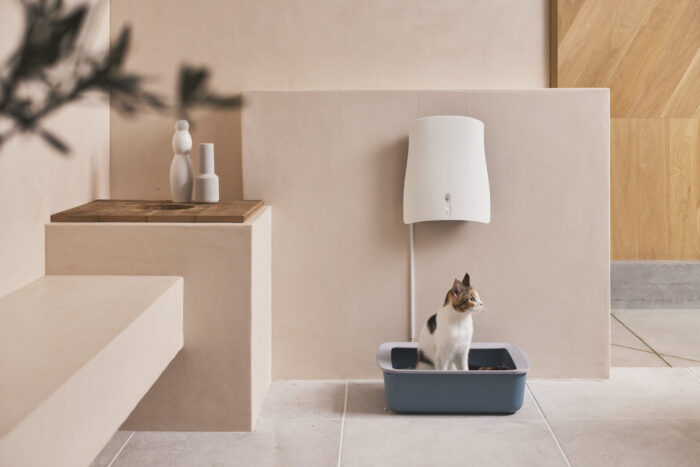
If you own a pet, you understand the inconvenience and embarrassment of pet odors coming from the litter box or pee pads. Sunstar, a leading global brand for better living, has introduced a high-tech ‘plug and go’ air purifier specifically to combat this trouble. Sunstar’s QAIS-air-04 is a quiet, wall-mounted purifier that instantly removes pet odors without chemicals by disinfecting odor sources. With 28% of cat and 24% of dog owners admitting they probably don’t change or clean out their pets as often as they should, the QAIS-air-04 is the perfect solution to eliminating those embarrassing smells.
QAIS-air-04 utilizes their advanced PCO technology, PiCTECH (Photocatalysis integrated Ceramic Technology) which employs a UV light x photocatalyst deodorization method to effectively combat odors. Certified by CARB (California Air Resource Board) for stringent ozone emission standards, QAIS-air-04 ensures a safe environment for both pets and humans. This purifier is designed for optimal placement directly above the litter box, pee pad, or bathroom area. This placement strategically addresses the rise of ammonia, the primary component of bathroom odors. In turn, the QAIS-air-04 efficiently captures and deodorizes ammonia, preventing the spread of unpleasant smells throughout the room. It is made with exceptional Japanese craftsmanship and with the well-being of pets in mind. It features secure low-voltage cords, a hushed motor, and a chic design that seamlessly integrates into any space. Retails for $350 at us.sunstarqais.com.
Anthropologie Catherine Martin Starry Night Swan Serving Platter
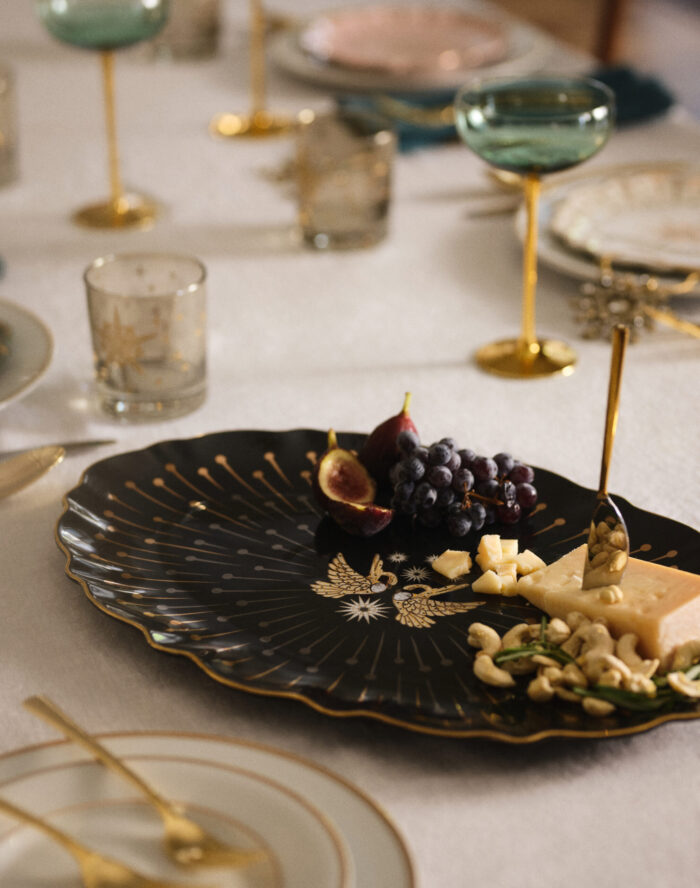
Anthropologie unveils its exclusive homeware collaboration with the acclaimed designer Catherine Martin. Renowned for her remarkable contributions to the film industry, Catherine Martin brings her discerning eye for artful intricacy to a star-studded collection for Anthropologie, radiating opulence through bold geometric patterns and recurring motifs. This 47-piece collection offers a range of luxurious and timeless homeware items, including dishware, stemware, barware, candles, textiles, stationery, and more, catering to every festive occasion and sophisticated taste. This star-studded collection is inspired by the Art Deco style of the 1920s.
Anthropologie’s Catherine Martin Starry Night Swan Serving Platter is a must-have for any celebratory event in your home. Adorned with a constellation of shooting stars, this beautiful serving platter adds elegance to every table and fosters a welcoming atmosphere for your gatherings. You can also add the Catherine Martin Starry Night Dessert Plates for enhanced enjoyment of the goodies offered on the Starry Night Swan Serving Platter. Made exclusively for Anthropologie. Retails for $88 at anthropologie.com.
SoundFun Mirai Speaker

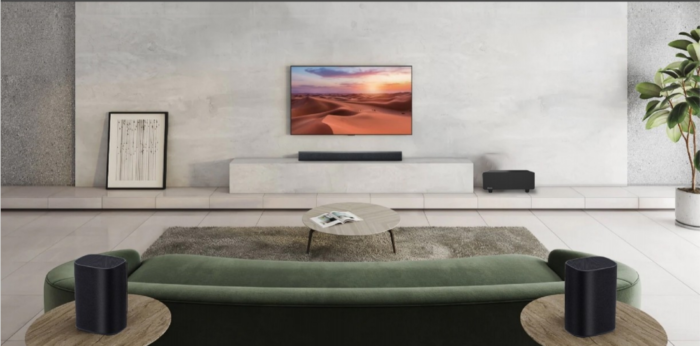
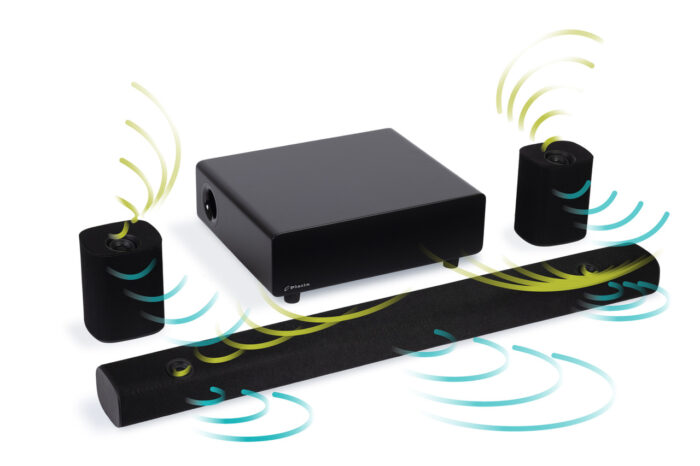
SoundFun’s Mirai Speaker is a home essential that enhances the audio experience of your entertainment setup by delivering immersive, high-quality sound for movies, music, and gaming. Crafted in Japan, the Mirai Speaker is tailored to enhance your home entertainment by focusing on clear TV dialogue. To help individuals hear conversations distinctly amidst background sounds and music commonly present in TV shows and movies, this soundbar is designed to elevate the quality of speech while minimizing distracting background noise, ensuring an enhanced and enjoyable viewing experience.
The SoundFun Mirai Speaker features a curve-shaped design, the core technology behind Mirai’s AudibleWave Technology, to help produce sound waves that offer clearer hearing at a distance and great stereo sound. It benefits a variety of room sizes and is effortless to set up. Its minimalistic design will blend seamlessly and naturally with your room environment. You can easily adjust the audio in the room with the Mirai Speaker’s dial on the sleek front panel, or you can use the remote. You’ll appreciate the full support offered by The Mirai Speaker Customer Service Team for answering any questions or setup solutions you need support on. On sale now for $249 at soundfun.net.
Duracell M150 Portable Power Station

A Duracell power station is a crucial home essential as it ensures a reliable and convenient source of backup power, safeguarding against unexpected outages and allowing for the uninterrupted operation of essential devices. Duracell’s M150 Portable Power Station is a stylish and practical solution for charging electronic devices on the go. Weighing just under two pounds and compact enough to fit in any backpack or sizable handbag, this sleek power station features a tiltable device holder with integrated storage, a dimmable ring light, a sleek charging dock, and 91 Watt-hours (25,000 mAh) of power, providing 150 watts of portable flexibility wherever you go. With this portable power, you can fully charge a laptop once, a phone six times, and a tablet three times to name a few.
With a low profile and sleek look, Duracell’s M-Dock Charging Dock is stylish enough to keep in your home on your kitchen counter, bedside nightstand, living room end table, or shelves. This means the M150 Portable Power Station is fully charged and ready when you need extra power. For even more power, Duracell offers this portable power station with 250 watts. Retails for $199 at powerstations.duracell.com.
Schmidt Bros. Acacia Downtown Magnetic Knife Block
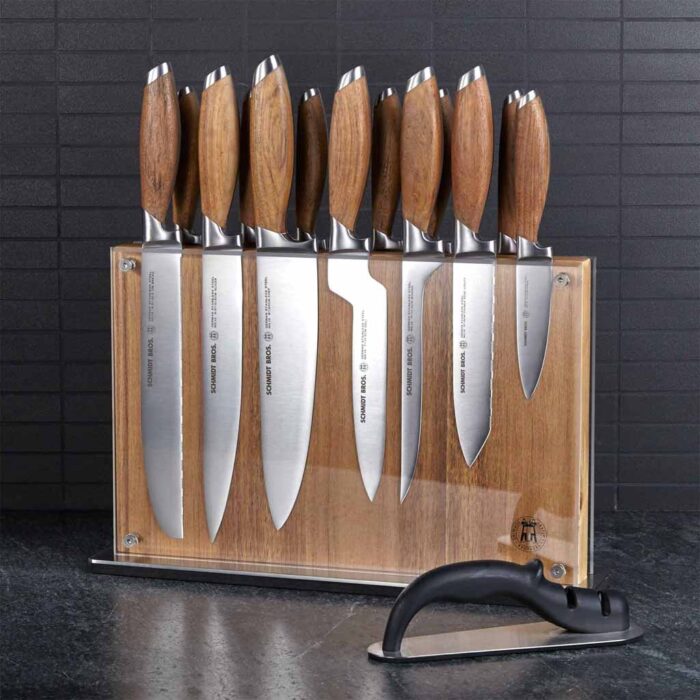
Schmidt Brothers Cutlery offers beautiful, design-forward products at an affordable price point. Their cutlery is innovative, and stylish, and keeps comfort at the forefront. Every new and seasoned chef alike needs a proper place to display and store the kitchen knives and Schmidt Bros.’ Acacia Downtown Magnetic Knife Block is the perfect solution.
Schmidt Bros.’ Acacia Downtown Block transcends the ordinary, offering an elegant and refined solution that seamlessly blends organization with style in your kitchen. This thoughtfully crafted, space-saving design features two sides to reduce countertop congestion. The acrylic sheets not only shield against natural wear but also safeguard from unintended cuts, making it a harmonious union of functionality, safety, and sophistication. Its dimensions are 14.5″W x 3.5″D x 9.5″H and typically requires about 6″ of clearance above to remove it easily under cabinetry. It holds up to 16-18 knives. You’ll love the beauty and style this storage block brings to your kitchen. Retails for $124.99 at schmidtbrothers.com.
DOWNLITE® 3-in-1 Adjustable RDS White Goose Down Pillow (Hypoallergenic)

Headquartered in Mason, OH, situated just north of Cincinnati, DOWNLITE specializes in the design, development, manufacturing, and marketing of a wide range of bedding products, including comforters, pillows, mattress pads, blankets, throws, and more. Their primary focus is crafting superior bedding and delivering exceptional sleep experiences through the use of the finest materials and top-notch craftsmanship.
DOWNLITE’s 3-in-1 Adjustable RDS White Goose Down Pillow (Hypoallergenic) is that perfect pillow with the ideal firmness while being incredibly soft and supple. With this pillow, you’ll have a customizable sleeping experience, featuring a three-sided zipper. Easily achieve a soft or medium density by removing the inner pillow, providing three comfort levels that cater to all sleep positions. Plus, filled with hypoallergenic 600-fill power White Goose Down, it ensures fluffiness without allergy concerns, offering both comfort and peace of mind for a great night’s sleep. Wrapped in a plush and durable 300-thread count cotton casing, this hypoallergenic pillow is easy to care for in that it’s machine washable and dryer friendly. Proudly assembled in the USA. Retails for $125/$150 (standard/king) at downlitebedding.com.
Revival New York SoHo Sheet Set

Revival New York stands as a leading provider of luxury bed and bath linens, supplying renowned hotels worldwide, including 1 Hotel, The Mark, The Plaza, and others. Now, these exact products are available online at a significantly reduced cost, enabling you to bring the luxury of a 5-star experience into the comfort of your home. Revival’s linens are crafted to meet hotel standards, ensuring you receive exceptionally high-quality and durable products designed to endure hundreds of wash cycles. Additionally, every item from Revival is Oeko-Tex certified, assuring that each product is safe and free from harmful chemicals.
Revival New York’s SoHo Collection are exquisite white sheets adorned with a timeless sateen finish, drawing inspiration from the classic style of New York’s iconic SoHo neighborhood. Available in thread counts extending up to an opulent eight hundred, SoHo offers a touch of luxury and sophistication. These sheets are made from 100% Egyptian Cotton. Retails for $240 (Queen)/$270 (King) at revivalnewyork.com.
Takasa Organic and Fairtrade Cotton Bath Towels

Takasa is a Canadian company crafting certified GOTS organic and Fairtrade Cotton homewares. Headquartered in Vancouver, BC, and with origins in India and Kenya, they are driven by a commitment to top-tier materials and socially responsible manufacturing. They concentrate on curating meticulously crafted premium products tailored for individuals who appreciate the fusion of beauty, durability, and sustainability.
Indulge in the luxurious feel of Takasa’s Organic and Fairtrade Cotton Bath Towels, an ideal way to end your shower experience. Crafted with ultra-low twist technology, these super soft and plush 700 GSM towels offer enhanced absorbency and gentle comfort during drying. Composed of 100% GOTS organic and Fairtrade-certified cotton, they are devoid of harmful dyes and chemicals, ensuring a safer choice for your home, the environment, and the artisans involved. As an added bonus, the bath towels feature a convenient loop for easy hanging. This set comes with 2 bath towels, 2 hand towels and 2 washcloths. On sale for $135 at takasa.co.
Vista Print Framed Prints

Transform your cherished memories into stunning wall-ready artwork with Vista Print Framed Prints, featuring vivid professional printing on high-quality paper. Whether it’s creating a gallery of feel-good vacation photos, elegant wedding shots, or those precious first baby pictures, these prints effortlessly fill bare walls with upscale, cohesive decor. Each print comes with built-in sawtooth hardware for easy display, and with six stylish frame options, including premium and rustic-inspired choices, you can customize art that perfectly complements your home’s aesthetic. You also have the option to add a white border or picture mat to select frames. You’ll love how easy it is to upload and navigate Vista Print’s interface to complete your project. Retails starts at $39.99 at vistaprint.com.
Rubirosa NYC Extra Virgin Olive Oil (2-pack)

Olive oil is a great home essential due to its versatility in cooking, health benefits, and various household uses. Rubirosa, the iconic New York City pizzeria and ristorante run by the Pappalardo family with a pizza-making legacy in NY since 1960, has expanded its offerings to include distinctive Italian-American products for your kitchen. Rubirosa’s Extra Virgin Olive Oil (2-pack) offers unfiltered olive oil with a vibrant, wild green hue, sourced from a fourth-generation family farm in Southwestern Sicily. This is the same olive oil utilized in Rubirosa’s NYC restaurant’s kitchen. With this offering, you’ll receive two 500ml/16.9 oz bottles of their delightful olive oil wrapped in a beautiful box. Makes a wonderful gift as well. Retails for $59 at rubirosanyc.shop.
Volcanica Coffee Company Coffee Lover Gift Box
Immerse yourself in the world of Volcanica Coffee Company and elevate your daily coffee routine with the explosive and rare flavors captured in the Volcanica Coffee Lover Gift Box. This innovative offering brings together four distinct 16 oz coffees sourced from farms nestled near active volcanoes, where the intensity of the land offers a unique and fierce flavor profile. This exceptional box showcases the diverse volcanic regions that contribute to each coffee’s distinct charm. The mineral-rich soil, a consequence of proximity to these fiery landscapes, gives rise to a brew that is not only wonderfully aromatic but also remarkably rich in taste. In Volcanica’s Coffee Lover Gift Box, you’ll receive a 16 oz bag of each of these exquisite coffees: Costa Rica Original, Guatemala Antigua, Ethiopian Yirgacheffe, and Colombian Supremo. Retails for $89.99 at volcanicacoffee.com.
Peppertux Farms Extra Virgin Olive Oil 500ml – Rich & Fruity (Medium)

Good olive oil is a fantastic home essential because it serves as a versatile and healthy cooking ingredient, is rich in monounsaturated fats and antioxidants, promoting heart health, and its distinctive flavor enhances the taste of many dishes. Peppertux Farm’s Zeytin’s Extra Virgin Olive Oil is an award-winning olive oil crafted from Memecik variety olives on Peppertux’ small family farm in Ayvalik, Turkey. Harvested at the green olive stage, it boasts a medium robust character with notes of freshly cut grass, artichoke, and tomato, embodying its rich and fruity essence. Ideal for pairing with fish or roasted vegetables, a favorite way to savor it is by dipping a slice of rustic, artisan bread, creating a delightful meal in itself. You’ll love it features a high count of polyphenols of 400+ for endless benefits. Retails for $25 at peppertuxfarms.com.
Old World Christmas Winking Santa Ornament

Since 1979, Old World Christmas has dedicated itself to the art of hand-crafting the finest ornaments, employing age-old techniques to infuse your holiday celebrations with a touch of magic. As a pioneer in design, the company boasts the most extensive collections of blown-glass ornaments in the industry. Christmas ornaments are excellent home essentials as they carry sentimental value, link to special memories, traditions, or milestones, and contribute to a warm and nostalgic atmosphere. The Old World Christmas Winking Santa Ornament Santa Claus is a delightful and festive addition to your Christmas tree. Santa Claus personifies the innocence of childhood and the enchanting joy of the season. Retails for $21.99 at oldworldchristmas.com.
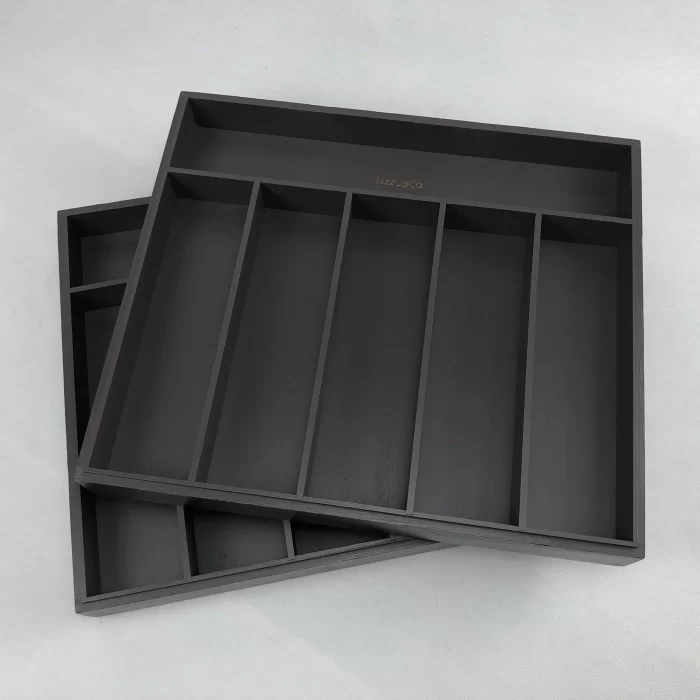
JazzUpCo Gilded Serving Utensils

Nice serving utensils from JazzUpCo are a home essential as they elevate the dining experience, adding a touch of sophistication and facilitating gracious hosting for various occasions. JazzUpCo’s Gilded Serving Utensils (2 Pieces Set) are meticulously crafted from 18/10 Stainless Steel, ensuring durability and a non-toxic dining experience. The elegant matte gold appears sophisticated, making these serving utensils a perfect complement to your table. With a size of 10 inches for the Serving Fork and 9.5 inches for the Serving Spoon, these utensils are both functional and aesthetically pleasing. You’ll appreciate that due to being dishwasher safe for convenient and easy cleaning. On sale now for $29 at jazzupco.com.
Nook Theory Reusable Grocery Bags

Nook Theory’s Reusable Grocery Bags are a perfect home essential because they offer a sustainable and practical solution for shopping and beyond. Nook Theory’s Reusable Grocery Bags are made from 100% natural unbleached cotton, are a sturdy 120oz weight, and feature double-stiched seams, ensuring lasting durability while making a conscientious choice for the planet. Measuring 15″x15″x10″, each provides ample space with seven compartments and two side pockets, promoting an organized and efficient shopping experience. Each can hold up to 80lbs and you can choose between two handle lengths for the ideal carrying style. Nook Theory’s Reusable Grocery Bags are versatile and suitable for various purposes beyond grocery shopping, such as for picnics or at the beach. Retails for $33.96 at Nook Theory’s Amazon Store.
The post Enhance Your Living Space with These Exceptional Home Essentials appeared first on Home Business Magazine.
Original source: https://homebusinessmag.com/lifestyles/enhance-living-space-home-essentials/