Home Business Magazine Online
As mom- and dadpreneurs, you have a lot on your plates. Celebrations of little ones are going to come up and it can be hard to find the time between running your business and attending to your family to find that perfect gift. You could spend hours parking and navigating stores and/or scouring the internet to find something meaningful. This is precious time that you just might not have as a ‘parentpreneur’. In this gift guide, we found some awesome gift options ideal for birthdays, baby showers, new baby celebrations, or to simply just show care. From functional and adorable attire to quality stroller wagons, here are 20 baby and toddler gifts perfect for any celebration.
Wildbird Turaco/Seagull – Linen Quilted Playmat
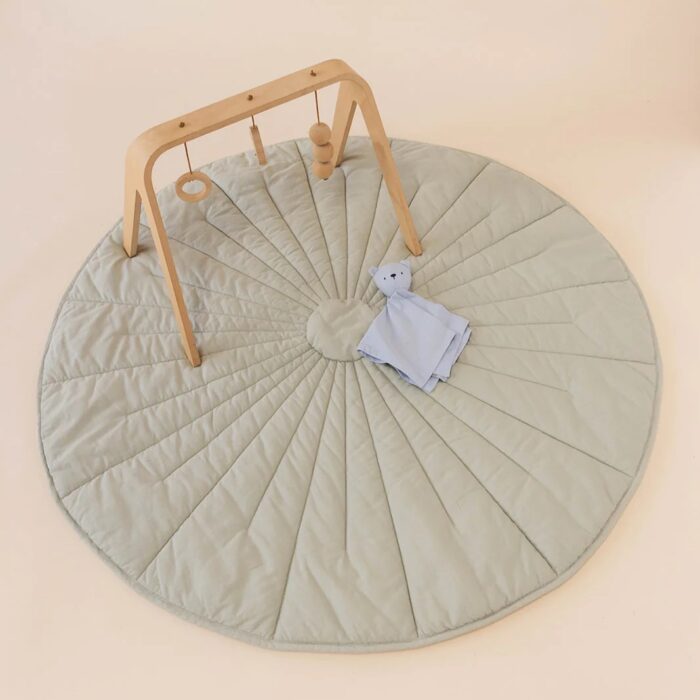
Wildbird Baby offers products that parents love – and just as much as they loved their baby carriers! Their products offer functionality, softness and beauty to your their little bird. Wildbird Baby has a large variety of classic and adorable baby and toddler gifts.
Perfect for those busy baby days, their reversible quilted playmat features a gorgeous sunburst design. It is softly padded to keep a little babe comfortable, warm and protected while they play, but flexible enough to be folded compactly on the go. This mat adds a touch of beauty and softness in any nursery or living space. It is made of linen and cotten, is certified non-toxic and is machine washable. It comes in multiple color combinations for the perfect match. The Turaco/Seagull – Linen Quilted Playment retails for $84 at wildbird.co.
Rockit USB Rechargeable 2.0

Created to help parents on the go, the award-winning Rockit Rocker is a handy accessory to keep babies moving and snoozing. This portable sleep aid makes life easier for exhausted parents all over the planet. The Rockit attaches to the stroller, is USB rechargeable and has an adjustable speed dial with a 60-minute timer. The Rockit safely simulates gentle hand rocking, and it was created by three dads, one is a sound and vibration engineer.
Now parents can enjoy a quiet meal out, a hot cup of coffee or a free hand to push an older child on a swing. This is a gift that keeps on giving! It’s safety tested to EU/USA and international standards by Intertek. Retails for $69.95 at rockitsleep.com and on Amazon.
Ten Thousand Villages Woven Palm Leaf Moses Basket
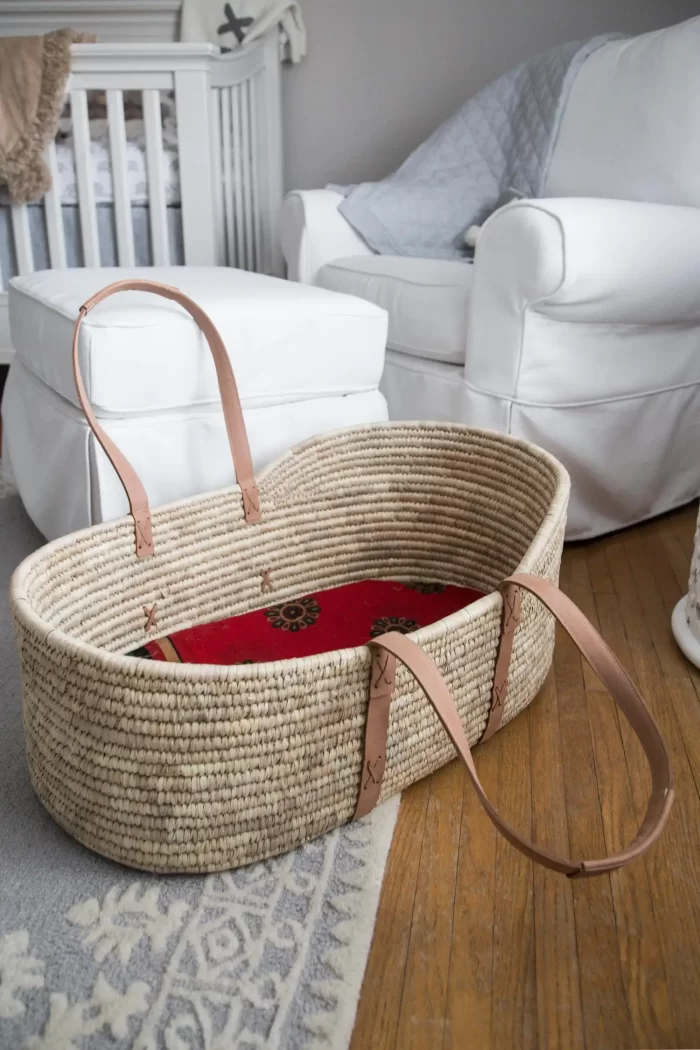
Ten Thousand Villages is a global maker-to-market movement that offers uniquely designed products handmade by artisans from developing countries across the globe. Their Woven Palm Leaf Moses Basket is handcrafted in Bangladesh and is not only a safe haven for a newborn, but it’s chic too. It would make a lovely baby shower or new baby gift. A new mom will appreciate that her baby feels snug and secure in the sweet, simple and sturdy basket as she enjoys a cup of tea or coffee nearby.
This palm leaf basket features beautiful, strong leather handles and a recycled cotton sari fabric removable mat. The recycled cotton sari fabric covering can be removed to give it a cold wash when needed. Mom can bend the leather handles down and outside of the basket to keep them from folding into the basket. The basket can be used until her baby can push up or roll over unassisted. The Woven Palm Leaf Moses Basket would also look beautiful on any wooden rocketing stand. Retails for $195 at tenthousandvillages.com.
The Fuzzy Sprout Lift, Unsnap & Wrap Towel
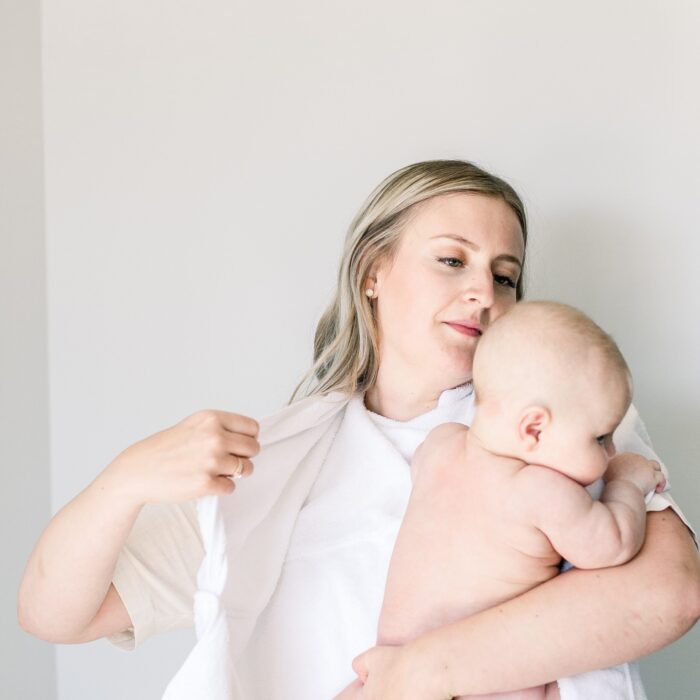
Busy parents need baby products that make their lives easier. Fuzzy Sprout’s “Lift, Unsnap & Wrap” Towel hands-free, wearable towelswere are designed to make it easier for parents to lift their baby out after bath time withoutneeding a second set of hands. Plus, they save a parent’s sanity because parents won’t be drenched after trying to lift their squirmy, wet baby out of the bath.
“Lift, Unsnap & Wrap” Towels are cleverly designed to snap around a parent’s neck so that both hands can be used to lift their baby out of the tub, safely and securely, onto their parent’s chest. A simple tug then releases the snap so that baby can bewrapped quickly. This means parents no longer have to worry about awkwardly clamping a towel under their chin to keep it in place, juggling a slippery babyand a towel, placing their baby on their bathroom floor to wrap them up, asking their partner for help or getting wet from lifting their baby from the bath. These towels “grow” with a baby, so they can be used in multiple stages (from newborns to toddlers) saving parents money and time (a great baby and toddler gift!). They are made from 100% organic cotton so no toxic chemicals willget in contact with a baby’s sensitive skin. Retails for $29 at thefuzzysprout.com.
Humble Bee Nurse-sling with Carrying Bag
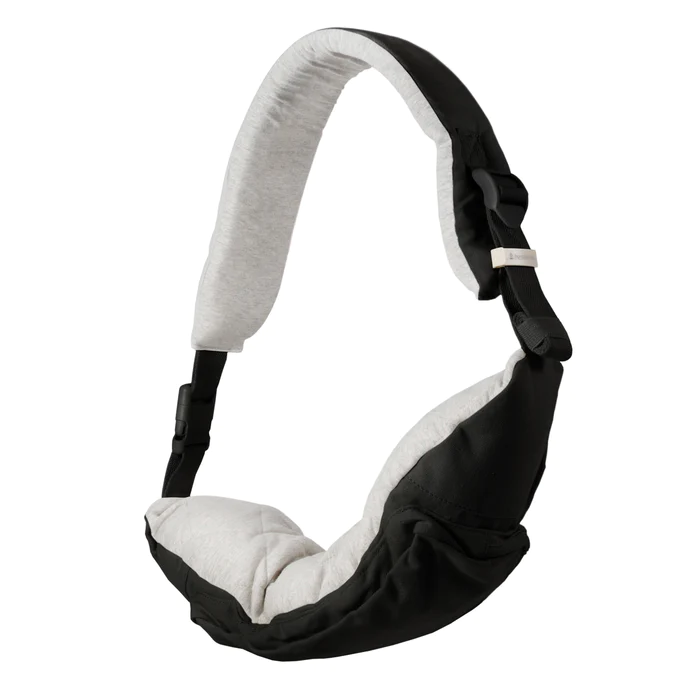
All breast feeding moms can use a quality nurse-sling. They make for great bonding time and are relaxing to use for both mom and baby. And babies will love how comfortable they are. The Humble Bee Nurse-sling with Carrying Bag is extremely light and portable, so mama can take it with anywhere and use it while out and about. The thoughtful design also provides some privacy while feeding on the go, has a zippered parent pocket for quick access to those small necessities, and is machine washable.
Other benefits the Humble Bee Nurse-sling offers is it holds baby in place, secures to mom’s body, has adjustable support for all sizes of moms and babies, lets mom rest arms and hands, and when after baby has moved beyond breastfeeding, the nurse-sling turns into a sling bag that both mommy and daddy can use for a lifetime. Retails for $64.98 at humble-bee.com.
Anthem2 2-Seater All-Terrain Wagon Stroller

Gladly Family offers practical, thoughtfully designed, and dependable products mom can feel good about. Exciting and practical wagons will make the beach, park, or shopping trips fun and easy for parents to accomplish all errands throughout the day. From chic wagon strollers to easy-to-use travel cots, there is a product for all families.
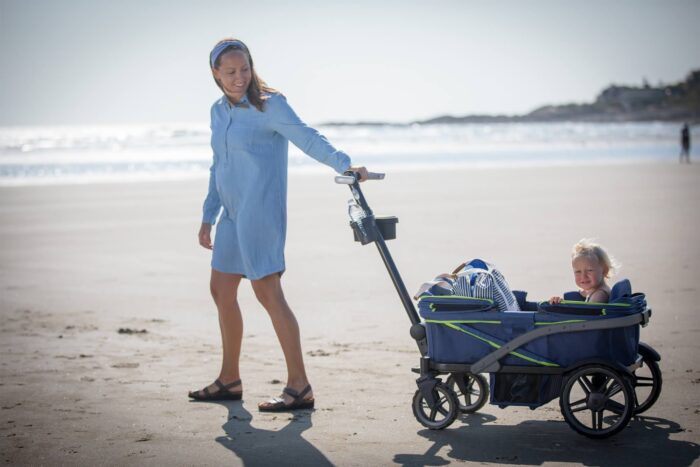
The Anthem2 2-Seater All-Terrain Wagon Stroller is a stylish and functional option for getting around with little ones. Whether taking a walk to the park or taking a plane to the coast, this wagon is sure to meet any parent’s needs. It’s equipped with rugged wheels and a sturdy frame for tackling all types of terrain. This wagon is extremely easy to maneuver (by pushing or pulling), has rugged all-terrain wheels and suspension for a smooth push and comfy ride. It’s built for multiple experiences of weather, with its sun, wind, and rain protection of its removable, folding XL canopies. These canopies have breathable mesh inserts which zip together. If a little one needs a nap on the way, the seats fold down flat to give a comfortable napping surface with the included stowaway nap mattress. This robust stroller wagon features a sturdy, welded aluminum frame.
When on the go, mom or dad wont need to worry about what they can or cannot bring with them. This wagon has plenty of storage options with interior mesh pockets. It also has a removeable storage basket, a parent cup holder, double snack tray and child cup holders. For storage and easy transport, this wagon quickly folds flat and stands when folded. Kiddos will love sitting and riding along in this wagon, as it offers so much freedom and visual experience as their on the way to their destinations. Retails for $499 at gladlyfamily.com.
If you need room for 4, be sure to check out their Anthem4.
Pixsee Smart Baby Monitor

Pixsee is a revolutionary AI baby monitor that keeps new parents at ease by helping them keep an eye on daily activities. This is great for working, work from-home, and stay-at-home parents. Equipped with the latest 1080p FHD camera and night vision, pixsee lets parents view even the minutest details in a baby’s crib from sunrise to sundown. This means watching him smile, coo, sleep, or play as clear as day while a parentpreneur squeezes in work or “me-time” at home, in the office, or on the go.
The device plays music to soothe and console babies when needed, helps them deal with the dark, and is the perfect companion for traveling with the additional camera stand. The Covered Face Detection sends the parent an alert when something is covering a baby’s face and the Area Detection lets him/her set a safe zone to know when their baby is moving in or out of it.
The 5MP and six-layer optical lens provide clear videos, with the camera’s 160° ultrawide view letting mom or dad see all corners of a room with zero distortion. The video can be played back in heartbeat or the 24-hr livestream can be watched in sharp, high-definition resolution. Additionally, the Smart Capture automatically takes 6 to 12 quality images a day for a digital keepsake. They’ll see their baby’s growth and have a visual diary to look back on for years to come!
The Smart Music Box even automatically detects cries and plays calming sounds. Parents can choose from parenting music to white noise. They can know the why behind the cry with the Cry Decoder. Additionally, they can even record their voice and soothe their baby from afar. This baby monitor does it all to make parenting easier. On sale for $209 at pixseecare.com.
My Little Love Heart Koala Bib

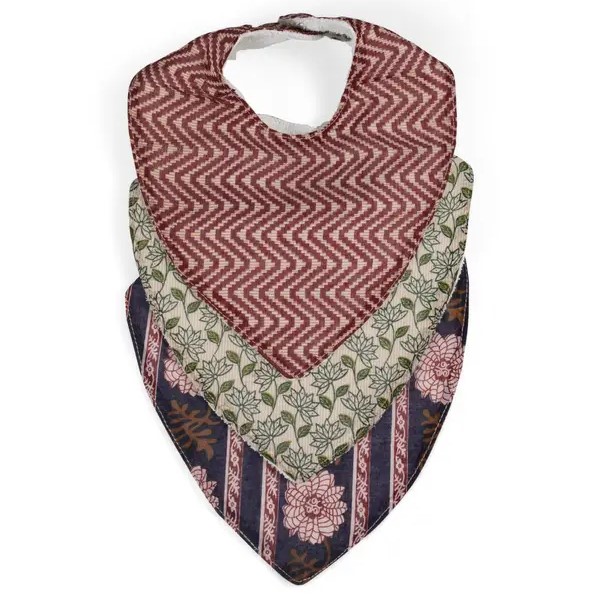
My Little Love Heart is a fantastic brand with Australian made baby products. Their Little Love Heart Koala Bib is a favourite for new babies and parents alike and makes a fantastic gift for those special occasions. This adorable bib is made of organic cotton and bamboo and is super absorbent and soft on a babies skin. Additionally, it is handmade in Australia using eco-friendly and sustainable materials, features pleats to capture excess dribble, and is comprised of two layers including an ultra-absorbent bamboo backing. This style bib is availabe in a selection of boys, girls and unisex prints. Retails for $18.95 at mylittleloveheart.com.au.
My Little Love Heart also makes stunning swaddles in many colors, which would make a perfect duo with their baby bibs. These comfortable newborn baby muslin wraps are made of ultra-soft organic muslin with a little stretch. This fabric has natural properties beneficial to a wee-one’s health and well-being. They’re light, strong and breathable. Retails for $39.99 at mylittleloveheart.com.
Mon Coeur Light Sage Kid T-Shirt
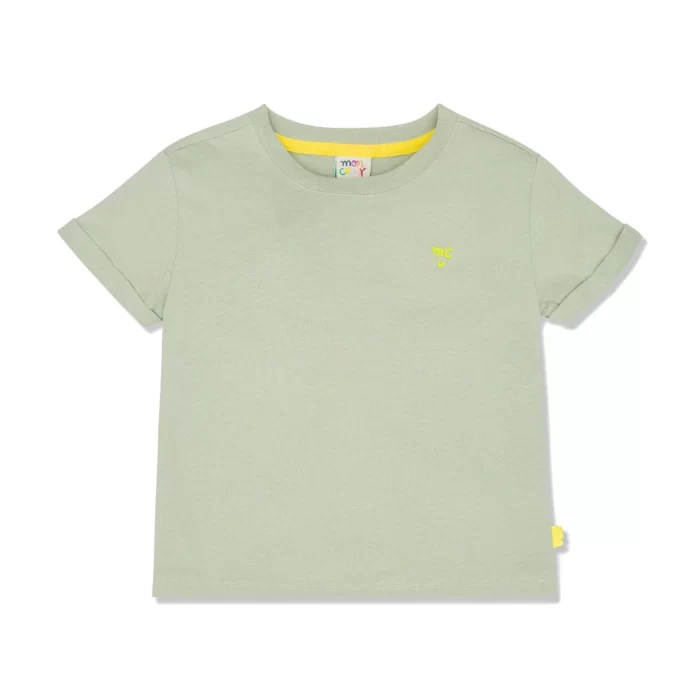
Mon Coeur was born to imagine a world where the planet comes first, making kinder clothing for earth-loving kids. Spun from reclaimed organic cotton fiber, their soft and cozy fabrics are made with care down to every last fiber. Their dedicated to making kids clothing that lasts, so that our planet does, too. Their products are produced in Portugal with European sourced fabrics and accessories to limit emissions. These are quality clothes you’ll feel good about gifting to a little one in your life and their collection is adorable.
Their soft jersey t-shirts are sustainably made with up-cycled cotton using water color print, with non-toxic inks. They feature a relaxed fit, a ribbed neck and short sleeves. This t-shirt comes in a variety of fun colors and prints and and would be an excellent and versatile addition to a child’s wardrobe. For each purchase 1% of the sale goes to the restoration of the natural environment. Retails for $42 at moncoeur.com.
Bunnies By The Bay Bloom Tuck Me In Blanket
Bunnies By The Bay offers precious and timeless gifts for babies and small children to fall in love with. They offer incredibly soft and adorable stuffed animals, gift sets, blankets, and baby clothing to name a few. Many of their gifts can be personalized and everything is wrapped beautifully ready to gift.
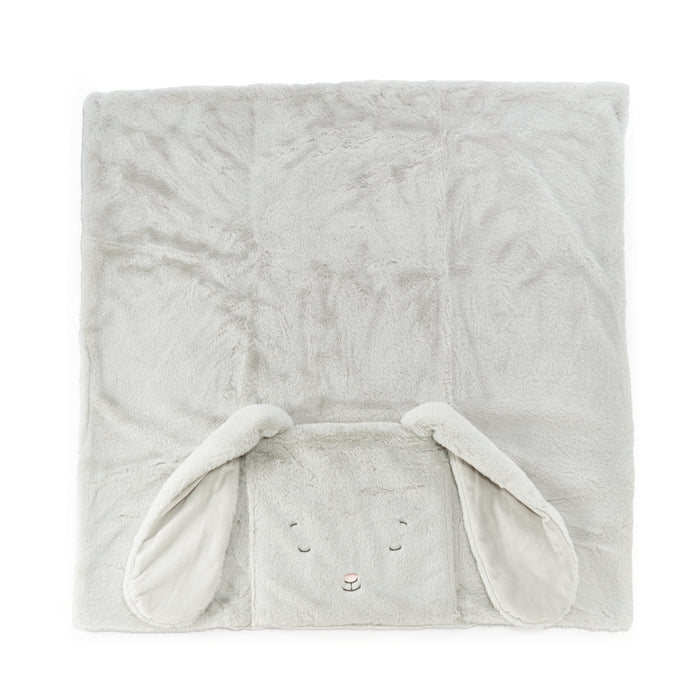
The Bunnies By The Bay Bloom Tuck Me In Blanket is a best bedtime buddy! This unique furry blanket has multiple uses; untucked it’s a blanket with sweet embroidered sleeping bunny eyes and re-tucked it’s a pillow and plush bunny friend with open embroidered eyes ready to play! It has sweet glacier grey color velour on one side and cozy faux fur on the other in the softest fabric you have ever felt! Its super soft and silky long lop ears are perfect for soothing and for personalizing (personalized gifts are great for lasting memories). This is absolutey a wonderful baby shower or new baby gift. Retails for $44.95 at bunniesbythebay.com.
Snappy Socks Never Slip Socks – 3 Pack

Snappy Socks is an innovative baby sock brand designed to simplify the lives of busy parents. With snaps on each sock, Snappy Socks aren’t just comfortable for babies to wear; they are also slip-proof, pull-proof, and even snap together in the wash to make laundry day easier. This 3 pack features Navy, White, and Grey Never Slip Socks in their breathable, comfortable fabric. Because of Snappy Socks’ unique silicone grip, they’re guaranteed to stay on a baby’s feet. Retails for $19.99 at snappy-socks.com.
Clixo Itsy Pack
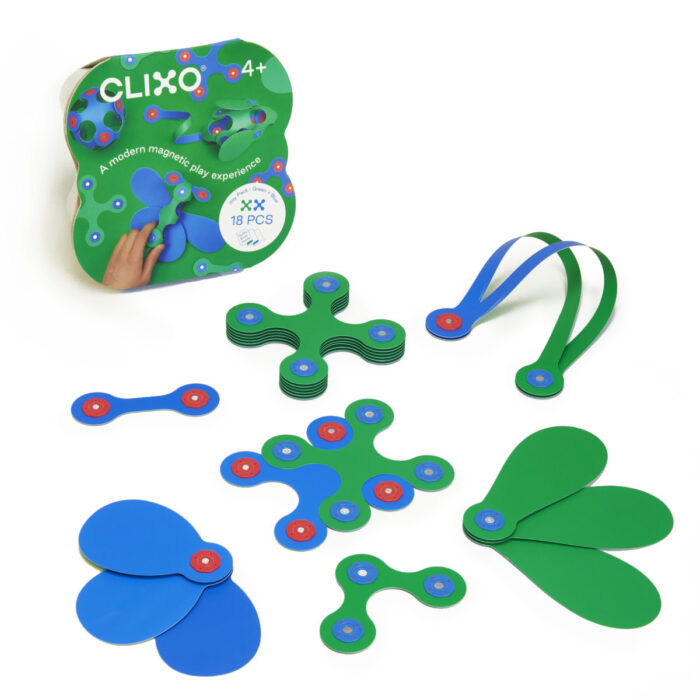
Clixo is an innovative, creative tool for kids to click and construct 3D creations from flexible 2D shapes and powerful magnets. These versatile and accessible creative tools are made to entertain everyone everywhere, regardless of age or ability. Clixo is an award-winning toy and is a certified STEM toy by the STEM.org.
With 18 pieces in 6 unique Clixo shapes and a quick start guide, the Clixo Itsy Pack is the perfect size to stack and pack for play, building, or wearing on the go! These are made for kids and kids at heart age 4+. Parents will love that they can join in on the fun building the pieces into shapes and the creations are endless. You can choose from 3 different color options and their packaging is recyclable and compostable. Retails for $29.99 at clixo.com.
Cubo Sticky Schedules

Cubo Toys provides parents an open canvas to set-up unique learning experiences based on their children’s growing and learning needs. Addtionally, their products are conscious of its impact to meet every eco parents’ need. Cubo Sticky Schedules is a Montessori routine cards set aids preschoolers to transition from one routine to the next. This set has a modular or multi-usable design, allowing the toys to grow with the child’s learning and developmental needs.
Cubo Sticky Schedules is a set of 60 pieces of 1.35” visual tiles, 3 guide cards, a magnetic agenda board, and a matching board. The magnetic routine cards or visual tiles feature beautiful, realistic illustrations following the Montessori approach. The set is designed to help children learn to recognize and understand the different activities that make up their day. The cards feature dayparts such as “morning”, “afternoon”, and “evening”. The cards also feature activities such as different routines, age-appropriate chores, and places to go. This toy is accredited by an independent research and play expert called Good Play Guide based in the UK. Retails for $34.99 at cubotoys.com.
Unilove Baby 3-in-1 Dining Booster Seat

Unilove is a brand that specializes in creating versatile baby products that provide both comfort and convenience to parents and babies. Their products received positive reviews from industry experts and their customers for their baby booster chairs, bassinets, pregnancy pillows, and strollers.
Their latest product, the Feed Me 3-in-1 Booster Seat provides the ultimate comfort and convenience during different mealtime scenarios. It is perfect for those who seek practical and versatile seating solutions for their baby or toddler. This ingenious baby seat transforms an ordinary dining char into a bespoke high chair little ones will love. This booster seat can also function as a baby chair and a portable high chair as it is easy folding. When out and about, this chair enables parents to create a suitable place to feed little ones on the go – think picnics at the park or beach. The Feed Me 3-in-1 Booster Seat features a 3 point safety harness, 4-level heigh adjustment, is super sturdy, and has a BPA-free swivel tray that is dishwasher safe. Retails for $99.99 at unilovebaby.com.
Cali’s Books Count With Nursery Rhymes
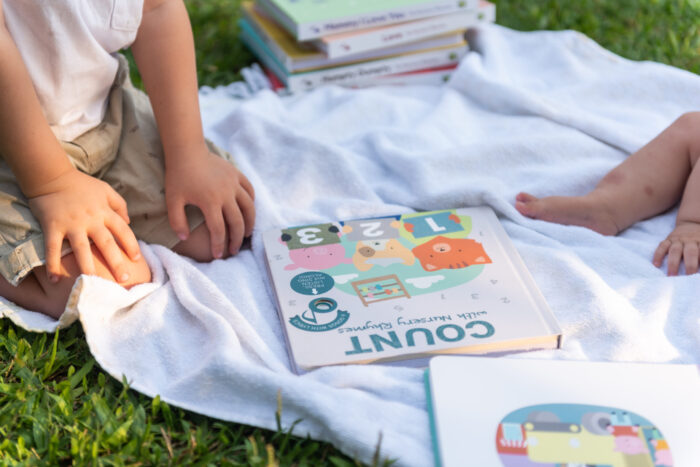
Cali’s Books designs, manufactures and sells interactive books created with love to inspire and cultivate a passion for books and music. The music and sounds in their books engage children in a way that regular books cannot. They have a large collection of sound books that focus on music, education, sports and animals. Cali’s Books is a family run business who brings families together through diversity and a shared love.
The Cali’s Books Count With Nursery Rhymes includes counting song favorites such favorites as Five Little Monkeys and One, Two, Three, Four, Five. Inside the book, little readers will find one sound button on every page, 15 Seconds of Music, charming illustrations, and song lyrics. Learning numbers has never been so much fun! Retails for $25 at calisbooks.com.
Kids Art Box – Create Together Art Box

Magic happens when kids make art! The Create Together Art Box provides a meaningful way for parents to engage with children. Recipients will get three art activities, one science project, and one visual recipe or origami tutorial with easy-to-follow tutorials in every box. Plus, it includes high-quality art supplies so young artists can explore new mediums and learn new techniques each month.
With the Create Together Art subscription box, there’s no stressing about planning projects. No running out to buy supplies. No mess ups or meltdowns. Just open the box, start creating, and have fun! This subscription is designed with children between ages 3 and 7 in mind. Kids Art Box offers one time purchases or monthly purchasing options. Retails for $38 (monthly purchase)/$48 (one time purchase) at kidsartbox.com.
morepeas Snack Pack Bundle
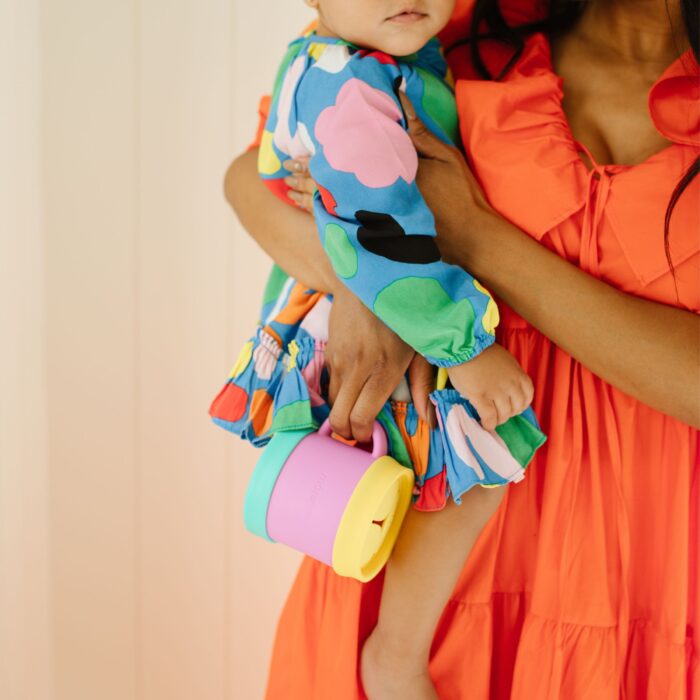
morepeas’ new collection of colorful and sustainable mealtime accessories were created by mamas for babies, toddlers and kids alike. Their products make everyday parenting (especially while traveling) a little easier and way more enjoyable! Kiddos will love the vibrant, fun colors of their products.
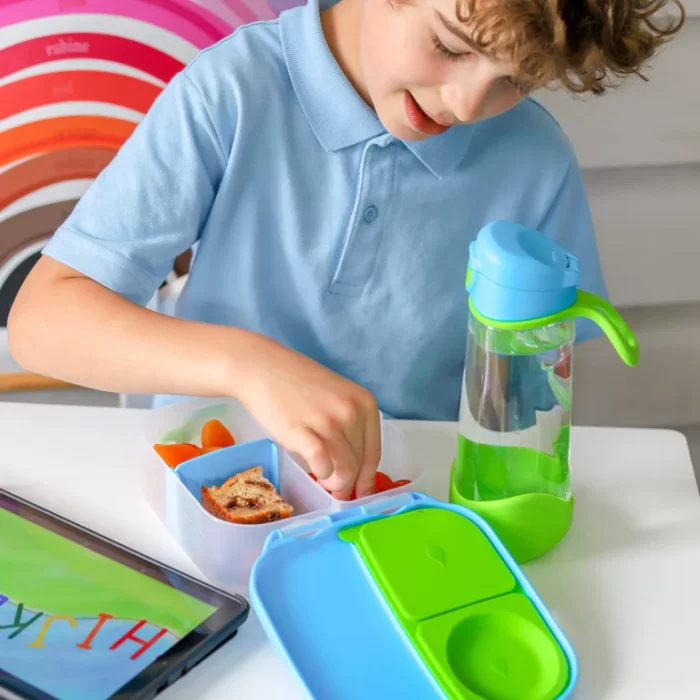
Give the gift of morepeas’ Snack Pack Bundle – a perfect baby and toddler gift for baby showers, birthdays, upcoming trips, holidays and just because. This set includes three items to make snack time a breeze at home or on-the-go. Pre-packaged in a gift box with custom tissue and sticker, their Snack Pack Bundle is the perfect gift for every adventure. This bundle includes the Essential Snack Cup, Essential Snack Bowl, and the Essential Sippy Lid (compatible with the Essential Snack Cup). Retails for $50 at morepeas.com.
I’m The Chef Too! Galaxy Donut Box
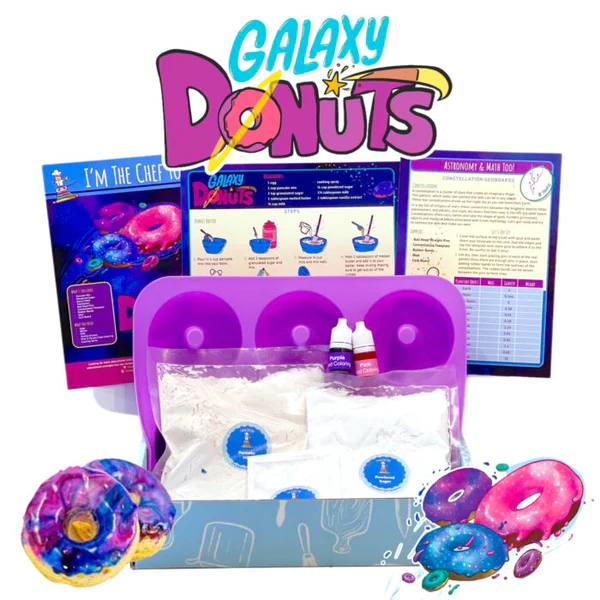
I’m The Chef Too! is an award-winning monthly subscription company whose goal is to create meaningful learning experiences through the vessel of cooking. However, they do offer individual purchased gift kits. They infuse STEAM concepts into their adventure kits, allowing children to question, invent, engineer, and create through inquiry-based techniques and open-ended problem solving in the kitchen. Each kit includes a different fun filled adventure like Edible Erupting Volcano Cakes, Cupcake Geodes, Galaxy Donuts and more. Not only do these kits include all the dry pre-measured ingredients, and specialty supplies, but they also come with a STEAM activity to extend and enrich the learning experience.
Their Galaxy Donut Kit is an exciting journey through a cosmic adventure of galaxies galore! Kids will love taking a trip to the stars and creating galaxy donuts and galactic glaze, calculating their weight on other planets, and identifying the constellations. This kit includes: 1 adventure recipe, pre measured dry ingredients, specialty supplies, and an activity guide card. This adventure blends food, STEM, and the Arts into educational fun! Retails for $36.95 at imthecheftoo.com.
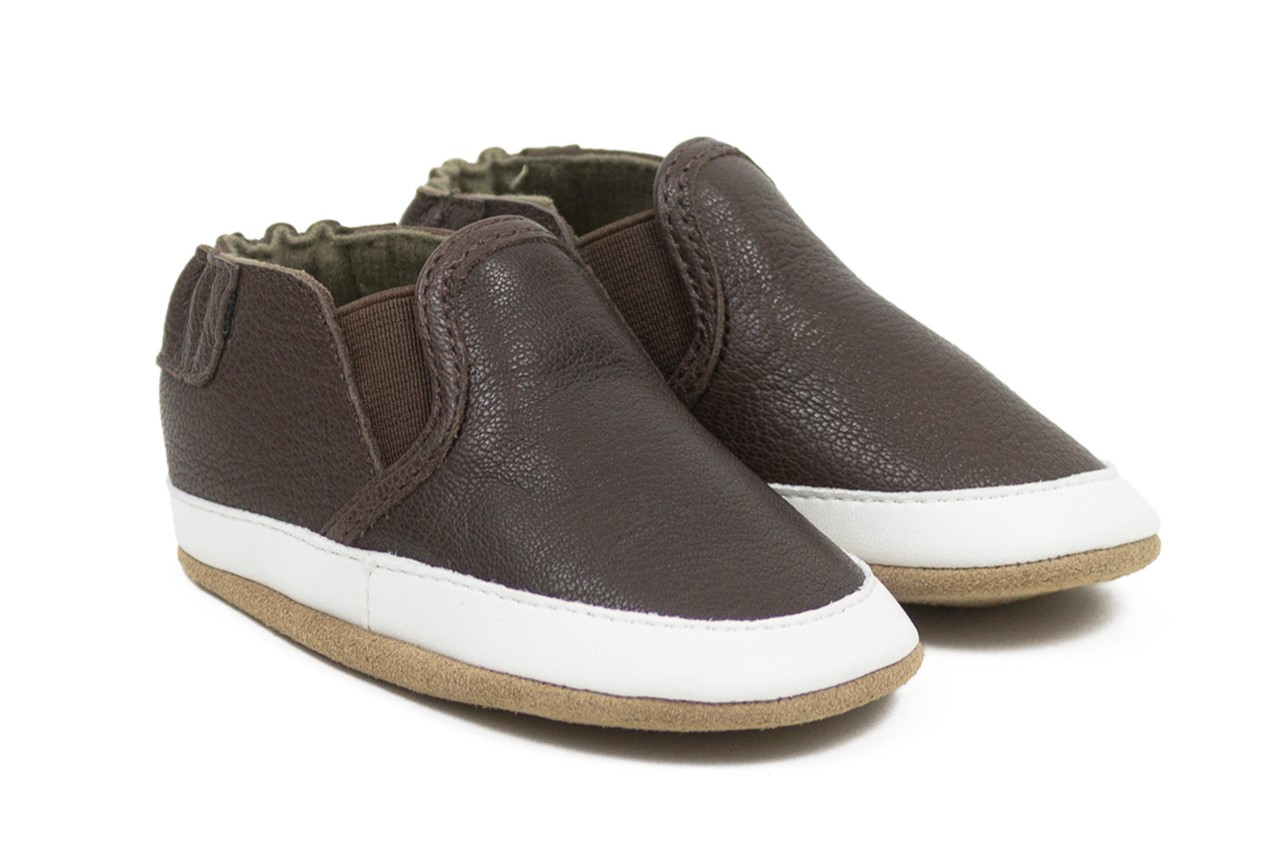
Robeez Soft Sole Shoes – Ramsey Soft Soles in Grey
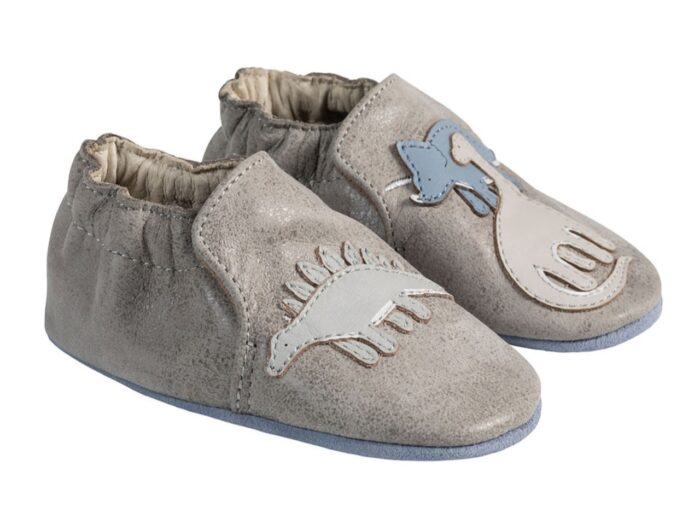
The best shoes mimic bare feet, by supporting – not constricting – tiny, growing feet. Robeez Soft Sole Shoes flex and bend with every step. Their slip-resistant soft suede sole allows little feet to grip as they begin to walk and gives them room to grow.
Robeez Soft Sole Shoes make a thoughtful, appreciated baby and toddler gift for little walkers. The popular Ramsey Soft Soles in Grey are adorable dinosaur baby shoes that reimagine a little one’s daily routine with a kick-proof fit and easy-on, play-on convenience. This pair of soft baby walking shoes guarantees a rawrin’ good time with grey and blue mini dinosaurs affixed to a distressed charcoal grey leather top and blue suede bottom. Parents and child will love these comfortable, flexible, and non-constricting kicks. They also feature slip-resistant soles via textured suede soles that grip the floor, keeping kids on their toes and helping to prevent falls. Robeez offers many other colors and styles of this soft sole shoe. Retails for $30 at robeez.com.
Abiie Ruby Wrapp® Silicone Bibs

Abiie’s Ruby Wrapp® is the perfect bib for any family — anytime, anywhere. Their patented BIB-LOCK creates a protected pocket for utensils during travel as one folds the bib – perfect for on the go. All one needs to do is simply wrap up the bib along with any baby utensils and tuck it in the diaper bag, hiking backpack, or suitcase — whatever the next adventure requires.
Abiie® always prioritizes the health of a baby. Ruby Wrapp® is an eco-friendly baby bib made with high-quality, food-grade material that conforms to FDA and CPSIA safety standards. This bib comes in a variety of attractive colors and is dishwasher safe and waterproof. This is a perfect travel companion for parents of infants. Retails for $11.95 at abiie.com.
The post 20 Baby and Toddler Gifts Perfect for Any Celebration appeared first on Home Business Magazine.
Original source: https://homebusinessmag.com/lifestyles/baby-toddler-gifts-perfect-celebration/
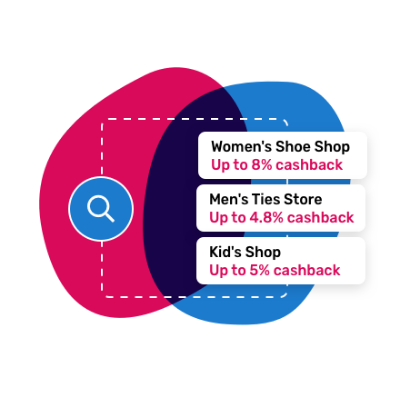 So what brands can I buy through Quidco to get my free cash rewards?
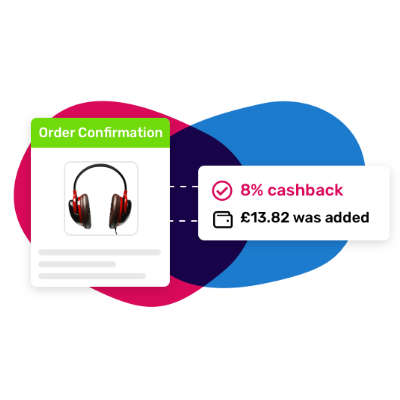 To keep you using Quidco, they’ll also price match products you find, and add an extra cashback on any other UK cashback site. Each brand takes a slightly different amount of time to pay out your cashback, so it pays to be patient and store up your cashback over time, so that you can really appreciate them when they’re nicely stocked up.
 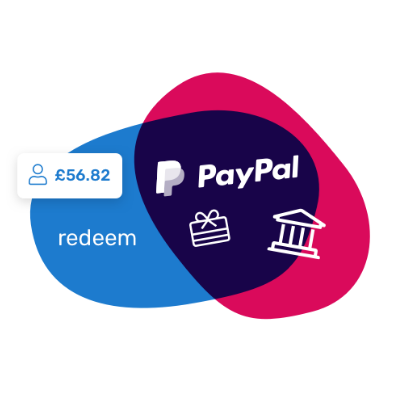 Currys give 20% cashback on select items, and though some were tempting (cameras for example), the laptop I actually wanted was £800, and Currys offered a 4% cashback reward on that, which netted me £32 from this purchase alone. So on that occasion, buying a larger item bagged me a better reward; but equally I was able to get 2% cashback on a new Amazon Alexa, which was £30, so £6. You can see how it all adds up!