Harness the power of customer data to stay ahead of the competition by Cynthia Ramsaran

Structured data

Attracting interest in a tool or product may be the easy and fun part of building a business, but converting inquiries to purchasers is when it gets hard. So many brands today continue to struggle with acquiring, converting, retaining and creating loyal customers for life. Yet leading companies across the globe seem to be accomplishing all of that and then some.

Want to know how? Register and attend “Harnessing the Power of Customer Data to Stay Ahead of the Competition,” presented by Tealium.


Click here to view more Search Engine Land webinars.

The post Harness the power of customer data to stay ahead of the competition appeared first on Search Engine Land.

Original source: https://searchengineland.com/harness-the-power-of-customer-data-to-stay-ahead-of-the-competition-395582

Google Marketing Live registration opens

Google has opened registration for Google Marketing Live – the company’s annual event for showing off its newest ad formats, products and updates.

When is Google Marketing Live. Tuesday, May 23, starting at 9 a.m. PT.

The agenda so far. The event will explore how Google’s AI-driven ads solutions can amplify your marketing skills and generate impressive business outcomes in the evolving economic landscape.

The pre-show starts at 8:55 a.m. PT, followed by the opening keynote at 9 a.m. PT. Technology Broadcast Journalist Laurie Segall and Google VP Jason Spero will then lead an in-depth session discussing Google’s latest product unveilings, complete with a Q&A featuring the teams behind their creation.

Google Marketing Live 2022. Here are links to our coverage of Google Marketing Live 2022:

Reaction at SMX Advanced. Join us for SMX Advanced 2023 for a roundtable discussion on GML 2023 and hear reactions and insights straight from Google Ad experts. Here’s our panel from SMX Advanced 2022: Google Marketing Live 2022: Reactions from the experts.

How to register. You can register for Google Marketing Live 2023 here.

Why we care. In the fast-paced world of digital marketing, staying up-to-date with the latest tools, technologies, and strategies is crucial for maintaining a competitive edge. Google Marketing Live 2023 is a free event and allows advertisers to stay ahead of the competition and on top of industry trends and changes.

The post Google Marketing Live registration opens appeared first on Search Engine Land.

Original source: https://searchengineland.com/registration-is-open-for-google-marketing-live-395602

Secure Data Sharing for Government Agencies: Balancing Security and Transparency

Home Business Magazine Online

Sharing administrative data can help state officials better understand the facts at their disposal when deciding which workforce development and economic development initiatives are most likely to benefit the state’s economy, employees, and communities. While always maintaining the privacy and security of the data obtained, data-gathering organizations with a reliable and secure electronic data room can share their data with other governmental organizations and independent researchers.

Concerns about sharing data with governments have grown due to the emphasis on tying together government-led social security programs and humanitarian cash and voucher aid. Due to the growing usage of cash assistance in the face of pervasive economic downturns and the loss of formal and informal employment, the COVID-19 digital response has further increased interest in the connections between CVA and social protection. Lockdowns and quarantines have encouraged humanitarians to use more digital modalities.

Concerns About Sharing Data with Governments

Data sharing is a formal process. State agencies that gather and manage administrative records, such as corporate income tax and unemployment insurance records, grant access to microdata to other governmental agencies and external researchers to support authorized activities.

The sharing of specific cash and voucher assistance (CVA) recipient data with governments continues to raise concerns. While many humanitarian actors understand the value of collaborating with and strengthening government systems, this is only sometimes the case.

Managing sensitive and personal data is necessary for social protection and humanitarian CVA. Effective linkages between the two require clear data governance and data-sharing arrangements across the entire intervention life cycle. While making choices on data sharing, authorities must respect the interests of the impacted people.

Yet, because operational settings vary, CVA actors frequently need to adopt innovative ways to navigate several difficulties to decide which actions would help the most and the least crisis-affected people.

Secure Data Sharing with Virtual Data Rooms

A secure virtual data room is a safe platform for document sharing that stores data and enables teamwork on documents. Compared to straightforward document-sharing systems, virtual data storage offers stronger security protections.

When it comes to safeguarding digital assets, file-sharing applications like Google Drive provide solid cybersecurity features like two-factor authentication, data encryption, and single sign-on. However, the lack of particular content protection measures in a normal file-sharing software solution presents chances for data misuse. A data room, on the other hand, is created with data security in mind.

In addition to conventional data encryption and 2FA support, virtual data rooms provide more sophisticated information security choices. A data room is the ideal file-sharing platform to handle sensitive material because of the following:

  • Characteristics that safeguard content – Using a data room allows you to selectively apply for document-level permissions, dynamically watermark documents, and remotely remove downloaded files from user devices.
  • Access to digital files in detail – Administrators may assign content roles and manage document privileges, including reading, editing, downloading, printing, and commenting, in data rooms.
  • Safeguarding of internal sensitive data – By using screen capture, text copying, screen printing, and other methods, you can prevent unwanted file transfers.

Compared to a data room, a standard file-sharing service has fewer options for data organizing. Also, you’ll need to use various mobile applications and workflow extensions to interact with coworkers, email attachments, set tasks, and more.

Essential Data Room Tools

All essential features are then gathered together in a data room. It provides powerful digital asset management tools, so you may easily access thousands of important business documents:

  • Tools for automating workflow – Teams may securely exchange information and communicate using the built-in Q&A, voting, e-signature, and communication options that data rooms offer.
  • Tools for organizing data storage – A data room automatically distributes, inventories, and transforms shared files for effective search and usage.
  • Tools for superior document searches – Unlike a standard file-sharing platform, a data room provides comprehensive document searches, showing material in PDFs, text files, and photos.

Top data room services also give onboarding assistance to make setting up your data room easier. You may even hire professionals to build a virtual data room.

Strategies to Manage Government Data Sharing

1. Prioritize the needs of CVA beneficiaries.

Agencies should, whenever possible, promote the creation of clear frameworks that spell out the circumstances under which government authorities may request data and that outline any checks and balances or mitigating circumstances that might enable them to reject a request for data sharing if they believe it to be inappropriate or detrimental to the interests of the beneficiary.

2. Know your company’s mission and value.

If there are any national data privacy rules, they will dictate what information may be shared and under what conditions. A deal with a nation’s government has established privileges and immunities for some organizations. Several businesses have created data protection guidelines that must be followed.

3. Create a strategy for handling data-sharing circumstances.

Organizations should implement and follow strong, well-practiced policies and processes with strong governance that give direction on managing requests for data sharing in light of the aforementioned status and principles. These can assist a company in deciding how to respond to demands from governments for data sharing.

Conclusion

Virtual data rooms are safe locations where confidential information is kept. Data sharing provides the same resources to multiple applications, users, or organizations. It includes technologies, practices, legal frameworks, and cultural elements that facilitate secure access to data for multiple organizations without compromising data integrity.

Data sharing improves efficiency within the organization and facilitates collaboration with vendors and partners.

The post Secure Data Sharing for Government Agencies: Balancing Security and Transparency appeared first on Home Business Magazine.

Original source: https://homebusinessmag.com/businesses/security/secure-data-sharing-government-agencies-balancing-security-transparency/

How Board Portals Support Board Diversity, Equity, and Inclusion in Nonprofit Organizations

Home Business Magazine Online

The COVID-19 pandemic has affected society, mainly how people live and work. Throughout the previous years, nonprofits encountered several challenges, chief among them learning to operate remotely yet providing service to their communities.

Nowadays, remote work is the new standard, forcing recruiters to change the places and methods they look for candidates. A hybrid environment and board portals for nonprofits offer a special chance to broaden board diversity. The appropriate strategies will enable boards to enhance their makeup while still accomplishing their goals.

What Is Board Diversity?

The distribution of various traits and qualities among directors is called board diversity. Diversity comes in many shapes and may be broadly classed into abilities, knowledge, perspective, experience, culture, and background. To advance the company’s objectives, boards need a diverse set of viewpoints, insightful depths, and depths of expertise.

An organization’s board portal software plays a crucial role in determining its future, keeping it on the course, and laser-focused on its purpose and objectives. Nonprofit boards require people with various opinions to serve their communities better and increase the organization’s chances of success. The software makes it possible to involve people from any location in the world (which means that the list of candidates is many times larger), and thanks to the tools of the board portal, remote work is simplified and optimized.

The board will be better able to authentically represent that community and comprehend its requirements the more closely its membership and the surrounding area’s demographics resemble those of the organization.

Defining Diversity, Equity, and Inclusion

The phrase “diversity, equity, and inclusion” refers to laws and initiatives that support the participation and representation of many social groups. Ages, colors, ethnicities, abilities, impairments, genders, faiths, cultures, and sexual orientations are all included in DEI. It also includes individuals with various backgrounds, experiences, talents, and specializations.

Three distinct but linked ideas are diversity, equity, and inclusion. They collaborate to foster an atmosphere of justice and respect. It encompasses programs that support underrepresented groups in the workplace in gaining equitable access to opportunities, employment, and a sense of belonging.

Making Improvements to Board Diversity, Equity, and Inclusion Strategies

The process of targeted board recruiting should be organized around your board’s requirements. To aid your present board in making better decisions, position board debates to bring in a variety of viewpoints, and treat everyone fairly, a diverse board should be established. The virtual boardroom allows you to attend a board meeting from anywhere in the world. Therefore, different people can be involved, and different opinions can be taken into account. It gives you access to new and varied local resources and a new pool of funders.

Effective board member recruiting requires planning. Candidates should be judged according to what they can provide the nonprofit. Members of the nominating committee should work to develop incoming board members, so they are ready for future leadership possibilities.

Your board should also have a strategic plan for retaining board members and enticing them to forge closer bonds with fellow board members. It is important to welcome new board members and allow them to participate in meetings and other activities.

In general, nonprofits serve as models of what a varied collection of individuals can do when they work together for the welfare of everyone, improving everything.

Tips to Increase Board Diversity

Increase board diversity with these 4 tips.

1. Do a diversity audit

An audit of diversity finds that certain traits, abilities, and competencies are underrepresented in the boardroom. Include personal, experiential, and demographic characteristics in addition to the more traditional range of financial competence and professional experience. The audit must outline the board’s diversification efforts and new potential for improving its makeup.

2. Encourage the value of board diversity

Although diversity is essential, it only gains effectiveness if board members’ viewpoints are frequently sought out and respected. Boards require a more egalitarian culture that promotes diversity, equity, and inclusion to increase effectiveness and highlight the significance of diversity. This encourages discussion of diversity, raises diverse viewpoints, and incorporates opposing points of view, giving board members a sense that their unique traits and distinctions are considered in the board’s work.

4. Review succession planning

To ensure they are well-prepared to fill the vacant seat when a member retires or goes away, boards require clear and proactive succession plans. Effective recruiting is hindered by a last-minute succession plan, which may not consider diversity properly.

Conveyed the proactive succession plan to all board members after formulating it. Review succession plans often, and adapt them as necessary.

5. Get everyone involved

Diversity must be promoted via consistent, deliberate activity. A shared vision will make it more likely that each board member will try to assemble a diversified team from among the members of their networks. Calling for assistance from your staff and current board also shows that this is a persistent effort that will be a part of your organization’s goal moving forward rather than a one-time effort.

Conclusion

Fortunately, discussions on diversity, equality, and inclusion are becoming more prevalent across various sectors. Hopefully, your organization keeps up with these discussions and attempts to effect change inside its walls. Yet, it’s crucial to be sure that you’re not merely performing this job out of obligation to stay current or as a matter of lip service.

Discuss what diversity, equality, and inclusion mean to your employees and current board members, any changes they’d want to see made, and how they’d like to get engaged. The epidemic brought about a new normal, but created new opportunities and sparked an inclusive movement. Board document management is more than just necessary for nonprofit success. It also makes it easier to be aware of community needs. More accepting workplaces are created through inclusive workplaces, which also provide opportunities to discuss ideas and cultures.

The post How Board Portals Support Board Diversity, Equity, and Inclusion in Nonprofit Organizations appeared first on Home Business Magazine.

Original source: https://homebusinessmag.com/businesses/success-tips/board-portals-support-board-diversity-equity-inclusion-nonprofit-organizations/

LinkedIn SEO guide: Optimizing your profile for more connections, better leads

LinkedIn is a powerful search engine capable of generating targeted, substantial traffic to your profile.

Moreover, this traffic can develop into valuable professional connections and new clients. 

In this guide, you’ll learn how to optimize your profile to tap into that power and make LinkedIn work for you – driving more connections and better clients. 

LinkedIn is not just a resume

LinkedIn is much more than an online resume. It’s also more than just a place to list your credentials, add a little blurb about yourself and hope someone is intrigued enough to network with or hire you.

With LinkedIn optimization, you will build connections with some of the best and brightest in your industry and attract your ideal clients directly to your profile and inbox.

From profile optimization and SEO to content posting and engagement, this guide covers everything you need to turn your LinkedIn profile into a brand-building, lead-generating machine.

More than SEO: Full-throttle LinkedIn optimization

Many LinkedIn optimization guides start and end with SEO, but I say that SEO is just the tip of the iceberg.

As with your business website, the success of your inbound marketing through LinkedIn depends on traffic and conversion optimization.

If you focus all your efforts on SEO without fully optimizing your profile for conversions, you aren’t making the most of the traffic coming in.

That’s why I put all of the LinkedIn SEO best practices to the test and applied my own expertise around conversion copywriting, sales funnels, and conversion optimization.

The result of that testing is this guide – which includes sections about profile aesthetic, creating a LinkedIn lead funnel, writing compelling copy on your profile, and converting connections into new clients.

The LinkedIn optimization guide covers:

You’ll also learn how to craft a high-converting “welcome” message for new connections, attract your ideal clients directly to your profile and build authority with LinkedIn articles.

Let’s get into it, shall we?

1. Spruce up your profile aesthetic

One of the best things about your LinkedIn profile is how much real estate you have in terms of optimization.

Sure, the obvious places are your headline, summary and experience sections, but you can also take advantage of your profile photo and cover photo sections.

This is what I call optimizing your “profile aesthetic” – as you aren’t adding SEO keywords but tailoring your profile’s look to your target audience.

Do looks really matter? You tell me.

How important is the design of your business website to how it appeals to potential clients/customers?

Exactly.

Optimize your profile’s curb appeal

I’m a strong proponent of squeezing every bit of juice out of a platform to have it work for my business. When it comes to LinkedIn, that means not only having it talk the talk but look the look.

To optimize your profile’s “curb appeal,” you will focus on two features: the profile photo and the cover photo.

Profile photo

We are all familiar with the dull, grainy headshots on LinkedIn. If you want to take LinkedIn branding seriously, I say dare to stand out!

You’ll want a professional, high-quality image highlighting your personality and business. Something that your potential clients will find approachable.

  • High-quality image – clear, not pixelated.
  • Close shot of your face.
  • Simple background.
  • Appropriate attire.
  • Smile!

For some industries, your look may include professional attire and a corporate background. For others, it could be more casual. The key is to appeal to what your target audience is most familiar with in working with people like you.

Professional LinkedIn profile photo

I’m an associate director of SEO at a global media agency, so my clients expect some degree of polish and professionalism.

This is why I include a professional headshot and a well-designed background image with my name, email address, and social media handles. 

And please, ditch the selfie. I highly recommend investing in a professional headshot for this. It will make a huge difference – taking you from amateur to expert.

Background photo

The background photo section also gives you ample real estate to tell profile visitors what you (and your business) are all about.

The default LinkedIn profile cover photo is a blue background with geometric shapes and dots.

As far as we business owners are concerned, this is nearly seven inches of desktop real estate that are going to waste.

LinkedIn profile cover image

Let’s make it count.

You can easily create a custom cover image using Adobe Photoshop or Canva with a professional background and copy that appeals to your target audience.

Best practices include:

  • Adding a tagline telling profile visitors what you do and who you serve.
  • Adding your website URL and social media handles.
  • Having an attractive backdrop image that draws in your target audience.
  • Including a call to action or letting users know how to contact you.
Optimized LinkedIn profile cover image

In the example above, we see how this LinkedIn profile makes ample use of the cover photo section by including:

  • A description of what services the founder offers (“content and outreach services…”)
  • A call to action (“Follow for more!”)
  • The founder’s social media handle (“@HoustonGolden”)

With this, users know at a glance what he does, who he helps and how best to reach him – all without having to dig through his entire profile. 

Users are prompted to “Hit the bell” (i.e., turn on notifications for his profile) to learn more “entreprenuer tips,” “marketing strategies,” and more. 

By optimizing the look of your profile, you give the best possible first impression to your potential connections. You also make it easier for potential clients to understand what you are about and how to get ahold of you.

Once your profile is pretty, it’s time to move on to the rest of the sections.

2. Write compelling profile copy

As an SEO content writer and copywriter, I geeked out when it dawned on me that LinkedIn is a great place to implement conversion copywriting. It really is a no-brainer.

Unfortunately, many of us have treated our LinkedIn profile like a resume – concise and professional, but boring.

LinkedIn was built around the idea of professionals connecting with other professionals.

You won’t effectively do that if your profile reads like the ingredients section on the back of a bran flakes cereal box.

Write with your target audience in mind

Instead, write your LinkedIn profile like you would your online dating profile, only more professional.

Make it interesting, add pizzazz and write it to appeal to the type of people you want to attract.

There are a few primary areas where you can do this: your headline, summary and experience sections.

Headline

Your headline is the line of text directly beneath your name on your profile. LinkedIn gives you about 220 characters of space here to tell visitors who you are and what you offer.

Your headline should combine LinkedIn SEO keywords (which we will discuss in section three of this guide) and compelling copy. That’s because it attracts traffic and keeps users engaged with your profile.

LinkedIn released an update stating that “dwell time” is an important factor in its algorithm.

This means it’s even more important to have a compelling copy to entice users to read through your profile and explore your content. 

In your profile copy, you will want to be uber-clear about what you do. This is not a space for witty taglines like “Probably out fishin’” or “I rank it, you bank it!”

Headlines like these do not include keywords and can leave profile visitors feeling confused about what exactly it is that you do.

I suggest:

  • Keeping your headline chocked full of keywords, with a bit of finessing copy. (i.e., “I’m a digital marketing strategist helping small businesses reach more customers online.”)
  • Crafting a compelling headline with conversion copywriting.
Optimized LinkedIn profile headline

In the example above, this profile gets straight to the point by describing:

  • What her title is (“Resume & LinkedIn Profile Writer”)
  • What she does (“Author” and “Speaker”)
  • What she offers (“Executive Resumes,” “Law School Admissions Essay,” etc.)

This headline includes relevant keywords that could potentially draw in people looking for services like hers.

Optimized LinkedIn profile headline - industry-related

Similarly, this business owner focuses less on keywords and more on appealing to people looking for “business success” through a “best-in-class” partnership.

Both examples fill their headline with copy and keywords, ensuring no space goes to waste.

Not a great writer? You may want to contact a professional copywriter to help you craft a message that appeals to your target audience.

Later, we will discuss finding LinkedIn SEO keywords to include in your profile.

About section

Your About section is the largest space for adding compelling copy and LinkedIn SEO keywords. With 2,600 characters worth of space, you can’t afford not to optimize this section.

This is where visitors go to learn even more about you, your business and the services that you offer.

I like to compare it to the About us page on a business website. And every great copywriter will tell you this page is about your audience, not you.

You need to craft an about section that speaks to what your target audience is looking for. This is not a place to simply rattle off your accomplishments and services.

Ask yourself: What is my potential audience looking for when it comes to working with someone like me?

Market research will be able to answer this for you.

If you conducted market research prior to adding copy to your business website, then you can apply the same concepts here. If you haven’t conducted market research in order to figure out your audience’s struggles, pain points, needs, and wants, you will want to do that first.

Once you have your market research, you will write a summary that appeals to your target audience/ideal clients.

You will simply address their primary struggle and how you will be able to help them overcome that struggle.

Optimized LinkedIn about section

In the example above, you can see how I address the primary struggles that SEO agencies have when outsourcing SEO content: poor quality and writers’ lack of SEO knowledge.

Then, I explain how I do things differently, what to expect when working with me and how best to contact me.

Your summary section shouldn’t ramble on and on; it should be concise, targeted and written with a purpose.

Get your message across as efficiently and effectively as possible so that you can move visitors along your profile funnel without delay.

In April 2022, LinkedIn announced that all Creators can add a link to the “Introduction” section on their profiles. This link appears below your name and description on your profile. 

You can use this feature to add a link to your website, YouTube channel, online store, ebook, or whatever you want.

Experience section

The experience section is where I see most business owners getting lazy and treating their profiles like a resume. I used to do this myself. Not anymore.

Your experience section is another place to include LinkedIn SEO keywords and compelling copy that convinces users that you are the right fit for them.

You do this by writing each experience in a way that highlights what you took away from working at that company and the results you got for them.

Optimized LinkedIn experience section

Above is an example of how a LinkedIn user has used the experience section to include detailed summaries of her work at certain companies, the projects she was a part of and the results she generated through these projects.

For your profile, you can mention results like:

  • The percentage increase in traffic generated for an SEO client.
  • An uptick in conversions for a Facebook ads client.
  • How you increased a client’s business revenue year over year.

Highlighting these achievements is a great way to show profile visitors that you have experience and can replicate those results for them.

I suggest writing naturally here rather than including a bulleted list of everything you have done. Hand-pick your best examples and make them super compelling.

Speak to what your potential clients are searching for and tell them how you can generate the desired results.

Top tips

  • Add experience items for each of your top clients (and link to their company profile), describing the work you did and the results you generated for them.
  • Use layman’s terms whenever possible. Don’t assume that your audience knows what “CTR,” “schema markup,” “KPIs,” “keyword cannibalization” or other industry terms mean.
  • Remove any experience examples irrelevant to the audience you aim to serve. If you offer SEO services to law firms, they don’t need to know that you were a Boy Scout in sixth grade or a party chair at your college fraternity.
  • Include references to any publications you write for or industry organizations you are a part of.

3. Implement LinkedIn SEO

LinkedIn SEO differs from regular SEO because the keywords users type in to find services and businesses on LinkedIn aren’t always the same as what users type into Google.

That’s because the average user doesn’t consider LinkedIn a search engine. They use it as intended – as a social media platform – and therefore use short-tail terms matching users’ job titles.

While users may use keywords like “copywriting services for small businesses” in Google, they are more likely to use terms like “copywriter” or “writer” on LinkedIn.

However, when users search long or short-tail terms in Google, LinkedIn profiles can rank in the SERPs. That’s why I suggest optimizing your profile with SEO keywords and what I call “LinkedIn SEO keywords.”

Finding SEO keywords

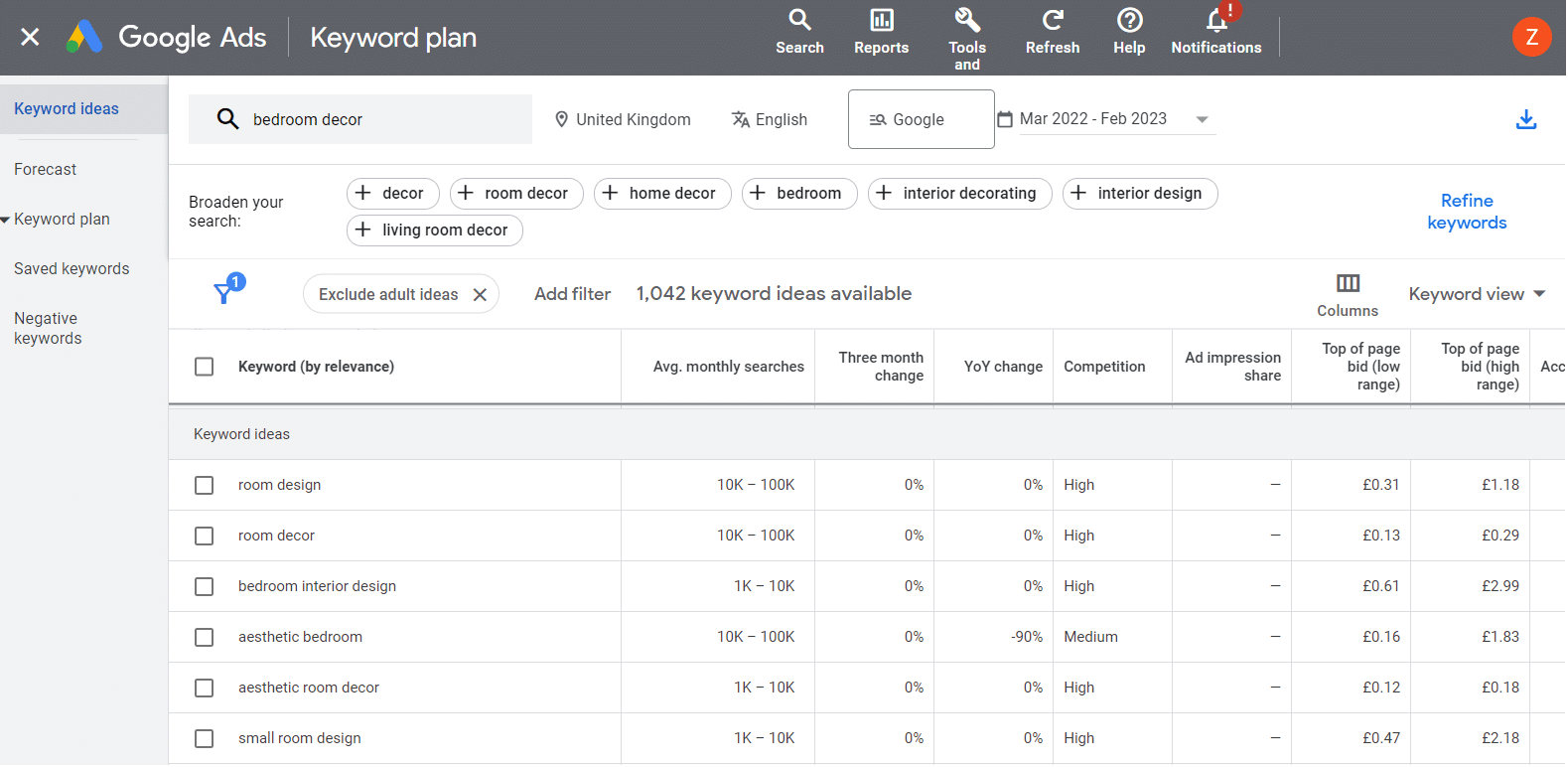
To find SEO keywords for your profile, simply conduct keyword research as you would if you were finding keywords for your business website.

  • What do you want your profile to rank for?
  • Do these terms get decent search volume, with low competition?
  • Do they match the intent of your target audience?

These are all questions you’ll want to consider.

Generate a list of terms worth ranking for and with a reasonable search volume.

With this list, you will start on your LinkedIn SEO keyword research and optimize your profile with a combination of these terms.

Finding LinkedIn SEO keywords

Unfortunately, I have yet to find a tool that provides search volume data for keywords used on LinkedIn.

Therefore, this is not a hard science. But, if you are skilled in SEO, you can make some informed guesses about how keywords are being used on LinkedIn.

Here is my process for finding keywords on LinkedIn:

Step 1: Search for the shortest, broadest term associated with your services.

Finding LinkedIn SEO keywords - step 1

Use LinkedIn’s search box to search for the broadest term that applies to your business.

If you have an SEO agency, this would be “SEO” or even “marketing.” As a Facebook ads expert, this would be “Facebook ads” or “advertising,” perhaps “social media.”

LinkedIn will automatically show you a list of the top results for that term in your network (more on this later).

Step 2: Look at the full results.

Beneath the list of results, you will see an option to “See all results for [keyword].” Click on this to view the full results page.

This will take you to a page that shows you all of the results associated with this keyword, including the number of results, whether the results are connections, companies, groups, the location of the results and much more.

Finding LinkedIn SEO keywords - step 2

You will notice that the top results are likely connections already in your network – identified by a “1st,” “2nd,” or “3rd” degree connection annotation.

This means that you aren’t seeing the true search results, as LinkedIn prioritizes showing people and companies you have some existing connection with.

Our job is to determine which terms yield the highest volume and best match results across the board.

Step 3: Take note of the search volume.

Before moving on to the next step, note how many results your initial search yields.

Finding LinkedIn SEO keywords - step 3

You can do this by looking at the original total or by filtering it by people and companies. Do not add any other filters yet.

Basically, you want to know how many results are pulled when users search for that term to find people or companies that offer services like yours.

Step 4: See expanded results for first-, second- and third-degree connections.

Once you have recorded the initial “volume,” filter the results by ticking off the connection options.

Finding LinkedIn SEO keywords - step 4

This will pull up the profiles of people you are connected with and those you are not connected with.

There’s no good way to see what others see when searching for your target keyword, but this gets you close.

It will show you what keywords profiles within and outside your network are using and how those profiles rank on LinkedIn for those terms.

This “search volume” will be your guide when it comes to deciding which terms are worth using in your profile.

Step 5: Analyze the keywords used in the results.

Much like conducting competitor analysis of websites in your niche, you will now want to identify what keywords are used in the “top ranking” profiles.

(Remember though, these search results are skewed based on your degree of connection).

Finding LinkedIn SEO keywords - step 5

Note how your keyword is being used in the resulting profiles.

Are profiles using “SEO strategist” or “SEO specialist?” Are they simply listing “SEO, SEM, SMM” or are they more specific? See if you can find any trends here.

Finally, determine which terms are the best match for the kind of traffic you are trying to attract to your profile.

In the example above, we can see that most of these profiles use the term “SEO” near the headline’s beginning, so we may also want to implement this. “SEO strategist” has also been used.

Make a list of these terms. Then, enter these terms into the search box again and see what results come up. Repeat this process until you have a list of the top 3-5 most used terms related to your initial “seed” keyword.

Step 6: Reference your SEO keywords list

Finally, you should compare your LinkedIn SEO keywords list to your regular SEO keywords list.

Is there an overlap? If so, keep these terms.

Are some terms being used on LinkedIn but may not be a great fit in the search engines? Decide whether you should replace this with a high-volume, low-competition SEO keyword.

Eventually, you will have a mix of terms that have the potential to draw in traffic both from LinkedIn searches and Google searches.

Adding LinkedIn and SEO keywords to your profile

Once you have a solid list of keywords, you will want to incorporate them into your LinkedIn profile.

Compared to Google, a plus side with LinkedIn is that there is no evidence that keyword stuffing is penalized here.

However, you want to keep your audience in mind and have your keywords fit into your copy compellingly and naturally.

Some areas to add keywords:

  • Headline
  • Summary
  • Experience section
  • Recommendations
  • Skills section

If there are some regular SEO keywords that you don’t want to leave out, your Experience section is a great place to add these.

If you found trends regarding where these keywords were included in the top-ranking profiles, try to follow this in your own profile. 

At the same time, don’t compromise if you think your profile copy is stronger by taking a different approach.

In section six, I address how to generate recommendations, skills and endorsements, plus how to add keywords to these sections.

4. Create a profile ‘funnel’

Wondering why copywriting is so important for your LinkedIn profile?

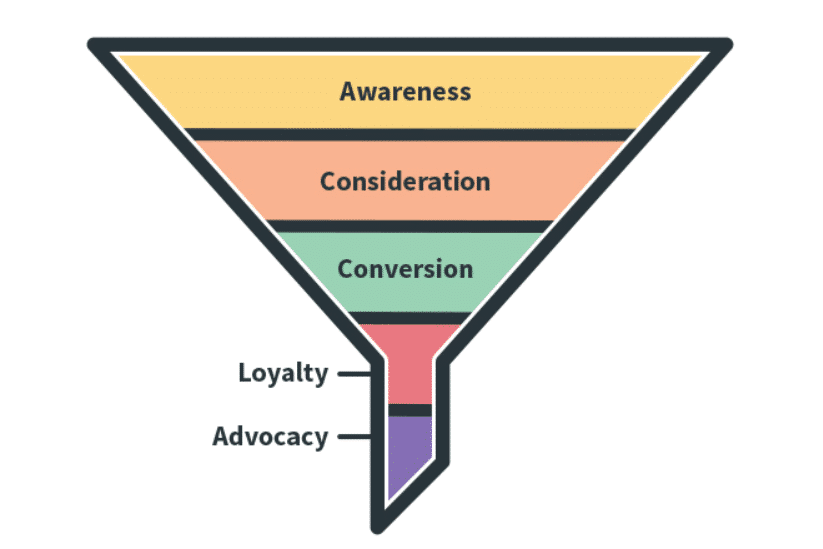
Well, it’s because your goal is to turn your profile into a funnel for new leads.

While many LinkedIn users rely on visitors to take the initiative and contact them via direct message, you and I will do things differently. We are going to make it stupidly easy for people to convert.

We’ll funnel visitors down the page – from your cover photo and headline to your summary, to your media section and, finally, to your inbox or landing page.

Photos and headline – Awareness

After visitors have read the text on your cover photo and in your headline, they should have a pretty clear idea about who you are and who you help. They will then make the decision of whether to learn more about you.

About – Interest

The About section is your chance to:

  • Address any pain points they have.
  • Communicate what your unique selling point is.
  • Briefly cover the kinds of services that you offer.

This is where it’s super important to get your messaging on point, based on the market research you conducted earlier

Media – Decision

The media section on your LinkedIn profile allows you to add links to your website and blog posts or upload videos. This content can make all the difference in convincing visitors that you are the right fit for them.

While directing visitors to a page or post could be effective, this approach involves directing visitors off your profile.

There’s the chance of creating a bottleneck here, as visitors may drop off due to inconvenience or because it takes longer to read through text versus watching a short video.

That’s why I suggest adding a video to your media section instead. This video, again, should address the primary pain points your audience faces, communicate how you will help them and include a clear call to action.

If you do this effectively, you will build trust with your profile visitors and convince them to reach out to you directly.

Inbox or landing page – Action

The call-to-action in your video should tell visitors how best to contact you. This will likely be through LinkedIn direct message or your website. You may want to include a unique landing page for LinkedIn leads.

Your call to action should sound like this:

  • “For x services, send me a message [on my website/through LinkedIn/through this link].”

Be specific about how visitors should reach you and what they should expect after they contact you. 

“Send me a LinkedIn message for a custom quote” is much more compelling than “Visit mywebsite.com for more info.”

By creating a profile funnel, you are more likely to take advantage of the traffic coming to your profile. 

Without a funnel, the burden is on visitors to figure out what you offer, chase down the details on your website, and figure out how to contact you.

A funnel makes the process straightforward, simple and conversion-friendly.


Get the daily newsletter search marketers rely on.

<input type="hidden" name="utmMedium" value="“>
<input type="hidden" name="utmCampaign" value="“>
<input type="hidden" name="utmSource" value="“>
<input type="hidden" name="utmContent" value="“>
<input type="hidden" name="pageLink" value="“>
<input type="hidden" name="ipAddress" value="“>

Processing…Please wait.

function getCookie(cname) {
let name = cname + “=”;
let decodedCookie = decodeURIComponent(document.cookie);
let ca = decodedCookie.split(‘;’);
for(let i = 0; i <ca.length; i++) {
let c = ca[i];
while (c.charAt(0) == ' ') {
c = c.substring(1);
}
if (c.indexOf(name) == 0) {
return c.substring(name.length, c.length);
}
}
return "";
}
document.getElementById('munchkinCookieInline').value = getCookie('_mkto_trk');


5. Build smart connections

While LinkedIn SEO and creating a profile funnel taps into the power of inbound marketing on LinkedIn, there’s another way to attract your ideal clients to your profile.

That method involves building connections with your target audience and professionals in your industry.

As we learned in the SEO section of this guide, LinkedIn prioritizes showing you your first-, second- and third-degree connections whenever you search for a keyword. 

It works the same way for your potential clients. If you are connected with people in their network, your profile will likely pop up when they search for one of your keywords.

Therefore, the more industry connections you have, the better.

Making the right kind of connections

Many LinkedIn users connect with every possible person they can find (aside from the clearly spammy profiles).

While this has yet to be tested, I think this can potentially weaken your profile, as you will become associated with profiles outside of your industry, making it less likely for your profile to be associated with your target keywords.

Is it beneficial to be connected with loads of graphic designers in India if you provide legal SEO services in the United States? Common sense would say no. (Feel free to prove me wrong, though.)

I think it makes sense to build connections within your industry and the industries of your target audience.

As a legal SEO expert, that would mean connecting with other legal SEO agencies, digital marketing experts, law firms, law blog writers and the like. You can still get quite broad.

Be smart about the kinds of connections you want and how they could benefit your business in the short and long term.

Finding your target audience on LinkedIn

While connecting with other people in your industry is simple, you will want to put more time and energy into connecting with people who fit your ideal client persona.

If you have been in business for a while, you will likely already know what these people look like. They could be small business owners, tech entrepreneurs, SaaS businesses, Fortune 500 companies, law firms, etc. 

Knowing this, you will simply use these identifiers to find profiles on LinkedIn that match.

If you are just starting out, you need to figure out what terms your target audience uses to describe themselves on LinkedIn.

You can do this by searching some general terms that you know about your audience (like “small business,” “contractor,” or “mommy blogger”) and seeing what comes up in the LinkedIn results.

Dig around until you find people that fit your ideal client persona, and take note of what terms they used in their headline and summary. Then, use these terms to find other people to connect with.

Connecting and saying ‘hi’

One of the reasons why LinkedIn has had a bad reputation for being dull and spammy is that many users use the platform to cold pitch their new connections. We aren’t going to do this.

Every time you extend a connection request to someone, send them a message introducing yourself and why you want to connect with them.

Remember – you are practically strangers. It will take a bit for them to trust you and determine whether the connection is worth it.

Rather than jumping into the pitch, follow scripts similar to the ones below (which have gotten me a near 100% response rate):

Networking script

LinkedIn networking script

“Hello [ name ],

Thanks for connecting. I see that we are both in the [ niche ] industry. I am an [ industry title ] myself. Are you working on anything interesting lately? Chat soon! – [your name ]”

This script implies that the person has already connected with you or may have extended the connection first. It creates a sense of familiarity versus making it seem like a random stranger is connecting with them.

It also gives a reason for the connection instead of leaving room for the person to suspect ulterior motives. They know what you do, so they can decide whether the connection is worth their time.

Finally, it prompts the person to respond by asking them about themselves. This puts the ball in their court. 

And, if they happen to be working on a project that you could potentially help them with, it opens the door to having that conversation without you coming across as salesy.

Potential client script

“Hello [ name ],

Thanks for connecting. I see that you [ run a small business/have a law firm/are a tech entrepreneur/etc ]. I wanted to reach out because I [ help businesses like yours do x ]. Maybe there’s potential to work together. Are you working on anything interesting lately?”

Similar to the previous script, this script lets the person know who you are and why you want to connect with them and leaves it up to them to respond to you.

No pitch implies that you know how you can help them – you don’t yet – or start rambling about your services.

This keeps the conversation open and prevents the risk of you pitching them on one service when they may have asked you about a different service you didn’t think to mention.

Let the conversation flow more naturally, and they will likely ask you about services most relevant to them.

Another benefit of this approach is to avoid drawing in leads that may not be the best fit for you.

A final note about connections

Try to build as many connections as possible (following the process outlined above), or at least reach that “500+” mark. 

This helps you build a more expansive network and appear trusted in your industry.

6. Gather recommendations, skills and endorsements

Again, LinkedIn SEO isn’t quite as measurable as website SEO, but that’s part of the fun.

Optimizing certain sections for keywords allows you to test what works and what doesn’t and develop your lead generation strategy.

The recommendations, skills and endorsements sections are all areas where you can add LinkedIn SEO keywords, but they don’t bring any hard evidence that says they move the needle in SEO. They may, however, move the needle when it comes to conversions.

Recommendations

LinkedIn recommendations are the “reviews” of your profile.

This is where references and past clients can talk about their experience working with you and the results you have gotten for them.

LinkedIn recommendations

Your clients will likely include keywords naturally here, which may or may not play a role in your profile SEO.

If you prompt your network contact for recommendations, you may want to suggest that they include those target keywords, just in case.

SEO aside, recommendations are great social proof to show you know what you are doing and bring awesome results to your clients.

If visitors see many positive recommendations on your profile, this could be the final push they need to hire you.

Skills

LinkedIn allows you to add a list of skills to your profile that tells visitors what you are best at.

This is another area where it may be smart to include things with your target keywords.

LinkedIn skills

You can have three “top” skills and a longer list of other skills you have.

I recommend listing your primary skills in the top three sections, as these are the most likely to get endorsed (as they are seen first).

Endorsements

Endorsements are when other users endorse you for the skills on your profile. Again, this serves as social proof that you have the skills you say you have.

You can reach out to users on LinkedIn to endorse your skills to boost your numbers. You can also endorse users for their skills, which could prompt them to contact or endorse you.

It’s best to have many endorsements for just a few skills versus only a few endorsements for many different skills.

7. Post the right kind of content, consistently

LinkedIn has quickly evolved to reveal more SEO factors and capabilities than ever before.

And while many guides have been written on how to “hack” the algorithm, your success on the platforms really depends on what works best for you and your specific audience.

Your LinkedIn content strategy should incorporate different types of content – long-form posts, images, videos, shared blog posts, etc. – to see which ones get the best engagement. 

The goal is to repeat what works, ditch what doesn’t, and revise your strategy to fit your audience and business.

One thing to note is that it is difficult to test your content’s success without consistency.

You should post different types of content multiple times throughout the day and then assess the results. If you are simply posting one short post per day, it’s unlikely that you will get any tangible data.

You may also want to look at what your competitors are posting and which types of posting are getting the most engagement there.

LinkedIn articles

LinkedIn gives an added algorithmic push to articles that are published on their platform.

In recent developments, LinkedIn allows you to customize how your SEO title and description will appear in search engines, making it even easier to improve your LinkedIn reach. 

Think of some article topics relevant to your target audience on LinkedIn. Then, use LinkedIn’s own Articles function to write articles, optimize them for LinkedIn Search, and reach new users. 

LinkedIn articles

While a shared blog post may attract a small handful of website visits, an article published on LinkedIn can easily trigger 2x, 3x or 5x the views.

For this reason, it may make sense to republish your existing blog content on LinkedIn.

Just be aware of the ramifications of having two identical pieces of content competing for the same keywords.

However, if website SEO isn’t a major concern, it could be worth taking this approach for social traffic alone.

Be sure to include a call to action within your LinkedIn article to take advantage of that traffic.

Also, consider LinkedIn collaborative articles if you are eligible to contribute.

8. Give engagement, get engagement

Engaging with other accounts on LinkedIn is another way to expand your reach.

Whenever you engage in a post, your comment and name pop up on your connections’ LinkedIn feed.

You can also pop up as a second- or third-degree connection to users in their network, expanding your reach.

LinkedIn engagement

That is, the more of a presence you have on LinkedIn, the more likely you will be seen by people inside and outside your network.

Much of your time on LinkedIn should be spent engaging with other people’s content, not just posting your own content (until you come up with a content strategy that works). 

It’s the best way to connect with users one-on-one and reach profiles outside your immediate network.

LinkedIn profile views

When users see your comment, they are likely to click on your profile to learn more about you. You can then reach out to these new viewers by requesting to connect.

These views are reflected by your notifications and in your LinkedIn analytics.

9. Understanding your LinkedIn analytics

No optimization guide is worth its weight without showing the results in terms of cold, hard numbers.

That’s why I was sure to test all of the LinkedIn best practices I encountered and any optimization hacks I came up with on my own.

I recommend marketers and business owners do the same, as LinkedIn optimization is still not cut-and-dry. 

The success of your LinkedIn strategy depends on what works best for your target audience.

Post impressions, profile views, total followers and search appearances

LinkedIn analytics

LinkedIn offers you helpful data to see how your profile is performing. You can see:

  • How many people have viewed your profile.
  • How many have viewed your posts (i.e., impressions).
  • How many people new people have followed you.
  • How often you have appeared in the search results (i.e., search appearances).

You can also see who has viewed your profile (unless they have a protected account) and examine trends over time.

LinkedIn analytics - past 90 days

Since implementing my LinkedIn SEO strategy, I saw a 173% increase in profile views over 30 days.

LinkedIn analytics - content performance

A month later, my average number of profile views has been around 160 per day (following a sharp uptick when I posted more consistently in March). That is with very little posting or engaging on LinkedIn (roughly 1-3 times daily).

I have also grown my connections from 325 to 7,464, generating dozens of qualified leads every month. 

These results have come from a process of near-constant testing. I have told others to implement micro-optimizations and analyze their LinkedIn analytics to see what is working and what isn’t.

Track your conversions

The goal of LinkedIn optimization isn’t merely more traffic and connections, though.

If you are starting your LinkedIn optimization journey, I recommend tracking how many leads you generate due to your efforts (LinkedIn does not track this for you). Only then will you truly know whether your strategy is paying off.

You can tap into your Google Analytics to see how many visitors you get from LinkedIn and then set up conversion tracking there. 

However, if you direct users to your LinkedIn inbox, you must track this manually or with a bot.

The numbers don’t lie. Follow what works, and you will certainly see an uptick in connections, traffic, and leads over time.

10. Gain followers via Creator Mode

LinkedIn recently announced new tools to help creators like you increase discoverability and attract new followers. Note that you have to have Creator Mode turned on to access these features. 

Followers from feed

Remember when I talked about how you gain visibility via connections? In Creator Mode, you don’t have to be first-degree connections to attract new followers.

Now, whenever a user sees your content in their Feed (via the algorithm), LinkedIn prompts them to follow you (via a “Follow” button) without them having to leave their feed. 

Hashtags

LinkedIn has been utilizing hashtags to better surface content (and profiles) on the platform. Be sure to include hashtags in your profile and posts to make your content easier for users to find. When a user uses LinkedIn search to find topics, LinkedIn will match their search with people/profiles that regularly talk about those topics. 

Connection requests

It used to be that someone sending you a Connection request would only result in a prompt to you, but that user would not automatically become a follower. 

Now, whenever someone sends you a new connection request, that person becomes one of your followers – and your content will appear in their feed. 

Turn your LinkedIn profile into a lead-generation machine

By following the LinkedIn optimization tips above and testing your own ideas for optimization, you can generate high-volume traffic to your profile and convert that traffic into qualified leads for your business.

The foundation of this strategy consists of:

  • Conducting LinkedIn SEO keyword research.
  • Optimizing your profile aesthetic.
  • Building quality connections.
  • Directing visitors through your custom profile funnel.

Afterward, make adjustments based on what works for your target audience and business model.

Are you making the most of your LinkedIn profile? If not, start today.

The post LinkedIn SEO guide: Optimizing your profile for more connections, better leads appeared first on Search Engine Land.

Original source: https://searchengineland.com/seo-guide-to-optimizing-your-linkedin-profile-for-more-connections-better-leads-315882

Google releases April 2023 reviews update

Google has released the April 2023 reviews update. This update goes beyond Google’s prior product reviews updates to evaluate reviews of any topic that is reviewable, including:

  • Services and businesses.
  • Destinations.
  • Media (e.g., games, movies).

The big takeaway. Google has changed the name of its “product reviews system” to “reviews system” and has altered the language in multiple parts of its guidance documentation around product reviews to now apply to all types of reviews.

Announcement. Google announced the April 2023 reviews update on Twitter:

Google also updated its Search Status dashboard at 9:08 PDT with the following: “Released the April 2023 reviews update, which now covers reviews about products, services, and things. Learn more about how to write high quality reviews.”

Google makes “product review” guidance “review” guidance. This is a big change. Google has reworded its article on How to write high-quality reviews in multiple places, providing guidance about “product reviews” to simply apply to all types of “reviews” – just with more generic language.

You can see many of the changes here, as shared by Marie Haynes on Twitter:

Alphabet Inc.

For example, Google has edited “shoppers” to become “people.” And a “product” becomes a “thing” or “something” or is simply deleted.

While the edits are small in terms of grammatical choices, they are big in terms of implications and scope. What was the product reviews update now essentially applies to every possible type of review as part of Google’s review system.

Review system name change. The “Google Search’s reviews system and your website” page, before this update, was called “Google Search’s product reviews system and your website.” That page is now 301 redirecting to the new page.

Google added some new guidance:

The reviews system is designed to evaluate articles, blog posts, pages or similar first-party standalone content written with the purpose of providing a recommendation, giving an opinion, or providing analysis. It does not evaluate third-party reviews, such as those posted by users in the reviews section of a product or services page.

Reviews can be about a single thing, or head-to-head comparisons, or ranked-lists of recommendations. Reviews can be about any topic. There can be reviews of products such as laptops or winter jackets, pieces of media such as movies or video games, or services and businesses such as restaurants or fashion brands.

Most of the other changes were simply deleting the word “product,” except where it added “services or other things” to the first line in the “How the reviews system works”:

“The reviews system works to ensure that people see reviews that share in-depth research, rather than thin content that simply summarizes a bunch of products, services or other things.”

Google Search’s reviews system and your website

Why we care. If your website publishes any type of review content, this will be an important update to watch. Check your rankings to see whether your organic traffic improves, declines or stays the same.

Google on high-quality reviews. So what does Google consider a high-quality review? Google has shared 14 best practices (note that these are not new):

  • Evaluate from a user’s perspective.
  • Demonstrate that you are knowledgeable about what you are reviewing—show you are an expert.
  • Provide evidence such as visuals, audio, or other links of your own experience with what you are reviewing, to support your expertise and reinforce the authenticity of your review.
  • Share quantitative measurements about how something measures up in various categories of performance.
  • Explain what sets something apart from its competitors.
  • Cover comparable things to consider, or explain which might be best for certain uses or circumstances.
  • Discuss the benefits and drawbacks of something, based on your own original research.
  • Describe how a product has evolved from previous models or releases to provide improvements, address issues, or otherwise help users in making a purchase decision.
  • Focus on the most important decision-making factors, based on your experience or expertise (for example, a car review might determine that fuel economy and safety are key decision-making factors and rate performance in those areas).
  • Describe key choices in how a product has been designed and their effect on the users beyond what the manufacturer says.
  • Include links to other useful resources (your own or from other sites) to help a reader make a decision.
  • Consider including links to multiple sellers to give the reader the option to purchase from their merchant of choice.
  • When recommending something as the best overall or the best for a certain purpose, include why you consider it the best, with first-hand supporting evidence.
  • Ensure there is enough useful content in your ranked lists for them to stand on their own, even if you choose to write separate in-depth single reviews.

Languages impacted. Google said this system applies to these languages: English, Spanish, German, French, Italian, Vietnamese, Indonesian, Russian, Dutch, Portuguese and Polish.

Previous product review updates. This is an evolution of Google’s series of product review updates – of which there have been six since 2021. Google has now redirected all of its prior pages providing guidance around the “product reviews” update to its revised “reviews” guidance.

Here’s a timeline of all Google’s past product reviews updates:

The post Google releases April 2023 reviews update appeared first on Search Engine Land.

Original source: https://searchengineland.com/google-releases-april-2023-reviews-update-395561

Google Ads tests new verification badge

A new-look verification badge is starting to appear in Google Ads for verified advertisers.

What the verified badge looks like. This new-look badge takes the form of a blue shield with a white check mark, as shared by Saad AK on Twitter:

Ad Center

Clicking on the badge takes you to My Ad Center, where Google tells you the advertiser’s name, that it’s verified by Google and its location.

Previous badge design. Google has been experimenting with blue badge icons and labels in recent weeks. In Google Ads testing verification badges, we reported on a badge spotted and shared by Khushal Bherwani on Twitter.

The blue label featured a blue circle with ridges and a checkmark inside it. Here’s what that looked like:

Economy

Why we care. Verification badges are typically seen by consumers as a trust symbol. This small addition could impact potentially lead to more clicks, higher click-through rates and conversions for those advertisers who have it.

Advertiser verification program update. Separately, Google also posted this update on its business information beta:

  • A subset of advertisers may qualify to voluntarily submit their identity verification to access the Business Information feature which allows advertisers to use a business name and business logo in their search ads. Advertisers who are qualified for this program, will see an option in their Google Ads account to complete advertiser verification to unlock this feature. There will be no deadline and no adverse consequences for failing to complete or meet the requirements of this advertiser verification program.

Google rolled out the site name, favicons, and sponsored label to desktop in March, after launching them on mobile last October.

The post Google Ads tests new verification badge appeared first on Search Engine Land.

Original source: https://searchengineland.com/google-ads-tests-new-verification-badge-395510

Google Ads API is removing ad group and keyword forecasts

Google will be deprecating the “Keyword Plan Ad Group Forecast” and “Keyword Plan Keyword Forecast” functionalities. This change is slated to take effect on June 1, 2023.

Changes to the GenerateForecast Metrics Request. Beginning June 1, the “Generate Forecast Metrics Request” will continue to be the method for obtaining forecast data. However, the “Keyword Plan Ad Group Forecast and Keyword Plan Keyword Forecast” components will no longer be populated and will instead return empty results. The “Keyword Plan Campaign Forecast,” on the other hand, will remain functional and be returned as usual.

Updating Your Applications. If your applications rely on the “Keyword Plan Ad Group Forecast” or “Keyword Plan Keyword Forecast” features, it is critical that you update them to accommodate the upcoming changes. Make sure your applications are prepared to handle empty responses from these components.

Recommendation and Resources. Google encourages you to start updating your applications as soon as possible to ensure a seamless transition. For guidance on how to effectively use the “Keyword Plan Campaign Forecast,” you should refer to the Google Ads API documentation.

Why we care. If advertisers or publishers rely on these features in their applications, they need to update their systems to ensure continued functionality. Failing to do so may lead to disruptions or inaccuracies in their forecasting and ad performance management.

The post Google Ads API is removing ad group and keyword forecasts appeared first on Search Engine Land.

Original source: https://searchengineland.com/google-ads-api-is-removing-ad-group-and-keyword-forecasts-395525

5 Ways to Drive Better Results from Your Email Newsletter

Home Business Magazine Online

Your email newsletter helps you connect with your audience, strengthen your brand, and boost sales. Here’s how to drive better results from the emails you send.

You can’t underestimate the importance of email newsletters to your business. It’s a personal but non-invasive method to reach the people who care about your brand. A newsletter accomplishes so many things, including:

  • It allows you to start intimate, uninterrupted conversations with your customer base.
  • It gives you the opportunity to become a source of education and entertainment, thus building people’s trust and love for your brand.
  • It’s the perfect channel to inform your audience about new products and services, in addition to alerting them to up-to-the-minute updates and sales and specials.

Email allows you to do all of this and it’s helping countless brands connect with their audiences. But could you be doing even better? Follow these five ways to drive better results from your email newsletter.

1. Know your audience

Knowing your audience is of paramount importance to boosting your results. To do this, you should study their habits, needs, and desires. Let’s see where you can start.

Analyze the data you’ve gathered

What does it tell you? Use Google Analytics and your CRM reports to get a grasp of where and when people buy from you. Are there any commonalities you observe? For example, if more people make purchases on the weekend, try sending your newsletter on Friday to see what results you get. The more you know, the better you can strategize.

Run surveys to learn more

The adage that knowledge is power couldn’t be more true than when it comes to businesses knowing their customers. A link to a survey sent out through your newsletter can be a goldmine for learning about your customers’ wants and preferences.

First, explain to your subscribers that you’ll use their answers to offer them more value and a better experience with your business. Ask them a few questions, but keep the survey short and engaging. Avoid the mistake of sending an extremely in-depth and time-consuming questionnaire. You don’t want to make your subscribers in any way frustrated or feel that your questions are overly personal or an invasion of privacy.

Talk to them on social media

Your email and social media campaigns should be working in harmony. While promoting your newsletter on your social media channels, your email template should also include buttons to your social platforms.

Apart from that, do your best to engage people in conversations on both channels. Those who wouldn’t respond to an email could reply to a question on social media. It’s all about what forum people are most comfortable with. Asking social media followers what their preferences are helps you fine-tune your email newsletters, so you get to know your audience even better.

Engage them in real life

How many screens are there in your home or office? With smartphones, tablets, laptops, and desktops everywhere, the ability to engage in real life is golden. When one of your emails hits their inbox, your customers and prospects will remember that interaction they had with you in real life. So, don’t miss out on the opportunity to make a good impression.

I remember being checked out at a specialty shop and the friendly clerk asked if I saw the generous discount in the email that came out that day. I said no, but she said it wasn’t too late to sign up. How could I resist? She keyed in my email and instantly, there was the certificate in my inbox. The store’s attractive emails and great offers brought me into the store again and again. This was a great example of real-life marketing working in tandem with email to drive better results.

2. Send only to valid email addresses

Wanting to grow your email list is only natural. But how much do your subscribers engage with what you send? Are all the email addresses you gather genuine and safe to add to your list? This premise will help you grow in the right direction.

You may think: If they’re on my list, then that’s one more person I can reach, right? This seems logical, but it doesn’t paint an accurate picture of what successful email marketing involves. To improve your results, you need real, valid contacts of people who open and click through your messages.

Why using a clean list is vital

In time, all email lists decline in quality. According to ZeroBounce’s Email List Decay for 2023, almost 23% of your email list degrades every year. So, when you don’t regularly clean your database, you’ll get bounces and spam complaints. The more you get, the more they tarnish your reputation with internet service providers (ISPs). Why does this matter? Because how ISPs see you can determine whether you land in the inbox, spam, or get blocked on the way to your subscribers’ mailboxes.

The accepted spam complaint rate is 0.1%, and the industry benchmark for bounce rates is 2%. Anything above that and you’re at risk of landing in spam.

How do you make sure that the emails on your list belong to real email addresses of receptive people?

How to clean your list to get better results

There are two ways in which you can ensure your database is in good shape for your next campaign or newsletter. A good email validation service will give you these two options:

  • Validating your list in bulk. If you have a list and have never cleaned it, this is the best way to start. You upload the list to the email verification platform, the system validates it, and you can download your results. Of course, you should remove all of the bad contacts and keep only accurate, genuine email addresses on your list.
  • Real-time email verification. Do you have a signup form on your website or elsewhere? If you don’t, you’re missing an opportunity to get subscribers. Once you set one up, though, an email verification API can help you build a healthier list by checking every new address in real time. Some APIs not only reject misspelled addresses but also suggest your user a correction when typing in their address.

As so many marketers struggle with bounces, spam complaints, and other risky emails, using a clean list places you steps ahead of your competition. So, before you hit Send on your next email, double-check your reports. If your bounce rate is worrisome, you know it’s time to prune those invalid contacts. It’s one of the biggest keys to driving better results with your email newsletter.

3. Fine-tune your subject lines

By now you’ve learned more about your audience, and you’ve made sure your list is valid. Ready to send your newsletter? Wait, let’s take one last look at your subject line.

That’s the first thing people see when they get your email, so it has a dramatic impact on your performance. Make it enticing for your subscribers, and you’ll see your open rates increase. Alternatively, a bad subject line can turn them off or even prompt them to mark you as spam.

Here’s how to fine-tune your subject lines to drive more clicks:

  • Curiosity is oftentimes what gets people to open an email; think about what you could write to provoke this emotion. If you have a copywriter on your team, this is where their input is invaluable.
  • Pay attention to the length of the subject line. According to Sendgrid, subject lines comprised of only three words get the highest engagement (21.2%). Of course, that doesn’t mean you have to limit yourself to three words. However, staying concise will ensure your subject line doesn’t get cut off on mobile devices.
  • Write several subject lines, then test them with your team and even friends until you find the best one. It’s rare that someone nails the subject line on their first try.
  • Be careful not to include spam trigger words, which can make ISPs wrongly think you are sending junk emails. If you’re not sure, try an inbox placement tester. It’s a valuable tool to determine whether your email will land in the inbox. If the test reveals you’re going to land in spam with popular providers such as Yahoo or Google, you’ll get a chance to make changes before you send.

4. Make your emails easy to read

Whether you send a plain-text or an HTML email, ask yourself if it is easy to read. One thing many marketers overlook is simple spacing. Big chunks of text don’t appeal to many people, so use paragraph breaks for a smooth reading experience.

Then, is your language easy to understand? Does it grab your reader from the very first line?

B2B marketing emails and newsletters can be especially difficult to follow, but you can make yours stand out. Stay away from pompous words and jargon, and don’t write in too technical of a manner. Instead, imagine you were together in a room having a conversation with your subscribers. What would you say to them if they were sitting right across the table with you?

Let’s take a brand you like. Whenever you see any visual elements relating to this brand, you probably recognize it right away. The same goes for the company’s tone of voice. Sometimes, it’s enough to read the first couple of sentences of an email and you know who it’s from. The tone of your emails is as important for branding as your logo, color schemes and slogan.

Usually, as a friendship grows stronger, you become more familiar with the voice and mannerisms of another person. This also applies to brands and consumers, and this relationship can easily develop through email.

That’s why tone, conversational writing and readability are crucial if you want to get better results from your email newsletter. The more your readers see you as a fellow human being, the more your fan base will grow.

5. Find a balance between educational and promotional content

The great paradox of email marketing is that, frequently, when you market too much, you sell less. Too many promotional emails can lead to poor engagement and unsubscribes.

How can you determine just the right amount of marketing to include in your email newsletters? Try to follow the 80/20 rule: 80% of your content should be informative, educational, and entertaining, and only 20% or even less can be promotional. Nobody wants to feel like they are seen only as a dollar sign; let this rule guide you.

If your newsletters are a way to spread educational content, subscribers are more likely to think of you as a trusted friend and advisor. That’s a great place to be and puts you in a better position to market to them.

Consistency wins the race

Following all the above can help you drive better results with your email newsletter, but if anything is most important, it’s consistency. Not only in how you follow these guidelines but also in sending out your newsletters regularly. It helps with deliverability, and it says all the right things about your brand. Consistency is a byproduct of dependability. The more dependable you are, the more trustworthy you become.

The post 5 Ways to Drive Better Results from Your Email Newsletter appeared first on Home Business Magazine.

Original source: https://homebusinessmag.com/marketing/internet-marketing/5-ways-drive-better-results-email-newsletter/

GET PAID TO LIVE ABROAD

Reading Time: 4 mins

Get paid to live abroad…

Population decline is a huge problem in various places around the world, where for one reason or another, the citizenship of a country has sharply fallen, which can have a negative effect on both economy and culture of a location. 

This has led to many towns and cities across the world offering funding schemes to newcomers who are willing to relocate to their area to live and work. Intriguing to know, particularly if you’re looking to move to: 


USA 

get paid to live abroad

Various USA locations are offering payment to remote workers who would consider relocating. 

Tulsa, Oklahoma, is offering remote workers a grant of up to $10,000 to move to and work in the city. You can find out more at Tulsa Remote, where new residents can find out about working spaces and access to networking events. You will be able to choose to receive your money in one lump sum or over the course of a few months, to support you during your setup. 

Topeka, Kansas, has a Choose Topeka scheme to recruit new residents and young professionals who, if employed by a Topeka business, could receive a grant of $15,000. Furthermore, remote workers can receive $5,000. Applicants must be able to prove they have rented or bought a property in Topeka that will serve as their main residence. 


Spain 

get paid to live abroad

Some small Spanish towns in Spain have suffered a population decline as young residents have increasingly chosen to move to larger cities, causing Spain to offer incentives to new foreign citizens, encouraging them to live and work there. 

Ponga is a small village with only about 500 residents in the mountain region of northern Spain. Ponga is offering young couples €3,000 to move there for five years, with an additional €3,000 per child you bring or have while there. 

A Xesta is an even smaller population: only 100 residents, and also in northwest Spain. There are about 125 vacant properties for rent, and it’s a low rent too: you’d pay only €100! 

Further east, with 130 residents, is Griegos, offering work and three months of free rent to newcomers, then rent of €225 per month and an extra €50 for each child aged between 4 – 18. 


Greece 

get paid to live abroad

Greece has suffered a steady decrease since 2010 with no signs of slowing, so to combat this decline, the island of Antikythera, northwest of Crete, has introduced a plan to pay families to relocate there, organised by the Greek Orthodox Church on the island. 

New residents will receive a home, some land, and be paid €500 every month for the first three years they live there, to encourage long-term plans of their new residents. The island is quiet and rural, with the added benefits of the amazing Greek weather and sandy beaches, which could be just what you’re looking for! 


Italy 

get paid to live abroad

Italy is suffering the same rate of population decline as Greece; Candela is a small town in south-eastern Italy with around 2,700 people. It’s renowned for being safe, clean and boasts some truly remarkable classic Italian architecture.  

Candela is offering single people €800, couples €1,300, and families €2,000 to move to the village. To be eligible, newcomers would need to rent a property in Candela with the plan to live full time, and also to secure a job that earns at least €7,500 per year. 

Some towns in Sicily want to offer newcomers the opportunity to purchase a property for €1, in return for which, the resident will have to renovate the property and pay a security deposit of around €5,000, which will be paid back after you’ve completed renovations. 


Chile 

get paid to live abroad 

Through Startup Chile, foreign businesses are encouraged to apply to one of three programmes – Build, Ignite, and Growth; all aimed at different levels of business. 

Build is for new startups and is a four-month programme helping to launch a new business with $14,000 funding and a one-year residence visa.  

Ignite offers $30,000 and Growth is aimed at more mature businesses, offering $80,000 funding. All programmes provide access to coworking space, mentoring and investors. 


So if you want to be paid to live abroad and if any of the above tempts you in, click those links and read on. One or more of them could offer you the life-changing opportunity you’ve been craving. 

 Also, if you are retired and reading this – how about you read our guide to making money in your retirement here

The post GET PAID TO LIVE ABROAD appeared first on MoneyMagpie.

Original source: https://www.moneymagpie.com/make-money/get-paid-to-live-abroad