Home Business Magazine Online
Mother’s Day is an important day because it provides an opportunity to honor and express gratitude to the maternal figures in our lives for their love, sacrifice, and unbreakable support. Whether you’re shopping for your own mom, a mother figure, or a friend who’s embraced motherhood, this guide is here to inspire you with thoughtful and heartfelt gift ideas that will show your appreciation. These thoughtful presents to celebrate mom will make her feel truly special on her cherished day. From personalized keepsakes and lovely fashions to indulgent treats and everything in between, let’s make this Mother’s Day one to remember!
Enya Mond ‘Luna’ Parent Bag
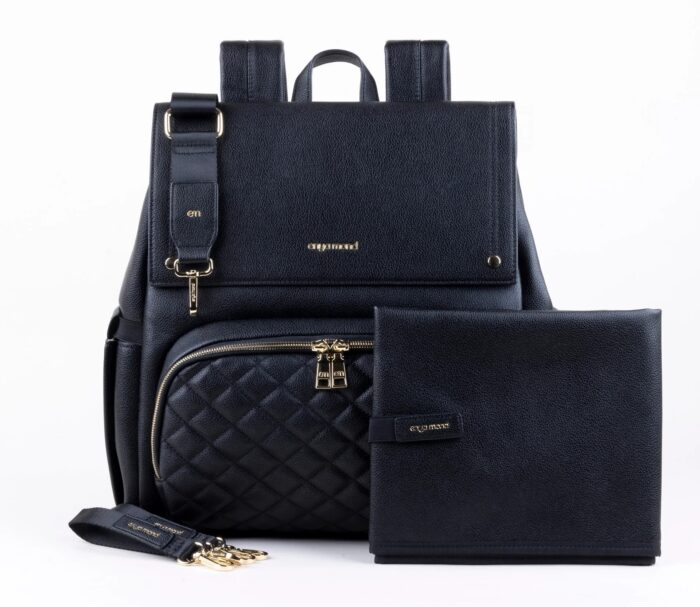
For the expecting mom on your list, gift her something she’ll really need when her baby comes – a stylish and high-quality parent bag from Enya Mond! At Enya Mond, it’s not just about crafting the perfect bag; it’s about empowering mothers to carry confidence alongside baby essentials. They want moms to celebrate individuality and style on their journey through motherhood. Enya Mond is a female- and mom-founded brand.
The Enya Mond Luna is Mom’s ultimate companion crafted from top-grade premium vegan leather with a pebble finish. Designed with sophistication in mind, Luna boasts quality in every detail, from the high-grade zippers to the light gold custom-logo hardware. Motherhood can come with spills, but Mom won’t have to worry due to Luna’s water-resistant lining. Luna features two large expandable side pockets, two mesh pockets for easy-to-see storage, and dual insulated pockets to keep beverages at the right temperature. If mom needs to carry electronics, Luna’s secure electronic sleeve has her covered. Luna is travel-friendly too! Its convertible quick-access back pocket for cell phones or essentials transforms into a trolley sleeve.
Inside Enya Mond’s Luna, she’ll find three roomy interior pockets to keep everything organized. She’ll love that Luna comes with an extra-large changing mat, a set of stroller straps, and an extra shoulder strap for multi-carrying options. You can order this in five chic colors. Retails for $223 at enyamond.com.
PAIGELAUREN Adult Eco-fleece Loungewear Sets (Mommy & Me Match)

PAIGELAUREN offers Mom loungewear she and her littles will love due to their thoughtful design, comfort, innovation, and quality. PAIGELAUREN’s commitment to quality is unwavering, evident in wear tests, lasting construction techniques, and high-quality finishes. This Mother’s Day, Mom can match with her littles as they play and relax in comfort and style. PAIGELAUREN’s Adult Eco-fleece Loungewear Set features their innovative eco Tri-blend Heathered Eco-Fleece and comes in the colors Eco Black and Eco Gray. The material is breathable, durable, super soft, and fits true to size. Made locally in Los Angeles, these loungewear sets are built to withstand all of motherhood’s moments, from the relaxing to the demanding. Retails for $189 at paigelauren.com.

You can help her match with her child with PAIGELAUREN’s Toddler and Kid Loungewear Sets. With many different colors and fabrics to choose from, you’ll be sure to find the perfect match for her kiddo’s personality. For example, the PAIGELAUREN Toddler & Kid Velour Hoodie and Legging Loungewear Set is a great choice for cuddling on the couch and playing both indoors and out. It’s oh-so comfortable being made from mostly Organic Cotton and durable to withstand the joys of playtime. This set features an elastic waistband and cuffed ankles on the pants for the perfect fit. It comes in the colors Rose, Navy, Burgundy, and Marble Sage. Retails for $80 at paigelauren.com.
Paradise Feathers Shard Hoop – Red Aragonite
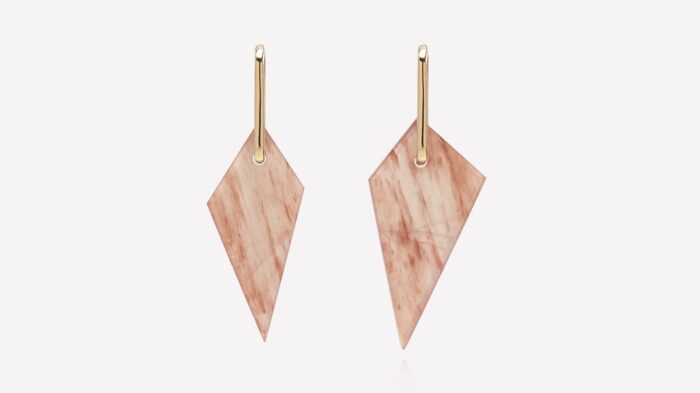
Paradise Feathers is the brainchild of Andrezza Valentin, a contemporary artist and designer originally from São Paulo, Brazil, now based in New York. With a background in large-scale sculptures and installations, Andrezza found her creative outlet in jewelry design, merging her love for handmade craftsmanship with her design and art background. Influenced by Bauhaus and Art Deco, her minimalist designs feature geometric shapes and clean lines, crafted from precious and non-precious materials. Paradise Feathers’ one-of-a-kind designs will dazzle Mom this Mother’s Day.
Paradise Feathers Shard Hoop – Red Aragonite are striking shard hoops crafted from Brazilian Red Aragonite that offer Mom both understated sophistication and bold charm. Available in hoop options of 14k Yellow Gold, 14k Gold Plated Brass, or 925 Sterling Silver, each pair features a high polish finish and is hypoallergenic for comfortable wear. These hoops were ethnically handcrafted in New York and created in 2023. Because of their timeless elegance and contemporary flair, she’ll be able to style these up or down casually. You and Mom can feel great about her gift because they are ethnically handmade, ensuring the master artisans receive fair wages and that they are made sustainably. Paradise Feathers’ Shad Hoop is also available in other stones. Retails for $250 at paradise-feathers.com.
WildBird – Aerial Carrier

WildBird’s mission is rooted in a love story, sparked by the deep connection felt when keeping babies close for soothing. Their linen ring slings and carriers not only offer practicality but serve as a tribute to the enduring bond between caregiver and child. They don’t just offer beautiful baby carriers, but they have a whole line dedicated to comfortable baby clothing any new mother would love for their little one.
WildBird’s Aerial Carrier is not only simple and intuitive for first-time users but also beautiful and versatile, allowing for front-facing inward, or back-wearing options. Available in two sizes, it ensures safety for babies ranging from 7 to 45 lbs. With padded waist belts and shoulder straps, it offers ultimate comfort, while one-on-one baby-wearing education and support are readily available. Recognized as “Hip-Healthy” by the International Hip Dysplasia Institute, it’s the perfect choice for caregivers seeking both functionality and safety. WildBird’s Aerial Carrier comes in many colors and patterns. The carrier shown in the image above is ‘Willow’ Retails for $178 (Willow) at wildbird.co.
Stegmann Women’s ‘Heidi’ Sandal
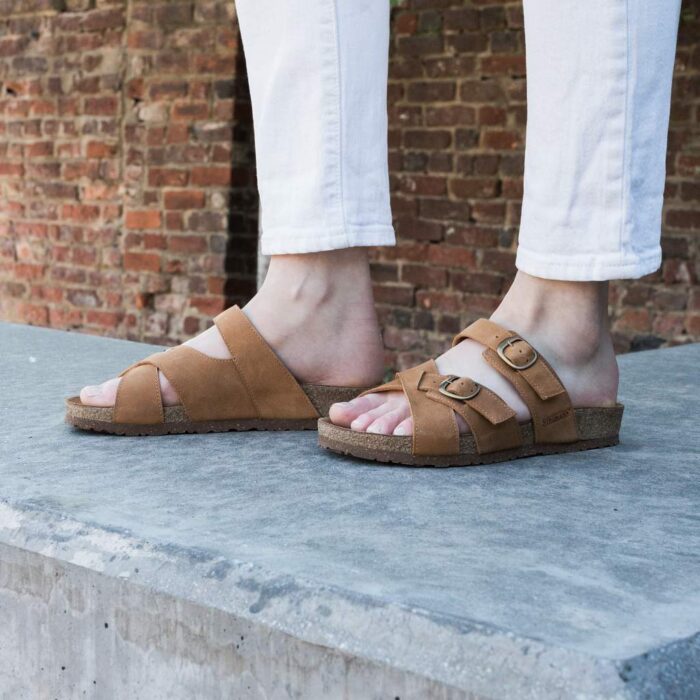
For over a century, Stegmann has led the way in crafting top-quality, sustainable footwear. Their commitment to mindful material sourcing ensures a positive impact on both customers and the environment. From their European base in Tirol, Austria, to strategic partnerships in Porto, Portugal, and their US headquarters near Richmond, Virginia, they guarantee efficient service to valued customers nationwide.
Gift that special mom in your life a pair of Stegmann sandals she can enjoy through the warmer seasons ahead. Stegmann’s Women’s ‘Heidi’ Sandal is a versatile and beautiful shoe that offers her the support and comfort she is looking for in a summer shoe. Heidi’s cushioned soft suede footbed with extra padding and a padded arch ensures her feet will feel supported and pampered all day long. Made from vegetable-tanned leather straps and a sustainable cork and latex midsole, each step Mom takes leaves a positive impact on her day and the environment. Made in Portugal. Retails for $120 at stegmannusa.com.
Eminence Organic Skin Care Clear Skin Probiotic Moisturizer and Clear Skin Probiotic Cleanser

Eminence Organic Skin Care has been dedicated to crafting natural, organic, and Biodynamic® products since 1958, using sustainable farming and green practices. Their commitment to excellence extends to their ingredients, which are hand-picked and combined with pure waters from a thermal hot spring lake. Free of harsh chemicals, their products are handmade to preserve their potency and nutritional content, delivering regenerative and healing benefits directly from nature. Certified by B Lab®, they adhere to strict standards of social and environmental performance, ensuring transparency and accountability.
This Mother’s Day, gift Mom clearer, smoother skin with Eminence’s Probiotic Moisturizer, an ultra-light daily moisturizer. Formulated with cucumber and tea tree to tackle blemishes and inflammation, and probiotics to exfoliate, Mom’s complexion stays calm and refreshed. This cruelty-free, organic moisturizer minimizes clogged pores while delivering essential hydration. Retails for $65 at eminenceorganics.com.
You can complete her gift with Eminence’s Clear Skin Probiotic Cleanser to cool and balance Mom’s skin. This cleanser is enriched with cucumber, tea tree oil, sweet almond milk, and yogurt to treat oily and problem skin, without stripping away moisture. Cruelty-free and free of harsh chemicals, it’s the perfect choice for a clear and radiant complexion every hardworking mom deserves. Retails for $48 at eminenceorganics.com.
Icebug Aura W RB9X
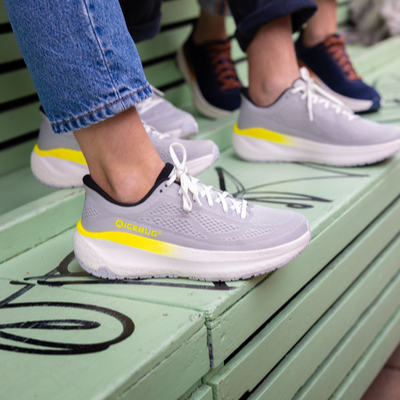
Icebug is a shoe company with a mission to encourage more outdoor exploration while leading the charge in transforming our industry into a sustainable one. They craft the world’s best grip shoes, minimizing our environmental footprint, and sharing our passion for the outdoors with others. They first started with a shoe featuring dynamic steel studs for traction, and their collection grew from there. Icebug constantly tests materials and components to ensure their shoes are functional and eco-friendly.
For moms on your list who love to run or walk, Icebug’s Aura W RB9X is the perfect shoe. Lightweight yet durable, Aura is tailor-made for trail running and power walking enthusiasts. Featuring a fully cushioned midsole with a 6mm drop and innovative SuperC Foam technology, it offers superior energy return and climate impact reduction compared to traditional EVA midsoles. The engineered mesh upper enhances breathability and reduces weight. Enhanced comfort is ensured by the OrthoLite® HybridPlus-Bio insock and wide last, while the rear-pointing heel shape relieves pressure on the Achilles tendon and promotes effortless strides. With your gift of the Aura RB9X, Mom will enjoy comfort and performance on every run. Retails for $179.99 at icebug.com.
Masai Copenhagen Odera Cuff Sleeve Dress
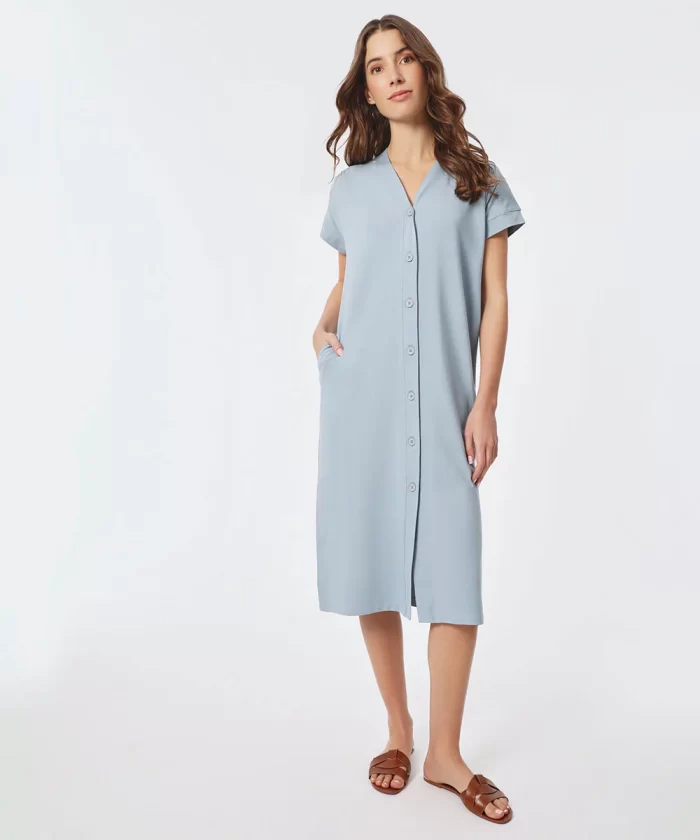
Masai Copenhagen is dedicated to crafting collections that go beyond mere fashion. They focus on timeless designs that embody both beauty and functionality. Inspired by art and driven by a commitment to movement and comfort, Masai’s garments have signature shapes that flatter the natural form. However, beyond aesthetics, their mission is to empower women to be confident and embrace their individuality fully.
Masai Copenhagen’s Odera Cuff Sleeve Dress is a versatile piece that effortlessly transitions from a classy button-up style to a casual tunic. This elegant yet comfortable dress features a flattering V-neck, button placket, and cuff sleeves. Mom can wear it buttoned as a dress or open it as a topper over shorts or pants, offering endless styling options. Crafted from soft fabric in a calming blue shade, it’s perfect for any occasion, whether it’s an evening out, a family brunch, or a cozy day at home. She’ll also love the convenient pockets at the hips. It is made from 97% Viscose and 3% Elastane and can be easily cared for with hand washing in cold water. This dress comes in a variety of colors and patterns. Retails for $178 at masaicopenhagen.com.
Muslin Comfort The 365 Blanket

Muslin Comfort was created to address founder Shyla Michelle’s struggle with postpartum night sweats and sleep deprivation. Unable to find a suitable solution in the market, she developed her own oversized, breathable, all-natural muslin comforter, aiming to provide better sleep for everyone.
Muslin Comfort’s The 365 Blanket is a lovely gift mom will appreciate at this time of changing seasons. Being made from 100% Pure Muslin Cotton, she’ll benefit from the fabric’s amazing versatility. It is warm enough for chillier nights but breathable enough for the summer months ahead. The 365 Blanket is OEKO-TEX® Certified and features 8 durable layers for lasting quality. It’s also hypoallergenic and easily machine washable, prewashed, and preshrunk, ensuring years of cool, comfortable sleep. Available in over 15 classic and trending shades, its timeless texture complements any aesthetic mom loves. On sale for $139.99 (Oversized Twin) at muslincomfort.com.
Matrescence Stretch Mark Relief Refining Scrub and Stretch Mark Relief Restorative Butter
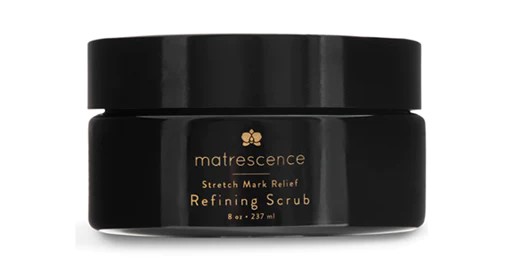
At Matrescence, they understand the importance of consistent self-care for moms. That’s why they’ve curated mama-safe skincare, banning over 3000 ingredients, and ensuring safety from pre-conception through breastfeeding. With your gift, Mom can ditch the guilt and embrace self-care rituals that keep confidence while navigating motherhood. Stretch marks in pregnancy are common, but they’re not always celebrated. Matrescence’s Stretch Mark Relief Refining Scrub and Stretch Mark Relief Restorative Butter are two products every expecting mother would love to receive to nourish and help reduce the appearance of her stretch marks.

Matrescence’s Stretch Mark Relief Refining Scrub is designed to polish and smooth dry, itchy skin, reducing the appearance of stretch marks and scars while improving skin elasticity for a firmer look. With its pregnancy-safe and clean skincare formula, free from harmful ingredients like parabens and phthalates, moms can trust this scrub to nourish and renew her skin without any worries. Retails for $72 at matrescenceskin.com.
She can finish her beauty routine with Matrescence’s Stretch Mark Relief Restorative Butter. This must-have belly butter is specially formulated to deeply hydrate and soothe itchiness, while also reducing the appearance of stretch marks and scars. Infused with a potent blend of nourishing oils, plant extracts, and butters, it promotes skin regeneration and repair, restoring suppleness and firmness. Mamas love its fast-absorbing, non-greasy formula that leaves skin feeling soft and hydrated without any mess. Plus, it’s pregnancy-safe and free from harmful ingredients. Retails for $84 at matrescenceskin.com.
Gigi Pip Lana Packable Bucket Hat & Kids Sal Crochet Bucket Hat (Mommy & Me Look)
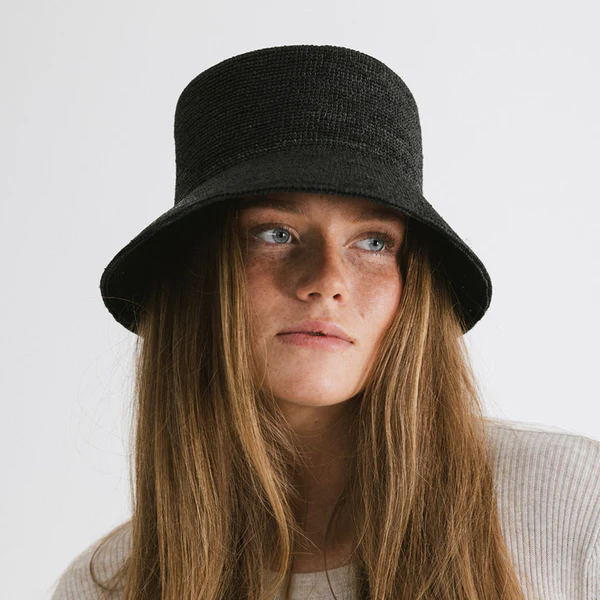
Gigi Pip, rooted in Salt Lake City, UT, stands out with a mission to empower women by offering not just hats but confidence in every “hat” they wear in life. Gigi Pip’s commitment to quality is second to none, sourcing materials globally and overseeing production in factories worldwide. Their oversight ensures ethical practices and superior standards in all their factories. Their dedication to craftsmanship is evident in their attention to detail and refusal to cut corners. This Mother’s Day, their mommy and me look options serve as a perfect present to celebrate Mom and the special bond she has with her children.
Gigi Pip’s Lana Packable Bucket Hat is the ultimate packable and breathable bucket hat of the season. Crafted from beautiful woven raffia, Lana is designed for convenience for all her adventures with her little one. It features a sleek, structured, and flexible shape and is made from 100% Raffia Straw. Lana is fashionable and functional, offering both style and ample sun protection. Retails for $138 at gigipip.com.

Gigi Pip’s Kids Sal Crochet Bucket Hat is just adorable and can be styled with ease. Because it is crocheted from paper straw, it’s flexible and durable for all her summer activities. Retails for $52 at gigipip.com.
Mostly Chocolate Build Your 25-Piece Box

Chocolate is a fantastic Mother’s Day gift because it combines indulgence with sentiment, making it one of the perfect presents to celebrate Mom. Mostly Chocolate is a Houston-based family-owned and operated company committed to excellence, care, and trust. Gift mom their indulgent, beautiful, and artisanal handcrafted chocolates. Their meticulously crafted chocolates are made with the finest ingredients for an unforgettable, delicious experience every time.
Gift mom the flavors she loves with Mostly chocolate’s Build Your 25-Piece Box. With this beautiful box, pick and choose all her favorites from over 30 flavors! They have seasonal flavors in addition to their loved staples. You can choose from flavors like Orange Blossom Pistachio, Passionfruit, Toasted Coconut, Dark Chocolate, Tea & Cookies, and so many more. Your gift is sure to satisfy her sweet tooth with every bite. Retails for $75 at mostlyhtx.com.
INÉ Skin Nutrient Bar
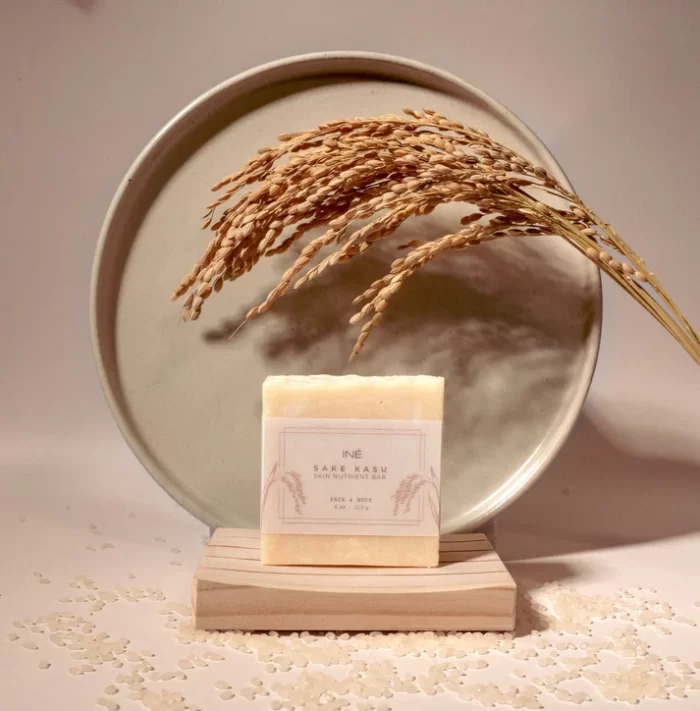
Moms deserve a great soap bar from INÉ to help them glow because they selflessly dedicate themselves to caring for their families, often neglecting their own self-care needs. The minimalist approach of Japanese skincare inspired INÉ. This quest led to the discovery of Sake Kasu, a fermented rice ingredient renowned for its skincare benefits. Sake Kasu has been used for centuries as a beauty ingredient! By working directly with Sake breweries in Japan, the founder could harness the power of Sake Kasu to create INÉ’s Skin Nutrient Bar.
Crafted in Japan without sulfates, parabens, silicones, or artificial fragrances, INÉ’s Skin Nutrient Bar suits all skin types. It strengthens the skin barrier, tightens pores, smoothens, softens, and brightens skin, calms redness, and promotes hydration. With over 100 skin nutrients, including amino acids, peptides, probiotics, and antioxidants, it replaces multiple skincare products, ensuring a simplified routine with maximum results. This special gift ships from Japan in a beautifully wrapped box, creating a memorable gifting experience for Mom. Retails for $19 at madewithine.com.
Ming Wang Shirt Collar Tunic and Mini A-Line Skirt

Ming Wang offers a timeless wardrobe experience for Mom, creating enduring staples designed by women for women. They use high-quality knits and prioritize sustainability and style. Ming Wang’s diverse range of silhouettes flatters every figure, empowering modern women to wear it their way. With neutral, year-round closet staples, our collections provide the perfect foundation for looking and feeling the best.
Ming Wang’s Shirt Collar Tunic a texturally beautiful addition to a special mom’s seasonal wardrobe. Effortlessly chic, this lightweight top features an intricate pointelle print in a rosy color palette, complemented by drop-shoulder balloon sleeves and a banded hem for a loose and stylish silhouette. This beautiful tunic shirt can be styled with Ming Wang’s Mini A-Line Skirt or a pair of jeans for something more casual. This tunic is easy to care for with hand washing in cold water and laying flat to dry. Retails for $215 at mingwangknits.com.
Ming Wang’s Mini A-Line Skirt is a feminine staple perfect for weekday to weekend events. Its blush tone and pearlescent button accents elevate the classic A-Line silhouette. Easy to style, a simple switch of top layers and accessories transforms this modest mini from day to evening wear. This skirt is crafted from 100% cotton and features a side zipper closure, functional pockets, and a faux button front. Unlined for lightweight comfort, it’s easy to care for with hand washing in cold water and laying flat to dry. Retails for $185 at mingwangknits.com.
Woodstock Chimes – Encore® Chimes of Neptune – Evergreen

Chimes from Woodstock Chimes make great presents to celebrate Mom because their soothing melodies create a tranquil atmosphere, offering Mom a moment of relaxation and serenity. Woodstock Chimes offers a diverse selection of high-quality, affordable musical gifts that any mom would love. It’s easy to make your selection for mom on their website because they offer soundbites of each chime.
Woodstock Chimes’ Encore® Chimes of Neptune – Evergreen is named after the stormy blue planet discovered in 1846. Representing the eighth planet from the sun, the Neptune Chime pays homage to Roman mythology’s sea god, fittingly dubbed the “Blue Giant”. These chimes feature a bubinga finish wood with six satin green aluminum tubes and a removable windcatcher for customizable adjustments. It measures 54 inches in length and 8 inches in diameter. She’ll love the deep, melodic sounds in the background of her daily life. Retails for $117.99 at chimes.com.
Cozy Earth Bamboo Tapered Pant
Cozy Earth offers Mom some of the softest and most coziest clothes around. Their minimalistic designs are classic and versatile, perfect for any mompreneur who goes into an office or works from home. Their products are crafted from high-end textiles unique to Cozy Earth and come with a lengthy warranty, reflecting Cozy Earth’s confidence in their quality and performance.
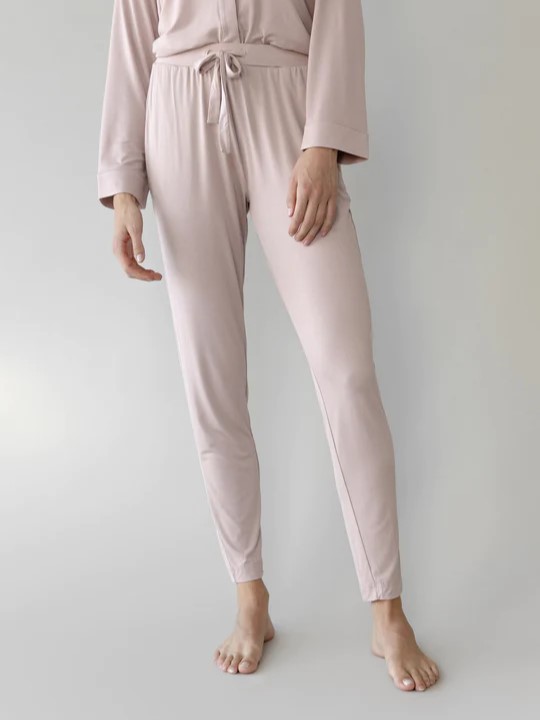
Cozy Earth’s Bamboo Tapered Pant is made from lightweight bamboo viscose and features a flattering drape and tapered leg for those who prefer a refined look. The adjustable drawstring and side pockets enhance comfort and utility, making this stylish silhouette a perfect choice for any mom on your shopping list. The secret is, that she can wear these as pajama bottoms or dress them “up” as she goes around the town on her casual days. The Bamboo Tapered Pant comes in many attractive colors to meet her styling needs. Retails for $104 at cozyearth.com.

Cozy Earth’s Rib-Knit V-Neck Lounge Tank gives Mom the feeling of sophistication and softness as she goes about her day. This V-neck bamboo tank is crafted with breathable bamboo viscose to combat night sweats. Its stretchy relaxed fit, smooth figure-flattering finish, and thicker straps offer optimal support. She can pair it with a cozy pant for a comfortable look or with jeans for a stylish outing. It comes in Grey, Navy, Black, and White. Retails for $100 at cozyearth.com.
Eli & Elm Pregnancy Body Pillow

Is your special mom currently pregnant? If so, gift her the ultimate comfort that she needs with Eli & Elm’s Pregnancy Body Pillow. Eli & Elm are known for their incredibly comfortable pillows that help sleepers achieve their best night’s rest. Just released in January 2024, now pregnant women can enjoy the same rest with their pregnancy body pillow.
Crafted with premium quality materials, including OKEO-TEX-certified plush memory foam and a removable cover, it offers superior comfort and support at any stage of pregnancy. Its unique ergonomic design ensures proper head, back, hip, and knee support. Also, its multifunctional nature allows for relaxation, reading, nursing, and post-pregnancy use. With its custom firmness and space-saving full-size bed pillow integration, Eli & Elm redefines the standard of maternity pillows. On sale for $119.99 at eliandelm.com.
Melkit Mom & Bébé Bundle
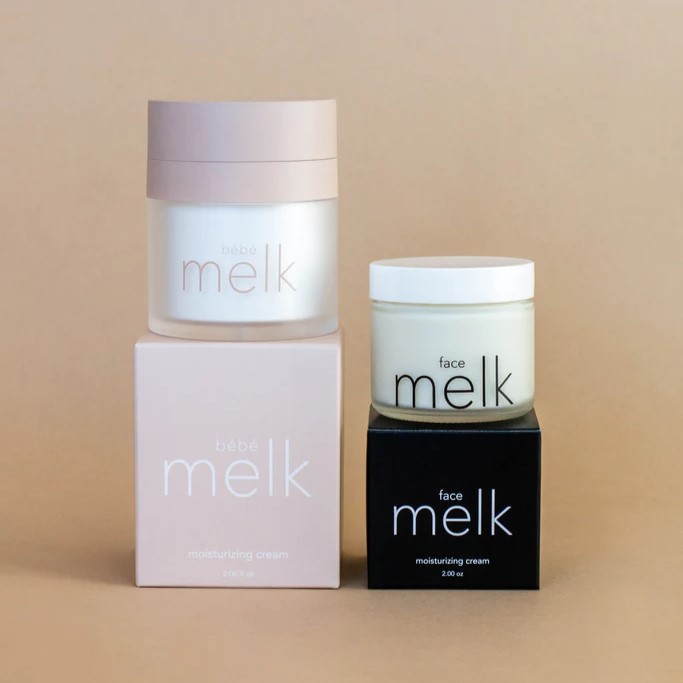
Melkit’s journey started with a realization of the dangers of harsh chemicals on health. This led to a quest for the best natural and organic products. When Melkit’s founders couldn’t find what they needed, founder Glenna used her expertise in essential oils to create Face Melk, a hydrating and healing formula made from all-natural ingredients. After perfecting the recipe over a decade, it’s now ready to share with the world, free from harmful parabens, sulfates, phthalates, cruelty, gluten, synthetic dyes, or fragrances.
Melkit’s Mom & Bébé Bundle offers Moms the perfect natural skin care solution for both themselves and their babies. In this set, she’ll get Melkit’s Face Cream, which combats wrinkles, maintains hydration, reduces inflammation, and protects from environmental stressors. The set also comes with Melkit’s Baby & Kids Cream which promotes relaxation, provides relief from diaper rash and bug bites, supports skin healing, and ensures gentle moisturization. Both products smell amazing from the blends of essential oils like Lavender, Myrrh, Sandalwood, and Frankincense. On sale for $98 at melkit.com.
James Coffee Company Coffee Blends
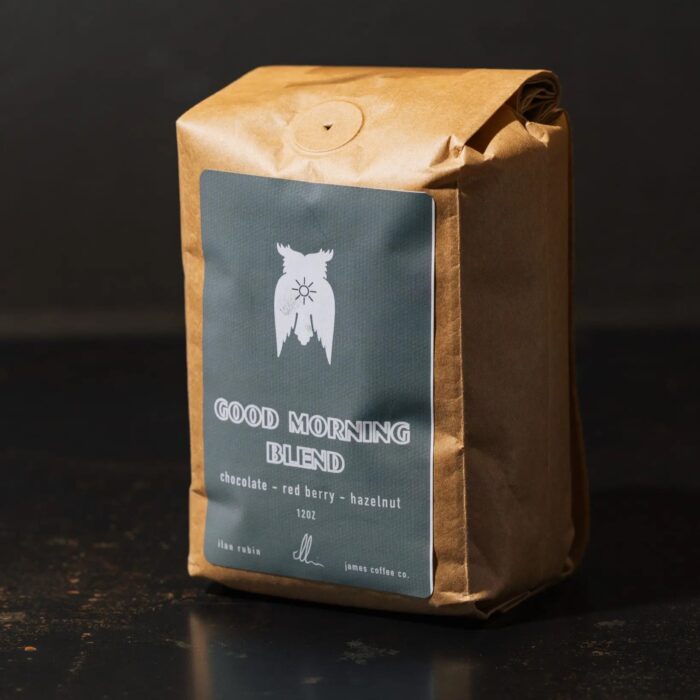
James Coffee Company is more than just a coffee brand—it’s a story of family, passion, and craftsmanship. Born from the shared love of two brothers, who, amidst their diverse pursuits in life, including working in a metal shop, found their common ground in coffee. To pursue their coffee dreams, they came back to the same metal shop they began in to try roasting coffee. What they discovered was a flavor profile that was unlike anything they’d ever tasted. They make small batch coffee by hand that any mom would love to receive this Mother’s Day.
For example, James Coffee Co.’s Good Morning Blend is a fantastic staple blend of their Mexico “El Jaguar”, Colombia “Palmichal”, and Ethiopia “Mokamba”. She’ll enjoy notes of Chocolate, Red Berry, and Hazelnut in this one. Complete her gift with some of their other small-batch blends, such as James Coffee Co.’s White Owl Blend. This beautiful coffee consists of their Guatemala “Huehuetenago” and Ethiopia “Mokamba” Natural. She’ll enjoy notes of sweet bright red berry, creamy vanilla, and light cocoa in her cup. Retail varies at jamescoffeeco.com.
Desavery Garrigue Body Oil

At Desavery, founder Andrea Dinnick, combines her passion for research and skincare to offer products infused with effective plant ingredients for deeply moisturized and healthy skin. In gifting Desavery’s products, you are giving Mom a wonderful skincare routine that enhances her mood and leaves her skin in its best shape ever.
Desavery’s Garrigue Body Oil transports Mom to the sun-drenched hills of Provence with its blend of wild figs, juniper, lavender, and cypress sourced from the region. This deeply moisturizing body oil, infused with fig seed oil, delivers nourishment and hydration, leaving her skin soft and supple. With its soft floral aroma intertwined with herby notes, it’s a sensory delight. Its main ingredient is fig seed oil, which is packed with natural Omega’s 3, 6, and 9 which give great moisture and nourishment. Additionally, it is packed with premium ingredients like camellia seed oil and rice bran oil, it evens skin tone and boosts moisture retention. Plus, juniper and cypress provide additional conditioning benefits, making it a luxurious treat for her skin. Retails for $62 at desavery.co.
GT Collection’s Women’s Labradorite Flat-bead Bracelet with Pyramid Diamond

GT Collection offers jewelry that is handmade with natural semi-precious stones. This Mother’s Day gift Mom one of their beautiful bracelets bringing her profound energy and healing properties every hardworking and nurturing mother deserves. GT Collection’s Women’s Labradorite Flat-bead Bracelet with Pyramid Diamond features certified natural gemstones and 8 mm flat beads that Mom can wear for years to come.
GT Collection’s Women’s Labradorite Flat-bead Bracelet features labradorite stones which are known to provide a shield against negative energies and misfortunes. In turn, the promotes a safe, grounded existence that all moms can enjoy. This bracelet features a rose-gold stainless steel pyramid with Cubic Zirconia, a strong braided cord, and an adjustable Macrame Knot. Retails for $84 at gt-collection.com.
Norman Love Confections 25 Piece Signature Gift Box
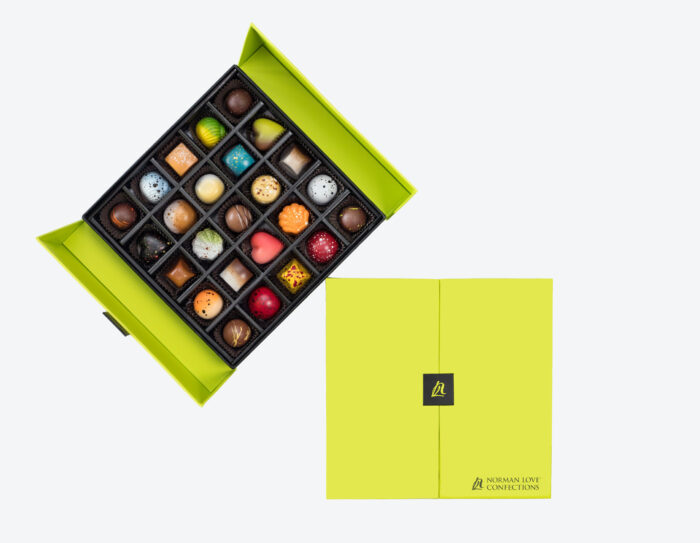
Norman Love Confections® emerged in 2001 when Norman and Mary Love transitioned from Norman’s 13-year tenure as an executive pastry chef at The Ritz-Carlton to founding their Fort Myers, Florida-based chocolate venture. Norman Love Confections sources the best ingredients globally and crafts them into stunning gourmet masterpieces mom will love. Norman Love Confections’ 25 Piece Signature Gift Box features a decadent signature chocolate collection in a gorgeous green gift box. Mom will love how beautiful the 25 chocolates are and she might think they’re almost too pretty to eat. But – she sure will want to enjoy each one because they are bursting with flavor! She’ll enjoy chocolates like New York Cheesecake, Peanut Butter & Jelly, Sea Salt Caramel Truffle, Key Lime, 46% Bahibe, Florida Orange, Tiramisu, and more. Retails for $60 at normanloveconfections.com.
Good Citizen Coffee Company Coffee

Good Citizen Coffee Company, established in Nashville, TN in 2018, emerged as a response to the noticeable gap in the roasting industry in Middle Tennessee. Committed to sourcing from sustainable farms, they ensure that specialty-grade coffee graces Mom’s cup while preserving nutrient-rich farming lands.
Moms are busy and juggle many tasks as mothers, employees, and/or entrepreneurs. Good Citizen Coffee Company offers great single-origin coffees as well as blends that are perfect for powering Mom’s day. For example, she’ll love Good Citizen Coffee Co’s Finca Cedral Alto – Washed, which gives her the flavors of delectable coffee grown in Costa Rica. This washed coffee brings notes of key lime and sweet honeycomb into her cup of joy. She’ll also love their Pacayl coffee, produced by a group of indigenous (Lenca) women from the Marcala Region of Honduras. With your gift, she’ll love that it supports the indigenous women of the region. Not to mention, this coffee is also a Good Citizen Coffee Co. team favorite! Retail varies at goodcitizencoffee.com.
Drop Expression Series Keyblossom Keyboard

If your special mom you are shopping for is an entrepreneur or works from home, gift her an upgrade to her home office from Drop. At Drop, they believe in the power of collaboration with passionate individuals to create innovative products. From concept to production, input guides every step of the creative process. This means Drop’s products will meet Mom’s needs through their exclusive designs or partnerships with top brands.
Drop’s Expression Series Keyblossom Keyboard is a lovely upgrade for Mom’s desk. Whether she’s typing away in spring or any other season, the Keyblossom promises an incredible typing experience for Mom that’s as delightful as it is functional. Keyblossom is a spring-inspired beauty that combines high performance with undeniable prettiness. It features a special aluminum ENTR case with a pink anodized finish and adorable bunny-filled artwork by Mimi. Inside, the ENTR PCBA is equipped with Holy Panda X Switches and Drop Phantom stabilizers, ensuring an excellent tactile feel. To complete the look, the Rose Keycap Set from their Skylight Series adds complementary off-white coloration with a splash of pink, all crafted in durable PBT construction. Retails for $149 at drop.com.
Brabar Wireless Bras – Soft Day Bra

Brabar offers wire-free bras for moms of all shapes and sizes, from band sizes 28-38 and cup sizes AA-DDD/F. Their bralettes and sports bras combine comfort and support, perfect for women on the go. They prioritize comfort without compromising style and a confident fit.
One of Brabar’s many wireless options is the Soft Day Bra with Back Closure. This everyday bra is a comfortable and supportive option for daily wear. Crafted with soft yarns of 77% Modal, 17% Nylon, and 6% Spandex, it offers full coverage, wider straps, and extra support. This version features double-layer fabric, removable pads, and targeted bust support. Designed for versatility, it lifts and separates, with adjustable back closure and fully adjustable straps. Made from ultra-soft stretch fabric, it’s perfect for t-shirt days and provides extra support for all Mom’s medium-impact activities. Retails for $36 at shopbrabar.com.
Zo Skin Complexion Clarifying Serum
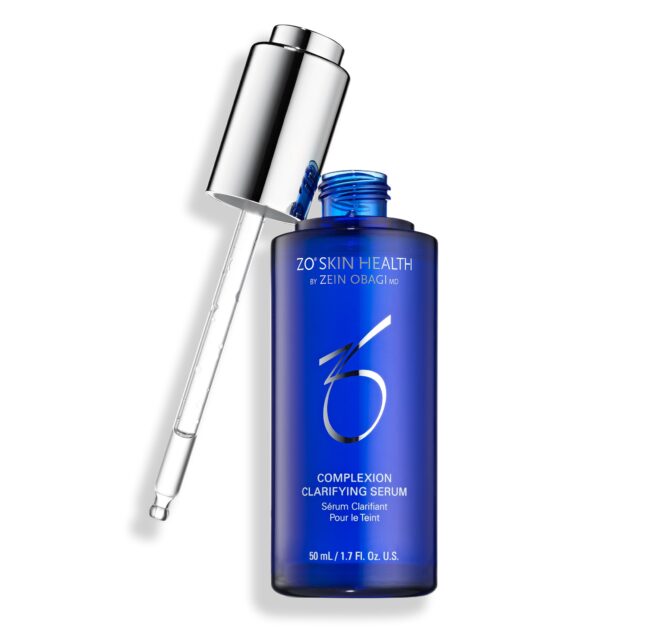
ZO® Skin Health harnesses the power of science to achieve and maintain optimal skin health, inspired by their founder, dermatologist Dr. Zein Obagi, and his pioneering approach to medical-grade skincare. With proprietary technologies and product education, they elevate the relationship between skin and skincare, offering comprehensive solutions for all ages, ethnicities, and skin types to correct damage, protect against future harm, and promote healthier skin every day.
This Mother’s Day, help mom achieve a clearer, balanced complexion with Zo Skin’s Complexion Clarifying Serum, specially formulated with ZO® sebum-targeting science to reduce surface oil, congestion, and visible redness. This serum is ideal for combination, oily, and blemish-prone skin and is fragrance- and alcohol-free. This means it provides optimal hydration while minimizing excess sebum and shine. Clinically proven to decongest skin and reduce redness in just two weeks, its light, water-gel formula layers easily and features a unique dropper for effortless application. With continued use, Mom will enjoy a continually clear and radiant complexion. Retails for $110 at zoskinhealth.com.
All Cotton and Linen – Linen Tablecloth – 100% Pure Linen Tablecloth

Established in 2016 in the Bay Area, CA, All Cotton and Linen is deeply connected to the planet, drawing inspiration from nature. They set a new industry standard by using 100% natural and organic cotton, crafting exceptionally soft, luxurious, and durable home textiles. Their journey began with a weaver’s vision for healthier linens, and today, that same dedication to sustainability and quality remains unwavering.
Enhance Mom’s dining room decor with All Cotton and Linen’s Linen Tablecloth designed for 6-foot tables. Crafted from 100% Pure linen material, these soft and durable tablecloths come in a size of 57 X 98 inches to suit your style. With a timeless elegance, they accommodate 6-8 or 8-10 people, protecting your table from scratches, spills, and stains. Perfect for everyday use, these eco-friendly tablecloths offer both style and functionality, making them a choice both you and Mom can feel good about. These beautiful linen tablecloths come in many colors to meet her styling preferences. On sale for $57.99 at allcottonandlinen.com.
The post Thoughtful Presents to Celebrate Mom this Mother’s Day appeared first on Home Business Magazine.
Original source: https://homebusinessmag.com/lifestyles/presents-celebrate-mom-mothers-day/