If there’s one thing that’s for sure, it’s that the biggest priority in your business is to engage your customers and make it clear to them what your business has to offer. Failure to reach your target audience could result in you losing out to competitors in your industry. However, engaging with people isn’t always easy, and it’s important to explore all and every avenue to find what works for your business.
The problem you might face here is that it’s not cut and dry. What works for one business might not work for the next one, even if you’re in similar industries. Sometimes it’s about your branding, and sometimes it’s about where your customers are and which avenue is the best one to reach them. Now, take a look at some of the best ways to reach out to potential customers.
Define Your Target Audience
Before you can even begin to think about reaching out to customers, you first need to define who they are. While it’s nice to think that everyone would be interested in your product, it’s probably not going to be the case. So ask yourself; who is most likely to use my products? Not only is it important to know who you’re aiming it at so that you can package it to be more appealing to them, but it will also help you work out where you’re most likely to find them. And, you’ll be able to use language and terminology that will reach your target audience and their attention.
The best way to do this if it isn’t glaringly obvious who your target audience is, is to do some market research. This might mean sending some products out to be tested and reading reviews. Lots of people generally mention who used the product in their reviews and why they enjoyed (or didn’t) using it.
You can also look at similar products or services on the market and see who’s buying those to help you identify who you’re aiming your products at. It might need some tweaking along the way, but it’s better to do that now rather than spend a lot of money marketing your business to the wrong people.
Use Influencers to Show off Your Products or Services
Once you know who you’re aiming your products at, it’s time to think about making your products visible as quickly as possible. And, in this day and age, influencers are the way to reach your target audience. Think about your favourite products or a product you’ve purchased recently. There’s a good chance that you’ve seen some version of that product through influencers you follow online. Just by looking at influencer marketing trends, you’ll be able to see how effective it can be.
There will be some influencers who will be happy to simply receive the product to keep in exchange for a mention or review on their platforms. While this is great, they may not have many followers, which may mean you might not end up reaching many people. If you want word to spread quickly then it’s a good idea to offer compensation as well as the product to keep to an influencer who’s got the attention of the masses.
You shouldn’t just pick any old influencer though; they need to be relevant to your industry. So, if you’re marketing a new line of joggers for men, you’d be better off choosing an influencer who is known for their style and taste in fashion. You should also make sure that they are linking to your products directly from their posts. And, if you want to make a real stamp, offer a discount code that people can use through the influencer’s link.
Photo by mali maeder on Pexels
Content Is King
Search engine searches aren’t to be underestimated when aiming to reach your target audience. Think about how many times in a day, week, or even month you pull out your phone and search for something you need or want. Now think about how effective that could be if your website was ranking first for keywords related to your products.
To do this, you’ll need to have top-notch SEO on your website. If you don’t know how to achieve this, it’s worth paying someone to come in and optimise it. You’ll need to do some extensive keyword research here to make sure you’re trying to rank for the right keywords. Using the mens jogger example again, you’d probably be looking at keywords like “black mens joggers” “mens joggers near me” “mens joggers sale” “mens joggers with zip pockets” and “mens joggers adidas”. You can use tools like ahrefs to help you with your keyword research if you don’t know where to begin.
Then, once your website is optimised, you need to add content that’s going to be useful for your customers that include the relevant keywords to your products. Using the above example, you could have a post with some ideas on how to style mens joggers. Not only does this help you rank even more, but it builds up trust with your brand, which is definitely something that you need as a new business.
Use Video Content
We live in a world where you now have nanoseconds to capture someone’s attention. One of the best ways of doing that is through video content, especially when you’re marketing your products on social media. It’s a much easier form of content to digest, especially when compared to written content, and that’s why it’s quickly become the easiest way of pushing your products in front of the right people.
While homemade videos can resonate with people, it’s worth putting some thought and effort into your video content. This will mean having a half-decent camera and editing process to better reach your target audience. You may even want to hire an actor to become the face of your brand if you don’t want to be on video.
Finally, you want people to remember you and your brand, so it’s important to pick a tone of voice and stick with it. This tone of voice will need to be consistent throughout your video and written content for the best success.
If you’ve just started your own home-based business, one of the first things you absolutely need to do is to up your online presence. To do this you need a quality website and continually updated content that is informative and interesting. This is how people will find you and learn about what you have to offer. Potential consumers prefer sites with information about your product or service, and consistent relevant content keeps them returning.
Website content provides insight into your business and drives traffic to your store. Just having a website alone is not as good as having good content and a steady flow of it because content triggers search engine rankings. The competition is too great to miss out on this opportunity.
Website Content
Discover how website content can help in meeting the criteria sought by search engine algorithms for relevance. The more relevant the content the higher up on the results page you will appear. Ideally, you want to appear on the first page of search results and preferably at the top. The algorithms do not like stagnant sites with out-of-date content and therefore it pushes you further down in the results search. Another way to appeal to search engine algorithms is to add keyword phrases, meta descriptions, and title tags to your content.
The person you hire to write your website content should know how to properly prepare a page to gain an advantage over competitors in search rankings. If you don’t know how to employ keywords, description and title tags, any web designer should be able to advise you. Or, you could spend some time reading SEO websites or a book.
Build Your Brand
Remember to showcase your brand to people in a way that connects with them and warrants further exploration. Your brand showcases how website content can help in fostering loyalty to your company. There is a reason why companies have teams of people focused on content and marketing. It’s the soul of the website. It’s where everyone goes to learn more, and the more you provide the more you are seen as an expert in your field.
One mistake most businesses make is that they attempt to reach as many consumers as
possible, but it’s best to focus on your target audience. It’s hard to appeal to everyone’s tastes, so find your niche and play to your audience. Customers do not typically search for a particular brand, instead, they look for things that meet their own objectives. If you can make your brand relevant to their queries, your site will be boosted in the search results.
Cater to Your Customers
Evidence shows that acquiring a new customer costs much more than maintaining an already current customer. Therefore, it’s beneficial to cater to your existing customers with new and exciting content to keep them coming back for more. How do you do this? With content that provides information about their interests. By offering relevant information aligned with their interests, website content can help engage users and address their needs and preferences. It doesn’t have to always be directly about your product or service. When you show loyalty to your consumers by providing an entertaining and informative website, they will return the loyalty.
Another great way to put out content is by creating and posting videos to your site and on social media such as YouTube, Instagram, X and TikTok. These can be videos using your product or service, reviewing items, narratives, and stories. People love visuals, and the more you can give them, the better. Social media stories are a hot medium to put out content and drive traffic.
Ghostwriters
While this might sound overwhelming when just starting, there are people out there who can help you write your content. Even though you may have a great business mind, you may not be well-versed in how to write content. One idea is to hire in-house writers but that can get pricey, or you can use freelancers. Ghostwriters are highly skilled freelancers with skills in writing content to make your business shine.
Whether you need website content or scripts for videos, a content writer is a strong ally to have in your corner. A ghostwriter or copywriter is an invisible assistant who works behind the scenes to bring your business to life. They have the skills to take your ideas and write professional content that keeps you at the top of search engine results, which means great visibility. Visibility means sales.
There’s one other thing to bear in mind. Getting a video ranked on YouTube, Instagram, X, and TikTok is also a competitive endeavor. Each has its own algorithm to determine what gets ranked high up, or way down the list. A writer with considerable experience in social media marketing must be familiar with how to give you an advantage over your competitors.
Finding a reputable ghostwriter who specializes in your niche will take some research on the internet. For example, do a search for ghostwriting or copywriting or even screenwriting services and include a keyword phrase related to your business. I am a freelance writer also under contract to Ghostwriters Central, Inc. This page about custom website content development accurately reflects what I’ve discussed in this article.
Follow my advice and you will find the writer who will contribute to making your home business soar!
As everything shifts online due to the digital revolution, decentralized currencies are becoming more popular. Cryptocurrencies are called decentralized currencies because they don’t rely on a central authority like banks to operate. They depend instead on cryptography and distributed ledger technology, like blockchain, to control transactions and maintain the currency’s value.
Numerous people now opt to go digital because cryptocurrency has many benefits compared to traditional currencies. These are some of the advantages of decentralized currencies:
Lower Transaction Fees
Traditional financial systems often involve intermediaries that charge fees for transactions. One has to deal with banks or payment processors that require a middleman fee for you to get your money, and this impact has not been felt more strongly than in the gambling industry. While using cryptocurrency to gamble offers many advantages, the chief of them is not losing a chunk of your earnings to ridiculous fees or charges. In fact, Alan Draper shares that fast payout crypto casinos utilize blockchain technology to offer instant deposits and withdrawals, often with no fees attached or limits imposed.
One of the advantages of decentralized currencies is the elimination of the need for all these added costs, allowing for faster, cheaper, and sometimes negligible transaction processing. Users can send and receive money across the globe without paying high fees or waiting for long confirmation times.
Security
Cryptography or encryption is used to enhance security. As a result, transactions are completed using digital IDs and addresses, which means users don’t need to provide personal information to conduct transactions. This helps users relax, knowing there is little to no chance of getting their identities stolen or fraud.
Another one of the advantages of decentralized currencies is anonymity. Anonymity is a big draw, as people don’t even have to use their real names. Users are only identified through their pseudonyms, creating a high level of discretion, ensuring privacy, and offering protection from phishing and spoofing. Transactions are also verified and validated by the network, making it extremely difficult for hackers to manipulate or counterfeit the currency.
Transparency
Decentralized currencies often provide a very high level of transparency. It is effortless to verify transactions and track the history of the currency. In this way, decentralized currencies have enhanced trust and accountability among users. On the flip side, it also presents a challenge when there’s a need to track transactions, usually in the event of a hack or a user accidentally sending their funds to the wrong address.
Financial Inclusion
All people, regardless of their status or location, should be able to access and benefit from financial systems.
One of the advantages of decentralized currencies is accessibility to anyone with an internet connection, regardless of their location, nationality, or socio-economic status. This allows people in under-served regions to participate in the global economy and have control over their finances. Decentralized currencies also provide an alternative to unstable or inflationary fiat currencies, allowing users to preserve their purchasing power and wealth.
Innovation
Decentralized currencies boost innovation and creativity in the digital economy. They allow the development of new applications and services that positively sway the potential of blockchain technology, such as smart contracts, decentralized applications, and decentralized autonomous organizations. These applications and services can provide new solutions and opportunities for various sectors and industries, such as finance, health, education, and social impact.
Value Appreciation
Some decentralized currencies are in limited supply. This means that the creators or miners will set a cap or limit on just how many coins can ever be made. Setting this cap and making the available coins limited increases their value since everyone is rushing to get their hands on as many of the coins as possible.
Some popular cryptocurrencies you may know are limited, like:
Bitcoin (BTC) – The most popular cryptocurrency is set at a cap of 21 million coins. Litecoin (LTC) – Second only to the original Bitcoin, this crypto is set at 84 million coins. Monero (XMR) – This one is a privately owned cryptocurrency capped at 18.4 million coins.
Everyone wants to get their hands on them as quickly as possible, and these numerous investment opportunities add value to the currency. These currencies are also somewhat inflation-proof as the low availability keeps them in demand; there can never be hoarding of the currency or a desire to get rid of it quickly – factors directly linked with inflation in regular monetary settings.
User Empowerment
The advantages of decentralized currencies empower users to have full control and ownership over their funds and transactions. Users do not need to rely on or trust any central authority or intermediary to manage their money or facilitate their transactions. Users can also customize their preferences and settings, such as choosing their own wallet, network, or protocol. The currency is also globally accessible, and users can gain access from anywhere at any time.
Millions of Child Trust Fund accounts were set up but many were lost. If the account belonging to your child was one of these, they may be owed up to £1,000 each. Read on to discover how to check if your child is owed £1,000.
CTFs are long-term tax-free savings accounts that were set up for every single child who was:
Born between 1 September 2002 and 2 January 2011
Born in the UK
Not subject to immigration controls
Each account is worth up to £1,000 or sometimes even more. Around 6 million were created in total over the 9 year period, with a combined value of over £6 billion.
The problem is that over 1 million of these accounts are now classed as ‘addressee gone away’, meaning that the CTF’s owner is either unaware of their money or unable to access it. Yikes – imagine misplacing over £1 billion of young people’s money.
Even worse, a disproportionately large number of these ‘addressees gone away’ are those from the most disadvantaged of homes.
What is The Share Centre doing?
The problem, fortunately, has a solution. Working with The Share Foundation and the Tax-Incentivised Saving Association, The Share Centre is attempting to reunite each of these young people with their CTFs. Part of this campaign has been to send over 20,000 posters to head teachers around the country in order to raise awareness.
Gavin Oldham, Chairman of both The Share Centre and The Share Foundation, said:
“The Child Trust Fund was a significant initiative designed to improve social mobility, but unless the missing accounts are re-linked swiftly its impact will be lost. We are working urgently and closely with the Government and HM Revenue and Customs to re-link these accounts, most of which were ‘Revenue-allocated’ when first issued.
“Any young people who believe they could be affected are advised to visit this link here where they will be able to find out how to locate their Child Trust Fund account and guidance on next steps.”
How can your child be reunited with their account?
1. Find out where your Child Trust Fund account is held.
This can be done by filling in an online form on the HM Revenue and Customs website. You will need:
To be the account owner or the child’s parent/legal guardian. If there is no such person registered for the child, enquiries should be directed to The Share Foundation.
Your Government Gateway ID, which you will have if you have ever used any of the UK government’s online services. To create a new one, you will need your National Insurance number and proof of identity.
2. Contact your Child Trust Fund account provider
Once you know who to contact, do so directly by calling their customer service hotline and work with them to bring all the necessary details up to date. You can find a list of the main CTF providers here.
And that’s all! Feel free to leave comments in the section below.
In this article, I will expand upon Google’s concept of E-E-A-T by adding “notability” and “transparency.” These additional elements are often overlooked but are crucial for demonstrating credibility to Google.
Notability reflects the impact or recognition in a specific field, while transparency emphasizes openness about who is behind the content or business.
Putting Google to one side, trust is the cornerstone of business success. Customers gravitate toward brands they believe they can trust to effectively solve their problems.
Google’s mission is to guide its users to trustworthy solutions. Experience, expertise, authoritativeness and trustworthiness (E-E-A-T) form a great basis, but credibility also requires notability and transparency.
This article explains how notability and transparency help establish a brand’s trustworthiness and credibility in the eyes of both consumers and Google.
E-E-A-T is a fancy acronym for credibility
Measuring credibility is tough in the best of worlds. On the unbelievably vast and super messy internet, it is impossible.
For the last 25 years, Google has used links. It once seemed super smart and now seems very simplistic. But links are just a popularity signal. Websites have been playing a pure popularity game for as long as Google has existed.
That has changed. We no longer play a website or webpage credibility contest using links as arbiters.
Modern SEO has to win a more complex, more human credibility contest: a subtle evaluation of the combined “human trustability” of the website owner (corporation or person), the content creator (person or corporation) and the content itself.
That sounds very human.
Google’s search quality rater guidelines are very human, and they make this new paradigm abundantly clear – E-E-A-T is mentioned 121 times and page 27 clarifies Google’s focus quite delightfully.
Equally important: in December 2022, they replaced references to “website” with “website owner” 20 times. They increased the number of mentions of content creator (a.k.a. corporation or person who is the author of the content) to 140.
Website owners and content creators are people or corporations (organizations). As humans, we understand these instinctively but Google needs an extra step.
Get the daily newsletter search marketers rely on.
Without entity understanding, E-E-A-T means nothing
If Google cannot explicitly recognize the named entity (i.e., the website owner or content creator), it cannot effectively apply E-E-A-T signals.
Without this understanding, your efforts to build and demonstrate E-E-A-T will be futile because they won’t resonate with Google’s algorithms.
It’s like crediting an artist for a masterpiece without knowing who the artist is. Their reputation and expertise simply can’t be acknowledged or appreciated.
It is clear that in modern SEO, establishing your identity in Google’s Knowledge Graph is a must-have foundation for any E-E-A-T strategy to have real impact on search rankings and online presence.
Knowledge Graph update, March 12, 2024: The number of person entities in Google’s Knowledge Vault increased 17.09%. The number of E-E-A-T-related person entities (researcher, author, writer, journalist, etc.) increased to 34.01%, significantly more than other categories.
People will work with you if they trust you to solve their problems. Google recommends solutions to users’ problems when they search or converse with generative AI, targeting specific audiences when it trusts you to provide the solution.
What is Google trying to do with E-E-A-T credibility?
Google is building its algorithms to evaluate credibility and trust as humans do but with much more information and perfect recall memory.
They aren’t there yet, but that is the target they are aiming at and where they are going. This is an incredibly important point to remember for the rest of this article and the rest of your career in SEO.
Links have historically been a huge focus for SEO. People don’t evaluate trust and credibility by counting links and so Google’s algorithms have been and will continue to let go of links as a signal gradually.
Links will continue to be considered but will become significantly less effective over time as Google improves its ability to apply additional signals to the content, the website owner and the content creator. Entity Optimization for E-E-A-T is a “thing” in modern SEO.
Google representatives have stated multiple times that there isn’t an “E-E-A-T algorithm,” and that makes sense.
Credibility is part and parcel of every element of a business that a human implicitly evaluates before engaging with them as the supplier of the solution to their problem. That means that trust and credibility need to be evaluated at the core of the algorithms that generate results (search or generative AI).
What is Google not telling us about E-E-A-T?
Good question.
People consider famousness (notability) when engaging with solution providers (people and companies). They also consider transparency (or lack thereof).
Those are two incredibly important facets of credibility that Google doesn’t explicitly mention but definitely uses.
Let’s talk about N-E-E-A-T-T
Notability is a huge signal to Google
Warning: notability is only partially synonymous with fame. It also indicates the entity has enough impact in a particular field for a specific audience to warrant recognition.
Google’s approach to famousness is founded on a hyper-granular assessment of notability based on the topic, geographical location and the type of entity involved. This means that what constitutes notable can differ greatly depending on the entity type, the field (topic) and the geolocation.
Notability is incredibly specific to a niche (both for humans and Google). It’s about being front-of-mind and having a significant influence within a particular industry and location that justifies recognition from a certain audience.
The importance of notability in Google’s algorithms is demonstrated in the SERPs. For example, if several people with the same name have Knowledge Panels, it will show the Knowledge Panel of the one it perceives to be the most notable.
Additionally, data from Kalicube Pro indicates that getting a place in entity-driven SERP features such as People Also Ask, entity boxes or “best of” entity lists are heavily influenced by notability – generally speaking, a few notable entities will dominate a market.
Building notability for N-E-E-A-T-T is traditional PR packaged for Google.
Much of the work we do for my company clients is to direct them to focus on the most relevant PR targets and ensure that the resulting press inches are easily digestible, understandable and meaningful for Google.
But Google is hyper-niche. A major publication has a broad reach and high authority but is not always the most helpful for establishing notability within a specific field due to its generalist nature.
A resource that is hyper-relevant topically and geographically will be more powerful. For notability and credibility signals more generally, always consider these three aspects:
Topical relevance: Niche-specific resources will “make you famous” with the niche audience.
Geographical relevance: Geo-specific resources are important whether you are local, national or international. A local entity (person or corporation) will gain niche notability when featured in geo-relevant publications. But then, so do entities with national or international aspirations. Every small piece contributes to the bigger picture.
Audience alignment: A resource that aligns closely with your niche will have an audience deeply interested in your area of expertise. This means the audience is likelier to engage with and value the content, which signals notability.
As an example, in the world of digital marketing in Seattle, holding a position on the board of advisors for the SDMA (Seattle Digital Marketing Association) or being featured in a well-known marketing blog that focuses on the Pacific Northwest market would be clear indicators of high notability within that community.
Transparency is a huge signal to Google
Transparency in N-E-E-A-T-T is non-negotiable. Being transparent is a fundamental aspect of credibility and absolutely necessary for trust.
Being transparent means being open, clear and honest about who you are as a content creator or website owner.
Transparency greatly enhances how effectively your message is communicated and trusted by both humans and Google’s algorithms. Without being transparent about who you are, other N-E-E-A-T-T elements lose much of their meaning.
Google’s Quality Rater Guidelines are very explicit that their human evaluators should be looking for transparency from the website owner or publisher. And remember that Google is building algorithms that mirror human judgment when assessing credibility.
Transparency for both people and Google starts with a clear, helpful and informative About Us page.
This is where they can find out who the website owner is. This page is the absolute minimum for transparency for your audience and Google, so start there.
An About page for the content creators makes sense, too, so visitors can learn more about them, their credentials and why they should be trusted as a source or solution provider.
Transparency starts on your About page and extends to every platform where your audience meets your brand.
Transparency from top to bottom, across the board, is essential to your relationship with your audience (who are your ultimate target) and with Google (which is simply an interface between you and your audience).
(I’d like to thank Jarno Van Driel for encouraging me to take transparency more seriously.)
Without explicit understanding, N-E-E-A-T-T means nothing
Without an explicit understanding of the website owner and the content creator, Google cannot evaluate credibility in the form of notability, experience, expertise, authority, trustworthiness and transparency.
Google has long been evaluating credibility using links to a webpage. Still, with an explicit understanding of the website owner and the content creator, Google can apply a huge range of additional N-E-E-A-T-T signals such as awards, qualifications, previous work, reviews, peer approval and more.
From strings to things is now a reality. N-E-E-A-T-T credibility is founded on Google’s understanding of things (your things), so focus on getting your website owner and content creator entities into Google’s Knowledge Graph.
You can use your Knowledge Panel as your KPI.
Putting Google to one side
As a company, a CEO, a founder, an author, an expert or a consultant, you want to prove that you are a voice of authority people can trust by building and demonstrating notability, experience, expertise, authoritativeness and trustworthiness transparently. If you do this successfully, then you’ve won the game with your human audience.
The next step is to package your voice of authority that people can trust as N-E-E-A-T-T for search engines. Google will pick up on some signals and miss others.
How much does Google’s ability to digest and believe your trust and credibility matter?
If your human audience trusts you today, you are already achieving your business or professional goals in the short term.
Google is a mid to long-term bonus if you can effectively package these legitimate audience-facing signals, then you can become Google’s preferred reference in your field.
You’ll then become a major part of its conversations with the subset of its users, who are your audience in search today and generative AI tomorrow.
Short, mid and long-term SEO is simply making sure you are Google’s go-to recommended solution for the subset of its users who are your ideal audience.
Performance Max ads have been touted as an efficient way to manage Google Ads across multiple Google-owned channels, making campaign management simpler for PPC advertisers.
It combines all of Google Ads’ channel options together in one campaign and uses Google’s AI (Gemini) to optimize budgets and ad serving across all channels based on performance.
On the surface, I’ve seen great results from our clients’ Performance Max campaigns, but it’s certainly left me wondering which channels performed best.
Imagine the learnings you could glean from the rapid testing and data collection of AI applied to your Google Ads!
It could easily help you tweak and improve channel-specific campaigns and even utilize learnings from Google Ads across other ad platforms.
Exploring Performance Max data
Delving down into Performance Max data is easier said than done. Google is careful in providing only certain insights into the campaigns.
For example, within Google Ads (and when pulling the data from Google Ads via the API), advertisers can’t parse out performance data, such as conversions or cost per conversion, by channel. And why not?
I believe Google is using Performance Max for two main goals.
First, Google will likely realize that certain ad channels, such as Google Discover, act more as a branding interaction than a bottom-of-funnel (BOFU) interaction.
With marketers mostly being measured by performance, such as clicks and conversions, I suspect advertisers weren’t biting on these ad formats.
Performance Max allows Google a conduit to force advertisers to use channels they may not have originally chosen under the guise of overall optimized performance.
However, marketers benefit from AI-optimized ad-serving, but at a cost. We can’t remove the channels from Performance Max, which is affecting overall conversion performance.
So if Google Discover is negatively affecting performance, will Google stop showing your Performance Max ads there, or will they continue to show the ad on Google Discover to boost that ad channel’s usage at the expense of optimal click and conversion performance for your campaign?
Unfortunately, advertisers aren’t able to adjust Performance Max channels and have relatively no visibility into ad channel performance.
And therein lies the conundrum with Performance Max. Love it for the budget optimization or hate it for the lack of performance control.
If you, too, have a love/hate relationship with Performance Max, let me share some ways you can bend Performance Max to your marketing will through data from both Google Ads and GA4, even despite its data limitations.
When we first started testing Performance Max for a fine wine retailer we work with, at the advice of other Performance Max experts, we created very specific wine variety campaigns, such as champagne, merlot, white zinfandel, etc. However, we didn’t find this necessarily successful.
While some wine varieties performed well, less popular varieties struggled. Even after garnering high CTR, they often didn’t result in conversion and revenue.
We shifted strategies and decided to go a bit broader. With this strategy, we determined which varieties performed strongly through revenue data. Those that performed well earned their own breakout Performance Max campaign.
When testing Performance Max, consider starting with a broader category and then learning from your data to narrow it down.
You can glean this information from GA4 using an Explorations report (or pull the data via the GA4 API) and review item sales by campaign.
This will tell you the specific categories performing well through Performance Max and could likely support their specific Performance Max campaign.
Create multiple asset groups per campaign with a specific focus
Think of asset groups like you would ad groups in search campaigns. In search ad groups, it’s a best practice to group common keywords together in an ad group. Do the same with asset groups and the asset focus.
We recently ran two asset groups in a test in a Performance Max campaign for the same retailer. The asset groups had the same ad copy and extensions but different images and videos by group.
Group A contained images and videos featuring beautiful scenery of vineyards, luscious glasses of wine pouring or a group of friends celebrating with wine.
Group B featured images of specific wine bottles from our inventory, using a variety of brands based on our most popular wines in that category.
While Google doesn’t make it intuitive, you can compare the results of two asset groups. Asset groups in Performance Max campaigns are somewhat akin to ad groups in search campaigns, but there is limited reporting in Google Ads around asset groups.
To see how one asset group performs against another in a Performance Max campaign, navigate to the campaign in Google Ads, and instead of the default asset group Summary view, switch to the Table view:
The table view provides greater detail of performance by asset group, and you can customize the columns as well, allowing you to see conversion data by asset group:
Use different destination URLs for each asset group
However, seeing asset group performance in GA4 is a bit more difficult. Unlike ad groups, GA4 does not pass asset group information through to GA4. So, if you want to pull this data together in GA4, how can you do it?
The simplest way is to add a tracking parameter to the asset group destination URL. For example, you could create a separate destination URL for each asset group using a parameter, such as utm_creative_format, then capture that parameter in a custom dimension in GA4.
This would allow you to break down actual conversion and sales data by asset group in GA4 in addition to campaign.
Ad strength isn’t always indicative of possible success
In Performance Max asset groups, more asset items (such as images, videos, etc.) typically increase your ad strength. However, Google’s definition of ad strength isn’t always indicative of likely success.
In the example below, both asset groups have identical assets except for the visual creatives. The only differences between the two groups are:
The focus of the creative asset: The “Good” asset group focuses on scenes of the product, while the “Average” asset group focuses on actual product images.
The types of creative assets: The “Good” asset group contains the maximum number of images and five videos, while the “Average” asset group contains the maximum number of images and no videos.
We tested this same asset group across all campaigns for over 30 days, using a scenic asset group versus a product image asset group.
In every case, the product image asset group featuring product bottles outperformed the scenic asset group every time, even though Google’s defined Ad Strength method implies that the scenic asset group will perform better.
The scenic asset group often garnered more clicks and a higher CTR, but it never generated revenue over that test period – only the product image asset group did.
While ad strength as a metric may appear to be helpful, use your actual conversion data from
Set your ROAS high, then go higher
If you set your ROAS goal at 200%, then you’ll get around 200%. But what if you set it higher?
One of Performance Max’s greatest strengths is its ability to maximize budget to achieve your desired ROAS. Push it to the maximum and use Performance Max for what it’s good at.
Check your outcomes in GA4 and Google Ads to see how the change impacts performance.
Beware of the cross-network default channel grouping
Performance Max campaigns appear as “cross-network” in GA4’s default channel groupings. Rolling all campaigns together under this aggregate grouping to evaluate performance can be tempting.
However, because Performance Max is AI-assisted, combining new campaigns with existing ones won’t provide the true clarity that individual campaign-level reporting will. Avoid the temptation to evaluate Performance Max on an aggregate level in GA4.
by Frank Lamberti, Chief Operating Officer Herbalife
Now that the New Year is well underway, it’s time to pursue new goals. This is a critical period for entrepreneurs to complete their strategic plans and prepare for success.
Personal growth and business expansion should be incorporated into a strong goal for any entrepreneur. When an individual undertakes a life-affirming endeavor, mental health and overall wellness are equally as significant as the numerical values recorded on spreadsheets and graphs.
To ensure your business continues offering value this year, each entrepreneur should consider the five essential business decisions and actions that follow.
Make Customer Experience a Priority
Customer satisfaction is the most effective business strategy and is a part of the essential business decisions. Make it a priority to improve the consumer experience this year. This may entail optimizing your website for enhanced usability, tailoring your marketing communications to individual preferences, or simply guaranteeing exceptional customer service.
In addition to providing an avenue to ensure customer satisfaction, customer service also serves as a conduit for beneficial product feedback and insights. Establishing a robust two-way communication channel is critical for accelerating product development, refining one’s vision, and guaranteeing consumer satisfaction. You will ultimately be more successful by investing in it, as it will bring you closer to your customers.
Our ability to interact with customers is a fundamental aspect of our business model and our primary objective at Herbalife. To achieve this, we employ the direct-selling model. Our educated and trained independent distributors across the globe have been extremely innovative of the years, creating methods of operation that grow their business by expanding and deepening relationships with their customers and in their communities.
Adopt the Digital Revolution
Remaining relevant in the ever-changing digital environment necessitates an openness to novelty. This year, as one of the essential business decisions, integrate suitable digital solutions into your business operation. Maintaining competitiveness requires digital transformation, which may involve investigating e-commerce, adopting new software, or digitizing customer service.
Digital transformation enables small businesses to remain competitive with large corporations through the implementation of state-of-the-art technologies. Staying competitive and ahead of the curve in dynamic markets is highly advantageous. Digital transformation facilitates increased agility and velocity for small businesses.
Take the Time to Network
Although it may not produce immediate results, networking is an effective strategy for expanding a business. Developing and maintaining relationships throughout the year can be advantageous for your company in the long run.
Entrepreneurs should prioritize networking to establish and maintain successful businesses. You can discover new growth opportunities, obtain valuable insights, and learn from the experiences of others by establishing connections with others in your industry. It’s also an excellent method to spread your name and build your personal brand.
According to research conducted by the Economist Intelligence Unit, for 78% of startups, networking is vital to entrepreneurial success. For all those surveyed, active networking appears to have a positive impact on the performance of their businesses.
I recommend establishing and sustaining relationships with a minimum of one new contact per month. In 2024, the development of connections with individuals in your network may be what propels your business to the next level.
Recharge Your Business Plan
A business plan serves a purpose beyond being a mere document drafted during the startup phase to secure initial capital. In contrast, a business plan serves as a strategic outline that directs an organization toward attaining its immediate, as well as long-term objectives.
As a part of this essential business decision, maintain a current business strategy and closely monitor the progress. A planning process monitors the discrepancy between anticipated and realized outcomes on an ongoing basis. Our assumptions are assimilated by reality, and we must maintain a record of where, why, and how we erred. This type of monitoring is crucial for effective management.
Your business plan should be regarded as a living document that requires ongoing updates. Being the start of the year, review your business plan and determine whether it or the way you conduct business in 2024 requires any modifications.
Continually Promote Your Brand
Particularly for small businesses, establishing a strong brand is critical to their success and expansion in the fiercely competitive business world. Although numerous enterprises prioritize the development of their products or services, they frequently fail to recognize the critical nature of branding.
Determining the identity of your company and your target market are both excellent methods for constructing your brand. In order to develop your brand, you should consider utilizing social media platforms such as LinkedIn, Instagram, and Facebook, and always think about new ways to add value to your customers.
As small businesses embark on the promising but thrilling journey of 2024, initiate transformative actions. Prioritize customer experience, embrace the digital landscape, invest time in networking, maintain brand promotion, and update your business strategy. May this be your best year yet!
The 2024 spring season is here. Small business owners wrapped up their first quarter with hard work and passion, and now look forward to the blossoming greenery, sunny days, and new beginnings. Many people decide to refresh their homes in the springtime. Looking around at a fresh space enables productivity, peace of mind, and overall well-being.
“As a small business owner, time is of the essence. This carefully-curated guide includes products that will not only revamp your home but also help you save time. The guide features comfortable furniture for the office and home, essential cleaning products, innovative kitchen tools and gadgets, self-care items, and more.
The Spring 2024 Home and Lifestyles Guide for Small Business Owners intends to provide you with inspiration and ideas for revamping your home. These products will not only make your space more beautiful and functional, but will also help make your life as a small business owner a little easier,” Matt Teifke, Founder and CEO of Teifke Real Estate shares.
Sihoo Doro C300 Pro Ergonomic Chair
Photo Credit: Sihoo
One key way to improve health and work output in 2024 is to invest in an ergonomic chair. The Sihoo Doro C300 Pro Ergonomic Chair, upgraded from Sihoo’s most popular chair, is engineered to support users of all body shapes while they complete their business tasks. The design provides comfort for individuals of different sizes and heights. Sihoo Doro C300 Pro’s larger seat cushion increases seating comfort and sitting area for individuals of larger sizes. There is also a seat depth adjustment which enables improved adjustability. One can adjust the seat depth based on personal preference each day. Sihoo Doro C300 Pro’s weight-sensing and mechanical conduction technologies enable the chair to adapt to various weights up to 136 kg (300 lbs) and provide a balanced reclining experience.
Photo Credit: Sihoo
Sihoo Doro C300 Pro has the BM (Body Movement) Tracking System. Prime lumbar support automatically conforms to the spine. This should prevent or reduce back pain as one’s back will be properly supported during the workday. Sihoo Doro C300 Pro supports many different bodily positions as the day progresses and activities change. No manual adjustment is necessary. In addition to the lumbar support, the chair’s streamlined backrest with triangular frame will flex and match the changing positions of one’s back, so there is no break in its adequate support. Taking proper care of your neck is also exceedingly important. The Sihoo Doro C300 Pro has a headrest that can be adjusted side to side, up and down, and rotated to accurately fit the curve of one’s neck. Its wide surface enables one to tilt and rest their head to the side if they decide to take a quick snooze.
Photo Credit: Sihoo
Its impressive frame and high-quality materials make it an attractive piece of ergonomic furniture for the home office. It is also very soft and skin-friendly, with a breathable mesh design. The mesh is very elastic, durable, easy to maintain, and stain-resistant. All of these sought-after features enable the comfortable support it provides to the users. Many homeowners prefer a modernized look and minimal aesthetic. The Sihoo Doro C300 Pro has a very clean design and will encourage forward-thinking and innovation. Entrepreneurs are impacted by their surroundings, so integrating inspiring furniture will inspire renewed passion this spring. Learn all about Sihoo Doro C300 Pro Ergonomic Chair and other top-quality chairs in their lineup at sihoooffice.com. Connect with Sihoo on Facebook and Instagram.
Level Lock+ Connect
Photo Credit: Level Home
Take the time to level up your home’s security this spring season with Level! It is essential that homeowners take the necessary precautions to protect their loved ones and homes. Entrepreneurs working from home often have many expensive work-from-home gadgets and technology to keep safe. One way to increase the security at home is with the Level Lock+ Connect. Available in matte black, satin chrome, satin nickel, polished brass, Level’s next-generation smart lock is more advanced than ever, integrated with Apple home keys (enter with a tap of your phone / without keys), with expanded connectivity for remote access and control of your lock from anywhere.
Photo Credit: Level Home
The smart lock is logo-free and comes in a variety of sleek finishes, with tech hidden inside the lock itself, offering extreme convenience and hassle-free keyless entry into your home. It includes an expanded network of partnerships for home automation which will not only be with Apple Homekit, but with Google Home and Amazon Alexa as well. Lock and unlock through voice command through your preferred smart home hub by saying: “Alexa”, “Hey Google”, “Siri”. NFC technology and Bluetooth Low Energy 5.1 allows you access through your phone.
Photo Credit: Level Home
Home business owners can run automations of their connected lock (set lock to lock/unlock at preferred times) through their preferred smart home hub. With Level Lock+ Connect, simply use the Level App to share access with friends, family, or visitors at a moment’s notice. You can view a live activity feed from anywhere. It also records a history of people who have come and gone from anywhere. You can even set an expiration time and date. Along with Level Keypad, you can also create and share key codes with trusted service providers like the dog walker, cleaning service, or contractor. Level Lock+ Connect invisibly embeds inside the door, seamlessly fitting the home’s style and respecting the integrity of a home. Level Lock+ Connect is certified AAA by BHMA and meets the highest standards for security, durability, and finish. It is tested to 250,000 cycles or 136 years of average use. Level Lock+ Connect will be a key asset for your home’s security. At Level, they foster a culture of making. Coupling deep expertise with unabashed curiosity, they strive to make people’s everyday better and push the boundaries of what technology can do.
Epson RapidReceipt RR-400W Desktop Scanner
Photo Credit: Epson America
Utilizing equipment that saves time, and in turn saving money, is essential for home businesses. Financial documents such as receipts, bills, and invoices can be organized smoothly and efficiently with the Epson RapidReceipt® RR-400W. Designed for fast, simple receipt and invoice management, this high-performance, innovative scanner offers the features you need to keep business moving, such as 2-sided scanning, wireless connectivity and cloud scanning capability. You can easily scan to smartphones, tablets, computers and online cloud storage accounts with the RR-400W’s wireless connectivity and scan to cloud capabilities.
Photo Credit: Epson America
The remarkably compact and lightweight RR-400W saves 60% of desk space with its compact design, and you can easily put it virtually anywhere in your home or office so you can stay productive, even when space is limited. It is exceptional in how it transforms paperwork into useful digital assets. This scanner automatically and accurately extracts and categorizes the data from your receipts and invoices. Your important information can then be exported to popular financial software like TurboTax®, Quicken, QuickBooks®, and more. In addition, documents can be converted into searchable and editable PDFs. The RapidReceipt RR-400W provides Kofax® Power PDF for Windows® and PDF Converter for Mac® bonus software. You can scan business cards with the included NewSoft® Presto! BizCard®.
The RapidReceipt RR-400W’s 20-page Auto Document Feeder accommodates paper up to 8.5” x 120”. Its Single Step technology capture both sides of sheets in as fast as 30ppm / 60ipm. Upgrade your productivity this springtime with the powerful, versatile RR-400W — from the #1 best-selling scanner brand at retail. Epson is leading retail for document and receipt scanner models in the United States and Canada.
Midea 50 Pint Cube Dehumidifier
Photo Credit: Midea America
Prepare for the summer humidity in 2024 by investing in a suitable dehumidifier for your home. The Midea 50 Pint Cube Dehumidifier has a unique lift-and-twist design that offers unparalleled flexibility. The innovative design enables the dehumidifier to operate in extended or nested form. It is designed for compact and seasonal storage. Once the room is suitably dry, you can easily store it. The Midea Cube is great for spaces up to 4,500 square feet. When operating in extended form, it has up to 3 times more water tank capacity than traditional dehumidifiers and can run much longer without the hassle of emptying the bucket. More capacity means longer running time and fewer trips to the sink. The Drain hose option provides more flexibility to remove moisture. You can remove the water tank and locate the unit above the sink using the included hose. Or, you can position it over a floor drain.
Photo Credit: Midea America
The Midea Cube is smartphone or voice assistant compatible. You can use the app to control from anywhere with Android and iOS devices. The Midea Air App features a Full Water Tank Alert, Preset Water Tank Levels, Real-Time Water and Humidity Levels, and a Predictive Bucket Fill Algorithm. The app enables monitoring the real-time dehumidification status (water levels and humidity levels) of Midea Cube whenever and wherever. You can preset the water level and will receive full-water alerts when it is filled. Equipped with a high-efficient compressor, Midea Cube offers powerful yet cost-efficient dehumidifying, so you can enjoy an ideal home environment while saving on your electric bill. Visit Midea.com.
Excalibur Electric Food Dehydrator Select Series 10-Tray
Photo Credit: Excalibur
As you ramp up gardening and meal prep activities this spring, you will need a proper piece of equipment to preserve your food. The Excalibur Electric Food Dehydrator Select Series 10-Tray offers a temperature range of 85°-165° F and a timer for up to 60 hours, allowing you to efficiently dehydrate a wide variety of foods, including meats, fruits, vegetables, flowers, herbs, and more. With 16 sq. ft. of drying space and 10 chrome-plated trays, this expertly crafted stainless-steel dehydrator provides ample room to dehydrate large batches of food items simultaneously, saving you time and effort.
Equipped with clear glass French doors, this jerky maker enables you to observe the drying process without disrupting the environment, ensuring you achieve the desired results. The easy-to-use LED front panel allows for intuitive and precise control of temperature, time, and other settings, making the dehydration process a breeze. The countdown timer will appear on the screen and the unit will automatically shut off when drying is complete. Featuring patented Hyperwave Technology and the Horizontal Parallex Air Flow Technology, this dehydrator ensures consistent air circulation and even heat distribution across all trays, resulting in efficient and high-quality dehydration. It removes water from food with a continuous circulation of thermostatically-controlled warm air for even drying without tray rotation.
This high-quality Excalibur dehydrator is perfect for businesspeople looking to preserve their seasonal harvest or fresh catch, create healthier treats or simply get crafty. Explore the world of preservation and get creative with the included digital book, “Preserve it Naturally.” The Excalibur Electric Food Dehydrator Select Series 10-Tray is covered by the Excalibur Three-Year Limited Warranty. It is available on Amazon.
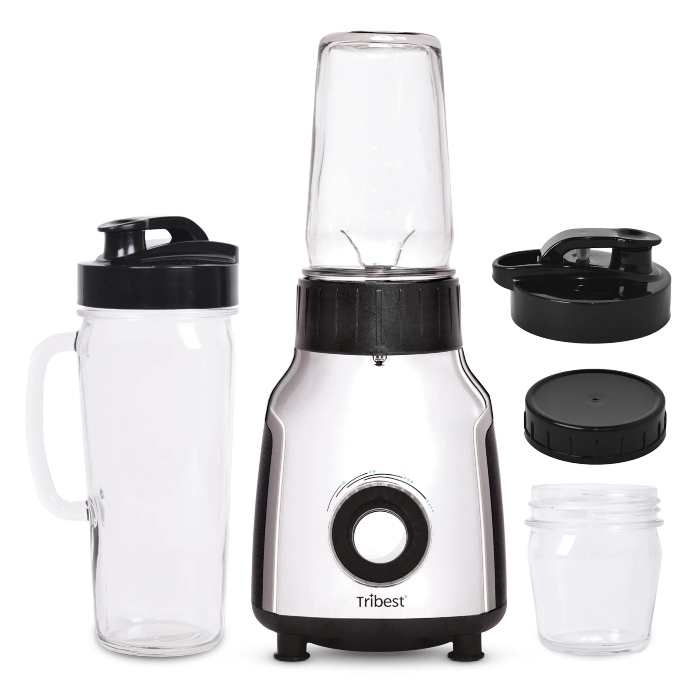
Tribest Glass Personal Blender
Photo Credit: Tribest
The Tribest Glass Personal Blender PBG-5050 makes clean blending easy and portable. The all stainless steel blade assembly and sturdy tempered glass blending containers with silicone-lined lids ensure that there is zero food contact with plastic. There is zero worry about any plasticizers or harmful chemicals leaching into your favorite recipe while you store it or take it with you. The Variable Speed Dial gives you maximum control over each blend and the One-Touch Pulse Button makes it easy for you to get the desired texture and that perfect consistency with the 4.5 amp motor. The Stainless Steel Blade Assembly comes apart for easy cleaning and is dishwasher-safe. The motor and blade clutch are made of stainless steel for added durability. The PBG-5050 includes an 8 oz, 16 oz, and 24 oz glass container to take care of all your on-the-go blending needs. There is a safety switch, it is BPA-free, and has a polished and sleek design. There is a 5-year warranty for household use.
Photo Credit: Tribest
For over 35 years, Tribest has been supporting customers with best in class tools to make healthy living easy. They provide quality products that will energize your life. They believe that everyone should have the right and be empowered to make healthy living decisions. All of the products they carry help to make healthy living easy. They have carefully chosen all of the products that they carry to make sure that you have the latest innovations and best products to help maintain a healthy lifestyle.
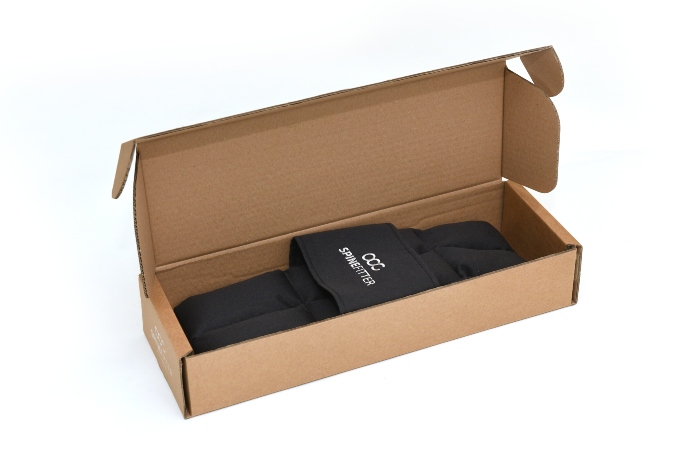
SISSEL Spinefitter
Photo Credit: Balanced Body
Working hunched over a desk all day can negatively impact your spine. SISSEL Spinefitter is an innovative physical therapy and training device with 28 interconnected balls that help relieve tension and improve joint mobility through deep pressure. Spinefitter by SISSEL enhances movement using deep pressure and open fibrous connective tissue in the spine, targeted body regions, and muscle groups. Designed to balance the energy and nervous systems, it targets the vertebral joints of the spine and helps decrease blockages through movement. New stimuli are released through supported joint positions and by challenging your balance and proprioceptive awareness. You can use SISSEL Spinefitter in physical therapy and myofascial release, and on your Reformer, Chair and Barrel as an effective tool to enhance your workouts. Check out these free videos with Master Instructor Alexander Bohlanger.
Photo Credit: Balanced Body
SISSEL Spinefitter comes in the colors anthracite and green, and it is made in Lithuania. The exercise guide and Spinefitter carry strap are included. SISSEL Spinefitter is sold in the US and Canada only. The max weight is 330lbs (150 kg). Those over 6 ft (2m) tall, use a folded towel or pillow as a headrest so that the entire spine is supported. Its ease of use and rapid results make Spinefitter a revolutionary training tool in the clinic, studio, and home.
SISSEL Spinefitter Linum
Photo Credit: Balanced Body
Used in combination with the Spinefitter, the Spinefitter Linum is a heating/cooling pad with linseed for targeted local treatment of the muscles near the spine. When heated, the Linum provides muscle relief to increase the effectiveness of your training. One must follow preparation instructions included. It is 100% cotton black cover. Used at room temperature, the Spinefitter Linum effectively diffuses pressure points for more sensitive patients. It may also be used chilled. SISSEL Spinefitter Linum is sold in US and Canada only.
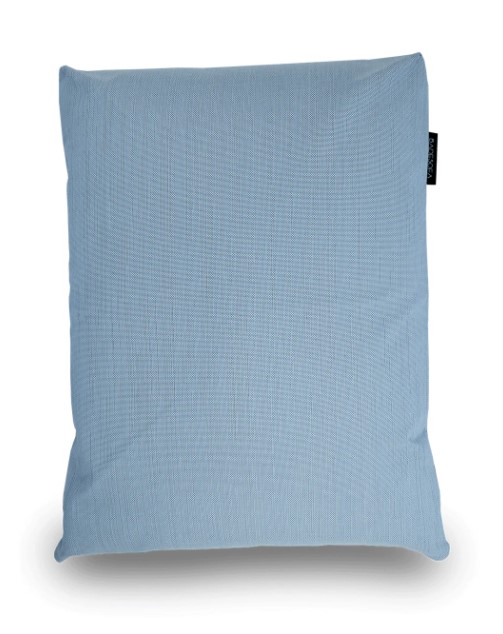
SISSEL Classic Pillow Plus
Photo Credit: Balanced Body
The SISSEL Classic Pillow Plus offers height adjustability with a removable Vario pad, and adapts to all shoulder widths, neck lengths and individual sleep preferences. Its innovative built-in ventilation system (with more than 90 ventilation channels) provides an ideal sleep temperature. It is recommended for neck/shoulder tension, tension headaches, and preventing curvature of the spinal column (for side sleepers). A proven best-seller, SISSEL Classic Pillow Plus is made of polyurethane foam which provides firmer corrective positioning and cushioning. The pillow’s unique edge design supports the shoulder when in a lateral position, thus relieving vertebrae and intervertebral discs. It is made in Sweden and includes a washable ecru velour cover. It is sold in the US and Canada only.
ErgoAV Motion Desk Mount for Single Monitor
Photo Credit: ErgoAV
The ErgoAV Motion Desk Mount for Single Monitor is a single monitor desk mount with built-in hub for monitors up to 34” and 22 lbs. Inputs include two USB-C, two USB-A, one HDMI port, one ethernet port, and one 3.5mm AUX. It supports up to 75W USB-C charging for laptops, phones, and tablets. There is 20W USB-C Power Delivery port for charging your phone or tablet. Use the USB-C Power Delivery port or USB-A 3.0 port to transfer files at up to 5 Gbps. You can stream media up to 4k resolution via the HDMI Port. There is 3.5 mm AUX output for earphones or other devices. The RJ45 Ethernet Port enables quick connection speeds of up to 1Gbps.
The ERDHM1-01B’s built-in cable management helps to create a streamlined look. Enhance your workspace with a sense of technology that complements today’s sleek monitor designs. There is flexible monitor placement 15″ of vertical adjustment, 360° of rotation, and 45° of tilt. Working from a desk at home will be much smoother with ErgoAV Motion Desk Mount for Single Monitor.
ErgoAV is a flagship brand from BESTERGO. BESTERGO under the brand of ErgoAV markets and supplies tabletop TV stands, TV mounts, furniture, desk mounts, TV carts, and other AV accessories to regional retailers, custom installers, and value-added resellers within North America. BESTERGO was founded in 2020 as a North American subsidiary of BESTQI, a leading vendor in the AV Accessory category. BESTERGO is an accessory supplier with a feedback-centric focus. They strive daily to uphold their core values of integrity, compassion, continuous improvement, innovation, and enthusiasm.
BADESOFA Back Bath Pillow
Photo Credit: Badesofa
BADESOFA Back Bath Pillow is a revolutionary water-resistant cushion. An innovation for total comfort from head to toe, the BADESOFA Back Bath Pillow will provide immense comfort while enjoying a bath in the tub after an arduous day of work. Enjoy sofa-style relaxation and therapeutic support for your head, neck, and back. Complete the set with optional foot and seat cushions, setting a new relaxation standard.
There is no slipping or floating with the BADESOFA Back Bath Pillow. It maintains shape and position during use. CleanDry+ Technology prevents waterlogging, It is UV-resistant for outdoor use, and compatible with most bath salts and oils. The cover and inner pillow are washable separately. Opt for the complete bath sofa set (including back, foot, and seat cushions) or customize to fit your tub. The material of the pillowcase is 72% polyvinyl chloride, 20% polyester, and 8% synthetic fiber. The inner cushion is 100% polyester. For the sand weight, the filling is 10 times cleaned quartz sand and the cover is 100% neoprene.
Photo Credit: Badesofa
In a complex process and after consulting various experts, the BADESOFA team developed the first BADESOFA bath cushion in a small kitchen in Cologne, Germany. With an innovative design, the bath cushion represents an absolute novelty in its combination of form and functionality. BADESOFA pursues a zero-waste strategy when cutting their fabrics. In addition to their successful participation in the German edition of Shark Tank in 2021, they have already received several design awards for their products.
Cozy Earth Linen Bamboo Sheet Set
Photo Credit: Cozy Earth
Are you ready for a refresh this spring? Leave it to this limited edition Linen Bamboo Sheet Set to spruce up your space. With an effortlessly luxe aesthetic, Cozy Earth’s unique Linen fabric will carry your bedscape beautifully into the spring season. Each set includes a top sheet, fitted sheet, and two pillowcases. The Linen Bamboo Sheet Sets come in a wide array of beautiful colors.
Photo Credit: Cozy Earth
The fitted sheet fits well on both regular and deep pocket mattresses up to 20”. The Split-King Sheet Sets include 1 flat (top) sheet, 2 Twin XL fitted sheets, and 2 King Size Pillow Shams. The sheets are 70% viscose from bamboo and 30% linen.
Photo Credit: Cozy Earth
Designing products with a purpose includes the Cozy Earth team having their hands in each step of the production process — responsibly sourcing materials and manufacturers that support their conscious decision to create high-end, eco-friendly products.
Cozy Earth Bamboo Sheet Set
Photo Credit: Cozy Earth
The difference can truly be felt with Cozy Earth’s best-selling Bamboo Sheet Set made from 100% premium viscose from bamboo. Featuring an oversized fit and gentle drape, their temperature-regulating sheets are uniquely soft and only get softer with every wash. The Bamboo Sheet Sets are offered in many gorgeous colors.
Photo Credit: Cozy Earth
Each set includes 1 flat (top) sheet, 1 fitted sheet, and 2 pillowcases. The Split-King Sheet Sets include 1 flat (top) sheet, 2 Twin XL fitted sheets, and 2 King Size pillowcases. The King, California King, and Split King sets come with king-size pillowcases. The sheets fit well on both regular and deep pocket mattresses up to 20”.
Cozy Earth Premium Plush Bath Towel Set
Photo Credit: Cozy Earth
Small business owners can elevate their bathing experience with Cozy Earth Premium Plush Bath Towel Set. This thoughtfully curated set includes two bath towels, two hand towels, and four washcloths meticulously crafted from a blend of viscose from bamboo and cotton.
Photo Credit: Cozy Earth
Luxuriously soft and highly absorbent, these towels will bring a touch of luxury to your daily routine, enveloping you in comfort and style. They are 60% cotton and 40% bamboo viscose. Cozy Earth Premium Plush Bath Towel Set will feel plush against your skin after a nice, relaxing shower at the end of a workday.
Cozy Earth Loop Terry Bath Mat
Photo Credit: Cozy Earth
Transform your post-shower routine as you step out onto the Cozy Earth Loop Terry Bath Mat. Plush, soft, and exceptionally absorbent, this mat not only will pamper your feet, but it will maintain the cleanliness and aesthetics of your bathroom. It is the ideal fusion of practicality and style, featuring beautifully textured terry loops on both sides.
Photo Credit: Cozy Earth
You can choose from three sizes to find the perfect fit for your private oasis. It is 60% cotton and 40% bamboo viscose. It wicks away water and is available in a small: 20″ X 31″, a medium: 22″ x 45″, and a large: 24″ x 60″ size. Stepping out of your bathtub or shower will be a pleasant experience with the Cozy Earth Loop Terry Bath Mat.
tuft + paw Zip Scratching Post
Photo Credit: tuft + paw
Keep your cat healthy and entertained as you work from home this spring. As a modern take on the classic scratching post, the tuft + paw Zip Scratching Post is the right height for full-body stretching, covered by sisal carpet for a satisfying scratch. Rest easy knowing the tightly-woven sisal covering is safe and durable for heavy daily use. A wide base provides exceptional stability for even the most active and energetic cats. There are no exposed carpet edges or staples, it has a solid wood cap at the top and base, and is a solid construction. The materials are premium plywood with ash or walnut veneer, and woven sisal carpet. It is suitable for all cats. The assembly of the tuft + paw Zip Scratching Post takes five minutes.
Photo Credit: tuft + paw
At tuft + paw, they have a simple mission: make the most thoughtfully designed, high-quality products for cats and their people. They believe that less is more. They don’t add unnecessary frills or gimmicks, just carefully curated pieces that complement your home and bring joy to your cat.
ZoomBroom Golf Breeze
Photo Credit: ZoomBroom
Many golf enthusiasts will dust off their clubs and venture on to the green once springtime comes around. The ZoomBroom Golf Breeze is a lightweight, powerful cordless stick blower that is the perfect accessory for all of your on-the-go activities. Oftentimes, golfers will have to bend over and pick up and move debris, causing the game to take longer and stalling other players. You can use the Golf Breeze on the golf green to clear the path to the cup, for your RV mat, or to quickly clean off the pickleball court. The Golf Breeze recharges fast and stows in your golf bag alongside your clubs for easy access.
Photo Credit: ZoomBroom
The lightweight cordless stick blower has all of the same features as the ZoomBroom F2, but without the ergonomic handle. The Golf Breeze is permitted under the Rules of Golf (see Rule 15.1). It has a slim handle with a comfortable grip, is under 2 lb. with battery, is easy to charge with battery in-place (charger included), and has turbo power for the toughest debris. This wonderful tool has up to 25 min. standard battery life and over 13 min. full turbo battery life. There is plenty of battery life for several rounds of golf. A 12-volt car charger is available. The Golf Breeze comes with a 2-year warranty.
Photo Credit: ZoomBroom
It was a fall day in September. “Too bad we don’t have a leaf blower that fits in our golf bag,” said one player to Randy Kuckuck, the developer. And born was the idea for a 2-pound, powerful and portable leaf blower to fit into a caddy with golf clubs. Founders and inventors, Randy Kuckuck and Kevin Newcomer are committed to making the ZoomBroom products the next high-quality must-have tool.
Paynes Gray Redmont Wood Wall Clock
Photo Credit: Paynes Gray
Paynes Gray offers eye-catching furniture, lighting, rugs and decor in all on-trend styles. Started by two female co-founders who previously worked together in the online retail space for 10+ years, Paynes Gray was started in 2018 and has taken off ever since. The co-founders drew inspiration from the color wheel to offer a fresh perspective on online furniture shopping, with top designer brands such as Accent Decor, A.R.T. Furniture, Arteriors Home, Bella Notte Linens, Crystorama Lighting, Currey & Co, Ethnicraft, Four Hands, Hudson Valley Lighting, Jonathan Adler, Justina Blakeney, Kashwere, Loloi Rugs, Mitzi Lighting, Noir, Regina Andrew, Surya Rugs, TOV Furniture, Villa & House, Worlds Away and many more.
The Redmont Wood Wall Clock will be a stunning piece of decor in the home. It is 20″Dia x 2″D, has brown and brass colors, is made from mango wood and brass, and is a standard clock. Double A batteries are not included. Consider refreshing the home this spring by displaying the Redmont Wood Wall Clock as a stylish focal point in a room. Paynes Gray strives to offer quality designer brands and unique affordable finds for every stage of life and for every budget with free shipping, a unique trade program, and easy returns.
Year & Day Big Plates and Small Bowls
Photo Credit: Year & Day
Year & Day researched the finest materials, heritage production methods, and responsible manufacturing possibilities, and then found partners to make table settings to suit the years, days (and dishwasher loads) of your life.
There is beauty in utility. Year & Day’s minimalist Big Plates are just right for the entrepreneur’s breakfast, brunch, lunch, dinner, midnight snack, and everything in between. Their rimless, coupe-style simplicity will delight the user all day long. They are available in multiples of four.
Year & Day Big Plates are rimless, coupe shape, elegant and have a durable semi-matte glaze finish. They present elemental simplicity for the years, days and dishwasher loads of modern life. They come in many beautiful colors, including Moon, Lagoon, Fog, Midnight, Daybreak, Palm, Canyon, and Dune. They are safe for the dishwasher, freezer, microwave, and oven up to 480°, and are 10.7 inches diameter and 1.2 inches tall.
Photo Credit: Year & Day
Business owners can also use the Small Bowl in the morning for cereal, yogurt, grains, or even ice cream. They are available in multiples of four. Year & Day Small Bowls are elegant and have a durable semi-matte glaze finish. They are made in Portugal using locally-sourced clay, and single-fire production reduces emissions.
Year & Day Small Bowls come in a range of colors, including Canyon, Moon, Fog, Midnight, Daybreak, Palm, Lagoon, and Dune. They are safe for the dishwasher, freezer, microwave and oven up to 480°. At 6 inches in diameter and 2.8 inches tall, they are the perfect size and will look very classy on the dining table during work get-togethers.
Viking Culinary Blue Carbon Steel Fry Pan
Photo Credit: Viking Culinary
Viking has been leading the way in professional-grade range cooking for almost 40 years, and have expanded the Viking kitchen experience to include professional quality culinary products. Viking offers state of the art cookware, cutlery, food prep, and kitchen accessories which offer the quality and performance expected by professional chefs, but are designed for use in the home.
For those who like cooking with cast iron but love the versatility of a clad stainless steel pan, shop the Viking Blue Carbon Steel 2-piece Fry Pan set. Featuring both a 10-inch and 12-inch size for added versatility, this fry pan set is made of carbon steel, an alloy that is a combination of iron and carbon. The “Blue” in “Blue carbon steel” references a heat treatment process to help resist rust and corrosion. Stay-cool cast iron handles securely attach to the pans with heavy duty rivets for confidence in construction and a lifetime of use.
With blue carbon steel, you’ll have a pan that is noticeably lighter without sacrificing performance. And like cast iron, blue carbon steel also heats quickly and evenly, reducing the risk of hot spots from occurring. Blue carbon steel is also prized for achieving high temperatures quickly without fear of damage occurring to the pan itself. This top-notch pan will make cooking from home truly feel like a cool blue breeze.
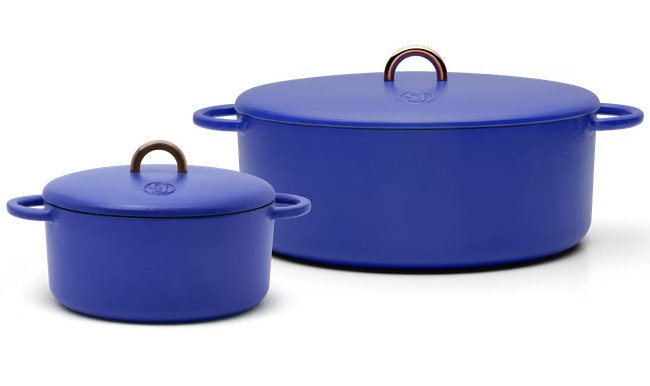
Great Jones Double Dutch
Photo Credit: Great Jones
Get the best of both worlds with the two-piece set of Dutch ovens. The Dutchess, Great Jones’ 6.75-quart enameled cast-iron Dutch oven, is perfect for family-style cooking (it fits a whole roast chicken). Their round, 3.5-quart Dutch Baby is ideal when you’re making a side dish, or just cooking for yourself and a pal. Plus, Dutch Baby nests perfectly inside The Dutchess for easy storage. It is safe for all stovetops (including induction), you can choose between six matte colors to match your style, and the fact that Dutch Baby nests inside The Dutchess save space!
They are oven-safe up to 500 degrees and dishwasher-friendly. Hand dry thoroughly after running a cycle. To prevent staining, wipe down the exterior of Dutch Baby and Dutchess before placing them in the oven. The home worker will love using Great Jones Double Dutch when trying out new tasty recipes.
Riedel Happy ‘O’ Tumblers
Photo Credit: Riedel
This year Riedel, a 268-year old heritage glassware brand, is celebrating the 20th anniversary of its pioneering stemless ‘O’ wine glass collection. Riedel’s set of colorful Happy ‘O’ Tumblers are an evolution of the original series and are available in a palette of 4 rich jewel tones, including pink, green, yellow, and blue. The set’s bright hues and fuss-free shape make them multi-functional for your favorite wines, mixed cocktails, mocktails, water, other beverages, and even breakfast parfaits. The Happy O Set features color only in the base of each tumbler, so they don’t interrupt the appearance of your beverages.
These timeless tumblers will add a functional pop of color to the kitchen this spring. These glasses are dishwasher-safe and machine-made. Their joyful design makes them the perfect companion for parties, picnics, or everyday enjoyment. Designed in 2004, Riedel The O Wine Tumbler was the first varietal-specific wine tumbler in history. O is an innovative take on the casual wine glass, based on the benchmark shapes of Riedel’s Vinum series. Riedel’s Happy ‘O’ Tumblers can be found on Riedel.com or Amazon.
Bear Bottom Bliss Cookbook
Photo Credit: Laura Orrico, President of Laura Orrico Public Relations, LLC
Are you a home business owner seeking culinary inspiration or aiming for quality family time in the kitchen? Robbie Shoults, celebrity chef, pitmaster, and third-generation owner of Bear Creek Smokehouse, has worked collaboratively with his mother Ms. BeeBee Shoults, to curate the iconic Bear Bottom Bliss Cookbook, seamlessly blending 80 years of beloved generational recipes with exciting new culinary creations.
Robbie Shoults. Photo Credit: Laura Orrico, President of Laura Orrico Public Relations, LLC
The Shoults family has dedicated their life to Food, Family, and Faith. This book encompasses that motto in a 200+ page “coffee table” style cookbook. Over 70 years worth of family recipes that have been handed down from generation to generation. The rich history of the area where Bear Creek Smokehouse is also an integral part of the story this cookbook tells. This book includes an array of recipes that include soups, casual entertaining, and tons of desserts. After a long day of the usual business tasks, pull out this wonderful cookbook and cook up a tasty and comforting dish for your family.
Robbie Shoults, Ms. BeeBee Shoults, and Tracy. Photo Credit: Kevin Green, the Bear Creek store manager
Robbie has been a five-time guest judge on Beat Bobby Flay, featured on NTD News, CBS, Huckabee, The List, WGN, the TODAY show, Rachael Ray, and Bear Creek’s recipes and his contributions have been featured in national publications such as Taste of Home, Meat + Poultry, HuffPost, NBC News, Martha Stewart, Mashed, Yahoo.com, The Food Network, and regularly in Eat This Not That.
NOVICA Striped Throw Blanket, “Joyous Amethyst”
Photo Credit: NOVICA.com
Thick threads in joyous colors of amethyst, aqua, rose and lime green become a richly textured throw. By Seema in India, this beautiful textile is a brilliant accent in any setting. Guests will find the throw to be a dazzling decorative piece in your living room. You can also brighten up your bedroom decor with this amazing throw. The Joyous Amethyst throw is 1.3 lbs, 66″ L x 57″ W, its fringe is 4.3″ L, it is 100% acrylic, and is dry clean only. It is a hand-crafted item. The color, size and/or motif may vary slightly. Made in India, it is certified and shipped by their office in India.
Photo Credit: NOVICA.com
Since 1999, NOVICA has grown to become the world’s leading fair trade marketplace, empowering hand-picked master artisans in remote regions of the globe by showcasing and selling their products directly to retail customers everywhere through its vast network of Artisan Empowerment Hubs. Moreover, NOVICA also provides a gift wrapping service, providing truly exquisite, region-themed gift wrapping while ensuring speedy delivery from the far reaches of the globe.
Based in Los Angeles, NOVICA.com showcases a curated collection of handmade jewelry and apparel, unique gifts and exquisite decor, helping artisans share their cultural heritage through distinctive craftsmanship and personal stories. With a commitment to fostering sustainable practices and preserving traditional art forms, NOVICA.com is a celebration of cultural diversity and beauty.
Big Ass Luxuries
Photo Credit Steph Sorensen
Big Ass Luxuries is a brand that started out of Dallas, Texas during COVID when Founders Chloe and Trent Mervine discovered a gap in the candle market. They felt empowered to create a new product to fill the void by bringing larger than average, aromatic, long-lasting candles while at a price point that is justifiable for a luxurious household item. Big Ass Luxuries sells two sizes of candles that are more burn for your buck! The 150 oz candle with a 300-500 hour burn time sells for $179.00 and the 300 oz candle with a 750-1000 hour burn time sells for $284.00. Plus every candle is made of a coconut-soy wax blend, 100% organic cotton wicks, hand-poured in Dallas, TX, not tested on animals, vegan, and free of dyes, phthalates, parabens, and sulfates!
Photo Credit Steph Sorensen
A candle can warm up a home in the winter, freshen up a room in the spring, and may enhance physical and emotional well-being in every season. Big Ass Luxuries candles are a versatile product that can be gifted and loved year round. The larger than average candles are guaranteed to make a statement and ooze luxury wherever you choose to burn it.
Photo Credit Steph Sorensen
Big Ass Luxuries would be a great product to add to the home this spring. With the wide array of scents and organic manufacturing processes, the candles are truly unique and unlike any other. Connect with Big Ass Luxuries on Instagram.
Kitten D’Amour ‘Butterfly Meadow’ Cushion
Photo Credit: Kitten D’Amour
This spring-themed decorative pillow is the perfect way to freshen up your living room space this spring season. Add a touch of springtime to your home with the beautiful ‘Butterfly Meadow’ Cushion! Designed by Kitten D’Amour in their limited-edition ‘Butterfly Meadow’ fabric, this gorgeous cushion is a limited-edition print which features a variety of stunning flora and garden wildlife and is edged in a beautiful polka dot and red trim, encased in a soft pink ‘Kitten D’Amour’ outer layer and an additional black and white piping. Each Kitten D’Amour Cushion features a zip closure and a beautifully plump insert. Kitten D’Amour has only created 50 pieces in this beautiful design. The height is 45cm and the width is 45cm.
Photo Credit: Kitten D’Amour
Kitten D’Amour is an Australian women’s fashion and lifestyle brand founded in 2003. The line features feminine touches and ethically-sourced fabrics in their vintage-inspired designs. In efforts to combat fast fashion, the brand functions on a limited collection basis and has even attracted celebrities like Lady Gaga, Britney Spears, Pink, and the Pussycat Dolls. Connect with Kitten D’Amour on Instagram.
Candier Donut Worry Be Happy Candle
Photo Credit: Candier
These fresh home fragrances feature light spring scents and playful messages that serve as a great midday pick-me-up. They will freshen up the space and bring joy to the home’s inhabitants. Candier is the ultimate sustainable candle and accessory brand with a side of sass. With a variety of playful candles and accessories, including charm bracelets, key chains, matches and more, Candier is on a mission to inspire good vibes through empowerment and self expression. Candier’s flagship candles are poured in the U.S. with pure, natural soy wax and are cruelty-free blended with essential oils. Initially started as Ryan Porter, a cult personalized jewelry brand, Candier was launched in 2016 as the retail-ready sister brand focusing on accessories and home fragrance. Candier is now a fan-favorite at large retailers including Nordstrom, Amazon, Ulta, and Urban Outfitters and has collaborated with major brands including Disney, Tinder and Victoria’s Secret. Connect with Candier on Instagram.
The Park Pack from Uncharted Supply Co.
Photo Credit: Uncharted Supply Co.
This spring, it’s time to go on an adventure. The Park Pack from Uncharted Supply Co. is the everyday adventurer’s must-have pack. It is designed for the biker, hiker, fisherman, hunter, trail runner or all-around explorer in your life — perhaps that adventurer is you! The Park Pack delivers the protection one needs, without interfering with the pure experience of an adventure. The hip pack is lightweight and narrow and the wide hip straps provide lower back support and very little ‘flop.’ Both hip straps feature MOLLE straps, allowing both water bottle holders to detach, leaving room for alternative add-ons such as bear spray, a fishing net, etc. The Park Pack’s cube-like design is aerodynamic, letting you move freely with equally distributed weight on both hips.
Photo Credit: Uncharted Supply Co.
Inside the pack is a slim pocket fitted perfectly for their Triage Kit — covering your first aid and gear repair essentials. This product is sold separately. The Park Pack’s waterproof construction (600D Tarpaulin + YKK water-resistant zipper) assures that gear will stay dry so the adventure can continue, rain or shine. After a long work week, it’s nice to get away and go for a long hike. The Park Pack will ensure all-day comfort while breathing in fresh mountain air and taking in scenic views.
Surebonder Electric Hot Glue Skillet
Photo Credit: Surebonder
Complete any craft or household project that would be made easier by directly dipping elements into melted glue. The Surebonder Electric Hot Glue Skillet speeds up wreath-making projects that might otherwise be time-consuming. With a simple four-step process, adhere items to wreaths in no time. Add skillet glue, heat the skillet, dip the material, and place it onto the project. It comes in a vibrant Surebonder green color. The lid is not included.
Photo Credit: Surebonder
Use Surebonder B-2001 Skillet glue pellets to keep melted glue less stringy. Surebonder can be found at the following retailers: Hobby Lobby, Michaels, JOANN, Walmart, Amazon and Blick.
The Cupro Collection presented by Margo Paige is a new and innovative textile created in Japan that utilizes a closed-loop production system, meaning waste created during the production process is reused in the production of additional products. Cupro itself is made from small cotton fibers, and is a byproduct from the typical use of cotton, preventing even more waste from being generated.
The Cupro Collection is well-loved due to its versatility. The clothing items have a silky feel with a durable finish. Cupro Collection is a strong textile and will hold up over many wears and uses, across a range of activities, while still looking and feeling smooth and silky. It’s the ideal textile for casual or dress wear for a seasonless closet. Cupro Collection can be the go-to for different types of business functions. The best part? It’s washable! No dry cleaning is necessary! This is the perfect gift for updating your wardrobe this spring.
Matter
Photo Credit: Matter
We all love the convenience of single use products, but considering the impact plastic has on our world, we need to make it Matter! Small lifestyle changes can make a big difference in helping the environment. Converting to compostable single-use products means setting and keeping our sustainable goals achievable. It is a great way to feel good about the positive choices we make daily. Matter’s single-use products are made from plants and natural fibers, so you’re using items made from nature that will return to nature. If certified for home composting. Your backyard compost pile or bin is perfect for putting Matter items. Matter is available on Amazon, Walmart, Target and more.
Moss Pure
Photo Credit: Jamie Mitri, Founder and CEO of Moss Pure
Moss Pure was created at a startup competition at MIT (MIT Lebanon Challenge) in June 2020 where it won First Place Startup. The company went on to participate in the United Nations Development Programme, where it won Top 10 Startup in August 2020. During the MIT Lebanon Challenge, Jamie Mitri, Founder and CEO of Moss Pure, realized that live moss has tremendous health benefits. Most moss wall and décor companies use preserved moss or dried moss, which are no longer living. Preserved moss doesn’t last a long time and cannot provide health benefits that living moss can provide. Moss Pure was created. Moss Pure is the world’s only company to use live moss as an air filter, stress relief device, and aesthetically pleasing decor piece for your home and office. No watering, sunlight, or maintenance is needed.
Photo Credit: Jamie Mitri, Founder and CEO of Moss Pure
Moss Pure’s live moss lives indefinitely within their patent pending design. It’s important to note that they are not just adding live moss to a frame or decor piece. If you were to just add live moss to a decor piece, it wouldn’t live for more than a few days and it wouldn’t be an air filter. It’s their patent pending and award-winning science that allows Moss Pure to create a live moss air filter that doesn’t need watering.
Photo Credit: Jamie Mitri, Founder and CEO of Moss Pure
Moss Pure has been tested for air quality by a certified U.S. laboratory. Each square foot of their live moss air filters capture 30% of carbon dioxide and toxic pollutants, including dust and allergens, within minutes. Their live moss air filters come as framed moss wall art and tabletop moss decor such as The MossPure Minis, the The Glam Moss Bowl, and the Live Mood Moss Tray in White, The MossPure Minis were featured as part of Oprah Daily’s Graduation Gifts They’ll Actually Use and is a popular decor piece that will give your space a unique, creative pop of color.
Photo Credit: Jamie Mitri, Founder and CEO of Moss Pure
Moss Pure is an award-winning company, creating a synergy between science and aesthetically pleasing design. Moss Pure was just named as 2023’s Best Living Wall Solutions Provider in the US by Corporate Vision and 2023’s Most Innovative Biotechnology and Life Sciences Company by the Providence Business News. For more information, please visit www.mosspure.com.
Manga for Success
Photo Credit: JMA Management Center Inc.
A popular and time-honored tradition in Japan is now coming to the U.S. market. Manga, printed anime cartoons long popular in its country’s entertainment and business media (and among U.S. anime fans), will soon make inroads in American business publications thanks to JMA Management Center and Wiley. English-language business/self-help books are now available via Amazon on topics such as Managing Change and Business Problem-Solving & Strategy.
The lively and aesthetically-pleasing Manga drawings appeal to younger generations accustomed to only reading online and not normally drawn to business literature. They are perfect for starting springtime with a fresh, simpler approach to business learning, especially for younger people who have had difficulty absorbing traditional business books.
Nano-Ojas Sinus Spray
Photo Credit: Nano-Ojas
Whether it’s seasonal allergies, toxin exposure, upper respiratory illnesses, everyday congestion, or the discomfort of a dry indoor environment, it seems everyone is dealing with some sort of sinus issue these days. Introducing the Nano-Ojas Sinus Spray, a convenient, nourishing solution designed to provide quick and effective relief no matter the season. Key features include: All-Season Relief, Advanced Nanotechnology, Natural Ingredients, Convenient Application, and more. The relief you’ve come to expect from Nano-Ojas is still just a spray away! Discover the freedom of clearer nasal passages and healthier sinuses with the new All-Season Nasal Support. Nano-Ojas Sinus Spray is available on Amazon.
Unbound Glo
Photo Credit: Unbound Glo
Spreading positivity and mental health awareness is easy with Unbound Glo’s cruelty-free, eco-friendly candles. Great for those with fragrance sensitivities, these candles are paired with music (a QR code links to a Spotify-curated playlist), creating a relaxing ambiance, curated for each candle, to amplify your senses. Unbound Glo creates feel-good smells for all, featuring mood-boosting functional fragrances. The woman-owned small business elevates spirits and creates a warm, positive atmosphere for good times and quiet moments. Once done with your Unbound Glo candle, reuse the jar or return the empty, clean jar to them and receive a 15% discount on your next order. Unbound Glo is available on ShareASale.
Vitamin C Shower Filter from VOESH NY
Photo Credit: VOESH NY
Spring is on its way! Rejuvenate your skin from the winter cold with VOESH NY products. Your body and feet will be thanking you for the moisture it was needing. The Vitamin C Shower Filter from VOESH NY includes vegan probiotics. It will strengthen and regenerate the skin barrier and reduce bad bacteria. It contains Vitamin C and removes chlorine and residual impurities from hard water to protect skin and hair. It also contains oatmeal powder which will soften and soothe dry or itchy skin. It lasts up to 110 showers. Vitamin C Shower Filter from VOESH NY retails for $29.00 from Amazon. It will be difficult to exit your shower after transforming it into a relaxing spa!
Pedi Moments Lavender Relieve from VOESH NY
Photo Credit: VOESH NY
Pedi Moments Lavender Relieve from VOESH NY is a luxurious pedicure kit. This all-in-one spa pedicure kit is infused with natural lavender extract to soothe and calm one’s skin. It includes one detoxifying sea salt soak, one exfoliating sugar scrub, one cleansing mud masque, one hydrating massage butter, and one dual-grit nail file which will smooth and shape nails. Pedi Moments Lavender Relieve retails for $7 from VOESH NY. They are not just another ordinary skincare brand — VOESH NY are vegan, cruelty-free, safe, and trustworthy. Their mission is simple: to make spa care healthier, safer, cleaner and more enjoyable for spa professionals and beauty enthusiasts…because everyone deserves to look and feel their best.
Hyve Household Cleaners
Photo Credit: Hyve
Clean up your home and protect the environment! Hyve is a truly non-toxic, probiotic-powered, natural line of household cleaners. They know non-toxic, but what sets hyve apart is the probiotics. Much like our gut microbiome, our homes’ microbiome also needs the beneficial and the harmful bacteria to maintain its health. Shreya Patel, the brains and creator of hyve, comes from a background in chemistry and biology, as well as healthcare. Hyve is a passion-driven project for Shreya. Education is extremely important to her, as she hopes hyve can help alleviate the toxic loads we are currently experiencing in our homes. She has a passion for the planet and is fascinated by finding the best products for the health of herself, her family and the environment.
Photo Credit: Hyve
Hyve has three products. Drain Duty is a water pipe maintainer that is using the good bacteria to get through the biofilm that builds up in a drain and causes backups.
Photo Credit: Hyve
Main Squeeze is a bathroom, kitchen sink + sponge cleaner. Spray this at the end of the night and let the probiotics get to work. Overtime is the multi-surface cleaner. It is used everywhere. Consider implementing hyve products in your routine cleaning activities for a cleaner, greener home.
Canary Concentrated Foaming Hand Soap
Photo Credit: Franz Skincare
Do not underestimate the value of a good hand washing session to help kill the germs! Plastic-Free soap slices get dropped in a glass bottle — then just fill it up with warm water, wait an hour and then start using the fluffiest clouds of foaming soap ever. This natural, sustainable solution dramatically reduces plastic waste in your home, as each compact 3 oz bar yields 12 bottles of invigorating foaming hand soap that smells amazing and contains no toxins or chemicals. Canary Concentrated Foaming Hand Soap is available in Cedar Mint and Fir Needle + Sage scents.
Photo Credit: Franz Skincare
Canary was born out of a desire to make the purge of plastics fun, accessible and unexpected with conscious personal and home care products. They take an unconventional approach to inspire consumers to think twice about the products they bring home. Reduce plastic use and level up what’s in the bathroom and home with Canary Clean Products. They are a 100% vegan, SLS-free, paraben-free, plastic-free and cruelty-free brand, and the products are designed, formulated and packaged in America, in beautiful Utah.
M&J Games — What’s Next? A Life Sized Drinking Game
Photo Credit: M&J Games
Raise your cup and elevate the mood with this hilarious party game designed for adults ages 21+. What’s Next? A Life Sized Drinking Game includes 25 foam tiles, 1 large die, 1 mesh bag, and the game piece is you! Your aim is to be the last person standing and the first one to pass tile 24. Set up the house party game tiles, roll to start, take the number of steps on the die, and do the task or get buzzed! Let the good times roll playing What’s Next? with your friends! Enjoy a laugh and a unique experience playing activity card party games for an adult party by M&J Games. What’s Next? A Life Sized Drinking Game is available on Amazon.
Advertisers attempting to export reports from Google Ads Report Editor are experiencing issues where the data is showing zeros instead of the actual numbers. Google is aware of the issue and is working on a fix to resolve it, but there is not estimated time for a fix at this time.
What is the issue. Greg Kohler, aka PPCGreg posted a screenshot of a sample report export filled with blank data and/or zeros. Here is that screenshot:
There are numerous reports on social media and in the various advertiser forums of complaints about this issue.
Google response. Google’s AdsLiaison, Ginny Marvin, responded saying, “The team is aware. I don’t have a timeline to share but they’re investigating this.”
Here are some of those responses:
Hi Greg, Thanks for flagging. The team is investigating this issue.
Why we care. If you are trying to do some reporting, reporting for clients or for yourself, you may be out of luck when using Google Ads Report Editor. For now, use the main Google Ads interface to view and export your data. Also, the Google Ads API may also be functioning properly.
So if you need the data now, stay away from the Google Ads Report Editor and use other reporting views. Or wait until Google fixes the issues with the Google Ads Report Editor. We will update this story when it is resolved.
Fixed. I am hearing reports that this was fixed at around 2:15 pm ET:
With these changes, Pandu Nayak is stepping down as lead of search quality and ranking and will become Chief Scientist of Search. In another change, Cathy Edwards is moving to the Long-term Bets team in Knowledge and Information.
What Google said. A Google spokesperson sent Search Engine Land the following statement:
“We’re pleased to share that we’re unifying the Search org under Liz Reid – a longtime and well-respected leader at Google with deep product and technical knowledge. We have great momentum in Search, with recent improvements in search quality, new ways to search like Circle to Search, and features using gen AI to help with even more complex questions. For example, SGE, still only a Search Labs feature, has already been used for billions of queries. We’re excited to bring our Search teams together under her leadership.”
Liz Reid. About three years ago, Reid was appointed to lead of core search experience by Prabhakar Raghavan. She will continue to report to Raghavan in her new role as head of Search.
Reid joined Google in 2003. She is credited as one of the earliest pioneers of Google Maps and Local Search and helped Google redefine modern-day mapmaking with AI. Reid was also the first female engineer in the company’s New York office.
Reimagine how people navigate and understand information with generative AI including Search Generative Experience.
Liz Reid posted on LinkedIn saying, “Today, I’m taking on a new role leading Search, and am humbled by the opportunity to shape the future of this important product.” You can read her full message over on LinkedIn.
Cheenu Venkatachary. Venkatachary will lead the Google Search quality and ranking teams, taking over Nayak’s role. Venkatachary originally worked at Google from May 2013 to December 2014, then left for a company that was acquired by Apple. He returned to Google in October 2022.
Pandu Nayak. Nayak is becoming Chief Scientist, Search, where he will continue to advise and focus on technical challenges in Search. Google told us that he will remain deeply involved in Google’s broader efforts around content understanding, ranking and exploring how new AI technologies can enhance Google Search.
Google credits Nayak as the foremost expert on algorithms, ranking and information systems. Nayak is Google’s most recent inductee to the National Academy of Engineering.
Cathy Edwards. Edwards who led Google Apps, News, Discover and ecosystem efforts in 2021, is moving back to Australia and will join the Long-term Bets team. Edwards, the co-founder of Chomp (which was acquired by Apple) will help incubate new product ideas in partnership with leaders across Knowledge and Information.
Why we care. How this may impact Google Search and overall search quality remains to be seen. Google often makes high-level changes with its executive teams, and people move on. I am sure there will be a lot of speculation on why these moves are being made but overall, it seems like really smart and respected individuals are filling in the roles of those who are moving to other roles within the company.






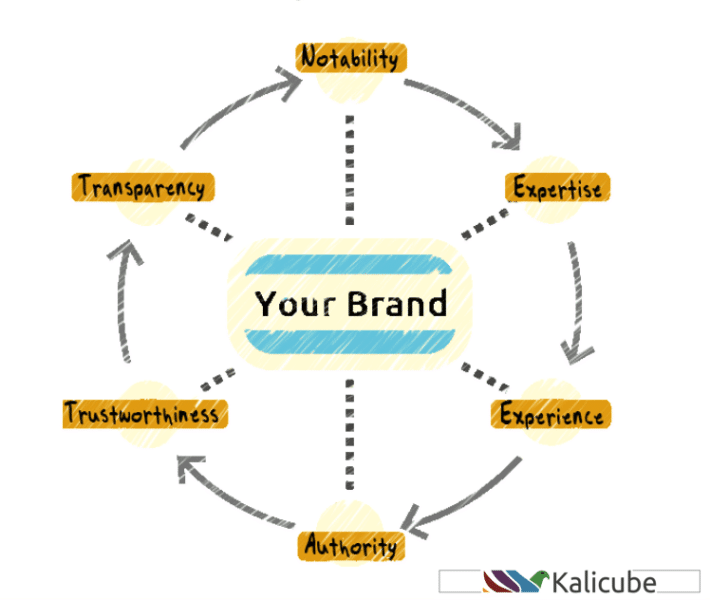
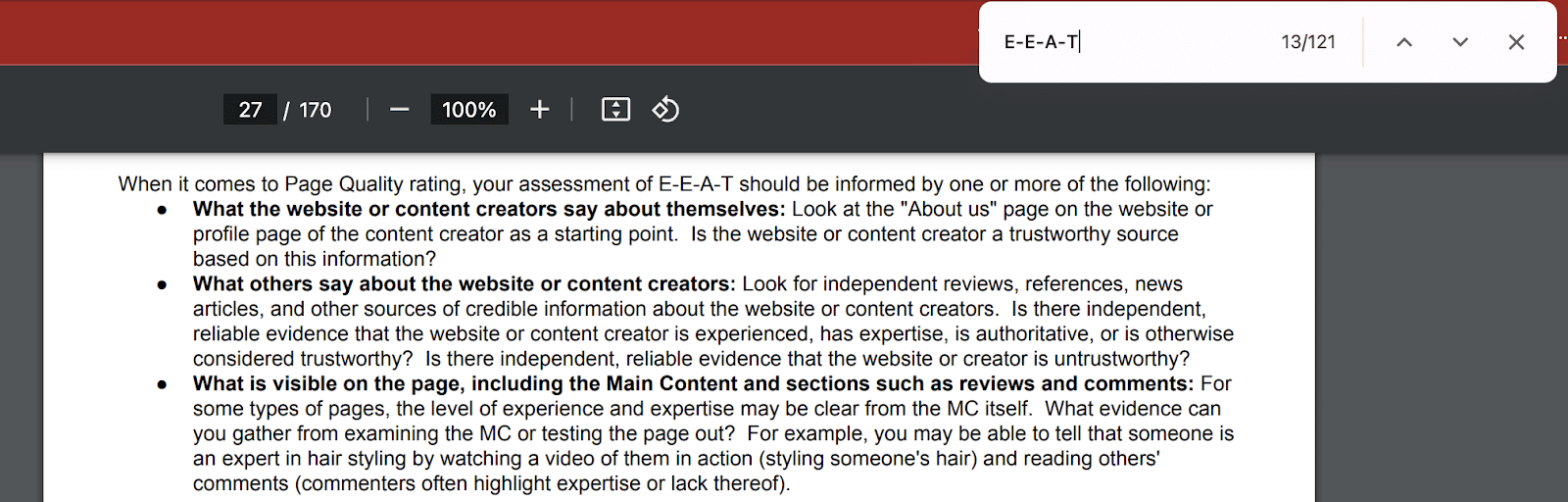
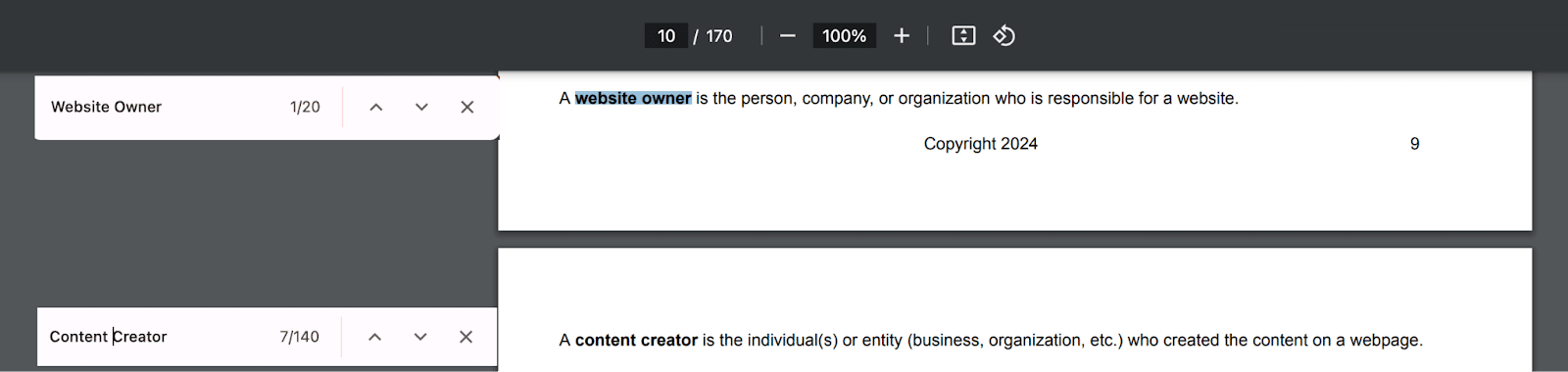





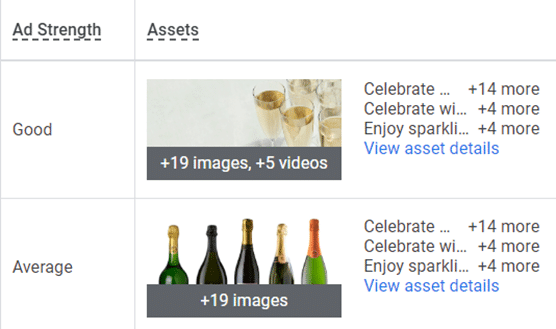


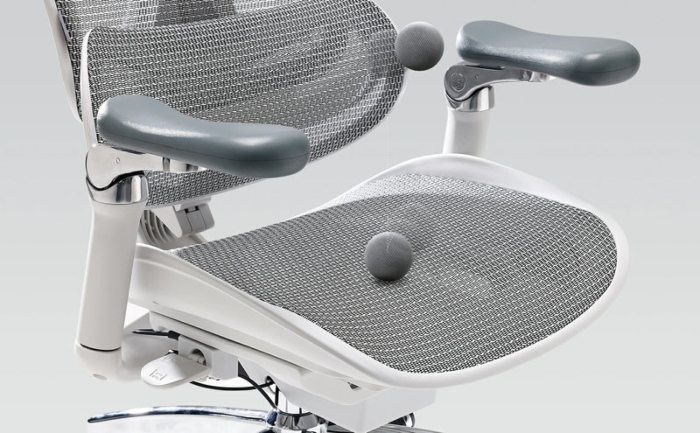

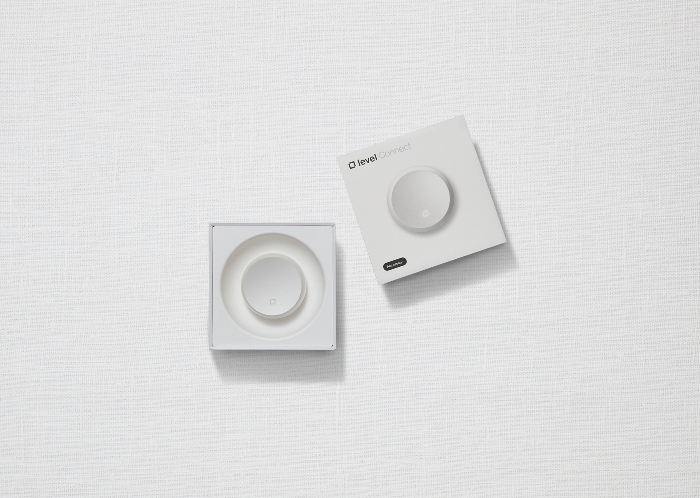
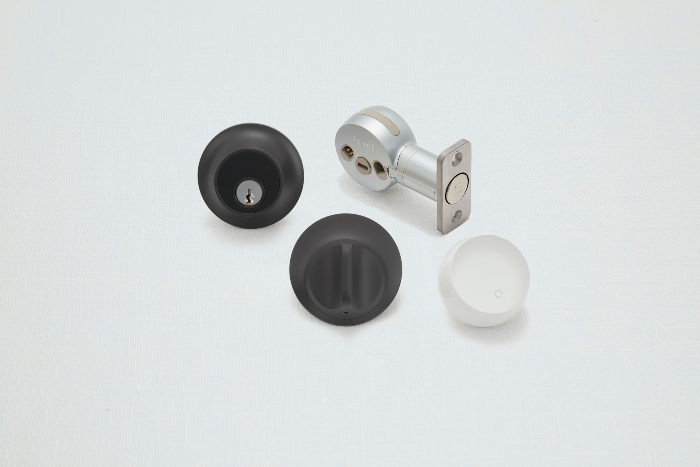
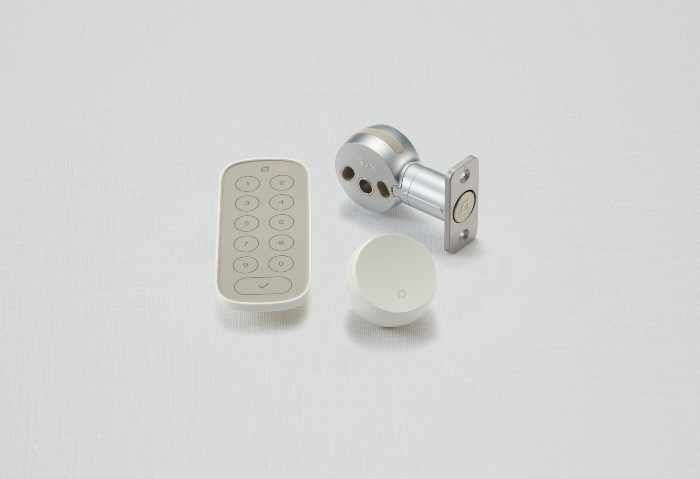
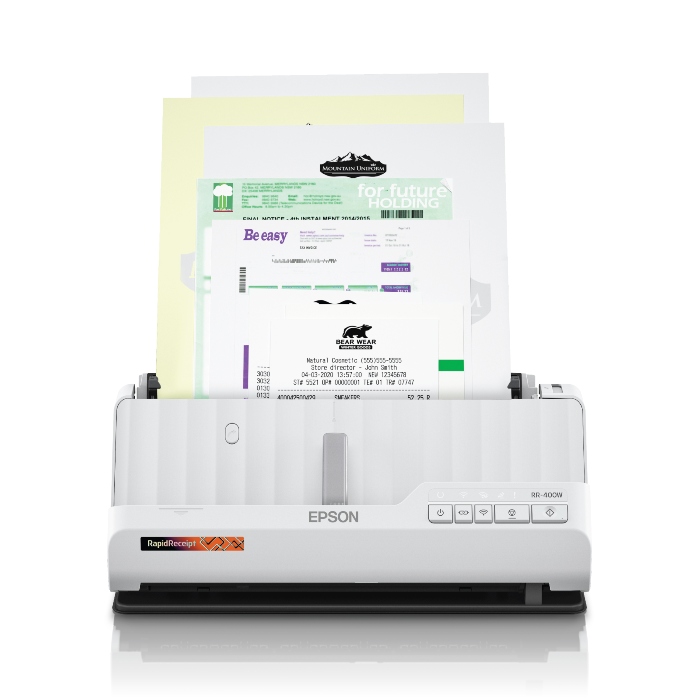

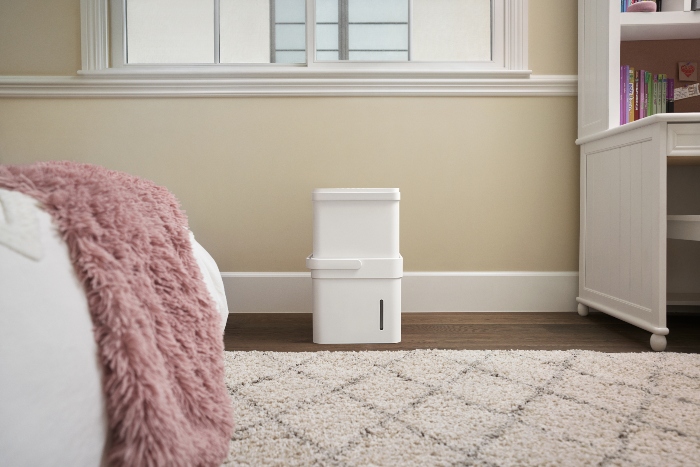
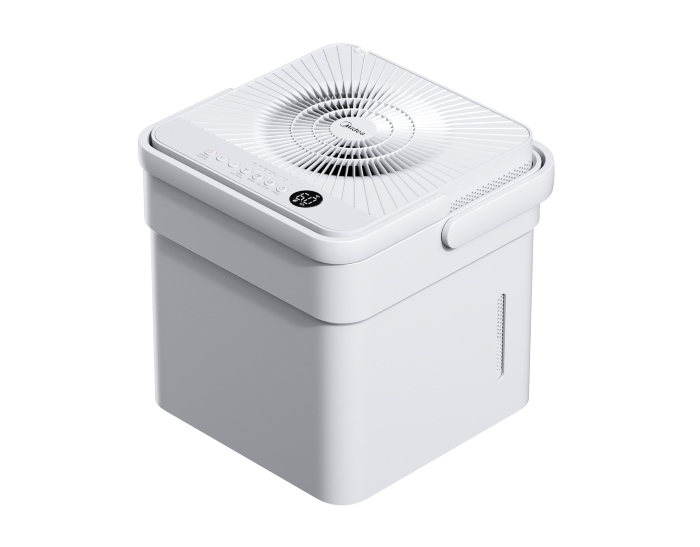
 and iOS devices. The Midea Air App features a Full Water Tank Alert, Preset Water Tank Levels, Real-Time Water and Humidity Levels, and a Predictive Bucket Fill Algorithm. The app enables monitoring the real-time dehumidification status (water levels and humidity levels) of Midea Cube whenever and wherever. You can preset the water level and will receive full-water alerts when it is filled. Equipped with a high-efficient compressor, Midea Cube offers powerful yet cost-efficient dehumidifying, so you can enjoy an ideal home environment while saving on your electric bill. Visit