Home Business Magazine Online
With the holidays coming up, you’re probably making your list of family and friends you need to shop for. Likely, there is a special dadpreneur on your list you’d like to gift something special. Dadpreneurs are hard-working individuals. Every day they balance spending time with their families, running their businesses, taking care of their kids, and maybe traveling here and there. This holiday season, show him how much you care with a thoughtful and meaningful gift he will love. Men can be hard to shop for and the shopping malls and the internet are difficult and time-consuming to navigate. So, we’ve made the job easy for you! Below you will find 20 holiday gifts for dadpreneurs that any dad would love to receive.
GoPro HERO10 Black

The GoPro HERO10 Black makes the perfect gift for dads to capture those cherished moments with loved ones during the holiday season. This is one of the most versatile cameras out there, delivering the speed and ease dad needs in a camera. With GoPro’s HERO10 Black, Dad can shoot high-quality videos and images that can upload straight into the cloud as it is charging. This convenience is something a busy dadpreneur will appreciate because manually uploading photos and videos can be time-consuming in his busy schedule.
GoPro’s HERO10 Black includes an array of advanced features to make recording in any environment and activity possible. Entrepreneurs will appreciate its GP2 processor that delivers high frame rates and a fast, smooth user interface. HERO10 Black shoots in 5.3K video with higher frame rates and takes 23MP photos giving Dad crystal clear memories he can cherish forever. It also has enhanced low-light performance and HyperSmooth 4.0 video stabilization in all modes ensuring his videos. Additionally, it is waterproof up to 33ft, meaning it is built tough enough for toddler messes and mayhem. HERO10 Black includes a carrying case, a rechargeable battery, curved adhesive mounts, a mounting buckle and thumb screw, as well as a USB-C cable. Retails for $249.99 at gopro.com.
Psycho Bunny Mens Naperville Long Sleeve Jersey Shirt
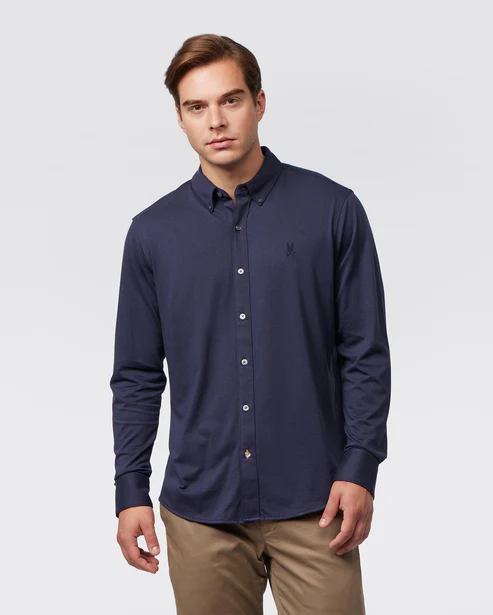
Get Dad a polo that will put some fun in his day. Psycho Bunny is a men’s clothing brand that started in New York to design the perfect polo. However, the love for designing high-quality, expressive menswear did not end there. They also offer luxurious tees, great-fitting French terry fleece, swim trunks that look great as shorts, and pants designed to perfection. Their unconventional, fun logo represents the personality and expression their clothes will bring your special dadpreneur. Their clothing offers vibrant colors and clever detailing he will appreciate.
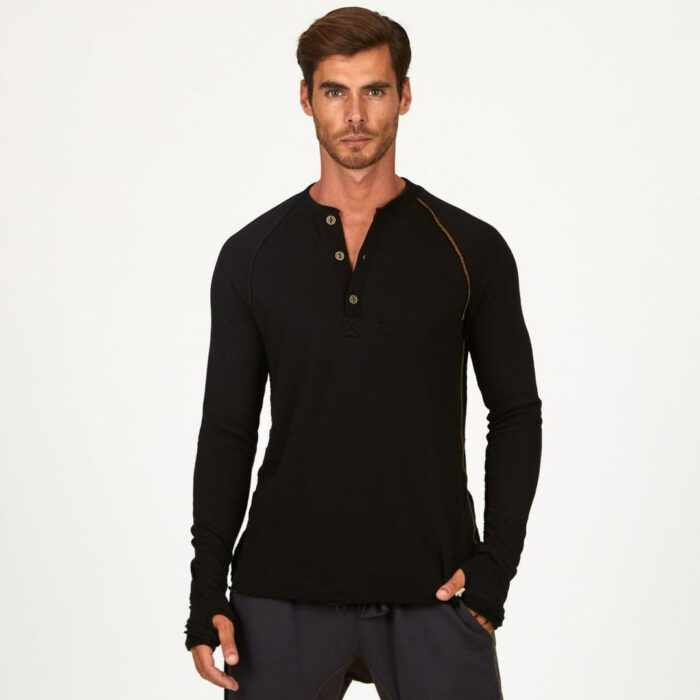
Psycho Bunny’s Mens Naperville Long Sleeve Jersey Shirt is a stylish, subtly fun, yet professional long-sleeve polo Dad will love to wear in his home office. Made from a super-soft jersey textile, this shirt is vibrantly versatile to have in his wardrobe and it’s extremely comfortable. Dad can wear it casually unbuttoned over a tee with chinos for a relaxed look. He can also dress it up by buttoning it up with pants for a more elegant look. This means he can wear this shirt around his home office and then go out to a business meeting over coffee or lunch. It features a regular fit, Mother-of-pearl buttons, and jersey fabric and comes in colors ‘Navy’ and ‘Cement’. Retails for $125 at psychobunny.com.
Casio EDIFICE WINDFLOW ECB2200DC-1A
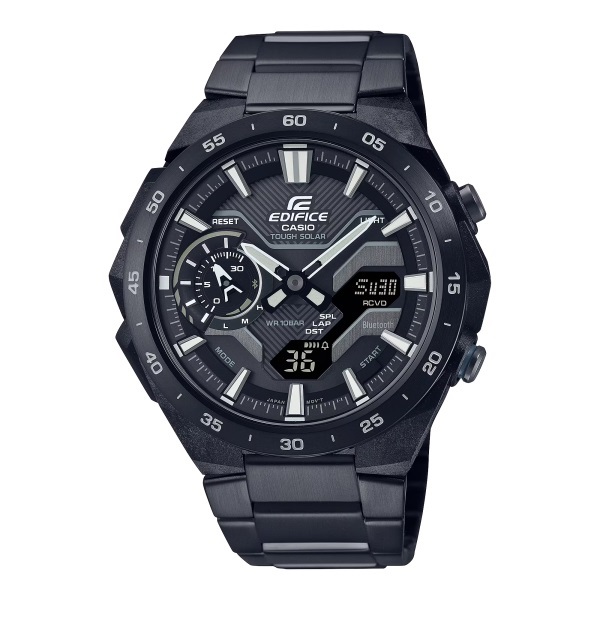
For the Dadpreneur with a love for style, consider a timeless timepiece from Casio’s EDIFICE collection. These watches not only exude sophistication but also pay homage to the passion for speed that many dadpreneurs share. If your special dadpreneur loves to watch Formula One Casio’s EDIFICE WINDFLOW ECB2200DC-1A is a perfect gift he’ll love. This watch was designed to represent the sheer speed and mechanical excellence of Formula, with its sharp dimensional mechanical and side view revealing the shape of a Formula race car.
Casio’s EDIFICE WINDFLOW ECB2200DC-1A syncs easily with Dad’s smartphone via Bluetooth®. He can utilize the app to access functions vital to racing teams, such as precision timekeeping, managing world time, setting alarms and countdowns, and so much more. He can even use the Super Illuminator to light up the analog face. This means no matter how dark it is where he may be, he will always have the time. This EDIFICE WINDFLOW is solar-powered. Tough Solar charges the watch from sunlight or even from a fluorescent lamp light and the power is stored up to 7 months of normal use. He will appreciate that the watch has a scratch-resistant finish and is resistant to water up to 100 meters. Retails for $300 at casio.com.
Terracea Sorrel 3L Ski Shell Jacket

With colder months approaching, a great gift for a dadpreneur is a jacket that takes him through all his adventures – from the simple to the extraordinary. Terracea jackets are perfect for the Dadpreneur who has to commute to in-person meetings, make coffee runs, travel for business, take morning runs, or just loves having the latest and greatest in outdoor apparel. Terracea offers clothing that is built for extreme adventure but is perfect for everyday life. Their clothing features a modern aesthetic, is stylish and comfortable, and can handle keeping Dad warm in even the harshest winters. Entrepreneurs will appreciate that Terracea is sustainably mindful of how their clothing is designed. For example, they use only fair-practice vendors and the best-in-class recycled insulation in all their clothing.
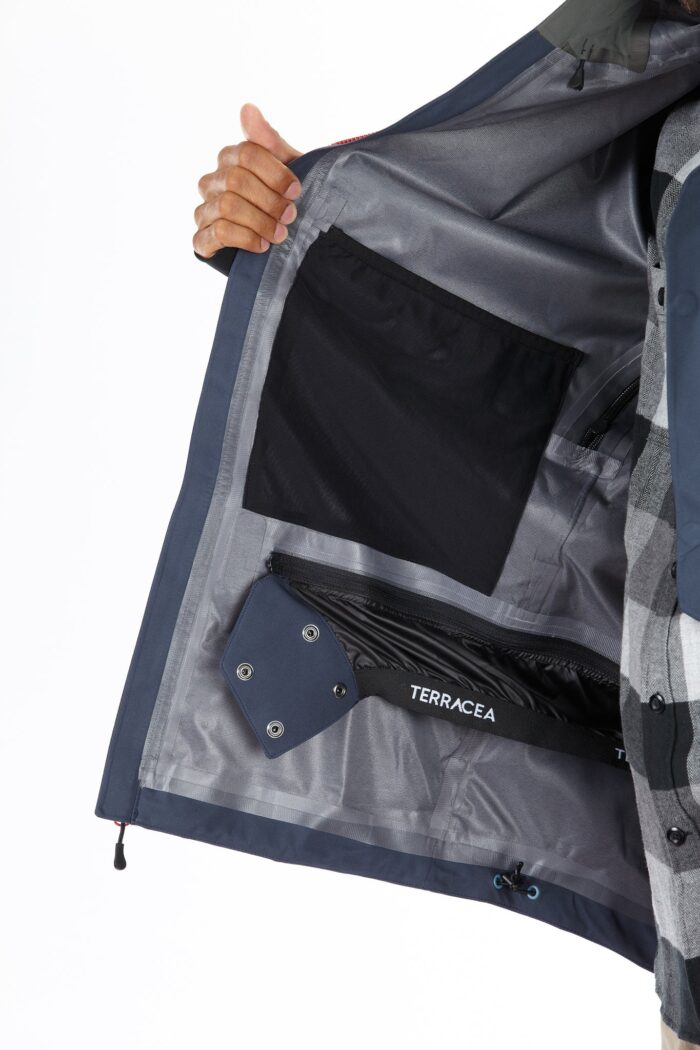
Terracea’s Sorrel 3L Ski Shell Jacket is his seamless companion that moves between activities as easily as he does. With a sleek aesthetic, it features a one-of-a-kind Magnetic Storm Flap to keep the cold out, zippered hand warmer pockets, a zippered RFID sleeve card pocket, and fully sealed seams. It’s fully windproof, waterproof, and breathable. Now he has a jacket that is built to withstand a winter wherever he is. If your dadpreneur appreciates skiing or winter sports, this jacket is also an ideal versatile addition to his wardrobe, as it’s built with a helmet-compatible hood and fully sealed seams. This means it’s ready to handle a winter full of deep powder and long trails. The Sorrel comes in colors ‘Poinciana’ and ‘Space Navy’ and comes in sizes ‘Small’ to ‘3X-Large’. Retails for $419 at terracea.com.
Alaska Home Pack Variety Box
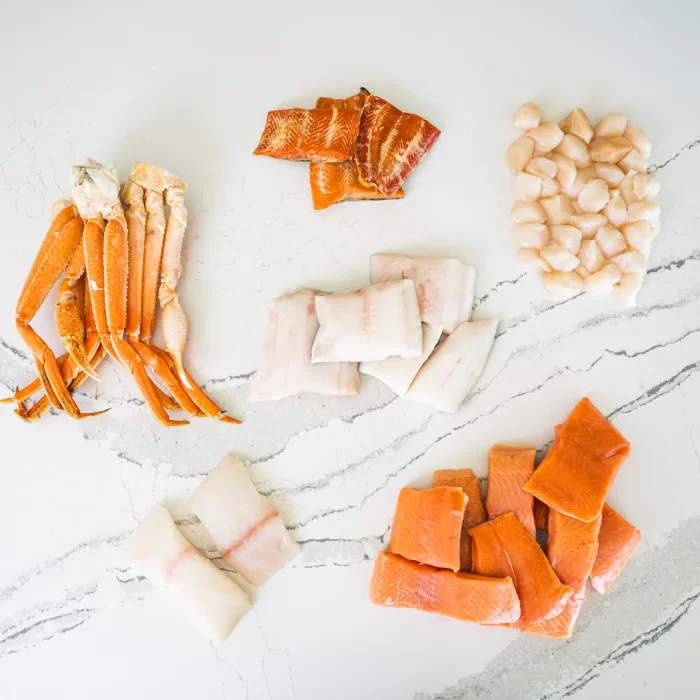
Give Dad the gift of Health with Alaska Home Pack – as the FDA now recommends at least 2 severings of seafood a week. Wild Caught seafood from Alaska boasts some of the freshest healthiest seafood in the world, packed with omega-3s for your brain and heart and immune-building vitamins like selenium and vitamin E. Alaska Home Pack is a family-owned and operated company that buys, processes (in) and ships everything from Alaska. They are a trusted direct source as 99% of the seafood they sell has been bought directly from their fleet of Fishermen and processed by their plant in Juneau, AK. They offer many curated boxes you can send your special dadpreneur or if you’d like it to be an ongoing gift, you can get him a subscription and save money.
Alaska Home Pack’s Variety Box is their most diverse premium Subscription box containing rotating combinations of Wild Alaskan salmon, whitefish, and shellfish species. You can read each month’s inclusions on their website. The box ships for free with 2-day shipping on Mondays, Tuesdays, and Wednesdays and is packed with gel packs. Retails for $280 at akhomepack.com.
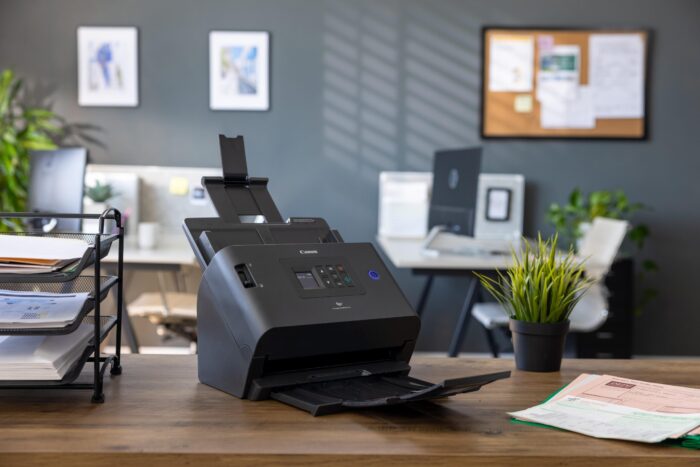
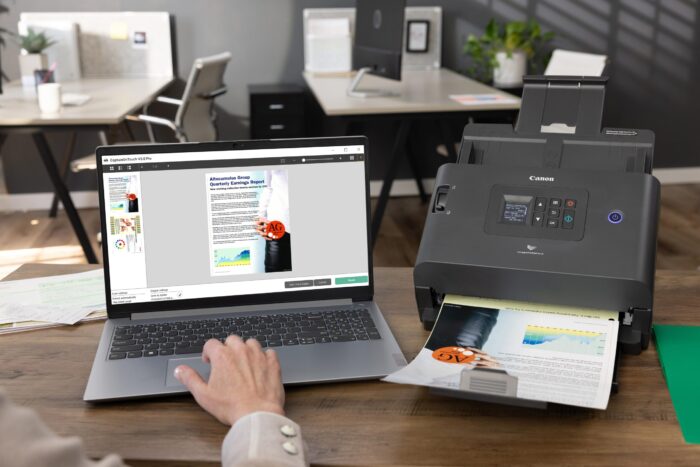
Epson EcoTank ET-4810 All-in-One Cartridge-Free Supertank Printer
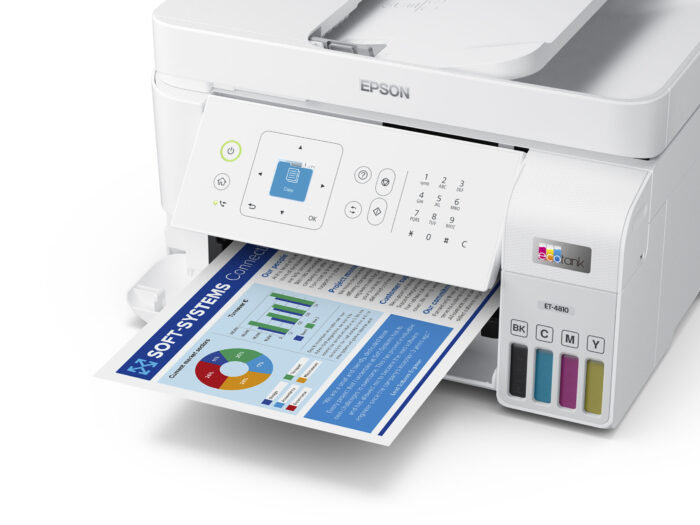
Every business owner needs a reliable and up-to-date printer from Epson to make the daily responsibilities run smoothly. Fast, affordable, and easy to use, Epson’s EcoTank ET-4810 is ideal for dad’s home office. The EcoTank ET-4810 features fast print speeds, a 30-page auto document feeder, a built-in scanner, a copier, and more. Its convenience and capabilities make it the perfect, fast everyday printer for dadpreneurs. He’ll love the ET-4810 produces extremely sharp text and impressive color photos and graphics due to its Precision Heat-Free technology.
A cartridge-free solution that uses high-capacity, easily refillable ink tanks, Epson’s Ecotank ET-4810 includes up to two years of ink in the box, so Dad won’t have to worry about running out of ink. Because he won’t need to refill often, he can save money on replacement ink. He can even save up to 90% with low-cost replacement ink bottles versus ink cartridges. In addition to the 2 years of ink included, it comes with an extra black ink bottle producing up to 4,300 additional pages. Your dadpreneur will appreciate that Epson’s EcoTank ET-4810 is eco-minded in that using refillable ink tanks and EcoFit ink bottles helps to reduce the amount of cartridge waste ending up in landfills. Comes with a 2-year limited warranty for peace of mind. Retails for $299 at select retailers.
Topo Designs Global Midlayer Hoodie – Men’s
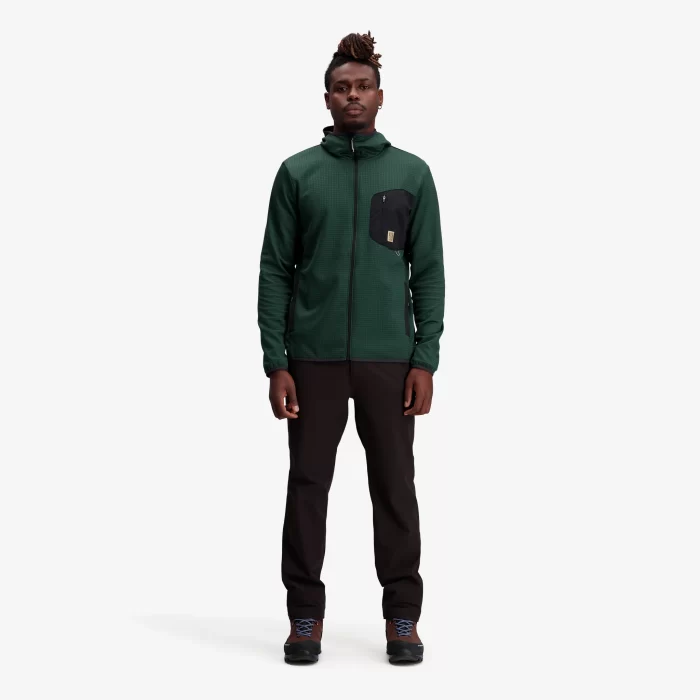
Topo Designs’ clothing is made for any facet of your special dadpreneur’s life. Whether he loves to adventure in the mountains, relax in the great outdoors, explore cities, or travel, Topo Designs has something just for him. Topo Designs gets inspiration from the classics and at the same time is innovative with modern functionality.
Topo Designs’ Global Midlayer Hoodie is a versatile jacket your special dadpreneur will love to have in his wardrobe. It is built for performance but is soft on the skin. This means it is perfect for keeping warm on cooler days and is great for layering when a heavy coat or rain jacket is needed. It has all the technical functions to keep him warm and dry but is still very stylish. This balance is a must for dadpreneurs who often need to keep a great first impression on their wardrobe. Topo Design’s Global Midlayer Hoodie features a hard-faced grid exterior, a cozy fleece interior, a close-fitting scuba hood, two zippered hand pockets, and more. It comes in pond blue, black, khaki, and forest. Retails for $129 at topodesigns.com.
LANG TheWell
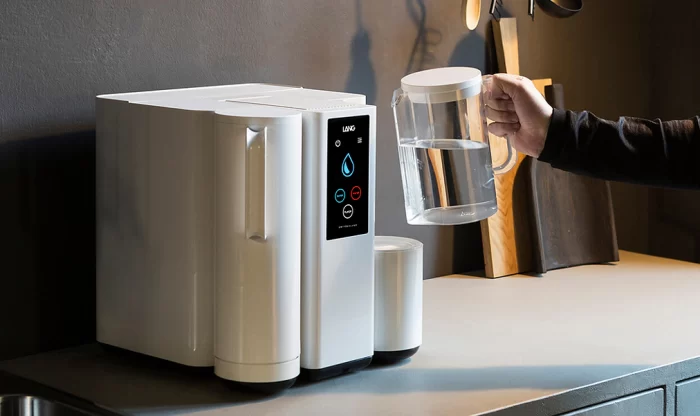
Give Dad the gift of smooth-tasting, sustainable Swiss water with LANG’s TheWell. LANG, based in Switzerland, wants to change how bottled water and beverages are sold and distributed by relocating the production from the plant where they’re made to the consumer. This offers convenience, waste reduction, and lower costs to the individual.
With LANG’s TheWell, the tap water he drinks is purified and mineralized and can be flavored or served hot. TheWell is easy to use, fits on any countertop, and is truly cost-effective. It uses LANGWATER liquid minerals as the basis for all LANG drinks ensuring great taste. Dad can add flavor concentrates in addition to the LANGWATER mineral base which are packaged in their new revolutionary packaging called LANGPAK. LANGPAK provides hundreds of highly precise servings in a single pack eliminating the need for single-serve capsules or packages. In using liquid extracts, the flavor is more intense, and the minerals and flavor mix instantly into the water. Busy entrepreneurs will appreciate that LANG’s TheWell is quick – it can produce 1 liter of water in less than 4 minutes! Dad will especially appreciate that its 3-stage filtration system removes all types of particles and odors from any water, including Arsenic, Barium, Cadmium, Chromium, Copper, Fluoride, Lead, Radium, Selenium, viruses, bacteria, hormones, pesticides, pharmaceutical traces, and microplastics. It also features a self-cleaning function to make his life easier. Retails for $374.90 at drinklang.us.
Cyber Acoustics Essential Universal Docking Station – DS-6000
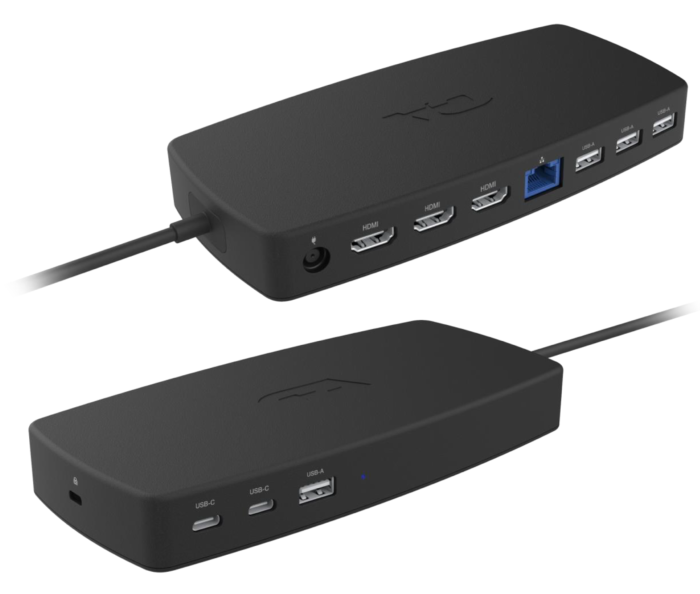
Every dadpreneur needs a well-run workspace to expand the capabilities of his laptop which in turn increases his productivity. A good-quality docking station allows him to quickly and easily connect multiple devices on one connection. Cyber Acoustics is based out of Vancouver, WA, and since 1996 has been providing high-quality, reliable products from headphones to office essentials like docking stations.
Cyber Acoustics Essential Universal Docking Station DS-6000 is a compact USB-C docking station for Dad’s laptop enabling him to organize his workspace, power his laptop, and connect all his peripherals with a single USB-C cable. It is designed to enhance productivity for both PC and MAC users running Windows 10/11 or MAC OS 10.6 and above. He can have up to three monitor displays with the CA Essentials Universal Docking Station! This docking station even charges his laptop when it is connected. Retails for $189.99 at cyberacoustics.com.
MORI Santa Print Men’s Pajama Set

Dadpreneurs appreciate coziness as they’re drinking their morning coffee as well as at the end of their workdays enjoying a movie with their littles. That’s why a fun pair of holiday jammies from MORI makes a perfect gift your special dadpreneur will love. And he can match with his whole family! MORI uses only the softest organic fabrics in their high-quality clothing making their wear perfect for babies, toddlers, and the whole family alike. Their fabrics are gentle for even the most delicate skin and are sustainably sourced.
MORI’s Santa Print Men’s Pajama Set features a fun Santa print he’ll love wearing around the house this holiday season. MORI offers matching sets for his wife and kiddos as well, so the whole family can have the ultimate pajama party. He’ll appreciate the joy his little ones will get from matching with Dad too. This set is made from 95% model and 5% elastane so they’re so soft and stretchy! He’ll appreciate the pants have an elastic waistband and cuffs for an extra comfortable fit. Retails for $85 at us.babymori.com.
GORUCK Rough Runners
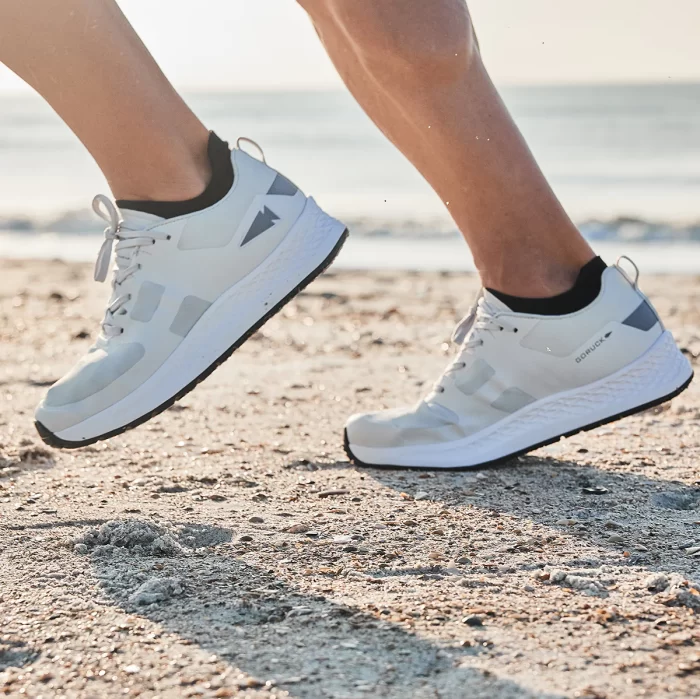
Jason McCarthy is a U.S. Special Forces veteran and he started GORUCK to deliver high-quality and durable rucksacks that would thrive in Baghdad and NYC. GORUCK does not just make rucksacks but makes weighted vests, apparel, footwear, and more. GORUCK’s Rough Runners are ultra-supportive running shoes your special dadpreneur will love. They’re made to be comfortable, stylish, breathable, and flexible so he can wear them all day. Custom-formulated EVA provides cushioning and rebound with long-term durability. They have versatile road-to-trail outsoles so Dad can run on both pavement and off-road to the trails. Rough Runners have a 10MM offset to reduce the strain on his Achilles and support his heel strike. Additionally, they feature reflective pull tabs to keep Dad safe and seen on the road, anatomically molded TPU heel counters to anchor and stabilize his feet, and more. He’ll appreciate that GORUCK donates 1% of its annual top-line revenue to various non-profit partners who support those who serve. Retails for $140 at goruck.com.
The Brot Box Germans’ Favorites Boxes

Everyone loves warm and fresh bread, and with The Brot Box, you can send Dad the freshest German-style bread just like what is found in the bakeries across Germany. The Brot Box offers many different loaves and rolls of German-style bread as well as curated boxes of all the favorites. And Dad can enjoy his bread without the guilt, as the Brot Box is chemical-free, vegan, and made out of only a few ingredients, including German flour. He will also enjoy an important source of fiber, nutrients, and significant support for a healthy diet. The Brot Box’s Germans’ Favorites Boxes come in sizes small, medium, and large. Each box contains a different array of German bread including, ‘Brotchen’ (Baker’s Rolls), Pumpkin Seed Rolls, Stone Oven Bürli Bread, Rye Crust Bread, Premium Seed Bread, and more. Your order from The Brot Box conveniently ships right to Dad’s door. The bread does not arrive frozen but insulated with ice packs and he can freeze the bread he wishes to enjoy later. Retails for $98.99 at thebrotbox.com.
PXG Comfort Fit BP Signature Polo
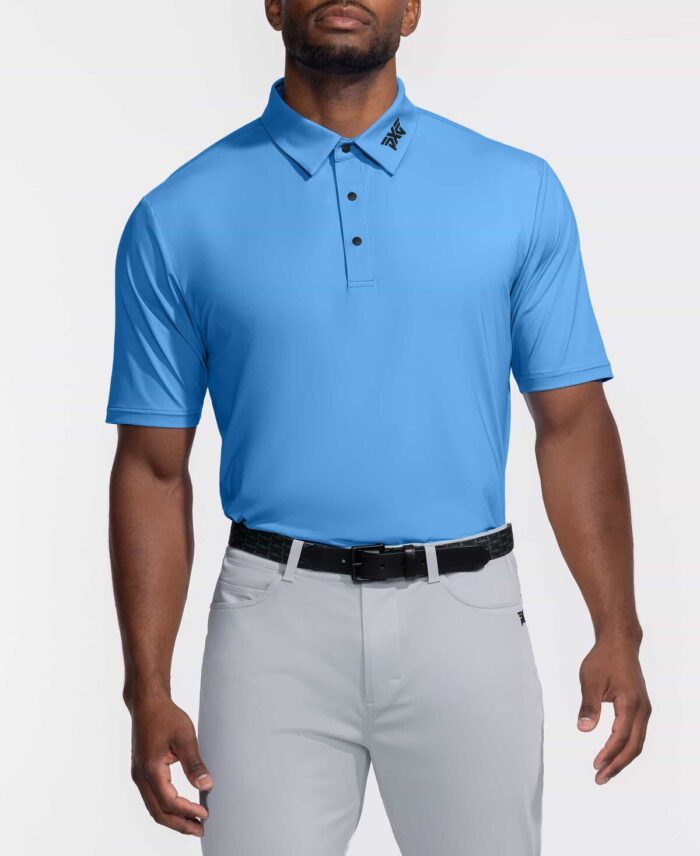
Elevate your special dadpreneur’s attire with PXG’s BP Signature Golf Polo. Parsons Xtreme Golf (PXG) was founded in 2013 by well-known businessman, philanthropist, and golf nut Bob Parsons. Parsons’ desire to make the world’s best golf equipment led to the creation of PXG. PXG’s BP Signature Golf Polo not only exudes sophistication but also has two high-performance fits for ultimate comfort. Whether they’re hitting the driving range or playing a round with friends, this is a must-have for their golf wardrobe. This relaxed, comfort-fit polo includes moisture-wicking, quick-dry, and UV protection properties to help him comfortably perform in any setting. Entrepreneurs will appreciate its versatility makes it a chic choice for the 19th hole or a night out. This shirt is machine washable and comes in many different colors to meet his styling needs. Retails for $110 at pxg.com.
Rampur Asava Single Malt Whisky

Level up Dad’s liquor cabinet with a whiskey from India’s famed Rampur Distillery. Rampur’s award-winning Single Malt Whiskies are hand-crafted and aged in the foothills of the Himalayas, bringing him a taste unique to the region he won’t get every day. The Himalayas offer Rampur’s Indian Single Malt Whiskey dimension and depth from the ideal climate and flavors of the famous Indian Summer.
Rampur’s Asava Single Malt Whisky is a unique and popular choice from Rampur. Asava is matured in American Bourbon barrels and finished in Indian Cabernet Sauvignon casks which is the first time in history this has been done. The result is a unique expression with an impeccable balance. The nose is heavy with golden apricots, plums, and spice, followed by a palate beginning with a honeyed sweetness and flowing into a pleasant dryness imparted by the Indian Cabernet Sauvignon. Asava was also recently honored by being chosen as Whisky Advocate’s #7 spirit of 2021. Retails for $89.99 at totalwine.com.
Vegamour GRO+ Advanced Hair Serum (3-pack)
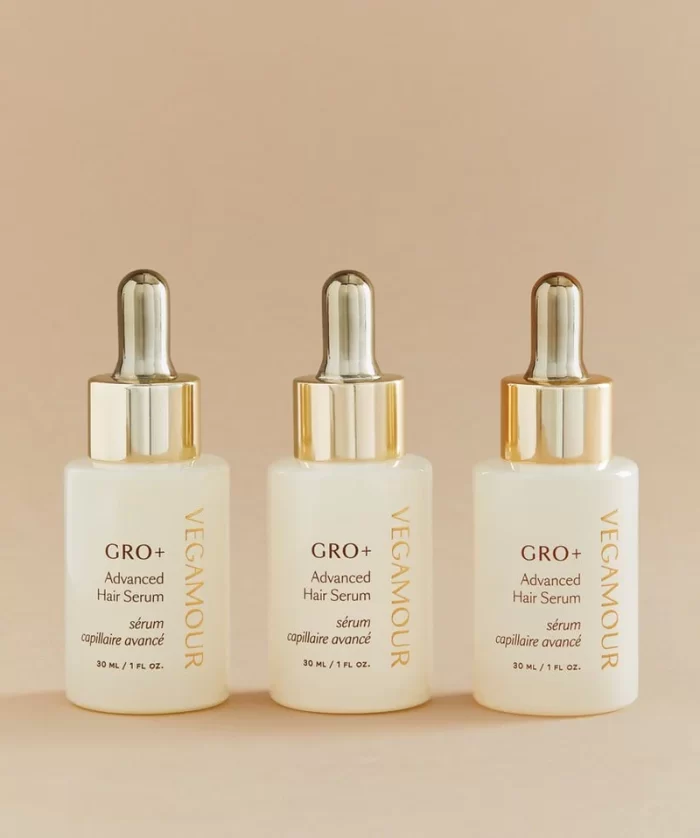
Treat Dad to the gift of self-confidence helping with thinning hair issues he might be experiencing with Vegamour’s GRO+ Advanced Hair Serum. Vegamour’s wellness hair wellness products are luxurious, effective, safe, and natural alternatives to products out there that may have unwanted side effects. Their GRO+ Advanced Hair Serum has all the great benefits of their tried-and-true #1 best-selling GRO Hair Serum, plus the added boost of micro-encapsulated, broad-spectrum CBD for added soothing of the scalp (which is essential for healthy hair growth). Both the serum’s broad-spectrum hemp CBD and plant-based phytoactives help relax stressed-out scalps and in turn reduce signs of stress-related shedding, resulting in thicker, fuller-looking hair. Dad can see real, visible results in as soon as 90 days* with this 3-pack of Vegamour’s CBD-infused GRO+ Advanced Hair Serum. Vegamour’s products are formulated with clean, vegan ingredients, and he can use them daily or as a wellness ritual. Retails for $183 at vegamour.com.
Flora & Noor Boost & Brighten Vitamin C Cleanser

With your holiday gift this year, encourage Dad to take the best care of his skin with Flora & Noor’s Boost & Brighten Vitamin C Cleanser. Flora & Noor is the first and only halal-certified skincare brand in America. Flora & Noor’s products are consciously created to be vegan, alcohol-free, free of animal by-products, Leaping Bunny Certified, and permissible for everyone to use, especially Muslims and those with sensitive skin or those who appreciate clean beauty. Flora & Noor’s Boost & Brighten Vitamin C Cleanser helps Dad clean and brighten his skin, helping him feel refreshed and ready for his workdays. Its unique formula is crafted with natural ingredients like aloe vera, borage, and vitamin C providing the nourishment his skin needs before and after his long days. It is gentle to where it won’t strip his skin of its natural oils. Retails for $28 at floraandnoor.com.
Duluth Trading Co Men’s Free Swingin’ Denim Relaxed Fit Shirt
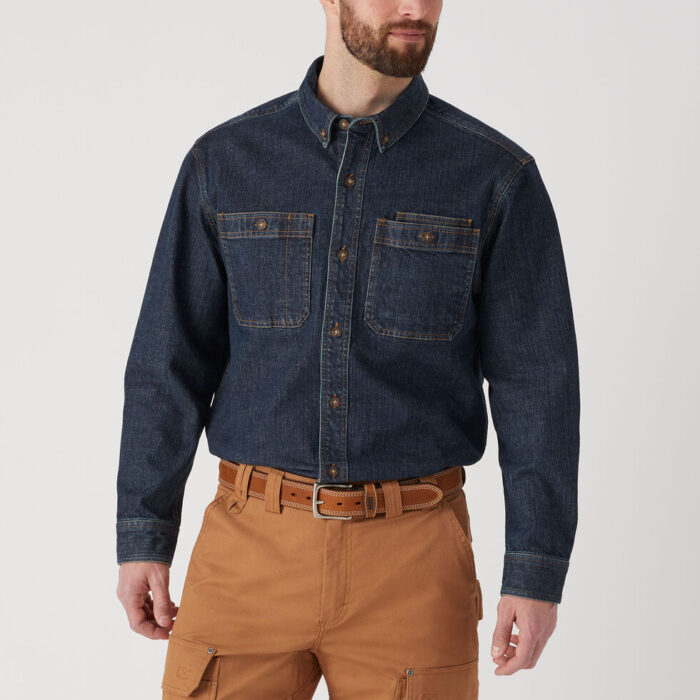
Duluth Trading Co’s Men’s Free Swingin’ Denim Relaxed Fit Shirt hits the trifecta with durability, flexibility, and of course, style. Made with Duluth Trading Co’s DuluthFlex® Denim, this muscular denim shirt has all the breathing room and flexibility Dad needs as he navigates his daily grind. This is a super heavy shirt made with hefty 12-oz denim that is super tough and ready for all his outdoor adventures and chores. The denim is made from 99% cotton and 1% spandex for that perfect stretch and features Reach Gussets for even more freedom of motion. Because it is a button-down, he can wear it alone or as an over-jacket for one of his favorite tee shirts. He will appreciate having two button-through chest pockets with a hidden pencil sleeve on his left. Retails for $64.99 at duluthtrading.com.
Bean Box 12 Mornings of Coffee Advent Calendar

Since dadpreneurs love coffee, jazz up their holiday season with Bean Box’s 12 Mornings of Coffee Advent Calendar! Each morning, he will try the very best limited-edition holiday blends from roasters spanning the nation from Seattle, WA to Boston, MA. Some of these coffee blends are returning best-sellers, and others are crafted to be very different year-to-year. Profiles range from festively fruity light roasts, rich and chocolaty medium roasts, and spicy, toasty dark roasts. As a sneak preview, one of Bean Box Curator Maryna Gray’s favorites this year is Coava Coffee’s decadent Buche de Noel Blend, a medium roast reminiscent of a chocolate-frosted yule log cake. Bean Box’s advent calendar includes tasting notes and brew instructions. To add more cheer to your gift, Bean Box has hidden 5 ‘Golden Tickets’ for a one-year subscription ($244 value) within 5 different advent calendars. Maybe your special dadpreneur will be just one of those lucky ticket holders. This advent calendar has sold out 2 years in a row so act quickly! Retails for $85 at beanbox.com.
Copper H2O Copper Water Bottle

A Copper H2O Copper Water Bottle is a gift any dadpreneur will love and it can last him a lifetime. Copper H2O water bottles are proudly handcrafted by skilled artisans and are made of pure hammered copper capped with a beautiful copper leak-proof lid. He will receive many benefits from drinking with a copper water bottle. Copper is anti-bacterial, supports good health, prevents aging, encourages healthy skin, helps maintain cardiovascular health, supports the thyroid, and stimulates the brain. What more could Dad hope for in his water bottle? Copper H2O offers 10 oz, 20 oz, 25 oz, and 30oz water bottles. The 20 oz copper water bottles are approximately 9 inches high and 2.5 inches wide, with an opening of 1.75″. The 20 oz size is available in three finishes: hammered, smooth polished, and smooth brushed. Retails for $38.50 at copperh2o.com.
True Leaf Market – Mountain Valley Seed Company Seed Starter Kit – Culinary Herb
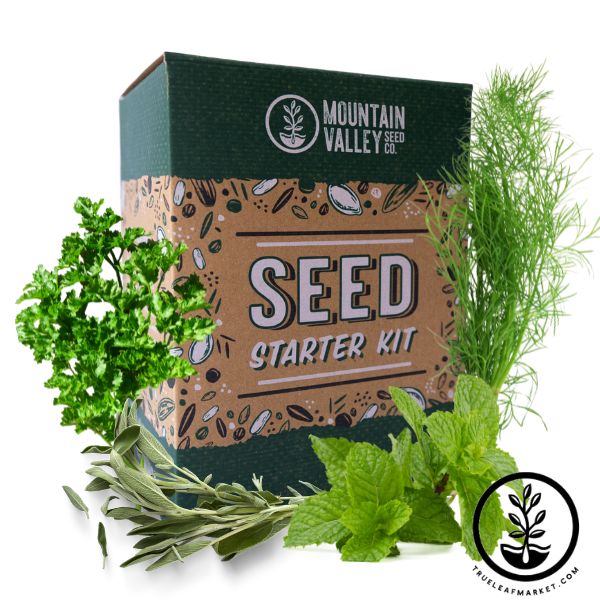
True Leaf Market was born in 1974 and since then has become a trusted source of seed and information for gardeners (both home and professional) and the seed industry. True Leaf curated premium brands, such as Mountain Valley Seeds, whose products are exclusively available through True Leaf Market. Mountain Valley Seed Company Seed Starter Kit – Culinary Herb provides your special dadpreneur with fresh cooking herbs indoors year-round. This is a fantastic gift for dads who love to cook or are interested in getting to know how to cook. Cooking with fresh herbs is a must for all cooks beginner and advanced. Mountain Valley’s Culinary Herb Kits are user-friendly with easy-to-follow instructions. There are three kids to choose from: Basic, Deluxe, and Premium. Each set has a different count of trays and an array of seeds. It is also boxed beautifully and is ready to give as a gift to Dad. Retails for $16.85 (basic), $23.34 (deluxe), and $33.73 (premium) at trueleafmarket.com.
The post Twenty Holiday Gifts for Dadpreneurs appeared first on Home Business Magazine.
Original source: https://homebusinessmag.com/lifestyles/twenty-holiday-gifts-dadpreneurs/