Boost your visibility in search with online reviews by Digital Marketing Depot

Customer reviews

The “New Business Guide to Google Reviews” by GatherUp is an essential resource for growing businesses looking to attract more customers through the power of Google search.

This comprehensive guide provides step-by-step instructions on how to claim and optimize your Google My Business profile, how to solicit and respond to customer reviews, and how to deal with Google and their overall review process.

With real-world examples and expert advice, this eGuide is a must-read for any business looking to build a better review strategy and improve their online reputation. Visit Digital Marketing Depot to download your copy.

The post Boost your visibility in search with online reviews appeared first on Search Engine Land.

Original source: https://searchengineland.com/boost-your-visibility-in-search-with-online-reviews-427442

UK Inflation Falls

UK inflation falls

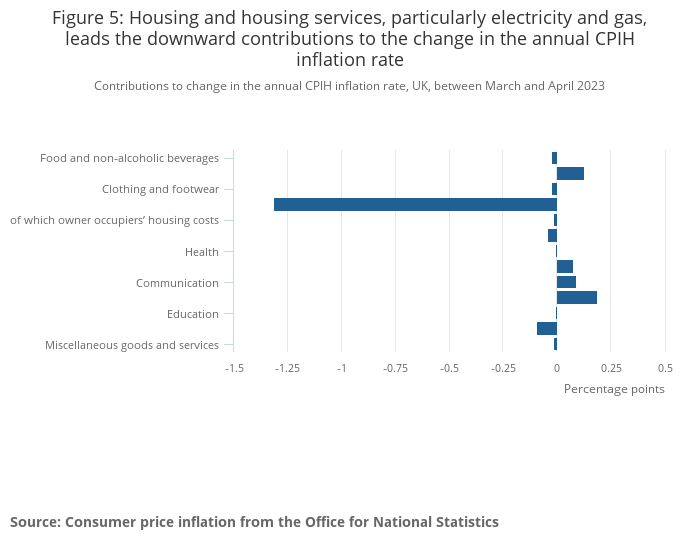
UK inflation fell to 8.7% in the year to April, new figures show. This is down from 10.1% in March, reaching single figures for the first time in eight months. Although this has come as a relief for many, inflation is still slightly about the 8.2% figure forecast previously. 

However, due to food prices in the UK continuing to soar at the fastest rate for 45 years, inflation is falling more slowly than analysts expected. Currently standing at 19.1%, food inflation is close to breaking records for the speed at which it is rising. 

inflation falls

Inflation lowering is good news. However, it does not mean prices are declining – it simply means the rate at which prices are rising is slowing. Inflation measures the speed at which costs go up – not the costs themselves. It may take a few months for lower prices to be reflected on supermarket shelves. 

According to the data from the Office for National Statistics (ONS), although vegetables such as potatoes are more expensive than this time last year, many staples have fallen in price. These include food shop regulars like bread, fish, cereal, eggs and milk. 

The cost of housing and housing services has slowed, contributing greatly to the decline in the inflation rate. Similarly, the price of gas and electricity have been a driving force in overall inflation dropping. 

Business Finance

Commenting on the latest inflation figures, Chancellor Jeremy Hunt said:  

“Although it is positive that [inflation] is now in single digits food prices are still rising too fast. We must stick resolutely to the plan to get inflation down.” 

Ian Stewart, chief economist at Deloitte, said: 

“UK inflation is past its peak, but it is proving stickier and more embedded than expected. Rising levels of core and service sector inflation highlight the risk that domestic inflation pressures persist, even as the shock fades from high energy costs and other commodity prices. 

“With growth holding up and recession fears easing, the scene is set for another interest rate rise next month, and perhaps at least one more before the end of the year.” 


You can find the full release from the ONS here.

The post UK Inflation Falls appeared first on MoneyMagpie.

Original source: https://www.moneymagpie.com/make-money/uk-inflation-falls

The Essential Guide to Choosing a Payment Method for Your Online Transactions

Home Business Magazine Online

Making online payments is a convenient and secure way to pay for goods and services. With this method, you may make payments without worrying about carrying cash or writing checks. When doing business online, however, it is crucial to settle on a reliable form of payment.

Before deciding on a method of payment, there are numerous factors to think about. This post will elaborate on a variety of points to think about before deciding on a payment method for your online purchases.

Consider your needs first when choosing a mode of payment

When deciding on a payment method, it’s best to think about what you’ll really use it for. Determine whether or not a safe online payment option is essential for you before deciding on a payment processor.

  • Do you want a simple and fast method of paying your bills?
  • Do you want or require membership in a rewards or credit program?

Once your requirements are clear, you may begin investigating and contrasting various forms of payment. When picking a choice, it’s important to think about things like:

  • Costs
  • Ease of use
  • Safety
  • Benefits

If you need a convenient method to make purchases while you’re on the road, mobile payments might be a good option to look into.

Ultimately, the best payment method for you will depend on your individual needs and preferences. Take the time to research all of your options before making a decision so that you can find the right fit for your lifestyle.

Evaluate the fees associated with each mode of payment before settling for one

When deciding on a payment method, it’s smart to check the fees associated with each service.

  • Credit cards often come with high processing fees.
  • Bank transfers may have lower fees but take longer to process.
  • Cash payments are usually the most cost-effective option, but they can be inconvenient and difficult to track.

Some forms of payment may also include incentives like points or cash back that may be used to reduce the overall cost. For instance, if you are making payments to a PayPal casino, there are chances of being given casino incentives.

All of these considerations should be taken into account before deciding on a certain payment method. By doing so, you will maximize the efficiency and efficacy of your dealings and get the most for your money.

Check the security of different payment methods before settling for one

When making a purchase online, safety should always come first. Do your homework and verify the safety protocols of each available payment option before making a final decision.

When making purchases online with a credit card, for instance, it’s important to use only those services that take precautions to protect your data. Pay attention to PayPal’s and other payment processors’ privacy and terms of service policies if you plan to use them. You may learn a lot about the quality of a service by reading reviews written by its actual users.

Additionally, consider setting up two-factor authentication whenever possible — this will add an extra layer of protection to your account.

Finally, never share your financial information with anyone else — even if they claim to be from the company you’re dealing with.

The post The Essential Guide to Choosing a Payment Method for Your Online Transactions appeared first on Home Business Magazine.

Original source: https://homebusinessmag.com/money/personal-finance/essential-guide-choosing-payment-method-online-transactions/

Google Bard adds images in responses

Bard is now showing images in responses – and Bard will show the source of each image, Google announced today.

What’s new. This update continues Google’s push to try to make Bard more visual and useful – now by showing images from Google Search in responses.

Bard now includes Google Search images for visual responses, when relevant. You can also specifically ask Bard for images. Clicking on an image will show its source. This update is limited to English responses.

What it looks like. In this Twitter thread from @JackK (Jack Krawczyk, senior director of product, Google), you can see examples of it in action:

Why. In a new entry on the Bard updates page, Google explained:

Images can help you communicate your ideas more effectively. They can bring concepts to life, make recommendations more persuasive, and enhance responses when you ask for visual information.

Why we care. Google has been integrating more of Search into Bard. This new addition of imagery may offer some more benefits of image optimization, now that Bard may surface your images in Bard.

More coming soon. Google Bard plans to add:

  • Support for more languages.
  • The ability to generate images.
  • The ability to prompt Bard with images using Google Lens.

The post Google Bard adds images in responses appeared first on Search Engine Land.

Original source: https://searchengineland.com/google-bard-image-responses-427511

Leverage first-party data for a winning CRM strategy by Cynthia Ramsaran

Home Business

A real emphasis has been placed on the collection of first-party data.

Pairing a first-party data strategy with a one-to-one marketing strategy will help your teams remain aligned to ensure messages are both targeted and personalized. This needs to happen from the very first interaction at the point of ingestion.

Join data experts as they share their perspectives on the importance of clean, complete, and connected data to optimize your CRM.

Register and attend “How to Leverage First-Party Data for a Winning CRM Strategy,” presented by AtData.


Click here to view more Search Engine Land webinars.

The post Leverage first-party data for a winning CRM strategy appeared first on Search Engine Land.

Original source: https://searchengineland.com/leverage-first-party-data-for-a-winning-crm-strategy-427512

The Importance of First Impressions When Looking to Join a Startup

Home Business Magazine Online

In today’s fast-paced and competitive job market, joining a startup can be an exciting and rewarding career choice. Startups offer unique opportunities for growth, innovation, and impact. However, before committing to a startup, it is crucial to understand the significance of first impressions. First impressions can play a decisive role in determining your compatibility with the company’s culture, the organization’s growth potential, and your overall job satisfaction. Before using an email template for informational interview, explore first impressions that matter when looking to join a startup and insights on making a positive and lasting impression.

Creating a Positive Culture Fit

Cultural fit is part of any startup. During the initial interactions with the company’s representatives, you gain valuable insights into the company’s values, work environment, and team dynamics. First impressions allow you to assess whether the startup’s culture aligns with your beliefs, work style, and career aspirations. A positive culture fit enhances your job satisfaction, promotes collaboration, and increases your chances of long-term organizational success.

Demonstrating Enthusiasm and Passion

Startups thrive on energy, enthusiasm, and passion. When you make your first impression, showcasing genuine interest in the startup’s mission, products, or services can make a significant impact. Employers value motivated, proactive, and driven individuals to contribute to the company’s success. Demonstrating your enthusiasm conveys your commitment and dedication, which make you stand out from other candidates and create a memorable impression on the hiring team.

Showcasing Adaptability and Flexibility

Startups often operate in dynamic and unpredictable environments, requiring employees to be adaptable and flexible. Highlighting your ability to adapt to change and take on new challenges can be invaluable during your initial interactions. Startups appreciate individuals who can thrive in ambiguous situations, pivot quickly, and contribute to multiple areas of the business. Your first impression should reflect your willingness to learn, embrace new ideas, and tackle tasks outside your comfort zone.

Building Trust and Reliability

Trust is crucial in any professional relationship, and startups are no exception. Making a positive first impression establishes trust and credibility with the startup’s team. Be punctual, prepared, and attentive during interviews or meetings. Showcase your reliability by delivering on promises, following up promptly, and demonstrating a solid work ethic. Building trust from the beginning helps create a foundation for strong working relationships and opens doors for future opportunities within the startup.

Reflecting Strong Communication Skills

Effective communication is vital in startup environments, where collaboration and open dialogue drive innovation. Your first impression should reflect your ability to articulate your thoughts, actively listen, and engage in meaningful conversations. Showcase your communication skills by asking thoughtful questions, demonstrating your understanding of the startup’s industry, and clearly expressing your ideas. Strong communication skills help you establish rapport and enhance your chances of being an influential contributor to the team.

Conclusion

In the competitive world of startups, first impressions hold significant weight and can shape your professional journey. By recognizing the importance of making a positive and lasting impression, you increase your chances of finding the proper startup, fitting in seamlessly with the team, and embarking on an exciting and fulfilling career path. When looking to join a startup, your first impression can help you assess culture fit, demonstrate enthusiasm and passion, showcase adaptability and flexibility, build trust and reliability, and reflect strong communication skills. Try sending an email template for informational interview.

Remember that first impressions are not limited to interviews alone. Every interaction presents an opportunity to leave a positive mark. Approach each encounter with authenticity, professionalism, and a genuine interest in the startup’s mission and vision. By mastering the art of first impressions, you can create meaningful connections, build strong relationships, and open doors to exciting opportunities within the startup ecosystem. So, take the time to prepare, be present, and let your passion shine through. With a compelling first impression, you can set yourself on a path to thrive in the fast-paced and ever-evolving world of startups.

The post The Importance of First Impressions When Looking to Join a Startup appeared first on Home Business Magazine.

Original source: https://homebusinessmag.com/businesses/success-tips/importance-first-impressions-looking-join-startup/

Clearing the Air: Debunking Common Misconceptions About Radon

Home Business Magazine Online

By Insoo Park, CEO — Ecosense 

Most of us are already familiar with what radon is, especially those who have bought or sold a home anytime in the last decade. Radon is an odorless and tasteless radioactive gas that, if left unmitigated, can cause health problems, including damage to the respiratory system and even lung cancer.

However, there are many common inaccuracies and misunderstandings about radon that make it even more dangerous. These misconceptions are so prevalent that they often lead people to test for radon improperly or inadequately protect themselves, their loved ones, and their homes.

Here are some of the most common myths about radon, and the truths behind them.

“Radon isn’t a problem in my part of the country”

Radon can be found in any part of the country or anywhere in the world. While some states in the United States, such as Pennsylvania and Illinois, are prone to higher average indoor radon levels than others, you can find homes with elevated radon levels in every state. Even those residing in states with a lower incidence of high indoor levels, such as Hawaii, need to regularly test for radon and mitigate its presence.

“I don’t have a basement, so my house is radon-free

It is a common misconception that radon is only found in the basements of homes. Homes with crawl space or slab-on-grade foundations are just as susceptible. While it is more likely to be detected in higher concentrations on ground floors and in basements, elevated levels of radon can be found on upper floors as well. High radon is frequently found within both old and new residences, drafty or well-insulated places, and single-family or multi-family homes.

Surprisingly, even newly developed homes with advanced insulation systems designed to improve indoor air quality can pose a higher risk for radon exposure. This is because radon can become trapped indoors, with no outlet for it to escape, and can accumulate to dangerous levels. Therefore, it’s crucial to test for radon in any home, regardless of its age or construction.

“I don’t smoke so I won’t get lung cancer

When we find out someone we know has lung cancer, our first thought may be whether or not it was caused by a smoking habit. However, lung cancer isn’t just a smoker’s disease. Instances of lung cancer in non-smokers may not be as common as in smokers, but between 10% and 20% of people who develop lung cancer have never smoked. As a matter of fact, radon is the leading cause of lung cancer in non-smokers.

“We have a radon mitigation system installed, so we’re safe from radon”

While an active soil depressurization system is the most effective radon mitigation technique, homeowners need to keep an eye on their system to make sure it is functioning properly. For example, If the system was not well installed to begin with, it can be overwhelmed by extended use of the HVAC system in winter. In other words, mitigation systems are not a “set it and forget it” solution — periodic maintenance and review while continuously monitoring radon are necessary to ensure they are functioning as intended.

“It won’t happen to me”

Unlike smoking, which is an elective way of introducing your lungs to carcinogens, radon’s presence is a natural occurrence. Radon is responsible for upwards of 21,000 deaths from lung cancer per year in the U.S. Believing it won’t happen to you may leave you or others in your home needlessly vulnerable to its adverse effects on human health.

“The link between radon and lung cancer risk is unclear

The link between radon and lung cancer has been firmly established over the past several decades from clinical studies, and has been supported by the National Academy of Sciences, the National Cancer Institute, the EPA, and the American Cancer Society. The elevated lung cancer risk was first noticed in uranium miners, who worked in confined spaces underground for long periods, which led scientists to consider that radon exposure could be a wider problem.

Into the 1980s and 1990s, there was still skepticism about whether the findings in miners could be applied to the risk in homes. Rigorous studies performed since the early 2000s have laid any doubt to rest.

The truth about radon

Radon cannot be detected by human senses, so it is imperative that people use a specialized radon detection system to identify potentially hazardous levels of the gas. Some sophisticated digital radon detection systems work in real-time to give minute-by-minute readings of radon levels.

It’s not unusual to see broad fluctuations in indoor radon concentrations, particularly within unmitigated buildings. Swings in hourly average levels frequently follow a daily pattern, though changes in radon concentrations can also result from shifts in weather, such as heavy rainfall that moves the soil around a home’s foundation. Therefore, continuous monitoring of radon with a specialized device that can track fluctuating levels is essential. Unlike devices that provide only average levels, these sophisticated radon detection and monitoring devices can provide accurate and up-to-date radon readings to better assess potential hazards, enabling homeowners to take prompt action to mitigate the risk.

Statistics reveal that approximately 6.7% of homes in the United States have radon levels that exceed the EPA’s recommended action level of 4 picocuries per liter (pCi/L) and require mitigation measures. By learning the truth behind the myths surrounding radon and acting on detection and mitigation, people can make their homes and their families safer and less likely to suffer the ill effects of prolonged radon exposure.

The post Clearing the Air: Debunking Common Misconceptions About Radon appeared first on Home Business Magazine.

Original source: https://homebusinessmag.com/lifestyles/health-and-fitness/clearing-air-debunking-common-misconceptions-radon/

Google Site names now support subdomains on mobile devices

Google now supports Site names for subdomains on mobile devices, the search company just announced. Google wrote, “Site names are now supported for subdomains on mobile devices.”

Google updated its help documentation to specify subdomains on mobile.

Site names. Site names is the title and name of the site Google shows in the search results listings. “When Google lists a page in search results, it shows the name of the site the page comes from,” Google explained.

What it looks like. Here is where the site name shows in the search result snippet:

Alphabet Inc.

Site names timeline. Here is the timeline Google posted of the evolution of site names since it launched in October:

  • October 2022: Site names for the domain level were introduced for mobile search results for English, French, German and Japanese.
  • April 2023 (I have this as March): Site names were added for desktop for the same set of languages.
  • May 2023: Site names are now supported on the subdomain level for the same set of languages and on mobile search results only.

Need support. Having issues with your site name? Google posted a support thread in the Google support forums over here, including more FAQs.

We recently saw some issues with site names, some of which Google resolved.

Controlling site names. Google back in October explained that Google Search uses a number of ways to identify the site name for the search result. But if you want, you can use structured data on your home page to communicate to Google what the site name should be for your site. Google has specific documentation on this new Site name structured data available over here.

Upgrading the favicon. Google also recommended revisiting the documentation for favicons for the latest best practices. Google is now also suggesting you provide an icon that’s at least 48 pixels and follows the existing favicon guidelines.

Ads. This is also rolled out to the Google search ads on desktop, so the size of the site name, favicons, and also the ad label will be more prominent in mobile search. In fact, Google rolled out the “Sponsored” label in mobile search last October and today on desktop, officially replacing the “Ads” label from January 2020.

Why we care. Now the site names will potentially show a different name for subdomains on mobile devices. So make sure to test to see how Google shows your site name for your subdomains on mobile, for multiple queries.

The post Google Site names now support subdomains on mobile devices appeared first on Search Engine Land.

Original source: https://searchengineland.com/google-site-names-now-support-subdomains-on-mobile-devices-427400

20% of CMOs to invest less in paid search, SEO this year

Paid search advertising and SEO are among the channels most likely to have reduced investment in 2023, according to Gartner’s latest CMO Spend and Strategy survey. But it’s not all bad news for search marketing.

Search advertising. Although 26% of CMOs planned to reduce their investment in paid search, 40% of CMOs said they plan to increase investment in this channel.

SEO. While SEO was identified by 20% of the survey respondents as a channel to reduce investment this year, 46% of CMOs planned to increase their SEO budget.

Social advertising and beyond. Surprisingly, 53% of CMOs planned to invest more in social advertising, compared to 14% who are decreasing investment. Two other categories that can expect more budget in 2023: digital video advertising and influencer marketing.

Here’s the full chart from Gartner:

Business Finance
Source: Gartner 2023 CMO Spend and Strategy Survey

Why we care. Organic and paid search are two proven marketing channels that can drive visibility, brand awareness, leads, revenue, profit and more for brands. If you aren’t investing in search, you’re potentially taking money off your table.

Dig deeper. SEO vs. PPC: Differences, pros, cons & an integrated approach

Budget woes. Marketing budgets are flat – and 71% of CMOs believe they lack the budget successfully to execute this year’s strategies. So it will be important for CMOs to make smart decisions about where they spend their budget.

About the survey. 410 CMOs and marketing leaders were surveyed in March and April 2023. Respondents were based in North America and Europe, representing various industries and company sizes, with most reporting annual revenue exceeding $1 billion.

The post 20% of CMOs to invest less in paid search, SEO this year appeared first on Search Engine Land.

Original source: https://searchengineland.com/cmo-survey-seo-ppc-investments-2023-427398