Home Business Magazine Online
Revamping your home office can enhance productivity, boost creativity, and create a more comfortable and inspiring. You’ll also find aligning your workspace with your needs and preferences increases your focus and overall work satisfaction. Revamping your home office can be tricky. You have to find the right balance between making it useful and looking good, but most likely on your mind is where do you begin? As experts in the home business realm, we want to help you on your way to making the office space of your dreams. In our carefully curated list of essentials below, you’ll find fantastic products from decor to gadgets that boost your space and help you get the job done. This year, make it your goal to revamp your workspace for improved productivity and to achieve your business objectives.
QOR360 The Ariel 2.0
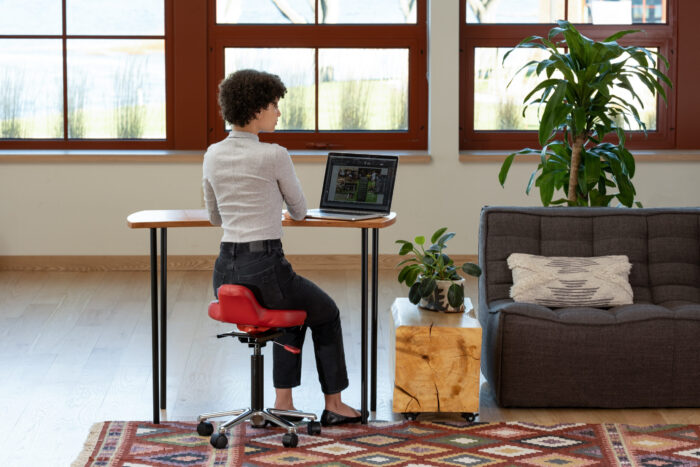
After 30 years as a surgeon at the University of Vermont’s trauma center, Dr. Osler transitioned to a career as a research epidemiologist. This led to prolonged hours at a computer that resulted in persistent back pain despite trying various chairs. Recognizing the widespread issue of sitting-induced back pain among Americans who spend an average of nearly 10 hours a day sitting, he sought a solution that prioritized natural, comfortable, and real-time adjustments without cumbersome knobs. Failing to find such a chair, he took matters into his own hands and invented one – the QOR360 Ariel.
After selling over 8,000 Ariel chairs and noting customer feedback, QOR360 proudly presents the QOR360’s Ariel 2.0, an upgraded, award-winning chair designed for enhanced user comfort. This chair boasts a more comfortable experience with a larger, softer seat featuring thicker foam padding and a 15% wider design. You’ll experience enhanced maneuverability through uniquely designed bent metal handles at the front and sides, along with a larger back handle for grab-and-go convenience. Additionally, the improved stability with QOR360’s patented RedRocker is slightly less tippy and accommodates a greater weight capacity. QOR360’s chair is priced below most active or “ergonomic” office chairs and they offer a risk-free with a 60-day trial period. You can purchase this chair in tall and short heights, in the materials ‘Light Grey Fabric’, ‘Red Performance Leather’, ‘Black Performance Leather’, and with or without wheels. Retails for $495 – $540 at qor360.com.
JLAB Epic Work Series – ULTIMATE SETUP
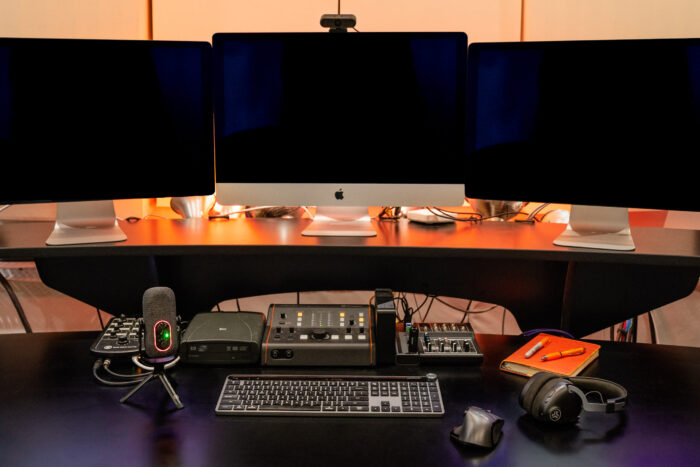
JLab crafts exceptional products ensuring you get the perfect sound, experience, and value every time. Elevate your focus and efficiency at work JLab’s EPIC Series, featuring keyboards, mice, webcams, and microphones designed to give you the ultimate work-from-home setup. In JLab’s EPIC Series, you’ll receive:
- JLab EPIC Wireless Mouse
You can connect through Bluetooth or the USB wireless dongle to use the ergonomic full-size mouse that features silent clicks, 9 buttons, an RH-compatible screen display, and a 4+ months rechargeable battery life via USB-C.
- JLab EPIC Wireless Keyboard
The versatile keyboard offers seamless connectivity through Bluetooth or a USB wireless dongle. It features effortless switching between three saved devices, illuminated full-depth keys, complete with a number pad and a media knob to boost productivity, and a rechargeable battery that has a lifespan of over two years.
- JLab EPIC Camera
This webcam delivers professional-grade image quality and sound, ideal for video calls or webinars. It features high-definition video and photos, along with auto-focus, adjustable exposure, and zoom options for ensuring every frame is picture-perfect.
- JLab EPIC Talk USB Microphone
This professional-grade microphone features unparalleled 192kHz/24BIT resolution. Equipped with three condensers and four directional pattern modes, it ensures optimal performance for all your recording needs. You’ll also enjoy superior volume and gain controls, a quick-mute feature.
Elevate your work-from-home experience and productivity with this professional, high-quality collection from JLab. You can have the entire JLab EPIC Series for $353.97 at jlab.com.
HYDRAGUN Atom Mini Massage Gun
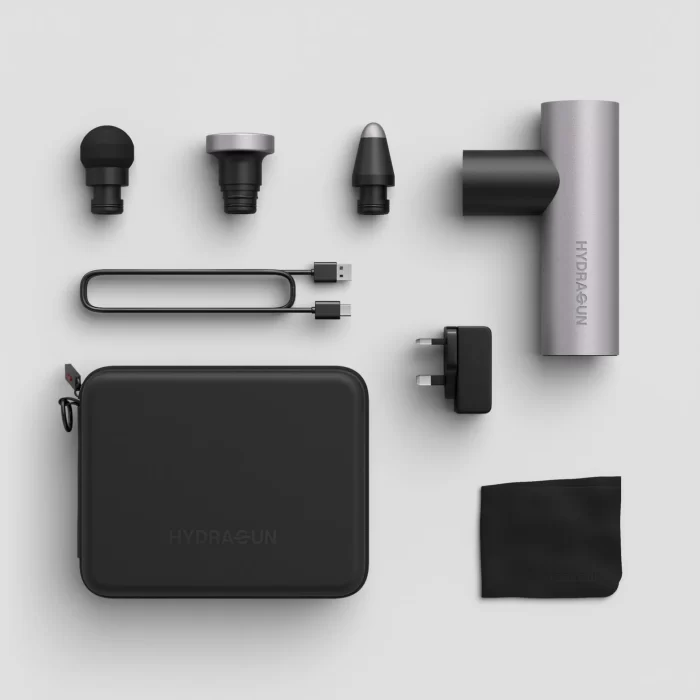
Hydragun specializes in crafting high-quality recovery products designed for individuals seeking to experience wellness, improve, and thrive. HYDRAGUN’s The Atom Mini Massage Gun combines exceptional power and industry-leading battery life in a compact design. Its perfect balance of form and function includes an aerospace-grade aluminum body, a self-standing design, and USB-C charging for a streamlined experience.
The HYDRAGUN Atom is the perfect home office essential, providing quick and effective muscle relaxation to alleviate tension and enhance focus during extended periods of desk work. With The Atom, experience enhanced mobility and relief from postural pain and joint stiffness associated with prolonged sitting or standing. Crafted as an ideal desktop companion, The Atom is self-standing and compact, making it travel-friendly. The Atom features a high-torque 14-pole motor (25-540% stronger than other minigun motors) and utilizes frictionless brushless technology (quieter, more energy-efficient, dissipates heat effectively). Additionally, it has a rating to last at least 10,000 hours, has three selectable speeds offering massage intensities up to 3200PPM, is quiet, and has a battery life of up to 5 hours (30 sessions) on a single charge. Retails for $199 at hydragun.com.
The AtmosAir Everest Air Purifier
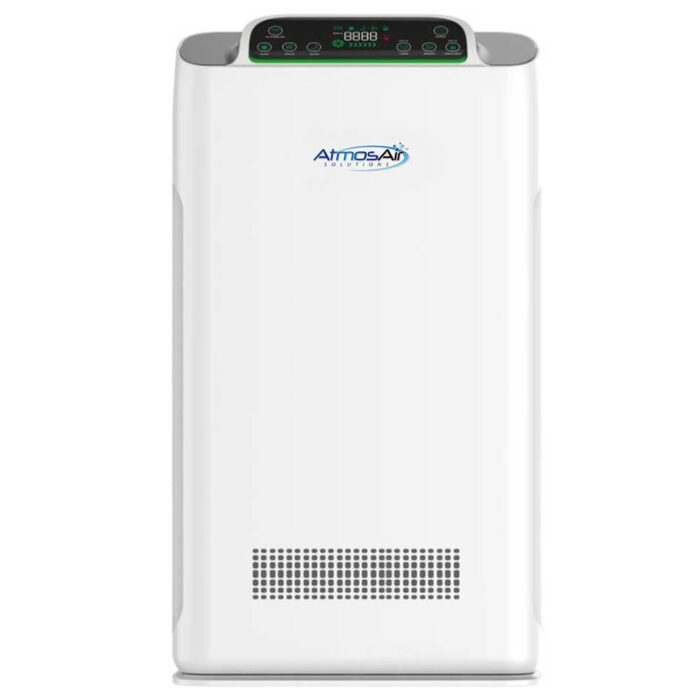
A quality air purifier is a must-have when revamping your home office because it enhances indoor air quality by removing pollutants, allergens, and particles. In turn, you’ll enjoy a healthier and more productive work environment. The AtmosAir Everest air purifier gives you that crisp mountaintop air in your home office by using bi-polar ionization technology to improve air quality. Thus, the name Everest!
AtmosAir’s The Everest is a proactive device in that it emits ions into the air 24/7 that seek, attack, and neutralize airborne viruses, germs, mold, and volatile organic compounds (VOCs). You’ll appreciate that it is highly effective in stopping the spread of coronavirus. Business owners who use this air purification device can say they breathe easier, sleep better, and notice an elimination of dust particles, odors, mildew, and bacteria. If you or any employees you have working in your office have allergies or are asthma sufferers, you’ll provide an environment where an immediate improvement in conditions is noticed.
The Everest is designed to be a standalone unit that will be calibrated per the recommendations of the contractor who will analyze the ion level readings in your space. It features a 6-stage filtration system: 1. Particle Filter (washable), 2. Carbon Filter, 3. HEPA Filter, 4. Antimicrobial Coating on HEPA, 5. BPI, and 6. UV. Retails for $795 (+ shipping and sales tax) at atmosair.com.
Joyasol Luna Slipper

A pair of Joyasol Luna Slippers is a must-have home office essential that gives you both comfort and style to elevate your work-from-home experience. Joyasol is a footwear brand designed by women. They are committed to blending style with sustainability and ethical values to make a positive impact on both the fashion industry and the world.
Joyasol’s Luna Slippers are made to keep you comfortable all day long as you work from home. They are crafted from teddy bear-like recycled sherpa in Portugal to keep your feet warm throughout the year. The lightweight EVA sole and plush sherpa slide-on upper offer all-day comfort, whether paired with your favorite loungewear for your work-from-home days or styled with jeans or leggings for coffee runs. They come in limited-edition colors in Ivory and Camel and their sizing is based on the EU sizing guide. If you are in between sizes, size up! Retails for $150 at joyasolshoes.com.
PILLOWPIA Hugh Lumbar Pillow
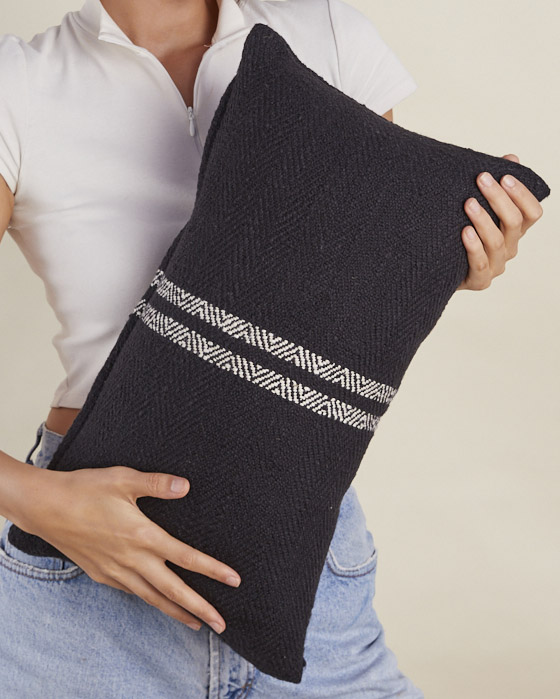
In revamping your home office, don’t forget decorative essentials! PILLOWPIA is a brand that specializes in creating stylish and high-quality decorative pillows with a diverse range of designs and patterns to enhance your home office decor. Their decorative pillows provide both ergonomic support, comfort, and a sense of warmth to your space.
PILLOWPIA’s Hugh Lumbar Pillow is crafted from luxurious super soft slub cotton which offers plenty of texture with a chevron pattern throughout. Two contrasting chevron stripes down the center provide just the right touch of pattern, making it a stylish addition to your space. Perfect for adding instant dimension and texture to your home office, this pillow enhances the aesthetic appeal of your decor but also gives you comfort and coziness. If you need a pillow insert for this beautiful cover, add PILLOWPIA’s Pillow Insert. Their inserts are made locally in their studio in Brooklyn, New York, and are plump, comfy, and hypoallergenic, as they’re made from plush-down alternative encased in 100% cotton. Retails for $76 (cover) at pillowpia.com.
IRIS USA 74-Quart WEATHERTIGHT Storage Bins, 3-Pack
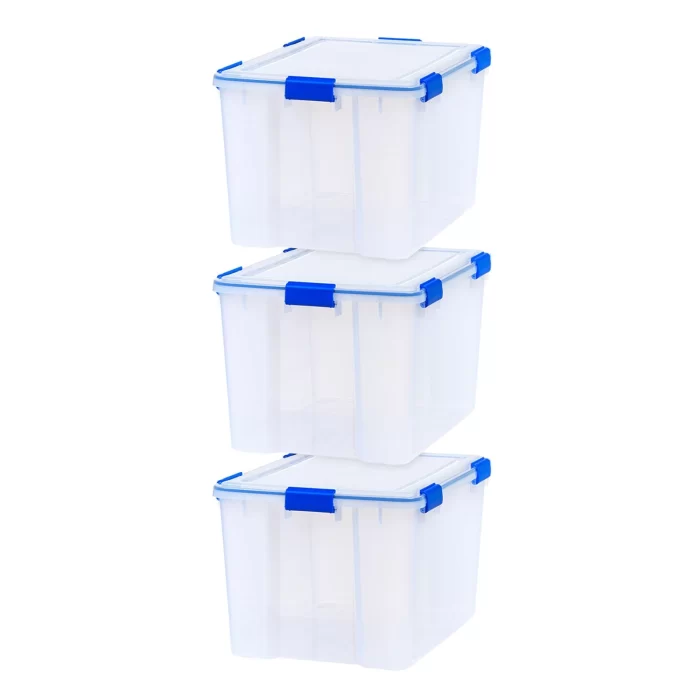
IRIS USA Storage Bins are a home office essential, providing an organized and clutter-free environment giving you better workspace management and enhanced productivity. If you run a small business selling goods, you’ll also appreciate bins give an effective way to keep inventory organized. Nearly 25 years ago, IRIS USA made history by being the first company to introduce clear plastic storage containers to the US market, marking the beginning of its rapid growth and expansion in response to increasing demand.
The IRIS USA 74-Quart WEATHERTIGHT Storage Bins come in a 3-pack and feature a secure seal safeguarding contents from dust and moisture. They also have reinforced lids ensuring stability when you are stacking multiple bins. Equipped with six durable buckle latches on the WEATHERTIGHT tote lid, these storage containers provide your business goods and office supplies a secure closure. With a maximum weight capacity of 40 lbs., these bins are both robust and reliable. The dimensions of each bin are 23.6″L x 17.8″W x 14.5″H, offering ample storage space while maintaining a compact footprint. Retails for $119.99 at irisusainc.com.
Salt by Sabrina Acrylic Office Gift Set
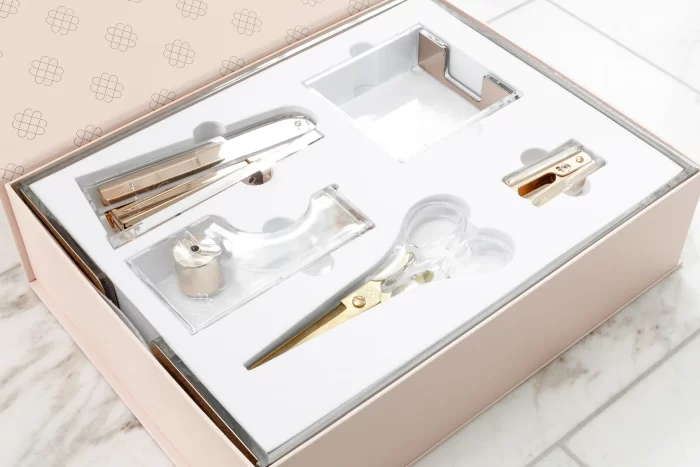
Salt by Sabrina was born out of a vision to bring tranquility and harmony to your home through aesthetically pleasing, practical, and personalized organizational solutions. They’re best known for their beautifully made acrylic drawer organizers and sustainably sourced baskets, but their offerings don’t end there. Elevate your desk with Salt by Sabrina’s Acrylic Office Gift Set which is crafted from premium acrylic and is available in ‘Classic Gold’ and ‘Polished Silver’ finishes. Every item in this set reflects outstanding attention to detail, evident in the weight of the tape dispenser’s ball and the elegant shape of the acrylic scissor handles. This beautiful desk set includes essential office tools such as scissors, a stapler, a staple remover, a tape dispenser, a memo cube, and a paper tray – all must-haves when revamping your home office! This set will make a perfect gift for any of your work-from-home friends as well. On sale for $54 at saltbysabrina.com.
Watex Mobile Green Wall, Single Frame
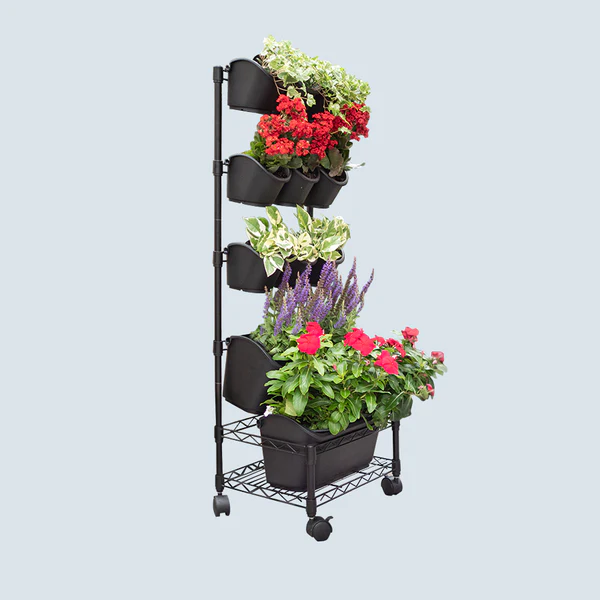
If you’re seeking to revitalize a neglected corner of your home office, this mobile wonder is your solution. Watex’s Mobile Green Wall allows you to relocate your plant wall easily, integrating nature into any nook you choose, indoors and outdoors. With the flexibility to create and move your green haven at will, this innovative product empowers you to curate your botanical sanctuary exactly as you envision, adapting to your ever-changing preferences.
Crafted from premium recycled plastic, Watex’s planters are entirely BPA-free, ensuring a safe environment for nurturing edible plants. Watex’s planters feature a corrosion-resistant metal frame and are tailored for a variety of plants like herbs, salad greens, berries, and succulents. The planters come in two sizes – small pot dimensions of 5 x 6.5 x 5 inches and large pot dimensions of 15.74 x 7.67 x 8.07 inches (WxHxD). Each kit is equipped with a pre-assembled micro-dripping irrigation system, providing the precise watering needed for each pot, and enhancing the overall health and vitality of your plants. On sale for $99 at watexgreenliving.com.
Rugs.com Hand Woven Chindi Cotton Rug
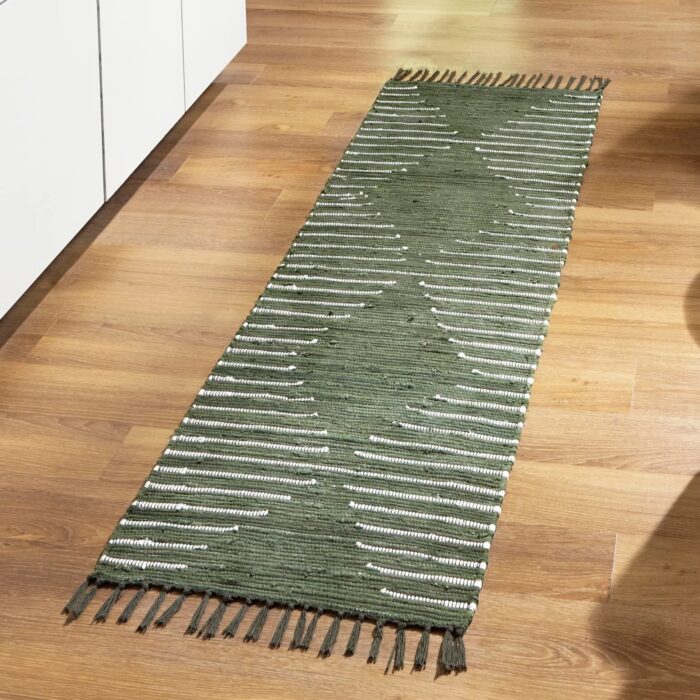
When revamping your home office, you want to consider a beautiful rug to compliment and uplift your space. A rug from Rugs.com is a great home office essential because it enhances the overall aesthetic of the workspace while also providing comfort and noise reduction around you.
Rugs.com’s The Braided Chindi Collection, crafted by master artisans in India, is an extraordinary series of exquisite handwoven rugs that infuse warmth and vibrancy into your home office space through their multicolored designs that use traditional weaving techniques. This rug features colors in green and ivory with a pile material made entirely of 100% cotton. It feels incredibly soft and plush under your feet. This beautiful Chindi rug comes in many sizes, including rectangle, runner, hearth, table runner, and stair. Retail price varies at rugs.com.
Kamsah Large Olive Wood Serving Tray (Alhambra Design)
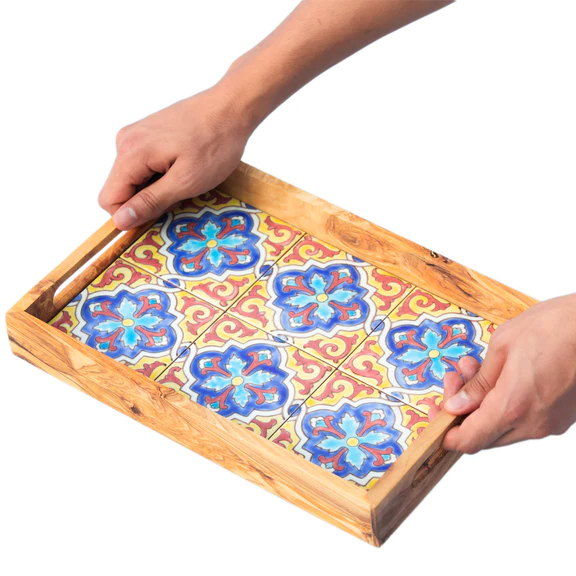
A decorative tray is essential for your home office because it adds style and functionality by organizing and elevating the aesthetic appeal of your workspace. You’ll also love using it to bring your coffee and small bites to your desk. Established in 2015 by Tunisian brothers, Kamsah draws inspiration from global artisanal traditions, infusing peace, authenticity, and a sense of global responsibility into original interior design accents for homes and beyond. Kamsah’s Large Olive Wood Serving Tray is a beautiful handmade serving tray that is made from Olive Wood and features an Alhambra Design. It’s hand-painted ceramic tiles will transport you to a beautiful place every time you use it. The dimensions of this high-quality tray are 13″ L x 9″ W x 2″ H. Retails for $69.95 at kamsah.com.
Tribest Humio® Humidifier & Night Lamp with Aroma Oil Compartment
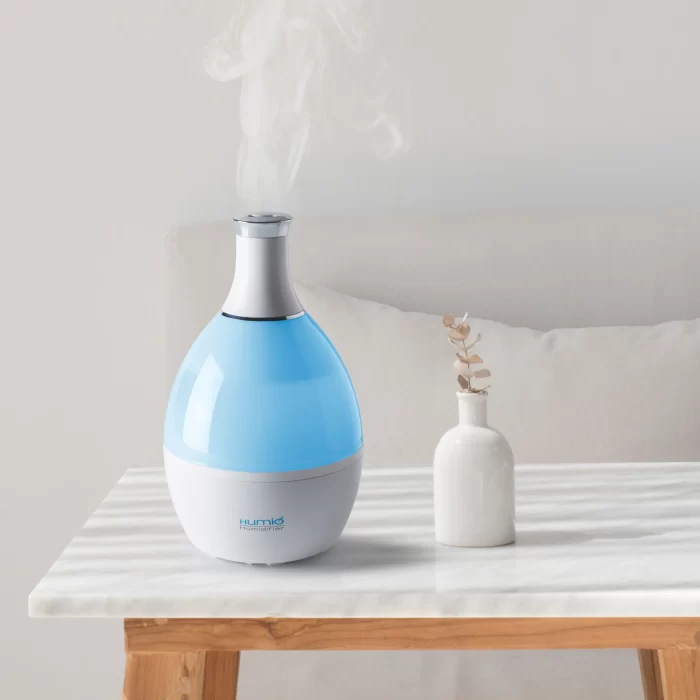
A desktop humidifier is necessary when revamping your home office, as it helps maintain optimal humidity levels, promoting a comfortable and conducive environment for improved productivity and overall well-being. Tribest’s Humio® Humidifier & Night Lamp with Aroma Oil Compartment adds moisture to dry or heated air, creating a comfortable environment in any room while doubling as a stylish decor piece. The 360° rotating mist ensures even coverage, and the color-changing LED technology adds ambiance to your space. With a large water tank and compatibility with essential oils, the Humio is great for maintaining optimal humidity levels and enhancing your well-being with aromatherapy benefits. You’ll appreciate that Humio® quietly operates with minimal power, covers up to 100 square feet, and provides up to 10 hours of operation per half-gallon tank of distilled water making it perfect for a single room in any home or office. Retails for $89.95 at tribest.com.
GBC Thermal Laminator Machine
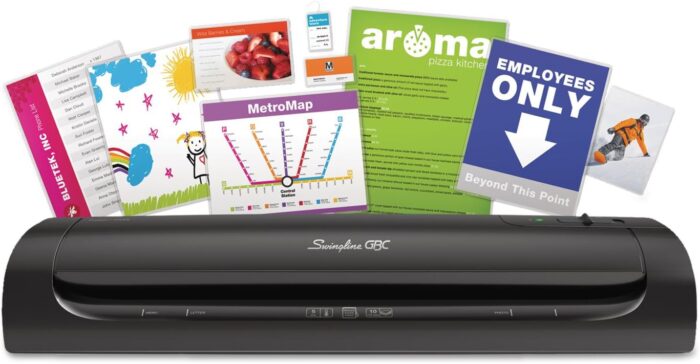
A laminator is an important home office item to consider when revamping your home office, as it preserves important papers and provides a professional finish for important materials. GBC’s Thermal Laminator Machine is a sleek and modern solution for home offices with occasional laminating needs. It features a quick warm-up time of just 4 minutes, allows you to laminate up to 10 documents in 10 minutes, and has a speedy 13″ per minute laminating capability.
The GBC Thermal Laminator Machine’s 12″ laminating width accommodates a variety of projects, and smooth rollers ensure wrinkle-free results with any 3-millimeter laminating pouches. Its user-friendly design includes a convenient release button for jammed pouches (though these are rare) and a green ready light when fully warmed up. This laminator comes with a reassuring 3-year warranty and includes 10 letter-size EZUse Pouches for easy loading and document alignment. Retails for $63.47 at the GBC Amazon Store.
Isha Foundation Ocean 4mm Natural Rubber Jute Yoga Mat

In revamping your home office, having a yoga mat in your home office promotes physical well-being by providing a convenient space for stretching and relaxation, offering a healthy break from sedentary work. The Isha Foundation Natural Rubber Jute Yoga Mat offers a harmonious balance between performance and eco-friendly design. Its natural rubber and jute mesh blend allows for excellent grip. Crafted from eco-friendly and biodegradable resin derived from rubber trees, this mat is recyclable and free from PVC toxic plasticizers and harmful dyes. While it may have a light rubber smell initially, this can be easily aired out (keeping in mind that extended exposure to direct sunlight may cause slight discoloration). This high-quality and earth-friendly yoga mat measures 24″ x 71″ (61cm x 180cm) and is 4mm thick. Retails for $59 at ishalife.sadhguru.org.
My Magic Carpet Washable Rug – Sasha Floral Cream Blue
My Magic Carpet is a hassle-free solution for a clean and hygienic home office or living space. Their lightweight, nonslip rugs are machine-washable and effortlessly fit into your washing machine for convenient cleaning. This means you can say goodbye to concerns about pet dander, mess, spills, and accidents, as their cozy and comfortable rugs ensure cleanliness for both you and your pets.
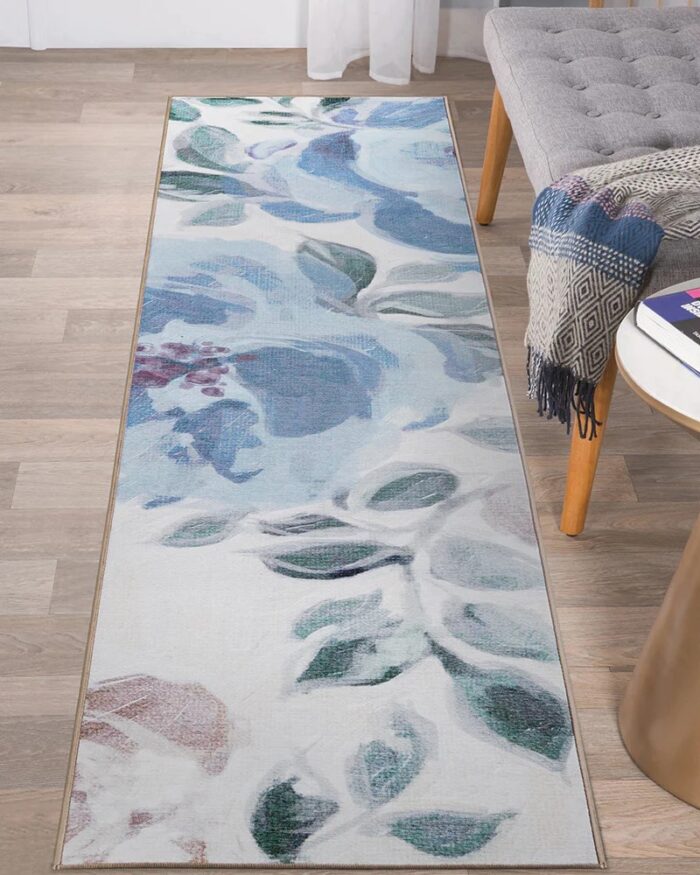
My Magic Carpet’s Sasha Floral Cream Blue Washable Rug features beautiful free-form blossoms in blue, green, and beige on a cream background. This rug comes in five sizes to meet your space’s needs and would look fantastic in your hallway or under your desk. You’ll appreciate that My Magic Carpet rugs consist of non-allergenic, stain-resistant 100% microfiber polyester, including a waterproof inner liner and a nonslip, patent-pending, webbed back. On sale for $89 (2.5′ x 10′) at buymymagiccarpet.com.
Quartet Glass Dry Erase Desktop Computer Pad
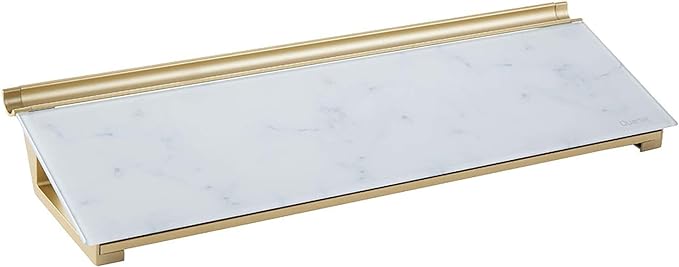
Maximize your desk space with Quartet’s Glass Dry Erase Desktop Computer Pad, designed to sit perfectly between your keyboard and monitor. Its angular design enables you to read your notes comfortably and its sleek design complements any décor style. This glass pad is GREENGUARD Gold certified, ensuring a high standard of indoor air quality. The non-absorbent glass surface allows for clean erases that resist stains and ghosting. It comes with a hidden storage compartment featuring a pull-out drawer to declutter your desk and keep markers and accessories organized. The long-lasting tempered glass surface is durable, scratch-resistant, and ideal for everyday use. The board measures 18″ x 6″ and comes with one dry-erase marker. For optimal performance, use Quartet Glass Board Accessories (sold separately). Quartet’s Glass Dry Erase Desktop Computer Pad comes in a few designs, such as ‘Marble’ and ‘Floral’. Retail starts at $32.99 at the Quartet Amazon Store.
Camelbak Thrive 16 oz Mug, Insulated Stainless Steel
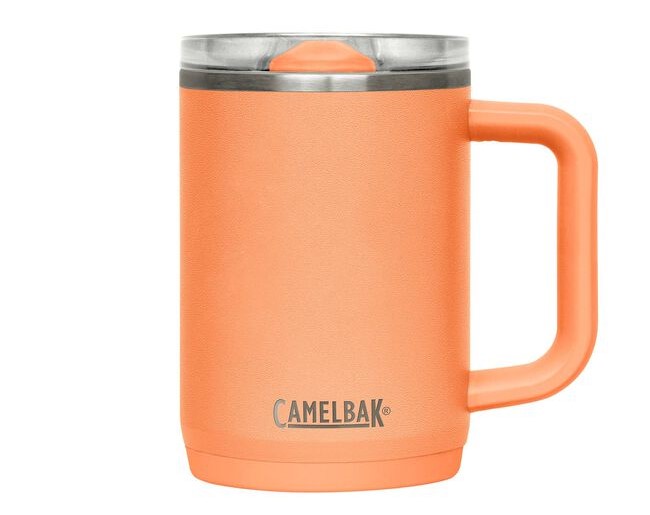
A stainless steel to-go coffee mug from Camelbak is a must-have home office essential to put on your list as you are revamping your home office. It keeps your beverage at the perfect temperature throughout the day, wherever you go. CamelBak’s Thrive Leak-Proof 16 oz Mug is designed to complement your work-from-home lifestyle. Its sleek and thoughtful design encourages you to keep up with the pace of your day without sacrificing functionality. The Thrive Mug features an integrated non-slip bumper for a secure grip, cutting-edge vacuum insulation to maintain your beverage’s ideal temperature and a leak-proof lid. From bustling commutes to fast-paced meetings, this mug has your back, offering a perfect blend of style and practicality in your dynamic schedule as a business owner. You can order this mug in many colors to meet your needs. Retails for $32 at camelbak.com.
Mongolian Gallery Leather Office Giftset
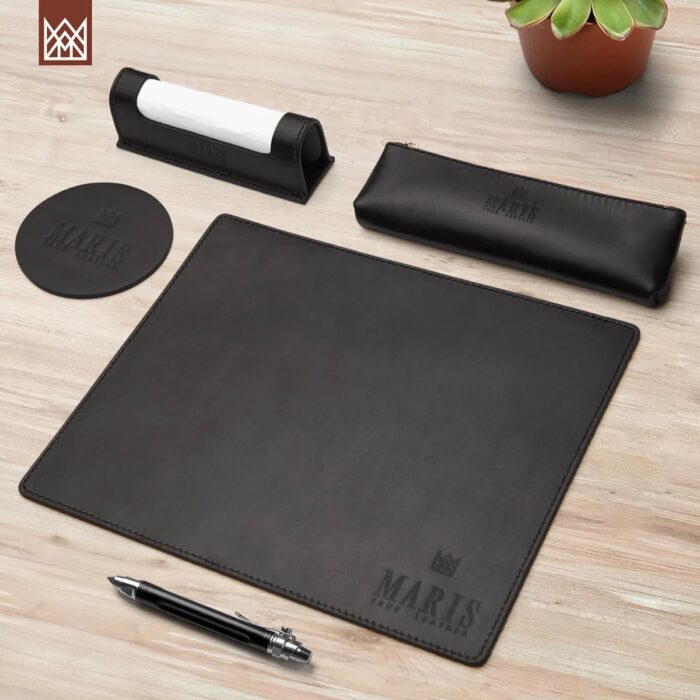
Mongolian Gallery is dedicated to partnering with authentic and quality-focused Mongolian businesses, ensuring their customers enjoy ethically produced, long-lasting essentials from clothing to desk sets. Elevate your workspace with Mongolian Gallery’s Maris Leather Office Gift Set, crafted in Ulaanbaatar, Mongolia. This meticulously designed gift set is ideal for both office and home office environments, offering a touch of luxury to your workspace. Made from high-quality cowhide, the set includes a mousepad, coaster, pencil case, and business card stand, giving your space a cohesive and sophisticated aesthetic. Maris’ commitment to craftsmanship ensures that each piece in this gift set enhances the feeling of your workspace. Retails for $85 at mongoliangallery.com.
Rio Red Swingline Stapler
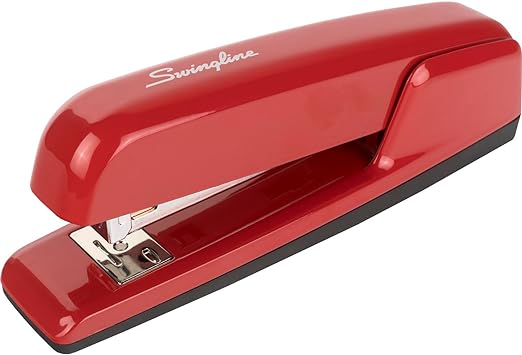
The iconic Rio Red Swingline Stapler is a durable, all-metal constructed stapler designed for reliable, jam-resistant, and accurate stapling. Crafted for desktop use, it holds a full strip of 210 staples, and because of its low-staple indicator, you’ll know when a refill is needed. It is capable of stapling up to 30 sheets of paper using standard Swingline S.F. 4 Premium Staples with 1/4″ length legs. This high-performing stapler also offers the convenience of tacking papers to bulletin boards and temporary pinning by simply reversing the anvil. Backed by Swingline’s 100% performance guarantee and a limited lifetime warranty, this stapler is built to last. Retails for $19.99 at Swingline’s Amazon Store.
Copper H2O Hammered Copper Water Bottle

In revamping your home office, Copper H2O’s Copper Hammered Water Bottle will become your ultimate desk buddy. This water bottle is meticulously handcrafted to last a lifetime and even be passed down through generations. Beyond its aesthetic appeal, copper is known for its antibacterial properties, promoting overall health, preventing aging, supporting healthy skin, maintaining cardiovascular health, aiding the thyroid, and stimulating the brain. Hammered bottles increase the surface area that touches the water which in turn enhances the benefits. You can get Copper H2O’s water bottles in the sizes 10 oz (300mL), 20 oz (600mL), 30 oz (900mL), or 25 oz (750mL, select finish available) and the finishes available are hammered, smooth polished, and smooth brushed. Retail varies at copperh2o.com.
James Point Stationary – DailyTasker

James Point Stationary was founded from a passion for simplicity, organization, sophistication, and an appreciation for high-quality and luxurious paper. Their premier product line is designed for list makers who seek a simple and sophisticated means of staying organized. James Point Stationary’s DailyTasker is ideal for business owners seeking a consolidated space for the daily organization in their busy lives. Measuring 8.3 x 5.8 inches, each pad contains 75 undated pages featuring sections for daily appointments, essential tasks, priorities, and ample note space to ensure nothing important is overlooked. The notepad is elegantly bound in their Signature Navy book-cloth binding and showcases beautiful and slightly textured 32lb paper. James Point Stationary offers other fantastic organizers, including the MultiTasker, the FamilyTasker, and Productivity Pages. Retails for $20 (DailyTasker) at jamespointstationery.com.
Be Rooted 3-Piece Affirmation Pens
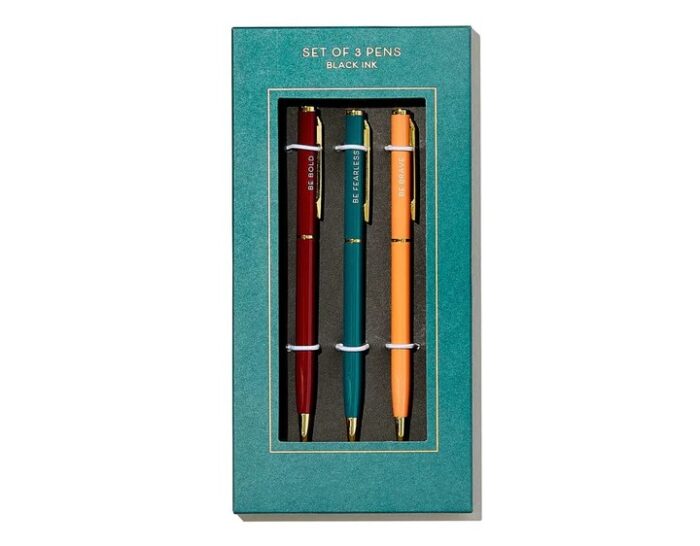
Founded in 2020 to address the lack of representation for women of color in retail, Be Rooted creates designs that incorporate culture and representation. They inspire customers to explore their inner muse and celebrate themselves. Be Rooted’s 3-Piece Affirmation Pens are crafted with brass hardware to offer you a stylish and functional writing experience. The retractable ballpoint tip and clip give a sleek design that’s slim enough for storage in your wallet or pocket. This set of three pens features black ink and a durable metal construction. These pens are great for revamping your home office as they are a reminder to overcome challenges and achieve greatness. Retails for $15 at berootedco.com.
Cambridge Spiral Meeting Notebook
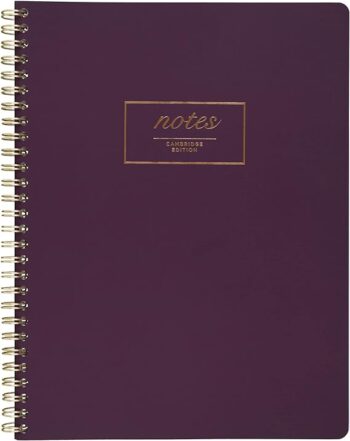
A spiral notebook from Cambridge is an essential tool for the home office. It offers a convenient and organized means to write important notes, tasks, and project details for better productivity. Organize all your notes with the Cambridge Spiral Meeting Notebook. The notebook includes 80 sheets of ruled, 20 lb. premium paper, and every page is perforated for clean removal. You’ll also find a convenient space at the top-right-hand corner for jotting down the date. The notebook has gold twin-wire binding so that it lasts. It comes in the colors ‘Teal’ and ‘Eggplant’, and has dimensions of 9 1/2″ x 7 1/4″. Retails for $15.19 at The Cambridge Amazon Store.
The post Essentials for Revamping Your Home Office in 2024 appeared first on Home Business Magazine.
Original source: https://homebusinessmag.com/home-office/product-reviews/essentials-revamping-your-home-office-2024/