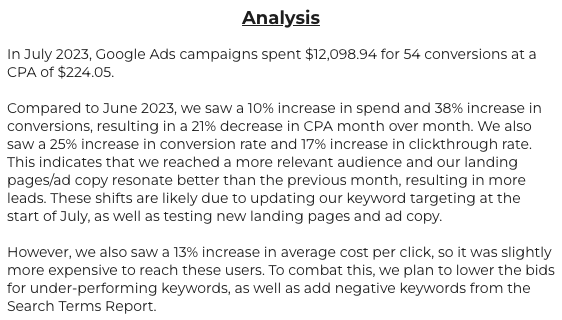
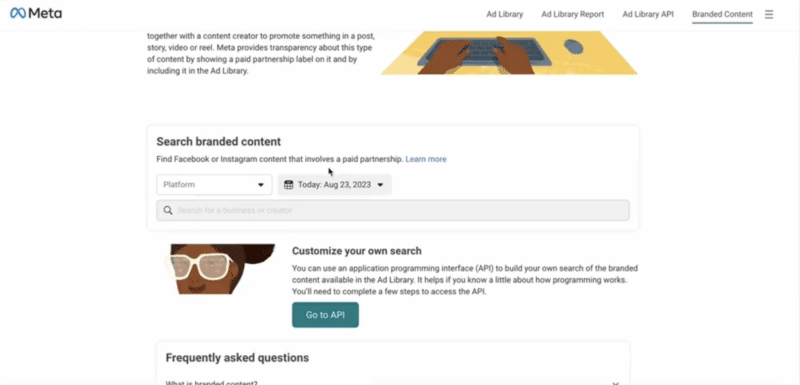
Account suspensions are essential to “maintain a healthy and sustainable digital advertising ecosystem with user protection at its core,” according to Google Ads.
While we can all agree that the platform needs to be a safe experience for all, it can be a minefield for advertisers navigating the account suspension process.
Let’s look at account suspensions, the three main types of account suspensions and how to deal with them.
Why do accounts get suspended?
Accounts get suspended when Google Ads finds a violation of one of their policies.
Google Ads uses a combination of automated systems and manual reviews when detecting violations.
The process includes reviewing the account and other aspects, including customer reviews, your business practices and the content of your website.
How are accounts suspended?
Depending on the violation, accounts may be suspended immediately upon the detection of a violation.
In other cases, advertisers will be given a prior warning of at least seven days before the suspension takes place.
What happens when an account is suspended?
When an account is suspended:
Ads will not run.
You won’t be able to create any new content, such as ads, ad groups or campaigns.
You can, however, still access the account to review historical data and reports.
In some instances, accounts related or linked to the suspended account may also be suspended, such as linked Merchant Center accounts or those linked to the same manager account. These will be lifted if/when the original suspension is resolved.
Get the daily newsletter search marketers rely on.
function getCookie(cname) {
let name = cname + “=”;
let decodedCookie = decodeURIComponent(document.cookie);
let ca = decodedCookie.split(‘;’);
for(let i = 0; i <ca.length; i++) {
let c = ca[i];
while (c.charAt(0) == ' ') {
c = c.substring(1);
}
if (c.indexOf(name) == 0) {
return c.substring(name.length, c.length);
}
}
return "";
}
document.getElementById('munchkinCookieInline').value = getCookie('_mkto_trk');
What are the different types of account suspensions?
Other reasons why an account may be temporarily suspended include:
Suspicious payment activity.
Unpaid balance.
Unauthorized account activity.
What to do if your account is suspended?
Policy violations
If your account has been suspended for policy or terms and conditions violations, you must resolve the issue causing the suspension before submitting an appeal.
The Google Ads help guides are full of detailed information about these policies, so make sure you read these thoroughly.
Do not submit an appeal until you are certain that you have made the relevant changes.
For example, if you have been suspended for violating editorial requirements, review your ad copy to check for potential issues regarding capitalization, spacing, spelling and symbols.
If you are uncertain about the violation/s that caused the suspension and how to fix them, you can use the account troubleshooter to determine what steps need to be taken.
To submit an appeal, click on a Contact us link, which will direct you to the appeals form. You have a minimum of six months to submit this appeal.
Egregious violations
Egregious violations are treated very seriously. In most cases, the suspension is permanent.
However, if you genuinely believe that the suspension is baseless, then you can submit an appeal.
Make relevant changes to your account and/or business practices before you submit your appeal. This is important because egregious violations only get one chance to submit an appeal.
Take the time to review your business practices honestly and make sure you have done all that you can to comply.
Other suspensions
In many of these cases, billing issues cause suspension, so check the billing section of your account.
Ensure that billing information is accurate, your payment method is up to date, and recent payments have not been declined.
If your account has been suspended for a billings and payment issue, you must fix this within 30 days.
Above: Verified advertisers show in the Ads Transparency Center, which plays a part in Google’s efforts to build a safe and positive experience.
In the case of an “Unauthorized account activity” suspension, Google Ads has detected suspicious activity, and your account has been suspended to protect your account.
This may be triggered due to recent changes to account access, an unusual increase in your ad spend or if your ads are sending traffic to unfamiliar destinations.
You will need to:
Change your Google account password immediately.
Check for any unfamiliar devices signed in to your account.
Unfortunately, many advertisers are reporting long wait times to hear back about their appeal. This means that you will need to be patient and wait for a response via email.
In the meantime, donot submit additional appeals. This can delay the process.
If your appeal is accepted and your account is reinstated
You can resume running your campaigns via Google Ads as usual.
Be aware of violating the same policy again in the future. Depending on the type of policy infringed, you may face permanent suspension for repeat violations.
If your appeal is denied
You may be eligible to submit another appeal, but you must make the relevant changes before you do so.
While there is no limit on the number of appeals you can make, if too many appeals have been made, they may not be processed.
For egregious violations
If your appeal is denied and you are permanently suspended, you have been banned from using Google Ads. Creating any new accounts will also result in suspensions.
If you still have funds in your account, you will need to cancel your account to receive a refund.
Making sense of Google Ads account suspensions
Account suspensions are designed to help keep advertisers and users safe.
They help keep dangerous and malicious activities off the platform, improving the Google Ads experience.
While finding out your account is suspended is frustrating, in most cases, there are steps you can take to resolve the issues behind the violation and have your account reinstated.
Are you a new search marketer looking to learn about the history of search?
Do you want to stay updated on the latest search marketing news?
If so, there’s only one person you need to “follow” to know 90% of the interesting changes in the industry.
This individual has a website; his first blog post was published on Dec. 2, 2003. The site’s Google Analytics (GA) code is tellingly short: UA-67314-1.
Several months ago, after a brief interaction on Mastodon, I was given access to his GA account to see if I could tell a story about the history of search through his work as the record-keeper of search marketing.
Looking at his posting patterns (Figure 1), it is clear that volume is no challenge. (I even double-checked this graph several times to ensure it was correct. Wow!)
Figure 1
For the last 20 years, this person has posted, on average:
This article covers the key takeaways and findings from my analysis of seroundtable.com’s historical Google Analytics data.
(If you’re interested in how I analyzed the data and which tools I used, you can check out the methodology below.)
Search engine coverage through the years
Since we had data from 2003 and a prolific poster, we thought it would be interesting to look at the topic coverage that mentioned various engines in the titles of posts (Figure 2).
Figure 2
This figure tells the same story that we all know, Google is the most-covered search engine in the last two decades.
But it’s also interesting to note Yahoo’s death and the resurgence of Microsoft Bing. (While Microsoft Bing has seen a surge in coverage, it is not clear this is helping from a usage perspective, as reported in May.)
Looking at one person’s perspective of covering the “interestingness”of these products is a unique way of understanding their history.
Notably, most major U.S. search engines received minimal mentions over the past 13 years, except for Microsoft Bing, which gained sudden prominence recently due to Microsoft’s integration with OpenAI.
Looking at the average number of sessions per post and post frequency over time by search engine cohort (Figure 2), it is clear that the extensive news coverage greatly contributes to Google’s significance for this site’s audience.
One important part of search engines is how frequently they improve their results. We can look back at the history of “algorithm updates” covered along with the search volume driven each month.
You’ll notice how the posts increase after the initial surge of traffic with an update announcement. The graph below paints a really interesting story of:
How frequent updates are (at least major ones).
Schwartz’s connection to and consistency of his coverage.
Figure 3
The impact and popularity of Google updates in the search community
We labeled roughly 20 named Google updates. The eight shown below are the top eight by overall sessions (Figure 4). We added the category “Penalty” to this chart, as this was a strong topic area in the time of Penguin.
While the topic is still discussed, its popularity has waned, as seen below. This shows the tremendous impact of Penguin updates on the search community.
Figure 4
Interestingly enough, seroundtable.com had a manual action from Google from roughly 2007 through March 2013.
Schwartz wrote about it in 2011, and we can see annotations in his GA account that point to it being lifted in March and verified lifted via reconsideration request in April.
His Google/Organic session growth (YoY) for Q1 2013 was 16%, compared to 25% in Q2 (Figure 5).
New user growth grew 22 percentage points. Despite this, the impact is dubious due to outlier spikes of interest favoring the second quarter.
Figure 5
Schwartz, from his post on the penalty (and his sponsorship links), said:
“I am stubborn and I am one of the few SEO blogs that decided to not change when Google unleashed their penalty.”
Years later, he reconsidered. (Many details are now missing in GA, but the manual penalty likely didn’t have a drastic impact.)
Seroundtable.com also fell victim to the Panda 4.1 update in 2014 (Figure 6).
As Schwartz indicated in 2015, performance started improving modestly with Panda 4.2 mid-2015 up until May 2020, when there was another sudden decline.
Figure 6
Google team members
We identified 10 Google employees mentioned in the titles of posts (Figure 7).
Of the 10, we restricted the list to show only those regularly communicating information to the SEO community.
This is my favorite view as it clearly shows the Matt Cutts vs. John Mueller eras.
As the Public Liaison for Google Search, Danny Sullivan is not as pronounced in the posts. It’s important to note that any mentions of him before late 2017 would refer to his previous role before taking up this position.
As the founder of Search Engine Watch and later the founding editor of Search Engine Land, Sullivan is undoubtedly an integral part of SEO’s history.
Figure 7
SEO tool coverage
The SEO industry has no shortage of tools. Reviewing Schwartz’s posts, we can see that he has mentioned a wide range of tool companies over the years.
While posts devoted to a particular company are fairly rare, Schwartz has covered data studies and product announcements.
Below (Figure 8a), we can see the frequency of coverage in posts since 2003. This data differs from other data in this article as it considers mentions in the article title and content.
Tool Name
Mention Count
Moz
924
Rank Ranger
561
Accuranker
297
Algoroo
292
Advanced Web Rankings
289
Cognitive SEO
232
SERPmetrics
116
Yoast
91
Majestic
53
SERPs.com
46
SEMrush
44
Screaming Frog
34
Ahrefs
29
Sistrix
21
DeepCrawl
20
SimilarWeb
13
SE Ranking
12
HARO
9
SERPStat
7
SERPWoo
6
Figure 8a
Historically, we can see the benefit to tool vendors of creating aggregated ranking metrics like Mozcast.
Frequent and growing mentions with each ranking fluctuation. It is also clear here the staying power that Moz has.
Figure 8b
Top posts
The following table (Figure 9) shows the top post for each year by unique pageviews.
There is content with broader appeal (outside of the SEO community), and content that is more narrowly targeted to search engine marketers.
I wonder how he decides this balance? I was surprised a bit by this list, but it makes sense.
Year
Title
Unique Pageviews
2005
First Ever Wedding Proposal via Search Engine
3,568
2006
Google Earth – Free Download
50,669
2007
Google Earth – Free Download
44,214
2008
Google Earth – Free Download
64,097
2009
Scam: Google Money System or Google Kit
88,657
2010
How to Set Up Google AdSense Video Units via YouTube
78,537
2011
How to Set Up Google AdSense Video Units via YouTube
148,083
2012
Google Celebrates the First Drive-In Movie Theater
126,629
2013
Google Maps Murder at 52.376552,5.198303 in Netherlands
265,977
2014
Google Maps Murder at 52.376552,5.198303 in Netherlands
How to Get a Location’s Longitude/Latitude Using Google Maps on iPhone
129,300
2017
Big Google Algorithm Fred Update Seems Links Related
175,488
2018
You Can Now Opt to Remove Trending Searches in the Google Search App
125,922
2019
You Can Now Opt to Remove Trending Searches in the Google Search App
181,556
2020
Google Logo Says Thank You Coronavirus Helpers
413,202
2021
You Can Now Opt to Remove Trending Searches in the Google Search App
103,498
2022
Google Helpful Content Update to Target Content Written for Search Rankings
226,842
2023
Google Maps Murder at 52.376552,5.198303 in Netherlands
55,533
Figure 9
Comments
Seroundtable.com has, as far as I know, always allowed comments, and the SEO community loves to share opinions about Google’s shenanigans.
This view (Figure 10), suggested by John Mueller, shows posts over time by unique page views and comments (bubble size).
Figure 10
This gets interesting if we look at the data by topic category.
For example, let’s compare content on “Google Updates” with content on “Paid Advertising” (Figure 11a and 11b).
Figure 11a
Figure 11b
It is much less heated over on the paid side, but it shows the heightened level of interest, emotion, and interaction for posts covering changes that can potentially erase months or years of effort.
Links
Schwartz is not shy about linking to others.
As mentioned earlier, Schwartz reluctantly added a nofollow attribute to sponsorship links years after receiving a modest penalty from Google in 2007.
Schwartz has linked from his post content to nearly 4,000 unique domains over the last 20 years (Figure 12).
This graph shows the top 10 linked domains from the dataset, clearly illustrating the value Twitter has provided to Schwartz for surfacing information to write about over the last 10 years.
Figure 12
The next chart removes Twitter and Google and does the same thing (Figure 13).
We start to see a few sites that newer SEOs may be unaware of, but many might remember with varying degrees of fondness.
Figure 13
Get the daily newsletter search marketers rely on.
function getCookie(cname) {
let name = cname + “=”;
let decodedCookie = decodeURIComponent(document.cookie);
let ca = decodedCookie.split(‘;’);
for(let i = 0; i <ca.length; i++) {
let c = ca[i];
while (c.charAt(0) == ' ') {
c = c.substring(1);
}
if (c.indexOf(name) == 0) {
return c.substring(name.length, c.length);
}
}
return "";
}
document.getElementById('munchkinCookieInline').value = getCookie('_mkto_trk');
Data visualization of search trends over time
Here is a fun racing bar chart showing the top categories over the last 20 years (Figure 14). This serves as a reminder of the influx of panic within the SEO community during Google updates.
To a certain extent, this brings comfort, as even though SEO is rapidly changing, it has always been that way.
I thought something interesting here could be used to point to where a certain day was prioritized for posting, but no.
Posting just as it happens, and it happens a lot.
I mention that Schwartz is a robot based on the extraordinary consistency he has shown in posting over many years.
I have had difficulty committing to the same project for over six months, so 20 years is beyond amazing (Figure 15).
Figure 15
For balance, here is the number of sessions by day of week (Figure 16). I guess it really doesn’t matter, although mid-week is the clear winner.
Figure 16
Looking at the types of posts published in the last several years, there doesn’t seem to be a large difference between the types of posts on weekdays (Figure 17).
Where we do see differences is on Saturday and Sunday, which are days that usually involve temporal events of strong importance.
Schwartz has historically posted rarely on Saturday and Sunday, with 0.74% and 0.17% of all posts, respectively.
This makes sense intuitively since he would be more likely to break from his weekend for items that are really important to cover.
Figure 17
Important categories and word count
These are the top categories out of the ones reviewed based on slope (Figure 18). For reference, a slope is a measure that describes the direction and steepness of the line.
One reason these categories perform so well from a traffic perspective may be that this type of content breaks out of the typical SEO world bubble and into the general population of interest around Google.
Figure 18
Schwartz has often stated that he cares more about getting the news out than the depth with which it is covered.
This is supported by data when looking at the relationship between sessions and word count (Figure 19).
Figure 19
How Schwartz’s readership reflects the SEO industry and interest in different segments
SEO sub-sections
This is where the categories may get me into trouble.
At a high level, here is the relative interest in the SEO industry with respect to followers and readers of Schwartz for the four major segments of SEO (Figure 20).
As pointed out by Mueller, you can see the decade of mobile nicely.
Figure 20
AI and SEO
OK, I just wanted to do a treemap, but this is a cool view of the total sessions by posts from the “Machine Learning” category (Figure 21).
Please note that this is the total sessions of the best post in each category. This should control for the relative newness of some of the categories.
I find it fascinating that the entrance to the lexicon of BERT had a larger impact than recent machine learning changes.
Figure 21
SEO hero
For all you on-page gurus out there, here is the comparative level of interest for members of this category based on the sessions of the best-performing post (Figure 22).
A note here that “Meta” may be inflated due to matches to the company, Meta (Facebook).
Figure 22
Here are the top categories by tactic (Figure 23). As this is over the span of 20 years, a number of these tactics could actually get a website penalized.
This does show well the checkered past of SEO and the nature of Google’s PR pushes to call out tactics that attempt to game their system or harm others.
Figure 23
Paid
For my friends on the paid side, here are the members of the “Paid Advertising” group of posts. (Figure 24). Who remembers Overture?
Figure 24
Browsers
This was surprising to me based on how much Google is covered on this website and how lopsided Google’s market share is (62.85%), but hats off to Schwartz for the even coverage (Figure 25).
Figure 25
Events
Some earlier posts in history promoted specific conferences like SMX, but this was over a relatively short period, so they were removed from the dataset.
Interestingly, dominant COVID-19 content, which lasted a year or so, was compared to other categories over 20 years (Figure 26).
Also, we definitely need more Easter eggs from Google. Schwartz told me he used to do live blog events but stopped over a decade ago.
I removed most (all?) of the titles from the dataset that didn’t have at least some mention of a relevant topic (e.g., vlog episode #1234 Weekly Roundup is an example of one that would be removed).
Schwartz also mentioned he stopped covering Google logos when other publishers started covering them.
“They lost their fun.”
How cool is it to do something so driven by passion and not clicks?
Figure 26
The history of search in 32,926 posts and counting
Barry Schwartz’s author page on Search Engine Roundtable, with 32,926 articles published as of writing.
It is interesting to go back and recount all that has changed in the industry and get to know the “wild west” days of search.
And we have Barry Schwartz to thank for 20 years of covering the industry without fail.
If it involves search marketing, we know Schwartz has more than likely seen or covered it.
That’s not new.
I want to thank John Mueller and Patrick Stox for their recommendations and sanity checks on the information and data provided here. Danny Sullivan also reviewed for an additional sanity check.
The data and methodology
I started by crawling seroundtable.com in Screaming Frog, carefully pulling post meta content like Author, Post date, and Category using custom extraction. I also pulled GA data, although since this was from 2005, I knew this wouldn’t be enough. The HTML data was outputted to a CSV for further processing.
Since there are many authors on seroundtable.com, I limited the rest of the analysis only to posts written by Schwartz (he wrote more than 32,000 of them).
To better understand how much Schwartz has contributed to the website, here’s a quick look at the top 10 authors and how many articles are attributed to them (Figure 27).
Author
Articles
Barry Schwartz
32,786
Tamar Weinberg
1,875
Ben Pfeiffer
351
Chris Boggs
246
cre8pc
119
digitalpoint
40
nacho
34
evilgreenmonkey
24
seo guy
22
cshel
21
Figure 27
I then set up an API pull from GA API to pull monthly landing pages and sessions for all users. In addition, we pulled data on pageviews and external links.
After pulling all the data, I noticed that seroundtable.com used AMP, meaning two sets of URLs for many of the articles. Looking at slugs (e.g.,/category/this-is-a-slug.html), thankfully, these were all unique.
I needed to eliminate the categories, author pages, and other pages where the topic was not inferable from the title – limiting to where Screaming Frog found Authors easily cleaned this up.
From there, I cleaned the URL Paths to unique slugs and used that as my match between the crawled URL data and the GA data.
It is worth noting that seroundtable.com data begins in GA in the 4th quarter of 2005. The first post was from the 4th quarter of 2003. As pointed out by Patrick Stox, November 14, 2005, was the official launch of GA, meaning our data encompasses all data through the birth and death of GA as we all knew it.
Before this, the site used Urchin Analytics, which became GA. Of the 27,309 unique slugs found in the crawl, only 0.2% were not found in the GA data. Most were after the data cutoff of June 30, 2023.
Natural language processing (NLP)
After ensuring I had clean page data and Analytics data, I ran the page titles through a process that transitions them to ngrams. An ngram is n-term groupings. For example, “the green frog”, would be comprised of: “the,” “green,” “frog” as 1-grams, and “the green”, “green frog” as 2-grams. Running this over the titles and counting the frequency of each gram level allows for important concepts to bubble up.
We then ran all the important ngrams through a large language model (LLM) to see how well it could pick out important topics and further combine them into relevant categories. This is where we see the limitations of LLMs on niche topics. Although the models helped in the process, there was quite a bit of manually reviewing various ngrams for concepts that could build a category.
Furthermore, there are many entities and concepts like “Google” and “organic search” in the data set that are present in many posts, while temporally important topics like “hummingbird” only last for a few posts and confuse the hell out of language models.
You can review the category data here and review the main category designations in the graph below. We matched the categories to the titles using reverse-word-length-sorted matching to ensure more detailed phrases matched before broader (shorter) phrases. It is worth noting that we broke each topic up into a broad category and a more detailed sub-category.
The graph below (Figure 28) contains the broad categories with sessions above the 25th percentile. Also note that the process of classification is very subjective. To be sure, viewers will find topics they would have categorized differently.
Figure 28
External link data and SEO tool mentions were handled via separate crawls targeting only the portions of each page devoted to the main content.
The SEO tool data differs from the categorized data as it considers the title and content. Categorization of posts was done on the title only.
Working from home can be quite a rewarding experience. For starters, you get to dictate your own tempo and pace, and many people find this to be a significantly less stressful environment to work in.
However, it’s important to note that you need to be very careful when setting up your home office space. Ideally, aim at the perfect blend between relaxing and engaging environment that will get your creative juices flowing. You want to create a space where your productivity and motivation will shine the brightest.
But in order to achieve this, you’ll need to carefully approach the design and invest in some smart home technology that will help you to reach your full potential. With that in mind, here are three home office tech essentials you’ll need to choose carefully that will set you on the right path towards your business success.
Ergonomic office furniture
The first and arguably the most important piece of technology you should get your hands on is ergonomic office furniture.
Without the right support, you simply won’t be able to concentrate on your tasks properly. That’s why you need to make sure that both your office desk and chair provide the right level of support for your back, neck, arms and shoulders.
There’s a great variety of options you can choose from and you can even find these pieces for rather cheap. Keep an eye out on platforms like Facebook Marketplace and check if any local businesses are renovating or closing down their office spaces, so you can snatch at least some of these pieces for a bargain price.
Top-notch equipment
Next, the equipment you’ll actually be using to complete your tasks needs to come second.
Here, you really shouldn’t try to save up on gear such as a laptop, monitor and other peripherals, as any investments you make towards these are sure to pay off tenfold. So, make sure you do your research, find the right pieces of equipment you need for your job and get them all straight away.
Alternatively, you can even choose to rent some pieces of equipment, such as printers or copiers. That way you can always have access to the latest models, as well as maintenance, without directly having to invest in purchasing them.
Smart lighting
Smart lighting is another home office essential you need to be careful with.
Too bright of a light will make the office environment feel too aggressive which can significantly hinder your performance. On the other hand, lighting that’s too gloomy can only dwindle your overall mood, alertness and performance, which is, of course, something you wish to avoid.
So, make sure you install enough varying lighting sources, such as the overhead lights as well as task and ambient lighting, and make sure they’re all remotely controlled. That way you can dim or brighten the lights as needed, ensuring you’re always working in just the right atmosphere and conditions.
Businesses that sell products on Amazon often need help with Amazon compliance due to the complex and ever-evolving nature of e-commerce regulations and requirements. Dell Tech is an Amazon ISO Accredited Lab and part of Amazon’s approved Service Provider Network.
Here are 10 reasons why your home business needs Dell Tech’s help with Amazon compliance:
Regulatory Complexity: Selling on Amazon requires compliance with a variety of regulations and standards, including product safety, labelling, packaging, and more. Dell Tech’s team has 40+ years experience navigating consumer product regulations for Canada and the United States.
Diverse Jurisdictions: Amazon operates in multiple countries, and each country has its own set of regulations and compliance requirements. Businesses that want to sell internationally on Amazon need to understand and adhere to the regulations of each marketplace.
Changing Regulations: Regulations and requirements can change frequently. Businesses can rely on Dell Tech to be up-to-date with any changes to ensure that their consumer products remain compliant and avoid potential penalties or removal from the platform.
Product Liability: Your home business can be held liable for any harm caused by your products. Ensuring compliance with safety and quality standards helps reduce the risk of product recalls, legal issues, and negative customer experiences.
Risk Mitigation: Non-compliance can lead to financial penalties, product recalls, negative customer reviews, and even legal actions. Let Dell Tech help you ensure compliance to minimize these risks and protect your reputation.
Fulfilment and Shipping: Compliance with Amazon’s fulfilment and shipping requirements is essential for maintaining a positive customer experience. This includes packaging, labelling, and delivery timelines.
Reviews and Ratings: Amazon places importance on customer reviews and ratings. Ensuring product quality and compliance can lead to positive reviews and better overall customer satisfaction.
Seller Performance Metrics: Amazon tracks seller performance metrics, such as order defect rates, late shipments, and customer feedback. Maintaining compliance helps businesses meet these metrics and avoid account suspension.
Professional Image: Adhering to compliance standards helps businesses present a professional and trustworthy image to customers. This can lead to increased customer trust and loyalty.
Specialized Knowledge: Understanding the intricate details of Amazon’s policies and requirements can be challenging. Businesses may lack the expertise needed to navigate these complexities effectively, which is why partnering with Dell Tech will save you time and money in the long-term.
Due to these factors, businesses often turn to consultants, compliance experts, or e-commerce service providers to help them navigate the intricacies of Amazon compliance. The professionals at Dell Tech have the knowledge and experience to guide businesses through the process of listing, marketing, and selling products on Amazon while ensuring they remain compliant with all applicable regulations and guidelines.
Being SPN (Service Provider Network) approved by Amazon signifies official recognition and endorsement for a service provider. It implies meeting Amazon’s strict standards of quality, expertise, and customer satisfaction. As an SPN-approved partner, Dell Tech offers reliable solutions and services within Amazon’s ecosystem, fostering trust and credibility among clients and the platform itself.
Plenty of tools promise to offer excellent PPC data and insights. However, they usually come at a cost. But if you know where to look, you can gather a wealth of data and insights without spending a dime.
In this article, I’ll share a list of free tools I use to manage client accounts and optimize campaigns across paid channels.
Competitor and market analysis tools
Analyzing the competition is crucial when planning and managing your paid media ads. You also need to keep up with what is happening in the market.
The tools below offer free insight into just this.
1. Google Ads Transparency Center
Google Ads Transparency Center is a relatively new tool that enables users to see what ads any verified advertiser is running across Google networks.
The tool was released as a privacy measure to create a “safe and open internet.” But for advertisers, it also works as a great way to see your competitors’ ads.
Ads Transparency allows you to search for any advertiser, specify a date range, location and ad format and see what ads are or have been running.
You can use this feature to check the messaging, visuals and offers your competitors are using to better understand how you can make your own ads more enticing.
If you see a change in performance in your ads, it works as an additional place to check to see if a competitor has adjusted their offering or started/stopped ads.
2. Facebook Ads Library
Similar to the Ads Transparency Center is the Facebook Ad Library. The Ads Library allows you to search all ads currently running across Meta platforms from any advertiser.
To use it, you just need to search for a specific advertiser or keyword, select the ad category (employment, political and a few others fall into special categories), and Facebook will do the rest.
You can view:
The date the ad was launched.
The platforms the ad is running on.
Whether it is a static or dynamic ad.
The messaging and creative.
Click through to the landing page in use.
By combining the tools, you can build a picture of the messaging and funnel your competitors are adopting.
LinkedIn also has a similar feature if you navigate to a business profile, view posts and filter down to ads.
3. Google Trends
Google Trends allows you to track the popularity of terms, topics or companies over a given period and location.
It also lets you compare the trend data, making it a great tool for tracking brand growth over time.
You can use Google Trends to:
Plot how your brand name trends vs. your competitors.
Add up to four keywords to compare.
Export this data to give you an idea of brand share over time.
Filtering the results by the type of search used (i.e., Google Shopping or YouTube) gives insights into the different buying intents and trends. This can help you shape your channel strategy.
4. Glimpse
Glimpse is a great little tool to help you better understand trends and potential within a given topic or keyword. It works as an extension to Google Trends to provide additional insights and data.
You can still use the traditional functions within Google Trends, like the location and time period settings.
Within the free package, you can access 10 free lookups per month on any topic or keyword. These credits allow you to:
Track trends and trajectory.
See what variations of the keywords people are also searching for.
Break down what people are searching across six channels (Google, Amazon, YouTube, TikTok, Pinterest and Etsy) and sort this by volume, growth or CPC.
See the social media channels where the keyword is used, and understand the level of usage
See a topic map to give you new ideas for keyword clusters
If you upgrade to the premium version, you can access additional features such as forecasting data.
The free version, however, gives loads of insight and is a great place to supplement your existing trend data.
Other tools
In addition to these tools, several other premium platforms offer basic free access.
While these tools alone do not give you all the answers, you can build a comprehensive view when used with other tools.
5. SpyFu
In the free version, you can view:
The number of keywords a domain is ranking for (both organic and paid).
The top competitors.
The estimated monthly clicks and ad spend.
To gauge how far out the estimates can be a good approach, put your domain through the tool and compare its figures to your actual platform data.
6. Semrush
Semrush has valuable data showcasing keywords used, search volume, CPCs, traffic, etc. You can use the tool to conduct a keyword gap analysis against your competitors.
The downside to the free version is that it only allows 10 free requests per day, so you have to be mindful of where you are clicking and plan the data you want to access ahead of time.
Similar to SpyFu, it’s always good to have comparison data. Take data from more than one platform to give a more rounded view.
Get the daily newsletter search marketers rely on.
function getCookie(cname) {
let name = cname + “=”;
let decodedCookie = decodeURIComponent(document.cookie);
let ca = decodedCookie.split(‘;’);
for(let i = 0; i <ca.length; i++) {
let c = ca[i];
while (c.charAt(0) == ' ') {
c = c.substring(1);
}
if (c.indexOf(name) == 0) {
return c.substring(name.length, c.length);
}
}
return "";
}
document.getElementById('munchkinCookieInline').value = getCookie('_mkto_trk');
Keyword research
Keyword research is the building block of search campaigns, but can also influence your strategy on Youtube, Shopping and Pinterest, among other channels.
While automation is changing how Google campaigns are created, conducting effective research is still essential to your campaign builds.
7. Google Keyword Planner
Google Keyword Planner is a more widely used keyword research tool. All you need to get started is an active Google Ads account. (Though you may be required to add billing details upon setting up your account).
The tool allows you to start with either base keywords or a website URL. Google then uses this information and comes back with related keywords.
Scanning through and selecting the keywords relevant to your business and what you want to advertise on is a manual process.
The tool provides both historical search volume metrics as well as forecasts.
While these give an indication, always take them with a grain of salt.
Remember that many other factors will determine when your ad will show and what you will have to pay, such as competition, ad relevance and bid strategy.
One of the additional great benefits of the tool is when you use the URL feature, which gives you insight into how Google reads your page.
If it is kicking back a lot of irrelevant terms, you can use this information to customize your page content to make it more relevant.
8. Answer the Public
Answer the Public is an alternative keyword research tool that offers a free version of up to three searches per day. As the name suggests, the tool focuses on question-based searches.
In addition to questions, it also provides prepositions and comparisons.
The downside to the free version is that it does not show all of the search volume data. Still, you can export the keywords and get search volumes from another tool, such as Google Keyword Planner.
9. Ahrefs
Ahrefs is typically used as an SEO tool. However, it can be a good place to start for keyword idea generation.
Without a subscription, you can’t see all data for all keywords. But it gives the first 100 keywords for free, along with their search volume and difficulty ranking (from an organic perspective).
In addition to using it for research in Google search, it also provides data for Bing, YouTube and Amazon.
Design
When it comes to visual ads, your creative is everything. But creative traditionally can be expensive.
So if you are on a budget, there are free tools you can use that offer great design capabilities. Even better, they are intuitive and easy to use.
10. Canva
Canva is an extremely user-friendly design platform. You can use it for free to create visual assets.
If you are new to design, they have pre-built templates you can use and adopt, or you can start with a blank template.
You can also access free stock imagery, videos and icons to use as part of your creative.
The elemental nature of the tool makes it easy to use and quick to grasp.
Website analysis
You need to understand how users behave when they visit your site if you want to improve your overall performance, along with your PPC landing pages.
While there are obvious tools like Google Analytics, consider these little-known tools that provide more enhanced data, such as heat mapping, for free.
11. Microsoft Clarity
Microsoft Clarity is a free behavior analytics tool that offers heat mapping and session recordings.
You may have heard of or used HotJar, and while HotJar does have a free version, the scope of a free account is quite limited.
With Clarity, you get access to the full platform for free. There is no paid version.
It allows you to narrow into specific pages, time periods and devices (amongst other filters) to really understand how users are behaving on site.
You can get insight into where people are clicking, receiving errors and quickly clicking back.
If you connect your Google Analytics accounts, you will also see session data and be able to import your goals to analyze journeys in a more granular way.
You can use this information to guide your landing page optimizations and identify issues in your conversion journey.
They have also released a new browser extension so that you can see data live on your site when you visit.
Optimize your PPC campaigns with these tools
While this is not an exhaustive list of all of the free tools for paid media, these are the ones I turn to most often to gain actionable PPC insights.
If there’s something here you haven’t used before, I would highly recommend testing them out.
X, formerly known as Twitter, has reduced the eligibility threshold for its ads revenue sharing program.
Verified creators now need to have generated 5 million impressions in the previous three months – as opposed to 15 million.
In addition, the company has also lowered the minimum payout requirement to $10 instead of $50, enabling more content creators to get paid for posting on the Elon Musk-owned platform.
Why we care. X’s ads revenue sharing program was criticised for failing to pay creators on time and making its eligibility threshold extremely high. Lowering its criteria could be a step in the right direction in terms of damage control, building trust and encouraging creators, as well as advertisers, to return to the platform.
Who is eligible now? To be considered for the creator ads revenue sharing program, your account must meet the following criteria:
Subscribed to Blue or Verified Organizations.
Have at least 5 million impressions on cumulative posts within the last three months.
function getCookie(cname) {
let name = cname + “=”;
let decodedCookie = decodeURIComponent(document.cookie);
let ca = decodedCookie.split(‘;’);
for(let i = 0; i <ca.length; i++) {
let c = ca[i];
while (c.charAt(0) == ' ') {
c = c.substring(1);
}
if (c.indexOf(name) == 0) {
return c.substring(name.length, c.length);
}
}
return "";
}
document.getElementById('munchkinCookieInline').value = getCookie('_mkto_trk');
How it works. If your account is eligible, this is how to get started:
Join and set up payments from within the Monetization section of the app, which can be found in the side menu on iOS and Android, and the overflow menu on web.
Click on Join and setup payouts, which will redirect you to Stripe.
Setup a Stripe account to receive your share – this is the account you will need to transfer funds to your external bank account.
Once you opt in, you will receive payouts at a regular cadence, so long as you have generated more than $10.
What has X Said? A spokesperson announced the news on the company’s official X account:
“Now, even more people can get paid to post! We’ve lowered the eligibility threshold for ads revenue sharing from 15M to 5M impressions within the last 3 months.”
“We’ve also lowered the minimum payout threshold from $50 to $10. Sign up for a Premium subscription to get access.”
Homeowners Association (HOA) is one of the most popular forms of housing in the United States. It has maintained a steady number of residents for over a decade.
A homeowner association is a self-governing organization that makes and enforces rules for a real estate neighborhood owned by multiple residents. Homeowners who purchase property within an HOA’s jurisdiction automatically become a member and must pay dues used for maintaining the units or neighborhood.
HOA fees are decided by resident homeowners elected to a board of directors to oversee its management.
The rules of staying in an HOA varies; some board may restrict what homeowners can do with their properties, while others might give them more freedom.
How it works
You can think of an HOA as a community where homeowners pay property taxes. In contrast to the government’s, these taxes are used to pay for amenities installation and maintenance.
For instance, if the community playground needs to be mowed, homeowners are not expected to dedicate a day out of their busy schedules to do this. Instead, the HOA is responsible for getting the job done.
Common rules and regulations enforced by HOAs
Before buying a home in an HOA, it is recommended you request the most recent copy of the covenants, conditions, and restrictions (CC&Rs) enforceable by the HOA board.
It is not unusual for HOAs to have rules regarding the following and mandate residents and owners to request approval before doing them:
Structural changes to the home
Painting of home exterior
Holiday decorations
Noise complaints
Changing of mailbox design
Lawn ornaments
Adding or rewiring the electrical system
Keeping of pets
Renting out your home, such as for Airbnb
Number of home occupants
What happens if you flout the rules of an HOA?
More than you think, the HOA rules are no joke. The irony is that a board member might be your neighbor, which means you have an eagle eye next door watching your actions.
An HOA can issue a warning or fine you for breaking a rule. If you fail to pay the fine, they may put a lien on your home, making it difficult to sell. However, you can fight back against any sanction by an HOA member, especially if you consider it a witch-hunt, such as when others have broken the same rule but were not penalized.
The first step in seeking redress is approaching HOA board members to review the penalty. If this fails, you may want to get a lawyer. State and federal laws supersede any HOA rules. HOA members are required to enforce their rules in line with their legal rights.
Responsibilities of homeowners association
Just as homeowners in an HOA community are required to abide by its rules and regulations, the HOA also has responsibilities it must live up to. After all, the fees paid are expected to be used for something.
Here are some responsibilities of HOA:
Maintenance of common areas: It is the duty of the HOA to fix any fault in common areas, such as the swimming pool, street lights, and community playground.
Conflict mediator: HOA members are responsible for investigating a filed complaint and also mediate conflicts among homeowners.
Security: HOA security responsibilities include implementing appropriate measures to deter crime and respond to domestic violence. For instance, the HOA members must ensure the security cameras are working perfectly and that there is controlled access into the community.
Pros
If, after reading the CC&Rs of an HOA and you are okay with it, below are some benefits you may enjoy from staying in such a neighborhood:
Low-maitenance lifestyle
Access to various amenities
Great for people who are retiring
Increase in home value
Homeowners do not have to worry about fixing any problem outside their property
Offers conflict resolution hotline
Cons
Before reading these cons, it is essential to remember that the CC&Rs of HOAs vary. Compare different communities before deciding an HOA is not for you. Nevertheless, below are some of the disadvantages of staying in a homeowners association:
The HOA fees can be expensive.
You may feel uncomfortable with the number of restrictions on your property.
The HOA board can suffer bad management, which will eventually affect the community.
Board members can become power drunk and misuse their power, such as in a vendetta against a neighbor.
Residents risk lien on their property if they violate the rules of the HOA.
Back-To-School is a busy time for parentpreneurs. As a business owner, your inbox and work duties continue as per usual, but as a parent, you now have to focus on getting your children ready for the upcoming school year. No matter the age of the student, preparations and back-to-school shopping are required. You may be curious about the current trends and technologies a student can benefit from at school, so we compiled a list of back-to-school essentials you’ll want to know about. Below is a list of fantastic items that students of all ages would love. Starting with essentials for your young students, the list progresses to essentials your pre-teens and teenage students will love. From adorable lunch bags and fashions to parent-approved and monitored cell phones, below is a list of back-to-school essentials you want to know about.
Note: The list starts with essentials for young students, moving to essentials for older students.
PackIt Freezable Playtime Lunch Box
The COOLEST Lunch Box just got a lot cooler! Meet the NEW PackIt Freezable Playtime Lunch Box. This lunch box is ideal for kids to eat anywhere, at any time. Its buckle handle clip is convenient for travel to and from school, and daycare. The Freezable Playtime Lunch Box is their newest horizontal lunch box with PackIt’s patented EcoFreeze® technology: freezable gel built into the walls of the lunch box. The smart design eliminates the need for separate ice packs or gel packs. It’s freezable, it’s reusable, and it actually cools. This lunch box collapses flat and freezes overnight and has a buckle handle that conveniently attaches to messenger bags, backpacks and sports bags. It’s made from nontoxic poly canvas, has a food-safe lining and is PVC-, BPA-, phthalate- and lead-free. The PackIt Playtime Lunch Box comes in three awesome styles (popsicle, rainbow, and spaceship). Retails for $29.99 at packit.com.
fun & function ABC Touch and Feel Letters
Help your little ones learn their ABC letters through touch! With fun & functions’s ABC Touch and Feel Letters, learning the alphabet is a multisensory experience with 26 letters he/she can touch and feel. Kids are engaged and motivated by the varied colors and textures, plus its small size makes it easy to hold. It includes a storage bag with a drawstring, making it convenient to practice the ABCs anywhere! With these touch-and-feel letters, kids can trace each letter with their fingers and say the name of the letter and the color it is. They can also sound out the letter as they trace it, helping teach reading readiness skills. Retails for $25.99 at funandfunction.com.
The Girl Nation Under the Sea Bracelet and Nail Sticker Girly Gift Pack
Give the back-to-school gift any little girl will love. The Girl Nation’s Under the Sea Bracelet and Nail Sticker Girly Gift Pack is a perfect gift to send her on her way to her first day of the school year. This gift pack includes the adorable Glitter Rainbow Fish bracelet and nail stickers in the Magical Mermaids design. The bracelet features colorful beads, a pink tassel and a whimsical, fixed charm. Also, the bracelet is hypoallergenic, as well as nickel, lead and cadmium free. The nail Art includes 25 fun and unique stickers. They are scented too! She’ll love showing off her fun nails on her first day back. Retails for $25 at thegirlnation.com.
Mightly Girls Organic Cotton Twirl Dress
Mightly was founded to make the kind of clothes parents want for their own kids: clothes that can handle any kind of adventure, are ethically made, and don’t cost a fortune. And they’re loved by kids too! Mightly’s Organic Cotton Twirl Dresses come in a variety of colors, prints and styles. Like all Mightly dresses, their twirl dress has side pockets, because everybody needs pockets! These twirl dresses are Global Organic Textile Standard (GOTS) Certified and are made in Fair Trade Certified Factories. They come in sizes 2T to 14 and are offered in short sleeve, sleeveless, 3/4 sleeve or long sleeve. Retails for $32 (varies) at mightly.com.
The Piggy Story Glitter Doodle Gel Crayons- Unicorn Magic
Little creators can add sparkle to their creativity with The Piggy Story’s Glitter Doodle Gel Crayons in the Unicorn Magic Design! Made for small hands and big imaginations, these versatile glitter gel crayons will inspire crayon, pastel and watercolor creations! The 3-in-1 design allows young artists to choose how they want to create. Your littles can color with the ultra-soft crayons, smudge to create a pastel effect or use a wet brush to have a watercolor effect! The crayons are non-toxic, odorless and washable! The adorable themed kit makes these gel crayons great back-to-school gifts as well. The case can easily fit into a backpack or purse to have on hand whenever inspiration strikes. Young creators will also easily do their own clean-up as each crayon conveniently fits in its own slot. These pair well with The Piggy Story’s Dry Erase Coloring Books! Not intended for children under the age of 3. Retails for $16 at thepiggystory.com.
Funkins Insulated Lunch Bag, Placemats and Napkins
Funkins offers parents adorable reusable lunch bags, placements, and napkins for young students to be excited about. The Funkins Insulated Lunch Bags for kids are perfect for back to school! Designed by moms and tested by kids and teachers, they feature reinforced seams and sturdy, easy-to-use zippers, are stain, tear, and weather resistant, and are insulated to keep food fresh and at the right temperature. You’ll love that they are machine washable and are safe, non-toxic, lead, phthalate and PVC free. Additionally, they come in many different designs and in sizes large and small. On sale for $14.95 at the Funkins Amazon Store.
Complete their school lunch kit with award-winning Funkins Reusable Cloth Placemats and make school lunchtime cleaner and greener! Their 15″x13″ placemats are sized perfectly for kids’ lunch bags and school lunch tables and desks. Give your child their own clean space to enjoy mealtime at school, home, travel, and on-the-go with these cheerful, soft 100% cotton placemats. Retails for $9.99 (2-pack) at the Funkins Amazon Store.
Kazoom Kids Stargaze – Kids Star Shoes
A new pair of shoes from Kazoom Kids always excite little ones for back-to-school. Budding astronomers and adventurers alike can look down at the navy Kazoom Kids Stargazer Shoes on their little feet, then up at the sky as they learn to spot the Big Dipper, the Little Dipper, and other constellations. Set against a dark night sky, white star formations and the moon shine brightly on these adorable kids shoes. They feature an easy slip-on design with stylish no-tie flex-laces, easy pull tabs, and elastic fabrics that will fit your little one’s feet perfectly. This means they will be easy for him/her to pull on as they’re at daycare, preschool or school. Their eye-catching colored soles hide dirt, look new longer, and clean up effortlessly. The specialized materials are durable, lightweight, water-resistant, and breathable. They also dry quickly. They’ll also appreciate that every shoe box is a fold-out gameboard and has a custom deck of science-themed playing cards for hours of additional fun. Retails for $39 at kazoomkids.com.
Quinn Snacks – Quinn Pretzels
Since 2010 Quinn has been reinventing the snack industry by bringing you and your children the world’s FIRST gluten-free, corn-free, soy-free, dairy-free, and non-GMO project-certified pretzels to ever hit the market. The secret ingredient? Sorghum–an ancient, naturally gluten-free whole grain that is environmentally sustainable due to its drought tolerance. Quinn Snacks is celebrating the start of the back-to-school season with pretzel nuggets, sticks, twists, and variety packs! Quinn’s pretzels are not only wildly-delicious but are also made with ingredients that are intentionally sourced and traceable. Your children will love them, but more importantly, you can feel good about putting these ethical, allergen-friendly snacks in their lunchboxes. It’s a win-win! Quinn’s pretzels can be found at Thrive Market, Amazon, Whole Foods, Walmart, and Quinn’s website. You can also stock up on Quinn’s Pretzel Bundles so you never run out, available exclusively on Amazon. Retails for $44.99 at quinnsnacks.com.
Original Buddha Board
Give your student a way to unwind from the stressors of studying, homework, and after school obligations with Buddha Board. The Original Buddha Board is a screen-free mindfulness tool to help your student get in a relaxed state of mind. All that is needed is water to simply dip a brush in water and paint. This means there are no ink, paint, or chemicals necessary – its mess free! As the water slowly evaporates the art will magically disappear… leaving your student with a clean slate and a clear mind. The Original Buddha Board is fun for all ages and calms the mind and relieves tension by redirecting focus to the art of creating. It comes in two sizes of Mini and Original. Additionally, it comes with a Premium bamboo paintbrush with thick, ultra-soft bristles. Retails for $37.95 at buddhaboard.com.
Mermaid Bottle and Mermaid Straw Zipper Pouch Pack
Encourage your pre-teen and teenage students to stay hydrated with a beautiful, fun water bottle from Mermaid Straw. Mermaid Straw’s 32oz Mermaid Bottle will be your student’s new emotional support water bottle, keeping him or her hydrated. It is made from the highest food-grade stainless steel and features double wall insulation to keep drinks cold for up to 24 hours and hot for up to 12 hours. Plus, its soft, flexible handle makes this bottle a perfect sidekick. Its durable, chip-free PVD coloring guarantees to stay beautiful use after use. It is BPA-free, lead-free, and comes with a straw cleaning brush. Retails for $40 at mermaidstraw.com.
Mermaid Straw also offers stainless steel straws your student will appreciate using in his or her cafeteria. They make a great back-to-school gift for your pre-teen or teenager. Mermaid Straw’s Lavender Daisies Zipper Pouch Pack has been curated with their handmade Lavender Daisies Zipper Pouch, one long curved & long straight Gold Stainless Steel Straw, two 6mm White Silicone Tips, and two Cleaning Brushes. The adorable pouch can double as a reusable snack bag as well! Zipper Pouch Packs are available in Glass and Stainless Steel. Retails for $25 at mermaidstraw.com.
Yumbox Tapas Greenwich Green 5 Compartment Bento
Yumbox offers a variety of bentos in different sizes, colors, materials, and compartment variations. The Yumbox Tapas 5 Compartment Bento features a removable tray, making it easy to pack a variety of healthy foods for your child. This Yumbox features a practical leakproof design means you can pack dips next to crackers with no worries. The removable compartmentalized tray is divided into 5 food wells, each sealed individually by one silicone lid! One easy-to-open and close latch means Yumbox can be used by pre-schoolers too. Yumbox makes it so easy to make your packed lunches look appetizing, colorful and organized. You can even keep contents cool by packing Yumbox with an ice pack (sold separately) in an insulated bag. You’ll appreciate that Yumbox is easy to clean and dishwasher-safe on the top rack. It’s made with high-quality safety-tested materials. Your child’s lunch never looked so good! Retails for $35 at yumboxlunch.com.
Laifen Swift SE
Your teenage students will love doing their hair with the Laifen Swift SE High Speed Hair Dryer. This hair dryer offers fast and efficient drying, is lightweight and easy to use, fights frizz and enhances shine and is ultra-quiet for anytime drying. The Laifen SE is equipped with a 3-color LED ring light that tells your student the temperature, has 200 million negative ions, a brushless motor capable of 105,000 RPM, and a 50-times-per-second smart thermo sensor. Needless to say, this hair dryer packs a punch.
With the Laifen Swift SE, your student will cut time in drying her or his hair, saving time in the morning and encouraging an on-time arrival to school. For shorter hair, she/he can reach fully dry in as little as 2-3 minutes. If she/he has longer hair (shoulders & down), it typically takes around 5-12 minutes for a complete dry. If she/he decides to dry hair using Laifen’s diffuser attachment it can take 10-15 minutes. The Laifen SE even comes with a 2-year warranty! It comes in four attractive colors and makes a great back-to-school gift your teenage student will be excited about. On sale now through August 31st for $126.99 laifentech.com.
Edifier Wireless Bluetooth Stereo Headphones
The Edifier Wireless Bluetooth Stereo Headphones are perfect for your high-school teenager or young adult going off to college. They feature unprecedented comfort and battery life for all his or her studying needs. Their compact fold-up design offers easy carrying in bags, travel cases and more. Your student can take them anywhere! With 80 hours of battery life and over one month of standby, music, podcasts, and recorded learnings can be played without the worry of losing power. Edifier’s adjustable headband offers the ability to control the clamping force for optimal comfort. Additionally, these around-the-ear closed-back headphones are known for their comfort as well as their sound quality. Your student will experience high-quality lossless audio and a strong Bluetooth connection with Bluetooth v4.1 with added CSR technology. The Edifier Wireless Bluetooth Stereo Headphones come with a 1-year warranty and are available in four different colors. Retails for $59.99 at edifier-online.com.
Margo Paige Semi-Circle Crossbody
Clear handbags are a must for back-to-school! With increased bag regulations at events and venues across the country, school sporting events are now turning to clear handbags for entrance into events. Margo Paige clear handbags are perfect for attending Fall football games and other sporting events. The Margo Paige Semi-Circle Crossbody bag is sustainable, stylish and durable. It’s designed with eco-friendly materials like recycled PVC that is long-lasting and durable which keeps this handbag in use longer. Using recycled PVC also reduces the demand for virgin fossil-fuel based materials and consumption, but does not sacrifice the performance benefits of the material. She’ll love the ability to wear this beautiful bag as a wristlet, shoulder or crossbody bag at all her events. The dimensions of the bag is 9″ x 2.7″ x 6.6″. Retails for $74.99 at margopaige.com.
Pinwheel Plus 3
Your pre-teen and teenagers will be exposed to smartphone use early in life at school and will likely want a cell phone as those of their peers. This may be of worry to you, as adult cell phones connect kids to the open internet with confusing and thin parental controls. Pinwheel offers parents a mindful solution to meet both your and those of your teens and pre-teens’ needs. The Pinwheel Plus provides kids with the features and functions they want, like texting and fun apps, but with age-appropriate guardrails (no browser or social media) and parental monitoring tools that encourage healthy technology habits from the start. Unlike adult phones, Pinwheel allows parents to customize the settings to meet their child’s current needs, then unlock features as their child grows into an independent young adult who manages technology well.
Pinwheel offers four high-quality phone models, including a Samsung and Google Pixel. Unlike other kids’ phones which require using a specific carrier’s cell service, Pinwheel allows parents to choose any cellular provider, as long as that provider is compatible with the model itself. More information on specific models and pricing can be found HERE.
Specifically, each of Pinwheel’s four smartphone models (for which parents can choose any cellular carrier) comes with a built-in parent management system to help guide their child to healthy habits. Through the Pinwheel Caregiver Portal, parents have access to a Kid-safe App Library, where more than 900 popular apps reviewed by Pinwheel experts reside for parents to download to their child’s phone. This app library contains information for parents to make confident choices, such as whether apps allow communication with strangers, have explicit content, etc. The App Library does not include any social media apps or web browsers. No other kid phones offer as wide a selection of vetted and therapist-approved apps. The Pinwheel Caregiver Portal also contains ‘Text and Call History Monitoring’ and the ‘Contact Safelist’, where only contacts on the Safelist can call or text the device. As children grow, they can manage their own safelist. The portal also houses the ‘Schedules for Apps and Contacts’, where parents can set up schedules for when apps and contacts are available and when they are not, such as during school and overnight. The Pinwheel Plus retails for $329 + a monthly subscription fee of $14.99 for the parental controls + portal at pinwheel.com.
Heart Blaster Matching Sets
Heart Blaster is an amazing youth apparel and accessory brand, offering stylish comfortable matching sets teenagers and pre-teens can be excited about. Because what teen wouldn’t love a color-coordinated outfit to wear to school this upcoming year? As matching sets are all the trend among Gen Z’ers this year, you can’t go wrong with Heart Blaster’s. Heart Blaster Matching Sets are ever-so comfortable, stylish, and perfect for wearing on a casual day to school while still being able to feel put together.
You can mix and match Heart Blaster Baby Tees with their High Standard Shorts and their Relax Pants. Their tees are fitted, lightweight, crewneck, and 100% cotton. Their High Standards Shorts are also 100% cotton, high-waisted, medium-length and have a fitted waist and pockets. The pants feature a relaxed fit, have an elastic waistband and have pockets. Heart Blaster ‘Basics’ offer the colors ‘Hazy Purple’, ‘Dreamy Blue’, ‘Blushed Brown’, ‘Subtle Sage’, ‘Lucent White’, ‘Lovely Black’, and ‘Ink Splat Black and Sage’. Retails for $28 (Baby Tee), $35 (High Standard Shorts), and $48 (Relax Pants) at heartblaster.com. Heart Blaster also offers fantastic water bottles you can gift students to stay hydrated at school. They’ll appreciate that it matches their clothing too!
Ayla & Co. Fanny Pack
Meet Ayla & Co., the designers of chic and versatile vegan leather bags, suited for everyone and their different needs! Fanny Packs are making a huge comeback, especially for Gen Z, and for good reason- they just simply make life easier! The Ayla Fanny Pack is a great option for students looking for convenience and style. Whether they’re headed back to school, off to college, taking a study break at the gym, or a commuting professional, the options this fanny pack brings are endless. This belt bag comes with all the organizational features expected from an Ayla product, such as a removable credit card wallet, a key leash, and a pass-through pocket designed specifically for a power bank battery to connect to a phone so your student stays connected and fully charged wherever life takes her. The dimensions of the Ayla Fanny Pack are 9 in x 6.5 in x 2 in. Its strap can be adjusted from 30″ to 42″. Additionally, it comes in five attractive colors. Retails for $79 at aylabag.com.
Kitten D’Amour Knightsbridge Umbrella
There’s nothing worse than a long walk across a school campus in the pouring rain. Umbrellas are essential, so your teenage and young-adult student might as well have one that’s stylish like these retro-inspired ones from Kitten D’Amour. The Kitten D’Amour Knightsbridge Umbrella features an impressive extra-large canopy (spanning over 125cm), so both your student and their backpack and important school technologies will be covered! Designed in their limited-edition houndstooth fabric, this umbrella features a border of iconic London graphics from Red Telephone Boxes and Double Decker Buses to Big Ben and the Union Jack. It includes a high-quality, cushioned handle that is durable and can withstand any wild weather as well as a matching umbrella sleeve! This is suitable for rain or shine. Retails for $53 at kittendamour.com.
Out Of The Woods Reusable Paper Lunch Bag
Starting the year off right with a new lunch bag is a must for your student, and Out of the Woods’ sustainable, reusable, paper-made bags are happy to oblige! The Out Of The Woods Reusable Paper Lunch Bag offers a touch of nostalgia with a contemporary update that is refined, yet functional. This spacious reusable Paper Lunch Bag features an extra-thick insulated lining that keeps your student’s snacks and lunch fresh. The exterior features Supernatural Paper®, making it water-resistant and easy to clean. They’re designed to replace paper lunch bags while inspiring students to pack a lunch, saving you money at the cafeteria. Your teen or preteen will love this lunch bag as its trendy and stylish too. Retails for $26 at outofthewoods.com.
Vitality Cozy Zip and Jogger Set
Teenage and young-adult students alike appreciate comfort as they are learning and studying in and out of the classroom. Vitality offers students comfortable stylish clothing both male and female students can feel good in as they go to and from their classrooms. The Vitality Cozy Zip is the ultimate zip-front hoodie perfect for lounging or on the move to class. It features a cinchable drawcord on the hood, a full-zip front, a wide, ribbed waistband and sleeve cuffs to seal in warmth. This zip-up offers a slouchy fit for women, designed to hit right at the hip. It is made of durable yet cozy cotton French terry engineered for the ultimate comfort and ease and has an added stone wash to create a vintage, “lived-in” feel. This 100% French terry material is naturally breathable and your student will love it! On sale now for $42 at shopvitality.com.
Complete her look with the Vitality Cozy Jogger which is a unisex cozy jogger perfect for lounging or learning. They feature a slightly oversized fit for women and a standard fit for men. With a cincable drawcord at the interior waistband, your student can customize the fit for her body. They have roomy side pockets, an elastic waistband and cuffs to seal in warmth. They have the same French terry material as the Vitality Cozy Zip. On sale now for $42 at shopvitality.com.
Arbor Day Foundation – Snake Plant
If your student is off to college, gifting an easy-to-care-for plant from Arbor Day Foundation is a great housewarming gift. Founded in 1972, the Arbor Day Foundation is the world’s largest member nonprofit dedicated to planting trees. Not only will your student love the aesthetic a plant from their nursery brings to his or her room, but he/she will think of you in its presence.
Arbor Day’s Snake Plant ‘Laurentii’ is a stunning and low-maintenance house plant that livens any room. The Snake Plant is exceptionally eye-catching and lends a sense of refinement to any space with its upright sword-like leaves with a deep green color highlighted by vivid yellow edges. It not only looks fantastic, but it also offers air-purifying characteristics that facilitate the removal of toxins and impurities from the air. The Snake Plant is hardy and thrives in low-light settings. It requires little watering, making it an excellent choice for those who have busy lives as students do or are new to plant care. It comes with a decorative pot ready to gift to your student. Retails for $59.99 at shop.arborday.org.
VAHDAM India Lemon Ginger Green Tea
For yourself and young adult students, keep yourself energized in the mornings with VAHDAM India Tea. VAHDAM India Tea sources their teas from over 150 renowned plantations and small individual farms in India. They have green tea, black tea and other varieties with caffeine to help parents and students get energized in the morning for school prep and drop-off. Additionally, their herbal teas help parents unwind after a long day of kids and work.
VAHDAM India Lemon Ginger Green Tea is an all-time favorite combination of zesty lemon and zingy ginger, with the goodness of pure green tea. This green tea has lower caffeine content, which you can enjoy throughout the day for smooth energizing. This beautiful tea contains green tea, tulsi (basil), ginger, orange peel, and black pepper. Its appearance is jade green, its aroma is refreshing sweet-citrus, and its taste is light and smooth. This delicious tea can be enjoyed on its own or with honey or sugar as desired. Retails for $14.99 (7.06 oz bag) at vahdam.com.
Businesses that sell products on Amazon often need help with Amazon compliance due to the complex and ever-evolving nature of e-commerce regulations and requirements. Dell Tech is an Amazon ISO Accredited Lab and part of Amazon’s approved Service Provider Network.
Here are 10 reasons why your home business needs Dell Tech’s help with Amazon compliance:
Regulatory Complexity: Selling on Amazon requires compliance with a variety of regulations and standards, including product safety, labelling, packaging, and more. Dell Tech’s team has 40+ years experience navigating consumer product regulations for Canada and the United States.
Diverse Jurisdictions: Amazon operates in multiple countries, and each country has its own set of regulations and compliance requirements. Businesses that want to sell internationally on Amazon need to understand and adhere to the regulations of each marketplace.
Changing Regulations: Regulations and requirements can change frequently. Businesses can rely on Dell Tech to be up-to-date with any changes to ensure that their consumer products remain compliant and avoid potential penalties or removal from the platform.
Product Liability: Your home business can be held liable for any harm caused by your products. Ensuring compliance with safety and quality standards helps reduce the risk of product recalls, legal issues, and negative customer experiences.
Risk Mitigation: Non-compliance can lead to financial penalties, product recalls, negative customer reviews, and even legal actions. Let Dell Tech help you ensure compliance to minimize these risks and protect your reputation.
Fulfilment and Shipping: Compliance with Amazon’s fulfilment and shipping requirements is essential for maintaining a positive customer experience. This includes packaging, labelling, and delivery timelines.
Reviews and Ratings: Amazon places importance on customer reviews and ratings. Ensuring product quality and compliance can lead to positive reviews and better overall customer satisfaction.
Seller Performance Metrics: Amazon tracks seller performance metrics, such as order defect rates, late shipments, and customer feedback. Maintaining compliance helps businesses meet these metrics and avoid account suspension.
Professional Image: Adhering to compliance standards helps businesses present a professional and trustworthy image to customers. This can lead to increased customer trust and loyalty.
Specialized Knowledge: Understanding the intricate details of Amazon’s policies and requirements can be challenging. Businesses may lack the expertise needed to navigate these complexities effectively, which is why partnering with Dell Tech will save you time and money in the long-term.
Due to these factors, businesses often turn to consultants, compliance experts, or e-commerce service providers to help them navigate the intricacies of Amazon compliance. The professionals at Dell Tech have the knowledge and experience to guide businesses through the process of listing, marketing, and selling products on Amazon while ensuring they remain compliant with all applicable regulations and guidelines.
Being SPN (Service Provider Network) approved by Amazon signifies official recognition and endorsement for a service provider. It implies meeting Amazon’s strict standards of quality, expertise, and customer satisfaction. As an SPN-approved partner, Dell Tech offers reliable solutions and services within Amazon’s ecosystem, fostering trust and credibility among clients and the platform itself.
Returns are an integral aspect of e-commerce, posing challenges and opportunities for home-based businesses. Effective return management can not only enhance customer satisfaction but also streamline operations. Here are eight strategies by experts at Millennium Packaging to help you navigate return management efficiently:
Clear Return Policy:
A solid return policy must be understood in all ways. Lay out the detailed steps that customers must take to initiate a return. Give your customers a reasonable amount of time to decide by clearly stating the return policy’s time limits. To avoid confusion, the deadline should be clearly stated, be it 14 or 30 days. The terms under which money is returned are also essential. Clearly define what conditions a returned item must meet. This could mean the item is in pristine condition, still in its original packing, and has never been used. Customers can better make educated purchasing selections when clear expectations are established.
Integrate Prepaid Return Labels:
Including a prepaid label makes the return process more convenient for the customer. This ease of use is well received and increases the process’s general attractiveness. In addition, it shows that you care about providing a trouble-free buying experience. Providing a prepaid return label shows your commitment to your customers’ needs and builds trust and loyalty. If they don’t worry about shipping, they’ll have less resistance to the return and may be more likely to go through. The benefit extends beyond just streamlined logistics; it also improves how consumers view the brand. Providing a prepaid return label shows that you respect your customers’ time and appreciate their business. You may significantly improve client happiness and the overall performance of your home business by adding this one simple step to your shipping procedure.
Accessible Return Initiation:
Providing clients with several options for starting returns is another way to reduce friction throughout the return process. This may include email, live chat, social media messaging, and a designated returns portal on your website. Customers’ needs will vary, so it’s essential to provide multiple options so they can pick the one that works best for them. It’s also a good idea to consider where it would make sense to place buttons or links that initiate returns in your digital environment. Customers are saved time and hassle by having immediate access to the return procedure via links on order confirmation emails, customer accounts, and product sites.
Emphasis on Prepaid Return Labels:
Having a simple method for returning an item is crucial. Including a prepaid return label in the shipment eliminates an extra step for the consumer. Customers really like this added ease, which also improves the overall experience. Furthermore, offering prepaid return labels conveys to clients that you value their business. They show that you care about your customers’ convenience and will go out of your way to meet their needs.
A prepaid return label serves as a strong disincentive to abandon a return, as can be seen. Customers are more likely to go through with a refund if they perceive that the process has been simplified.
Data Utilization:
When running a business from home, data is more than a collection of figures; it’s a tremendous instrument with transformative potential. The information collected on returns is a gold mine of helpful information often disregarded. It’s not just a chore to analyze this data; it’s a plan for making significant progress.
Return data should be reviewed regularly to identify trends or problems. These findings give a complete picture of customer preferences and pain issues, from the most common causes for returns to the specific products that tend to fall short. With this information in hand, you can take the initiative. You can zero in on the problem’s origins and deal with it squarely. This level of accuracy improves the standard of your goods and reduces the possibility of future returns.
Taking this route is more than just fixing problems; it’s about taking your company to the next level. Customers’ honest feedback on their return experiences might help you improve your products and services. Analysis, action, and improvement all work together in a positive virtuous cycle. In addition to cutting down on returns, encouraging a culture of continual development is a great strategy to ensure your home-based business affects its target audience.
Streamlined Returns Portal:
Customers should be able to initiate returns quickly and painlessly. The customer’s convenience should be the primary focus of any returns portal. Customers will easily follow the steps if they are well-defined and arranged. A customer-first design puts the consumer in charge of the entire return process, from choosing the product to explaining why they are sending it back.
The gateway for return transactions is a valuable resource for collecting crucial data. You can use this information to see patterns and recurring problems with returns. Data gathered from returns, including item condition, return reason, and customer comments, can be used to inform and enhance the return process.
Efficient Inspection and Processing:
It is critical to immediately commence a rigorous inspection upon receiving the returned merchandise. In this phase, we check the products thoroughly for any signs of damage. By quickly spotting any damage, you may assess the item’s condition and ensure it satisfies your return policy’s requirements. This quick analysis shows your dedication to openness and equity while also allowing you to correct any problems that may have arisen.
Refunding or exchanging customers after a successful inspection is the next critical step. Consumers are more likely to do business with a company again if they can trust that it will respond to their needs promptly. A quick turnaround time shows you value resolving customer issues quickly and fairly. A simplified process increases client satisfaction and reinforces a positive perception of your home-based business, whether initiating a refund to their original payment method or enabling an exchange for a different product.
Return-Related Feedback Loop:
It’s important to gather customer feedback regarding their return experiences. Use this insight to refine your return process continually.
Implementing these strategies empowers home-based business owners to effectively manage returns, optimize customer satisfaction, and streamline operations. By proactively addressing return challenges, you’ll position your business for sustainable growth.
Armed with this feedback, you can implement adjustments aligning with your customers’ expectations. As such, it may be necessary to simplify the steps required to initiate a return, provide more information about the policy, or improve communication. A dynamic and customer-centric strategy is more likely to resonate with your audience if you regularly include feedback from your target demographic.